About Lizard Island
Lizard Island serves as a key destination in the remote Far Northern Great Barrier Reef, offering access to some of the planet's most pristine and least explored underwater environments. Located far from typical tourist routes, this area is characterized by vibrant, healthy coral systems thriving due to strong oceanic currents and exceptional water clarity. The diverse underwater landscape includes towering oceanic walls, isolated pinnacles, flourishing coral gardens, deep canyons, and hidden caves, providing a truly expeditionary diving experience. Diving here reveals a rich biodiversity distinct from other GBR regions. Expect encounters with a variety of pelagic species, numerous reef fish, and significant macro life. The area is particularly known for large numbers of green sea turtles during their nesting season. Access to these remote dive sites, including the renowned Ribbon Reefs, is primarily via multi-day liveaboard trips departing from Cairns or Port Douglas. Divers should be prepared for varying conditions, including potentially strong currents, which contribute to the health of the coral but also require a higher level of experience. The island itself, though a remote landing point, offers a few land-based activities like hiking, but its primary significance for divers is its proximity to the untouched outer reefs.
Highlights
Remote, pristine coral reefsExceptional water clarityDiverse underwater topographyAbundant pelagic and macro lifeGreen sea turtle nesting groundsExpeditionary diving experienceUntouched coral systemsPotato Cod interactions
Season calendar
Best months to dive here
Jan
Feb
Mar
Apr
May
Jun
Jul
Aug
Sep
Oct
Nov
Dec
Good
Dive site facts: Lizard Island
- Depth
- 5–40 m
- Current
- Can be strong
- Visibility
- 10–25 m
- Water temperature
- 24–30 °C
- Entry
- Liveaboard tender
- Level
- Advanced Open Water recommended
- Dive type
- Wall, pinnacle, coral garden, pelagic
- Night dive
- Possible (liveaboard)
- Region / port
- Far North Great Barrier Reef
- Coordinates
- 14.6750° S, 145.4353° E
Conditions & Currents
Currents around Lizard Island and the Far North Great Barrier Reef are common and can be strong, especially at exposed sites like Tijou Reef and Raine Island. These powerful oceanic currents play a crucial role in maintaining the reef's health and vibrant coral cover, but they also demand confident and experienced divers. Tidal influences can dictate current strength and direction, necessitating careful dive planning. Entry and exit are typically from liveaboard tenders, requiring awareness of current patterns. Visibility is generally excellent, ranging from 10 to 25 meters, and can be exceptional. While thermoclines are not prominently mentioned as a significant issue, water temperatures fluctuate seasonally. Divers should be prepared for drift dives and be proficient in current navigation and safety procedures.
Marine life & sighting chances
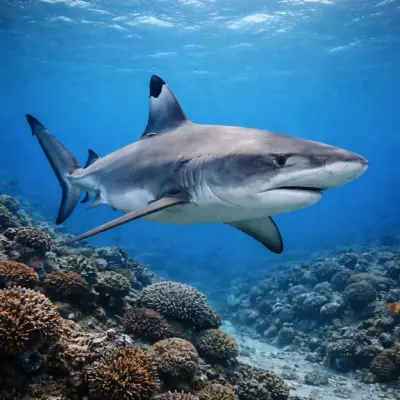
Grey reef sharks
common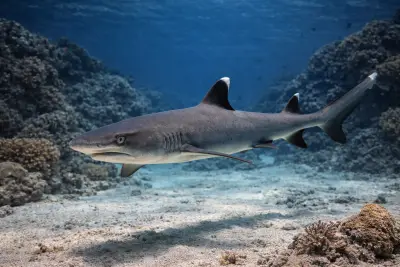
Whitetip reef sharks
common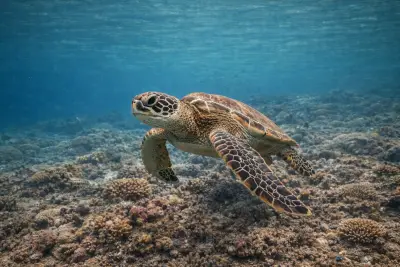
Green sea turtles
October to March · common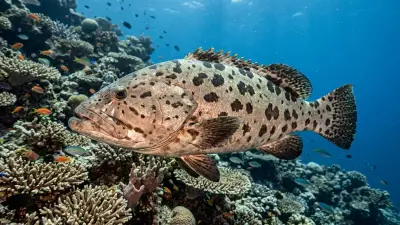
Potato Cod
common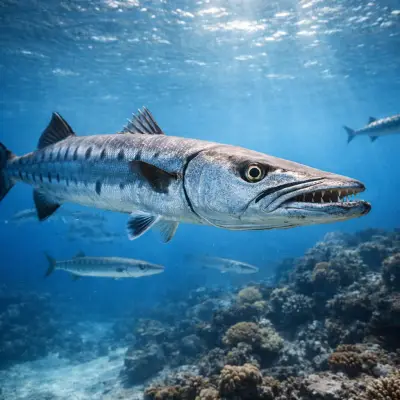
Barracuda
common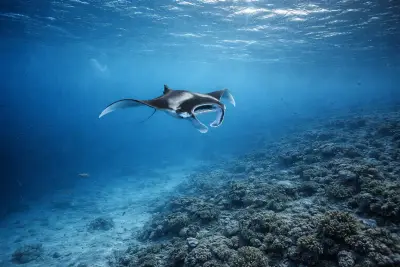
Manta rays
April to October · occasional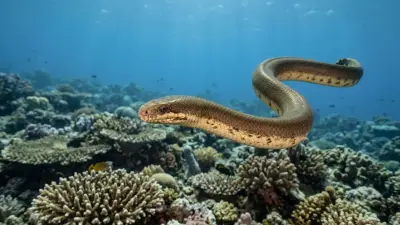
Sea snakes
common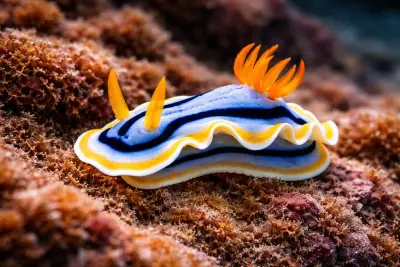
Nudibranchs
common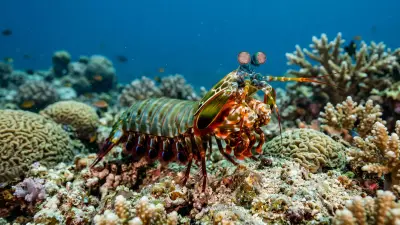
Shrimps
common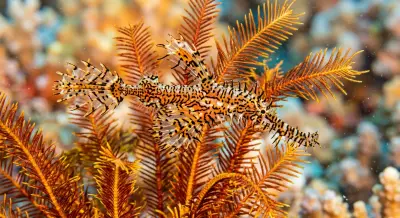
Pipefish
common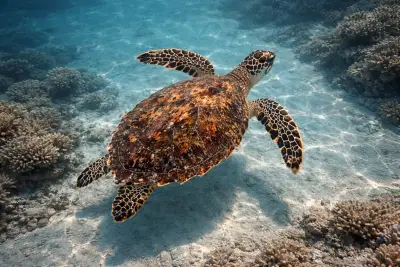
Hawksbill turtles
common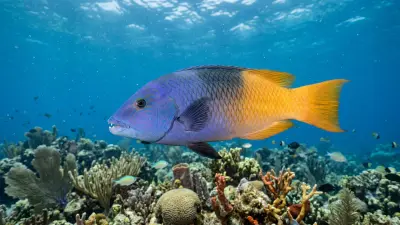
Maori Wrasse
common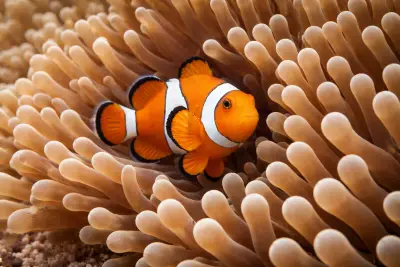
Clownfish
common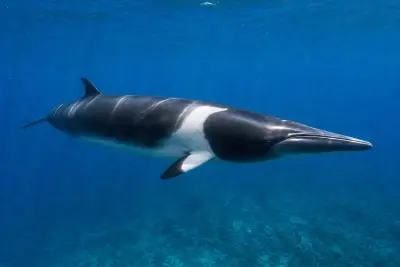
Dwarf minke whales
June and July · occasionalDive profile & how the dive runs
Diving around Lizard Island typically involves liveaboard operations accessing the surrounding Ribbon Reefs and outer coral systems. Entry is usually via tender boat, often with a negative entry to descend quickly in areas with currents. Dives explore steep oceanic walls adorned with gorgonians and soft corals, isolated pinnacles, or vibrant coral gardens. Depths can range from shallow reef tops at 12 meters to over 40 meters on deeper wall dives. Routes are often drift dives, allowing divers to be carried by currents along the reef, observing pelagic schools and reef sharks. Specific sites like Cod Hole feature interactions with large Potato Cod at the seafloor. Turn points are usually determined by air consumption or bottom time, with ascents along the reef face. Safety stops are performed in the shallower reef areas, often with visual reference, before surfacing for pickup by the tender.
Underwater photography
The remote and pristine nature of the Far North GBR around Lizard Island offers exceptional underwater photography opportunities. Wide-angle lenses are essential for capturing the expansive coral formations, steep walls, and pelagic schools like barracuda and reef sharks. Due to the generally excellent visibility and strong currents, securing your position to compose shots while maintaining good buoyancy is crucial. Macro lenses are also highly rewarding for documenting the diverse and dense macro biodiversity, including nudibranchs, shrimps, and pipefish, often found tucked into the reef structure. External strobes are recommended to bring out the true colors of the corals and marine life, especially at deeper sections or in overhead environments like caves. Be respectful of marine life, particularly the large Potato Cod at Cod Hole, maintaining a comfortable distance while photographing.
Combine with nearby dive sites
- Ribbon Reefs
A chain of ten string-shaped coral reefs, home to famous sites like Cod Hole
- Cod Hole
Legendary site on Ribbon Reef #10, known for friendly Potato Cod
- Great Detached Reefs
Features steep walls and extensive coral systems in the remote north
- Flynn Reef
Often visited on liveaboard trips, known for diverse reef life
- Moore Reef
A popular outer reef pontoon site, accessible from Cairns
Getting there & logistics
Access to the remote Far Northern Great Barrier Reef and Lizard Island is primarily through multi-day liveaboard trips, as it is hundreds of kilometers from populated areas and not reachable by day boats from Cairns. Liveaboards typically depart from Cairns or Port Douglas. These trips usually last at least three or four days, with some expeditions to more distant sites like Osprey Reef requiring a week. Lizard Island itself has an airstrip, allowing for transfers to and from liveaboard operations. Marine Park fees are typically included in liveaboard packages. Planning ahead is essential, especially during peak seasons, as availability on these specialized trips can be limited.
Safety & environment
Diving near Lizard Island in the Far North GBR requires a strong emphasis on diver safety due to the remote nature of the sites and potentially strong currents. Divers should carry adequate insurance covering dive accidents and medical evacuation. The nearest recompression chamber is likely located in Cairns, necessitating a significant evacuation time in case of emergency. Liveaboard operators are equipped with emergency oxygen and first aid, and strict dive protocols are followed. Advanced Open Water certification is strongly recommended, with Deep Diver certification beneficial for some sites. Always dive within your training and comfort limits, pay close attention to dive briefings, and monitor your air consumption and bottom time diligently.
Who it suits — and who it doesn't
Suited for
- Experienced divers comfortable with currents
- Advanced Open Water certified divers
- Underwater photographers seeking pristine reefs
- Liveaboard enthusiasts
- Divers interested in pelagic encounters and large marine life
- Those seeking an expedition-style dive adventure
Less suited for
- Beginner Open Water divers
- Divers uncomfortable with strong currents
- Those prone to seasickness on longer journeys
- Divers seeking shore-based dive operations
- Those expecting calm, sheltered conditions exclusively
FAQ
Lizard Island FAQ
What is the best way to dive around Lizard Island?
The most effective way to experience the diving around Lizard Island and the Far North Great Barrier Reef is by booking a multi-day liveaboard trip. These expeditions typically depart from Cairns or Port Douglas and provide access to the remote Ribbon Reefs and outer coral systems that are otherwise inaccessible by day trips due to their distance from the mainland.
What kind of marine life can I expect to see near Lizard Island?
Divers can expect a remarkable array of marine life, including grey and whitetip reef sharks, large schools of barracuda, and various rays. The area is also famous for its dense macro biodiversity, featuring nudibranchs, shrimps, and pipefish. Notably, during the nesting season from October to March, thousands of green sea turtles can be observed in the surrounding waters.
Are the currents strong around Lizard Island?
Yes, currents are a notable feature of diving in this region, and they can be strong, particularly at exposed outer reef sites like Tijou Reef. These currents contribute to the health and vitality of the coral systems but require divers to be experienced and comfortable with drift diving techniques. Always heed your dive guide's instructions regarding current conditions.
What dive certification is required for Lizard Island?
An Advanced Open Water certification is strongly recommended for most dive sites around Lizard Island due to the potential for deeper dives and strong currents. For certain deeper wall dives, a Deep Diver certification might be necessary. This region is best suited for confident and experienced divers.
When is the best time of year to visit Lizard Island for diving?
The optimal time for diving near Lizard Island is generally from October to December. During these months, winds tend to be lighter, offering better access to the exposed outer reef walls. This period also aligns with warm water temperatures and the significant nesting activity of green sea turtles, adding to the richness of marine encounters.
Can I dive with Potato Cod at Lizard Island?
Yes, one of the iconic experiences near Lizard Island is diving with the large Potato Cod at Cod Hole, located on Ribbon Reef #10. These curious and often friendly fish can weigh up to 200 pounds and are a major highlight for many divers visiting the region.
Why dive Lizard Island from a liveaboard?
Lizard Island is one of Australia's signature dive sites. A liveaboard sleeps you on the water and puts you in the water for three to four guided dives per day, including dawn and night dives that day-boat operators rarely offer. You skip the daily commute back to port and reach quieter, less-crowded sites in the same region on a single trip.
Below are the liveaboards that include Lizard Island on their Australia itineraries.
Liveaboards diving Lizard Island
These liveaboards may visit Lizard Island on selected itineraries — the exact dive sites depend on departure, weather and conditions.
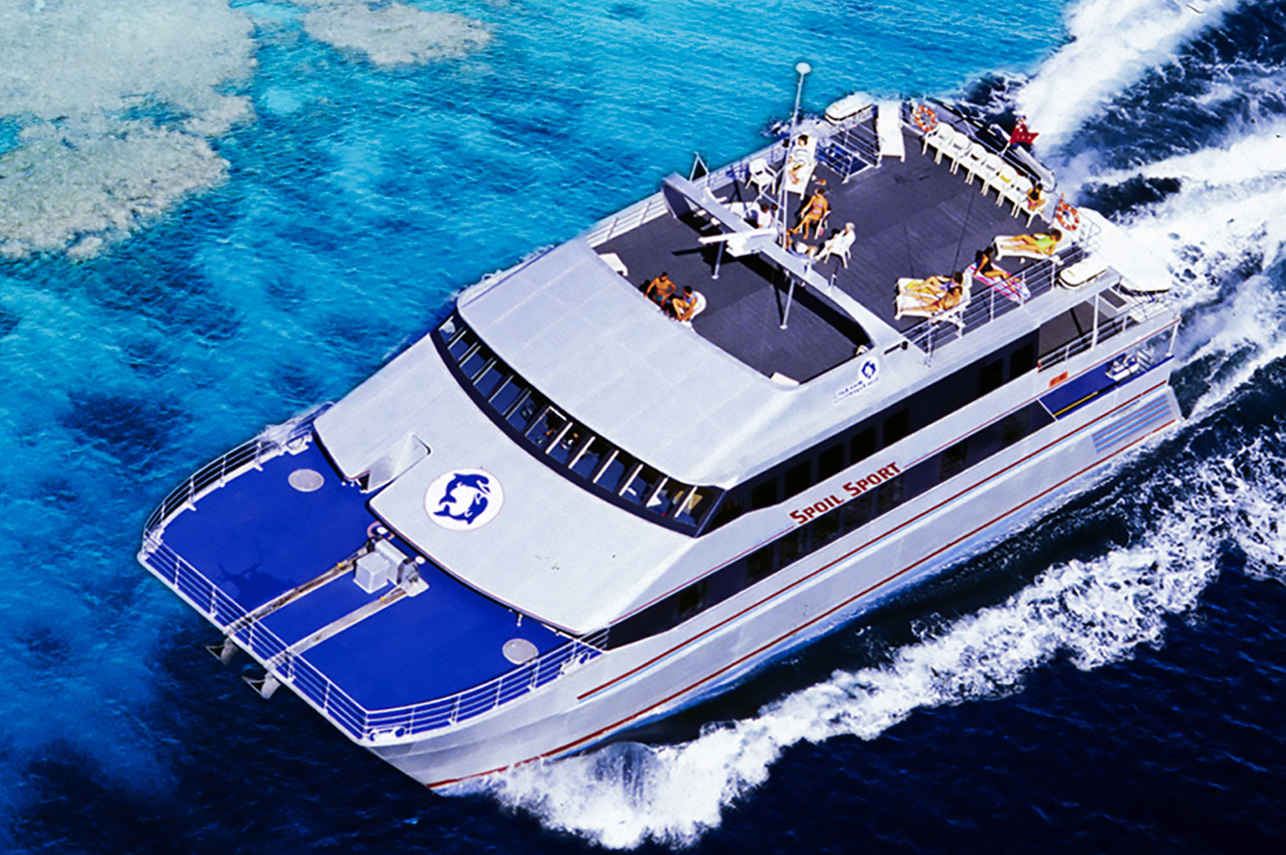
Spoilsport
Australia
28 guests30 m
$408/day
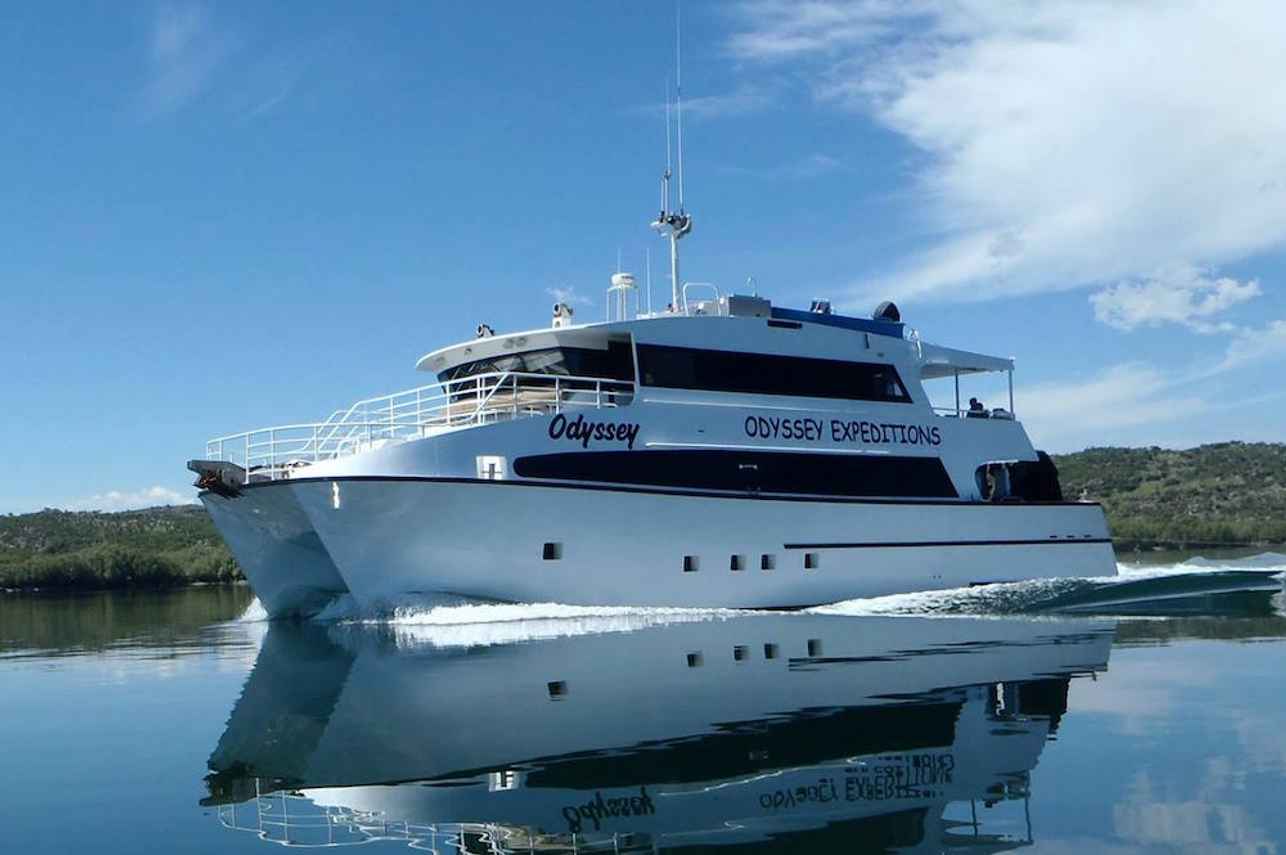
Odyssey Liveaboard
Australia
20 guests24 m
$392/day
Dive sites similar to Lizard Island
Same character, same waters — six more sites divers love for the exact same reasons.Compare seasons, access and liveaboard routes — then pick the site that fits your trip best.
© Esri — Maxar, Earthstar, GIS
Agincourt Reef
Australia
Agincourt Reef sits on the outer edge of the Great Barrier Reef, roughly 60–72 km off Port Douglas in Far North Queensland, at the southern end of the true ribbon reefs that run…
- Suitable for
- Beginner
- Current
- Moderate
- Access
- Dayboat
- Depth
- 2–20 m
- Theme
- Reef / Wall
© Esri — Maxar, Earthstar, GIS
Cocos Keeling - Canons
Australia
Cocos Keeling - Canons offers a distinctive dive experience within the Cocos (Keeling) Islands lagoon, making it Australia's most remote dive destination.
- Suitable for
- Beginner
- Current
- Mild
- Access
- Dayboat
- Depth
- 8–12 m
- Theme
- Reef
© Esri — Maxar, Earthstar, GIS
Raine Island
Australia
Raine Island is a pivotal dive site located in the Far Northern Great Barrier Reef, approximately 85 kilometers east-north-east of Cape Grenville and just over 4 nautical miles south of the island itself.
- Suitable for
- Advanced
- Current
- Strong
- Access
- Liveaboard only
- Depth
- 5–40 m
- Theme
- Reef / Wall
© Esri — Maxar, Earthstar, GIS
Bare Island East
Australia
Bare Island East is a highly regarded shore dive in Sydney, celebrated for its diverse and colourful sponge gardens.
- Suitable for
- Intermediate
- Current
- Mild
- Access
- Shore / dayboat
- Depth
- 2–11 m
- Theme
- Reef
© Esri — Maxar, Earthstar, GIS
Cocos Keeling - Broccoli Patch
Australia
Broccoli Patch is a premier dive site nestled within the Cocos (Keeling) Islands lagoon system, offering a gentle yet captivating underwater experience.
- Suitable for
- Beginner
- Current
- Mild
- Access
- Dayboat
- Depth
- 5–10 m
- Theme
- Reef
© Esri — Maxar, Earthstar, GIS
Milln Reef
Australia
Milln Reef, located approximately 60km offshore from Cairns within the Great Barrier Reef, stands out as a highly favored outer reef destination for both divers and snorkelers.
- Suitable for
- Intermediate
- Current
- Moderate
- Access
- Liveaboard or dayboat
- Depth
- 4–22 m
- Theme
- Reef