About Lighthouse Reef
Lighthouse Reef, situated near the West End dock of Cayman Brac, provides a distinctive shallow reef diving experience. The site is structured with both an inner and an outer reef, creating a layered underwater landscape. The upper sections remain relatively shallow, gradually descending to sandy areas, while the inner reef is adorned with numerous swim-throughs and natural overhangs, inviting exploration. This site is particularly well-suited for relaxed reef exploration, where buoyancy control is key to navigating its intricate structures and enjoying the abundant marine life that seeks refuge in its shaded nooks. Its accessible location and generally calm conditions make it a favored spot for a straightforward boat dive, especially when the sea is tranquil. The reef’s topography, with its diverse coral formations and hidden passages, offers a dynamic environment for observing typical Caribbean reef species. Divers will appreciate the opportunity to delve into the reef's crevices and observe its inhabitants without the challenge of strong currents, making for a peaceful and engaging underwater journey.
Highlights
Layered inner and outer reefShallow reef top explorationIntricate swim-throughs and overhangsRelaxed reef divingAbundant Caribbean reef lifeCalm sea conditions
Season calendar
Best months to dive here
Jan
Feb
Mar
Apr
May
Jun
Jul
Aug
Sep
Oct
Nov
Dec
Good
Dive site facts: Lighthouse Reef
- Depth
- 6–15 m
- Current
- Mild
- Visibility
- 18 m
- Entry
- Boat
- Level
- Beginner
- Dive type
- Reef, swim-throughs
- Region / port
- Cayman Brac
- Coordinates
- 19.693, -79.723
Conditions & Currents
Sea conditions around Lighthouse Reef are typically calm, with minimal waves and swells, facilitating easy entry and exit from the water. The Cayman Islands feature a limited tidal range, which results in generally mild currents at this site, reducing the stress often associated with stronger flows. While currents are usually gentle, divers should always be aware of local conditions. The relaxed current environment allows for thorough exploration of the reef's swim-throughs and overhangs. Visibility here is often excellent, contributing to a tranquil and enjoyable dive experience for all skill levels.
Marine life & sighting chances
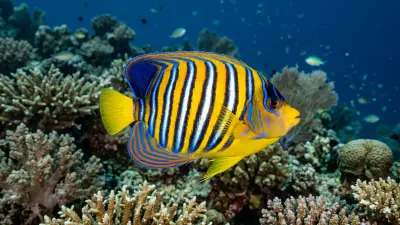
Angelfish
common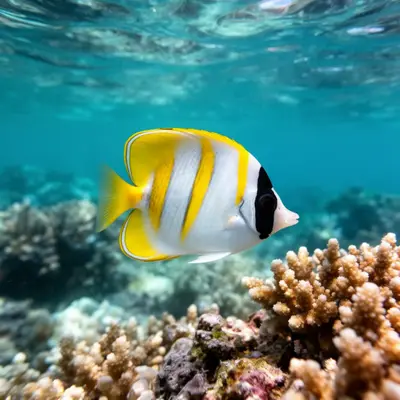
Butterflyfish
common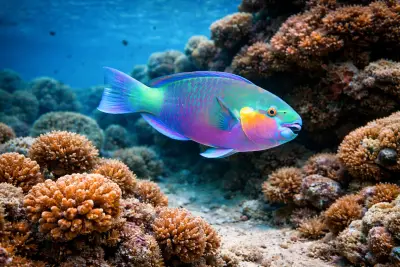
Parrotfish
common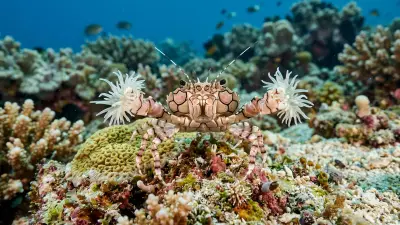
Spiny spotted crabs
occasional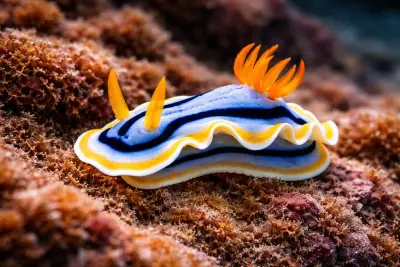
Nudibranchs
occasional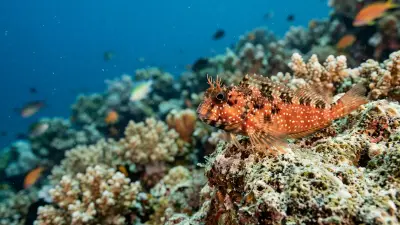
Blennies
occasional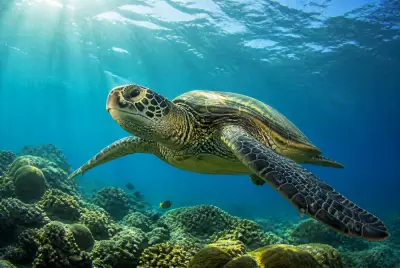
Turtles
occasional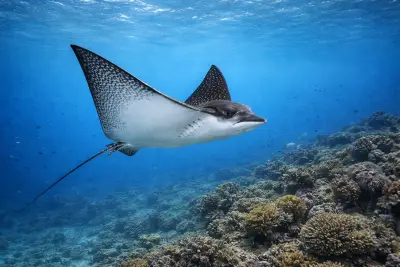
Spotted eagle rays
occasional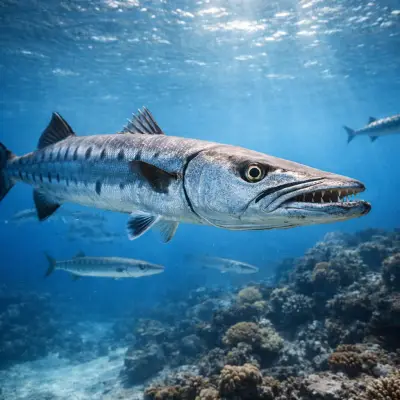
Barracudas
occasional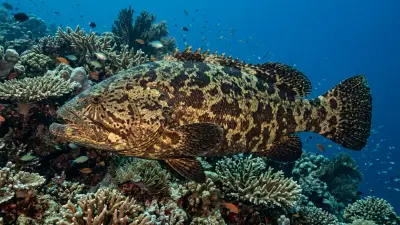
Groupers
occasional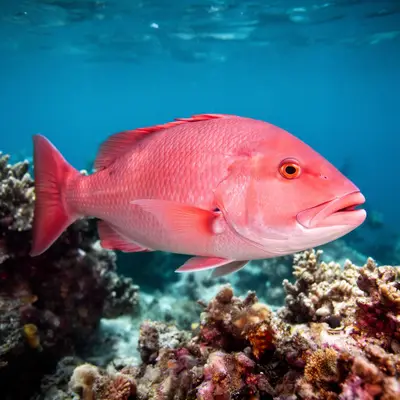
Snappers
occasionalDive profile & how the dive runs
Diving at Lighthouse Reef typically involves a boat entry, often from the resort or dock area. The dive begins on the shallow top of the reef, which is approximately 6 meters deep. Divers can then explore the distinct inner and outer reef sections, gradually descending to sandy areas around 14-15 meters. The primary route involves navigating through the numerous swim-throughs and overhangs found within the inner reef, requiring good buoyancy control. The dive is usually relaxed, allowing ample time for observation of marine life sheltering in the reef's structure. The turnaround point is flexible, often guided by air consumption or bottom time, with the ascent back towards the shallower reef top for a safety stop before returning to the boat.
Underwater photography
Lighthouse Reef is excellent for wide-angle photography, especially when capturing the expansive reef structures, swim-throughs, and the interplay of light within the overhangs. A fisheye or wide-angle rectilinear lens will serve well for these scenic shots, highlighting the layered topography of the inner and outer reefs. For macro enthusiasts, the shaded pockets and coral formations host a variety of smaller critters like nudibranchs and blennies, making a dedicated macro lens a valuable addition. Given the shallow depths, natural light is often sufficient, but a strobe can enhance colors and reduce backscatter, particularly when shooting into darker areas of swim-throughs. Maintaining excellent buoyancy is crucial here to avoid stirring up sand in the shallower sections and to navigate the delicate reef without contact.
Combine with nearby dive sites
- MV Captain Keith Tibbetts
A significant wreck dive not far from Lighthouse Reef.
- Bloody Bay Wall
Iconic wall diving, particularly in Little Cayman, known for dramatic drop-offs.
- Trinity Caves
An exciting dive site with impressive coral formations and swim-throughs.
- Stingray City
Famous for interacting with Southern stingrays in shallow waters.
- Kittiwake Reef
Home to the USS Kittiwake wreck, offering wreck exploration.
- Cemetery Wall
A vibrant wall dive on Grand Cayman with abundant marine life.
Getting there & logistics
Access to Lighthouse Reef is primarily via boat, with local operators providing trips from the resort and dock areas in Cayman Brac. International flights typically arrive at Owen Roberts International Airport (GCM) on Grand Cayman, requiring a connecting flight or ferry to Cayman Brac. Dive packages often include transfers and support from the island's dive resorts. While no specific permits are mentioned for this site, adherence to Cayman Brac marine park regulations is essential, including restrictions on marine life take in protected zones. Typical dive trips to Lighthouse Reef are integrated into daily boat schedules, often combined with other nearby sites for a full day of diving.
Safety & environment
The nearest recompression chamber is located on Grand Cayman, emphasizing the importance of responsible diving practices and comprehensive dive insurance covering medical evacuation. While Lighthouse Reef is generally considered a relaxed dive, overhead environments within the swim-throughs and overhangs necessitate proper training, excellent buoyancy control, and constant awareness of exit points. Divers should always plan their dive within no-decompression limits and closely monitor air consumption. Adherence to marine park rules, which protect the fragile ecosystem, is mandatory. It's recommended to dive with a local operator familiar with the site for guidance and support.
Who it suits — and who it doesn't
Suited for
- Beginner divers seeking relaxed reef exploration
- Divers who enjoy swim-throughs and intricate reef topography
- Underwater photographers focusing on wide-angle and macro subjects
- Divers prioritizing calm conditions and good visibility
- Those seeking an operator-led boat dive experience
Less suited for
- Divers seeking challenging currents or extreme depths
- Those uninterested in reef formations and smaller marine life
- Divers preferring shore entry opportunities
- Individuals with poor buoyancy control in confined spaces
- Those looking for large pelagic encounters primarily
FAQ
Lighthouse Reef FAQ
What is the typical depth at Lighthouse Reef?
The typical depth range for diving at Lighthouse Reef is between 6 and 15 meters. The top of the reef starts shallower, around 6 meters, and gradually slopes down to sandy areas at about 14-15 meters, offering a comfortable profile for various diver levels.
Are there strong currents at Lighthouse Reef?
No, Lighthouse Reef generally experiences mild currents. The Cayman Islands have a limited tidal range, contributing to calmer waters. This makes it a relaxed dive site suitable for enjoying the reef's features without the challenge of strong flows.
What kind of marine life can I expect to see at Lighthouse Reef?
You can expect to encounter a good variety of Caribbean reef life, including angelfish, butterflyfish, and parrotfish. Occasional sightings of spiny spotted crabs, nudibranchs, blennies, turtles, and spotted eagle rays also occur. Larger species like barracudas, groupers, and snappers may also be present.
Is Lighthouse Reef suitable for beginner divers?
Yes, Lighthouse Reef is well-suited for beginner divers due to its shallow depths, generally calm conditions, and mild currents. The site's clear visibility and accessible swim-throughs make it an enjoyable and manageable experience for those new to diving, though good buoyancy control is always beneficial.
What are the main features of Lighthouse Reef's topography?
The topography of Lighthouse Reef is characterized by a layered structure, featuring distinct inner and outer reef sections. Divers will find a shallow reef top, gradually descending to sandy bottoms, along with numerous swim-throughs and overhangs that create an engaging environment for exploration.
Why dive Lighthouse Reef from a liveaboard?
Lighthouse Reef is one of Cayman Islands's signature dive sites. A liveaboard sleeps you on the water and puts you in the water for three to four guided dives per day, including dawn and night dives that day-boat operators rarely offer. You skip the daily commute back to port and reach quieter, less-crowded sites in the same region on a single trip.
Below are the liveaboards that include Lighthouse Reef on their Cayman Islands itineraries.
Liveaboards diving Lighthouse Reef
These liveaboards may visit Lighthouse Reef on selected itineraries — the exact dive sites depend on departure, weather and conditions.
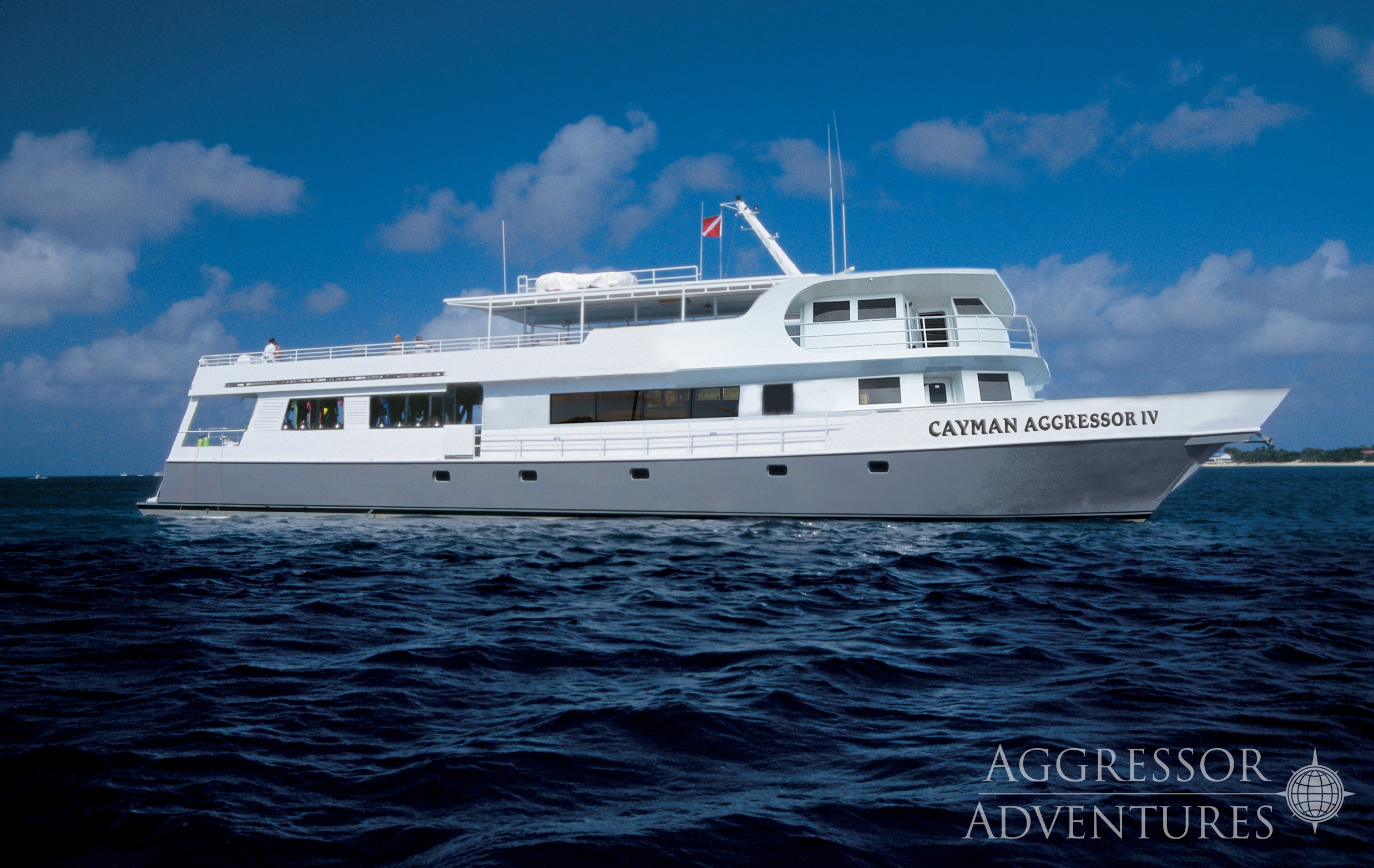
Cayman Aggressor IV
Cayman Islands
18 guests32.9 m
$337/day
Dive sites similar to Lighthouse Reef
Same character, same waters — six more sites divers love for the exact same reasons.Compare seasons, access and liveaboard routes — then pick the site that fits your trip best.
© Esri — Maxar, Earthstar, GIS
Big Table Rock
Cayman Islands
Big Table Rock is a well-known dive site located in George Town, Grand Cayman, offering a diverse and visually striking underwater landscape.
- Suitable for
- Intermediate
- Current
- Mild
- Access
- Dayboat
- Depth
- 10–30 m
- Theme
- Reef / Wall
© Esri — Maxar, Earthstar, GIS
North Wall
Cayman Islands
The North Wall of Grand Cayman stands as one of the most celebrated and visually striking dive regions, stretching along the island's northern coastline.
- Suitable for
- Advanced
- Current
- Mild
- Access
- Liveaboard or dayboat
- Depth
- 50–100 m
- Theme
- Reef
© Esri — Maxar, Earthstar, GIS
Parrot's Reef
Cayman Islands
Parrot's Reef is a notable dive site found along Grand Cayman's South coast, distinct from the more frequently dived West and North Walls.
- Suitable for
- Beginner
- Current
- Mild
- Access
- Dayboat
- Depth
- 12–15 m
- Theme
- Reef
© Esri — Maxar, Earthstar, GIS
Marty's Wall
Cayman Islands
Marty's Wall is a dive site located in West Bay, Grand Cayman, an area known for its dramatic wall dives and pristine coral ecosystems.
- Suitable for
- Intermediate
- Current
- Mild
- Access
- Dayboat
- Depth
- 12–36 m
- Theme
- Wall / Reef
© Esri — Maxar, Earthstar, GIS
Big Tunnels
Cayman Islands
Big Tunnels is a prominent dive site located on the West Side of Grand Cayman, specifically south of Northwest Point and near Orange Canyon, forming part of the extensive western wall system.
- Suitable for
- Intermediate
- Current
- Mild
- Access
- Liveaboard or dayboat
- Depth
- 17–27 m
- Theme
- Reef
© Esri — Maxar, Earthstar, GIS
Randy's Gazebo
Cayman Islands
Randy's Gazebo is a highly regarded dive site located in Little Cayman, one of the three Cayman Islands, renowned for its spectacular underwater scenery and healthy marine ecosystems.
- Suitable for
- Intermediate
- Current
- Mild
- Access
- Dayboat
- Depth
- 5–18 m
- Theme
- Reef / Wall