About Greg's Wall
Greg's Wall is an advanced dive site situated in the Radama Archipelago, off Madagascar's northwestern coast. This remote location in the Mozambique Channel ensures pristine diving conditions, with marine ecosystems largely untouched by human influence. The healthy reef evokes a sense of how coral environments appeared decades ago, offering a glimpse into a vibrant, unspoiled underwater world. The wall itself drops dramatically from a shallow reef crest into deeper channel waters, adorned with spectacular marine growth. Its remote setting, far from major population centers and tourist infrastructure, safeguards it from typical pressures, resulting in exceptional coral coverage. Dense hard corals thrive in the upper sections, transitioning to impressive soft corals and gorgonian displays at greater depths. The Mozambique Channel's warm, nutrient-rich waters foster prolific growth, with barrel sponges, sea fans, and black coral colonies of considerable size decorating the wall face. The coral diversity mirrors the rich biodiversity found across the Indian Ocean. Marine life here is outstanding, supported by the healthy environment. Schools of fusiliers and anthias swirl above the reef crest, while larger predators like groupers, trevally, and reef sharks patrol the wall. Sea turtles are a frequent sight, and during the appropriate season, humpback whales migrate through the channel, their songs often audible to divers. This abundance across the food chain underscores the site's ecological health. Access to Greg's Wall typically requires dedicated liveaboard expeditions due to its remote location. The advanced rating reflects the potential for strong currents in the channel, significant depths, and the logistical challenges of reaching such a secluded destination.
Highlights
Pristine, untouched wall diveExceptional coral coverageLarge pelagic encountersRemote Radama ArchipelagoMozambique Channel biodiversityHealthy reef sharks and trevallyHumpback whale songs (seasonal)
Season calendar
Best months to dive here
Jan
Feb
Mar
Apr
May
Jun
Jul
Aug
Sep
Oct
Nov
Dec
Excellent
Good
Dive site facts: Greg's Wall
- Depth
- 5–40 m
- Current
- Moderate to strong
- Visibility
- 15–30 m
- Water temperature
- 26–29 °C
- Entry
- Boat dive
- Level
- Advanced
- Dive type
- Wall, coral, pelagic
- Region / port
- Radama Archipelago
- Coordinates
- -13.35, 48.2833
Conditions & Currents
Greg's Wall is an advanced dive due to its location in the Mozambique Channel, which can bring strong currents. Divers should expect variable conditions, ranging from mild to moderate or even strong currents, particularly when the channel is active. Entry and exit strategies, such as negative entries or current-assisted drifts, may be employed depending on daily conditions. While visibility often surpasses 25 meters, it can occasionally be reduced, especially during the wet season, due to increased rainfall and runoff. Thermoclines are generally not a concern given the consistently warm water temperatures, though surges might occur in shallower sections. Divers must be comfortable with current management and ensure adequate gas planning for potential exertion.
Marine life & sighting chances
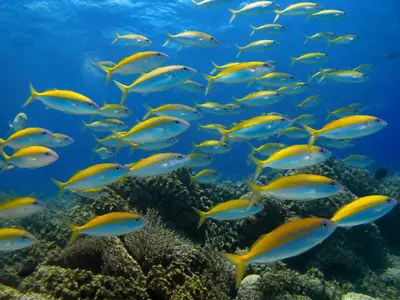
Fusiliers
common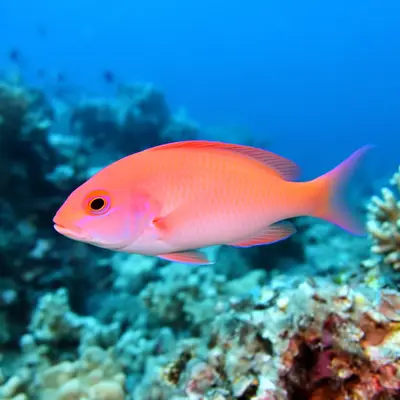
Anthias
common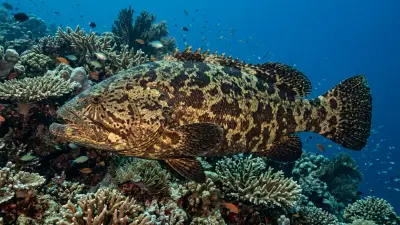
Groupers
occasional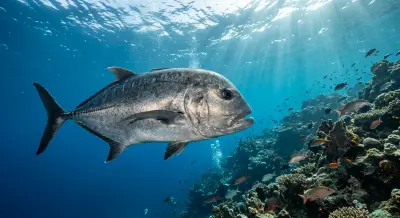
Trevally
occasional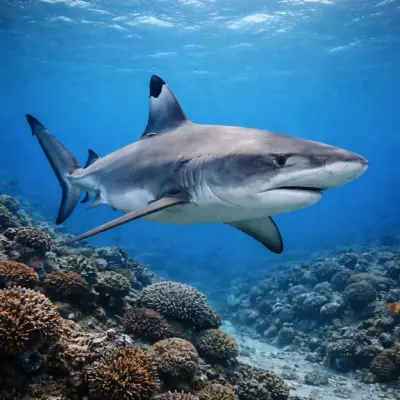
Reef Sharks
occasional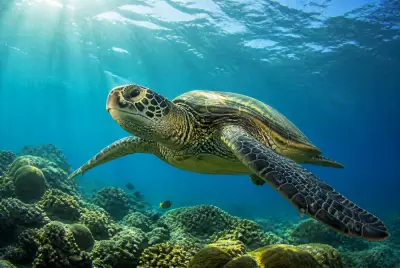
Sea Turtles
occasional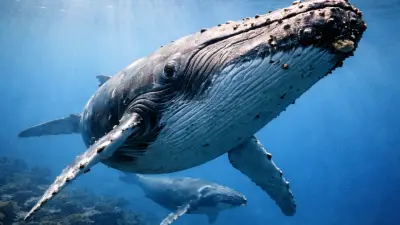
Humpback Whales
July-September · occasional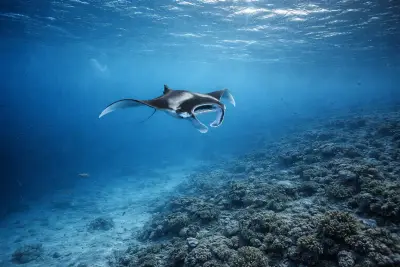
Manta Rays
March, July, November · occasional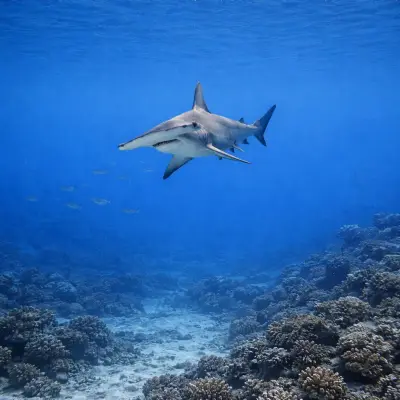
Hammerhead Sharks
November · occasional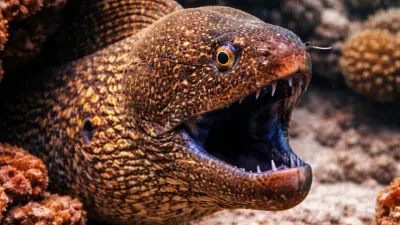
Moray Eels
occasional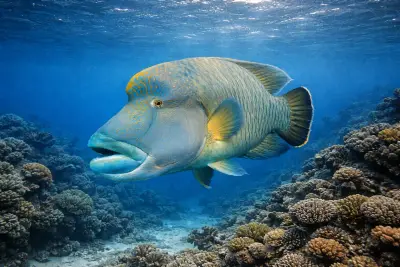
Napoleon Wrasse
occasional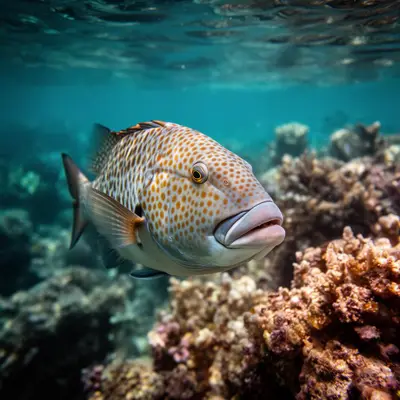
Sweetlips
occasionalDive profile & how the dive runs
Diving Greg's Wall typically begins with a boat drop directly onto the reef crest, which sits shallower, allowing for a negative entry if currents dictate. Divers then descend along the dramatic wall face, exploring the diverse coral growth and marine life at various depth bands. The route often follows the wall, allowing divers to drift with the prevailing current while observing dense hard corals in the upper sections and abundant soft corals and gorgonians at deeper levels. The dive progresses along the wall, with the turn point determined by air consumption and no-decompression limits, usually before reaching the deeper channel floor. Ascents are made back along the wall, with safety stops performed in the shallower, current-sheltered sections of the reef crest before surfacing for boat pick-up.
Underwater photography
Greg's Wall is an exceptional site for wide-angle photography, capturing the dramatic wall topography, vast coral coverage, and schooling fish. A wide-angle lens is ideal to encompass the expansive hard and soft coral gardens, barrel sponges, and sea fans that adorn the wall. For capturing larger pelagics like reef sharks, trevally, or seasonal humpback whales, a dome port with a wide-angle lens is essential. Strobes are highly recommended to bring out the vibrant colors of the corals, especially at depth where natural light diminishes. Be mindful of potential strong currents, which can make steady composition challenging; practice good buoyancy and brace yourself if necessary. Given the pristine nature of the site, maintaining excellent buoyancy control to avoid contact with the delicate corals is paramount for ethical photography.
Combine with nearby dive sites
- Nosy Mitsio Pinnacles
Offers pristine coral gardens and chances for pelagic encounters.
- Nosy Tanikely Marine Reserve
Known for abundant marine biodiversity and healthy coral reefs, though shallower.
- Nosy Komba Reef
Provides consistent diving opportunities with healthy coral gardens.
- Radama Islands
The broader archipelago where Greg's Wall is located, known for remote, untouched diving.
Getting there & logistics
Accessing Greg's Wall, located in the remote Radama Archipelago, almost exclusively requires a liveaboard expedition. The primary international gateway to Madagascar is Ivato International Airport (TNR) near Antananarivo. From there, domestic flights are typically taken to Nosy Be (Fascene Airport, NOS), which serves as a common departure point for liveaboards exploring the northern and northwestern dive regions, including the Radama Islands. Trip lengths for liveaboards usually range from 7 to 10 days. Due to its remote nature, specific park fees for Greg's Wall are usually incorporated into the liveaboard package. It is often combined with other sites in the Radama and Mitsio Archipelagos, offering a comprehensive tour of Madagascar's untouched northern dive sites.
Safety & environment
Diving Greg's Wall requires robust safety planning given its advanced nature and remote location. The nearest recompression chamber is likely in South Africa, meaning evacuation would be complex and time-consuming. Comprehensive dive insurance, including coverage for medical emergencies and emergency evacuation, is non-negotiable. Site-specific hazards include potentially strong and unpredictable currents in the Mozambique Channel, which necessitate excellent current diving skills and careful dive planning by guides. Depths can extend significantly along the wall, requiring conservative no-decompression limits and potentially enriched air nitrox. Divers must strictly adhere to the dive brief, maintain buddy contact, and carry appropriate safety equipment, such as an SMB and signaling devices. Marine life, while generally not aggressive, includes reef sharks and large pelagics, requiring respectful observation distances.
Who it suits — and who it doesn't
Suited for
- Advanced divers comfortable with currents
- Experienced underwater photographers
- Divers seeking untouched, remote reefs
- Liveaboard enthusiasts
- Those interested in pelagic encounters
Less suited for
- Beginner divers or those without current experience
- Divers uncomfortable with remote dive sites
- Individuals prone to seasickness
- Divers seeking extensive macro subjects only
FAQ
Greg's Wall FAQ
What makes Greg's Wall an advanced dive site?
Greg's Wall is rated advanced due to its remote location in the Mozambique Channel, which can have strong and unpredictable currents. The dive also involves significant depths along the wall, requiring good buoyancy control and dive planning. Divers should be comfortable with various current conditions and have experience with wall diving.
What kind of marine life can I expect to see?
The site is renowned for its outstanding marine life, including schools of fusiliers and anthias, along with larger predators like groupers, trevally, and reef sharks. Sea turtles are frequently sighted, and during migration season, humpback whales can be heard or even spotted. Occasional manta rays and hammerhead sharks also make appearances.
What are the typical water conditions at Greg's Wall?
Visibility frequently exceeds 25 meters, often reaching 30 meters or more during the dry season. Water temperatures are consistently warm, averaging 26 to 29 degrees Celsius. While currents can be strong, they contribute to the site's rich biodiversity by bringing in nutrients and attracting pelagic species.
How do I get to Greg's Wall?
Due to its remote location within the Radama Archipelago, Greg's Wall is primarily accessed via liveaboard expeditions. These trips typically depart from Nosy Be, which can be reached by a domestic flight from Madagascar's capital, Antananarivo. It's not generally accessible via day trips from land-based resorts.
Is Greg's Wall suitable for underwater photography?
Yes, Greg's Wall offers excellent opportunities for wide-angle underwater photography. The dramatic wall, pristine coral coverage, and abundant schooling fish provide spectacular subjects. Photographers should be prepared for potential currents and focus on capturing the vastness of the reef and its larger inhabitants.
Why dive Greg's Wall from a liveaboard?
Greg's Wall is one of Madagascar's signature dive sites. A liveaboard sleeps you on the water and puts you in the water for three to four guided dives per day, including dawn and night dives that day-boat operators rarely offer. You skip the daily commute back to port and reach quieter, less-crowded sites in the same region on a single trip.
Below are the liveaboards that include Greg's Wall on their Madagascar itineraries.
Dive sites similar to Greg's Wall
Same character, same waters — six more sites divers love for the exact same reasons.Compare seasons, access and liveaboard routes — then pick the site that fits your trip best.
© Esri — Maxar, Earthstar, GIS
Nosy Mitsio Pinnacles
Madagascar
Nosy Mitsio Pinnacles, part of the Mitsio Archipelago in Madagascar, offers a pristine and authentic diving experience far removed from mass tourism.
- Suitable for
- Advanced
- Current
- Strong
- Access
- Liveaboard or dayboat
- Depth
- 12–40 m
- Theme
- Wall
© Esri — Maxar, Earthstar, GIS
The Wall (Nosy Be)
Madagascar
The Wall in Nosy Be is a renowned dive site characterized by its steep, colorful drop-offs, showcasing the rich biodiversity of Madagascar's underwater world.
- Suitable for
- Advanced
- Current
- Strong
- Access
- Liveaboard or dayboat
- Depth
- 15–30 m
- Theme
- Wall
© Esri — Maxar, Earthstar, GIS
Tanikely Canyon
Madagascar
Nosy Tanikely, often called "the island of small land," is an uninhabited islet nestled in the bay of Nosy Be, Madagascar.
- Suitable for
- Intermediate
- Current
- Strong
- Access
- Liveaboard or dayboat
- Depth
- 10–28 m
- Theme
- Reef / Wall
© Esri — Maxar, Earthstar, GIS
Nosy Sakatia
Madagascar
Nosy Sakatia is a small island located off the northwest coast of Madagascar, forming part of the Nosy Be archipelago.
- Suitable for
- Intermediate
- Current
- Moderate
- Access
- Dayboat
- Depth
- 5–27 m
- Theme
- Reef / Wall
© Esri — Maxar, Earthstar, GIS
Tsarabanjina Reef
Madagascar
Tsarabanjina Reef, located in the Mitsio archipelago off Madagascar's northwest coast, is celebrated for its untouched underwater ecosystems.
- Suitable for
- Intermediate
- Current
- Strong
- Access
- Liveaboard or dayboat
- Depth
- 6–24 m
- Theme
- Cave & cavern / Reef
© Esri — Maxar, Earthstar, GIS
Nosy Fanihy
Madagascar
Nosy Fanihy, a captivating island located near Nosy Be, Madagascar, is renowned for its exceptional underwater topography and abundant marine life.
- Suitable for
- Intermediate
- Current
- Strong
- Access
- Liveaboard or dayboat
- Depth
- 6–28 m
- Theme
- Wall