About Koh Phi Phi — Bida Nai
Koh Bida Nai, a tiny limestone islet nestled at the southern tip of the Phi Phi Archipelago, stands as one of the premier dive sites among the Phi Phi Islands. Renowned for its exceptionally healthy reefs and diverse marine life, this site offers a range of underwater experiences. Topography varies from sheer walls dropping over 20 meters, adorned with hard and soft corals and teeming with reef fish, to gently sloping sandy bottoms featuring impressive, large sea fans. Further south, the wall transitions into a beautiful sloping reef, with shallower areas often revealing cruising blacktip reef sharks. While diving is possible around the entire island, the west side is particularly active with marine life. Depending on currents, divers often begin at the northern tip, drifting south along the west coast to explore the vibrant wall and sloping reef sections. This captivating site is home to various species, including schools of barracudas—from the smaller big-eye to the larger pickhandle varieties—and curious batfish that often approach divers. Common sightings also include blue-spotted stingrays, porcupinefish, and a rich assortment of other local reef inhabitants. Koh Bida Nai offers visibility that can range from 5 to over 20 meters, influenced by tidal conditions. Currents here are typically mild to moderate, making it accessible for a range of divers. The site features dramatic limestone walls blanketed in colorful soft corals and large orange sea fans, culminating in shallow coral gardens that are vibrant with life. These conditions contribute to an engaging dive environment suitable for both beginner and intermediate skill levels.
Highlights
Blacktip reef sharksWall divingSeahorsesSoft corals
Season calendar
Best months to dive here
Jan
Feb
Mar
Apr
May
Jun
Jul
Aug
Sep
Oct
Nov
Dec
Excellent
Good
Dive site facts: Koh Phi Phi — Bida Nai
- Depth
- 5–30+ m
- Current
- Mild to moderate
- Visibility
- 5–30 m
- Water temperature
- 28–31°C
- Entry
- Boat
- Level
- Beginner to intermediate
- Dive type
- Wall, reef, drift
- Region / port
- Koh Phi Phi, Andaman Sea
- Coordinates
- 7.615, 98.748
Conditions & Currents
Currents at Koh Bida Nai can range from mild to moderate, with conditions heavily influenced by tidal phases. During a half moon, currents tend to be milder, making dives more relaxed and suitable for beginners. Conversely, stronger tidal periods can increase current strength, particularly along the walls and northern tip. Dive operators frequently check conditions using resources like Windguru and local tide tables to select the best dive plan for the day, often starting at the northern tip and drifting south along the west coast. Visibility typically ranges from 5 to 20+ meters but can reach up to 30 meters during peak season, depending on current and weather. Divers should be prepared for varying conditions, and those with less current experience may find sheltered areas more comfortable.
Marine life & sighting chances
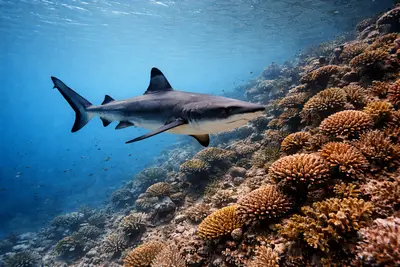
Blacktip reef shark
occasional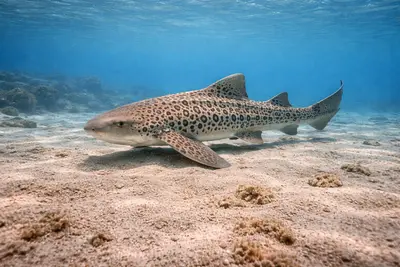
Leopard shark
occasional
Turtle
occasional
Barracuda
common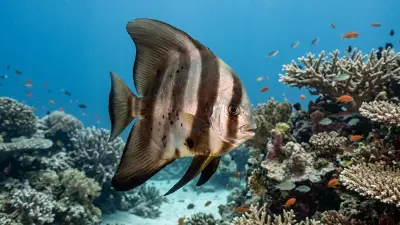
Batfish
common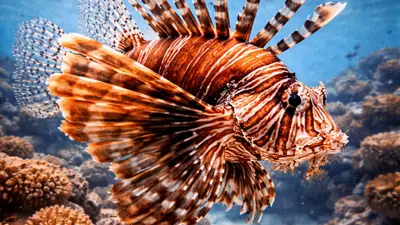
Lionfish
common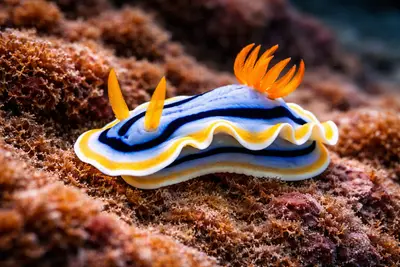
Nudibranch
occasional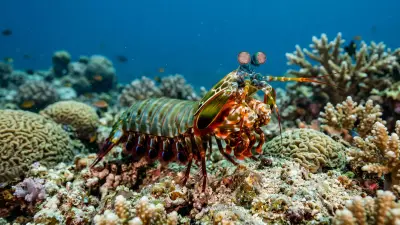
Shrimp
occasional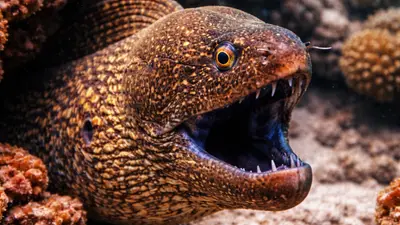
Moray eel
common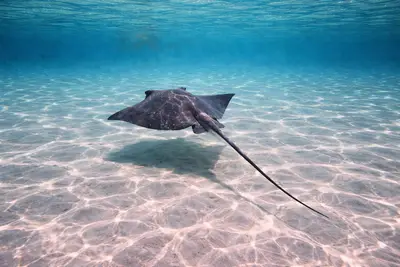
Blue-spotted stingray
occasional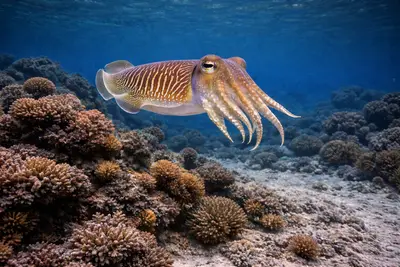
Cuttlefish
occasional
Squid
occasionalDive profile & how the dive runs
A typical dive at Koh Bida Nai often begins at the northern tip of the island, allowing divers to drift south along the more marine life-rich west coast. The initial phase involves descending along a sheer wall that drops to depths exceeding 20 meters, covered in vibrant hard and soft corals. This wall gradually transitions into a gently sloping sandy bottom where impressive large sea fans thrive. Further south, the wall gives way to a beautiful sloping reef in shallower sections, often frequented by blacktip reef sharks. Schools of barracudas and curious batfish are commonly encountered in the blue. The dive concludes with a safety stop over the shallow reef on the east side, where a variety of smaller reef fish can be observed.
Underwater photography
Koh Bida Nai offers excellent opportunities for both wide-angle and macro photography. For wide-angle shots, focus on the dramatic limestone walls adorned with colorful soft corals and large sea fans, especially along the west side. Capture the expansive schools of barracudas or the curious batfish in the blue. A dome port is highly recommended to enhance these compositions. For macro enthusiasts, explore the cracks and crevices in the walls and reef for nudibranchs, shrimps, and other small reef inhabitants. Maintain excellent buoyancy to avoid disturbing delicate corals and marine life, particularly in shallower areas. When photographing sharks, avoid using strobes if possible, as they may startle the animals and cause them to swim away.
Combine with nearby dive sites
- Koh Phi Phi — Bida Nok
Sister island with similar marine life and topography, often dived together.
- Shark Point
A marine sanctuary known for leopard sharks and colorful anemones, accessible from Phi Phi.
- King Cruiser Wreck
A passenger ferry wreck that sank in 1997, now an artificial reef teeming with fish life.
- Hin Daeng
Renowned for its vibrant red soft corals and pelagic encounters, including manta rays and whale sharks.
- Hin Muang
Features stunning purple corals and attracts large pelagic species like whale sharks and manta rays.
- Koh Haa — The Chimney
Known for its unique swim-throughs and crystal-clear waters.
Getting there & logistics
Diving at Koh Bida Nai is primarily arranged through dive centers located in Koh Phi Phi. Divers typically travel to Koh Phi Phi by ferry from mainland ports such as Phuket, Krabi, or Koh Lanta. Most dive trips to Bida Nai are day trips, often combined with a dive at its sister island, Bida Nok, or other local Phi Phi sites. Dive boats depart daily from Ton Sai Bay. Liveaboards operating in the Andaman Sea during the high season may also include Bida Nai in their itineraries. National Marine Park fees are applicable for diving within the Phi Phi archipelago and are typically added to the dive trip cost.
Safety & environment
For diving at Koh Bida Nai, it is advisable to have comprehensive dive insurance covering potential medical emergencies and evacuation. The nearest recompression chamber is located in Phuket, necessitating prompt evacuation in case of a serious dive incident. Given the potential for moderate currents, particularly around the northern tip, divers should be comfortable with drift diving techniques and be mindful of their air consumption. Always follow your dive guide's instructions regarding entry points and dive plans. Maintaining good buoyancy control is crucial to protect the abundant soft corals and marine life, as well as to ensure your own safety within swim-throughs and near walls.
Who it suits — and who it doesn't
Suited for
- Open Water divers seeking diverse reef experiences
- Intermediate divers comfortable with mild to moderate currents
- Underwater photographers interested in both wide-angle and macro subjects
- Divers seeking frequent marine life encounters, including sharks and schooling fish
- Those who appreciate vibrant coral walls and dramatic topography
Less suited for
- Absolute beginner divers unfamiliar with current management
- Divers prone to seasickness in choppier conditions during monsoon season
- Those looking exclusively for wreck diving (though King Cruiser is nearby)
- Divers unwilling to pay marine park fees
- Individuals expecting extremely calm, current-free conditions consistently
FAQ
Koh Phi Phi — Bida Nai FAQ
What kind of marine life can I expect at Koh Bida Nai?
Koh Bida Nai is home to a rich variety of marine life. Divers frequently encounter blacktip and leopard sharks, as well as turtles. Schools of barracudas and curious batfish are common, alongside lionfish, moray eels, and blue-spotted stingrays. Macro enthusiasts can spot nudibranchs and shrimps hiding in crevices.
Is Koh Bida Nai suitable for beginner divers?
Yes, Koh Bida Nai is generally suitable for beginner to intermediate divers. While currents can sometimes be moderate, dive operators carefully plan routes to minimize exposure for less experienced divers. There are shallow, sloping reef areas ideal for skill practice and easier diving, often on the east side of the island.
What is the best time of year to dive Koh Bida Nai?
The best time to dive Koh Bida Nai is from November to April, during the high season. This period typically offers calmer seas, excellent visibility, and stable water temperatures. Diving is possible year-round, but the low season (May to October) may bring more variable weather and stronger currents, though it can also mean fewer crowds.
Are there strong currents at Koh Bida Nai?
Currents at Koh Bida Nai can vary from mild to moderate, depending significantly on tidal phases. During a half moon, currents are usually milder. Dive guides assess daily conditions and plan the dive accordingly, often utilizing a drift dive along the west coast. Divers should be comfortable with varied current conditions.
What kind of coral formations can be seen at Bida Nai?
Bida Nai boasts impressive coral formations, including both hard and soft corals covering its dramatic walls and sloping reefs. You'll find vibrant tapestries of purple, yellow, and green soft corals, along with some of the largest sea fans in the region. The healthy reef structure supports a diverse ecosystem.
How do I get to Koh Bida Nai for diving?
To dive Koh Bida Nai, you typically need to book a trip with a dive center in Koh Phi Phi. You can reach Koh Phi Phi by ferry from Phuket, Krabi, or Koh Lanta. Most dive trips to Bida Nai are day excursions, often combined with other local sites like Bida Nok, departing from Ton Sai Bay.
Why dive Koh Phi Phi — Bida Nai from a liveaboard?
Koh Phi Phi — Bida Nai is one of Thailand's signature dive sites. A liveaboard sleeps you on the water and puts you in the water for three to four guided dives per day, including dawn and night dives that day-boat operators rarely offer. You skip the daily commute back to port and reach quieter, less-crowded sites in the same region on a single trip.
Below are the liveaboards that include Koh Phi Phi — Bida Nai on their Thailand itineraries.
Liveaboards diving Koh Phi Phi — Bida Nai
These liveaboards may visit Koh Phi Phi — Bida Nai on selected itineraries — the exact dive sites depend on departure, weather and conditions.
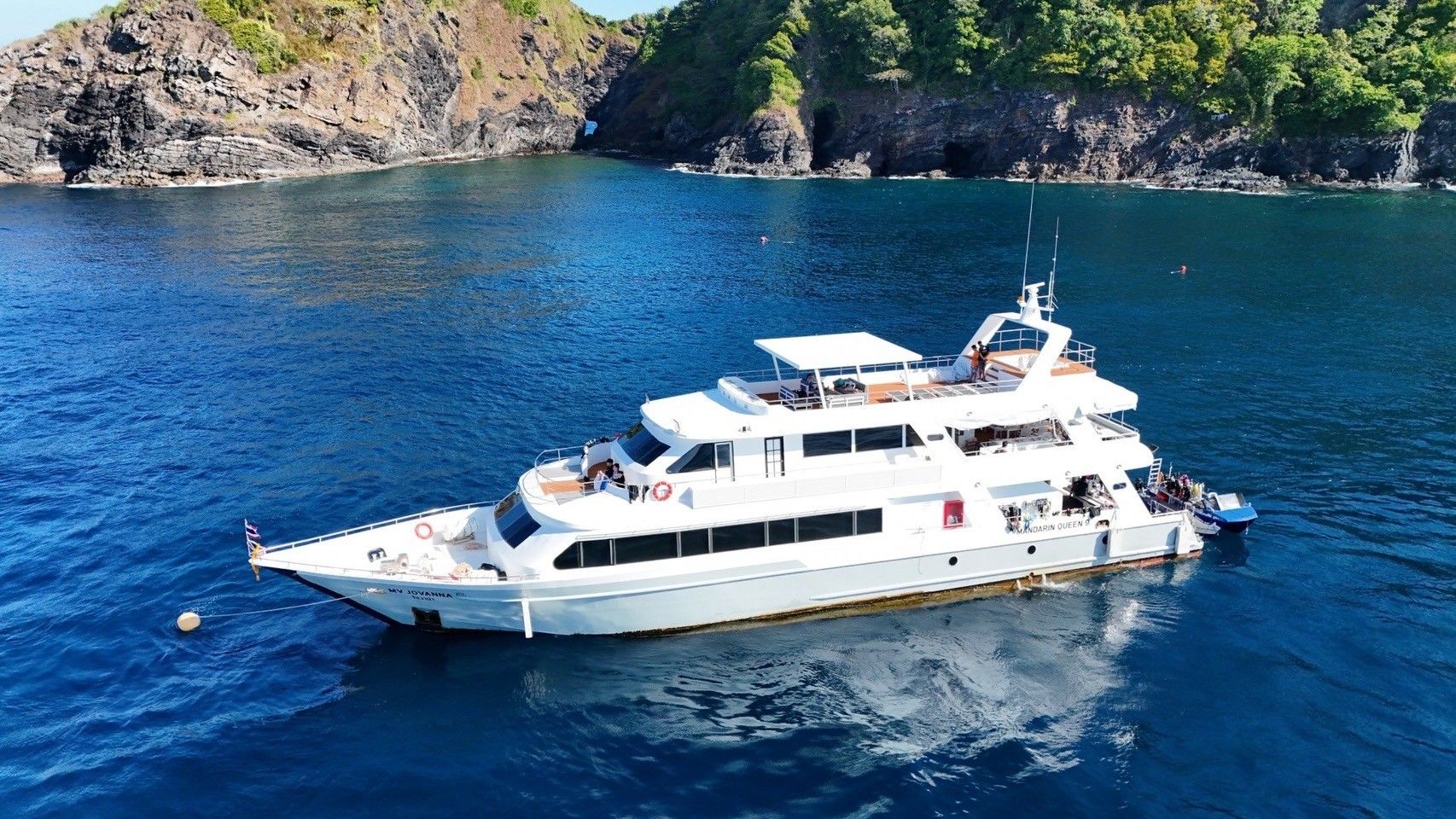
Mandarin Queen 9
Thailand
26 guests37.5 m
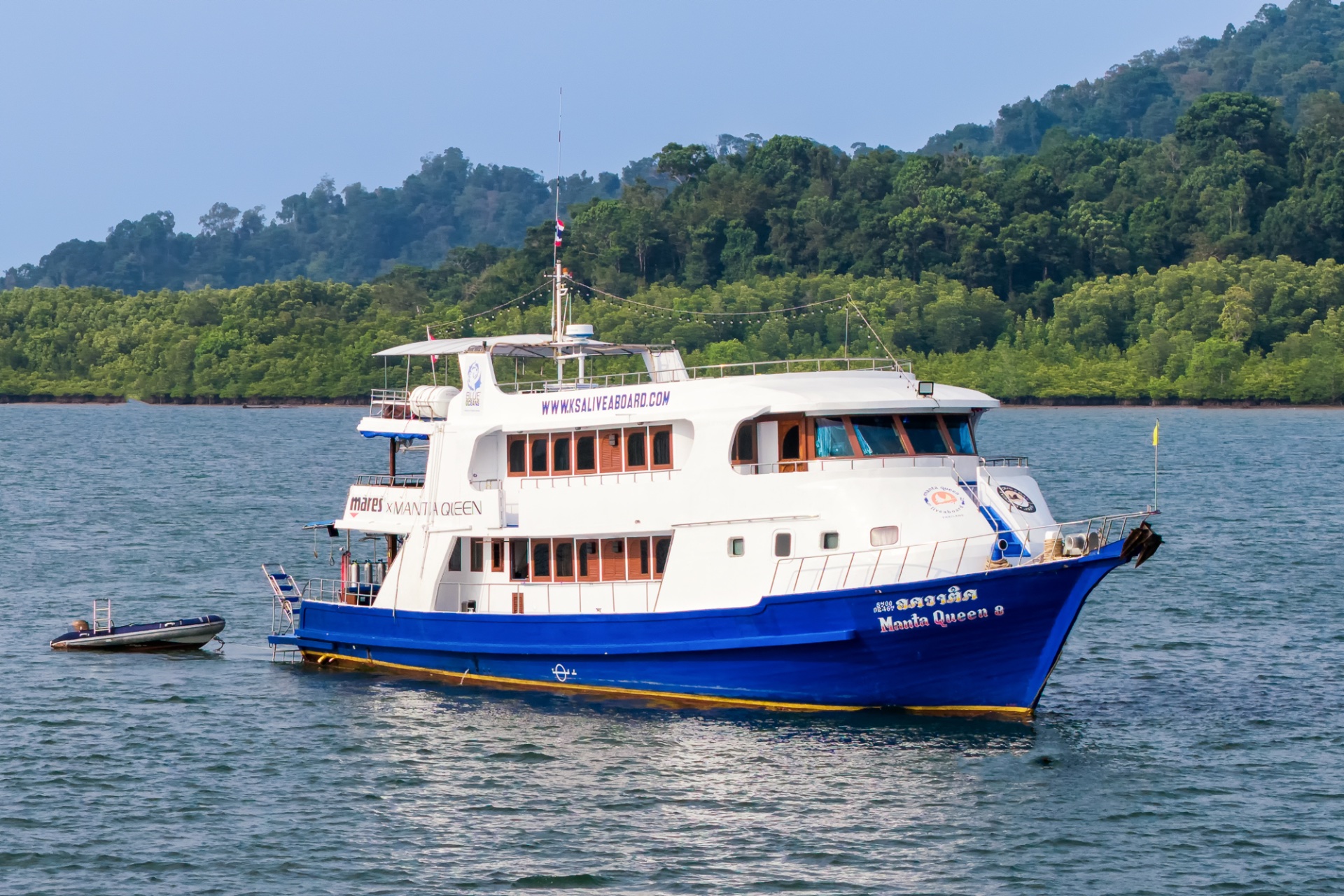
Manta Queen 8
Thailand
24 guests
$127/day
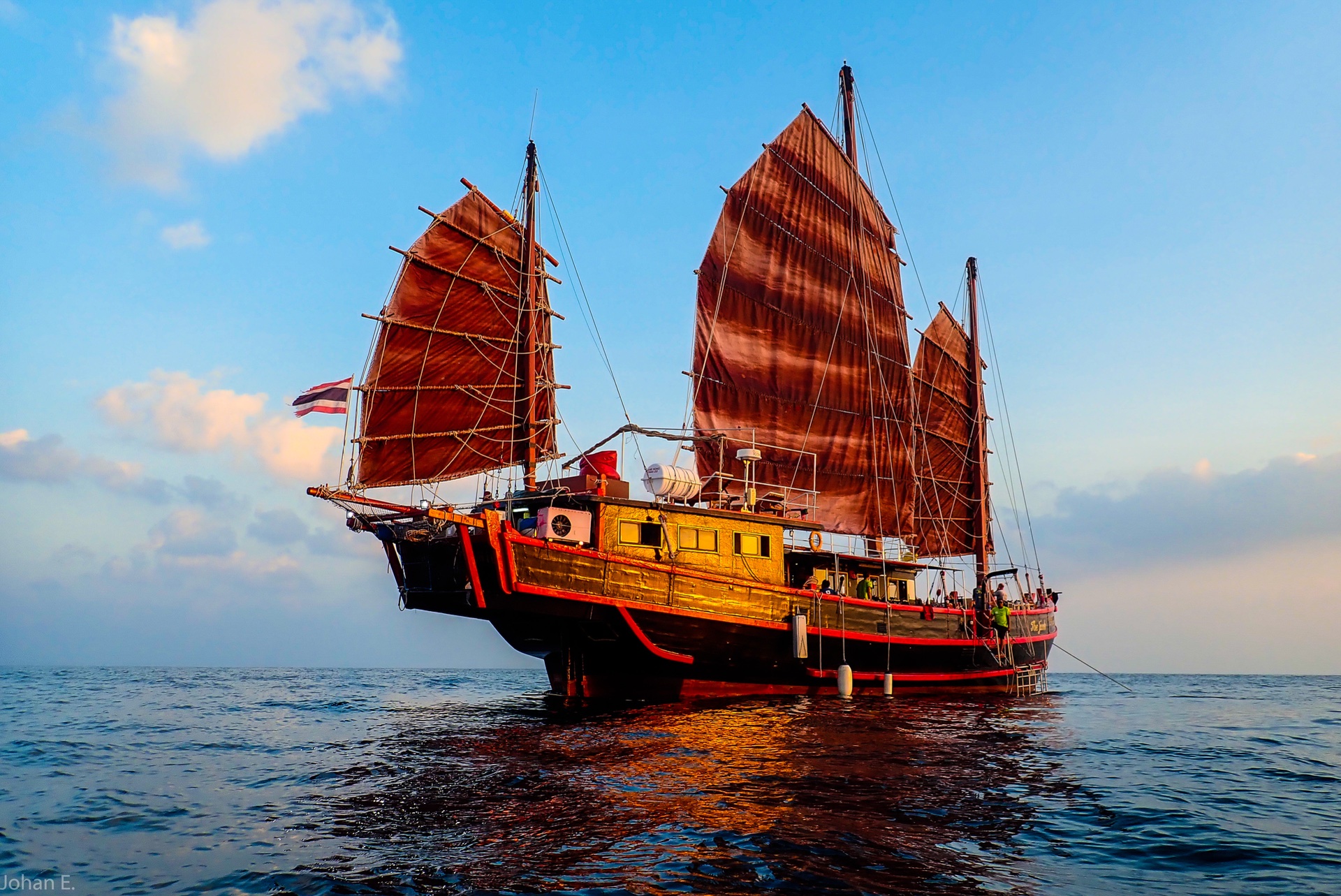
The Junk
Thailand
18 guests33 m
$163/day
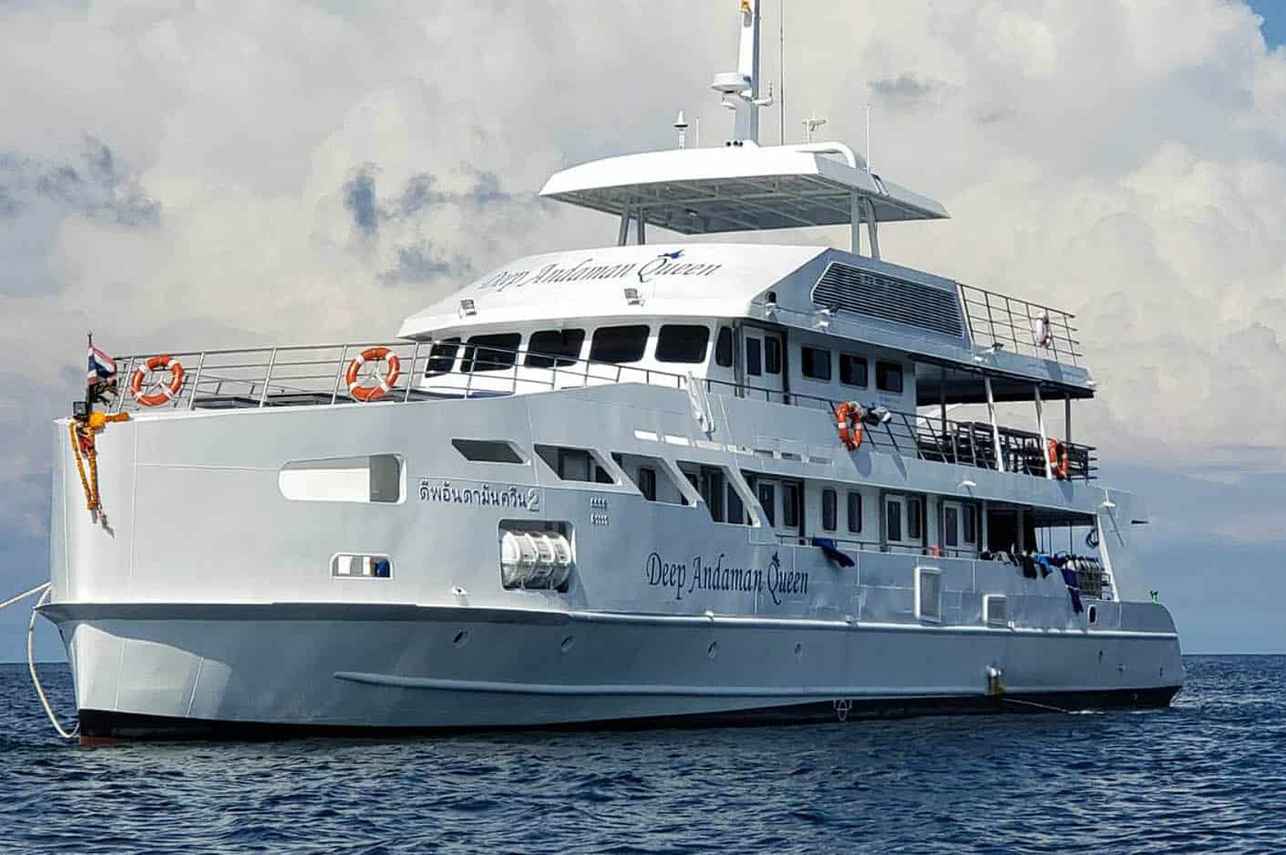
Deep Andaman Queen
Thailand
23 guests30.5 m
$194/day
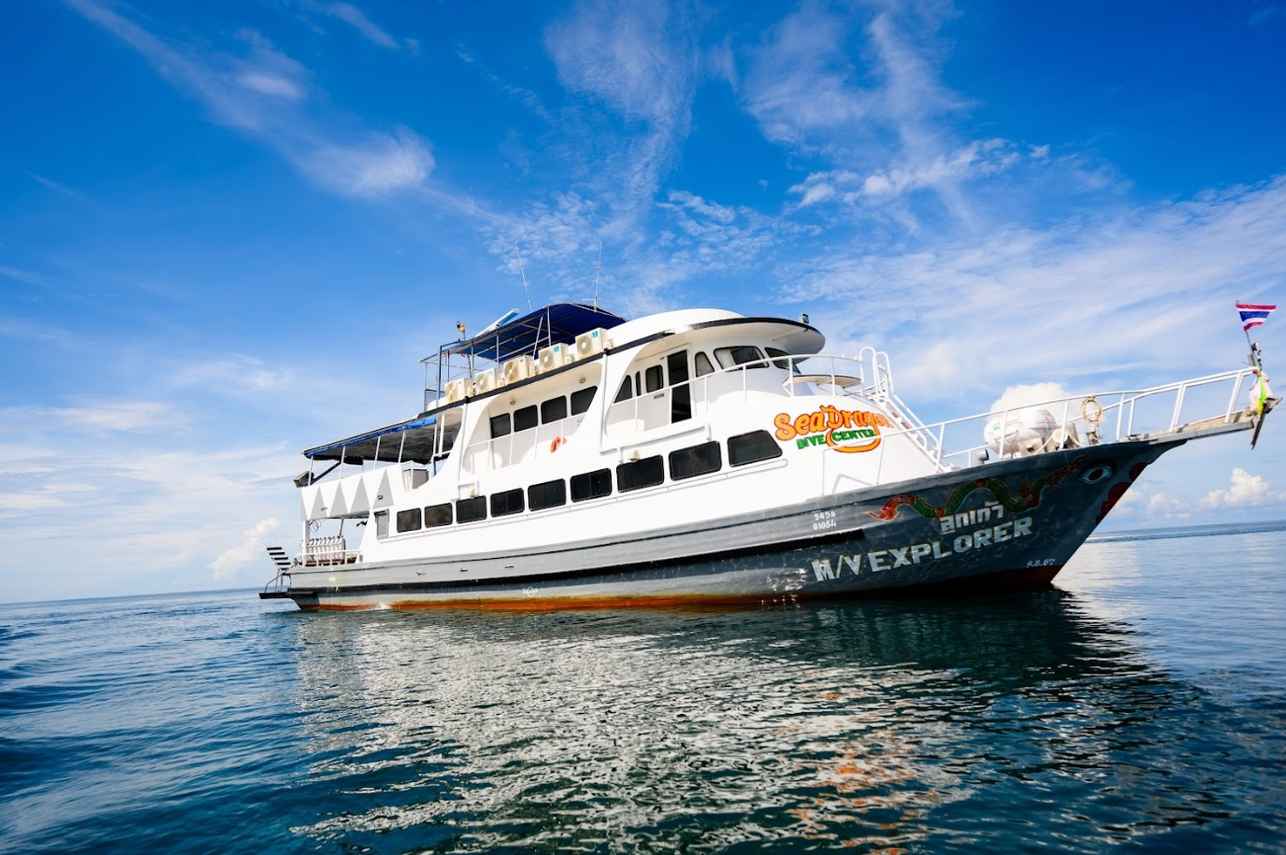
Explorer
Thailand
16 guests25 m
$150/day
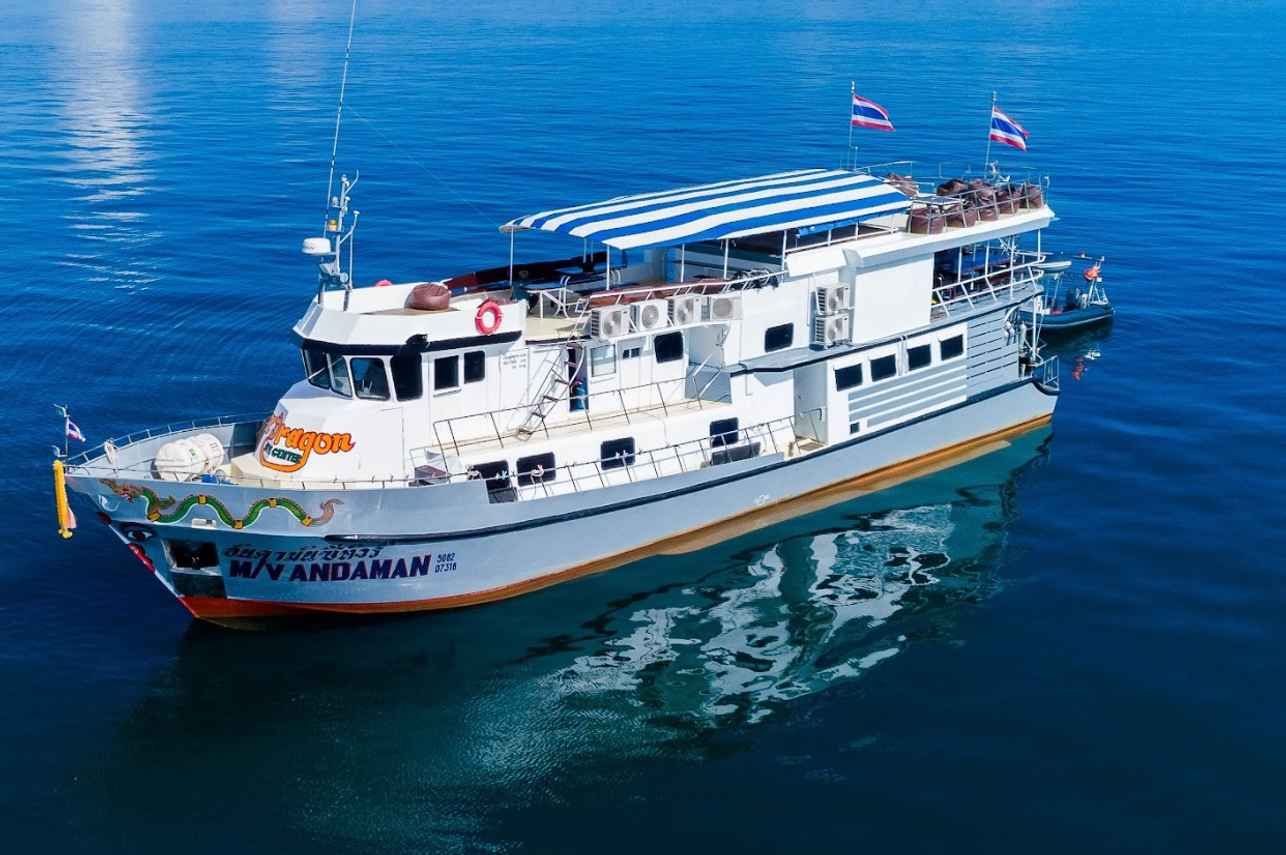
Andaman
Thailand
20 guests26 m
$108/day
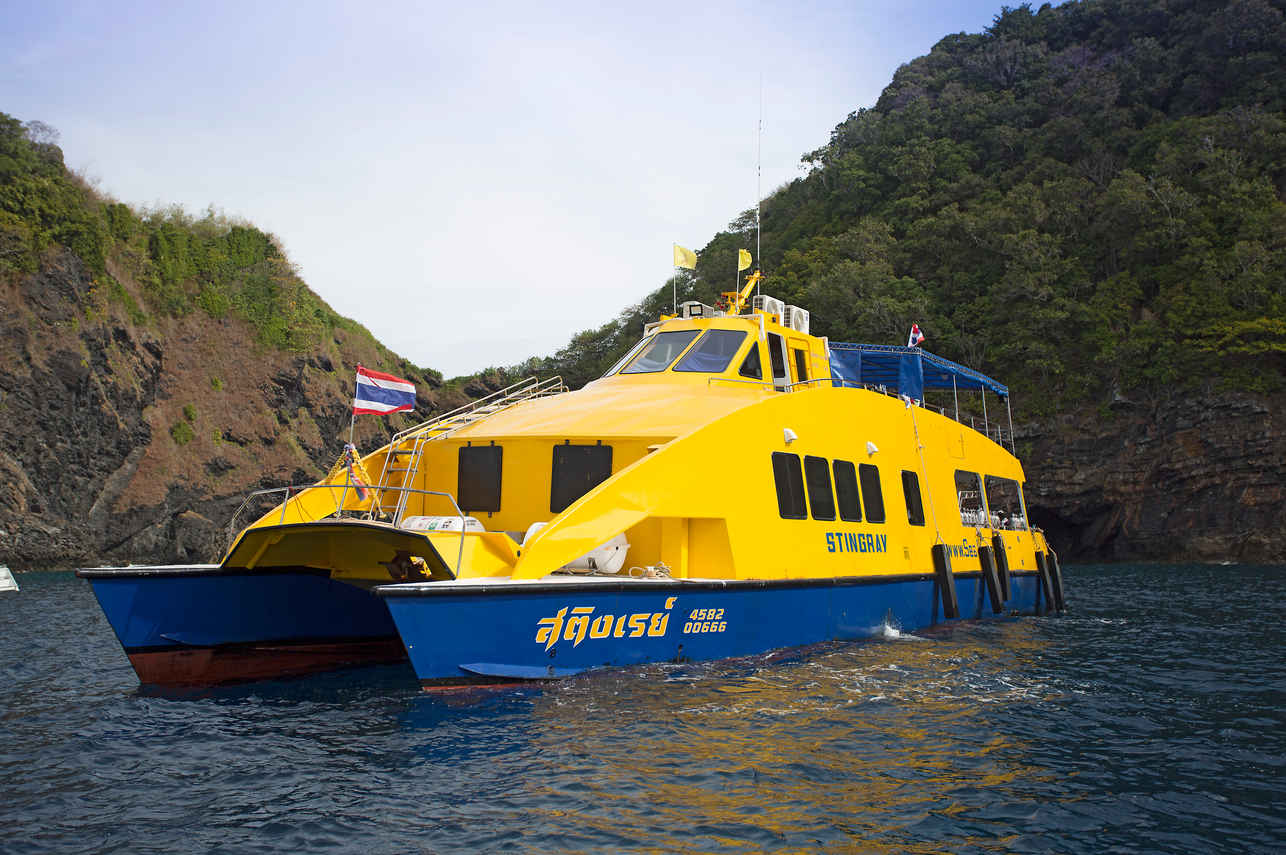
Stingray
Thailand
8 guests24 m
$245/day
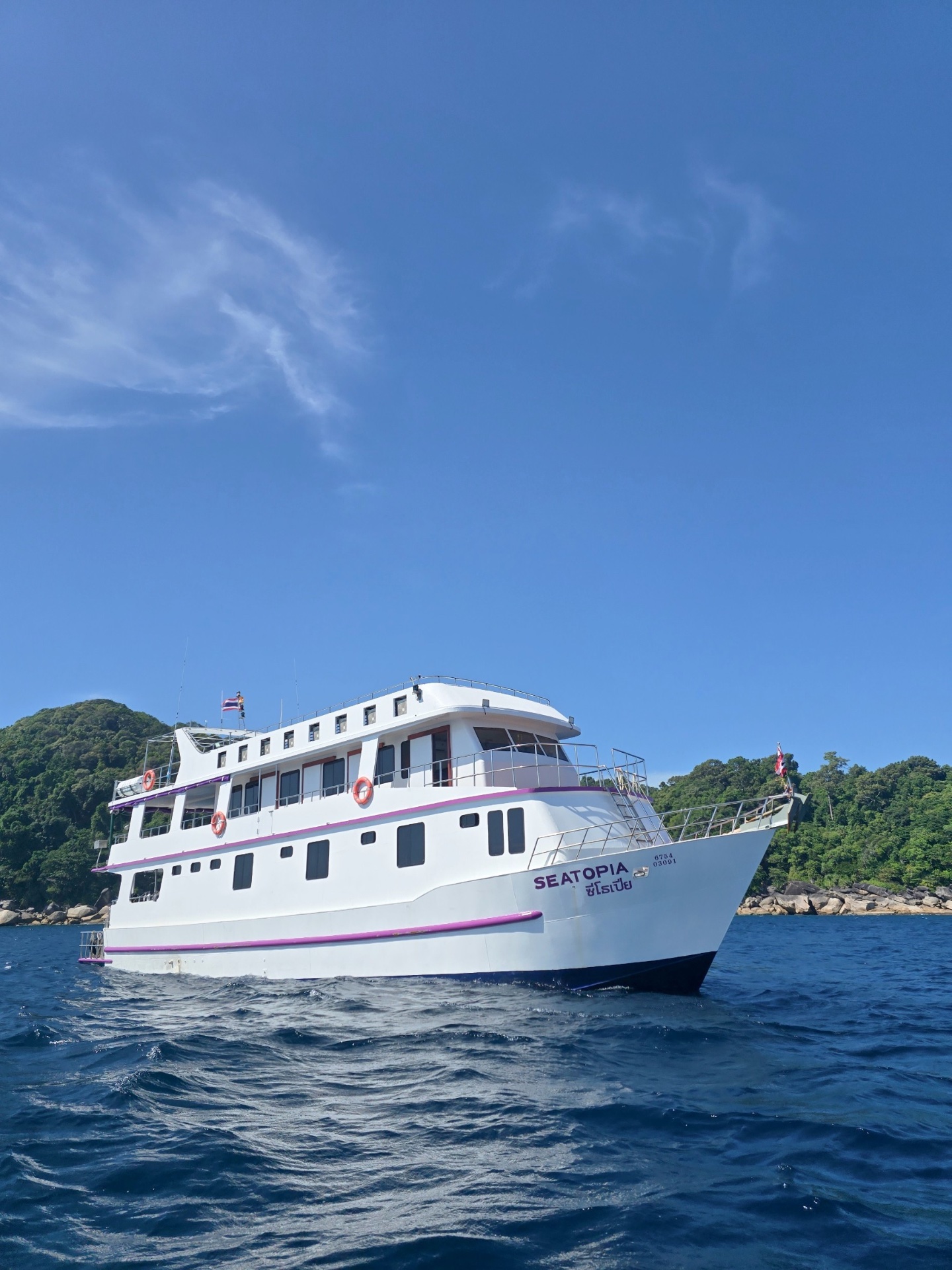
Seatopia
Thailand
24 guests24 m
Dive sites similar to Koh Phi Phi — Bida Nai
Same character, same waters — six more sites divers love for the exact same reasons.Compare seasons, access and liveaboard routes — then pick the site that fits your trip best.
Hin Raab
Thailand
Hin Raab is a prominent dive site located in the eastern Gulf of Thailand, near Koh Chang, offering an exceptional underwater experience with its rich coral biodiversity and thriving marine life.
- Suitable for
- Intermediate
- Current
- Moderate
- Access
- Dayboat
- Depth
- 5–22 m
- Theme
- Reef / Pinnacle
Koh Haa — Lagoon
Thailand
Koh Haa Lagoon is a picturesque and protected dive site formed by islands #2, #3, and #4 of the Koh Haa archipelago, approximately 1.45 hours by boat from Koh Lanta.
- Suitable for
- Beginner
- Current
- Moderate
- Access
- Liveaboard or dayboat
- Depth
- 2–25 m
- Theme
- Reef / Wall
Secret Reef
Thailand
Secret Reef, nestled adjacent to Hin Raab South, is a captivating dive site close to Koh Chang, forming a unified, diverse underwater ecosystem.
- Suitable for
- Beginner
- Current
- Mild
- Access
- Dayboat
- Depth
- 5–12 m
- Theme
- Reef
Southwest Pinnacle
Thailand
Southwest Pinnacle, located approximately 45 minutes by boat from Koh Tao's Mae Haad pier, is a renowned dive site in the Gulf of Thailand.
- Suitable for
- Intermediate
- Current
- Strong
- Access
- Liveaboard or dayboat
- Depth
- 8–26 m
- Theme
- Pinnacle / Wall
Turtle Rock (Similan)
Thailand
Turtle Rock is a renowned dive site nestled within the Similan Islands, situated on the western side of Island 8. This location is particularly notable for its distinctive rock…
- Suitable for
- Beginner
- Current
- Mild
- Access
- Liveaboard only
- Depth
- 5–30 m
- Theme
- Reef
Koh Taru
Thailand
Koh Taru is a notable dive site located off Koh Lipe, close to Thailand's southern border with Malaysia, within the protected waters of Tarutao National Marine Park.
- Suitable for
- Beginner
- Current
- Mild
- Access
- Dayboat
- Depth
- 5–18 m
- Theme
- Reef / Drift