About Jemeluk Bay
Jemeluk Bay, situated on Bali's northeastern coast within the Amed area, stands out as a prime diving destination known for its sheltered waters and rich biodiversity. This location is renowned for combining relaxed diving conditions with an array of underwater topography, making it suitable for all levels, from beginners to advanced divers. The bay is often considered the heart of Amed's diving scene, providing easy access to multiple dive sites directly from shore or via short traditional jukung boat rides. The underwater landscape of Jemeluk Bay transitions from volcanic black sand slopes to vibrant coral gardens and dramatic walls. Depths generally range from shallow coral reefs at 3-5 meters, extending down to a 25-meter wall dive and further into deeper areas. Artificial reefs, including pyramid structures, have been deployed to enhance marine habitats, attracting a wide variety of fish and macro critters. Marine life here is abundant and varied throughout the year, with particular highlights for macro enthusiasts. Divers can frequently encounter numerous species of nudibranchs, frogfish, harlequin shrimp, and pygmy seahorses. Larger marine life includes schooling fusiliers, snappers, barracuda, and occasional sightings of green and hawksbill sea turtles. The calm and clear water conditions make it an excellent spot for extended observation and photography. Diving in Jemeluk Bay typically involves shore entries or short boat trips to specific points within the bay. The generally mild currents and consistent water temperatures contribute to a comfortable dive experience, allowing for relaxed exploration of its diverse underwater features. Night dives are particularly popular in the well-protected bay, revealing a different array of nocturnal marine creatures.
Highlights
Sheltered bay divingJemeluk Wall drop-offArtificial pyramid reefsAbundant macro lifeCalm, clear conditionsShore entry accessHealthy coral gardens
Season calendar
Best months to dive here
Jan
Feb
Mar
Apr
May
Jun
Jul
Aug
Sep
Oct
Nov
Dec
Excellent
Good
Dive site facts: Jemeluk Bay
- Depth
- 3–30 meters
- Typical dive
- 50-60 min
- Current
- Mild to none
- Visibility
- 15–25 meters
- Water temperature
- 27–29°C
- Entry
- Shore / Jukung boat
- Level
- All levels
- Dive type
- Reef, wall, macro, artificial reef
- Night dive
- Possible and popular
- Region / port
- Amed, Bali
- Coordinates
- 8.3340° S, 115.6840° E
Conditions & Currents
Jemeluk Bay is well-protected from strong ocean swells and typically experiences gentle to mild currents, making it an ideal location for divers of all experience levels. Conditions are usually calm, which facilitates easy shore entries and comfortable boat dives. Visibility generally ranges from 15 to 25 meters, though it can drop to 5 meters during the rainy season, impacting clarity. Water temperatures are consistently warm, averaging 27°C to 29°C, with only slight variations. Surge is generally not a significant concern within the bay. These benign conditions mean divers can enjoy longer bottom times and focus on observing marine life, requiring standard air consumption planning rather than complex current-related calculations.
Marine life & sighting chances

Nudibranchs (15+ species)
Year-round · common
Frogfish
Year-round · occasional
Harlequin shrimp
Year-round · occasional
Pygmy seahorses
Year-round · occasional
Ribbon eels
Year-round · common
Hawksbill sea turtle
Year-round · occasional
Green sea turtle
Year-round · occasional
Schooling fusiliers
Year-round · common
Snappers
Year-round · common
Barracuda
Year-round · occasional
Blue-spotted stingrays
Year-round · common
Moray eels
Year-round · common
Octopus
Year-round · common
Butterflyfish
Year-round · commonDive profile & how the dive runs
Dives in Jemeluk Bay typically begin with an easy shore entry or a short ride on a traditional jukung boat to the chosen dive spot. Many dives in the bay explore the Jemeluk Wall, which starts shallow and drops to around 25 meters, adorned with sea fans and corals. The route often follows the wall's contours, allowing divers to observe a variety of macro life and reef fish. Divers can also explore the coral gardens and artificial pyramid structures in shallower areas. The depth progression is flexible, allowing for shallower profiles for less experienced divers or deeper explorations for those certified. The dive concludes with a gradual ascent, often incorporating a safety stop over the shallow reef or sandy bottom, before returning to the shore or boat.
Underwater photography
Jemeluk Bay is a macro photographer's dream due to its diverse array of small critters and generally calm conditions. A macro lens (e.g., 60mm or 100mm/105mm) is highly recommended for capturing detailed shots of nudibranchs, frogfish, harlequin shrimp, and pygmy seahorses. Snoots or close-up lenses can further enhance macro photography, isolating subjects against the black sand. For wider scenes of the coral gardens and artificial reefs, a wide-angle or fisheye lens is suitable, particularly in the mornings when visibility is optimal. Good buoyancy control is essential to avoid disturbing the delicate marine life and silting up the volcanic sand. Use strobes to bring out the vibrant colors of the subjects and ensure sharp focus, especially on smaller, camouflaged creatures. Exercise patience and respect marine life by not touching or manipulating subjects.
Combine with nearby dive sites
- Jemeluk Wall
A dramatic drop-off within the bay, covered in soft corals and home to diverse marine life.
- Pyramids
Artificial reef structures attracting a variety of fish and macro creatures.
- Coral Garden
Shallow, vibrant reef teeming with schooling fish and suitable for beginners.
- Japanese Wreck
A small, accessible wreck site with abundant coral growth.
- Bunutan
Known for its muck-rich slopes and macro life.
Getting there & logistics
Jemeluk Bay is located in Amed, Bali, on the island's northeastern coast. The nearest major airport is Ngurah Rai International Airport (DPS) in Denpasar. Traveling to Amed typically takes about 1.5 to 2.5 hours by car from the airport. Many dive operators in Amed offer daily dive trips directly to Jemeluk Bay, often combining it with other nearby sites like the Japanese Wreck or Pyramids. Most diving is conducted via shore entry or short rides on traditional jukung boats. Dive packages usually include transfers, gear, and guide services. There are no specific marine park fees mentioned for Jemeluk Bay itself, but operators may include general operational costs. Amed is a relaxed village, making it easy to stay for multiple days and enjoy several dives.
Safety & environment
For dive safety in Jemeluk Bay, it's prudent to be aware that the nearest recompression chamber is located in Denpasar, requiring a significant land transfer of 1.5 to 2.5 hours. Divers should ensure their travel insurance covers scuba diving and potential medical evacuation. While conditions in the bay are generally calm, divers should always monitor their air consumption and depth, especially when exploring the deeper sections of Jemeluk Wall. It is important to maintain neutral buoyancy to protect the fragile coral formations and avoid stirring up the volcanic sand. Always dive with a reputable local guide who understands the site's specific conditions and follow their instructions. Due to the area's macro focus, divers should avoid touching marine life or artificial structures.
Who it suits — and who it doesn't
Suited for
- Beginner divers looking for easy conditions
- Macro photography enthusiasts
- Divers seeking relaxed, uncrowded sites
- Night divers
- Underwater photographers focused on small critters
Less suited for
- Divers seeking large pelagic encounters
- Those who prefer strong current dives
- Divers uncomfortable with shore entries
- Underwater photographers primarily seeking large wide-angle subjects
FAQ
Jemeluk Bay FAQ
What kind of marine life can I expect to see in Jemeluk Bay?
Jemeluk Bay is a fantastic spot for diverse marine life, especially macro critters. You can frequently spot various species of nudibranchs, frogfish, harlequin shrimp, and pygmy seahorses. Larger marine animals include schooling fusiliers, snappers, barracuda, and occasional sightings of green and hawksbill sea turtles, along with blue-spotted stingrays.
Is Jemeluk Bay suitable for beginner divers?
Yes, Jemeluk Bay is highly suitable for beginner divers. Its waters are typically calm and protected from strong currents, offering a relaxed environment. Many sections of the bay are shallow, featuring gentle slopes and coral gardens, which are perfect for new divers to practice their skills and enjoy the underwater scenery.
What are the typical diving conditions like in Jemeluk Bay?
The diving conditions in Jemeluk Bay are generally calm and clear. Visibility often ranges from 15 to 25 meters, and water temperatures are consistently warm, usually between 27°C and 29°C year-round. Currents are usually mild to non-existent, making for comfortable and enjoyable dives.
Can I do night dives in Jemeluk Bay?
Yes, night diving is a popular and rewarding activity in Jemeluk Bay. The sheltered nature of the bay provides a safe environment for nocturnal explorations. During night dives, you can encounter a different set of marine creatures, including various octopuses, bobtail squid, and other fascinating critters that emerge after dark.
How do I get to Jemeluk Bay for diving?
Jemeluk Bay is located in Amed, on Bali's northeast coast, approximately 1.5 to 2.5 hours by car from Denpasar's Ngurah Rai International Airport. Most dive trips involve easy shore entries directly from the beach or short rides on traditional Indonesian jukung boats provided by local dive operators. Many dive resorts in Amed are situated directly on or very close to the bay.
Why dive Jemeluk Bay from a liveaboard?
Jemeluk Bay is one of Bali's signature dive sites. A liveaboard sleeps you on the water and puts you in the water for three to four guided dives per day, including dawn and night dives that day-boat operators rarely offer. You skip the daily commute back to port and reach quieter, less-crowded sites in the same region on a single trip.
Below are the liveaboards that include Jemeluk Bay on their Bali itineraries.
Liveaboards diving Jemeluk Bay
These liveaboards may visit Jemeluk Bay on selected itineraries — the exact dive sites depend on departure, weather and conditions.
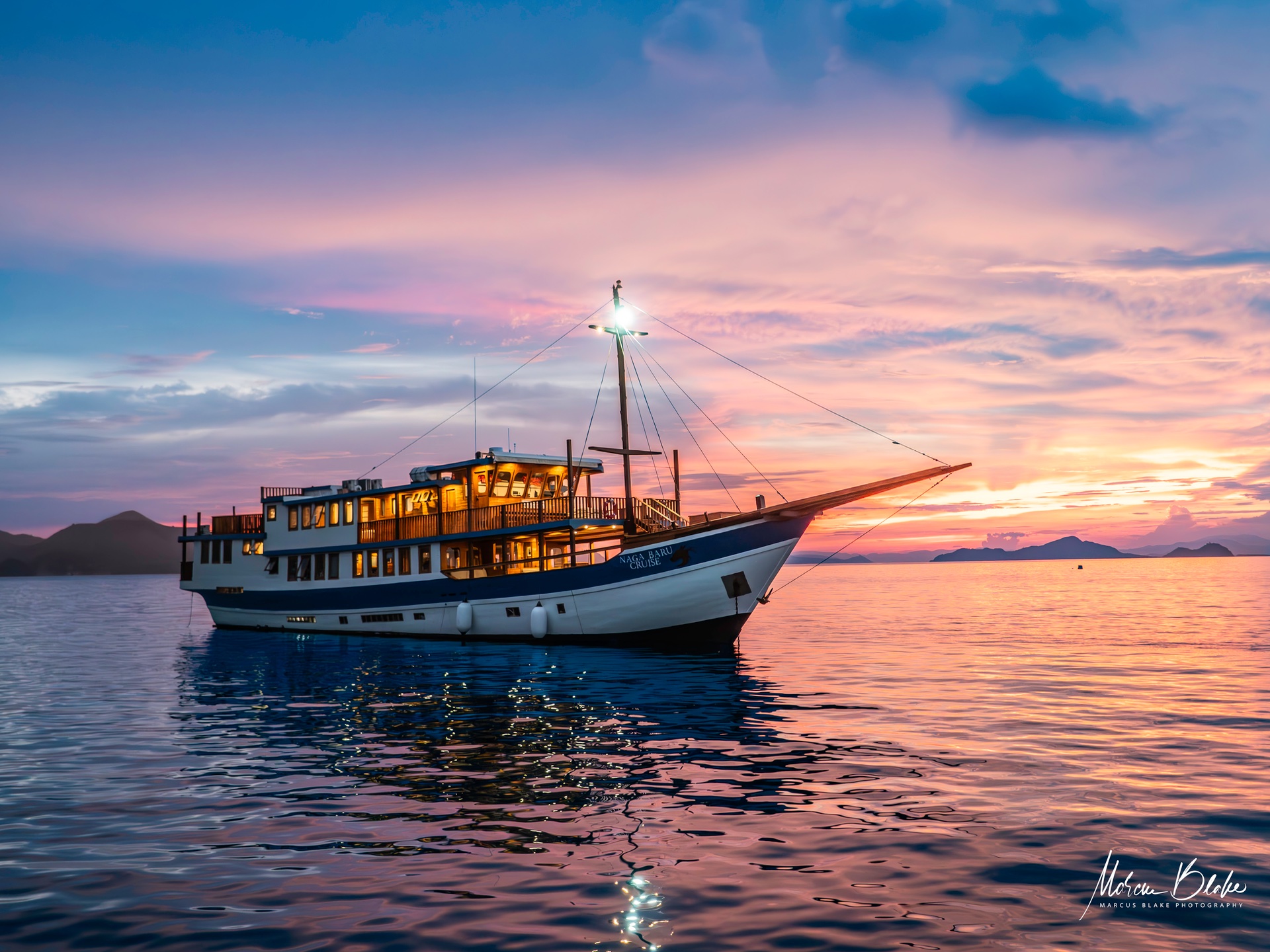
Naga Biru
Indonesia
12 guests40 m
$274/day
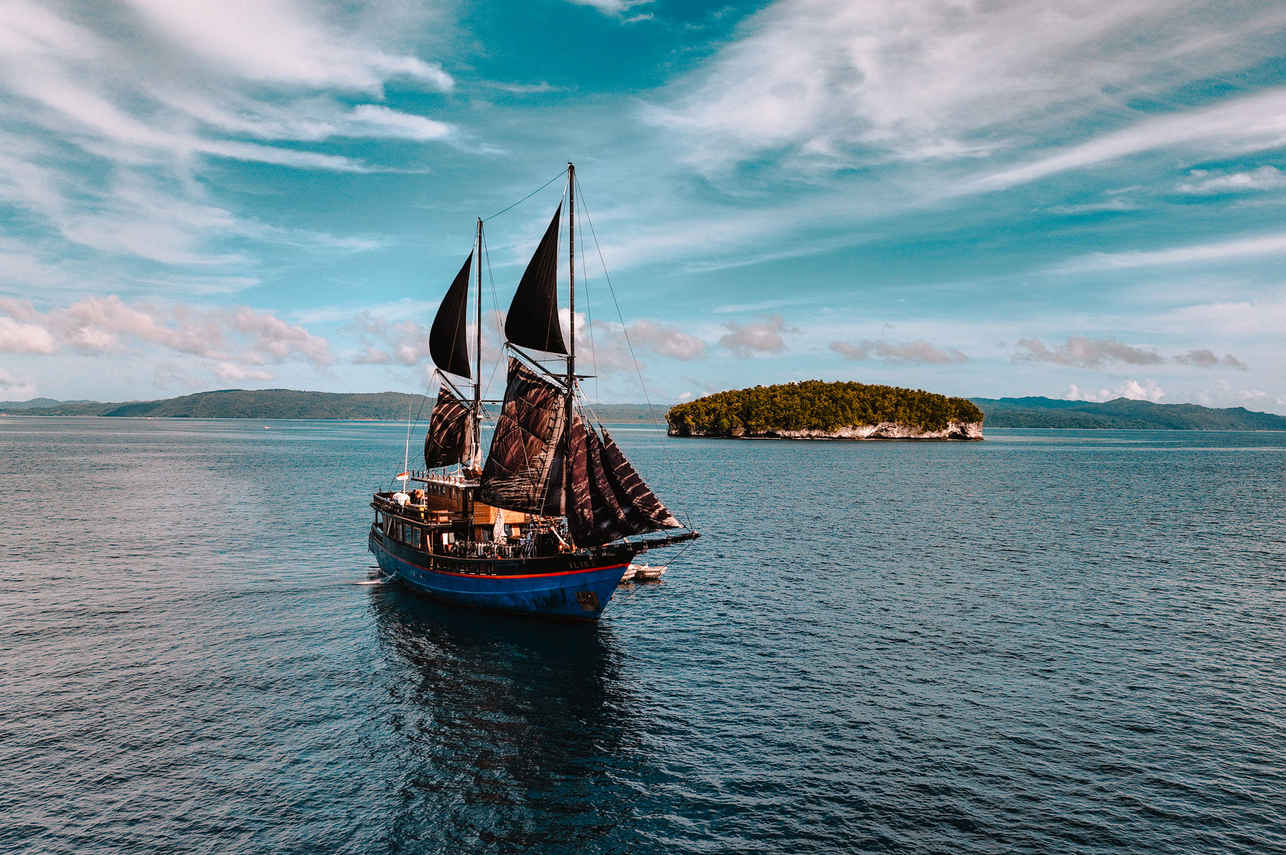
Ilike
Indonesia
16 guests40 m
$298/day
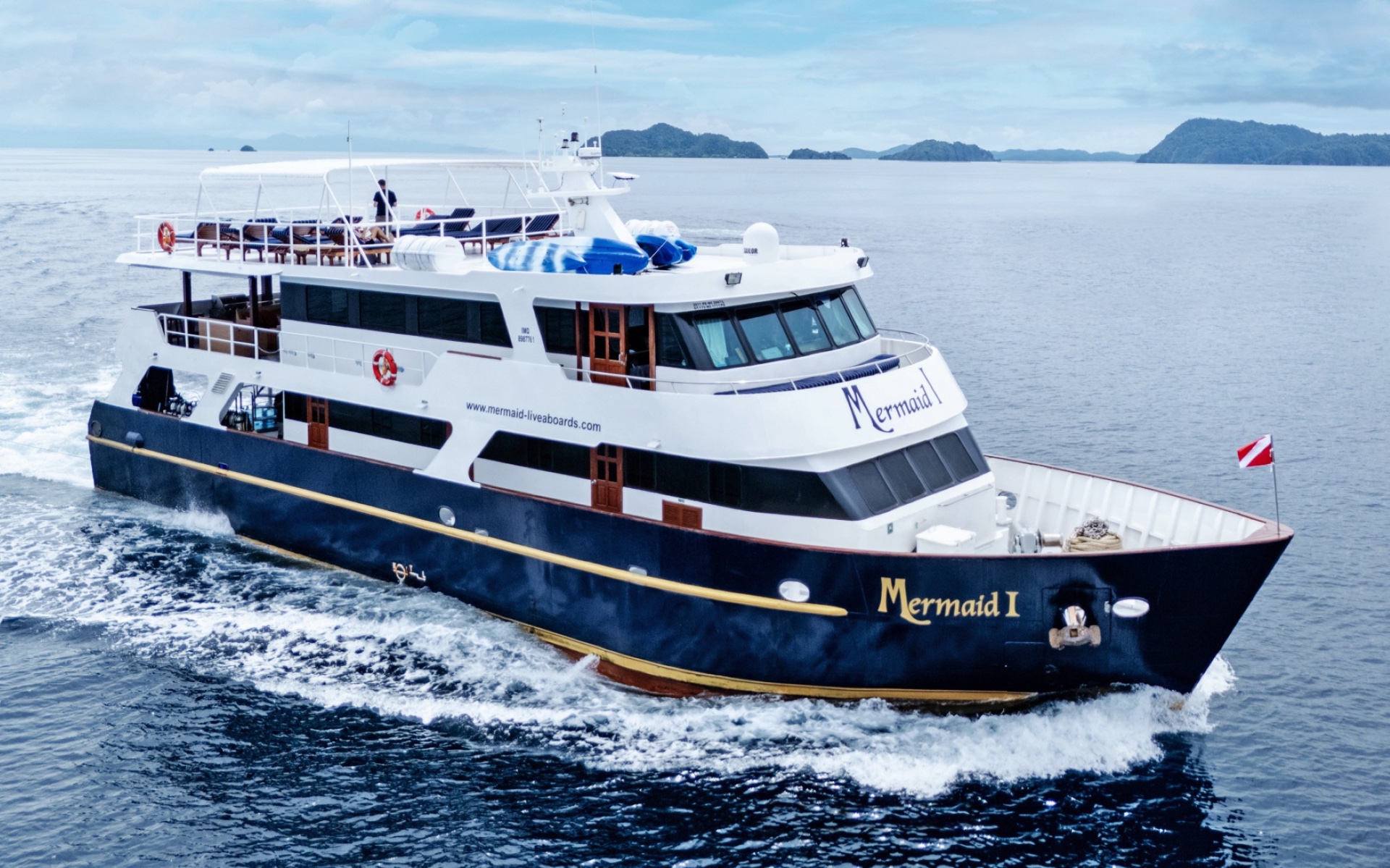
Mermaid I
Alor
15 guests28 m
$372/day
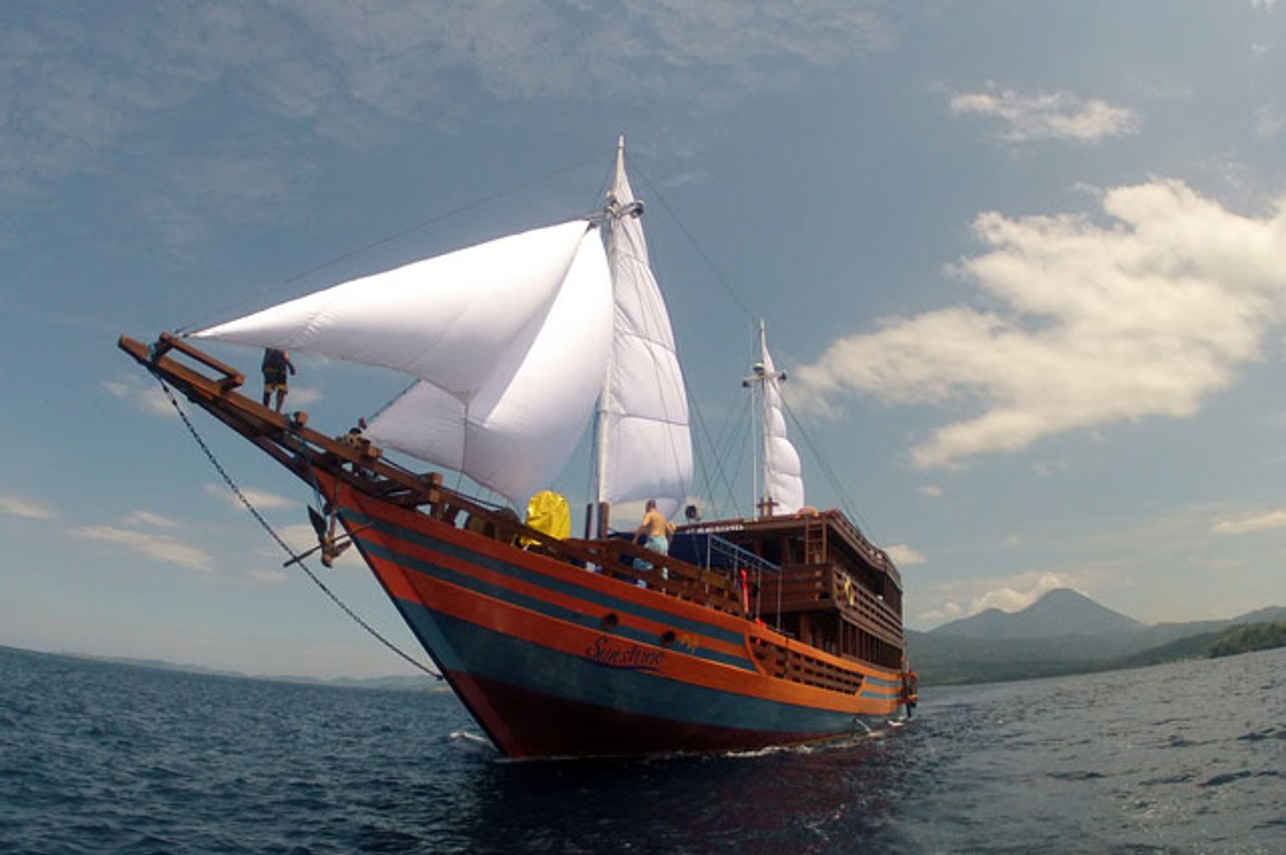
Sunshine Liveaboard
Indonesia
10 guests31 m
$191/day
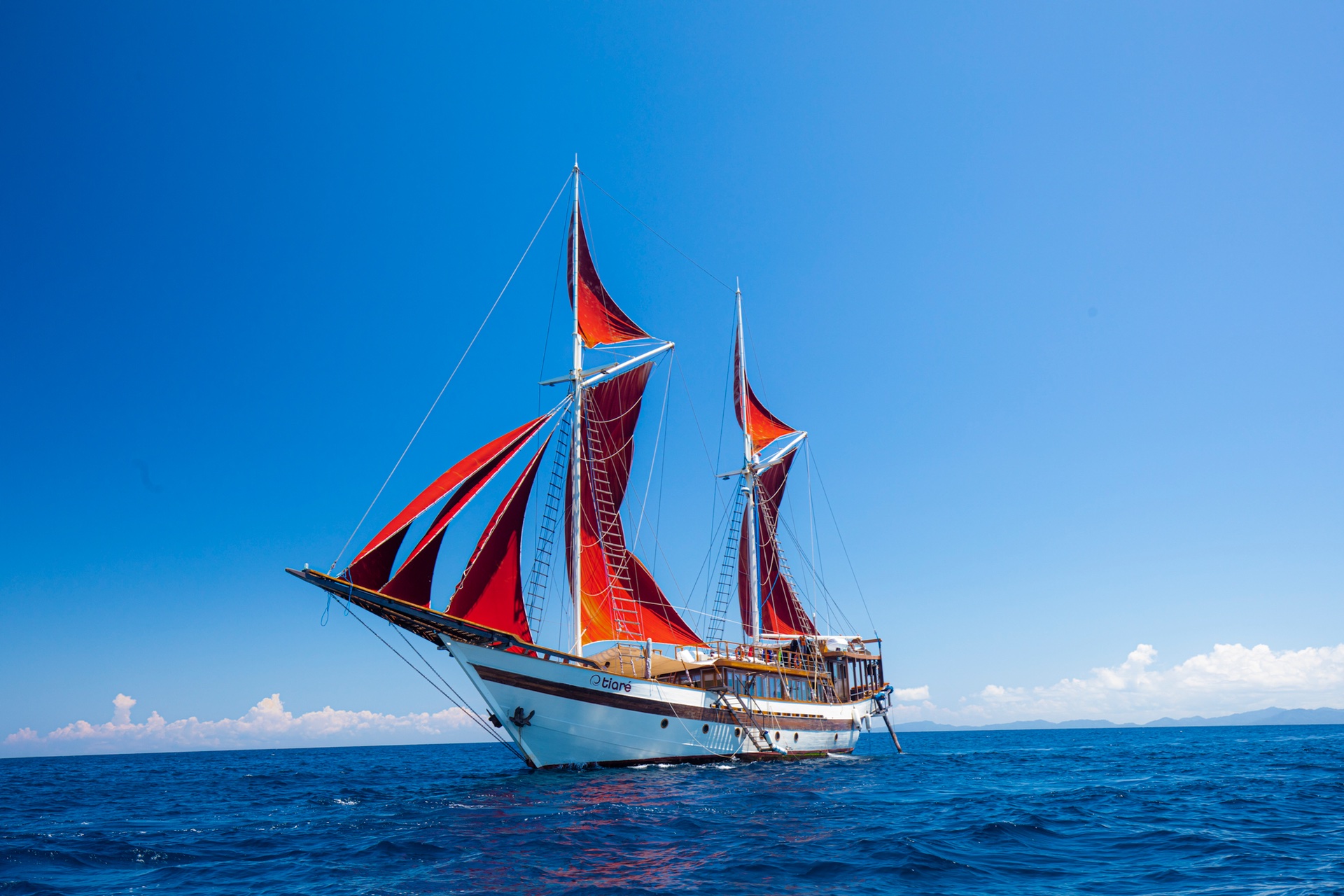
Tiare Cruise
Indonesia
12 guests36.5 m
$473/day
Dive sites similar to Jemeluk Bay
Same character, same waters — six more sites divers love for the exact same reasons.Compare seasons, access and liveaboard routes — then pick the site that fits your trip best.
Lipah Bay is situated on Bali's northeast coast within the Amed area, nestled against the dramatic backdrop of Gunung Agung.
- Suitable for
- Beginner
- Current
- Mild
- Access
- Liveaboard or dayboat
- Depth
- 5–30 m
- Theme
- Reef / Drift
Puri Jati, often referred to as PJ, is located on Bali's north coast near Lovina, on the outskirts of Seririt village.
- Suitable for
- Intermediate
- Current
- No current
- Access
- Shore / dayboat
- Depth
- 6–12 m
- Theme
- Reef
© Esri — Maxar, Earthstar, GIS
Japanese Wreck
Bali
The Japanese Wreck is a compelling dive site located in Banyuning Bay, just off the beach in Amed, Bali.
- Suitable for
- Beginner
- Current
- Moderate
- Access
- Shore / dayboat
- Depth
- 6–12 m
- Theme
- Wreck / Reef
© Esri — Maxar, Earthstar, GIS
Dream Wall
Bali
Dream Wall is one of Menjangan Island's premier dive sites, located within the protected West Bali National Park marine area.
- Suitable for
- Beginner
- Current
- Mild
- Access
- Dayboat
- Depth
- 10–60 m
- Theme
- Wall / Reef
Pura Ped, located on the northern coast of Nusa Penida, is a celebrated dive site known for its extensive and healthy reef system.
- Suitable for
- Intermediate
- Current
- Strong
- Access
- Liveaboard or dayboat
- Depth
- 5–30 m
- Theme
- Drift / Reef
© Esri — Maxar, Earthstar, GIS
Biaha Reef
Bali
Situated near Candidasa, Biaha Reef is a captivating dive site characterized by its dramatic underwater landscapes and the potential for exhilarating encounters with large pelagic marine life.
- Suitable for
- Intermediate
- Current
- Moderate
- Access
- Liveaboard or dayboat
- Depth
- 10–35 m
- Theme
- Reef