About Isabela - Tortuga Island
Tortuga Island, also known as Isla Tortuga, is a distinctive crescent-shaped islet formed from the rim of an extinct volcano, located southeast of Puerto Villamil on Isabela Island. This site stands out as the primary dive destination accessible to land-based visitors staying in Puerto Villamil, offering an unparalleled opportunity to experience the rich underwater biodiversity of the Galápagos without requiring a liveaboard. The topography features a deep vertical wall covered in an abundance of corals, sponges, and black coral, creating a vibrant backdrop for marine encounters. Depths typically range from 18 to 20 meters, making it suitable for experienced divers who can manage current conditions. The strong currents in this area contribute to a nutrient-rich environment, attracting a diverse range of pelagic and reef species. Divers can frequently spot large schools of hammerhead sharks, majestic manta rays, and green sea turtles. The cool season from June to October brings an influx of larger pelagic species, including whale sharks, although sightings at Tortuga Island specifically are less frequent than at more northern sites. Year-round residents include playful sea lions and various reef fish. The unique blend of volcanic structure and marine life makes Tortuga Island a captivating dive for those seeking intense action and pristine environments. Dive tours typically involve two tanks, often incorporating drift diving along the impressive wall. The site is known for its relatively easy descent, where divers can let the current guide them along the reef, observing the abundant life. Given the strong currents and potential for colder water, proper equipment and a good level of experience are essential for an enjoyable and safe dive.
Highlights
Volcanic crater topographyHammerhead shark encountersManta ray sightingsGreen sea turtle habitatDrift diving experienceRich coral and sponge wallsLand-based dive accessibility
Season calendar
Best months to dive here
Jan
Feb
Mar
Apr
May
Jun
Jul
Aug
Sep
Oct
Nov
Dec
Good
Dive site facts: Isabela - Tortuga Island
- Depth
- 18–20 m
- Typical dive
- 18–20 m, 50–60 min
- Current
- Moderate to strong
- Visibility
- 10–20 m
- Water temperature
- 18–24°C
- Entry
- Tender / negative entry
- Level
- Advanced recommended, current experience essential
- Dive type
- Drift, wall, pelagic encounters
- Night dive
- Not permitted
- Region / port
- Isabela Island, Galápagos
- Coordinates
- -0.958, -91.145
Conditions & Currents
Tortuga Island is characterized by moderate to strong currents, typical of many Galápagos dive sites, which necessitate drift diving techniques. These currents are a primary factor in attracting the rich marine life, carrying abundant nutrients through the water column. Divers should be prepared for potential strong pulls and practice good buoyancy control to avoid contact with the reef. Entry is often a negative descent to quickly reach the desired depth and drift along the wall with the current. Surface marker buoys and personal locator devices are highly recommended for safety due to the strong currents and the possibility of being separated from the group. Visibility can fluctuate with the changing seasons and currents, but generally remains good.
Marine life & sighting chances

Hammerhead shark
Year-round, more frequent Dec-May · common
Manta ray
Year-round, more frequent Dec-May · common
Green sea turtle
Year-round · common
Galápagos shark
Year-round · occasional
Sea lion
Year-round · common
Whale shark
June-December (less common at this site) · rare
Moray eel
Year-round · occasional
Lobster
Year-round · occasional
Tropical fish species
Year-round · commonDive profile & how the dive runs
Dives at Tortuga Island typically begin with a tender boat ride from Puerto Villamil to the site, followed by a negative entry to quickly descend and avoid being swept away by surface currents. The usual depth ranges from 18 to 20 meters, drifting along the crescent-shaped wall of the extinct volcano crater. Divers often follow the contours of the reef, observing hammerhead sharks and manta rays in the blue, while green sea turtles and various reef fish are found closer to the wall. The dive usually progresses as a continuous drift, with the current guiding divers along the abundant marine life. The turn point is determined by air consumption and current conditions, leading to a slow ascent for a safety stop, often in the calmer areas before surfacing where the dive boat will pick up divers.
Underwater photography
Capturing the dynamic action at Tortuga Island requires consideration for the strong currents and pelagic encounters. A wide-angle lens is essential for photographing schools of hammerheads and large manta rays in the blue water. Due to varying light conditions with depth and current, external strobes are highly recommended to bring out the vibrant colors of the corals, sponges, and black coral on the walls. Practice good buoyancy control to maintain position without touching the delicate reef, especially during drift dives. Be ready for fast-moving subjects and aim for clear shots of the impressive pelagic species that frequent this rich environment.
Combine with nearby dive sites
- Punta Vicente Roca
Known for mola molas, seahorses, and feeding frenzies due to cold currents.
- Cape Douglas - Fernandina
Famous for marine iguanas feeding underwater.
- Roca Redonda
An underwater volcano known for hammerheads and Galápagos sharks.
- Cabo Marshall
A wall dive on Isabela's northeastern coast with moderate to heavy current.
Getting there & logistics
Access to Tortuga Island is primarily from Puerto Villamil on Isabela Island. Divers typically fly into Baltra Airport (GPS) and then take inter-island flights or speedboats to Isabela. Day trips from Puerto Villamil are the most common way to dive this site, usually involving a 45-minute speedboat ride. Most tours are two-tank dives, lasting a full morning or afternoon. Permits and national park fees are typically included in tour costs. This site is unique for being accessible to land-based divers, whereas many other premier Galápagos sites require liveaboard itineraries. Booking with local dive centers in Puerto Villamil is necessary, and it is advisable to book at least one day in advance.
Safety & environment
Diving in the Galápagos, especially at sites like Tortuga Island with strong currents, demands adherence to strict safety protocols. Divers must be PADI or SSI certified, and advanced certification with experience in currents is highly recommended. Always dive with a surface marker buoy (SMB) and a personal locator device (PLB) or EPIRB, as currents can lead to separation from the group, although tour companies usually provide them. The nearest recompression chamber is located in Puerto Ayora on Santa Cruz Island, requiring significant evacuation time in case of a dive emergency. Comprehensive dive insurance covering evacuation and hyperbaric treatment is mandatory. Always follow your dive guide's instructions, especially regarding negative entries and drift diving procedures.
Who it suits — and who it doesn't
Suited for
- Advanced divers with current experience
- Pelagic enthusiasts seeking large marine life
- Divers comfortable with drift diving
- Underwater photographers equipped for wide-angle shots
- Travelers staying on Isabela Island seeking day trips
Less suited for
- Beginner divers or those without current experience
- Divers prone to seasickness
- Individuals seeking calm, current-free dives
- Those without comprehensive dive insurance
FAQ
Isabela - Tortuga Island FAQ
What kind of marine life can I expect to see at Tortuga Island?
At Tortuga Island, you can frequently encounter hammerhead sharks, majestic manta rays, and green sea turtles. Playful sea lions are also common, along with various tropical fish species. While less common than at northern sites, the rich currents occasionally bring in larger pelagic species.
Is Tortuga Island suitable for beginner divers?
Tortuga Island is generally not recommended for beginner divers due to the presence of moderate to strong currents. It is best suited for advanced divers who have prior experience with drift diving and are comfortable in challenging conditions. Proper buoyancy control and current awareness are essential for a safe and enjoyable dive.
How do I get to Tortuga Island for diving?
To dive at Tortuga Island, you typically depart from Puerto Villamil on Isabela Island by speedboat, a journey that takes approximately 45 minutes. You can arrange tours with local dive centers in Puerto Villamil. Most visitors first fly into Baltra Airport and then connect to Isabela via inter-island transport.
What are the typical dive depths and conditions at Tortuga Island?
Dives at Tortuga Island usually involve depths ranging from 18 to 20 meters, following a drift dive profile along the volcanic crater wall. Conditions often include moderate to strong currents, which contribute to the abundant marine life but require experienced divers. Visibility generally ranges from 10 to 20 meters, and water temperatures can vary between 18°C and 24°C depending on the season.
What is the best time of year to dive Tortuga Island?
While diving is good year-round, the cool season from June to October is ideal for encountering larger pelagic species due to nutrient-rich waters. However, the warm season from December to May offers calmer, warmer waters and excellent visibility, with consistent sightings of hammerheads and mantas. May can be a great transitional month for diverse marine life.
Are there specific safety precautions for diving at Tortuga Island?
Yes, due to strong currents, it is crucial to carry a surface marker buoy (SMB) and a personal locator device. Divers should have an advanced certification and experience with currents. Always follow your dive guide's instructions, particularly for negative entries and drift diving. Comprehensive dive insurance that covers emergency evacuation and hyperbaric treatment is strongly recommended.
Why dive Isabela - Tortuga Island from a liveaboard?
Isabela - Tortuga Island is one of Galápagos's signature dive sites. A liveaboard sleeps you on the water and puts you in the water for three to four guided dives per day, including dawn and night dives that day-boat operators rarely offer. You skip the daily commute back to port and reach quieter, less-crowded sites in the same region on a single trip.
Below are the liveaboards that include Isabela - Tortuga Island on their Galápagos itineraries.
Liveaboards diving Isabela - Tortuga Island
These liveaboards may visit Isabela - Tortuga Island on selected itineraries — the exact dive sites depend on departure, weather and conditions.
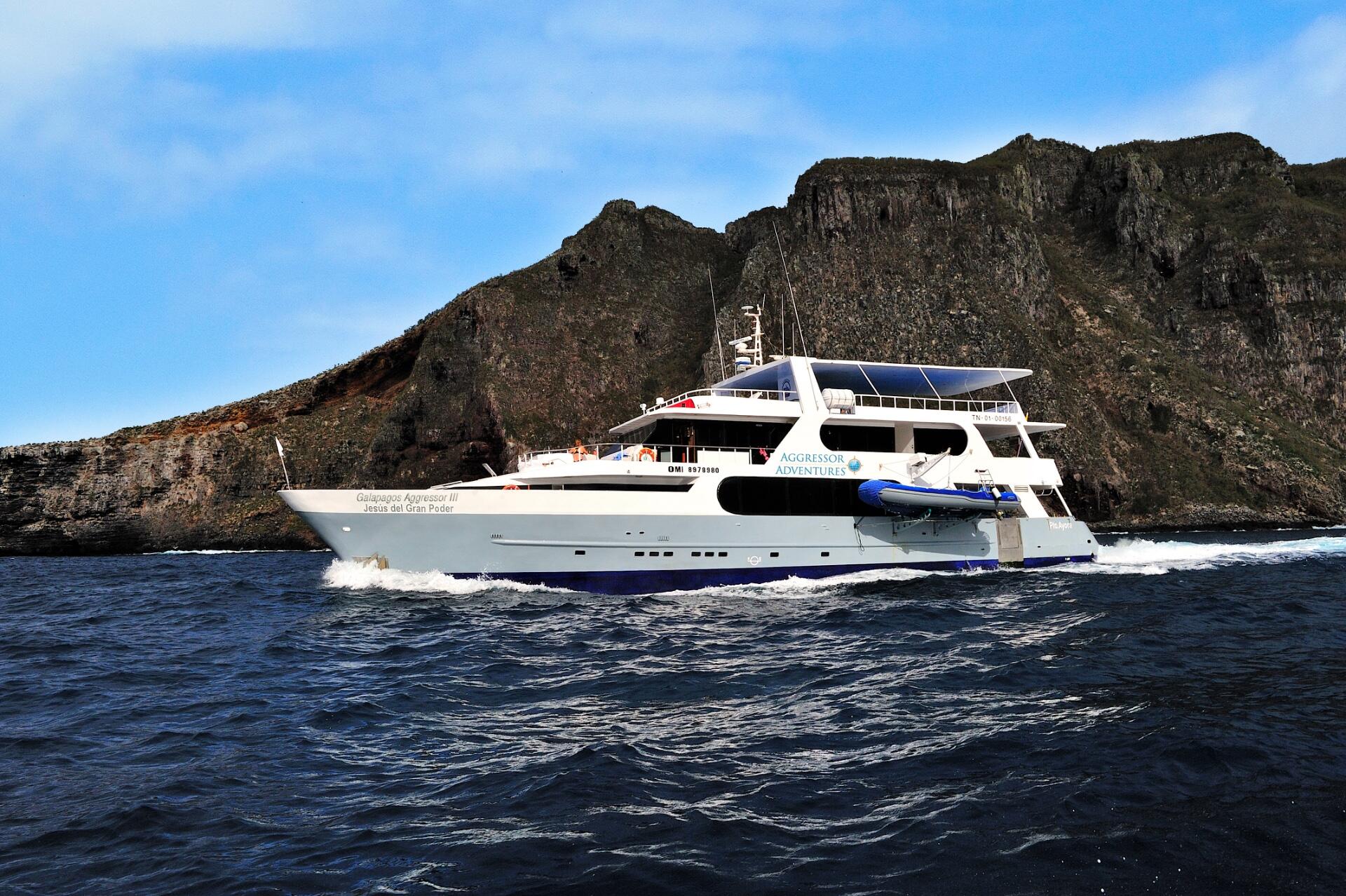
Galapagos Aggressor III
Galápagos
16 guests30.5 m
$913/day
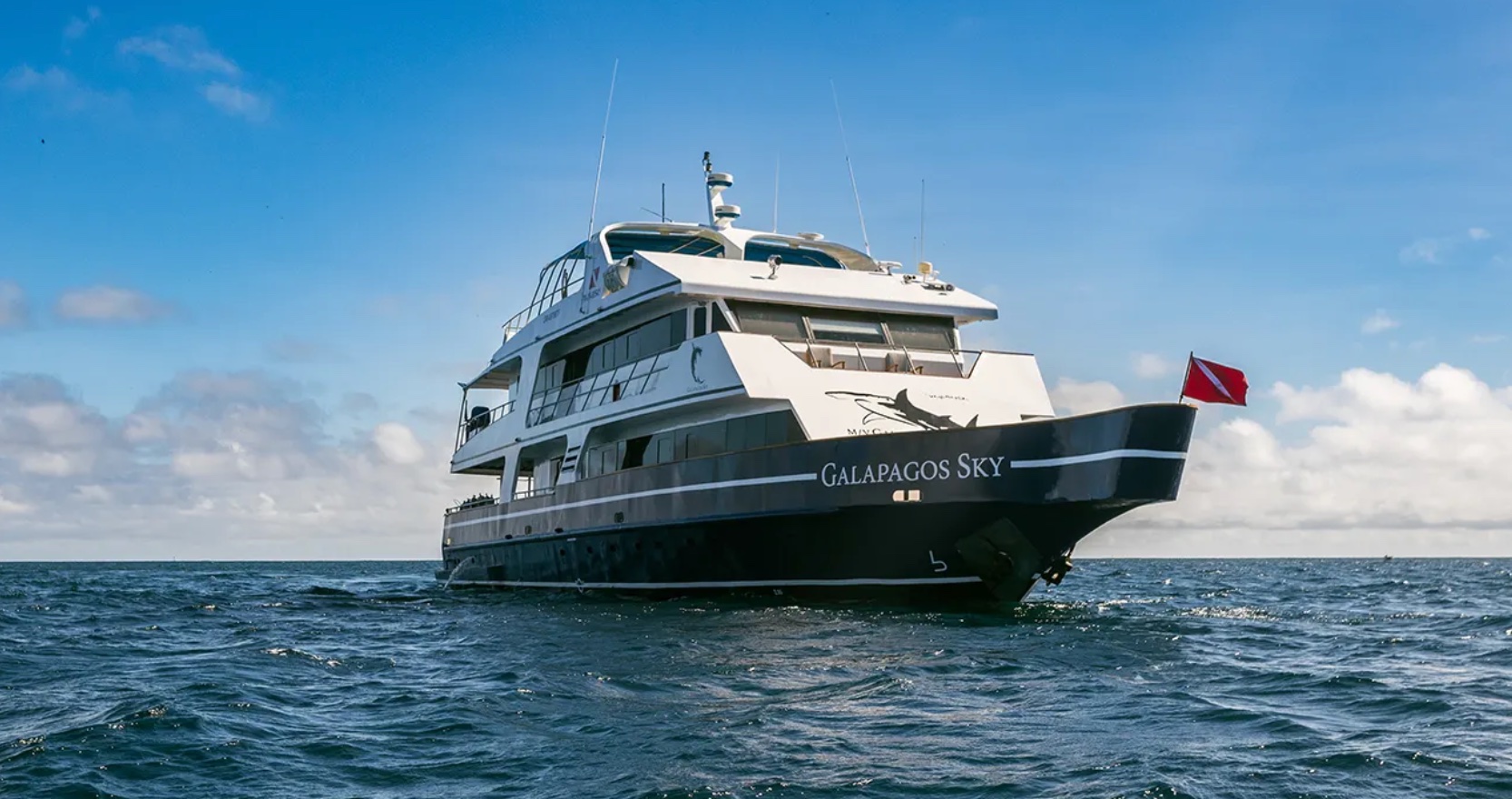
Galapagos Sky
Galápagos
16 guests
$937/day
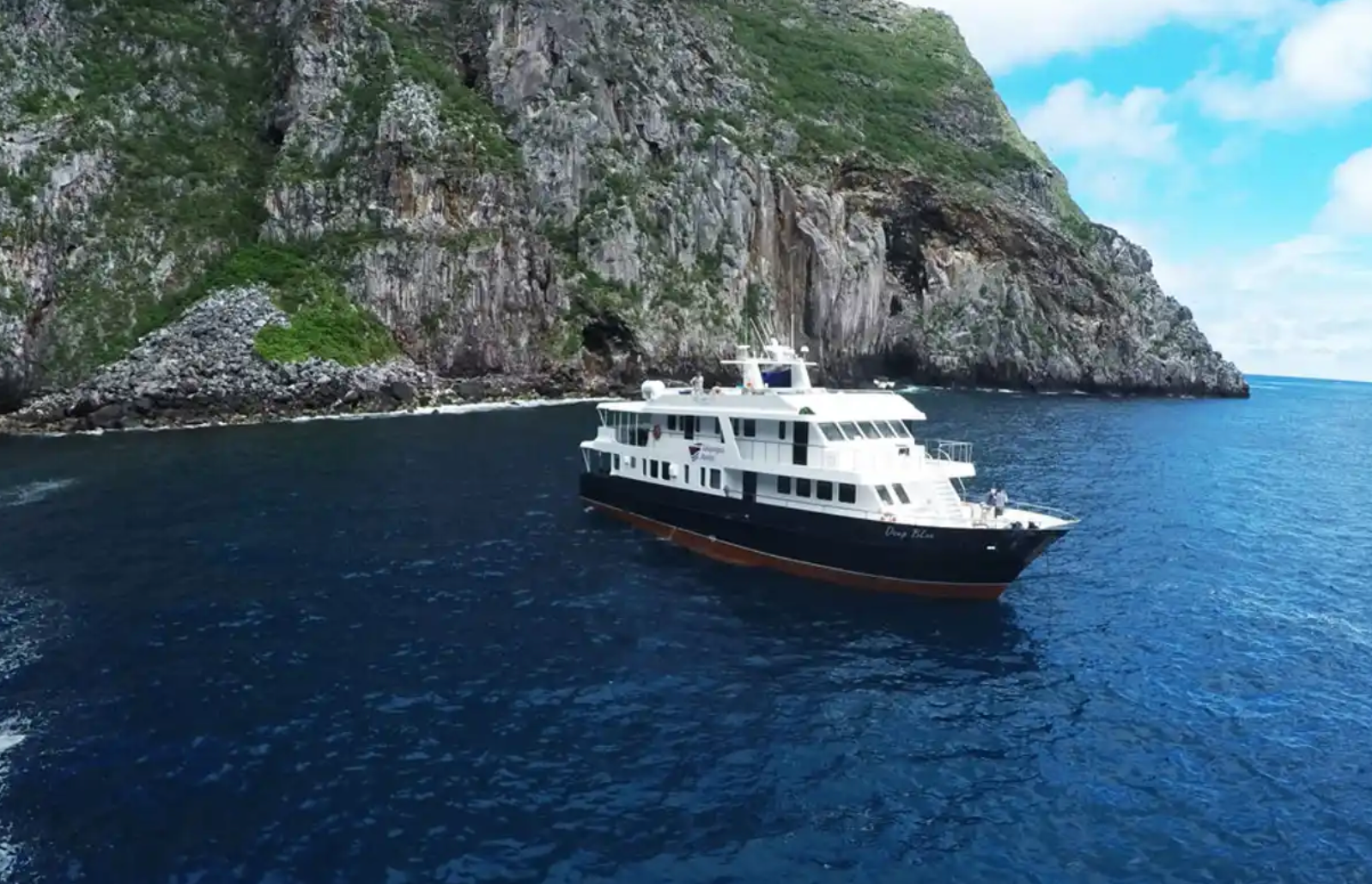
Galapagos Master
Galápagos
16 guests
$669/day
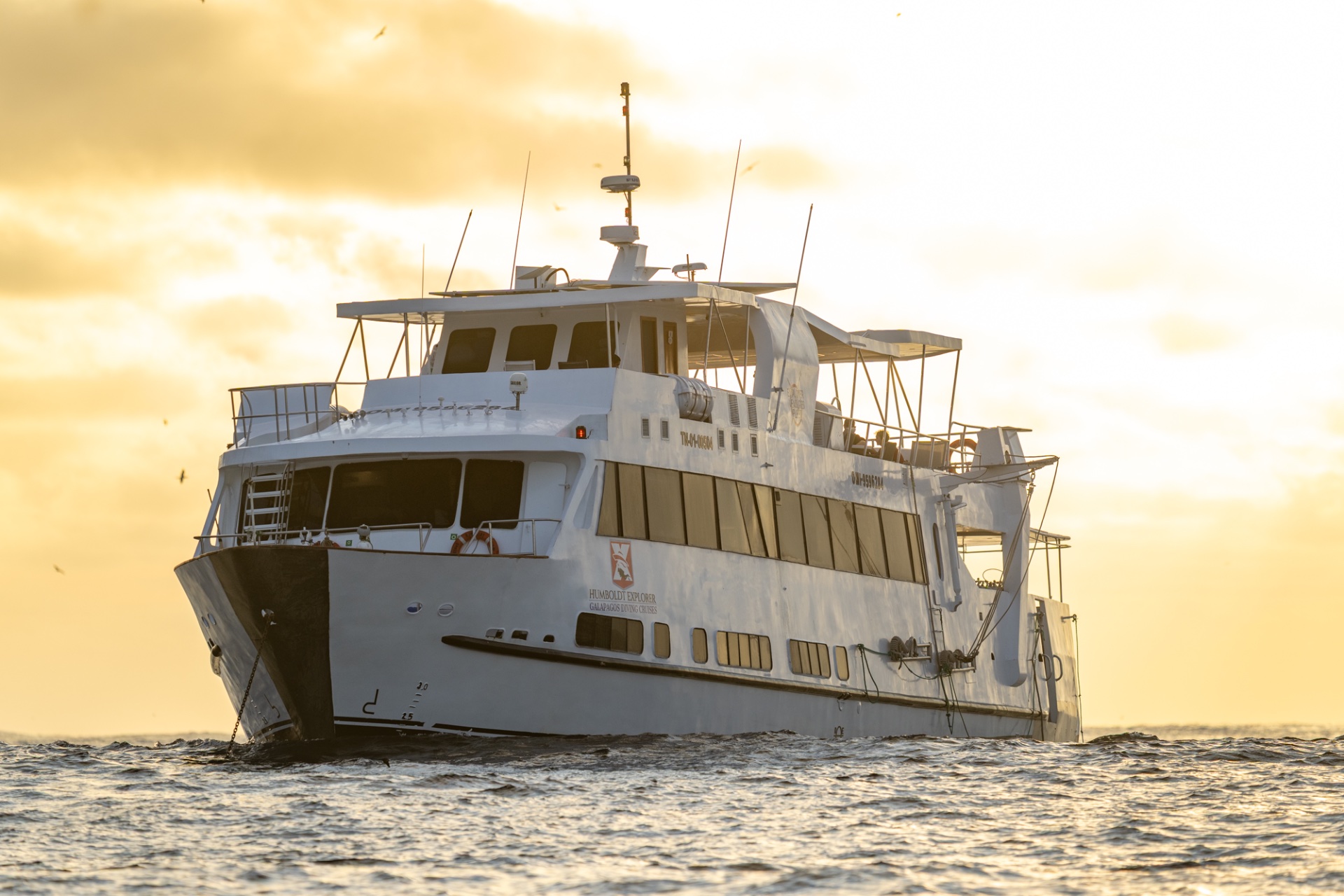
Humboldt Explorer
Galápagos
16 guests
$612/day
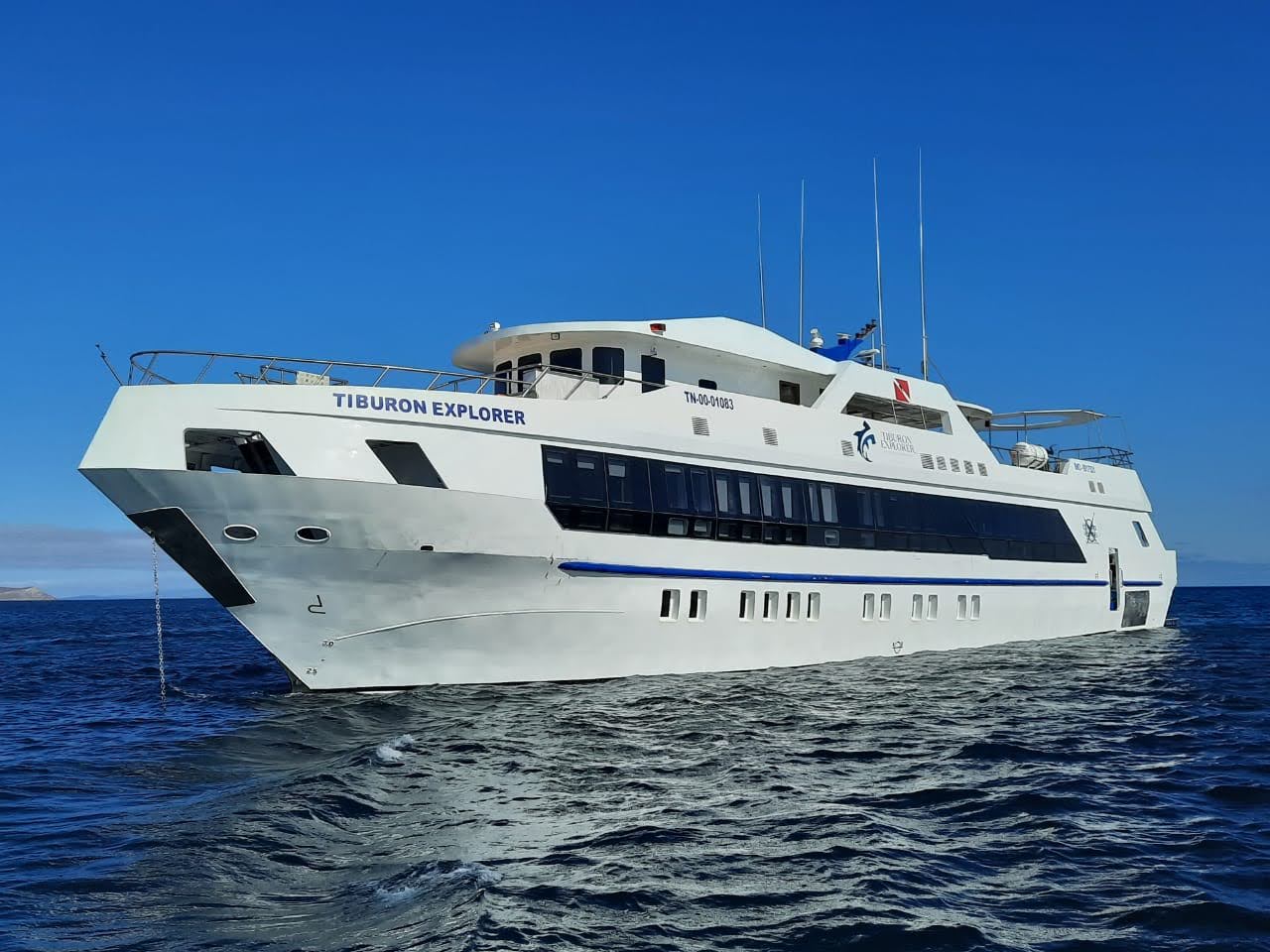
Tiburon Explorer
Galápagos
16 guests
$924/day
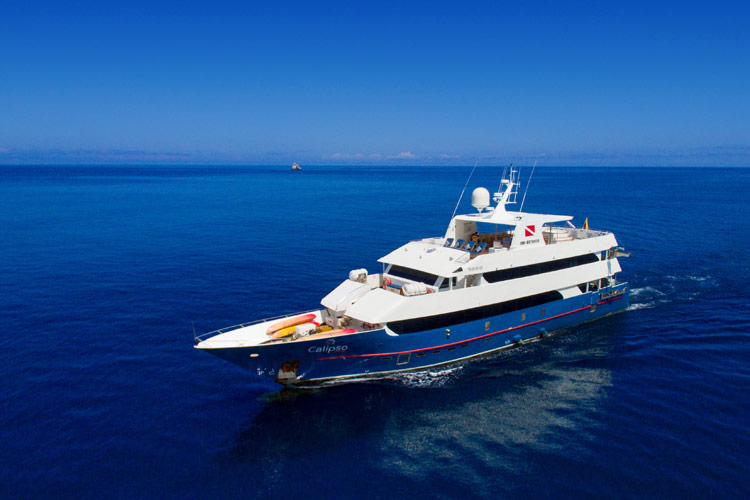
Calipso
Galápagos
16 guests
$819/day
Dive sites similar to Isabela - Tortuga Island
Same character, same waters — six more sites divers love for the exact same reasons.Compare seasons, access and liveaboard routes — then pick the site that fits your trip best.
© Esri — Maxar, Earthstar, GIS
Santa Cruz - Academy Bay
Galápagos
Academy Bay, located in Puerto Ayora on Santa Cruz Island, serves as a primary hub for Galápagos diving adventures.
- Suitable for
- Beginner
- Current
- Strong
- Access
- Liveaboard only
- Depth
- 3–15 m
- Theme
- Reef
© Esri — Maxar, Earthstar, GIS
Bartolomé Island
Galápagos
Bartolomé Island in the Galápagos archipelago is a distinctive dive site, known for its iconic Pinnacle Rock and accessible from Santa Cruz.
- Suitable for
- Beginner
- Current
- Strong
- Access
- Liveaboard only
- Depth
- 5–18 m
- Theme
- Drift / Reef
© Esri — Maxar, Earthstar, GIS
Beagle Rocks
Galápagos
Beagle Rocks is a captivating dive site situated off Santiago Island in the central Galápagos Archipelago, renowned for its dramatic underwater topography.
- Suitable for
- Beginner
- Current
- Strong
- Access
- Liveaboard only
- Depth
- 10–30 m
- Theme
- Reef / Wall
© Esri — Maxar, Earthstar, GIS
Cabo Douglas - Fernandina
Galápagos
Cabo Douglas, located on Fernandina Island, offers a truly unique underwater experience as the sole location worldwide where divers can observe marine iguanas grazing on algae beneath the surface.
- Suitable for
- Advanced
- Current
- Strong
- Access
- Liveaboard only
- Depth
- 6–6 m
- Theme
- Drift
© Esri — Maxar, Earthstar, GIS
Cabo Douglas - Marine Iguana Wall
Galápagos
Cabo Douglas, located on the northwest side of Fernandina Island in the central Galápagos, offers a truly unique diving experience.
- Suitable for
- Intermediate
- Current
- Strong
- Access
- Liveaboard only
- Depth
- 5–33 m
- Theme
- Wall
© Esri — Maxar, Earthstar, GIS
Cabo Marshall
Galápagos
Cabo Marshall, also known as Cape Marshall, is a renowned dive site located off the northeastern coast of Isabela Island in the Galápagos, often referred to by divers as "Manta…
- Suitable for
- Advanced
- Current
- Moderate
- Access
- Liveaboard only
- Depth
- 12–40 m
- Theme
- Drift / Wall