About Roca Redonda
Roca Redonda offers a distinctive dive experience, distinguishing itself as an exposed submarine volcano approximately 25 kilometers northwest of Isabela Island. This isolated seamount provides a unique environment where nutrient-rich upwellings from deep currents attract an extraordinary concentration of marine biodiversity. Divers here encounter a dramatic volcanic topography, with sheer walls and overhangs forming a vibrant ecosystem distinct from other Galápagos sites. The site's remoteness means it is exclusively accessible via liveaboard, catering to experienced divers comfortable with challenging conditions. The dynamic interplay of currents around this underwater peak creates a feeding ground for pelagic species and supports a rich array of endemic life, including unique shark species and schooling fish. Water temperatures fluctuate significantly due to thermoclines, requiring appropriate thermal protection. Visibility, while variable, often provides clear views of the bustling underwater activity. Dives typically involve exploring the volcanic slopes and the surrounding deep blue, keeping an eye out for the characteristic schooling hammerheads and other large marine animals. The unpredictable nature of the currents and the raw, untamed marine environment make Roca Redonda a truly adventurous and rewarding destination for those seeking an authentic Galápagos diving encounter.
Highlights
Isolated submarine volcanoSchooling hammerhead sharksRare deep-water speciesVolcanic rock formationsNutrient-rich upwellingsDiverse pelagic encounters
Season calendar
Best months to dive here
Jan
Feb
Mar
Apr
May
Jun
Jul
Aug
Sep
Oct
Nov
Dec
Good
Dive site facts: Roca Redonda
- Depth
- 10-30+ m
- Typical dive
- 18-25 m, 45-55 min
- Current
- Strong, unpredictable
- Visibility
- 12-30 m (variable)
- Water temperature
- 16-30°C
- Entry
- Negative / tender
- Level
- Advanced, current experience essential
- Dive type
- Pelagic, drift, deep
- Night dive
- Not permitted
- Region / port
- Western Galápagos / Isabela
- Coordinates
- 0.2717, -91.6083
Conditions & Currents
Roca Redonda is known for its strong and often unpredictable currents, a defining feature of diving in the Galápagos and a direct result of its exposed location and the confluence of major ocean currents. Divers should anticipate significant current strength, which can necessitate negative entries and proficient buoyancy control, as trying to swim against the flow is often futile. Thermoclines are common and can lead to sudden temperature drops, requiring adequate thermal protection and adaptation to changing conditions. Visibility around Roca Redonda, while generally good, can be affected by the rich plankton blooms that attract marine life, sometimes leading to periods of lower visibility. Divers must be prepared for swift drift dives, utilizing reef hooks when stationary viewing is desired, and maintaining close contact with their dive group.
Marine life & sighting chances

Scalloped hammerhead shark
June-November (peak) · common
Galapagos shark
occasional
Whale shark
June-November · occasional
Manta ray
December-May (peak) · occasional
Mobula ray
common
Green sea turtle
common
Galapagos sea lion
common
Wahoo
occasional
Yellowfin tuna
common
Triggerfish
common
Moray eel
common
Dive profile & how the dive runs
Dives at Roca Redonda typically begin with a negative entry from a panga, swiftly descending to avoid surface currents. The usual route involves hugging the volcanic rock face, using the current to drift along a wall or around the seamount. Divers commonly descend to depths of 18-25 meters, often deeper, to observe schooling pelagics that frequent the nutrient-rich waters. The dive often continues as a drift, exploring cracks and crevices for smaller marine life, while keeping an eye on the blue for larger encounters. Turnaround points are dictated by air consumption and current direction, typically when half of the air supply is used. The safety stop is often conducted in the blue, requiring good buoyancy control and deployment of a surface marker buoy, given the strong currents and potential for drift.
Underwater photography
Roca Redonda is a prime location for wide-angle photography, focusing on its dramatic volcanic topography and abundant pelagic life like schooling hammerheads, manta rays, and large schools of fish. A fisheye or wide-angle lens is essential to capture the grandeur of these scenes. Given the challenging currents, robust strobes are crucial for illuminating subjects and cutting through the variable visibility, especially when shooting in deeper waters or during plankton blooms. Divers should prioritize excellent buoyancy control and familiarity with their camera setup to react quickly to fleeting subjects while managing strong currents. Patience and a reef hook can also be valuable for stability when waiting for large animals to approach. Ethical conduct is paramount; avoid disturbing marine life, especially the sensitive deep-water species that may surface here.
Combine with nearby dive sites
- Punta Vicente Roca
Known for mola molas, seahorses, and marine iguanas in colder waters.
- Cabo Marshall
Offers sightings of manta rays and schooling fish.
- Wolf Island
Famous for abundant shark populations including hammerheads and Galapagos sharks.
- Darwin's Arch
Renowned for massive schools of hammerheads and seasonal whale sharks.
Getting there & logistics
Access to Roca Redonda is exclusively via Galápagos liveaboard, as it is a remote offshore site. Trips typically depart from Baltra (Seymour) Island after flying into the Galápagos from mainland Ecuador (Guayaquil or Quito). Itineraries are usually 7 to 14 days, with Roca Redonda often included as part of western or extended northern routes focusing on pelagic encounters. National Park fees and specific dive permits are required and generally included in liveaboard packages, but confirm with your operator. Due to its remoteness and challenging conditions, divers typically combine Roca Redonda with other iconic sites like Wolf and Darwin Islands, creating a comprehensive big-animal diving experience.
Safety & environment
Diving at Roca Redonda demands a high level of experience due to strong, unpredictable currents and potential thermoclines. Divers must possess excellent buoyancy control and current diving skills. The nearest recompression chamber is located on San Cristóbal Island, which can be several hours away by boat depending on the liveaboard's location. Evacuation procedures can be complex and time-consuming in the Galápagos, underscoring the critical need for comprehensive dive insurance that covers medical emergencies and evacuation. Always follow your dive guide's instructions precisely, maintain close proximity to your buddy and group, and be proficient in deploying a surface marker buoy for safety during ascents and drift pick-ups.
Who it suits — and who it doesn't
Suited for
- Experienced divers comfortable with strong currents
- Advanced Open Water divers with deep diving experience
- Pelagic enthusiasts and shark lovers
- Underwater photographers seeking big animal action
- Divers seeking remote, challenging, and rewarding experiences
Less suited for
- Beginner or newly certified divers
- Divers with limited experience in strong currents
- Individuals prone to seasickness or cold
- Divers expecting calm, shallow reef dives
- Those without comprehensive dive insurance
FAQ
Roca Redonda FAQ
What kind of marine life can I expect at Roca Redonda?
Roca Redonda is a magnet for pelagic species due to its rich upwellings. You can frequently encounter schooling scalloped hammerhead sharks, various species of rays like mobulas and mantas, and large schools of fish. Seasonal sightings of whale sharks are also possible, making it an excellent site for big animal encounters.
How strong are the currents at Roca Redonda?
Currents at Roca Redonda can be strong and unpredictable, often requiring advanced diving techniques and excellent buoyancy control. Divers should be prepared for drift diving and the possibility of strong downcurrents, making it suitable only for experienced individuals comfortable with challenging conditions.
What is the water temperature like at Roca Redonda?
Water temperatures at Roca Redonda vary significantly, ranging from 16°C to 30°C. You can expect frequent thermoclines, where temperatures can drop suddenly, especially at deeper depths. A 5mm to 7mm wetsuit with a hood and gloves is highly recommended for thermal protection.
Is Roca Redonda suitable for beginner divers?
No, Roca Redonda is not suitable for beginner divers. Due to the strong currents, variable visibility, deep dive profiles, and remote location, it is recommended only for advanced divers with considerable experience in challenging conditions and current diving. New or inexperienced divers would find the conditions too demanding.
How do I get to Roca Redonda?
Roca Redonda is a remote site and is only accessible via liveaboard dive boats that operate in the Galápagos. These liveaboards typically depart from Baltra Island and follow itineraries that include this and other far-flung sites, often requiring a commitment to a week or more of diving.
Why dive Roca Redonda from a liveaboard?
Roca Redonda is one of Galápagos's signature dive sites. A liveaboard sleeps you on the water and puts you in the water for three to four guided dives per day, including dawn and night dives that day-boat operators rarely offer. You skip the daily commute back to port and reach quieter, less-crowded sites in the same region on a single trip.
Below are the liveaboards that include Roca Redonda on their Galápagos itineraries.
Liveaboards diving Roca Redonda
These liveaboards may visit Roca Redonda on selected itineraries — the exact dive sites depend on departure, weather and conditions.
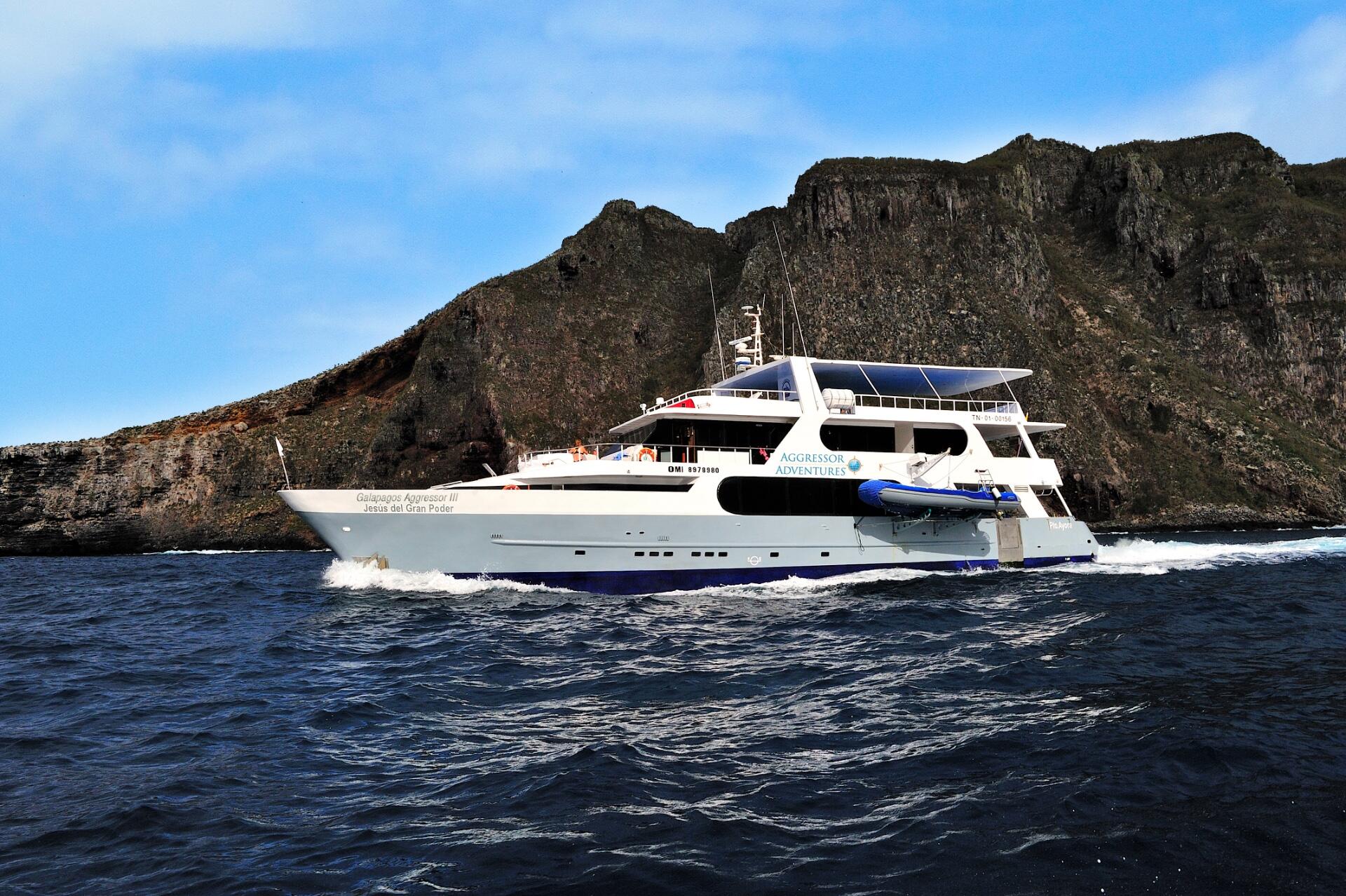
Galapagos Aggressor III
Galápagos
16 guests30.5 m
$913/day
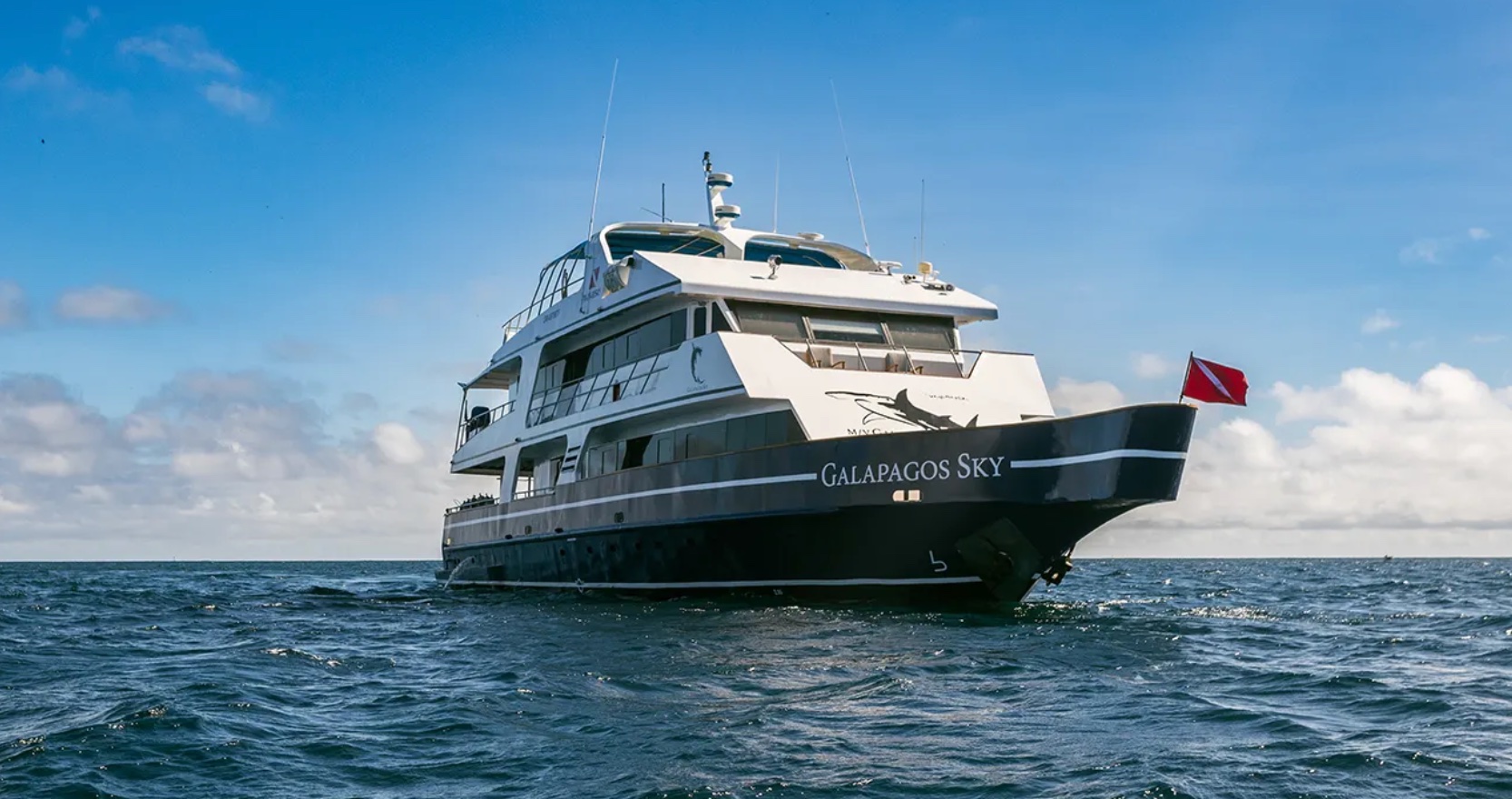
Galapagos Sky
Galápagos
16 guests
$937/day
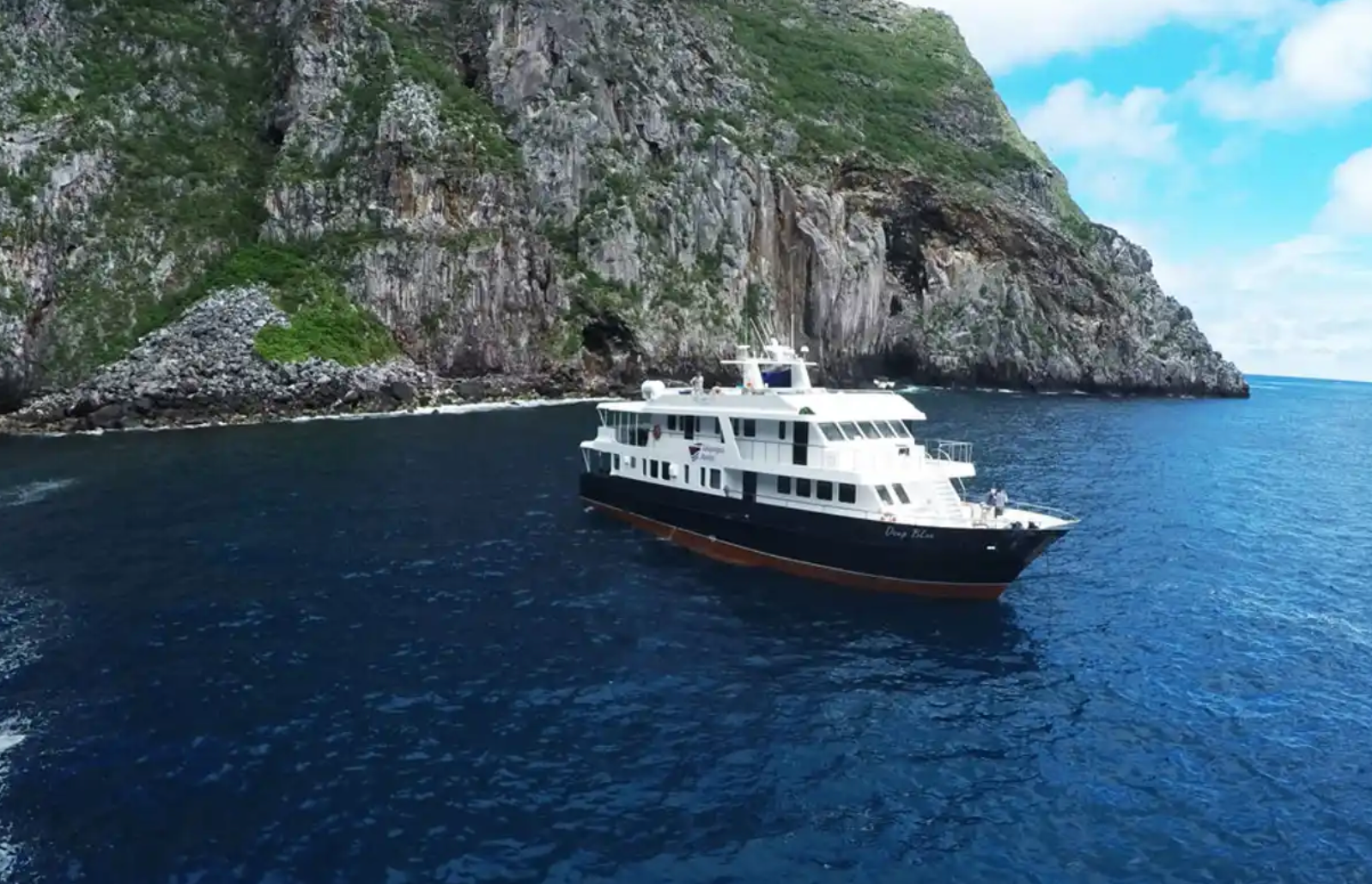
Galapagos Master
Galápagos
16 guests
$669/day
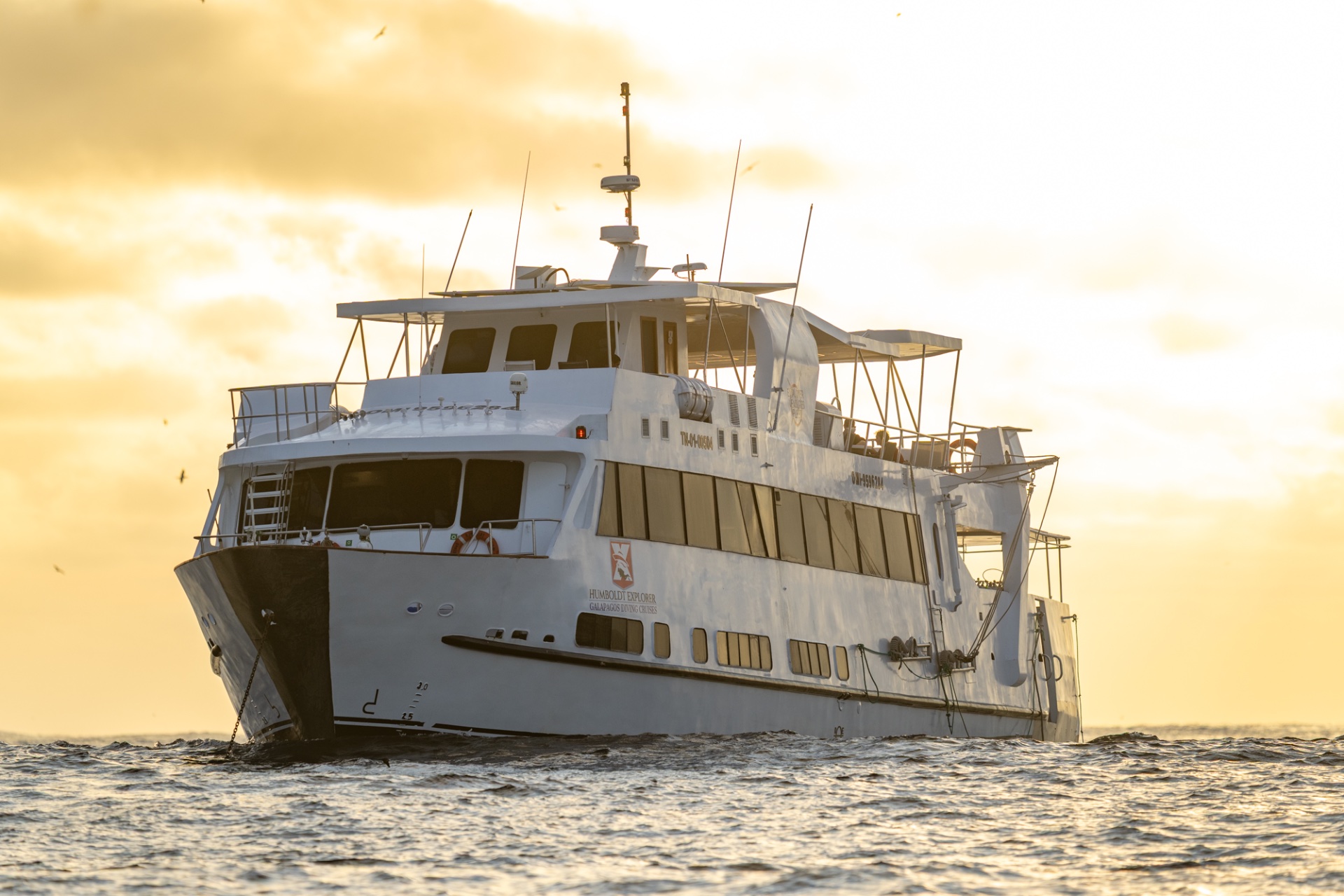
Humboldt Explorer
Galápagos
16 guests
$612/day
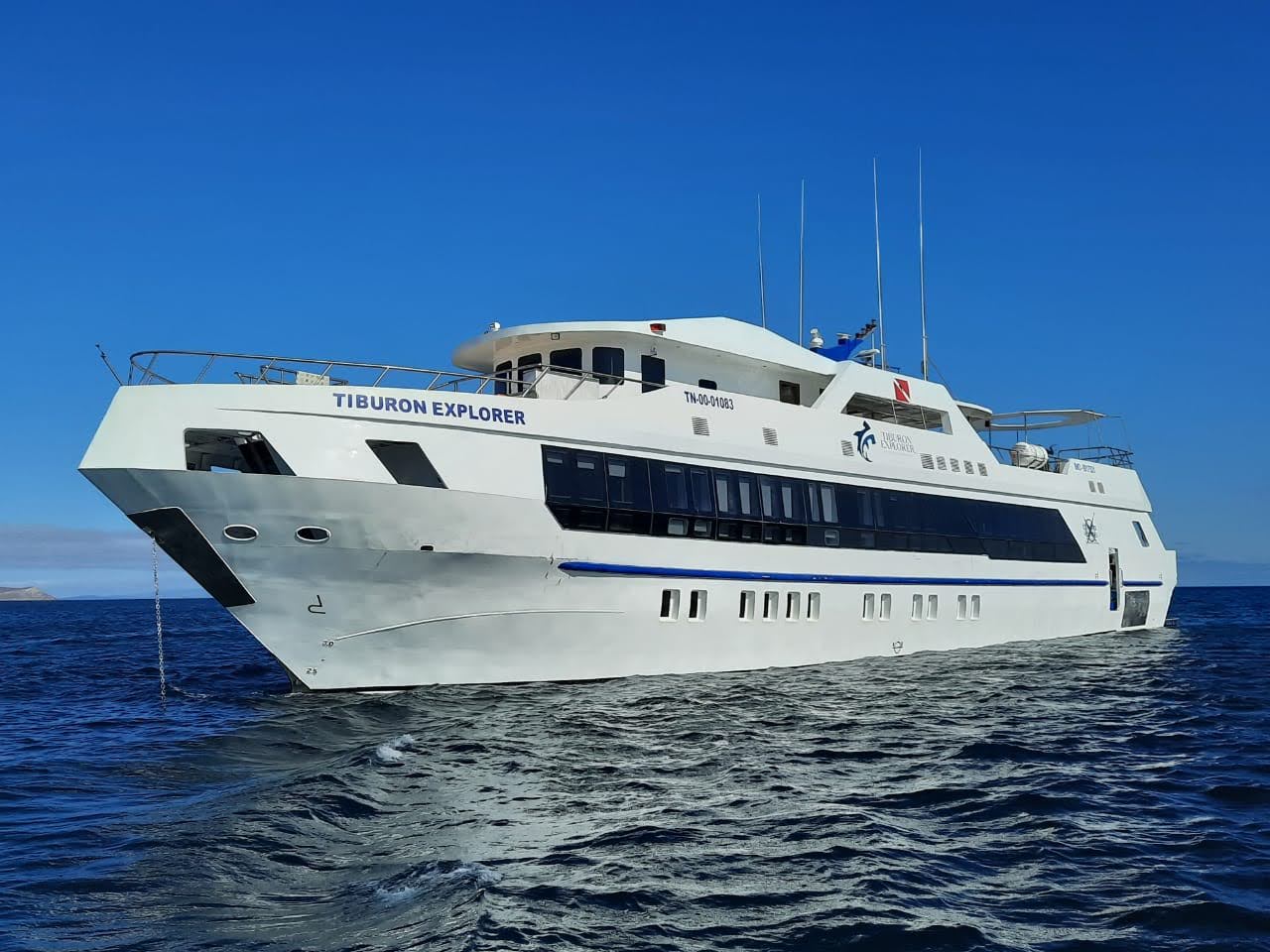
Tiburon Explorer
Galápagos
16 guests
$924/day
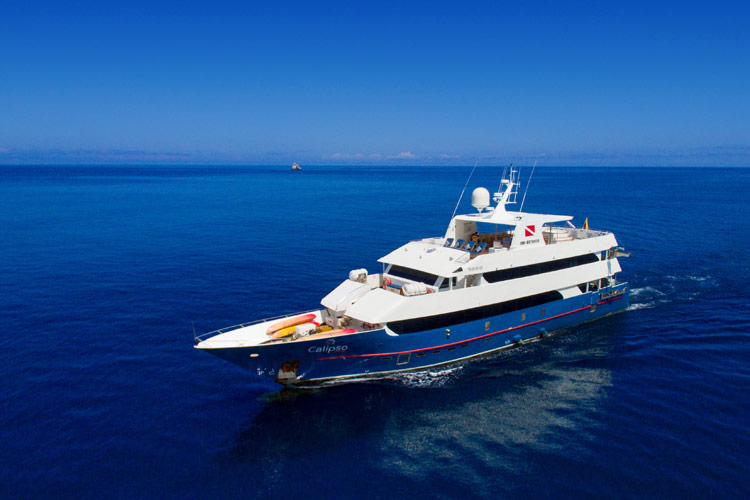
Calipso
Galápagos
16 guests
$819/day
Dive sites similar to Roca Redonda
Same character, same waters — six more sites divers love for the exact same reasons.Compare seasons, access and liveaboard routes — then pick the site that fits your trip best.
© Esri — Maxar, Earthstar, GIS
Guy Fawkes Islands
Galápagos
The Guy Fawkes Islands are a pair of small islands located close to Santa Cruz, offering a more accessible dive experience compared to the remote northern sites.
- Suitable for
- Intermediate
- Current
- Strong
- Access
- Liveaboard only
- Depth
- 5–25 m
- Theme
- Cave & cavern / Wall
© Esri — Maxar, Earthstar, GIS
Cabo Douglas - Marine Iguana Wall
Galápagos
Cabo Douglas, located on the northwest side of Fernandina Island in the central Galápagos, offers a truly unique diving experience.
- Suitable for
- Intermediate
- Current
- Strong
- Access
- Liveaboard only
- Depth
- 5–33 m
- Theme
- Wall
© Esri — Maxar, Earthstar, GIS
Daphne Minor
Galápagos
Daphne Minor, a small, barren island northwest of the Itabaca Channel, is a lesser-known but exceptionally vibrant dive site in the Galápagos.
- Suitable for
- Intermediate
- Current
- Strong
- Access
- Liveaboard only
- Depth
- 10–18 m
- Theme
- Pinnacle / Wall
© Esri — Maxar, Earthstar, GIS
Mosquera Island
Galápagos
Mosquera Island is a unique dive site in the Galápagos Marine Reserve, located between Seymour and Baltra islands.
- Suitable for
- Beginner
- Current
- Ripping
- Access
- Liveaboard only
- Depth
- 3–12 m
- Theme
- Reef / Wall
© Esri — Maxar, Earthstar, GIS
Punta Vicente Roca
Galápagos
Punta Vicente Roca, situated on the west coast of Isabela Island in the Galápagos, is a captivating dive site characterized by its vertical wall and dramatic above-surface rock formations.
- Suitable for
- Intermediate
- Current
- Ripping
- Access
- Liveaboard only
- Depth
- 5–25 m
- Theme
- Wall
© Esri — Maxar, Earthstar, GIS
Isla Tortuga - South Wall
Galápagos
Isla Tortuga's South Wall, a striking volcanic caldera, presents an exceptional dive experience in the Galápagos, offering a dramatic underwater landscape.
- Suitable for
- Advanced
- Current
- Strong
- Access
- Liveaboard only
- Depth
- 8–40 m
- Theme
- Drift / Wall