About Loloata Island
Loloata Island, a small island near Port Moresby in Papua New Guinea, offers exceptional diving experiences within Bootless Bay. This location is renowned for its vibrant marine ecosystems and diverse dive sites, making it a popular choice for divers seeking world-class encounters close to the capital. The resort's dive operation accesses over 30 moored sites, all reachable within 10 to 30 minutes by boat, providing convenience and variety. The underwater topography around Loloata Island includes colorful coral gardens, dramatic drop-offs, and deep walls that plunge into Bootless Bay. These vertical reef faces, adorned with gorgonian fans and black coral trees, create natural highways for marine traffic, attracting both resident species and larger pelagics. Depths range from shallow reef crests to over 30 meters, accommodating a spectrum of dive profiles. Marine life around Loloata is abundant, with sightings of grey reef sharks, barracudas, and trevallies common along the walls. Seasonal appearances of hammerhead sharks, eagle rays, and manta rays further enrich the diving experience. The healthy reef systems boast exceptional coral diversity, including hard coral communities and anemone gardens hosting various clownfish species. Diving is conducted year-round, with specific seasons offering optimal conditions for visibility and calm seas. The dive center, with its long-standing reputation, provides fully equipped facilities, fast boats, and experienced guides. Divers are encouraged to carry appropriate insurance due to the cost of hyperbaric treatment, which is available in Port Moresby, less than 30 minutes away.
Highlights
Dramatic reef wallsDiverse coral gardensPelagic shark encountersAbundant tropical fishRare Rhinopias sightingsConvenient access to Port MoresbyWorld War II wrecks
Season calendar
Best months to dive here
Jan
Feb
Mar
Apr
May
Jun
Jul
Aug
Sep
Oct
Nov
Dec
Good
Dive site facts: Loloata Island
- Depth
- 10–30 m (over 30 m at walls)
- Typical dive
- 50 min
- Current
- Mild to strong
- Visibility
- 10–30 m
- Water temperature
- 25–30 °C
- Entry
- Boat
- Level
- Beginner to Advanced
- Dive type
- Coral reefs, walls, drop-offs, wrecks, pelagics
- Night dive
- Possible
- Region / port
- Bootless Bay, Port Moresby
- Coordinates
- 9.6042° S, 147.3147° E
Conditions & Currents
Currents around Loloata Island are generally mild, however, some advanced sites feature strong currents requiring drift diving techniques. Surge is typically absent. Divers may encounter varying conditions depending on the specific site, with visibility ranging from 10 to 30 meters. The wet season, from late December to early April, tends to reduce visibility, while the doldrums periods (late April to late May and late October to early December) see improving or good visibility and calm seas. Southeast trade winds from early June to early October can make the sea quite choppy. Water temperature fluctuates between 25°C in August/September and up to 30°C in March/April. Divers should monitor local conditions and plan dives accordingly, particularly for deeper wall dives that demand careful gas management and depth awareness.
Marine life & sighting chances

Rhinopias
rare
Long-finned bannerfish
commonShort-finned bannerfish
common
Moorish idols
common
Harlequin sweetlips
common
Pufferfish
common
Grey reef sharks
common
Hammerhead sharks
Seasonal · occasional
Barracudas
common
Trevally
common
Eagle rays
Seasonal · occasional
Manta rays
Seasonal · occasional
Octopus
occasionalDive profile & how the dive runs
Dives around Loloata Island typically commence via boat entry from the resort, which boasts over 30 moored sites. A common dive profile, such as at "Di's Delight," starts with a descent to approximately 13 meters at the mooring point. Divers then navigate towards a series of bommies, around 20 meters from the main reef, where the true spectacle begins. The dive proceeds by exploring these bommies, circling them at deeper sections, often reaching depths of 30-32 meters or more in canyons between the structures. The objective is to maximize bottom time on the bommies, known for large gorgonian sea fans and schooling fish. Dives can extend to 70 minutes or more, with gradual ascent throughout the dive to stay within no-decompression limits. Safety stops are performed typically on the shallower reef sections or during final ascent.
Underwater photography
Loloata Island offers diverse photographic opportunities, requiring both wide-angle and macro setups. For the dramatic walls, extensive coral gardens, and large pelagic encounters like sharks and barracudas, a wide-angle lens is ideal. Capture the scale of enormous gorgonian sea fans, some measuring four meters across, and the vibrant reefscapes. For macro enthusiasts, the healthy reef systems and muck diving opportunities will yield subjects like the rare Rhinopias, nudibranchs, mantis shrimp, and various small critters. Good buoyancy control is essential, particularly on wall dives and when photographing delicate corals or elusive macro subjects. Consider external strobes to bring out the true colors of the marine life and reefs, especially at depth. Always maintain a respectful distance from marine life and avoid touching or disturbing the environment.
Combine with nearby dive sites
- End Bommie
End Bommie is a renowned dive site located in Bootless Bay, near Port Moresby, Papua New Guinea.
- Suzie's Bommie
Suzie's Bommie is an impressive pinnacle dive site located outside the Sunken Barrier Reef in Bootless Bay, near Port Moresby, Papua New…
- Echuca Patch
Echuca Patch is a prominent patch reef located just outside Kavieng, Papua New Guinea, specifically positioned on the Pacific Ocean side of…
- MV New Marine
The MV New Marine is an intentionally scuttled vessel located in Bootless Bay, southeast of Port Moresby, Papua New Guinea.
Getting there & logistics
Loloata Island is conveniently located near Port Moresby, Papua New Guinea's capital, which is served by Port Moresby International Airport (POM). Divers typically fly into POM and then transfer to Loloata Island Resort, which is a short hop from the city and offers its own dive operation. The resort provides two dive boats, catering to small groups and ensuring efficient access to dive sites, most of which are within a 10 to 30-minute boat ride in Bootless Bay. There are no specific permits required for diving around Loloata Island. Trip lengths vary, but divers often combine stays at Loloata with other Papua New Guinea destinations like Kimbe Bay or Milne Bay. A small fee of two Kina (approximately 0.50 US cents) is charged per dive to support the maintenance of the hyperbaric facility.
Safety & environment
Diving at Loloata Island requires attention to safety protocols, especially given the potential for deep wall dives and strong currents at some advanced sites. A hyperbaric facility is available in Port Moresby, less than 30 minutes from the resort, offering crucial support in case of decompression sickness. However, treatment costs are significant, around US$500 per hour, making comprehensive diving insurance strongly recommended. Divers Alert Network (DAN) insurance can be arranged, though it may take up to 72 hours to activate if purchased on arrival. The dive center reserves the right to refuse diving to uninsured individuals. Divers should always dive within their training limits, maintain good buoyancy, and monitor their gas consumption, particularly on deeper profiles. Local dive guides provide detailed briefings and lead dives, ensuring safe exploration of the sites.
Who it suits — and who it doesn't
Suited for
- Advanced divers comfortable with currents
- Beginner divers learning and upgrading skills
- Underwater photographers (macro and wide-angle)
- Divers seeking diverse marine life
- Those who appreciate wall and reef diving
- Divers interested in convenient access to world-class diving
Less suited for
- Divers without diving insurance
- Those unwilling to experience varying current conditions
- Divers seeking only shallow, calm, easy dives
- Individuals who prefer extensive land-based tourism during a dive trip
FAQ
Loloata Island FAQ
What is the best time of year to dive Loloata Island?
The ideal time for diving Loloata Island is from late October to early December. During this period, the seas are typically calm, and visibility is at its best. While diving is possible year-round, conditions like visibility and sea choppiness can vary with the seasons, such as during the wet season or when southeast trade winds blow.
What kind of marine life can I expect to see at Loloata Island?
Loloata Island boasts a rich array of marine life, including common sightings of long- and short-finned bannerfish, moorish idols, sweetlips, and pufferfish. Along the walls, you can expect to see grey reef sharks, barracudas, and trevally. Seasonal visits from hammerhead sharks, eagle rays, and manta rays are also possible, alongside macro life like nudibranchs and the rare Rhinopias.
Are there dive sites suitable for beginners around Loloata Island?
Yes, Loloata Island offers a range of dive sites, with some suitable for beginners. The resort's dive operation caters to various skill levels, and PADI courses are available for those looking to learn or upgrade their certification. However, some advanced sites feature deeper walls and stronger currents, which are reserved for more experienced divers.
How far is Loloata Island from Port Moresby?
Loloata Island is located near Port Moresby, Papua New Guinea's capital. The island is easily accessible from the city, typically a short transfer from Port Moresby International Airport. This proximity makes it a convenient option for divers seeking world-class underwater experiences without extensive travel within PNG.
Is diving insurance necessary for Loloata Island?
Diving insurance is strongly recommended for Loloata Island. While a hyperbaric facility is available in Port Moresby, treatment costs can be very high, around US$500 per hour. The dive center may refuse diving to individuals without adequate insurance. It's advisable to arrange comprehensive coverage, such as DAN, well in advance of your trip.
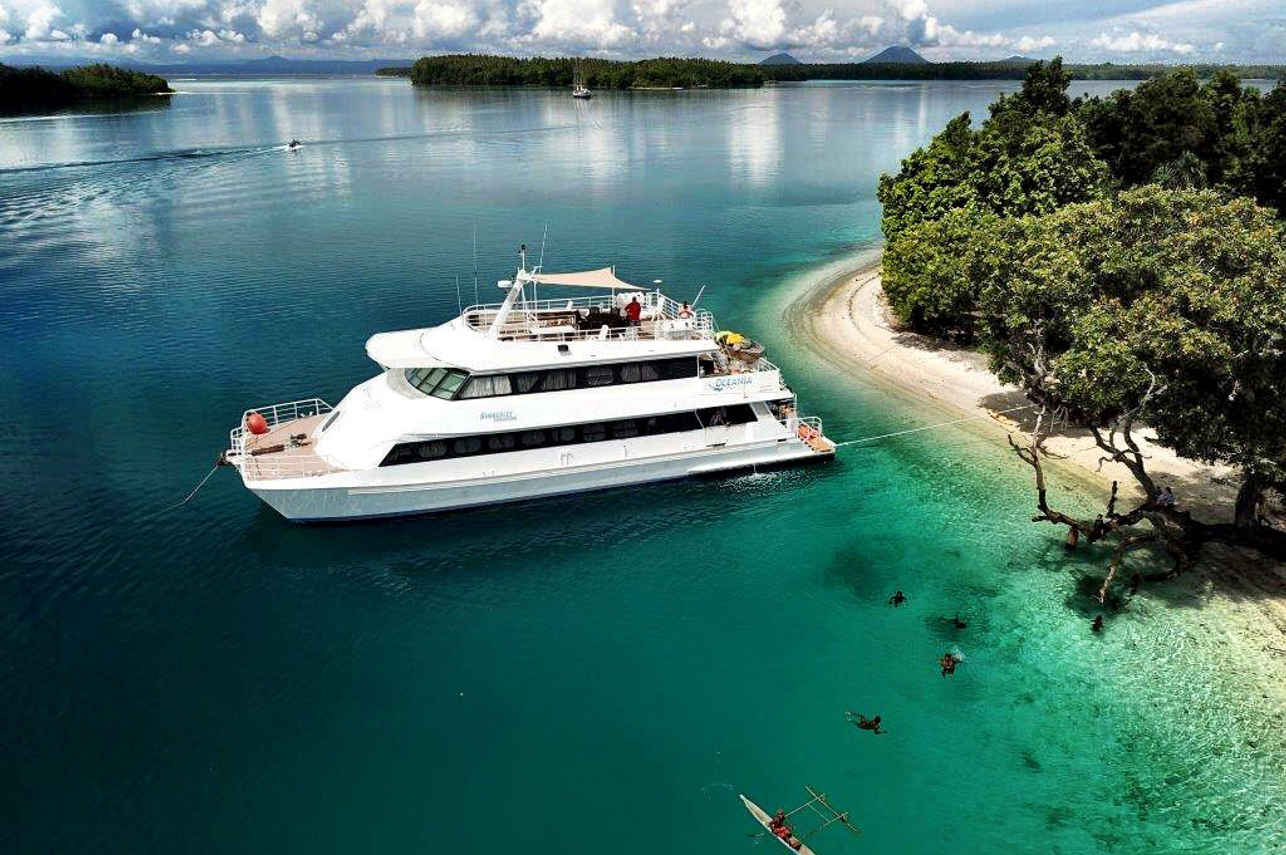
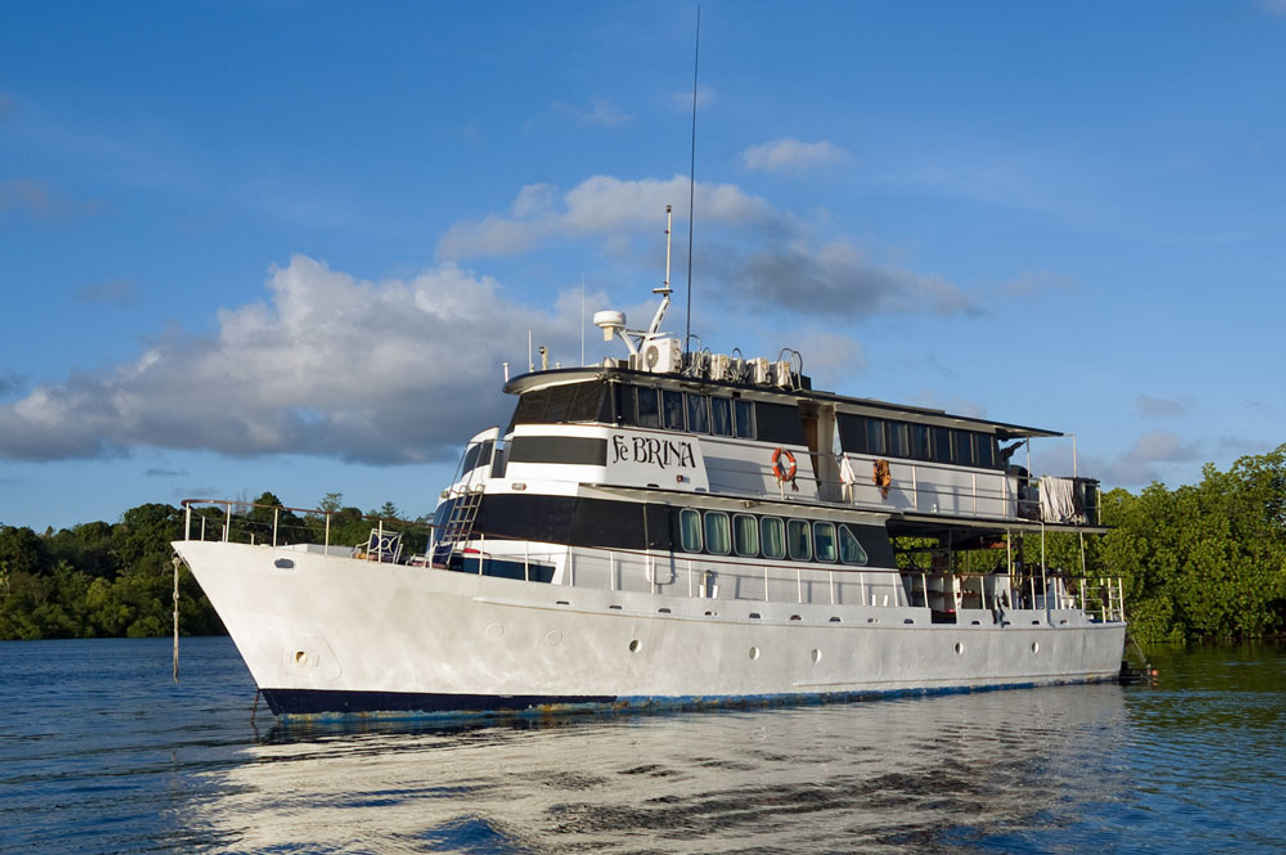
Why dive Loloata Island from a liveaboard?
Loloata Island is one of Papua New Guinea's signature dive sites. A liveaboard sleeps you on the water and puts you in the water for three to four guided dives per day, including dawn and night dives that day-boat operators rarely offer. You skip the daily commute back to port and reach quieter, less-crowded sites in the same region on a single trip.
Below are the liveaboards that include Loloata Island on their Papua New Guinea itineraries.
Liveaboards diving Loloata Island
These liveaboards may visit Loloata Island on selected itineraries — the exact dive sites depend on departure, weather and conditions.
Dive sites similar to Loloata Island
Same character, same waters — six more sites divers love for the exact same reasons.Compare seasons, access and liveaboard routes — then pick the site that fits your trip best.
© Esri — Maxar, Earthstar, GIS
Giants at Home
Papua New Guinea
Giants at Home is a unique dive site nestled in a protected, shallow bay within Milne Bay, Papua New Guinea, specifically known as a thriving manta ray cleaning station.
- Suitable for
- Beginner
- Current
- Mild
- Access
- Liveaboard only
- Depth
- 1–8 m
- Theme
- Reef
© Esri — Maxar, Earthstar, GIS
Lissenung Island Reef
Papua New Guinea
Lissenung Island Reef is the house reef surrounding approximately two-thirds of Lissenung Island, located near Kavieng in Papua New Guinea.
- Suitable for
- Beginner
- Current
- Moderate
- Access
- Shore / dayboat
- Depth
- 2–10 m
- Theme
- Reef
© Esri — Maxar, Earthstar, GIS
Bermuda Drop
Papua New Guinea
Bermuda Drop is a notable wall drift dive located near Kavieng, Papua New Guinea, offering an experienced diver a journey along an impressive underwater cliff.
- Suitable for
- Advanced
- Current
- Moderate
- Access
- Liveaboard only
- Depth
- 3–26 m
- Theme
- Wall / Drift
© Esri — Maxar, Earthstar, GIS
Banana Bommie
Papua New Guinea
Banana Bommie is a prominent and highly regarded dive site situated at the northern mouth of Milne Bay in Papua New Guinea.
- Suitable for
- Advanced
- Current
- Moderate
- Access
- Liveaboard only
- Depth
- ≤ 40 m
- Theme
- Reef / Pinnacle
© Esri — Maxar, Earthstar, GIS
End Bommie
Papua New Guinea
End Bommie is a renowned dive site located in Bootless Bay, near Port Moresby, Papua New Guinea.
- Suitable for
- Advanced
- Current
- Strong
- Access
- Liveaboard or dayboat
- Depth
- 6–30 m
- Theme
- Reef / Wall