About Ghizo - Kennedy Island
Kennedy Island, also known as Plum Pudding Island, holds significant historical importance as the site where Lieutenant John F. Kennedy and his crew sought refuge after their PT-109 torpedo boat was sunk in 1943. Beyond its historical narrative, the island offers an exceptional dive experience characterized by gently sloping reefs from 5 to 18 meters, adorned with healthy coral gardens featuring table, staghorn, and brain corals. Local guides can vividly recount the events of PT-109, pinpointing the channel where the vessel went down, adding a unique historical layer to your underwater exploration. The shallow reef tops are teeming with colorful nudibranchs and anemonefish, providing fantastic opportunities for macro photography. The waters are also frequented by both hawksbill and green turtles, which are often encountered grazing on the corals or resting on the sandy bottom. This dive site masterfully blends a compelling wartime history with a thriving natural ecosystem, offering a reflective and engaging experience for divers of all levels. While the historical context is a major draw, the biological diversity ensures a rewarding dive. The sheltered location means relatively calm conditions, allowing for relaxed exploration of both the reef structure and its resident marine life. It's a site that appeals to those who appreciate a dive with a story, alongside the beauty of the underwater world.
Highlights
WWII HistoryPT-109 ChannelHealthy Coral GardensHawksbill and Green TurtlesNudibranchs and Anemonefish
Season calendar
Best months to dive here
Jan
Feb
Mar
Apr
May
Jun
Jul
Aug
Sep
Oct
Nov
Dec
Excellent
Good
Dive site facts: Ghizo - Kennedy Island
- Depth
- 5–18 m
- Typical dive
- 12–15 m, 60 min
- Current
- Mild
- Visibility
- 20–30 m
- Water temperature
- 28–30 °C
- Entry
- Tender
- Level
- All levels
- Dive type
- Reef, historical
- Night dive
- Possible
- Region / port
- Western Province
- Coordinates
- -8.2333, 156.9833
Conditions & Currents
Currents at Kennedy Island are generally mild, contributing to a very easy diving environment. While most dives present minimal current, there may be occasional, gentle water movement, particularly around specific features or at certain tidal states. Dive plans are typically arranged to minimize swimming against any currents present, often allowing for pleasant drift dives. The calm and warm conditions, combined with excellent visibility, make for comfortable entries and exits from tender boats, ensuring a relaxed experience for divers.
Marine life & sighting chances
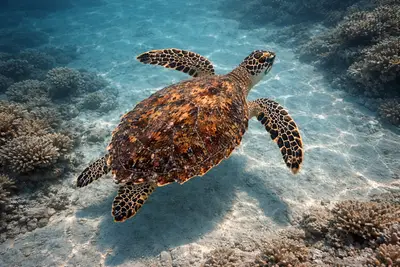
Hawksbill Turtle
occasional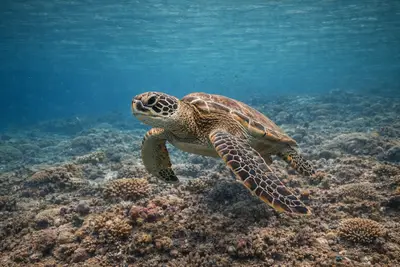
Green Turtle
occasional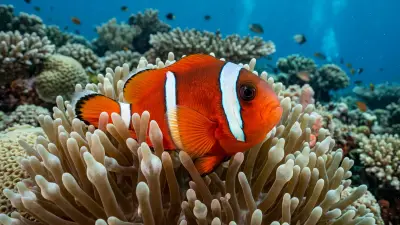
Anemonefish
common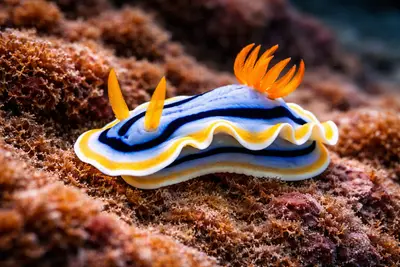
Nudibranch
common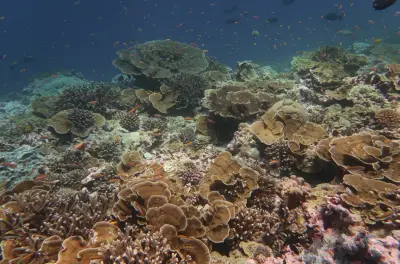
Reef Fish
common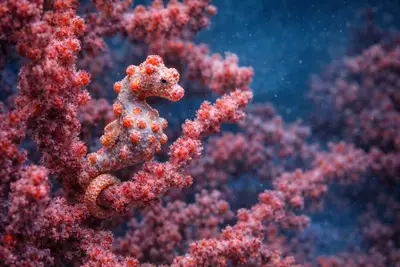
Pygmy Seahorse
occasional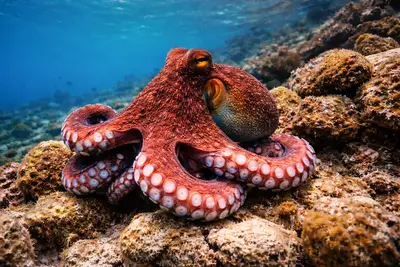
Octopus
occasional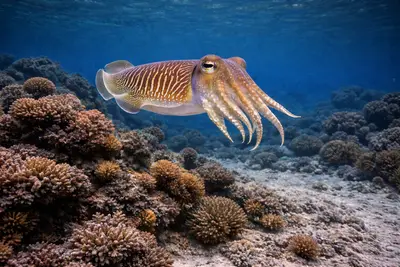
Cuttlefish
occasional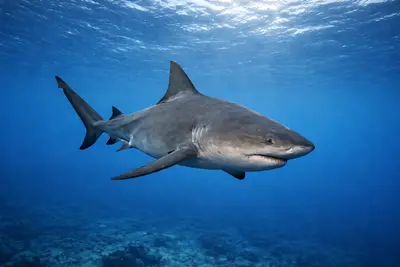
Shark
rareDive profile & how the dive runs
Your dive at Kennedy Island typically begins with a tender drop close to the historical channel where PT-109 was sunk. You'll descend onto the gently sloping reef, starting at around 5-7 meters, and explore the vibrant coral gardens that stretch down to about 18 meters. The route generally follows the reef contour, allowing for close inspection of staghorn, table, and brain corals. Keep an eye out for hawksbill and green turtles gliding past or resting among the corals. The dive often progresses into shallower areas, where you can spot colorful anemonefish sheltering in their hosts and various nudibranchs on the reef top. The turn point is flexible, allowing you to maximize bottom time at a comfortable depth before gradually ascending for a safety stop in the clear, sunlit shallows, completing the dive with a tender pickup.
Underwater photography
Kennedy Island offers a blend of subjects suitable for both wide-angle and macro photography. For the expansive coral gardens, a wide-angle lens will capture the health and density of the reef, especially the impressive table and staghorn corals. When focusing on the historical aspect, consider wide-angle shots that incorporate the unique topography of the channel or any subtle reminders of its past. Macro photographers will delight in the shallow reef tops, which are rich with nudibranchs and anemonefish, requiring a macro lens and potentially a snoot for creative lighting. Given the generally mild currents and excellent visibility, taking your time for composition and patient observation is highly rewarding. Buoyancy control is paramount to protect the delicate corals and ensure clear shots.
Combine with nearby dive sites
- Munda - Shark Point
Munda’s Shark Point, located in the Solomon Islands' Western Province, is a renowned dive site offering thrilling encounters with large…
- Toa Maru
A significant WWII wreck dive in the Western Province.
- Marovo Lagoon - Coral Gardens
Known for its healthy corals and abundant macro life.
- Njari Island - Manta Point
Njari Island's Manta Point is a renowned dive site within the Solomon Islands, celebrated for its consistent manta ray sightings.
Getting there & logistics
Access to Kennedy Island typically involves flying into Honiara International Airport (HIR) on Guadalcanal, which has direct connections from Brisbane, Nadi, Port Moresby, and Auckland. From Honiara, a domestic flight with Solomon Airlines will take you to Gizo (GZO) in the Western Province, which is the main departure point for liveaboards and day trips to Kennedy Island. Liveaboards typically combine this site with others in the Western Province or broader Solomon Islands itineraries, offering multiple dives per day. Trip lengths vary, but liveaboard packages often range from 7 to 14 days, providing comprehensive coverage of the region's diverse dive sites. Ensure you have the necessary Solomon Islands dollars (SBD) for any local purchases, as cash is preferred outside Honiara.
Safety & environment
The Solomon Islands are remote, and immediate medical facilities are limited. The nearest recompression chamber is approximately 1,500 miles away in Townsville, Australia, requiring a complex air evacuation process. Therefore, comprehensive dive insurance that covers remote evacuation and recompression treatment is absolutely essential. While Kennedy Island offers generally easy diving conditions, always dive within your training limits and follow your guide's instructions. Malaria is present in the Solomon Islands, so consult your doctor about prophylaxis before travel. Drink only boiled or sterilized water and ensure food is well-cooked. Always be aware of your surroundings and practice excellent buoyancy control to avoid damaging the historical site or delicate marine life.
Who it suits — and who it doesn't
Suited for
- Divers interested in WWII history
- Underwater photographers (macro and wide-angle)
- Beginner to intermediate divers
- Divers seeking healthy coral reefs
- Those who appreciate calm, clear water conditions
Less suited for
- Divers solely seeking strong current pelagic action
- Technical divers looking for extreme depth
- Divers uninterested in historical sites
- Those who prefer large schooling fish over reef life
FAQ
Ghizo - Kennedy Island FAQ
What is the historical significance of Kennedy Island?
Kennedy Island, originally known as Plum Pudding Island, is where Lieutenant John F. Kennedy and his crew from PT-109 swam ashore after their boat was rammed by a Japanese destroyer in August 1943 during World War II. The island served as a temporary refuge during their remarkable survival ordeal, making it a unique dive site that combines natural beauty with compelling history.
What kind of marine life can I expect to see at Kennedy Island?
Kennedy Island is home to vibrant coral gardens featuring a variety of hard corals like table, staghorn, and brain corals. You can frequently spot hawksbill and green turtles, which are often seen grazing or resting. The shallow reef areas are particularly rich in macro life, including colorful nudibranchs and various species of anemonefish.
Are the currents strong at Kennedy Island?
No, the currents at Kennedy Island are generally mild, making it a very accessible and relaxing dive site for all experience levels. This allows for comfortable exploration of the reef and its historical features without the need for advanced current diving techniques. Dive plans are typically arranged to minimize any gentle water movements that might occur.
Is Kennedy Island suitable for beginner divers?
Yes, Kennedy Island is well-suited for beginner divers due to its mild currents, shallow depth range of 5-18 meters, and typically excellent visibility. The gentle reef slopes provide an easy and safe environment for learning and enjoying the underwater world, offering a combination of historical interest and abundant marine life.
How do I get to Kennedy Island for diving?
To dive at Kennedy Island, you typically fly into Honiara International Airport (HIR) and then take a domestic flight to Gizo (GZO) in the Western Province. From Gizo, liveaboards or local day boat operators will arrange transfers to Kennedy Island. It is often included as part of a broader liveaboard itinerary exploring the Solomon Islands' Western Province.
Why dive Ghizo - Kennedy Island from a liveaboard?
Ghizo - Kennedy Island is one of Solomon Islands's signature dive sites. A liveaboard sleeps you on the water and puts you in the water for three to four guided dives per day, including dawn and night dives that day-boat operators rarely offer. You skip the daily commute back to port and reach quieter, less-crowded sites in the same region on a single trip.
Below are the liveaboards that include Ghizo - Kennedy Island on their Solomon Islands itineraries.
Liveaboards diving Ghizo - Kennedy Island
These liveaboards may visit Ghizo - Kennedy Island on selected itineraries — the exact dive sites depend on departure, weather and conditions.
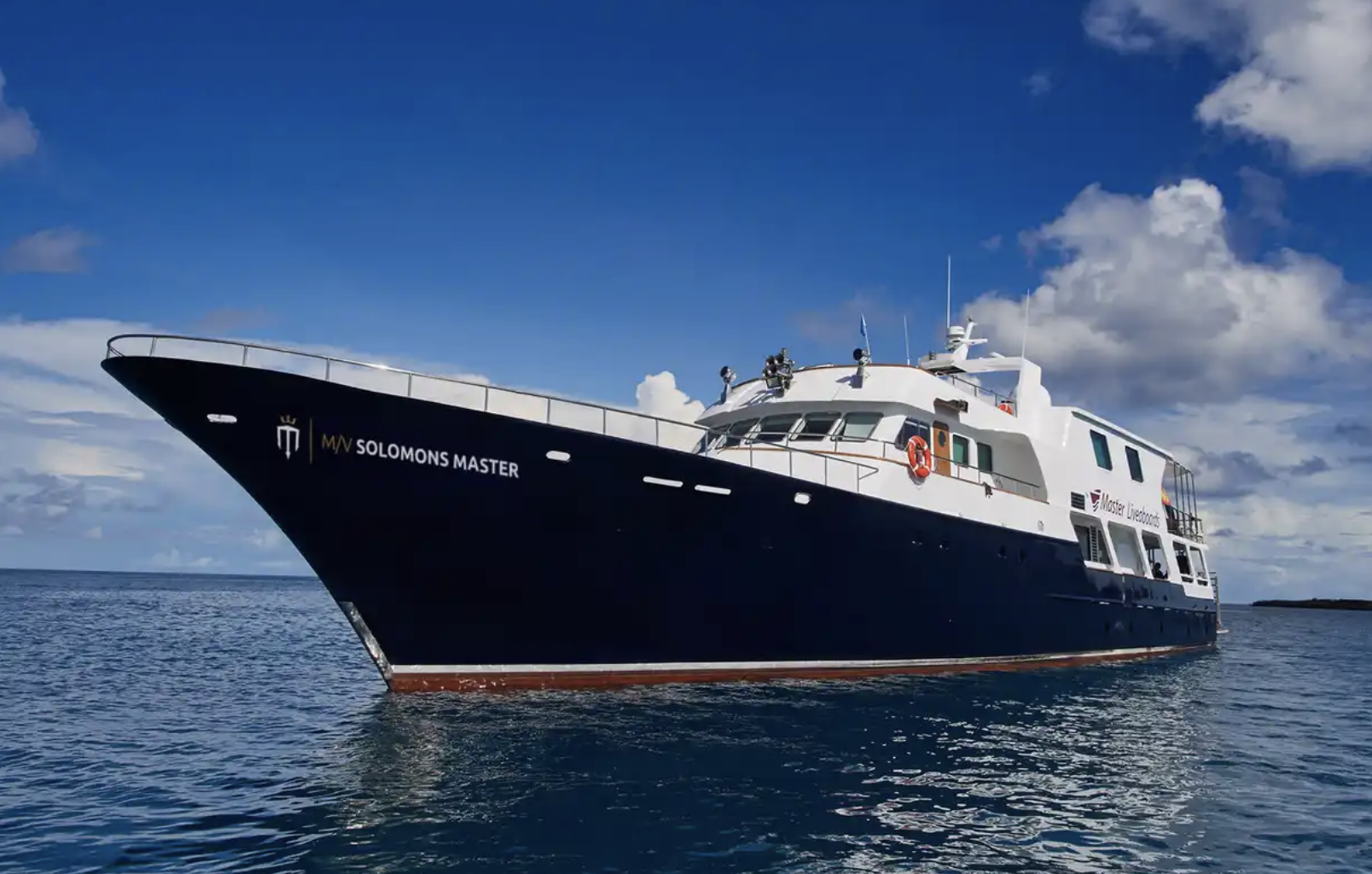
Solomons Master
Solomon Islands
16 guests
$401/day
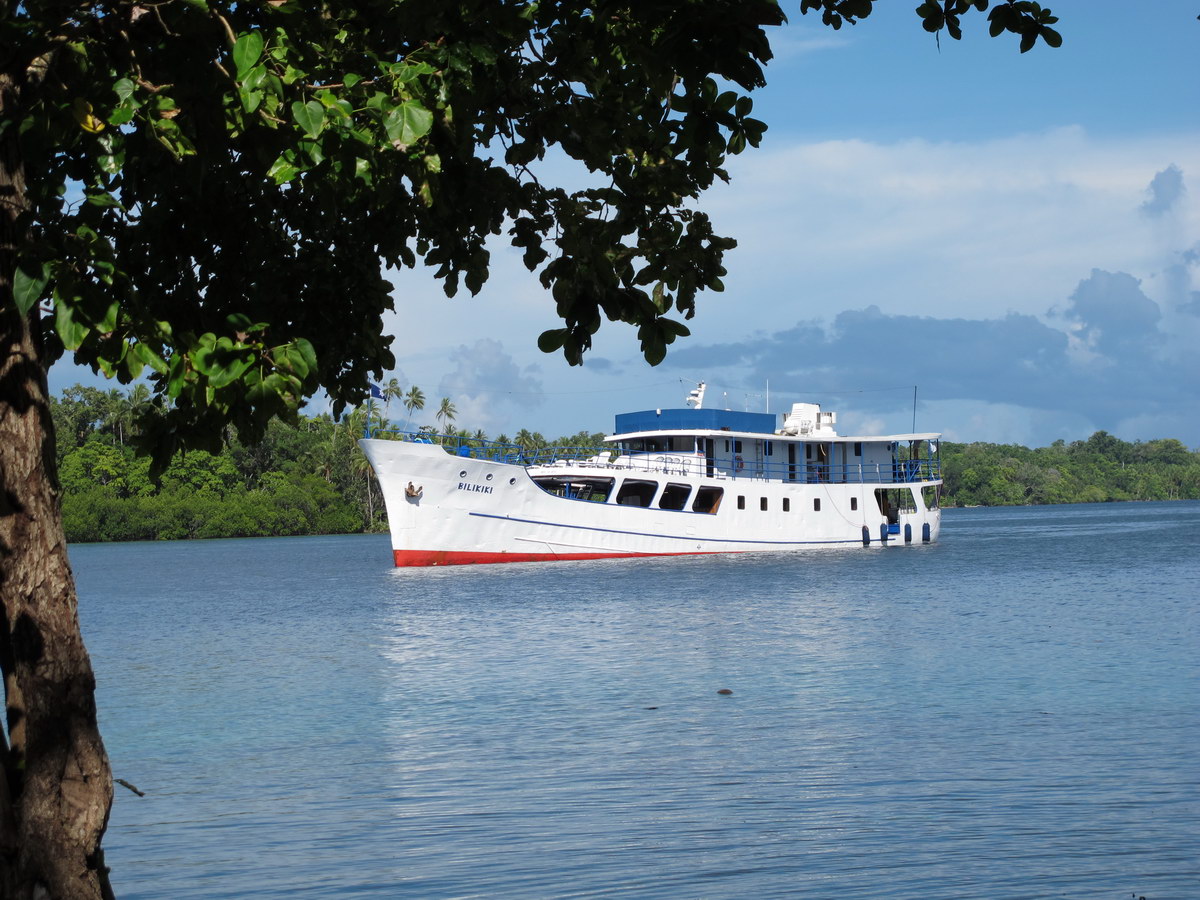
Emperor Bilikiki
Solomon Islands
20 guests38 m
$569/day
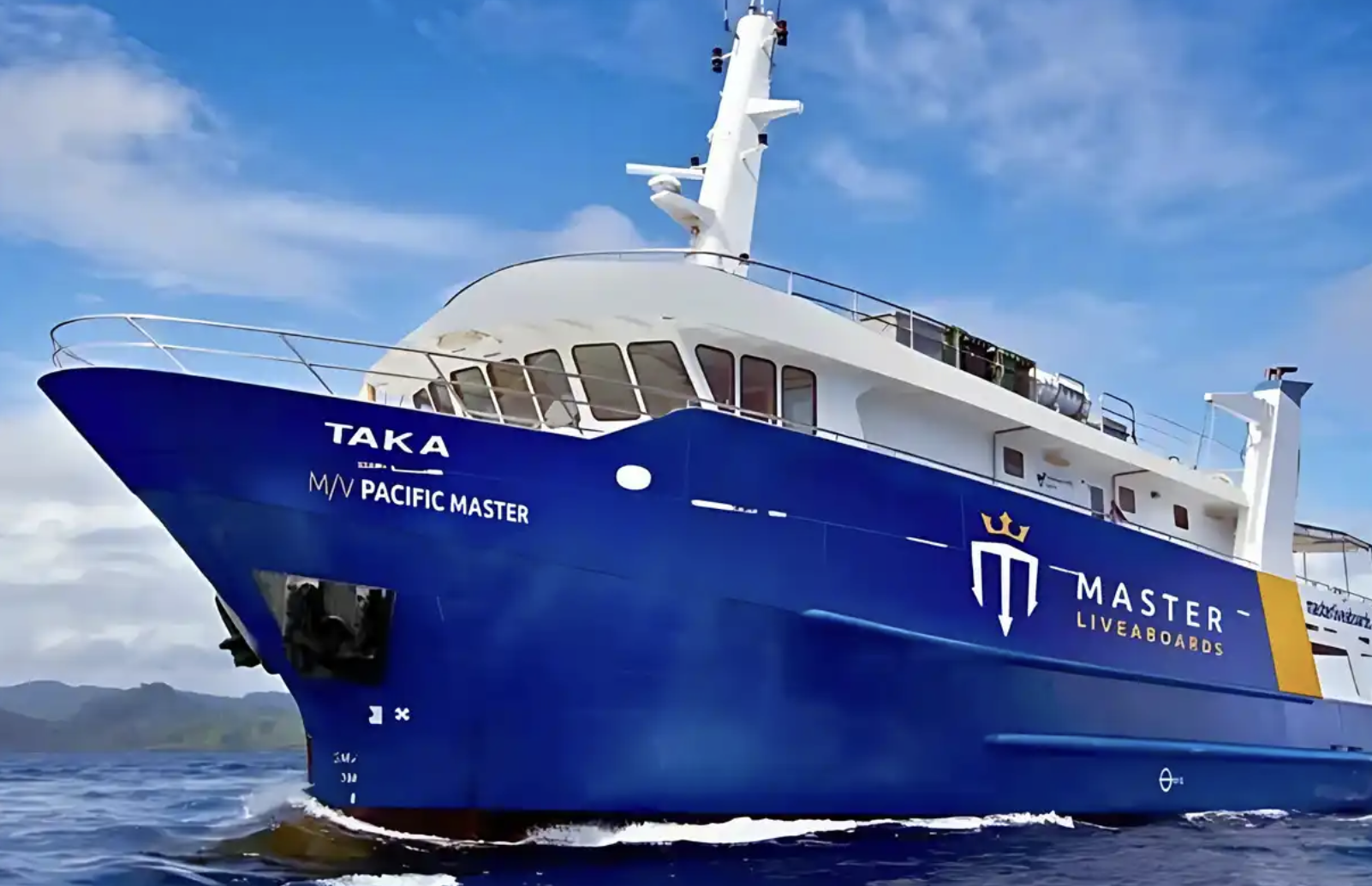
Pacific Master
Solomon Islands
20 guests30 m
$268/day
Dive sites similar to Ghizo - Kennedy Island
Same character, same waters — six more sites divers love for the exact same reasons.Compare seasons, access and liveaboard routes — then pick the site that fits your trip best.
Marovo Lagoon - Coral Gardens
Solomon Islands
Marovo Lagoon, a UNESCO World Heritage site and the planet's largest saltwater lagoon, is a crown jewel of diving in the Solomon Islands.
- Suitable for
- Beginner
- Current
- Moderate
- Access
- Liveaboard only
- Depth
- 3–15 m
- Theme
- Reef
Mbigo Mbigo
Solomon Islands
Mbigo Mbigo is a renowned dive site located in the Western Province of the Solomon Islands, accessible from Munda.
- Suitable for
- Beginner
- Current
- Mild
- Access
- Liveaboard only
- Depth
- ≤ 25 m
- Theme
- Reef
Mbulo Island
Solomon Islands
Mbulo Island, a crown jewel within the immense Marovo Lagoon in the western Solomon Islands, is renowned for its distinctive underwater topography.
- Suitable for
- Intermediate
- Current
- Mild
- Access
- Liveaboard only
- Depth
- ≤ 20 m
- Theme
- Cavern / Reef
Munda Bar
Solomon Islands
Munda Bar is a prominent dive site located in the Munda region of the Solomon Islands' Western Province.
- Suitable for
- Beginner
- Current
- Mild
- Access
- Dayboat
- Depth
- 5–60 m
- Theme
- Reef
Kuabs
Solomon Islands
Kuabs, situated off Munda in the Solomon Islands' Western Province, presents a captivating sloping reef wall dive.
- Suitable for
- Intermediate
- Current
- No current
- Access
- Dayboat
- Depth
- —
- Theme
- Reef / Wall
Kavachi Submarine Volcano
Solomon Islands
Kavachi, famously known as the "Sharkano," is a dynamic submarine volcano located south of Gatokae and Vangunu Islands in the Solomon Sea.
- Suitable for
- Expert
- Current
- Ripping
- Access
- Liveaboard only
- Depth
- 10–30 m
- Theme
- Reef