About Embudu Kandu
Embudu Kandu is a celebrated channel dive situated in the South Malé Atoll, known for its dynamic currents and rich biodiversity. This site is distinguished by its steep drop-offs, overhangs, and walls, providing a complex and engaging environment for experienced divers. The channel itself runs east-west, acting as a crucial corridor for nutrient-rich waters between the ocean and Embudu Island. The underwater topography includes a thila on its northeast side, which serves as a magnet for various pelagic species. Divers can expect to navigate strong currents, which are a hallmark of this site, drawing in large marine animals. The reef formations are diverse, featuring sections with colorful hard and soft corals, sponges, and gorgonians, with many small caves and cavities providing shelter for smaller reef inhabitants. Marine life is abundant, with frequent sightings of reef sharks, especially grey reef and white-tip varieties, making it a significant protected marine reserve for these species. Other pelagics such as eagle rays, tuna, and barracudas are common, particularly when currents are strong. Turtles are often observed in the shallower reef areas, feeding amongst the corals. The site offers incredible opportunities for underwater photography, from wide-angle reef scenes to macro shots of smaller creatures. Given the strong currents, Embudu Kandu is best suited for experienced divers comfortable with drift diving and negative entries. Dive operators typically utilize boats for access, ensuring a safe and efficient entry and exit strategy tailored to the prevailing conditions. The consistent water temperatures make for comfortable diving year-round, though the best conditions for pelagic encounters vary with the monsoon seasons.
Highlights
Dynamic channel drift divingAbundant reef shark encountersSteep drop-offs and overhangsVibrant hard and soft coralsPelagic marine life congregationOpportunities for wide-angle photographyThila with diverse sea life
Season calendar
Best months to dive here
Jan
Feb
Mar
Apr
May
Jun
Jul
Aug
Sep
Oct
Nov
Dec
Good
Dive site facts: Embudu Kandu
- Depth
- 15–30 m
- Typical dive
- 15–30 m, 50 min
- Current
- Moderate to very strong
- Visibility
- 15–30 m
- Water temperature
- 25–30 °C
- Entry
- Boat / negative entry
- Level
- Advanced, with current experience
- Dive type
- Channel, drift, pelagic
- Night dive
- Not specified
- Region / port
- South Malé Atoll
- Coordinates
- 4.08, 73.54
Conditions & Currents
Embudu Kandu is characterized by moderate to very strong currents, which are a defining feature of this channel dive. The currents are often powerful enough to necessitate a negative entry and a fast descent to reach the desired depth quickly and safely. Divers must be prepared for drift diving conditions, and carrying a reef hook is highly recommended to avoid damaging the delicate coral structures while observing marine life. These strong currents are vital to the ecosystem, as they bring in nutrient-rich waters that attract a wide array of pelagic species, including various sharks and rays. Visibility ranges from 15 to 30 meters, depending on the monsoon season and plankton presence, but the overall experience is consistently thrilling due to the density of marine encounters.
Marine life & sighting chances

Grey reef shark
Year-round · common
White-tip reef shark
Year-round · common
Green sea turtle
Year-round · common
Hawksbill sea turtle
Year-round · common
Eagle ray
Year-round · occasional
Napoleon wrasse
occasional
Barracuda
Year-round · occasional
Tuna
Year-round · occasional
Moray eel
Year-round · common
Lionfish
Year-round · common
Grouper
Year-round · occasional
Sweetlips
Year-round · occasionalDive profile & how the dive runs
Diving Embudu Kandu typically involves a negative entry from a liveaboard or day boat, quickly descending to the reef edge to avoid being swept away by strong currents. The dive often starts near the channel's entrance, allowing divers to drift along the wall and into the channel, observing the abundant pelagic life that congregates there. You'll explore depths ranging from 15 to 30 meters, focusing on the vibrant corals, overhangs, and the thila on the northeast side, which is a key aggregation point for sharks and rays. The dive progresses with the current, requiring careful buoyancy control and awareness of the surrounding environment. The turn point is often determined by air consumption and no-decompression limits, after which divers will begin their ascent, typically performing their safety stop in shallower, potentially calmer areas of the reef or deploying a DSMB for open-water stops, depending on the current strength.
Underwater photography
Embudu Kandu is a prime location for wide-angle photography, capturing the dramatic channel topography and the large schools of pelagic fish. A wide-angle lens is essential for documenting the impressive reef sharks, eagle rays, and bustling reef scenes. Given the strong currents, maintaining stable positioning is key, so consider a compact, streamlined setup. For showcasing the vibrant soft corals and sponges adorning the walls and overhangs, external strobes are highly recommended to bring out their true colors. While macro opportunities exist, particularly for moray eels and smaller reef fish found within caves and crevices, the site's main draw is its expansive, action-packed environment, making wide-angle the preferred approach. Always be mindful of your buoyancy to avoid contact with the reef and respect marine life by maintaining a safe distance, especially from the resident sharks.
Combine with nearby dive sites
- Kandooma Thila
Another top-ranked channel dive in South Malé Atoll, known for grey reef sharks and eagle rays.
- Guraidhoo Corner
A protected site hosting many pelagic species during incoming currents, with washing machine effects.
- Kuda Giri Wreck
A small steel wreck in South Malé, good for batfish and leaf fish, suitable for intermediate divers.
- Miyaru Kandu
A channel dive in Vaavu Atoll known for impressive grey reef shark encounters and excellent visibility.
- Alimatha Jetty
Famous for its night dives with numerous nurse sharks, stingrays, and jacks in Vaavu Atoll.
Getting there & logistics
Access to Embudu Kandu typically involves arriving at Velana International Airport (MLE) in Malé, the capital of the Maldives. From there, divers often join liveaboards that operate itineraries covering the South Malé Atoll, or stay at resorts in the region offering day trips. Liveaboard trips for the South Malé Atoll can range from 7 to 14 nights, often combining Embudu Kandu with other renowned sites in the central and southern atolls. No specific diving permits are generally required for Embudu Kandu itself. When planning, book liveaboards well in advance, especially for the peak season from December to April, to secure desired spots and itineraries.
Safety & environment
Diving at Embudu Kandu demands a high level of experience due to strong currents, which can necessitate negative entries and drift diving techniques. Divers must be proficient in current management and maintain excellent buoyancy control to prevent reef damage. Always dive with a reliable and experienced local guide who understands the current patterns. The nearest recompression chamber is located in Malé, at the Bandos Maldives resort. Evacuation in the Maldives typically involves speedboat transfers to Malé for immediate medical attention, followed by potential air evacuation for serious cases. Comprehensive dive insurance, covering medical emergencies and evacuation, is essential for all divers.
Who it suits — and who it doesn't
Suited for
- Experienced drift divers
- Advanced Open Water divers
- Photographers seeking pelagic action
- Divers comfortable with strong currents
- Shark enthusiasts
Less suited for
- Beginner divers
- Divers uncomfortable with strong currents
- Divers with limited drift diving experience
- Those prone to seasickness in rough conditions
- Divers with less than 30 logged dives
FAQ
Embudu Kandu FAQ
What kind of currents can I expect at Embudu Kandu?
Embudu Kandu is famous for its moderate to very strong currents. These currents are a key feature of the dive, attracting a rich array of pelagic marine life, but they also require divers to be experienced in drift diving and capable of swift descents.
What marine life is commonly seen at Embudu Kandu?
Divers frequently encounter grey reef sharks and white-tip reef sharks, as Embudu Kandu is a protected marine reserve for these species. You can also expect to see eagle rays, barracudas, tuna, Napoleon wrasse, and various reef fish. Turtles are often spotted in shallower areas.
Is Embudu Kandu suitable for beginner divers?
No, Embudu Kandu is not recommended for beginner divers. The strong and unpredictable currents require a higher level of experience, including proficiency in drift diving techniques and managing challenging conditions. It is best suited for advanced divers with a good number of logged dives in similar environments.
When is the best time of year to dive Embudu Kandu?
The prime diving season for Embudu Kandu is during the Northeast Monsoon, from November to April. During these months, the weather is drier, seas are calmer, and visibility is generally at its best, making for more comfortable and rewarding dives.
What photography gear is best for Embudu Kandu?
For Embudu Kandu, wide-angle lenses are ideal to capture the expansive channel scenes, dramatic topography, and large pelagic marine life. External strobes are also highly recommended to bring out the vibrant colors of the corals and sponges against the ambient light.
Why dive Embudu Kandu from a liveaboard?
Embudu Kandu is one of Maldives's signature dive sites. A liveaboard sleeps you on the water and puts you in the water for three to four guided dives per day, including dawn and night dives that day-boat operators rarely offer. You skip the daily commute back to port and reach quieter, less-crowded sites in the same region on a single trip.
Below are the liveaboards that include Embudu Kandu on their Maldives itineraries.
Liveaboards diving Embudu Kandu
These liveaboards may visit Embudu Kandu on selected itineraries — the exact dive sites depend on departure, weather and conditions.
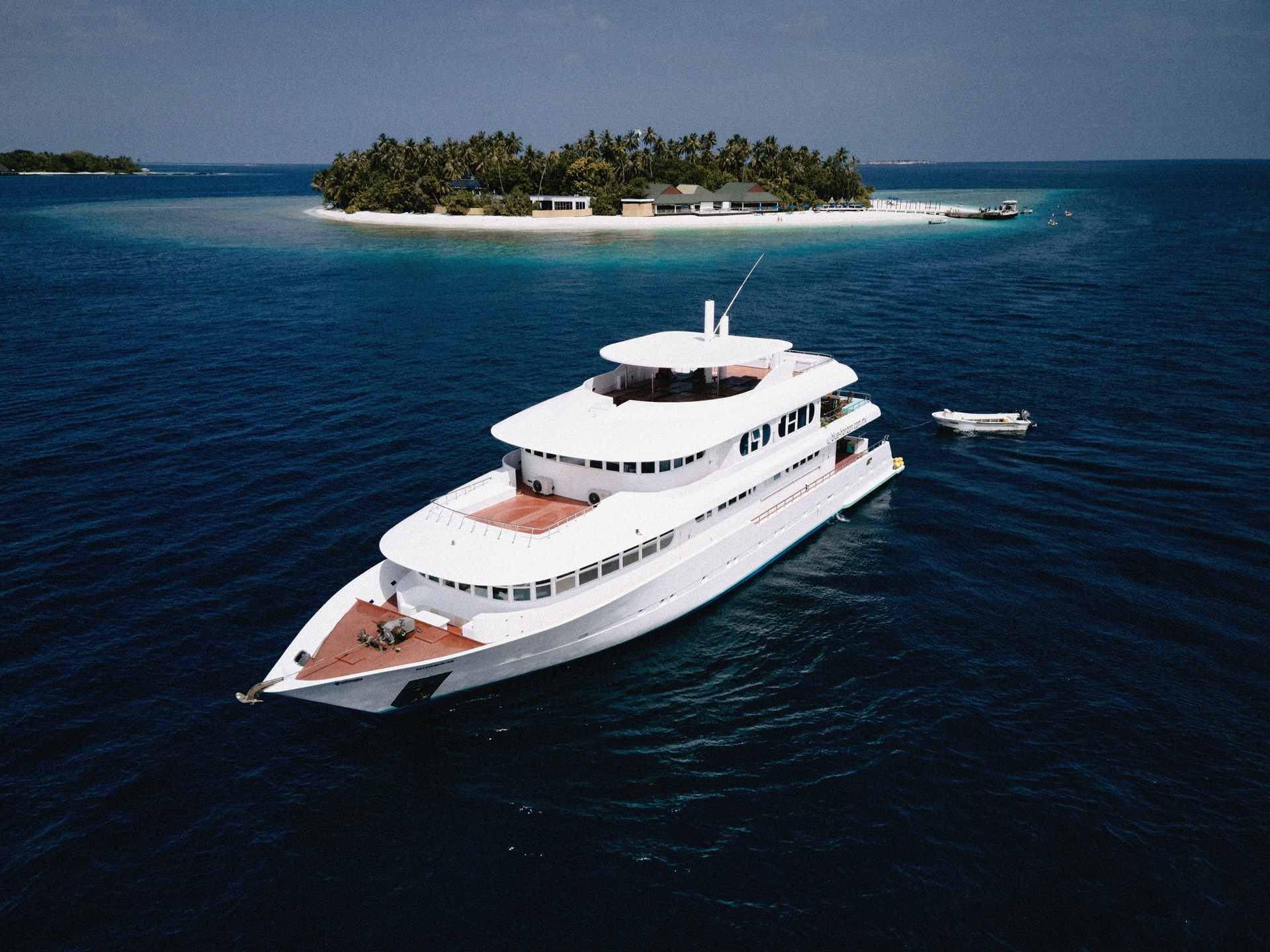
Horizon III
Maldives
25 guests
$204/day
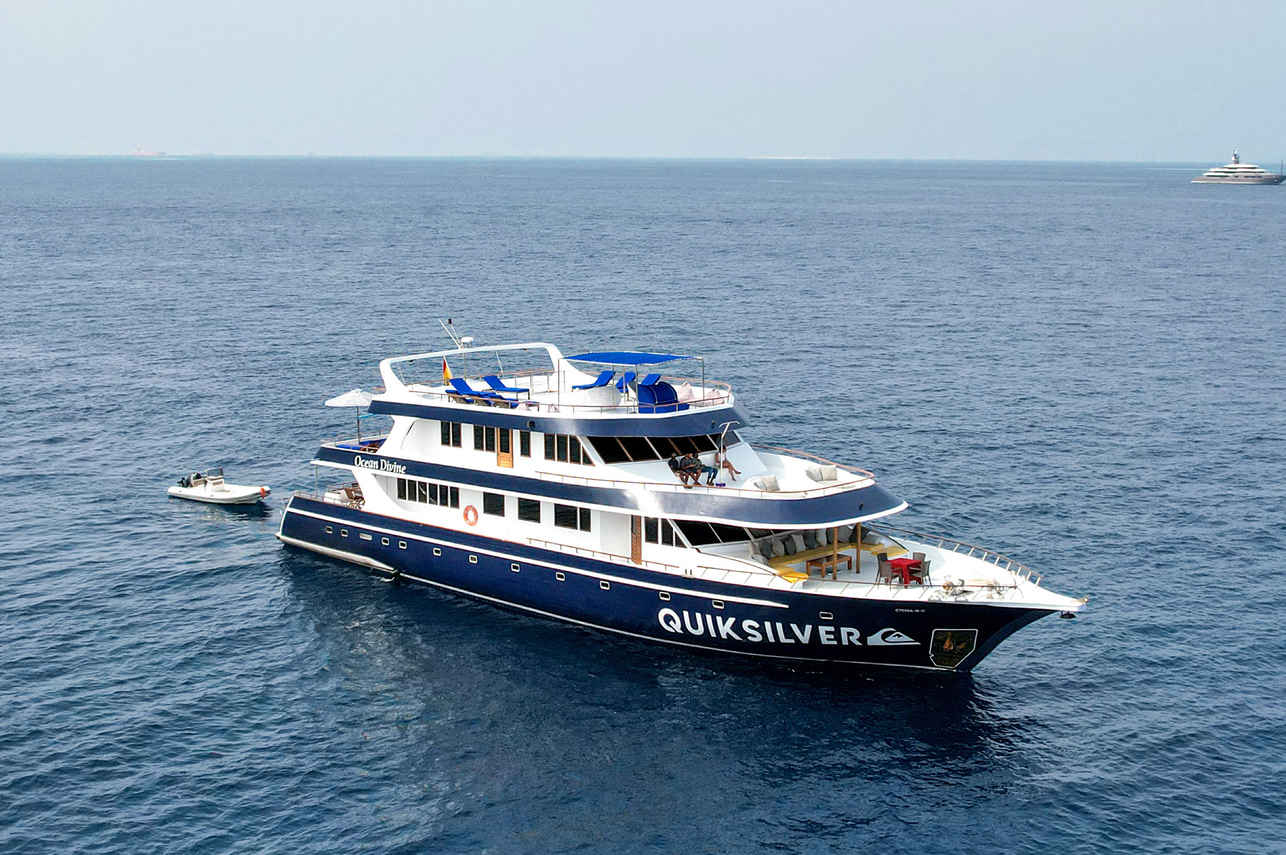
Ocean Divine
Maldives
16 guests33.528 m
$287/day
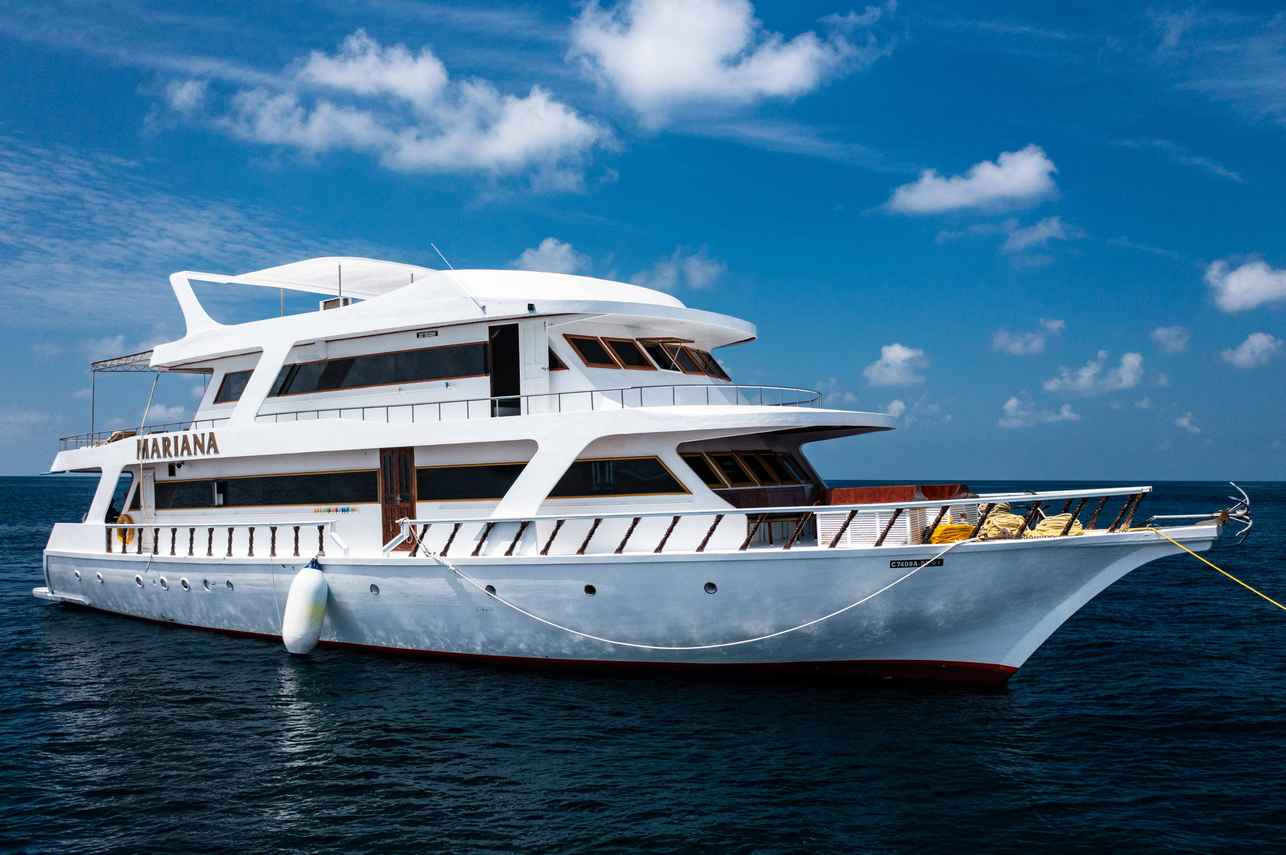
EcoPro Mariana
Maldives
16 guests30 m
$236/day
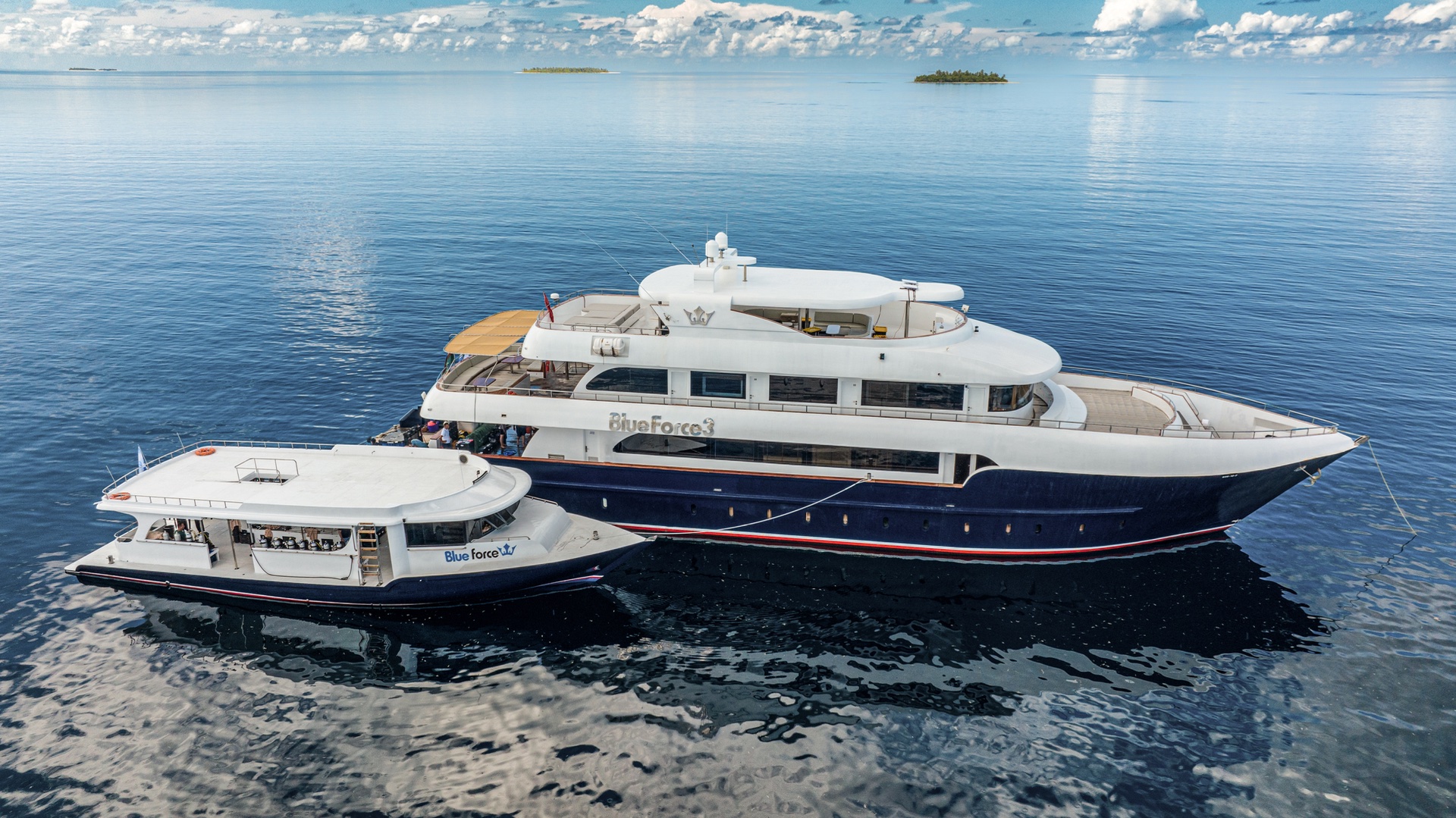
Maldives Blue Force 3
Maldives
26 guests42 m
$211/day
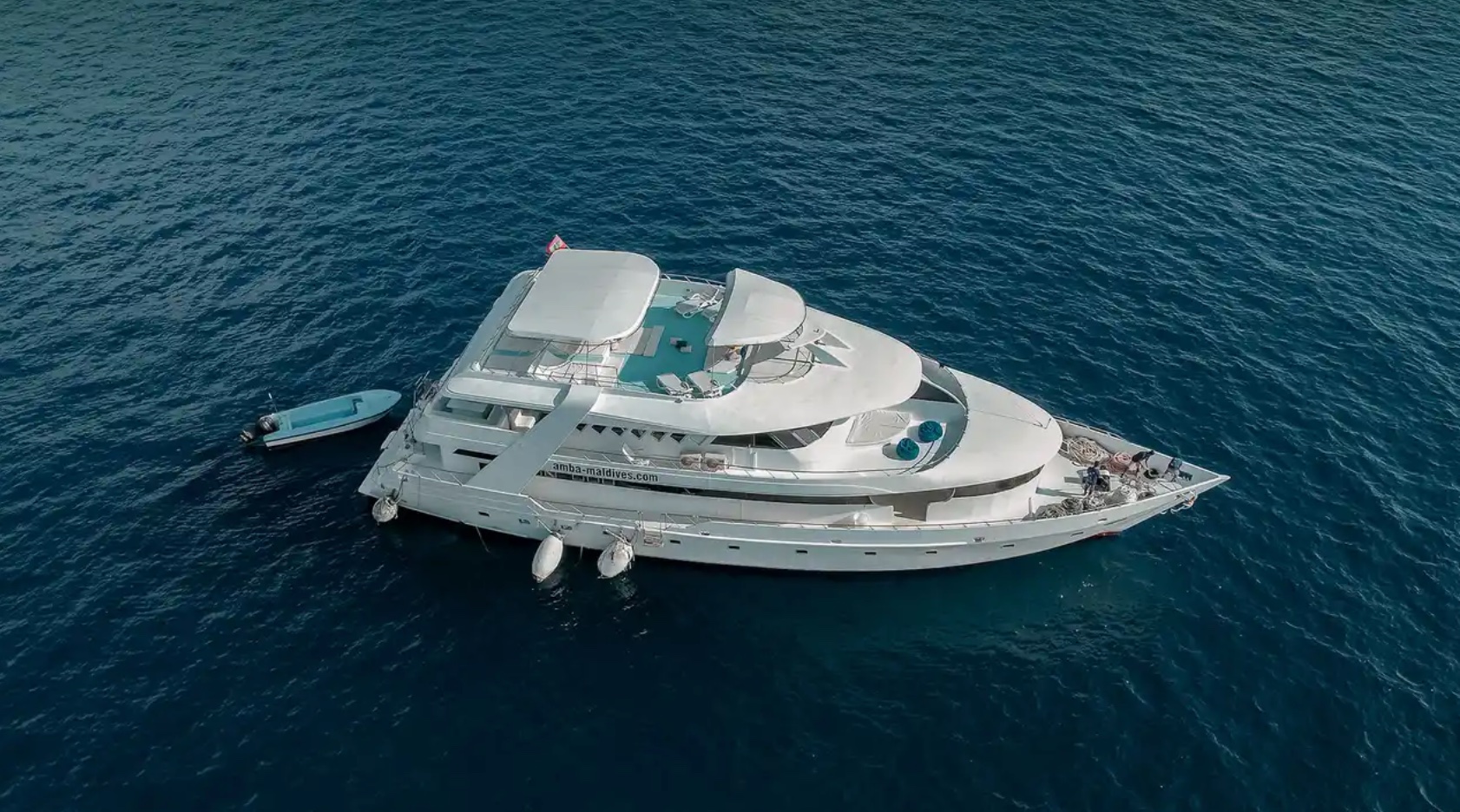
Amba
Maldives
20 guests
$178/day
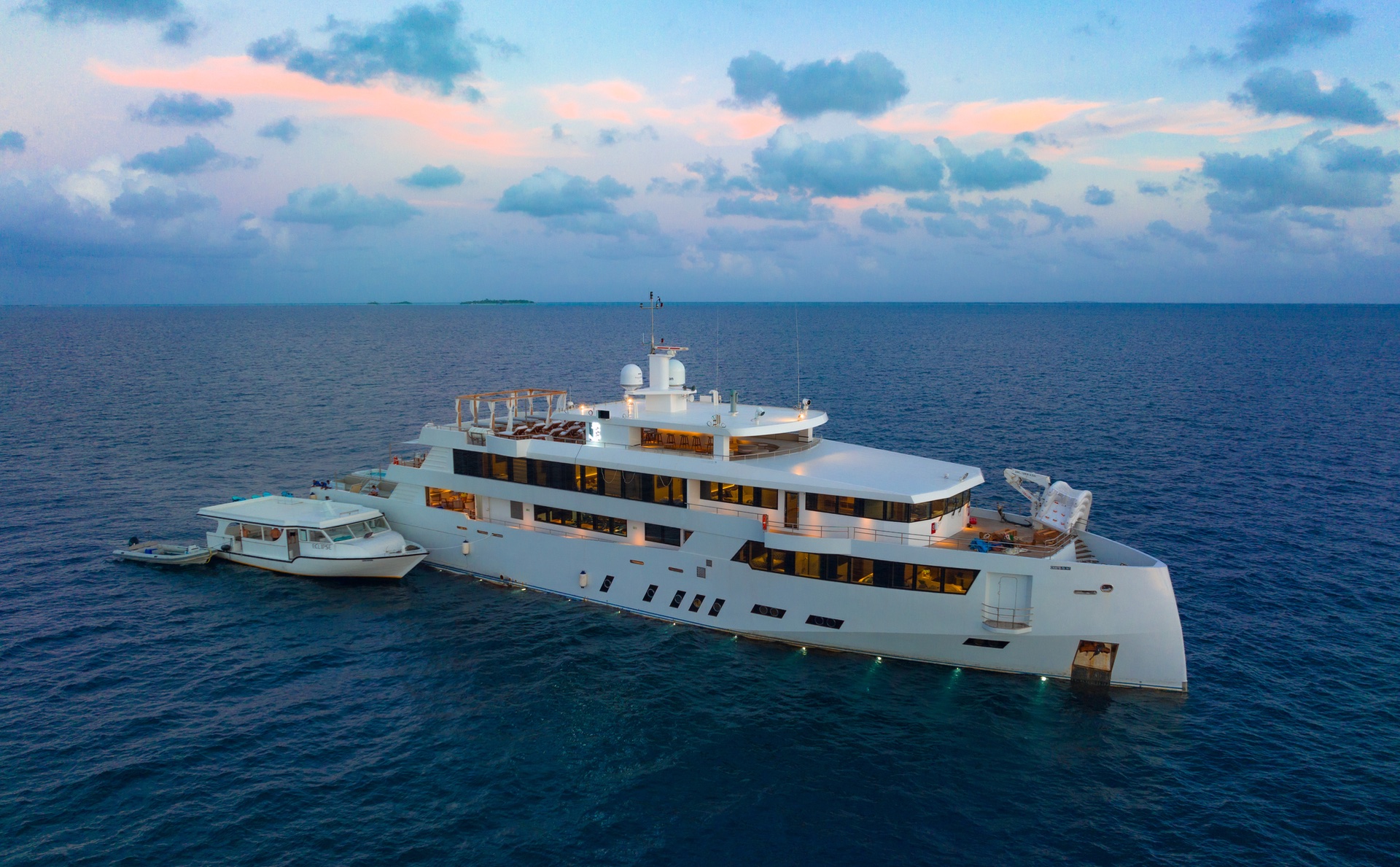
White Pearl
Maldives
26 guests
$375/day
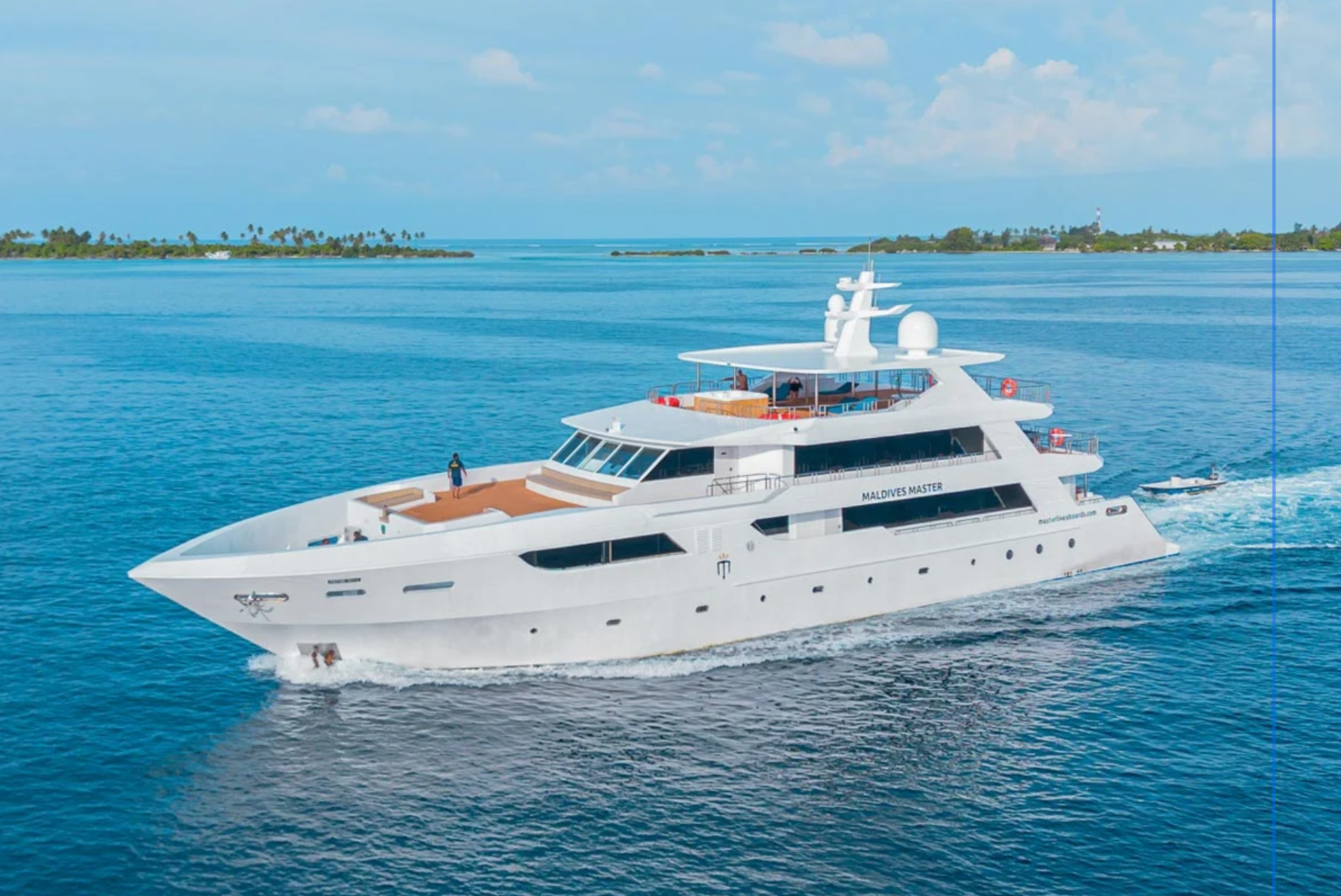
Maldives Master
Maldives
26 guests
$207/day
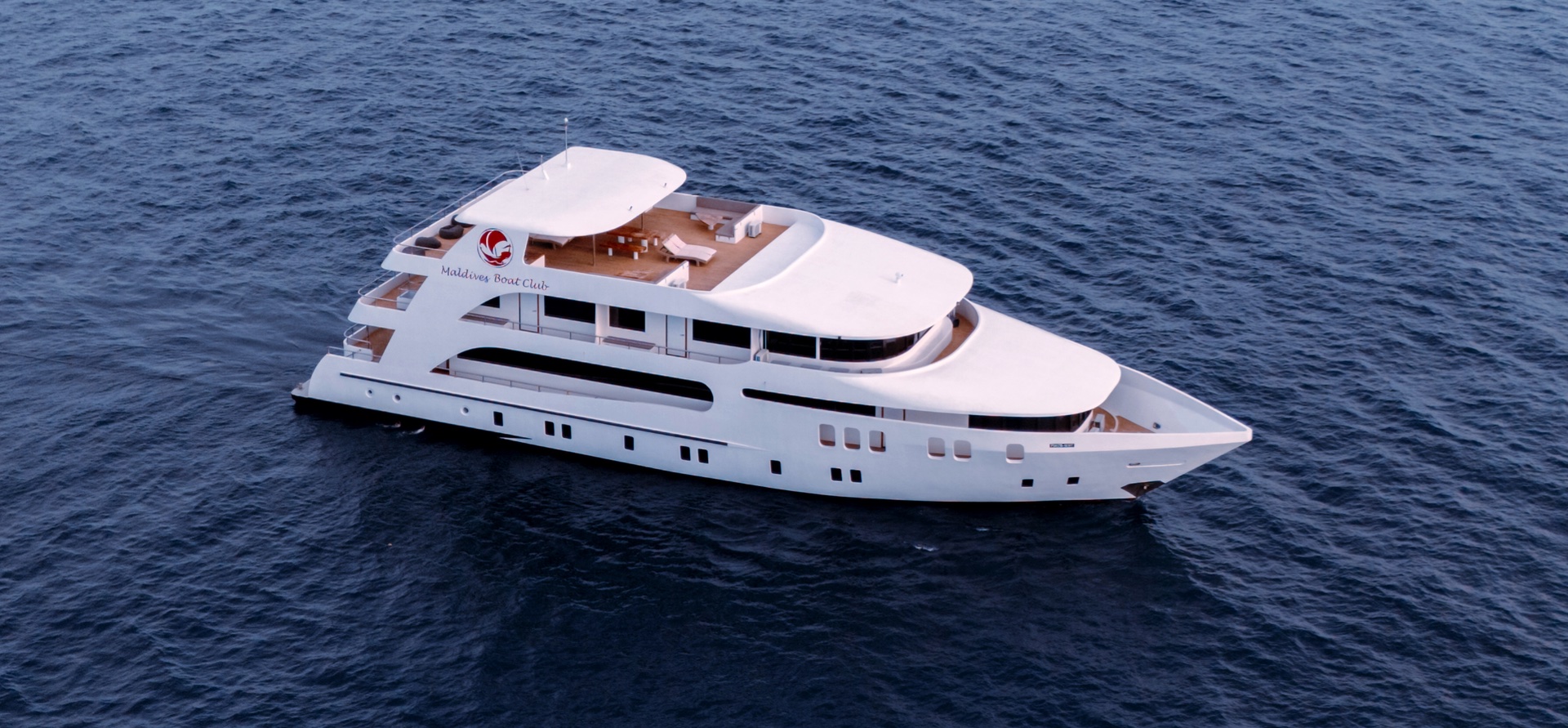
Adora
Maldives
22 guests
$297/day
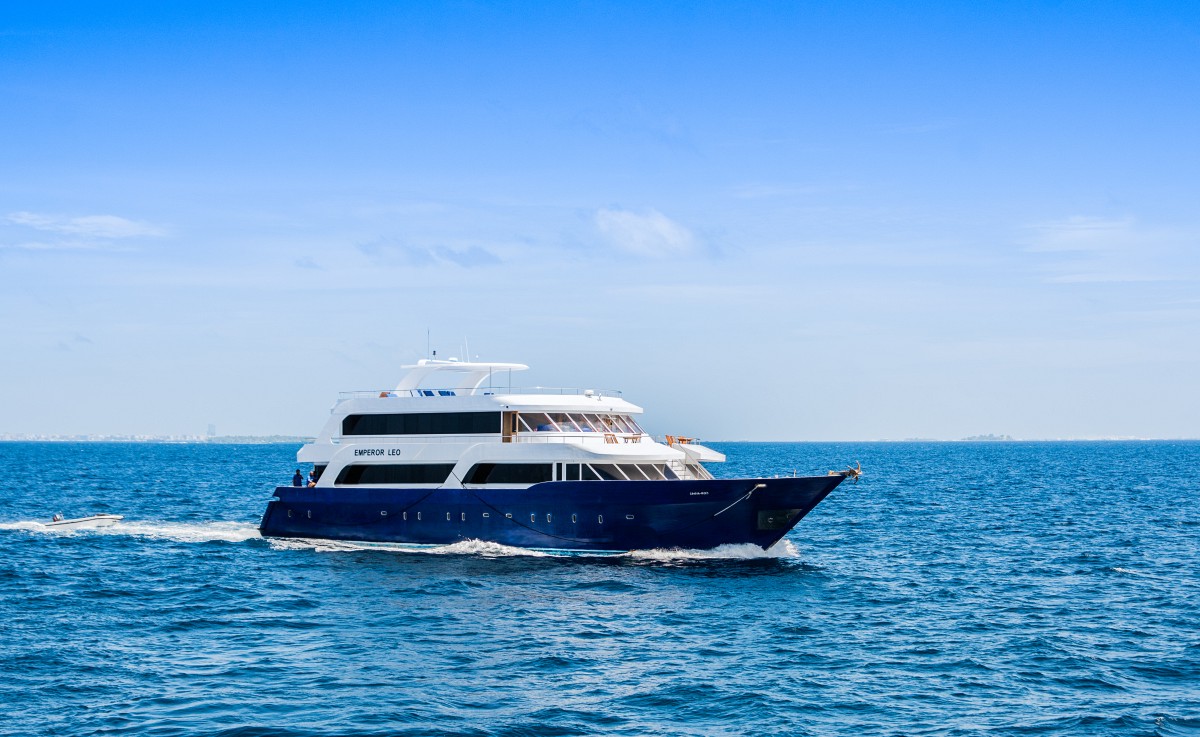
Emperor Leo
Maldives
24 guests35.1 m
$339/day
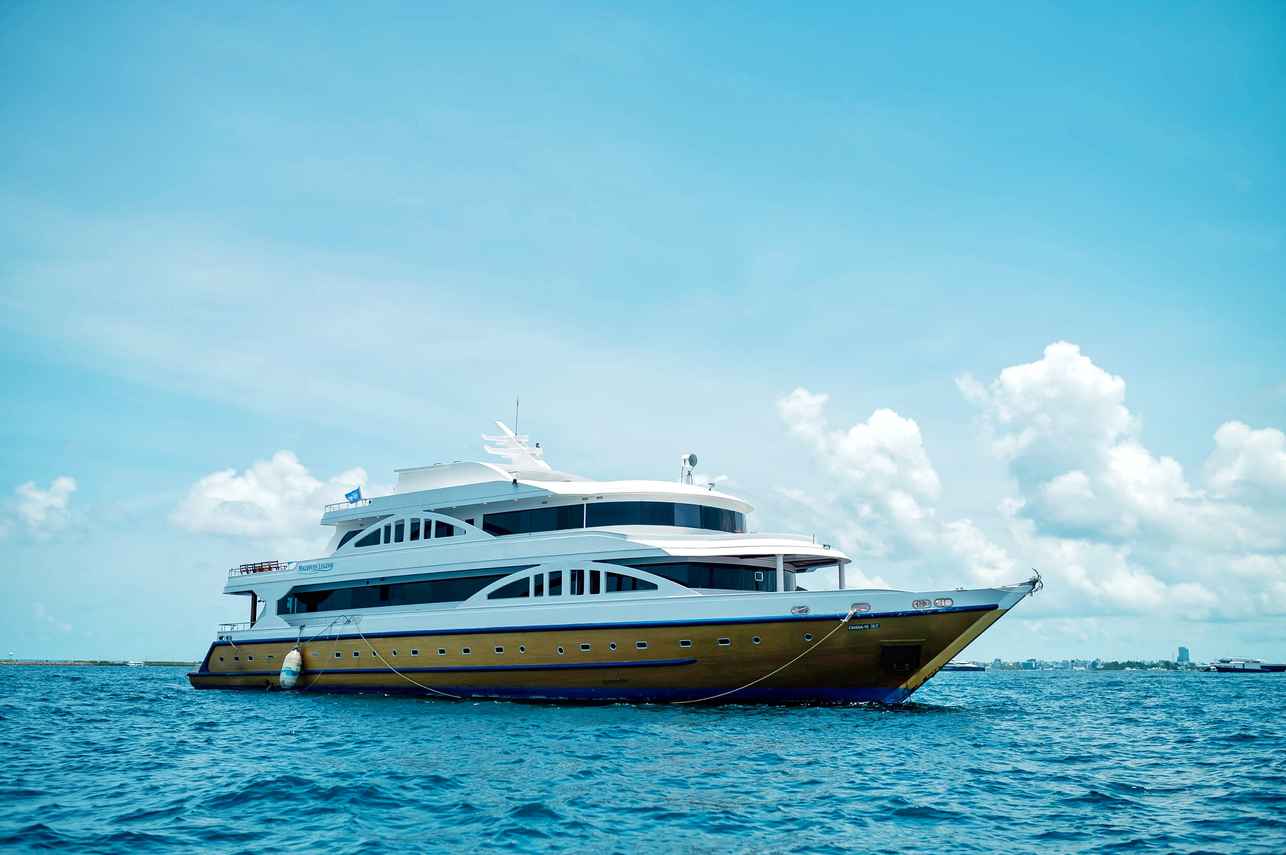
Maldives Legend Zen
Maldives
24 guests41 m
$316/day
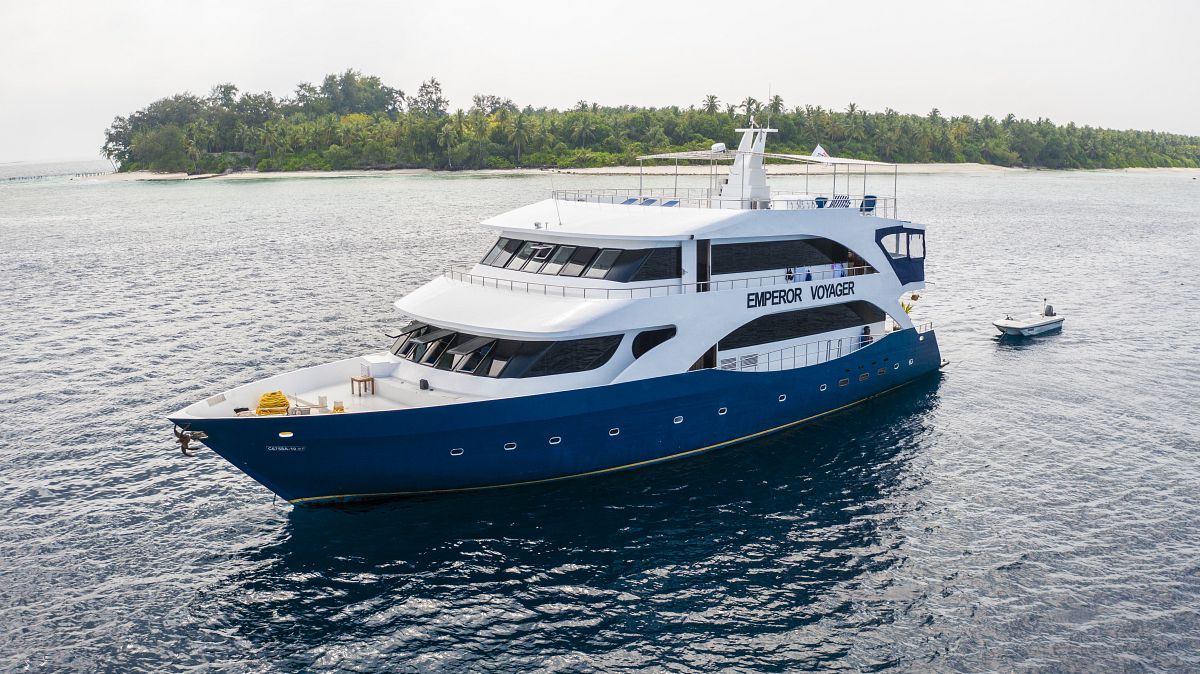
Emperor Voyager
Maldives
20 guests29.9 m
$332/day
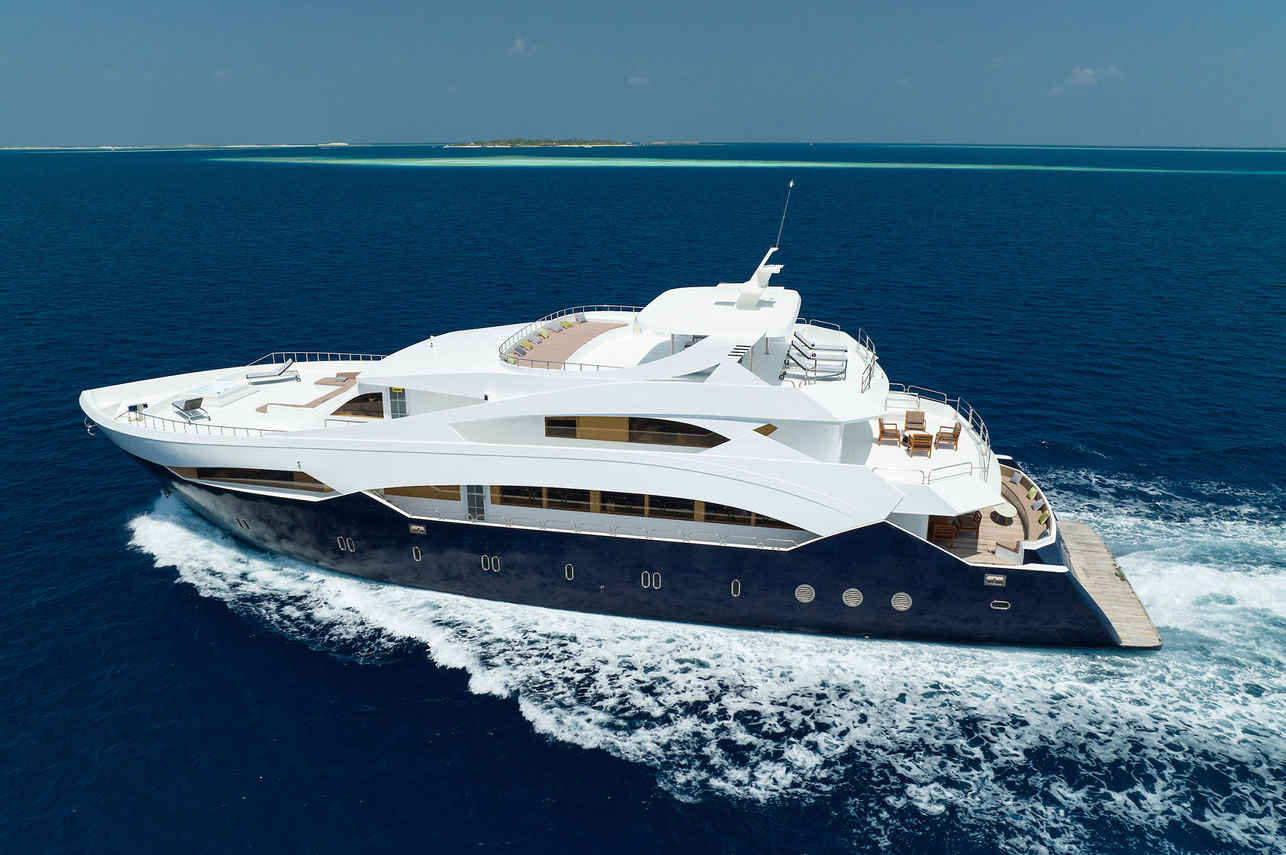
Felicity
Maldives
26 guests41 m
$229/day
Dive sites similar to Embudu Kandu
Same character, same waters — six more sites divers love for the exact same reasons.Compare seasons, access and liveaboard routes — then pick the site that fits your trip best.
© Esri — Maxar, Earthstar, GIS
Emas Thila (North Malé)
Maldives
Emas Thila is a renowned submerged reef pinnacle located in the South Ari Atoll, a protected Marine Protected Area in the Maldives.
- Suitable for
- Intermediate
- Current
- Strong
- Access
- Liveaboard or dayboat
- Depth
- 8–30 m
- Theme
- Cave & cavern / Pinnacle
© Esri — Maxar, Earthstar, GIS
Fushi Kandu (Lhaviyani)
Maldives
Fushi Kandu, located in the Lhaviyani Atoll, is an exciting channel dive site in the Maldives, offering some of the most dynamic drift diving experiences in the Indian Ocean.
- Suitable for
- Advanced
- Current
- Strong
- Access
- Liveaboard or dayboat
- Depth
- 15–35 m
- Theme
- Channel / Drift
© Esri — Maxar, Earthstar, GIS
Gan Corner (Addu Atoll)
Maldives
Gan Corner, locally known as Gan Kandu, is a prominent channel dive site nestled in the southwestern part of Addu (Seenu) Atoll, situated conveniently near the islands of Gan and Feydhoo.
- Suitable for
- Advanced
- Current
- Strong
- Access
- Liveaboard or dayboat
- Depth
- 5–40 m
- Theme
- Channel / Drift
© Esri — Maxar, Earthstar, GIS
Hithadhoo Corner (Addu)
Maldives
Hithadhoo Corner, situated in Addu Atoll, offers a unique opportunity for exceptional diving and snorkeling.
- Suitable for
- Advanced
- Current
- Moderate
- Access
- Liveaboard or dayboat
- Depth
- 3–30 m
- Theme
- Channel / Drift
© Esri — Maxar, Earthstar, GIS
Guraidhoo Corner
Maldives
Guraidhoo Corner, situated at the southern tip of Guraidhoo Island, stands as a marine protected area often celebrated for its exceptional fish diversity and photographic opportunities within the Maldives.
- Suitable for
- Advanced
- Current
- Ripping
- Access
- Liveaboard or dayboat
- Depth
- 5–35 m
- Theme
- Channel / Drift
© Esri — Maxar, Earthstar, GIS
Filitheyo Reef (Faafu)
Maldives
Filitheyo Reef, situated in the Faafu Atoll, offers an unspoiled underwater paradise, unique as the only tourist island in the atoll.
- Suitable for
- Beginner
- Current
- Strong
- Access
- Liveaboard or dayboat
- Depth
- 1–30 m
- Theme
- Reef / Wall