About Coron Bay — Skeleton Wreck
The Skeleton Wreck in Coron Bay, Philippines, offers a unique blend of history and marine biology, lying submerged since its sinking during World War II. This site, believed to be a Japanese supply ship, is not only a historical relic but also a thriving artificial reef, providing a fascinating dive experience. The wreck rests on a sandy slope, with its bow at a shallow 5 meters and its stern descending to about 25 meters, making it accessible to a range of divers. Its broken structure allows light to penetrate, illuminating the interior and attracting a diverse array of schooling fish and macro creatures that have made the wreck their home. Throughout the year, divers can encounter various reef fish, nudibranchs, and occasional turtles around the wreck. The dry season, from December to May, typically offers the best visibility and calmest conditions, enhancing the exploration of this underwater world. The site's topography, combined with its resident marine life, creates a visually dynamic environment. Diving the Skeleton Wreck is generally straightforward, suitable for divers of varying experience levels. Its relatively shallow depth and often mild currents allow for extended bottom times, perfect for detailed exploration or underwater photography. It serves as an excellent introduction to wreck diving within the rich historical context of Coron Bay's WWII fleet.
Highlights
WWII Japanese supply shipArtificial reef ecosystemShallow wreck sectionsAbundant schooling fishCoral growth on structureAccessible for various skill levels
Season calendar
Best months to dive here
Jan
Feb
Mar
Apr
May
Jun
Jul
Aug
Sep
Oct
Nov
Dec
Excellent
Good
Dive site facts: Coron Bay — Skeleton Wreck
- Depth
- 5–25 m
- Typical dive
- 10–20 m, 45–60 min
- Current
- Mild to moderate
- Visibility
- 10–20 m
- Water temperature
- 26–30°C
- Entry
- Boat / controlled descent
- Level
- Open Water Diver
- Dive type
- Wreck, reef
- Night dive
- Possible
- Region / port
- Coron, Palawan
- Coordinates
- 11.985, 120.245
Conditions & Currents
Currents at the Skeleton Wreck are typically mild to moderate, generally posing no significant challenge to divers. However, conditions can fluctuate with tidal movements, occasionally becoming stronger, particularly around the deeper sections of the wreck. Entry is usually a controlled descent from a day boat, with the wreck's structure providing some shelter from any slight surface chop. Visibility often ranges from 10 to 20 meters, but can be influenced by recent rainfall or strong currents stirring up sediment. There are no notable thermoclines at this site, maintaining a consistent water temperature. Divers should be mindful of other dive boats, especially during peak season, but overall, the site remains manageable for most certified divers.
Marine life & sighting chances
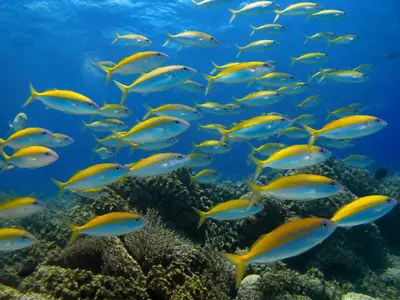
Schooling fusiliers
Year-round · common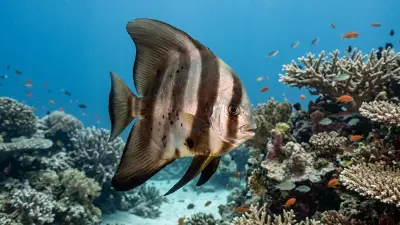
Batfish
Year-round · common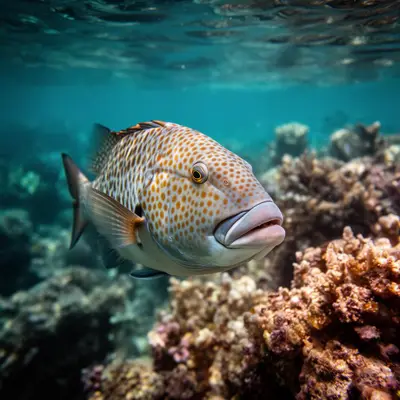
Sweetlips
Year-round · common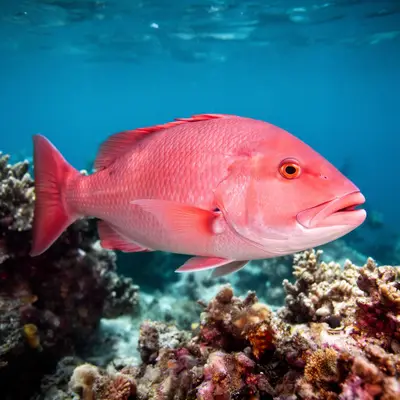
Yellow-tailed snapper
Year-round · common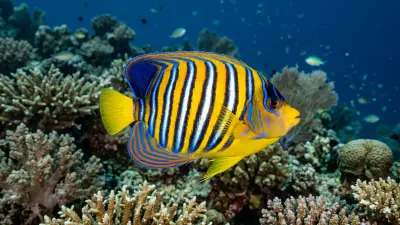
Angelfish
Year-round · common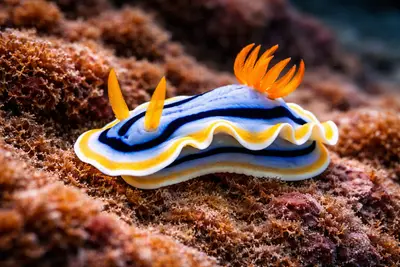
Nudibranchs
Year-round · common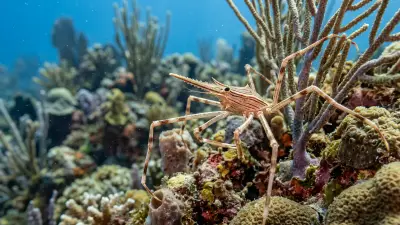
Crabs
Year-round · common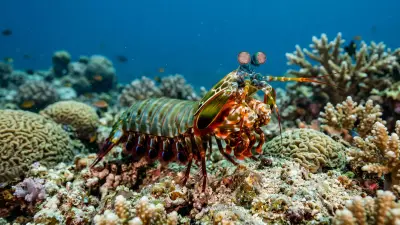
Shrimp
Year-round · common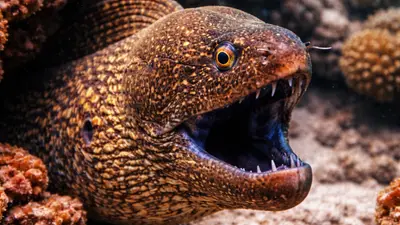
Moray eels
Year-round · occasional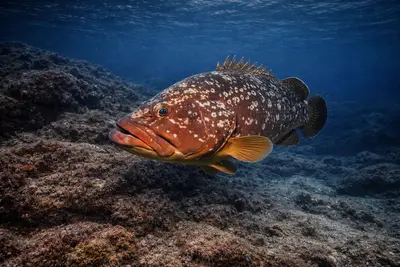
Groupers
Year-round · occasionalSea turtles
Year-round · occasionalDive profile & how the dive runs
Your dive at Skeleton Wreck typically begins with a descent along the mooring line or directly onto the bow of the wreck, which starts in just 5 meters of water. From here, you follow the wreck structure as it gradually slopes down, revealing its full length. The route generally involves exploring the exterior, observing the coral growth and schooling fish that congregate around the broken hull. Divers can navigate towards the stern, reaching a maximum depth of approximately 25 meters, where larger sections of the ship lie. Exploration often includes peering into accessible openings and observing macro life among the debris. The turnaround point is usually dictated by air consumption or bottom time, at which point you ascend slowly, perhaps doing a final pass over the shallower portions of the wreck before completing your safety stop. The safety stop is typically conducted either along the mooring line or by drifting gently over the adjacent reef, which is rich with small marine life.
Underwater photography
The Skeleton Wreck offers fantastic opportunities for both wide-angle and macro photography due to its diverse subjects. For wide-angle shots, a fisheye or rectilinear wide-angle lens is ideal to capture the entire wreck structure, especially the shallower bow section and the abundant schooling fish around it. Ensure you use strobes to bring out the vibrant colors of corals and marine life, as natural light diminishes quickly at deeper sections. For macro subjects like nudibranchs, crabs, and shrimp that hide within the wreck and surrounding reef, a dedicated macro lens will yield excellent detail. Patience and good buoyancy control are crucial, especially around the delicate coral growth and to avoid stirring up sand. When photographing inside any accessible sections, a focus light is indispensable. Be respectful of the wreck and its inhabitants, maintaining a safe distance and avoiding contact.
Combine with nearby dive sites
- Irako Wreck
A deeper, intact refrigeration ship for advanced wreck divers.
- Okikawa Maru
Coron's largest wreck, accessible to many diver levels with vast encrusted decks.
- Akitsushima
A challenging warship wreck known for its crane and barracuda schools.
- Barracuda Lake
A unique dive in a collapsed sinkhole with distinct thermoclines.
- Sangat Island
Offers other wreck diving opportunities and resort-based experiences.
Getting there & logistics
Access to Coron Bay, including the Skeleton Wreck, is primarily through Busuanga Island, which is served by Francisco B. Reyes Airport (USU) with daily flights from Manila. From the airport, Coron Town Proper is a 40-50 minute taxi ride, serving as the main hub for dive operators and accommodation. Dive trips to the Skeleton Wreck are typically day trips on local bangka boats, often combined with two other wreck dives or a visit to Barracuda Lake. Liveaboards exploring Palawan may also include Coron wrecks in their itineraries. While specific permits for Skeleton Wreck are usually covered in dive package fees, general marine park fees for the Coron region may apply. Plan for at least 2-3 days of diving to explore multiple wrecks and other local dive sites.
Safety & environment
Diving the Skeleton Wreck is generally considered safe for certified divers due to its manageable depth and mild currents. However, divers should always carry appropriate dive insurance that covers emergency medical treatment and evacuation. The nearest recompression chamber is located in Puerto Princesa, Palawan, or potentially Manila, requiring significant travel time in the event of a serious dive emergency. Therefore, adherence to dive tables or computer limits, conservative diving practices, and proper hydration are critical. Be mindful of the wreck's integrity, avoid penetrating unstable areas, and practice excellent buoyancy control to prevent stirring up sediment or damaging delicate coral growth. Always dive with a reputable operator and follow your dive guide's instructions.
Who it suits — and who it doesn't
Suited for
- Open Water certified divers
- Divers interested in historical sites
- Underwater photographers (wide-angle and macro)
- Divers seeking easy wreck exploration
- Those wanting a shallower alternative to deeper Coron wrecks
Less suited for
- Absolute beginner divers (untrained)
- Divers looking for deep technical wreck penetration
- Those uninterested in artificial reef ecosystems
- Divers expecting pristine, intact wreck structures
FAQ
Coron Bay — Skeleton Wreck FAQ
What kind of wreck is the Skeleton Wreck?
The Skeleton Wreck is believed to be a Japanese supply ship from World War II. It was sunk during a U.S. air raid in 1944 and now rests on a sandy slope in Coron Bay, serving as a vibrant artificial reef. Its broken and skeletal appearance gives it its distinctive name.
What is the depth of the Skeleton Wreck?
The Skeleton Wreck is relatively shallow, with its bow starting at approximately 5 meters and its stern descending to about 25 meters. This makes it accessible to a wide range of certified divers, including those with Open Water certification, and allows for extended bottom times.
What marine life can be seen at the Skeleton Wreck?
The wreck is encrusted with corals and sponges, attracting a variety of marine life. Divers frequently encounter large schools of fusiliers, batfish, and snappers around the structure. Macro enthusiasts can spot nudibranchs, crabs, and shrimp, while occasional sightings of moray eels, groupers, and sea turtles also occur.
Is the Skeleton Wreck suitable for beginner divers?
Yes, the Skeleton Wreck is considered suitable for Open Water certified divers. Its shallower depth and generally mild currents make it an excellent site for those new to wreck diving or looking for a more relaxed dive. Penetration is limited due to the broken nature of the wreck, but exterior exploration is very rewarding.
How do you get to the Skeleton Wreck?
The Skeleton Wreck is accessed via a short boat ride from Coron Town Proper on Busuanga Island. Dive operators in Coron offer daily boat trips that typically include the Skeleton Wreck as part of a multi-dive itinerary, often combined with other wrecks or nearby reef sites.
Why dive Coron Bay — Skeleton Wreck from a liveaboard?
Coron Bay — Skeleton Wreck is one of Philippines's signature dive sites. A liveaboard sleeps you on the water and puts you in the water for three to four guided dives per day, including dawn and night dives that day-boat operators rarely offer. You skip the daily commute back to port and reach quieter, less-crowded sites in the same region on a single trip.
Below are the liveaboards that include Coron Bay — Skeleton Wreck on their Philippines itineraries.
Liveaboards diving Coron Bay — Skeleton Wreck
These liveaboards may visit Coron Bay — Skeleton Wreck on selected itineraries — the exact dive sites depend on departure, weather and conditions.
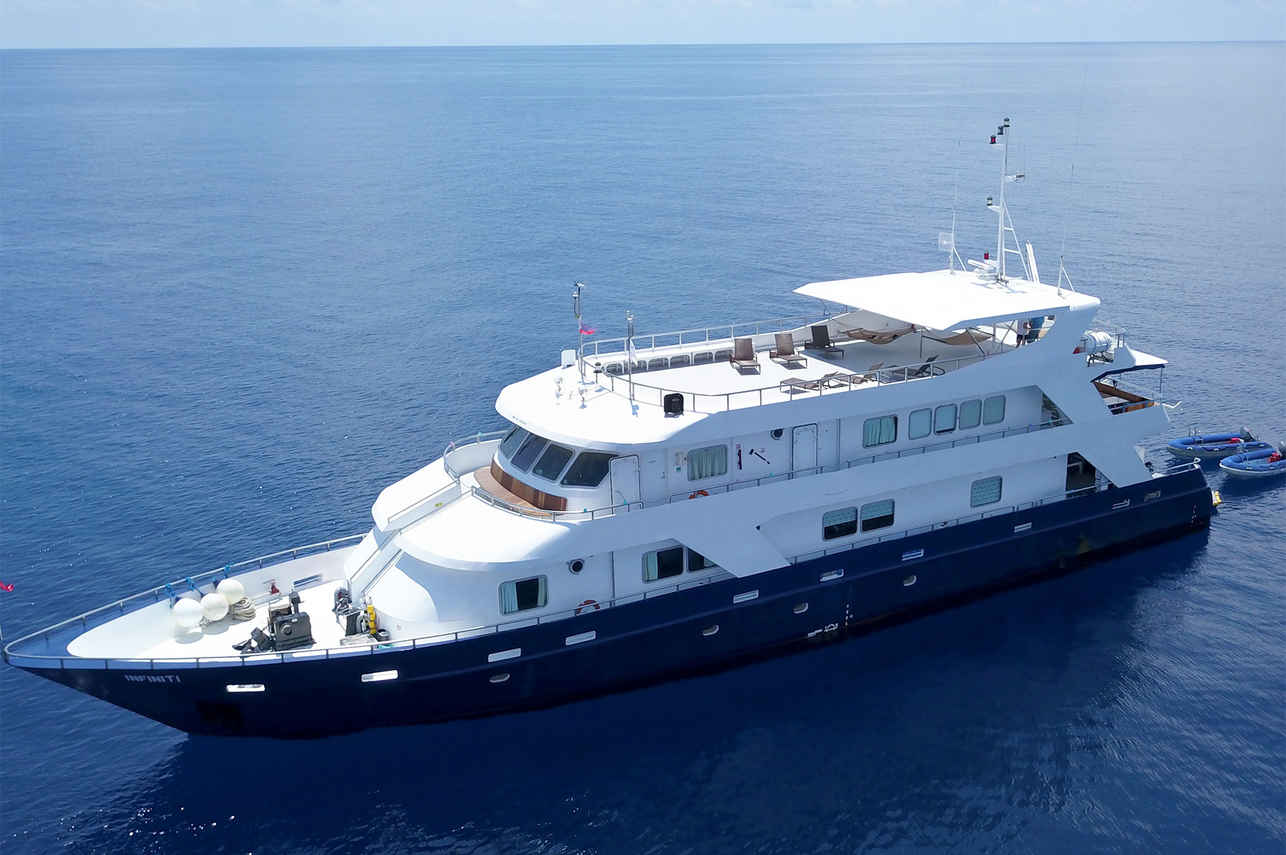
Infiniti
Philippines
25 guests39 m
$280/day
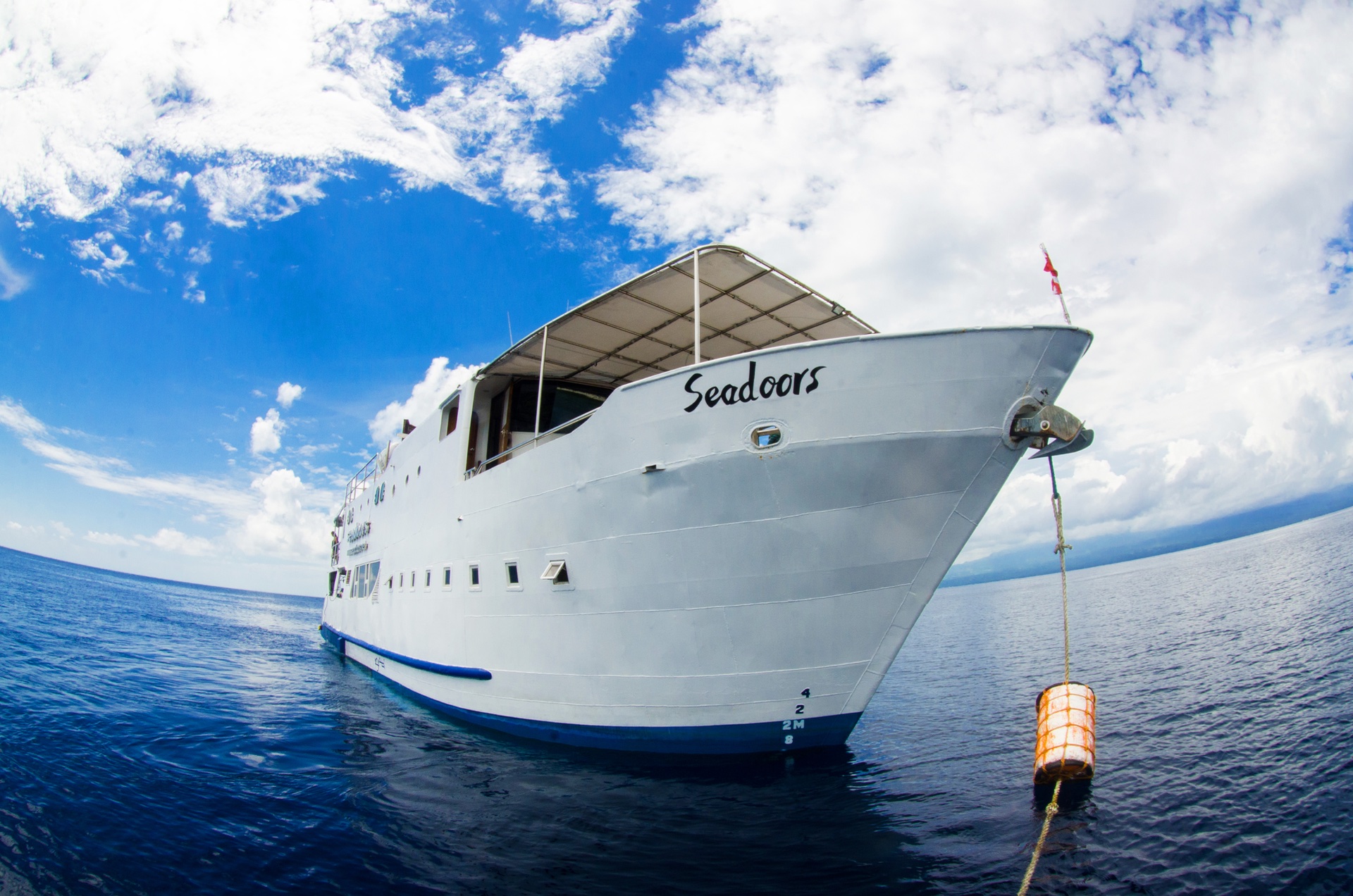
Seadoors
Philippines
16 guests25 m
$335/day
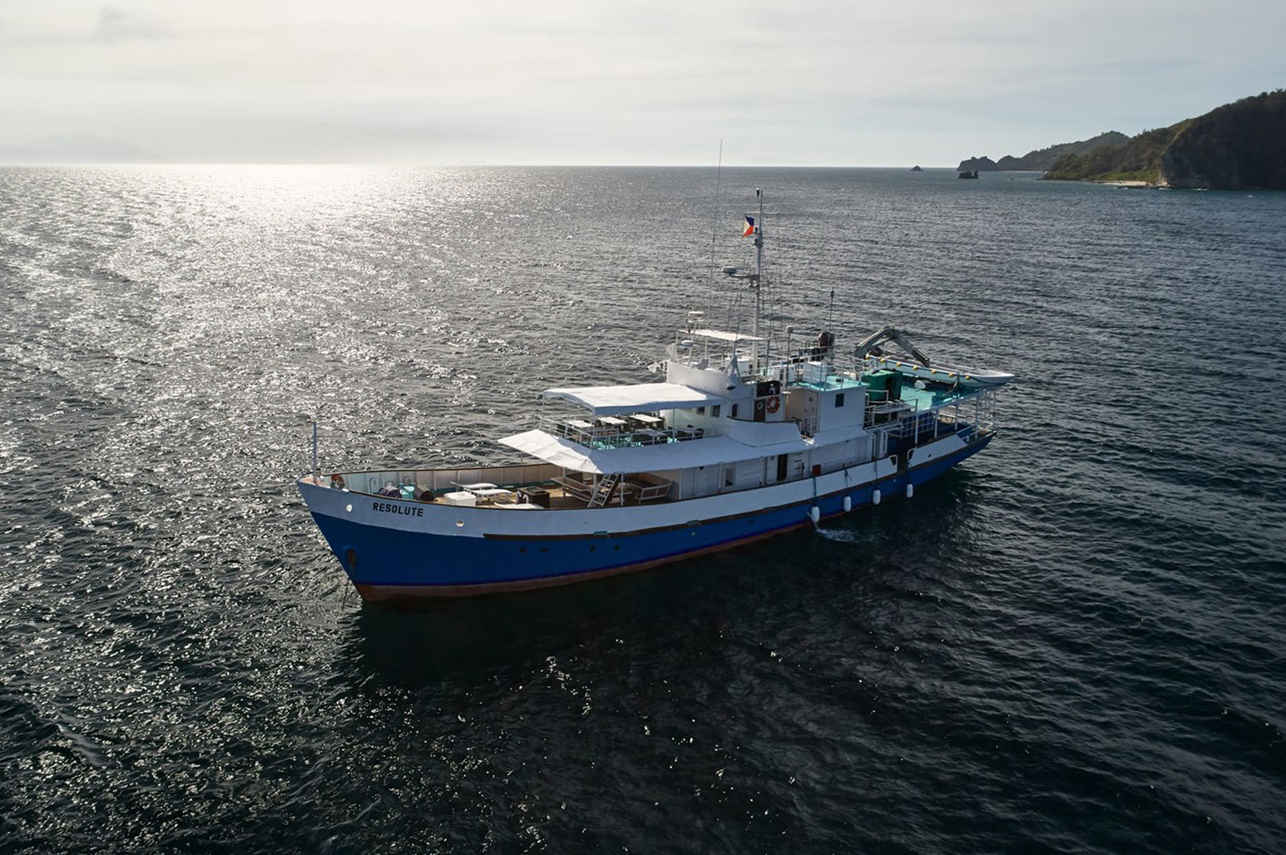
Resolute
Philippines
16 guests34.6 m
$314/day
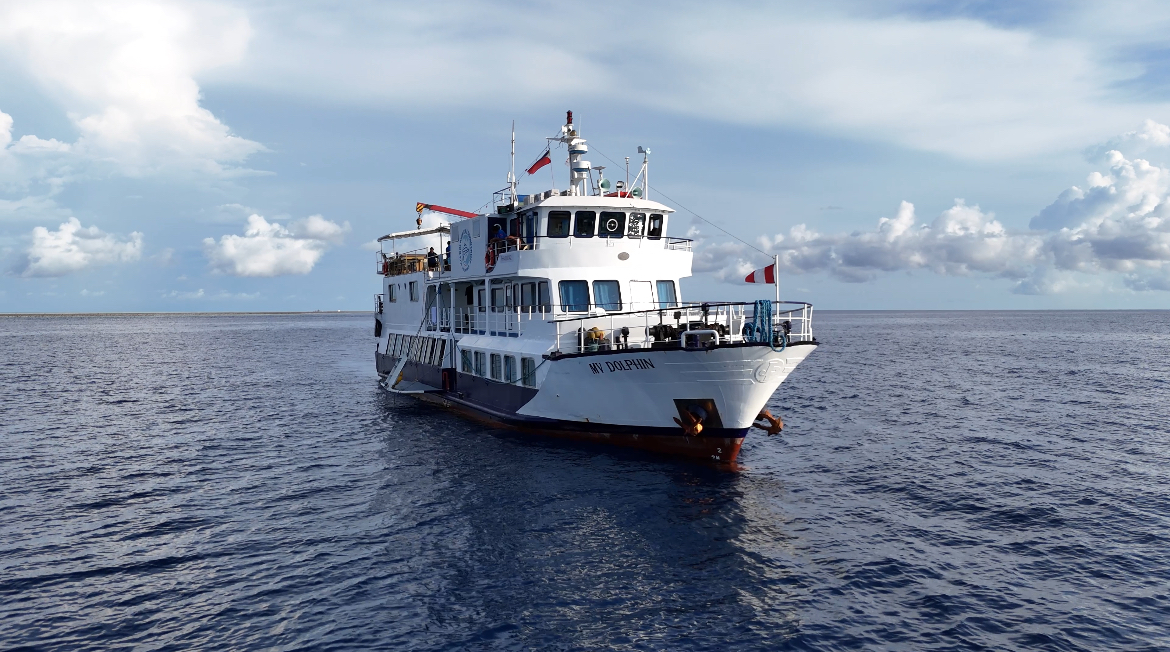
Dolphin
Philippines
18 guests31 m
$326/day
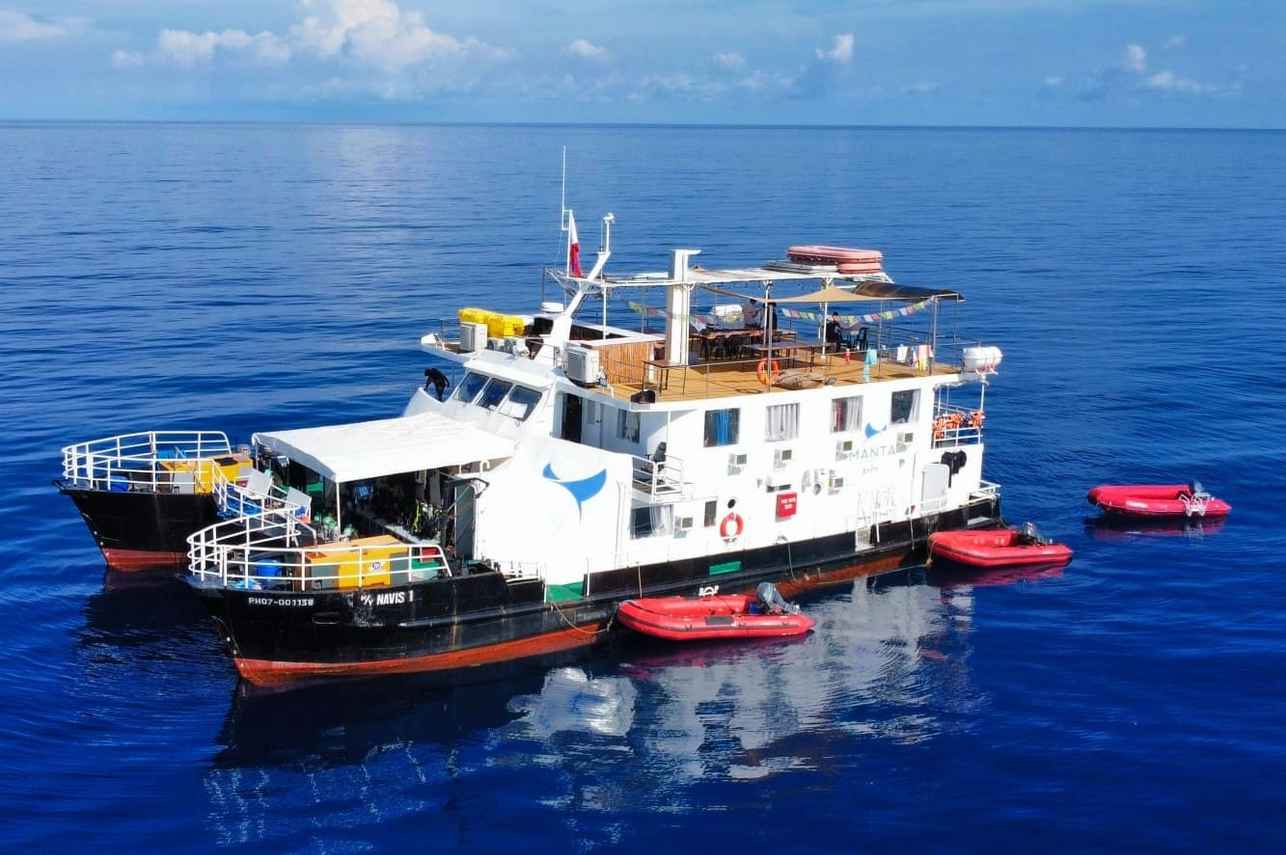
Navis 1
Philippines
22 guests23 m
$250/day
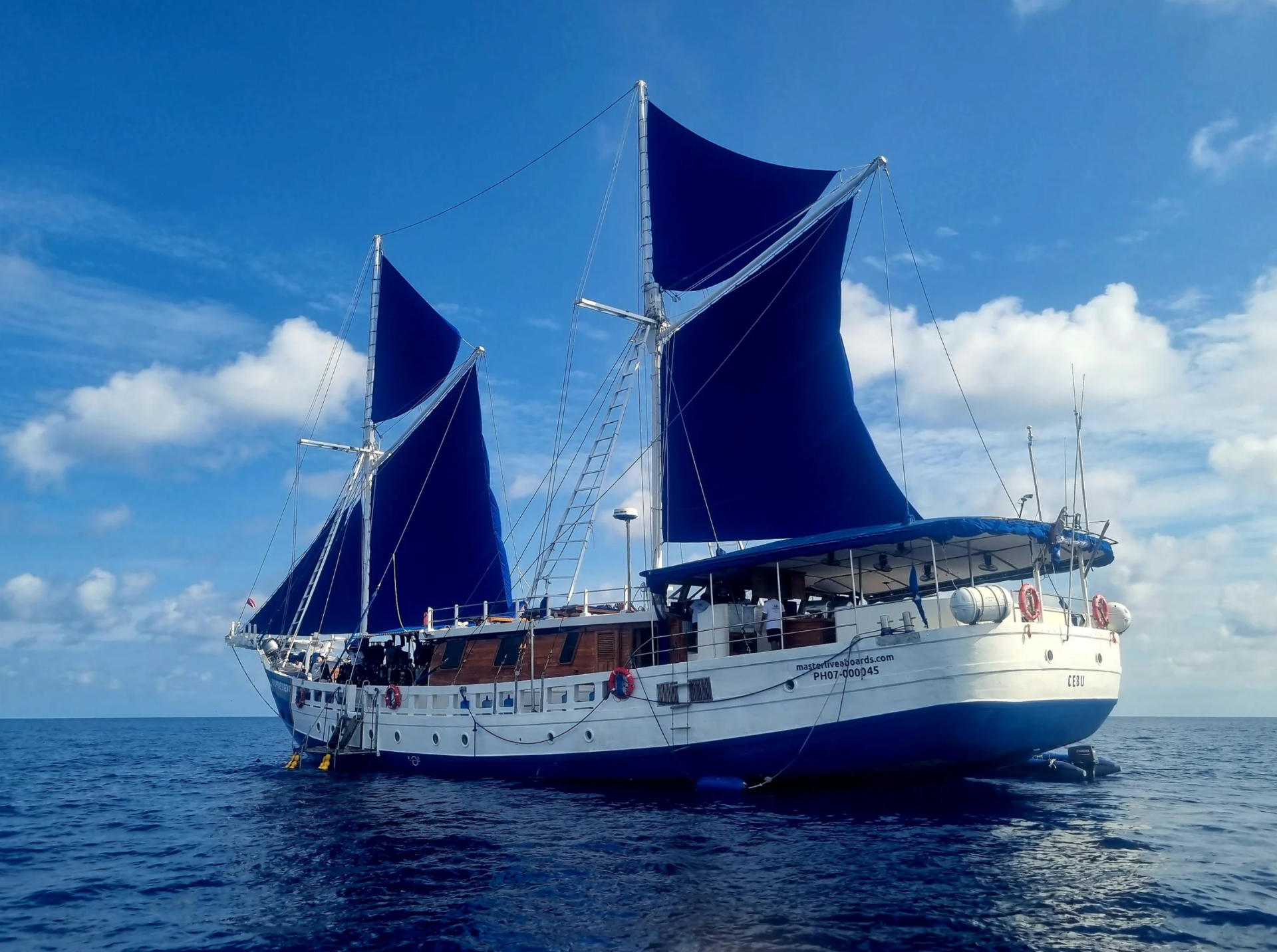
Philippine Siren
Philippines
16 guests
$309/day
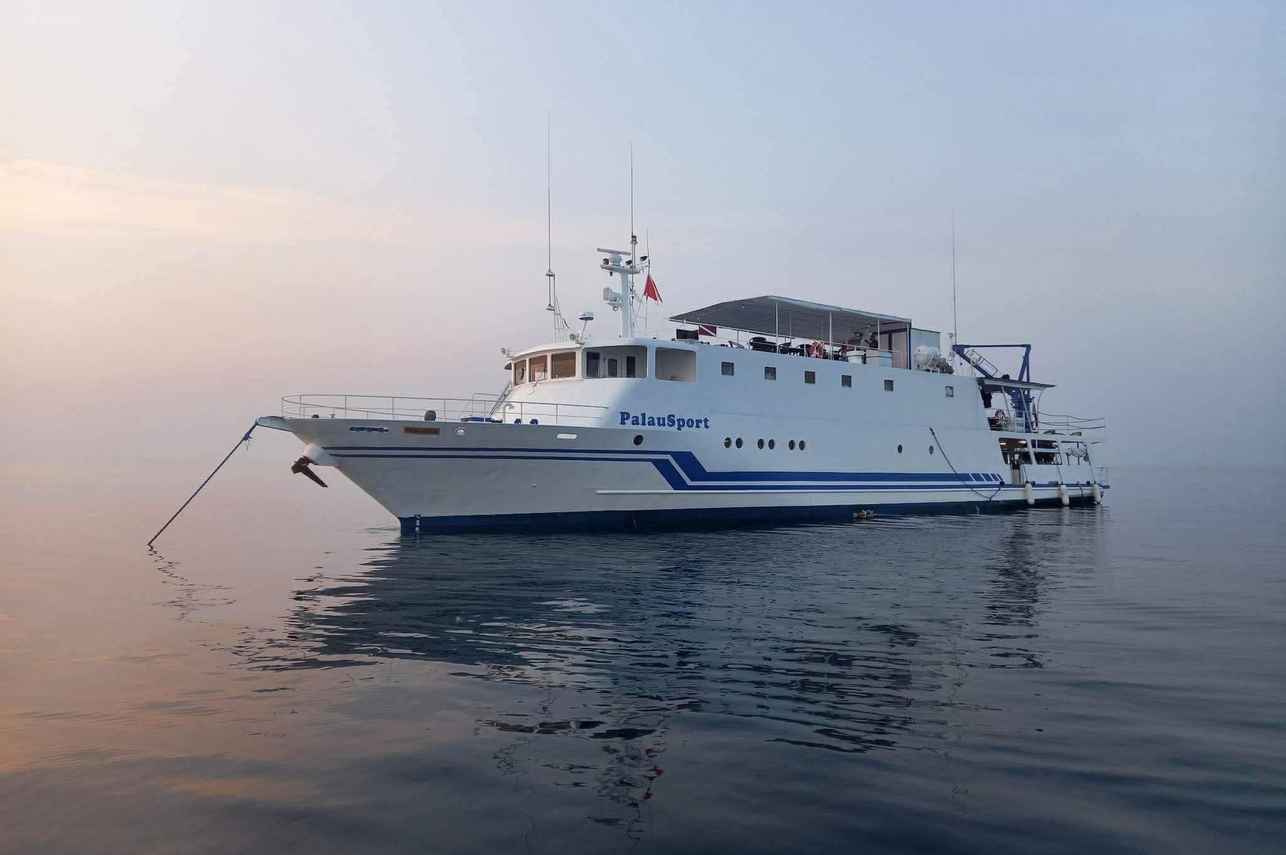
Palau Sport
Philippines
24 guests38.35 m
$215/day
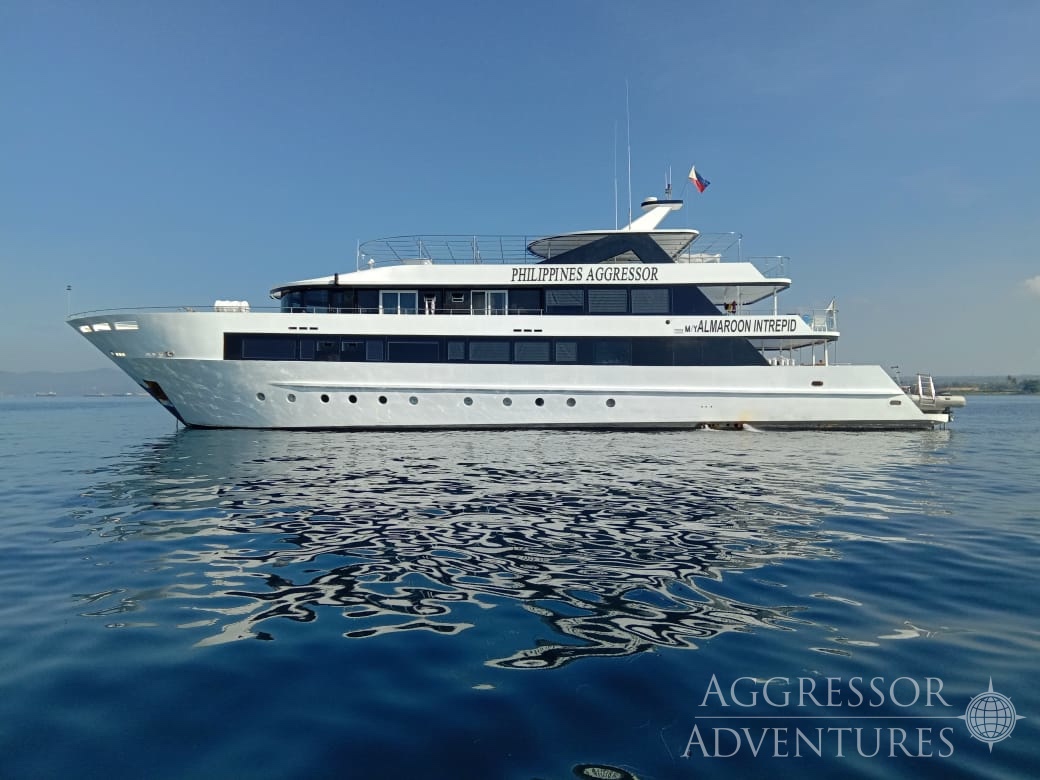
Philippines Aggressor
Philippines
26 guests42.7 m
$381/day
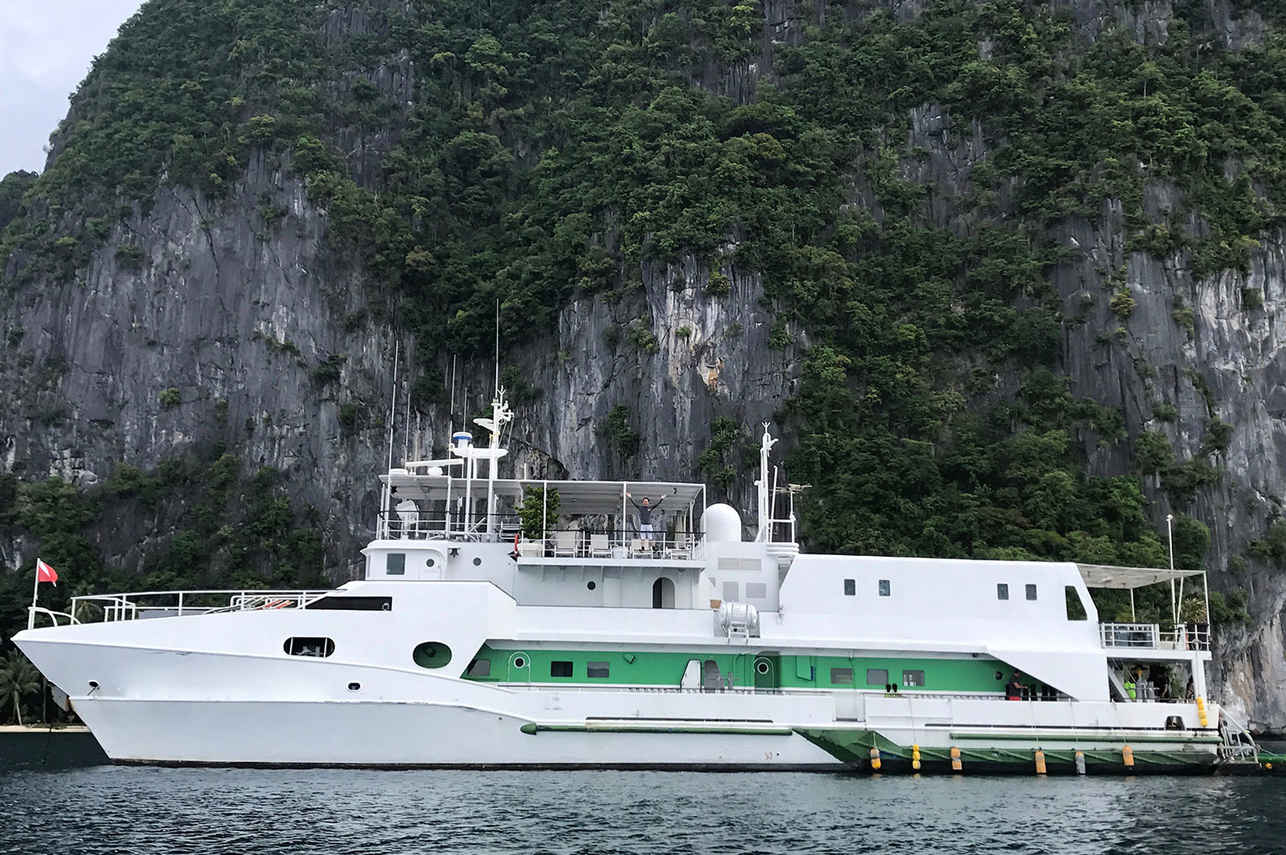
Stella Maris Explorer
Philippines
20 guests33 m
$398/day
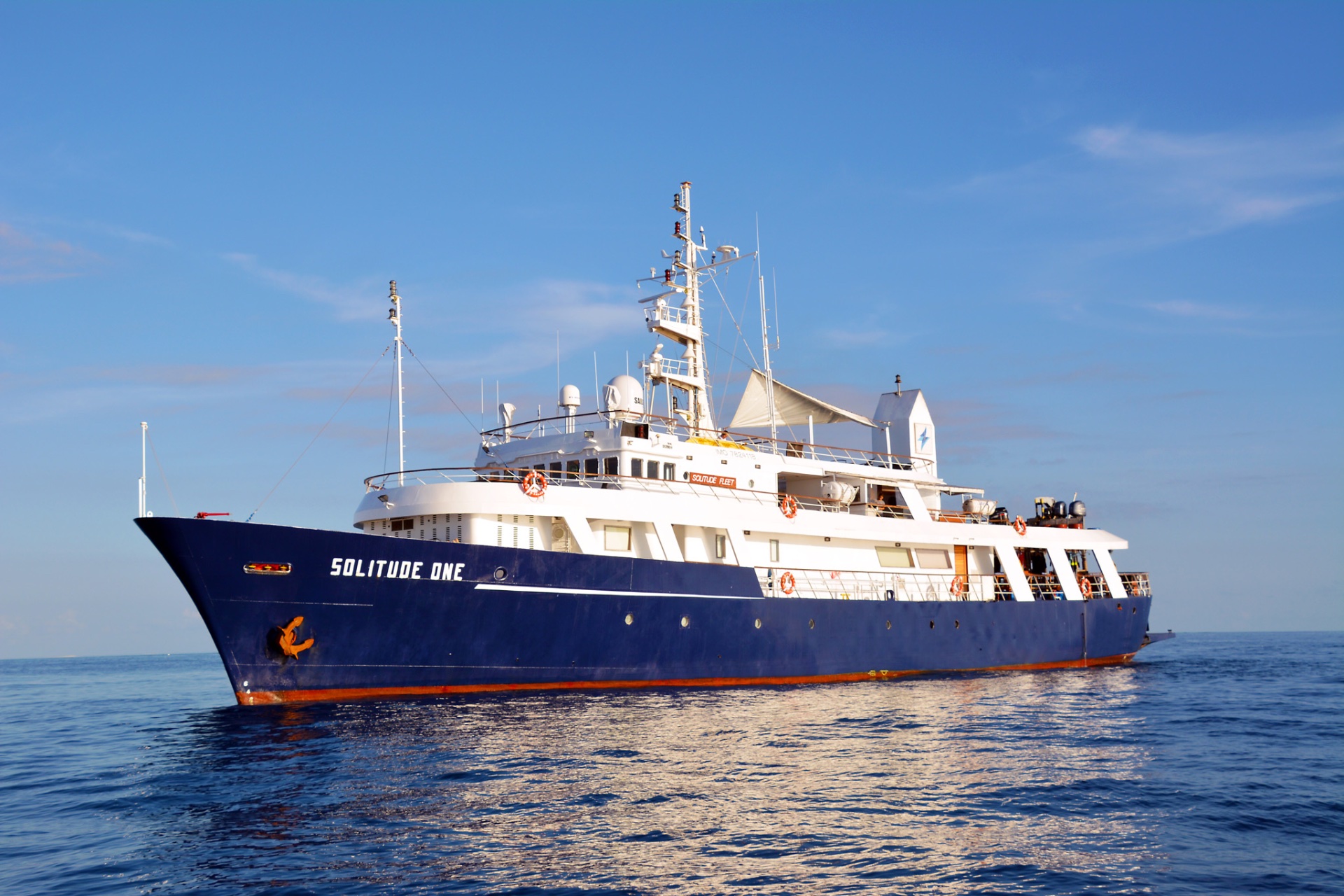
Solitude One
Philippines
24 guests52 m
$460/day
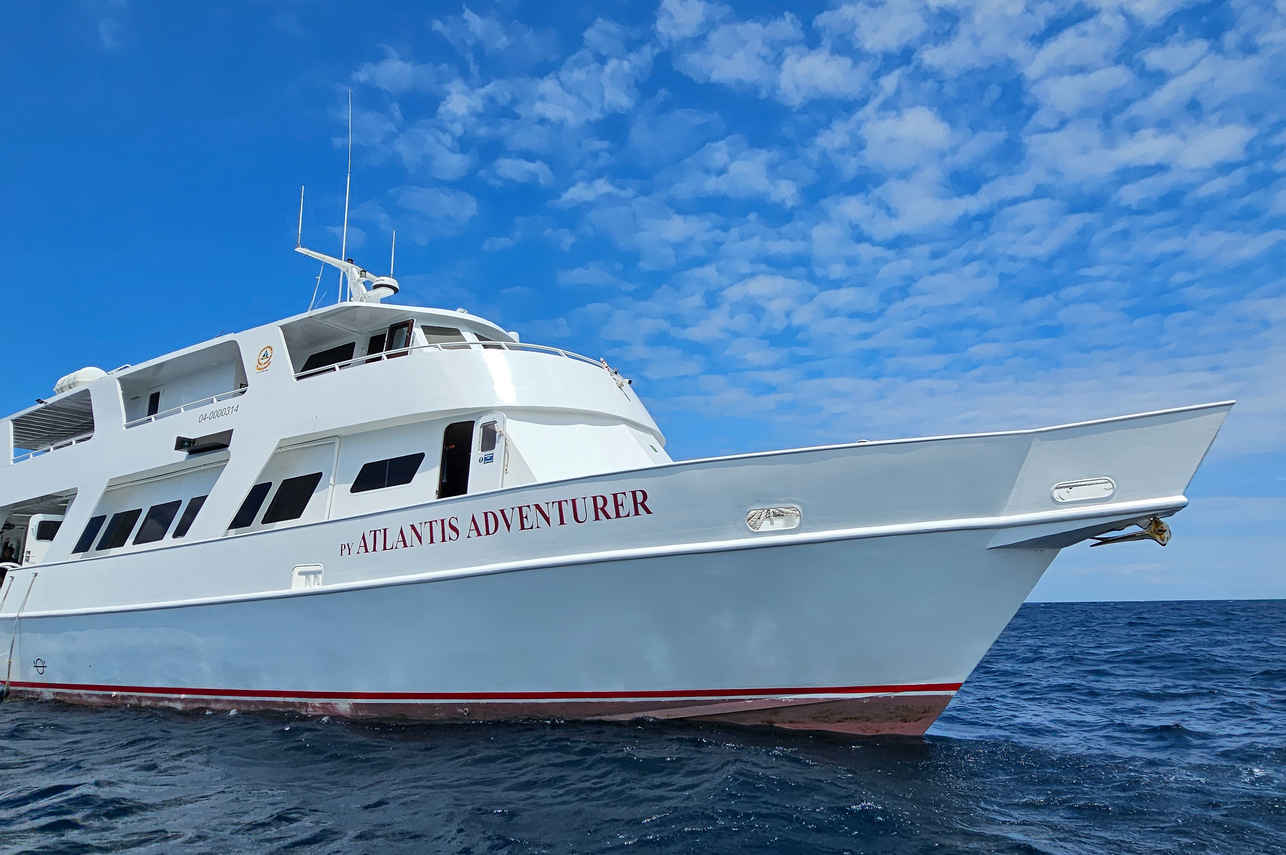
Atlantis Adventurer
Philippines
16 guests32.5 m
$421/day
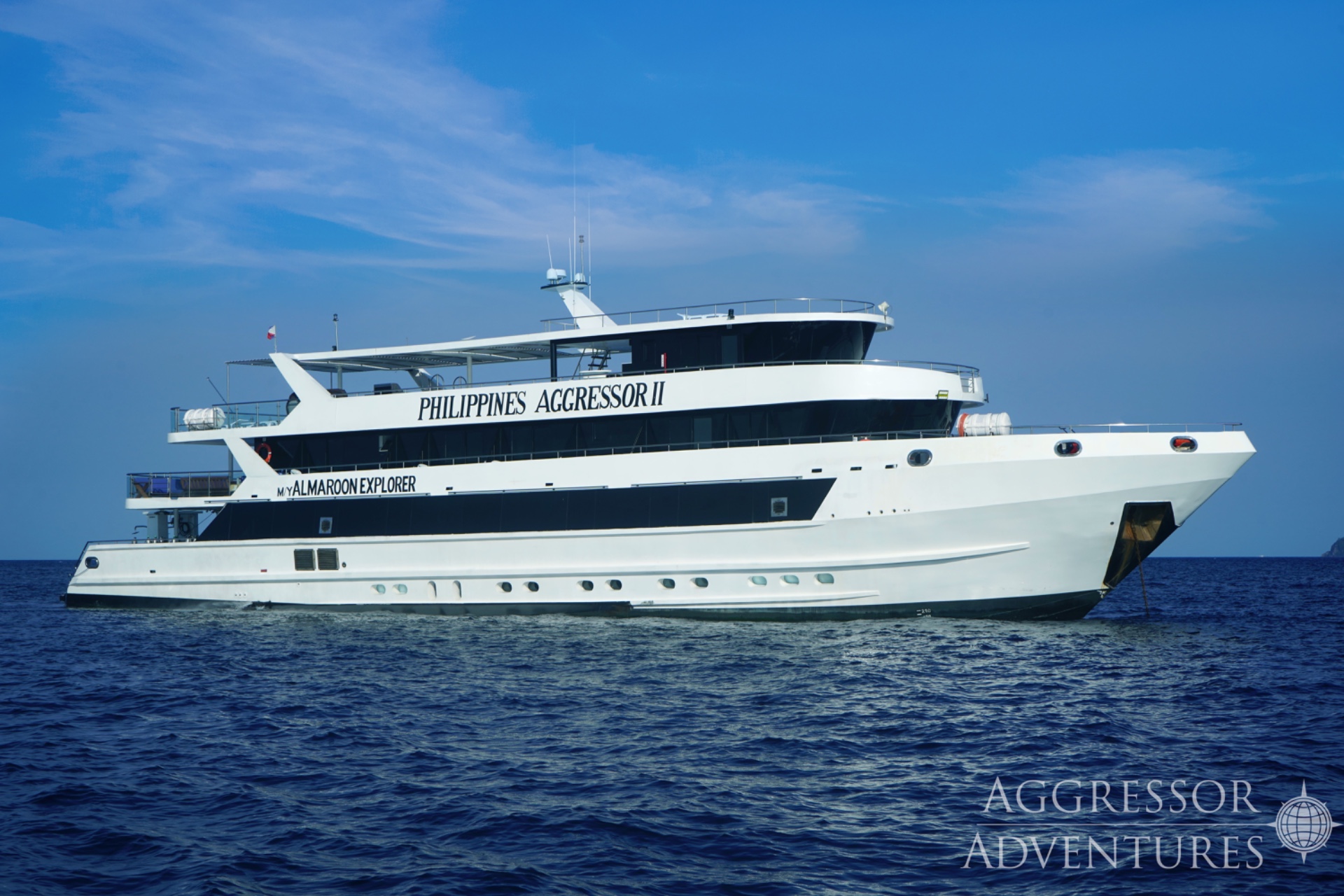
Philippines Aggressor II
Philippines
26 guests42.7 m
$247/day
Dive sites similar to Coron Bay — Skeleton Wreck
Same character, same waters — six more sites divers love for the exact same reasons.Compare seasons, access and liveaboard routes — then pick the site that fits your trip best.
Olympia Maru
Philippines
The Olympia Maru is a prominent Japanese cargo ship wreck from World War II, located within Coron Bay, Philippines.
- Suitable for
- Intermediate
- Current
- Mild
- Access
- Dayboat
- Depth
- 17–24 m
- Theme
- Wreck / Reef
USS New York
Philippines
The USS New York, an 8150-ton armored cruiser, was commissioned in 1893 and saw service in the Spanish-American War, the Chinese Revolution, and WWI.
- Suitable for
- Advanced
- Current
- Mild
- Access
- Liveaboard or dayboat
- Depth
- 16–30 m
- Theme
- Wreck
Alma Jane
Philippines
The Alma Jane is a prominent artificial reef and wreck dive located off Puerto Galera in the Philippines, intentionally sunk to enhance marine biodiversity and provide a unique diving experience.
- Suitable for
- Intermediate
- Current
- Mild
- Access
- Dayboat
- Depth
- 25–30 m
- Theme
- Wreck / Reef
Kyokuzan Maru
Philippines
The Kyokuzan Maru is a significant Japanese auxiliary supply ship, measuring about 136 meters in length, that was sunk during a US Navy aerial attack on September 24, 1944, near Busuanga Island.
- Suitable for
- Advanced
- Current
- Mild
- Access
- Dayboat
- Depth
- 26–42 m
- Theme
- Wreck
Camia II Wreck
Philippines
The Camia II Wreck is a popular dive site located in Boracay, known for its accessible and largely intact cargo vessel.
- Suitable for
- Intermediate
- Current
- Mild
- Access
- Dayboat
- Depth
- 18–30 m
- Theme
- Wreck
Irako Wreck
Philippines
The Irako Wreck, a Japanese refrigeration ship sunk during World War II, lies within Coron's renowned wreck graveyard, making it one of the Philippines' premier wreck diving destinations.
- Suitable for
- Advanced
- Current
- Strong
- Access
- Liveaboard or dayboat
- Depth
- 28–43 m
- Theme
- Wreck