About Faial Channel
The Faial Channel, a strait approximately 4.5 nautical miles long, separates Faial Island from Pico Island in the Azores. This dynamic area is a crucial passage for marine life, contributing significantly to the rich biodiversity of the central group of Azorean islands. It acts as a natural corridor, making it a prime location for encountering a wide range of pelagic species drawn to its productive waters. Diving in the Faial Channel offers a diverse underwater landscape, characterized by volcanic formations that include walls, arches, and some areas with artificial reefs. Depths can vary, with some sites near Pico and within the channel being suitable for less experienced divers, while advanced spots can be quite deep, sometimes exceeding 35 meters. Divers explore areas where lava has formed intricate cracks, holes, and caves, providing shelter and hunting grounds for various marine creatures. The channel is renowned for its pelagic encounters, with frequent sightings of mobula rays and blue sharks, especially during the summer months from July to October. Other marine life includes moray eels, barracuda, bonitos, jacks, nudibranchs, and crustaceans inhabiting the volcanic structures. The area also serves as a reproduction ground for species like parrotfish and triggerfish, attracting larger predators. Conditions in the Atlantic are dynamic, and dives can range from very easy to more challenging depending on the specific site and daily conditions. Currents can appear unexpectedly, particularly in advanced spots. Operators often recommend starting with easier dives before progressing to more exposed locations, ensuring diver safety and acclimatization to the local environment. A 5mm or 7mm wetsuit is typically recommended due to water temperatures ranging from 18ºC to 23ºC.
Highlights
Faial-Pico channel reefsVolcanic lava archesBlue shark encountersMobula ray sightingsUnderwater caves and cracksBarracuda and bonitos schoolsPontoon 16 wreck
Season calendar
Best months to dive here
Jan
Feb
Mar
Apr
May
Jun
Jul
Aug
Sep
Oct
Nov
Dec
Excellent
Good
Dive site facts: Faial Channel
- Depth
- 10–35 m (and deeper)
- Typical dive
- 15–30 m, 45–60 min
- Current
- Moderate to strong
- Visibility
- 20–30 m (up to 45 m offshore)
- Water temperature
- 16–24°C
- Entry
- Boat
- Level
- Advanced, current experience essential
- Dive type
- Pelagic, volcanic, wall, pinnacle
- Night dive
- Possible
- Region / port
- Azores, Faial
- Coordinates
- 38.51, -28.6
Conditions & Currents
Diving in the Faial Channel is often characterized by strong currents due to its position between two islands and proximity to the Mid-Atlantic Ridge. These currents can be swift and unpredictable, necessitating advanced diving skills and careful planning. Divers may experience drift dives, where the boat follows the group, or require hanging from a mooring line at shallower depths while marine life swirls around. Surface conditions can also be affected by these currents, impacting entry and exit points. Visibility typically ranges from 20 to 30 meters, occasionally reaching up to 45 meters in remote offshore locations, but strong currents can stir up sediment in shallower areas. Water temperatures vary from 16°C to 24°C, with thermoclines possible in deeper sections. These dynamic conditions make the channel best suited for experienced divers comfortable with challenging environments an
Marine life & sighting chances
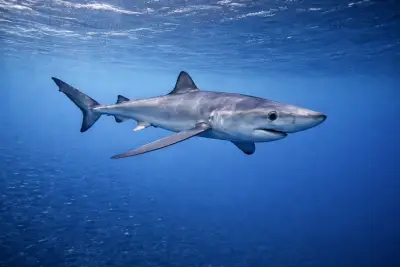
Blue shark
July–October · occasional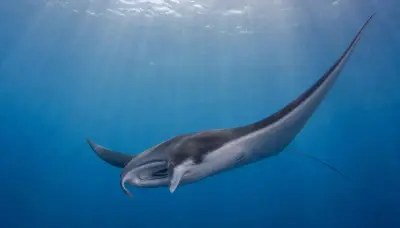
Mobula ray
Summer · occasional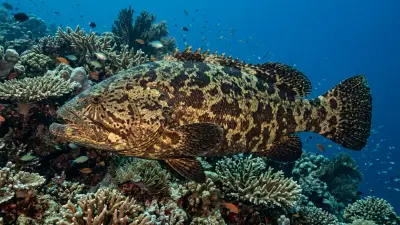
Grouper
common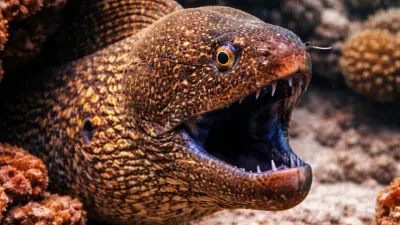
Moray eel
common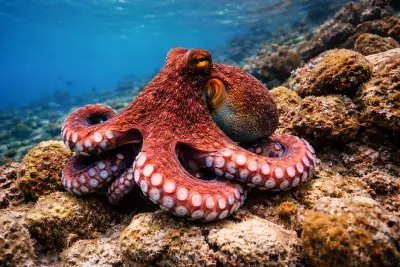
Octopus
common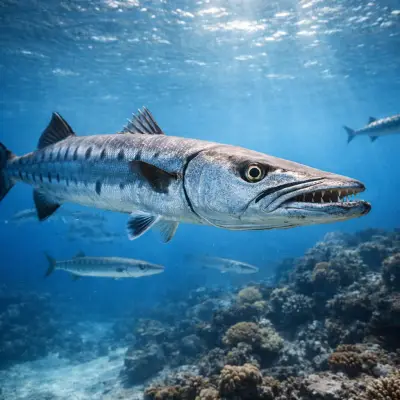
Barracuda
common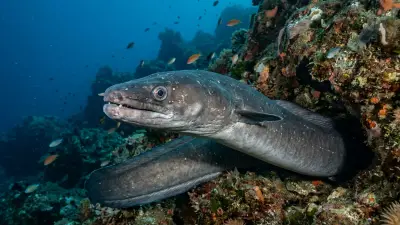
Conger eel
common
Atlantic ray
common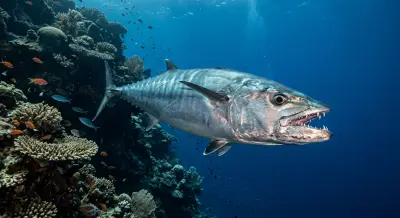
Tuna
occasional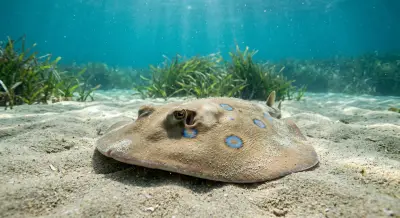
Common torpedo ray
occasionalDive profile & how the dive runs
A typical dive in the Faial Channel often begins with a boat entry, frequently as a negative entry to quickly descend into the current. Divers will follow the guide along volcanic walls or pinnacles, where the current dictates the pace. Depths can vary, starting around 15-20 meters and progressing deeper along the wall, potentially reaching 35 meters or more depending on the site. The route might involve exploring lava arches and swim-throughs, paying close attention to schooling fish and larger pelagics in the blue. Turning points are usually determined by air consumption and bottom time, with a keen eye on current shifts. The safety stop is often conducted as a drifting stop in the open blue, or by holding onto a designated line from the boat if conditions allow, before a final ascent and boat exit.
Underwater photography
The Faial Channel offers diverse photographic opportunities, from wide-angle volcanic landscapes to fast-moving pelagic action and macro life in sheltered crevices. For wide-angle shots of the dramatic topography and schooling fish, a fisheye or wide-angle rectilinear lens is ideal, particularly given the excellent visibility. When photographing blue sharks or mobula rays, be prepared for dynamic subjects; fast shutter speeds and strobes are crucial for freezing motion and adding color. For macro subjects found in volcanic cracks, a dedicated macro lens will be beneficial. Maintaining excellent buoyancy control is paramount, especially in currents, to avoid disturbing the environment and ensure sharp images. Always respect marine life; avoid chasing or crowding animals, especially migratory pelagics, to ensure natural behavior and ethical photography.
Combine with nearby dive sites
- Princess Alice Bank (Azores)
Iconic offshore seamount known for mobula rays and other pelagics.
- Baixa do Ambrósio
Underwater pinnacle off Pico, frequented by mobulas and sharks.
- Angra do Heroísmo Wrecks
Historic wreck dives off Terceira Island.
- Formigas Islets (Azores)
Remote offshore islets, a biodiversity hotspot for mantas and sharks.
- São Jorge Wall
Dramatic wall dives off São Jorge, close by ferry.
- Caloura Reef
Reef diving off São Miguel, known for its vibrant marine life.
Getting there & logistics
Access to Faial Channel diving is primarily from Faial Island, with Horta serving as the main departure port. You can fly directly to Horta Airport (HOR) from Lisbon, or take inter-island flights from Ponta Delgada (São Miguel) or Lajes (Terceira) via Azores Airlines (SATA). Alternatively, fly to Pico Island and take a 30-minute ferry to Faial. Dive trips typically involve daily boat excursions, often combining Faial Channel dives with sites around Pico. An 8-day program usually includes 5 days of diving with 10 dives. Ensure you budget for any park fees or permits, although these are typically included in dive package prices.
Safety & environment
Diving in the Faial Channel requires careful attention to safety due to potentially strong currents and the remote nature of some sites. Divers should carry appropriate safety gear, including an SMB and dive computer. The nearest recompression chamber is located in Horta, Faial, which is a significant advantage. However, emergency evacuations, especially from offshore sites, can be complex and time-consuming. Comprehensive dive insurance, including coverage for medical emergencies and evacuation, is highly recommended. Always dive with a reputable operator, follow your guide's instructions diligently, and remain within your training limits. A 5mm or 7mm wetsuit is recommended to mitigate cooler water temperatures and potential longer dive times.
Who it suits — and who it doesn't
Suited for
- Advanced divers comfortable with currents
- Underwater photographers seeking pelagic action
- Divers interested in volcanic underwater topography
- Experienced divers seeking challenging drift dives
- Those who enjoy encounters with large marine life
Less suited for
- Beginner divers or those new to currents
- Divers without good buoyancy control
- Individuals prone to seasickness on longer boat rides
- Those expecting calm, easy diving conditions
- Divers without advanced open water certification
FAQ
Faial Channel FAQ
What kind of marine life can I expect in the Faial Channel?
The Faial Channel is known for its diverse marine life, including large pelagic species and rich temperate reef inhabitants. You can frequently encounter schools of barracuda, jacks, and various grouper species. During the summer months, there's a good chance to see blue sharks and mobula rays, making it a thrilling destination for wildlife enthusiasts.
Are the currents strong in the Faial Channel?
Yes, currents in the Faial Channel can be moderate to strong due to its location between Faial and Pico islands and the influence of the Mid-Atlantic Ridge. Divers should be comfortable with current diving techniques and possess advanced certification. Dive operators are experienced in managing these conditions, often planning drift dives or using mooring lines.
What is the best time of year to dive the Faial Channel?
The prime diving season for the Faial Channel is from May to October. During these months, the weather and sea conditions are generally calmer, water temperatures are warmer, and visibility is at its best. This period also offers the highest likelihood of encountering migratory pelagic species like blue sharks and mobula rays.
What is the typical water temperature and visibility?
Water temperatures in the Faial Channel range from approximately 16°C in winter to 24°C in late summer. Visibility is generally excellent, typically between 20 to 30 meters, and can extend up to 45 meters in offshore areas. A 5mm or 7mm wetsuit is recommended to stay comfortable, especially during longer dives or in cooler months.
What dive experience level is required for Faial Channel?
Diving in the Faial Channel is best suited for advanced divers with experience in current conditions. The dynamic environment, including potential strong currents and deeper profiles, requires good buoyancy control and a solid understanding of dive planning. Some sites may also involve boat entries and exits in varying conditions.
Why dive Faial Channel from a liveaboard?
Faial Channel is one of Portugal's signature dive sites. A liveaboard sleeps you on the water and puts you in the water for three to four guided dives per day, including dawn and night dives that day-boat operators rarely offer. You skip the daily commute back to port and reach quieter, less-crowded sites in the same region on a single trip.
Below are the liveaboards that include Faial Channel on their Portugal itineraries.
Liveaboards diving Faial Channel
These liveaboards may visit Faial Channel on selected itineraries — the exact dive sites depend on departure, weather and conditions.
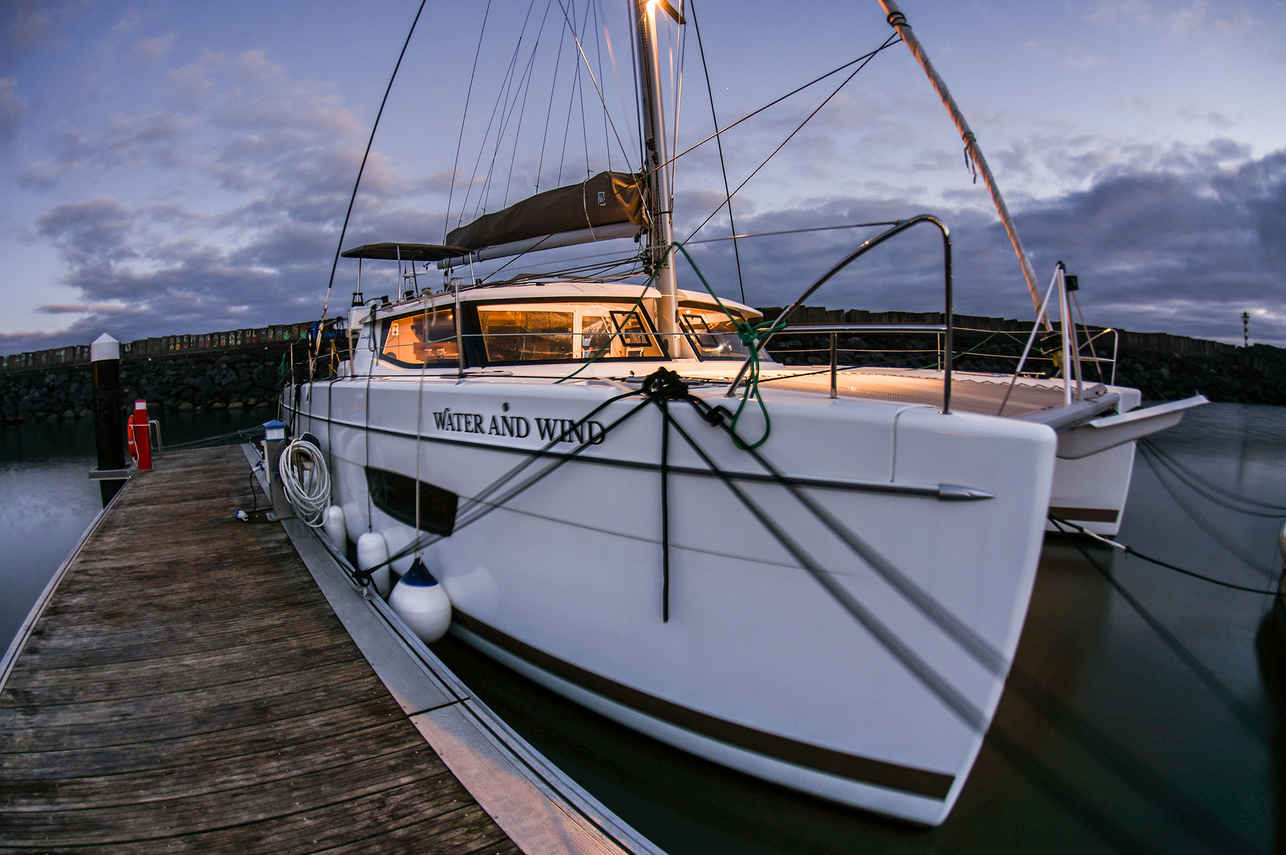
Water And Wind
Portugal
8 guests13.41 m
$434/day
Dive sites similar to Faial Channel
Same character, same waters — six more sites divers love for the exact same reasons.Compare seasons, access and liveaboard routes — then pick the site that fits your trip best.
© Esri — Maxar, Earthstar, GIS
Pedra da Velha
Portugal
Pedra da Velha is an advanced boat-access rocky reef and pinnacle located off Peniche, within the protected Berlengas archipelago.
- Suitable for
- Advanced
- Current
- Moderate
- Access
- Dayboat
- Depth
- 10–20 m
- Theme
- Reef / Wall
Baixa do Ambrósio is an advanced dive site situated in the open Atlantic, southeast of Santa Maria Island in the eastern Azores.
- Suitable for
- Advanced
- Current
- Strong
- Access
- Dayboat
- Depth
- 5–47 m
- Theme
- Reef / Drift
© Esri — Maxar, Earthstar, GIS
Ilhéu da Vila
Portugal
Ilhéu da Vila is a significant dive site located approximately half a mile from the marina of Santa Maria Island in the Azores.
- Suitable for
- Intermediate
- Current
- Moderate
- Access
- Dayboat
- Depth
- 13–18 m
- Theme
- Reef / Wall
Pedrinha, meaning 'Little Rock,' is a highly regarded advanced dive site located off Santa Maria Island in the eastern Azores.
- Suitable for
- Advanced
- Current
- Strong
- Access
- Dayboat
- Depth
- 6–40 m
- Theme
- Reef / Wall
Mindelo is a coastal dive site situated conveniently close to the town of Vila do Conde, Portugal, making it easily accessible for local divers.
- Suitable for
- Beginner
- Current
- Mild
- Access
- Dayboat
- Depth
- 6–20 m
- Theme
- Reef / Drift
© Esri — Maxar, Earthstar, GIS
Desertas Islands
Portugal
The Desertas Islands, an uninhabited archipelago situated approximately 25 kilometers southeast of Madeira, represent a pristine and highly protected natural reserve.
- Suitable for
- Advanced
- Current
- Strong
- Access
- Liveaboard or dayboat
- Depth
- 10–35 m
- Theme
- Reef / Wall