About São Jorge Wall
The São Jorge Wall, locally known as Parede Rabo de Asno (Donkey's Tail Wall), is a notable dive site located off the coast of São Jorge Island in the Azores archipelago. This site is celebrated for its impressive volcanic formations and diverse marine ecosystem. The surrounding area of São Jorge offers numerous unique diving spots, ranging from Baja dos Rosais to Ilhéu do Topo, all featuring remarkable underwater topography, including volcanic caves and vibrant marine life. Diving here, you can expect to encounter an abundance of pelagic fish, such as large schools of anchovies, Almaco jacks, and white trevallies, alongside yellowmouth barracudas. The wall topography also creates ideal habitats for moray eels, octopuses, and colorful scorpionfish. The rich biodiversity is a direct result of Portugal's effective marine reserve strategies, which have significantly boosted underwater life in the region. The scenery is particularly picturesque, with the journey to the reef offering views of São Jorge's dramatic fajãs — low-lying strips of land extending into the sea. The São Jorge Wall, like other sites in the Azores, offers varied diving experiences suitable for different skill levels. The unique underwater landscapes, combined with significant marine life presence, make it a compelling destination for divers seeking both natural beauty and an active ecosystem. Waters in the Azores are generally clear, providing excellent visibility for exploring these submerged wonders.
Highlights
Basalt WallBlack CoralLoggerhead TurtlesCup Corals
Season calendar
Best months to dive here
Jan
Feb
Mar
Apr
May
Jun
Jul
Aug
Sep
Oct
Nov
Dec
Good
Dive site facts: São Jorge Wall
- Depth
- 10–40 m
- Current
- Strong
- Visibility
- 15-40 m
- Water temperature
- 17-24°C
- Entry
- Boat / Negative entry
- Level
- Advanced recommended
- Dive type
- Wall, drift, reef
- Region / port
- Azores
- Coordinates
- 38.6, -27.95
Conditions & Currents
The São Jorge Wall is known for its strong, dynamic currents, which can vary significantly depending on weather patterns and lunar cycles. These currents necessitate careful planning and often lead to exciting drift dives, where divers are carried along the wall by the flow. Negative entries are frequently employed to quickly reach the desired depth and avoid being swept away from the target area before descent. Divers must maintain good buoyancy control and be prepared for potential surge, especially near the surface or along shallower sections of the wall. Visibility generally remains excellent, though powerful currents can occasionally stir up sediment closer to the seabed. Understanding the dive briefing regarding current direction, anticipated speed, and exit procedures is paramount for a safe and enjoyable experience at this site.
Marine life & sighting chances

Octopus
All year · common
Moray eel
All year · common
Dusky grouper
All year · common
Bream
All year · common
Barracuda
Summer · occasional
Amberjack
Summer · occasional
Giant trevally
Summer · occasional
Blue shark
July-September · rare
Manta ray
July-September · rare
Mobula ray
July-September · rareDive profile & how the dive runs
Dives at the São Jorge Wall typically commence with a negative entry from a boat to quickly descend and manage the strong currents. The dive plan often involves a drift along the impressive volcanic wall, starting at an optimal depth determined by the dive guide to maximize marine life encounters while minimizing current exposure. Divers will navigate through arches and explore crevices, gradually moving along the contours of the wall. The turn point is usually dictated by air consumption and current conditions, after which divers ascend slowly, often deploying a surface marker buoy during their safety stop to signal their position for boat pickup. The boat will track the divers' drift, ensuring a safe and efficient collection at the surface.
Underwater photography
The São Jorge Wall offers compelling subjects for both wide-angle and macro photography, though conditions demand versatility. For wide-angle shots of the dramatic volcanic topography and potential pelagic encounters, a wide-angle rectilinear or fisheye lens is ideal. Use strobes to bring out the vibrant colors of the reef and minimize backscatter in the clear Atlantic waters. When currents are strong, keeping a low profile and stabilizing yourself against the wall (without touching) will help. For macro subjects like octopuses, moray eels, and nudibranchs found in cracks and caves, a dedicated macro lens with a focus light is essential. Be mindful of depth and light fall-off, using a red filter or custom white balance for deeper sections, and remember that surge can make steady shots challenging.
Combine with nearby dive sites
Getting there & logistics
Access to the São Jorge Wall is typically facilitated via day trips from dive centers located on the nearby islands of Pico, Faial, or São Jorge itself. The main international gateway to the Azores is Lisbon Portela Airport (LIS), with connecting flights to the regional airports on Pico or Faial. While there are no full-time liveaboards dedicated to the Azores, private charters can be arranged for more extensive exploration. Peak season (July-September) necessitates booking dive excursions and accommodations several months in advance due to limited boat capacity for offshore sites. There are generally no specific permits required for diving, with dive operators managing all logistics and fees.
Safety & environment
Diving at the São Jorge Wall requires careful attention to safety protocols due to the strong and unpredictable currents. Divers should carry a surface marker buoy (SMB) and know how to deploy it, as well as an audible signaling device. Maintaining good buoyancy control is crucial, especially during drift dives and negative entries. The nearest recompression chamber is located on Terceira Island, emphasizing the need for comprehensive dive insurance that covers emergency medical evacuation. Divers must always follow their guide's instructions, stay with their buddy, and be aware of their air consumption. The dynamic weather conditions in the Azores mean dive plans can change quickly, so flexibility and adherence to local dive operator guidelines are essential for a safe experience.
Who it suits — and who it doesn't
Suited for
- Experienced divers comfortable with strong currents
- Advanced Open Water certified divers
- Drift diving enthusiasts
- Photographers seeking dramatic volcanic landscapes
- Divers interested in pelagic encounters
Less suited for
- Beginner divers
- Divers uncomfortable with negative entries
- Those without experience in strong currents
- Divers prone to seasickness
- Those with limited physical fitness
FAQ
São Jorge Wall FAQ
What kind of currents can I expect at São Jorge Wall?
The São Jorge Wall is known for its strong and often unpredictable currents. These conditions make for exciting drift dives but require divers to be comfortable and experienced with dynamic water movement. Dive operators will provide thorough briefings on current direction and speed for each specific dive.
Is São Jorge Wall suitable for all diving levels?
Due to the strong currents and potentially challenging conditions, São Jorge Wall is generally recommended for experienced divers, preferably those with Advanced Open Water certification or equivalent. Divers should be proficient in buoyancy control and comfortable with negative entries.
What marine life can be seen at São Jorge Wall?
The volcanic wall hosts a variety of reef fish including octopuses, moray eels, and groupers. During summer months, the nutrient-rich currents can attract larger pelagic species such as barracuda, amberjack, and occasionally manta rays or blue sharks, making for diverse encounters.
What is the best way to get to São Jorge Wall?
The São Jorge Wall is accessed via boat trips from dive centers on nearby Azorean islands like Pico, Faial, or São Jorge. The most common travel route involves flying to Lisbon, then taking a connecting flight to one of the regional airports in the Azores.
Are there any specific safety considerations for diving here?
Yes, divers should always carry a surface marker buoy (SMB) and know how to deploy it, as drift dives are common. Comprehensive dive insurance covering emergency evacuation is highly recommended, as the nearest recompression chamber is on Terceira Island. Always follow your dive guide's instructions.
Why dive São Jorge Wall from a liveaboard?
São Jorge Wall is one of Portugal's signature dive sites. A liveaboard sleeps you on the water and puts you in the water for three to four guided dives per day, including dawn and night dives that day-boat operators rarely offer. You skip the daily commute back to port and reach quieter, less-crowded sites in the same region on a single trip.
Below are the liveaboards that include São Jorge Wall on their Portugal itineraries.
Liveaboards diving São Jorge Wall
These liveaboards may visit São Jorge Wall on selected itineraries — the exact dive sites depend on departure, weather and conditions.
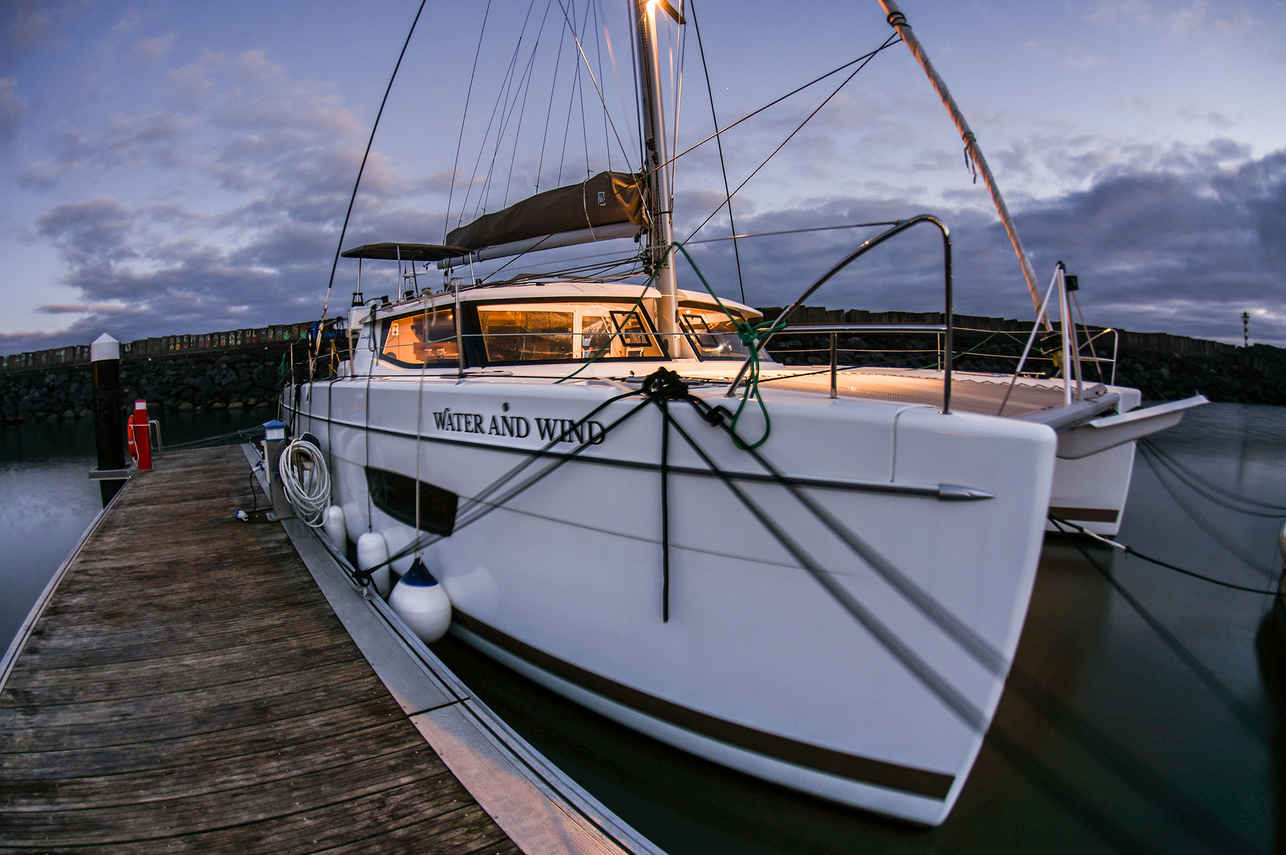
Water And Wind
Portugal
8 guests13.41 m
$429/day
Dive sites similar to São Jorge Wall
Same character, same waters — six more sites divers love for the exact same reasons.Compare seasons, access and liveaboard routes — then pick the site that fits your trip best.
Rodelha is a popular coastal dive site situated close to Vila do Conde in northern Portugal.
- Suitable for
- Intermediate
- Current
- Mild
- Access
- Dayboat
- Depth
- 6–25 m
- Theme
- Reef
Silveira is a welcoming beginner-friendly dive site located off Terceira Island in the Azores archipelago, Portugal.
- Suitable for
- Beginner
- Current
- Mild
- Access
- Dayboat
- Depth
- 2–15 m
- Theme
- Reef / Pinnacle
© Esri — Maxar, Earthstar, GIS
Cinco Ribeiras
Portugal
Cinco Ribeiras is situated on the western coast of Terceira Island in the Azores, named after a nearby village.
- Suitable for
- Beginner
- Current
- Mild
- Access
- Shore / dayboat
- Depth
- 5–16 m
- Theme
- Reef / Cavern
© Esri — Maxar, Earthstar, GIS
Ilhéu da Vila
Portugal
Ilhéu da Vila is a significant dive site located approximately half a mile from the marina of Santa Maria Island in the Azores.
- Suitable for
- Intermediate
- Current
- Moderate
- Access
- Dayboat
- Depth
- 13–18 m
- Theme
- Reef / Wall
Göbektaşı is a dive site located in Turkey, offering a distinct underwater experience that combines archaeological interest with natural marine beauty.
- Suitable for
- Intermediate
- Current
- Mild
- Access
- Dayboat
- Depth
- ≤ 25 m
- Theme
- Reef / Wall
© Esri — Maxar, Earthstar, GIS
Catermaran Wreck
Turkey
The Turkish coast, particularly the Riviera, offers diverse diving experiences, including a variety of wrecks.
- Suitable for
- Intermediate
- Current
- Moderate
- Access
- Liveaboard or dayboat
- Depth
- —
- Theme
- Wreck