About Osprey Reef - North Horn
Osprey Reef's North Horn is a world-renowned dive site in the Coral Sea, located about 350 kilometers offshore from Queensland, Australia, and accessible only via liveaboard. This remote site is celebrated for its dramatic topography and abundant pelagic encounters, standing out even among the rich dive destinations of the Coral Sea. It is particularly famous for its spectacular shark dives, drawing divers eager to witness these powerful marine predators. The dive at North Horn features a precipitous wall that plunges into extreme depths, separating Osprey Reef from the continental shelf. The currents flowing past this wall deliver vital nutrients, fostering the growth of extensive soft corals and ensuring exceptional water clarity, often exceeding 30 meters. Divers can explore this vibrant wall, encountering a diverse array of marine life in an exhilarating drift scenario. While grey reef sharks and whitetip reef sharks are more or less guaranteed sightings, North Horn also attracts other large pelagics, including occasional hammerheads and silvertips. Lucky divers might also spot green and loggerhead turtles, sailfish, marlin, tuna, barracuda, and dolphins. Manta rays are sometimes seen at nearby cleaning stations, and humpback, sperm, and beaked whales may pass through seasonally, adding to the allure of this diverse ecosystem. Due to the strong currents and the nature of the pelagic encounters, diving at North Horn is best suited for advanced divers comfortable with drift diving and potentially negative entries. Liveaboards typically schedule these dives to coincide with optimal conditions, often during specific tidal phases to manage current intensity. Visibility is consistently excellent, providing clear views of the dynamic underwater action.
Highlights
Grey whaler reef sharksWhitetip reef sharksPelagic shark encountersDramatic wall diveExceptional water clarityStrong ocean currentsAbundant soft coralsResident potato cod
Season calendar
Best months to dive here
Jan
Feb
Mar
Apr
May
Jun
Jul
Aug
Sep
Oct
Nov
Dec
Excellent
Good
Dive site facts: Osprey Reef - North Horn
- Depth
- 5-40m+
- Current
- Strong
- Visibility
- 25-60m
- Water temperature
- 25-30°C
- Entry
- Liveaboard tender / negative entry
- Level
- Advanced to professional
- Dive type
- Wall, pelagic, shark feed
- Night dive
- Possible
- Region / port
- Coral Sea, Queensland
- Coordinates
- -13.8833, 146.55
Conditions & Currents
North Horn is characterized by strong currents, which are a primary factor in attracting the large pelagic species that frequent the site. These currents can be intense, making it primarily a drift dive suitable for advanced divers experienced with such conditions. Dive operators typically plan entries and exits carefully, often utilizing live boat pick-ups and potentially requiring negative entries to quickly descend to the reef. The consistent flow of water contributes to the phenomenal visibility, which frequently exceeds 30 meters. While thermoclines are not typically a dominant feature, divers should be prepared for varying water temperatures, especially outside of peak seasons. The strong currents also mean surge can be present, particularly near the wall face, requiring good buoyancy control and awareness.
Marine life & sighting chances
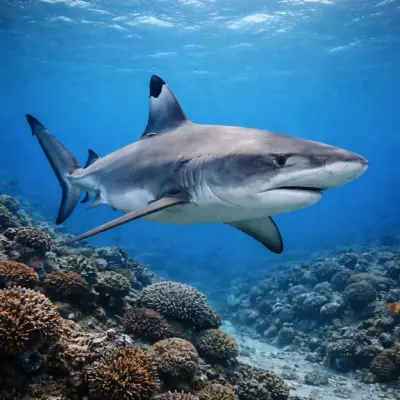
Grey reef shark
Year round · common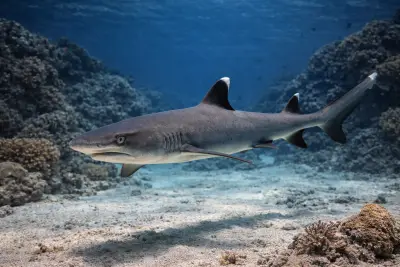
Whitetip reef shark
Year round · common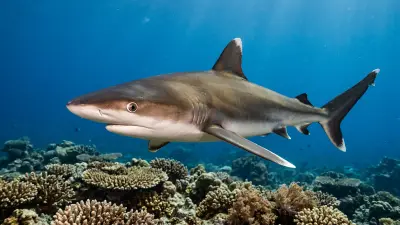
Silvertip shark
occasional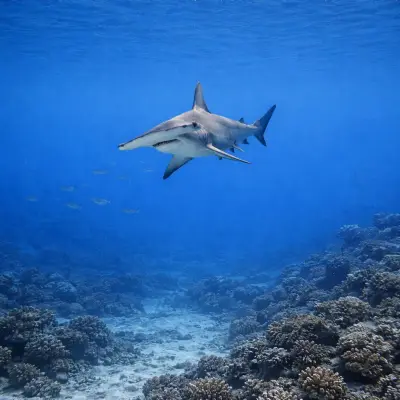
Hammerhead shark
occasional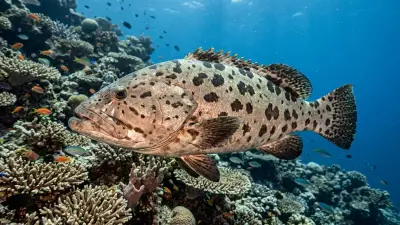
Potato cod
common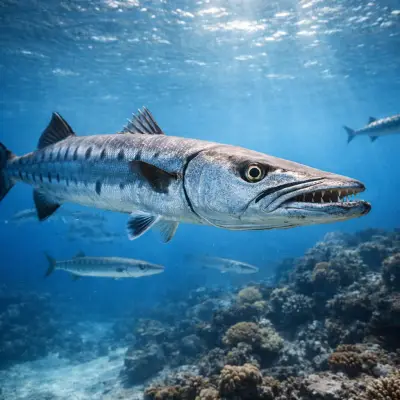
Barracuda
Year round · common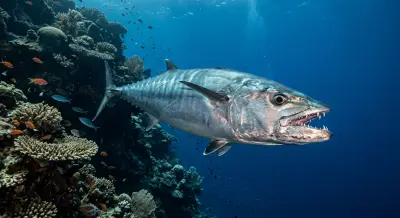
Tuna
Year round · common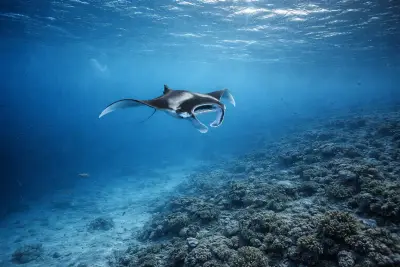
Manta ray
occasional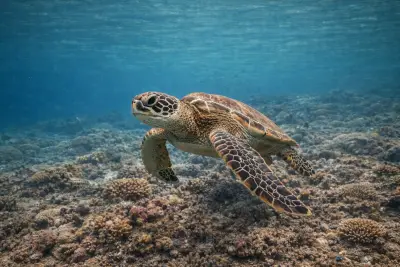
Green turtle
Year round · occasional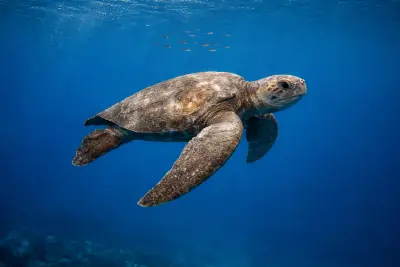
Loggerhead turtle
Year round · occasional
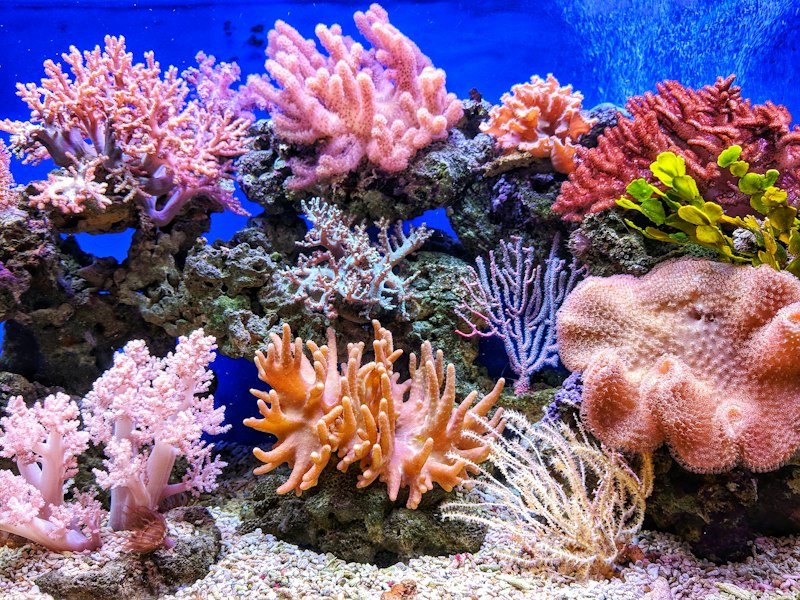
Soft corals
Year round · commonDive profile & how the dive runs
Diving at North Horn typically begins with a descent to an amphitheater-like natural bowl where the renowned shark feed takes place. Divers position themselves in this viewing area, often between 10-25 meters, to observe the congregation of grey reef and silvertip sharks. Following this exhilarating encounter, the dive progresses along the western wall, which plunges dramatically to significant depths. This part of the dive is often a drift, allowing divers to admire the vibrant soft corals and gorgonian fans that adorn the wall. The route will generally follow the reef's contour, maintaining an average depth suitable for extended bottom time while appreciating the abundant pelagic life in the blue. Towards the end of the dive, a safety stop is conducted as usual, typically in shallower, more protected areas before ascending to the liveaboard.
Underwater photography
North Horn offers incredible opportunities for wide-angle photography, especially during the shark feeds and along the expansive soft coral walls. A wide-angle lens is essential to capture the grandeur of the pelagics and the scale of the reef structures. Given the deep walls and potential for strong currents, excellent buoyancy control is crucial to avoid damaging corals and to maintain position for shots. External strobes are highly recommended to bring out the vivid colors of the soft corals, which might otherwise appear muted at depth. For shark photography, anticipation and rapid focus are key. Night dives at Osprey Reef, though not exclusively North Horn, can yield fascinating macro subjects like flashlight fish and diverse crustaceans, for which a macro lens and snoots would be beneficial.
Combine with nearby dive sites
- Bougainville Reef
Often visited on Coral Sea liveaboard itineraries, known for healthy corals and pelagics.
- Ribbon Reef No. 9
Part of the Northern Great Barrier Reef, accessible on combination trips, featuring Pixie Pinnacle.
- Cod Hole
A famous site on the Great Barrier Reef, known for its friendly potato cods, often combined with Coral Sea trips.
- Pixie Pinnacle
Located on the Ribbon Reefs, offering vibrant corals and reef fish, often part of itineraries that include Osprey Reef.
Getting there & logistics
Access to North Horn, Osprey Reef, is exclusively via multi-day liveaboard expeditions, typically departing from Cairns or Port Douglas in Queensland, Australia. The journey to this remote Coral Sea atoll can take around 24 hours, often involving an overnight steam from the mainland or a scenic flight to Lizard Island before boarding the liveaboard. Trip durations usually span 4 to 7 days, combining dives at Osprey Reef with other sites in the Ribbon Reefs or other Coral Sea locations like Bougainville Reef. It is advisable to fly into Cairns Airport (CNS) for transfers to the departure ports. As part of the Coral Sea Marine Park, visitors must adhere to strict regulations to preserve the delicate ecosystem, which may include park fees integrated into liveaboard costs. Given its remoteness, thorough preparation and booking well in advance are essential.
Safety & environment
Diving at North Horn, due to its deep walls, strong currents, and remote location, is best suited for advanced and experienced divers. Comprehensive dive insurance, including coverage for evacuation and hyperbaric treatment, is highly recommended. The nearest recompression chambers are located in Townsville and Cairns, implying a potentially lengthy evacuation process that could take several hours or more. Liveaboards operating in this region typically have robust safety protocols, emergency oxygen, and trained staff, but individual responsibility for adherence to dive plans and personal limits is paramount. Be mindful of marine life, especially during shark encounters, and follow all instructions from your dive guides to ensure a safe and respectful interaction with the environment.
Who it suits — and who it doesn't
Suited for
- Experienced divers seeking pelagic action
- Photographers with wide-angle setups
- Advanced Open Water divers and above
- Liveaboard enthusiasts
- Divers comfortable with strong currents
Less suited for
- Beginner divers
- Divers uncomfortable with deep walls
- Those prone to seasickness on long journeys
- Divers seeking easy, calm dives
- Snorkelers (due to depth and currents)
FAQ
Osprey Reef - North Horn FAQ
What makes North Horn at Osprey Reef so famous for diving?
North Horn is renowned for its thrilling shark encounters, particularly the regular shark feeds that attract numerous grey reef and silvertip sharks. Its remote location in the Coral Sea also contributes to exceptional visibility and pristine soft coral walls, making it a spectacular site for pelagic action and dramatic underwater scenery.
What types of sharks can I expect to see at North Horn?
Divers at North Horn commonly encounter grey reef sharks and whitetip reef sharks. Silvertip sharks are also frequently sighted, and on occasion, lucky divers might spot hammerhead sharks, thresher sharks, or even the rare tiger shark, especially during the organized shark feeds.
Is North Horn suitable for all levels of divers?
No, North Horn is primarily recommended for advanced and experienced divers. The site features deep walls, often strong currents, and a remote setting, which require good buoyancy control, sound dive planning, and comfort in challenging conditions. Beginners or those without extensive current experience may find it too demanding.
How do I get to North Horn at Osprey Reef?
North Horn is a remote dive site only accessible via liveaboard expeditions, typically departing from Cairns or Port Douglas. These multi-day trips sail into the Coral Sea, offering an immersive experience that often includes dives at other significant sites in the Great Barrier Reef region.
When is the best time of year to dive North Horn?
The prime diving season for North Horn and the broader Coral Sea is from May to November. During these months, the weather is generally calmer, and water visibility is at its peak, providing the best conditions for experiencing the site's spectacular marine life and underwater landscapes.
Why dive Osprey Reef - North Horn from a liveaboard?
Osprey Reef - North Horn is one of Australia's signature dive sites. A liveaboard sleeps you on the water and puts you in the water for three to four guided dives per day, including dawn and night dives that day-boat operators rarely offer. You skip the daily commute back to port and reach quieter, less-crowded sites in the same region on a single trip.
Below are the liveaboards that include Osprey Reef - North Horn on their Australia itineraries.
Liveaboards diving Osprey Reef - North Horn
These liveaboards may visit Osprey Reef - North Horn on selected itineraries — the exact dive sites depend on departure, weather and conditions.
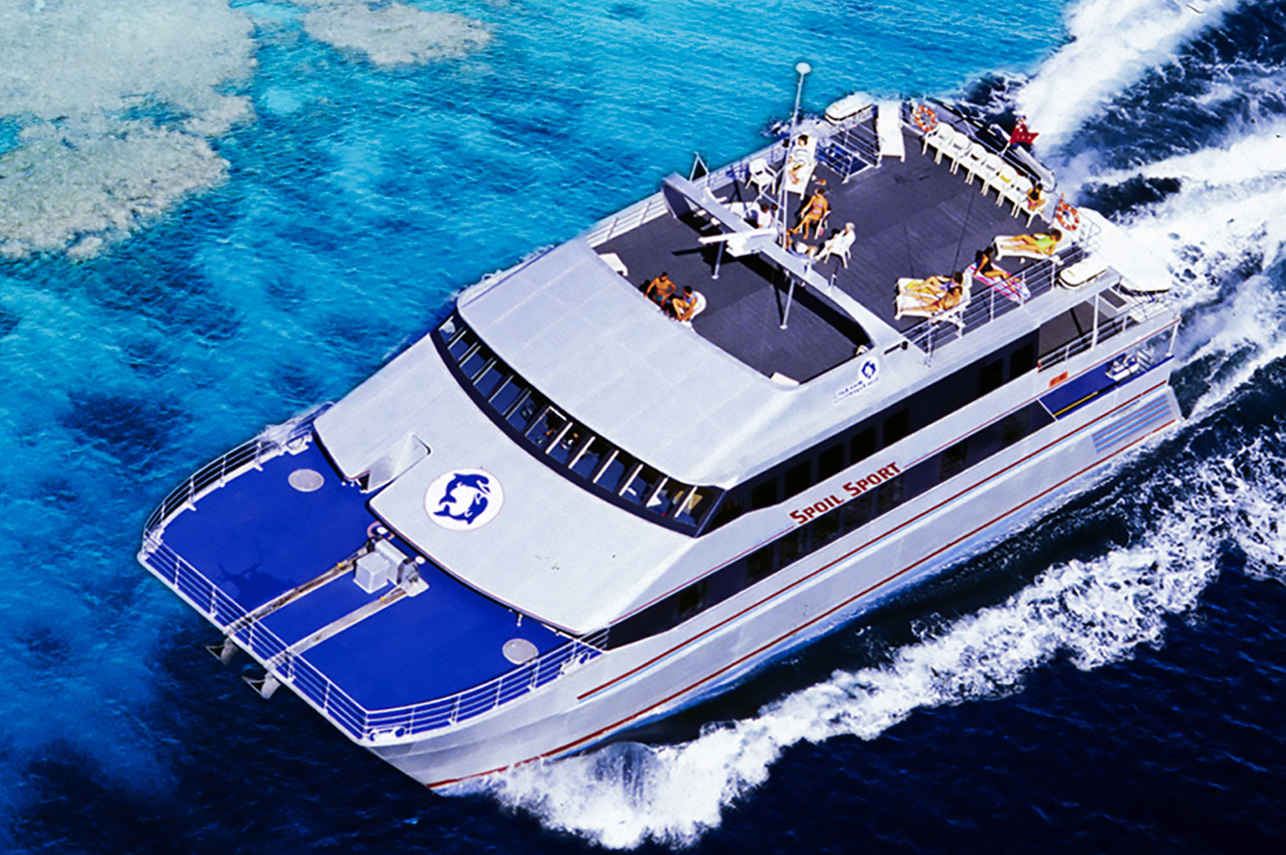
Spoilsport
Australia
28 guests30 m
$408/day
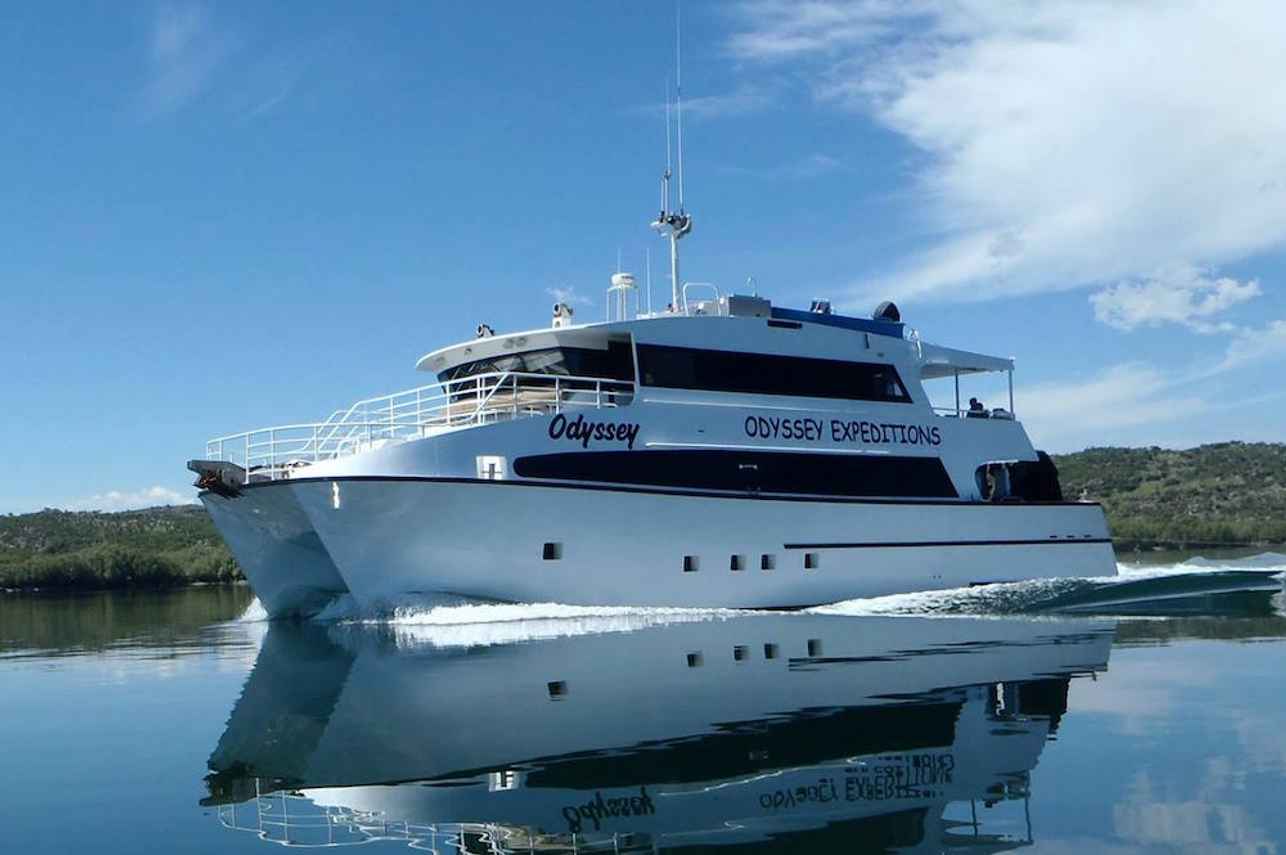
Odyssey Liveaboard
Australia
20 guests24 m
$392/day
Dive sites similar to Osprey Reef - North Horn
Same character, same waters — six more sites divers love for the exact same reasons.Compare seasons, access and liveaboard routes — then pick the site that fits your trip best.
© Esri — Maxar, Earthstar, GIS
Agincourt Reef
Australia
Agincourt Reef sits on the outer edge of the Great Barrier Reef, roughly 60–72 km off Port Douglas in Far North Queensland, at the southern end of the true ribbon reefs that run…
- Suitable for
- Beginner
- Current
- Moderate
- Access
- Dayboat
- Depth
- 2–20 m
- Theme
- Reef / Wall
© Esri — Maxar, Earthstar, GIS
Raine Island
Australia
Raine Island is a pivotal dive site located in the Far Northern Great Barrier Reef, approximately 85 kilometers east-north-east of Cape Grenville and just over 4 nautical miles south of the island itself.
- Suitable for
- Advanced
- Current
- Strong
- Access
- Liveaboard only
- Depth
- 5–40 m
- Theme
- Reef / Wall
© Esri — Maxar, Earthstar, GIS
Neptune Islands
Australia
The Neptune Islands, nestled at the mouth of South Australia's Spencer Gulf, offer an unparalleled opportunity to encounter great white sharks.
- Suitable for
- Advanced
- Current
- Strong
- Access
- Liveaboard or dayboat
- Depth
- 5–15 m
- Theme
- Drift
© Esri — Maxar, Earthstar, GIS
Boarfish Reef
Australia
Boarfish Reef is a renowned boat-access reef located in Victoria, Australia, specifically near Queenscliff on the Bellarine Peninsula.
- Suitable for
- Intermediate
- Current
- Strong
- Access
- Dayboat
- Depth
- 1–25 m
- Theme
- Reef / Drift
© Esri — Maxar, Earthstar, GIS
Jeff’s Edge
Australia
Jeff's Edge is a renowned dive site situated on the outer reef of Lady Musgrave Island, an exquisite part of the Southern Great Barrier Reef in Queensland, Australia.
- Suitable for
- Advanced
- Current
- Strong
- Access
- Dayboat
- Depth
- 6–22 m
- Theme
- Wall / Drift
© Esri — Maxar, Earthstar, GIS
Sutherland Point
Australia
Sutherland Point offers an accessible shore diving experience along the dramatic coastline of Kurnell in Botany Bay, Sydney, New South Wales.
- Suitable for
- Beginner
- Current
- Mild
- Access
- Shore / dayboat
- Depth
- ≤ 12 m
- Theme
- Reef / Wall