About Manta Alley
Manta Alley is an iconic dive site located at the far south end of Komodo Island, recognized for its dramatic landscape both above and below the surface. This unique channel, carved through rocky islands, serves as a natural gathering point for manta rays. Divers can often find mantas frequenting cleaning stations situated on either side of the 'alley' or observe them gracefully navigating the channel itself. The area is also characterized by towering cliffs that create a stunning backdrop to the dive experience. The topography below the surface features impressive rock formations and varying depths. While conditions can sometimes be dark and murky deeper down, the mantas often circle cleaning stations at around 22 meters. Divers who maintain calm and low profiles are often rewarded with prolonged encounters, as the mantas accustomed to their presence may come quite close, sometimes circling behind divers. The diversity of marine life includes not only numerous manta rays—including black mantas—but also vibrant coral ecosystems and other species that thrive in the current-rich environment. Encounters can range from multiple mantas stacked pyramid-style, feeding in the current, to solitary individuals cruising in sunlit shallows, offering truly spectacular photo opportunities. Manta Alley is renowned for its strong currents, making it an intermediate to advanced dive largely explored via liveaboard. Entry is often directly into these currents, but skilled dive planning allows divers to position themselves in calmer areas on either side of the alley when needed. The exceptional manta ray sightings and the challenging conditions contribute to an exhilarating dive experience for those looking for memorable encounters with these majestic creatures.
Highlights
Reef manta raysMultiple mantas at cleaning stationsPlankton-rich feeding areasShallow reef with corals
Season calendar
Best months to dive here
Jan
Feb
Mar
Apr
May
Jun
Jul
Aug
Sep
Oct
Nov
Dec
Good
Dive site facts: Manta Alley
- Depth
- 5–30 m
- Typical dive
- 10–25 m, 45–60 min
- Current
- Strong, unpredictable, erratic
- Visibility
- 10–20 m
- Water temperature
- 20–28°C
- Entry
- Tender / Negative entry
- Level
- Advanced Open Water, drift experience recommended
- Dive type
- Drift, pelagic, cleaning station
- Night dive
- Not typical
- Region / port
- Komodo National Park, Indonesia
- Coordinates
- -8.6712, 119.5034
Conditions & Currents
Manta Alley is known for its strong currents, particularly as it's a channel where mantas feed on plankton pushed through. While there can be areas out of the direct current, especially on either side of the alley, divers should be prepared for drift conditions.
Marine life & sighting chances
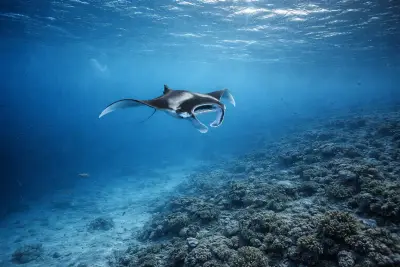
Reef Manta Ray
Year-round, peaks Nov-Jan · common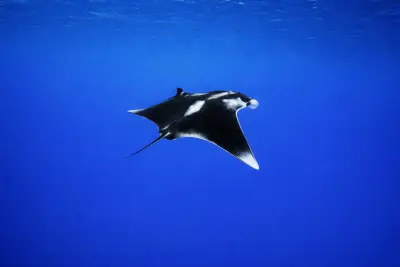
Oceanic Manta Ray
April to November · occasional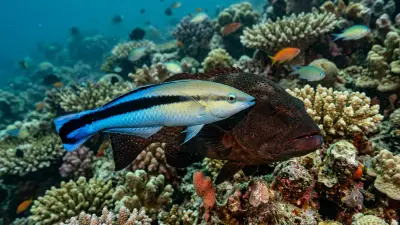
Cleaner Wrasse
Year-round · common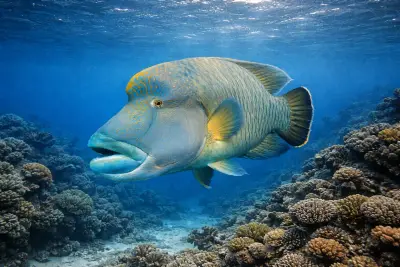
Napoleon Wrasse
occasional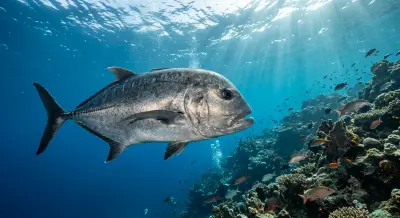
Giant Trevally
occasional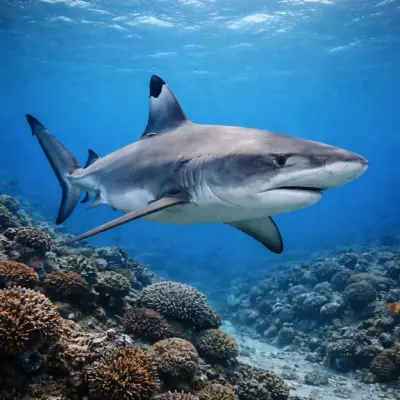
Reef Shark
occasional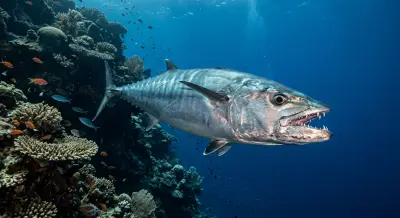
Tuna
occasional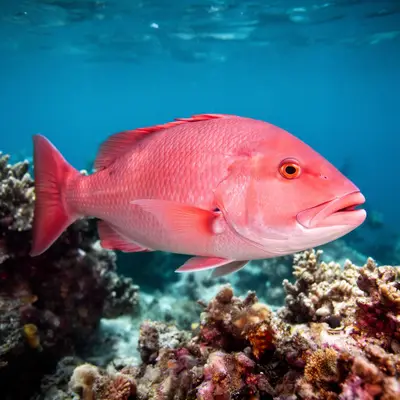
Snapper
occasional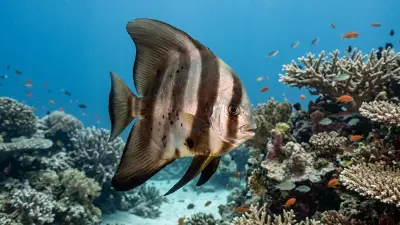
Batfish
occasional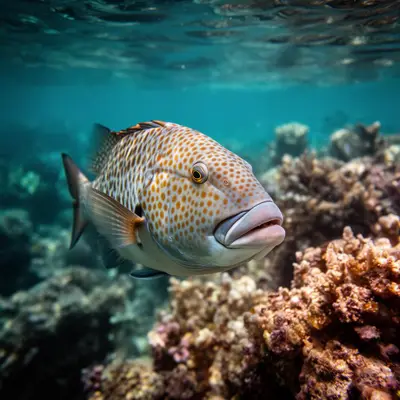
Sweetlips
occasional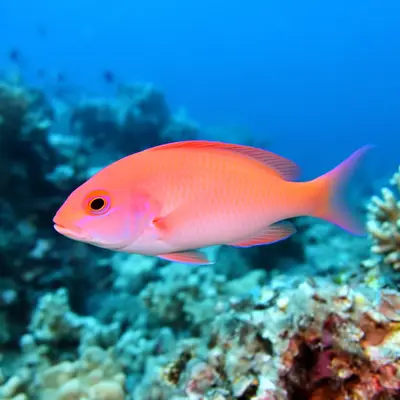
Anthias
common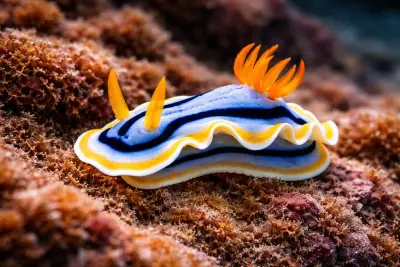
Nudibranch
Wet season · occasional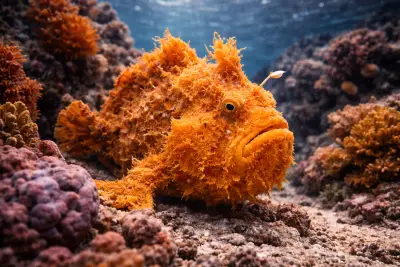
Frogfish
Wet season · rareDive profile & how the dive runs
Entry at Manta Alley typically involves a tender drop, often with a negative entry to rapidly descend and get below the strong surface currents. The dive plan is highly dependent on current direction and strength, which can be erratic. Divers often follow the current along coral slopes and ledges, aiming for the cleaning stations located between 7 and 12 meters, or deeper around 12 to 20 meters. It's common to find a sheltered spot or use a reef hook to observe mantas circling overhead or visiting cleaner fish. The dive can involve drifting past enormous boulders and sharp drop-offs, with currents varying at different depths. Turn points are flexible, determined by gas consumption and current shifts. Safety stops are often conducted in mid-water, maintaining awareness of any lingering currents, before surfacing for boat pick-up.
Underwater photography
Manta Alley presents excellent wide-angle opportunities, particularly for capturing large manta aggregations against the blue or over cleaning stations. A wide-angle lens (e.g., 12-24mm) is ideal for these subjects. Given the strong currents and potential for lower visibility, good lighting with powerful strobes or video lights is beneficial, especially for illuminating mantas during overcast conditions. Buoyancy control is paramount to avoid disturbing the mantas and the fragile coral environment, especially when currents are strong. Maintaining a respectful distance and avoiding direct approaches to mantas ensures natural behavior and better photographic outcomes.
Combine with nearby dive sites
- Karang Makassar
Also known as Manta Point, a cleaning station for reef mantas year-round.
- Tatawa Kecil
A diverse reef site with rich marine life and dynamic currents.
- The Cauldron
A high-current drift dive known for schooling fish and pelagics.
- Batu Bolong
A vibrant pinnacle teeming with anthias, reef sharks, and turtles.
- Manta Alley South
Another section of the Manta Alley channel, sharing similar characteristics.
Getting there & logistics
Access to Manta Alley is typically via liveaboard trips departing from Labuan Bajo, Flores, which is serviced by Komodo Airport (LBJ). Most liveaboard itineraries in Komodo National Park range from 3 to 10 days, offering comprehensive coverage of both northern and southern dive sites. Park fees and diving permits for Komodo National Park are usually included in the liveaboard package. Manta Alley is often combined with other southern Komodo sites like Cannibal Rock, offering a cooler, macro-rich contrast to the northern, high-current sites.
Safety & environment
The nearest recompression chamber is in Denpasar, Bali, necessitating a significant evacuation journey from Komodo. Dive insurance covering emergency evacuation and hyperbaric treatment is therefore essential for all divers. Manta Alley's primary hazards are its strong, unpredictable, and sometimes erratic currents, which demand advanced diving skills, excellent buoyancy control, and prior experience with drift diving. Divers must always carry and know how to deploy an SMB (Surface Marker Buoy) in case of surface separation from the boat. Always follow your dive guide's instructions closely, maintain awareness of your surroundings, and respect the marine life by keeping a safe distance from mantas and corals.
Who it suits — and who it doesn't
Suited for
- Experienced divers seeking pelagic encounters
- Divers comfortable with strong currents
- Advanced Open Water certified divers
- Underwater photographers targeting large marine life
- Those who enjoy adrenaline-fueled drift dives
Less suited for
- Beginner Open Water divers
- Divers with limited current experience
- Those prone to seasickness
- Divers uncomfortable with cooler water temperatures
- Individuals seeking calm, low-current dives
FAQ
Manta Alley FAQ
What kind of mantas can be seen at Manta Alley?
At Manta Alley, you can primarily encounter Reef Manta Rays (Mobula alfredi), which are smaller and more resident to cleaning stations. Oceanic Manta Rays (Mobula birostris), which are larger, also appear seasonally, especially when nutrient-rich currents bring in abundant plankton for feeding.
Are the currents always strong at Manta Alley?
Yes, Manta Alley is known for its strong and often unpredictable currents. These currents can change direction and intensity unexpectedly with depth, making it a challenging but exhilarating dive. Divers should be prepared for dynamic conditions and potential erratic flows.
What is the best time of year to see mantas at Manta Alley?
The peak season for manta sightings at Manta Alley is typically from November to January. While mantas can be seen year-round, these months, coinciding with Komodo's rainy season, bring increased plankton and cooler waters, attracting larger aggregations.
Is Manta Alley suitable for beginner divers?
Manta Alley is generally not recommended for beginner divers. The strong, often erratic currents and the need for excellent buoyancy control make it more suitable for Advanced Open Water divers with prior experience in drift diving and challenging conditions.
What is the water temperature like at Manta Alley?
Water temperatures at Manta Alley can vary significantly, often being cooler than in northern Komodo due to upwellings. Temperatures can range from 20°C to 28°C, with some reports of dips as low as 20-23°C. A 5mm wetsuit is often recommended, even during warmer months.
Do I need special equipment to dive Manta Alley?
Given the strong currents, carrying an SMB (Surface Marker Buoy) is essential for safety. Many divers also find a reef hook useful for securing themselves to a stable spot to observe mantas without expending excessive energy fighting the current. Good quality fins suitable for current are also highly recommended.
Why dive Manta Alley from a liveaboard?
Manta Alley is one of Indonesia's signature dive sites. A liveaboard sleeps you on the water and puts you in the water for three to four guided dives per day, including dawn and night dives that day-boat operators rarely offer. You skip the daily commute back to port and reach quieter, less-crowded sites in the same region on a single trip.
Below are the liveaboards that include Manta Alley on their Indonesia itineraries.
Liveaboards diving Manta Alley
These liveaboards may visit Manta Alley on selected itineraries — the exact dive sites depend on departure, weather and conditions.
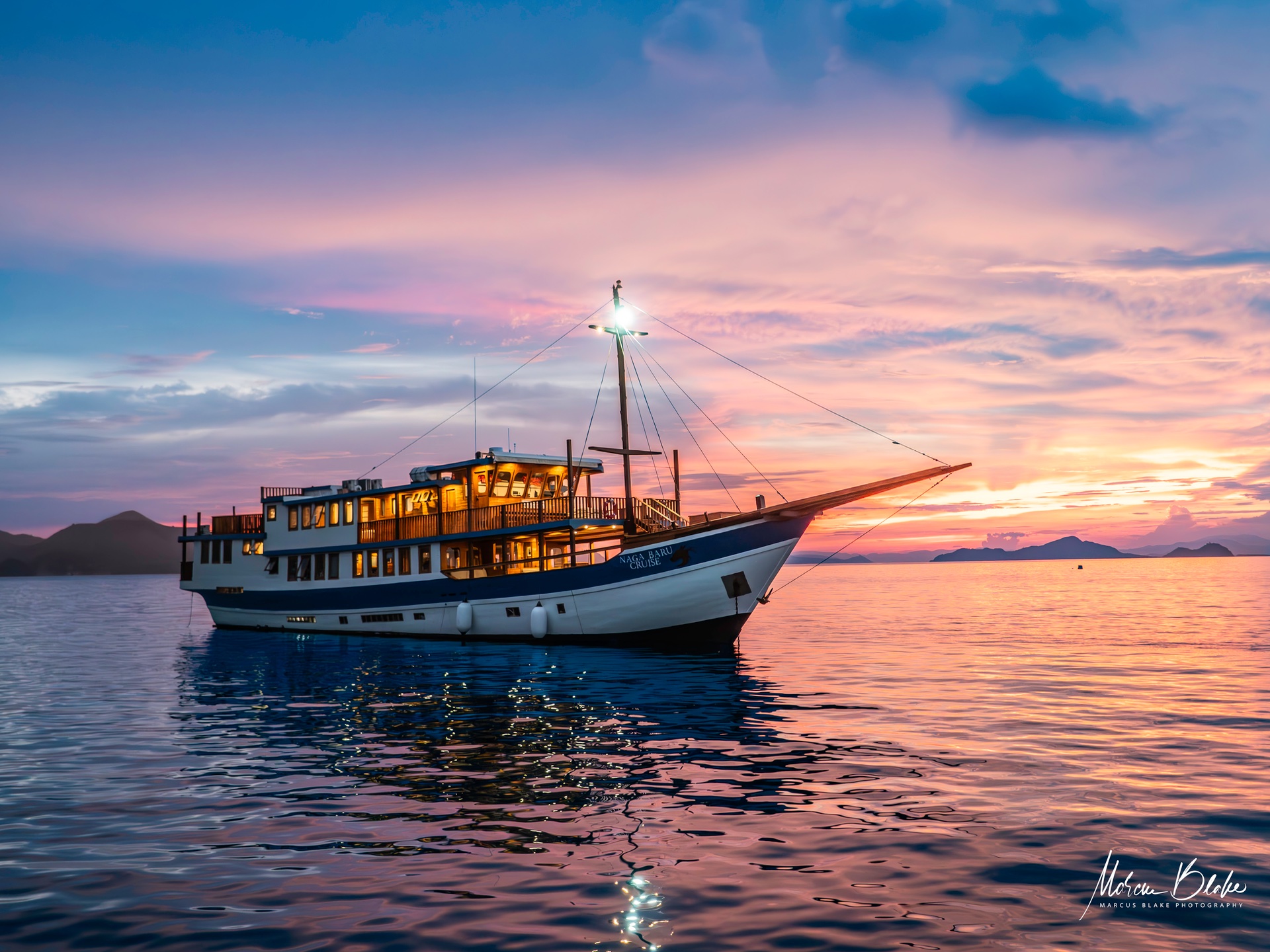
Naga Biru
Indonesia
12 guests40 m
$274/day
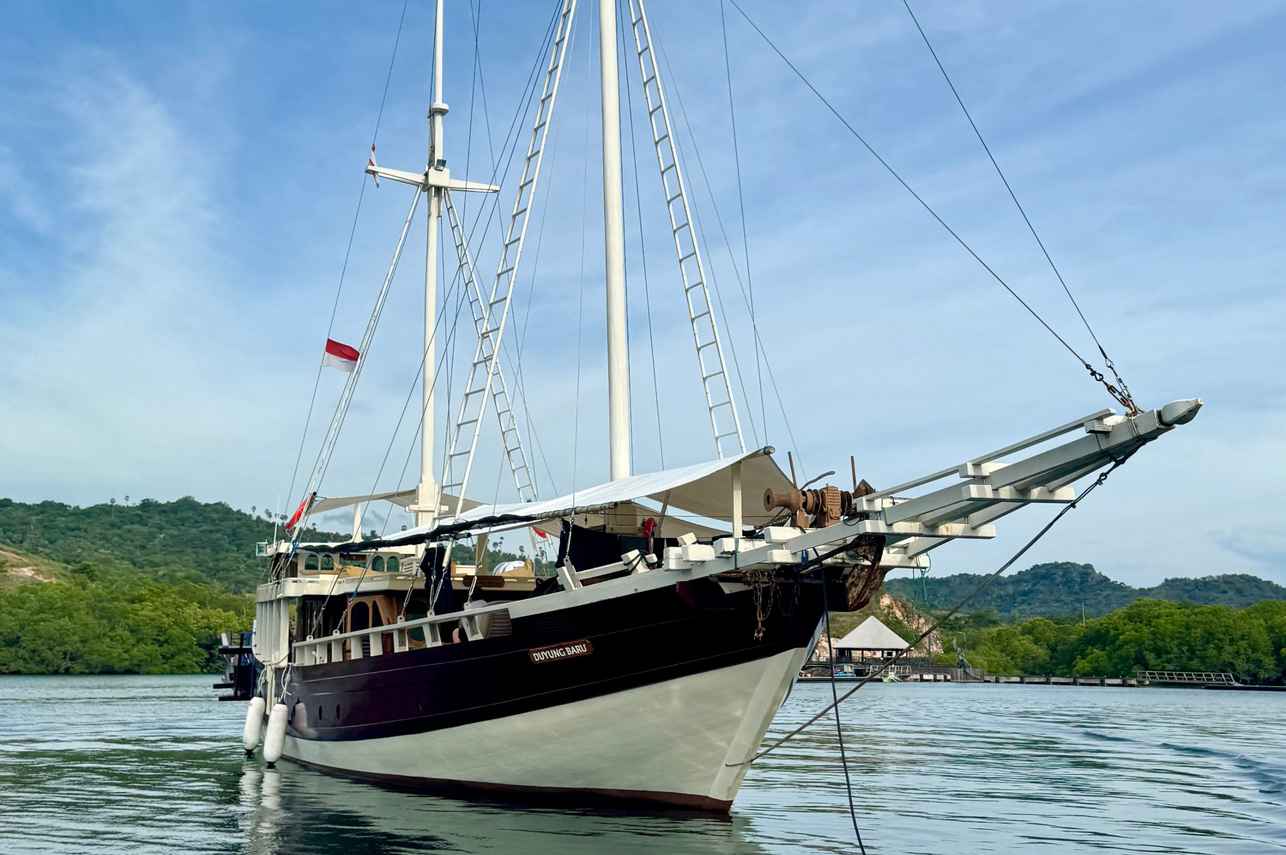
Ecopro Duyung Baru
Indonesia
6 guests27 m
$361/day
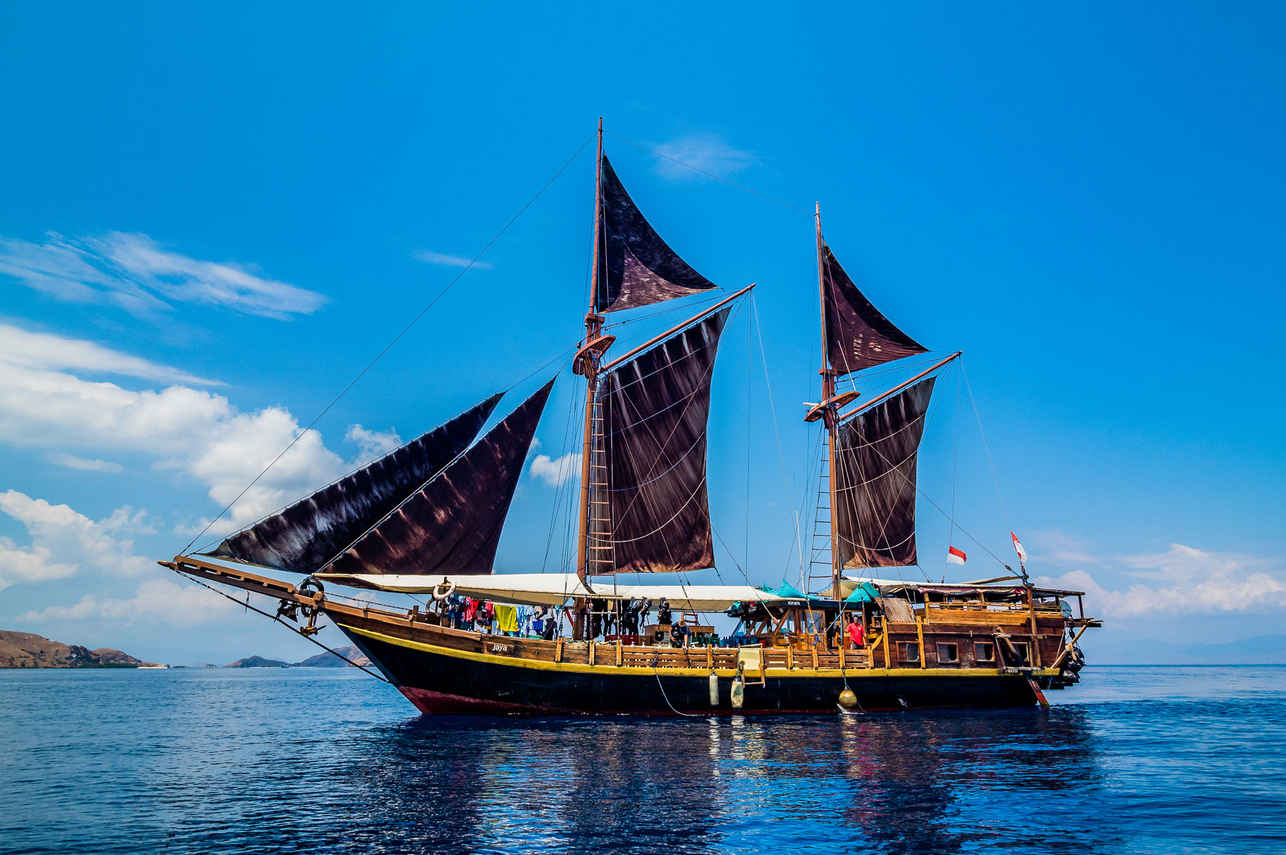
Jaya
Indonesia
14 guests23 m
$280/day
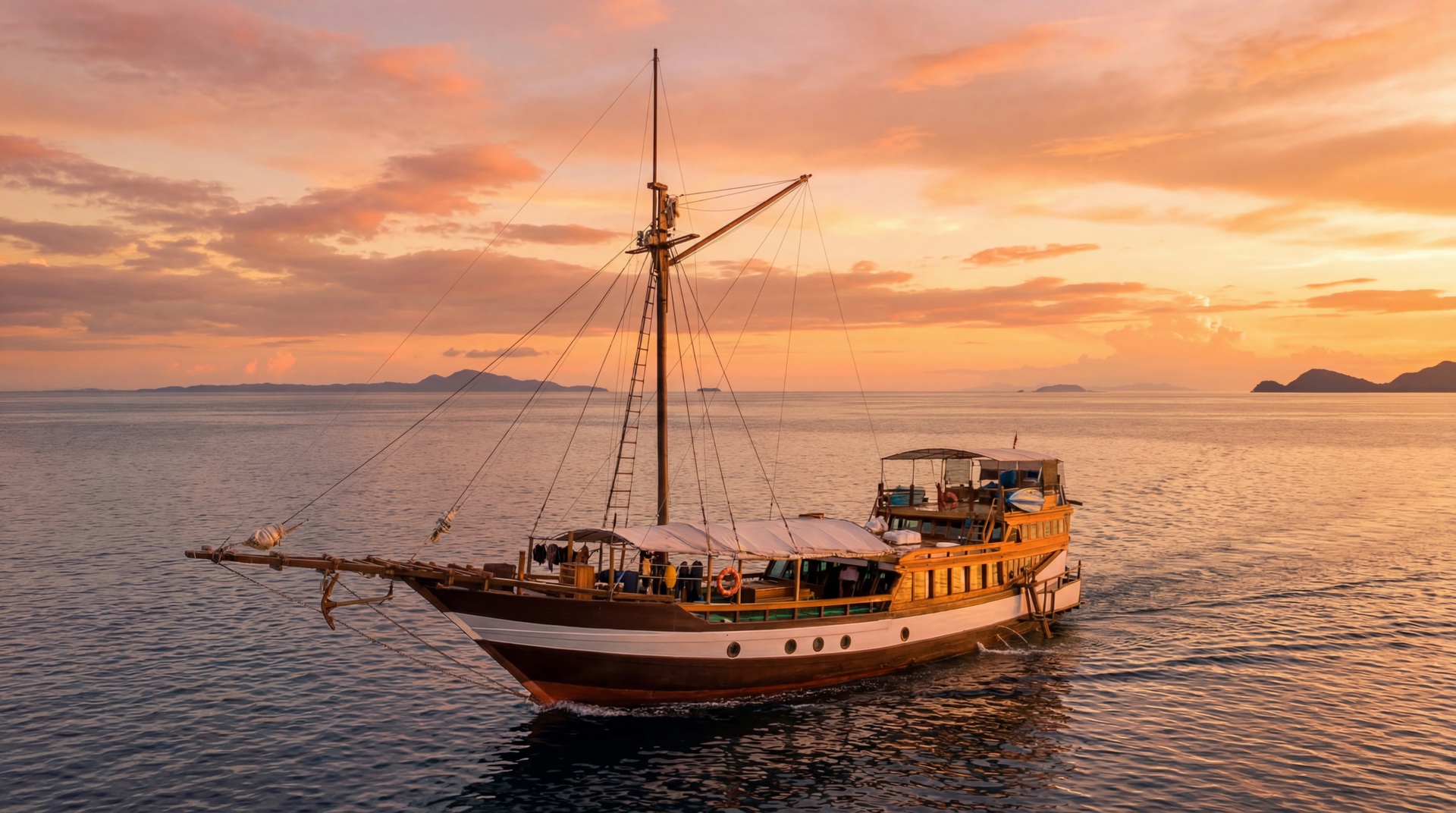
Wellenreng
Indonesia
9 guests25 m
$427/day
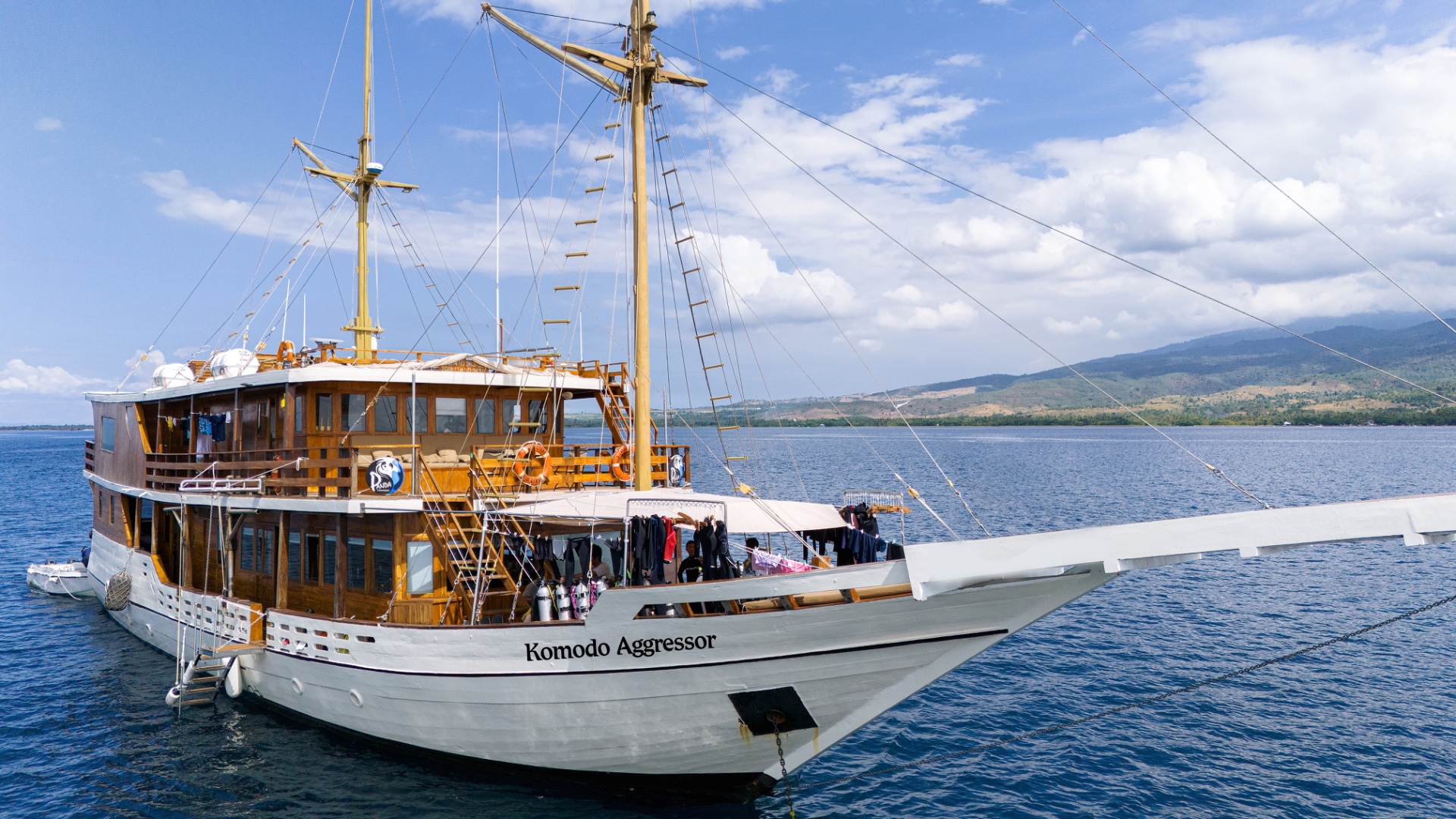
Komodo Aggressor
Komodo, Indonesia
16 guests29 m
$312/day
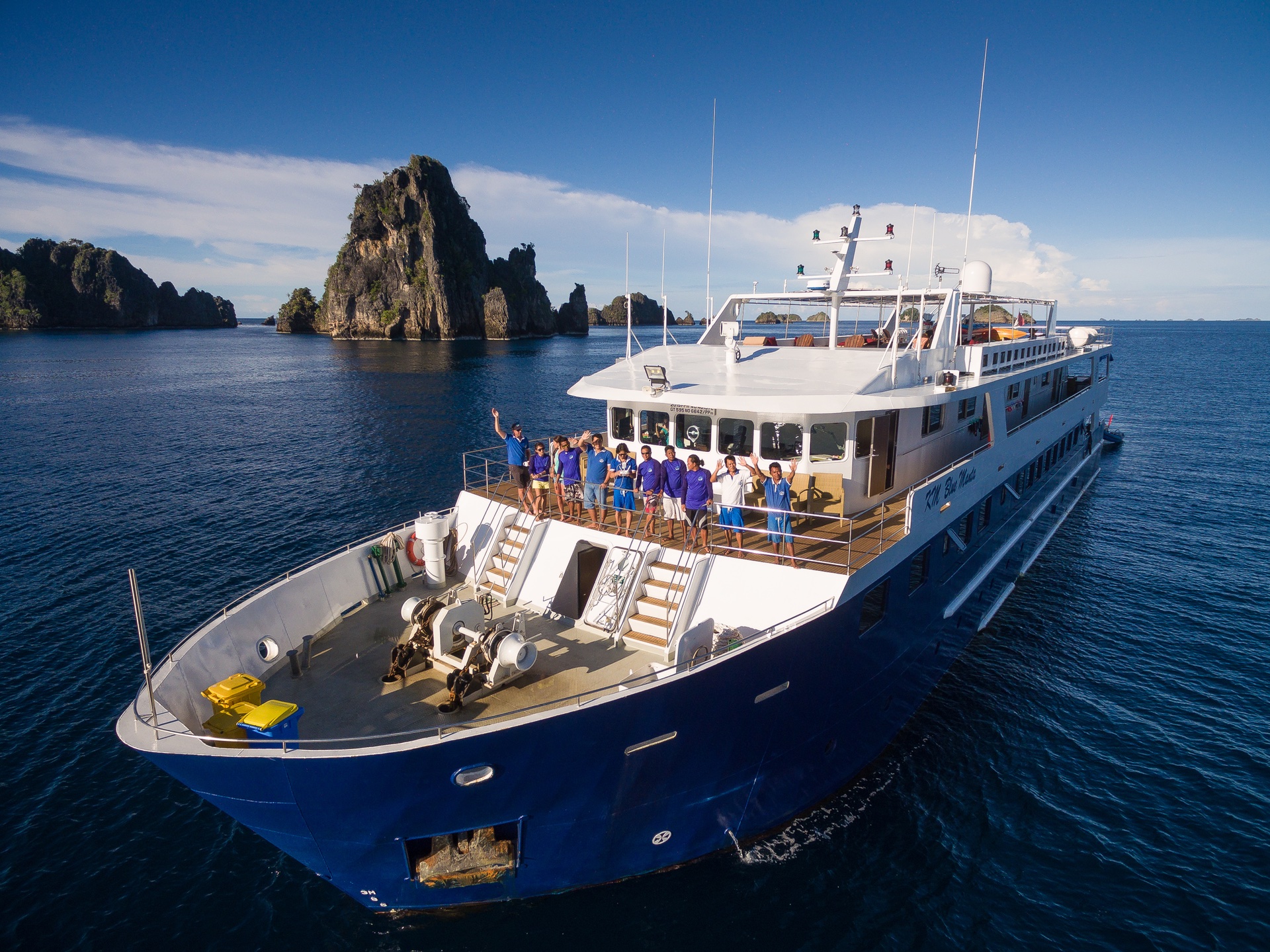
Blue Manta
Indonesia
20 guests45 m
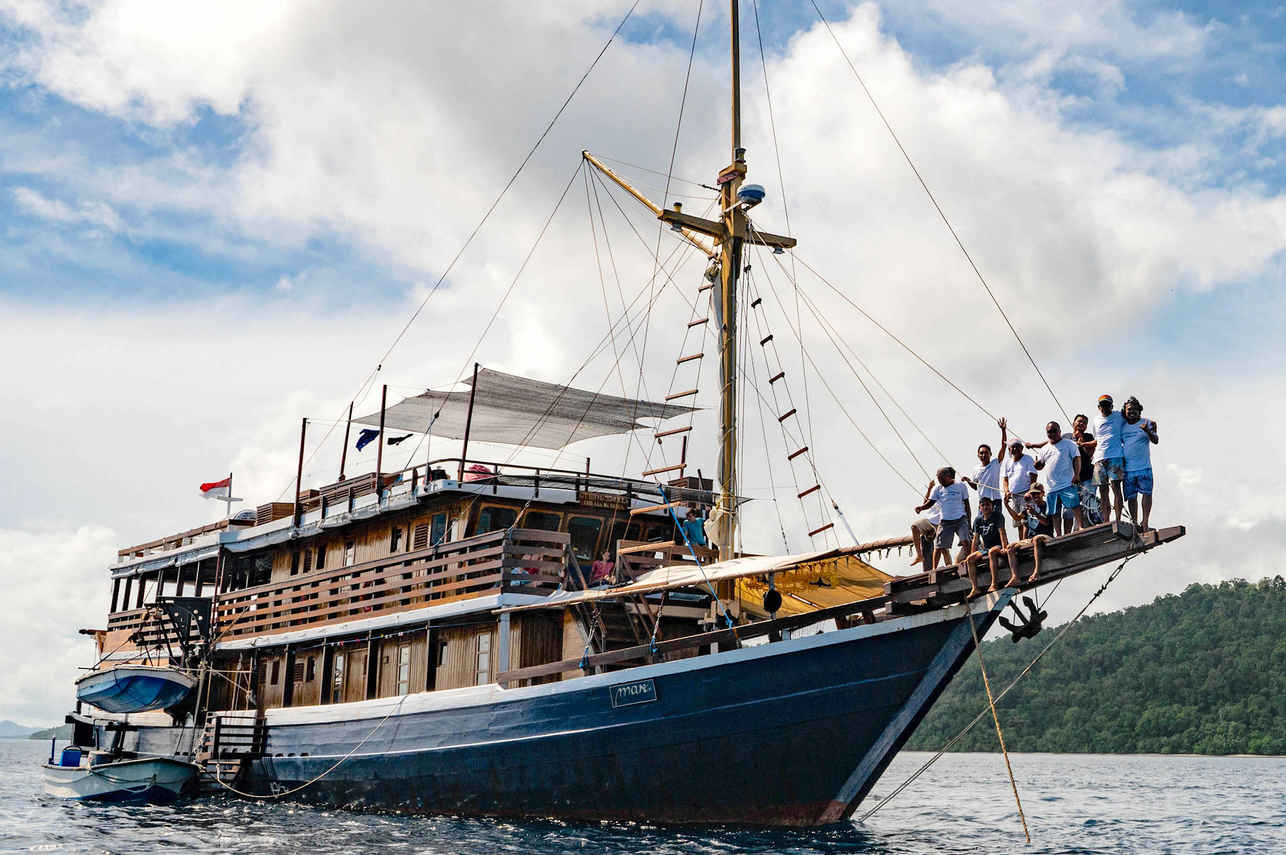
Mari
Indonesia
14 guests32.2 m
$328/day
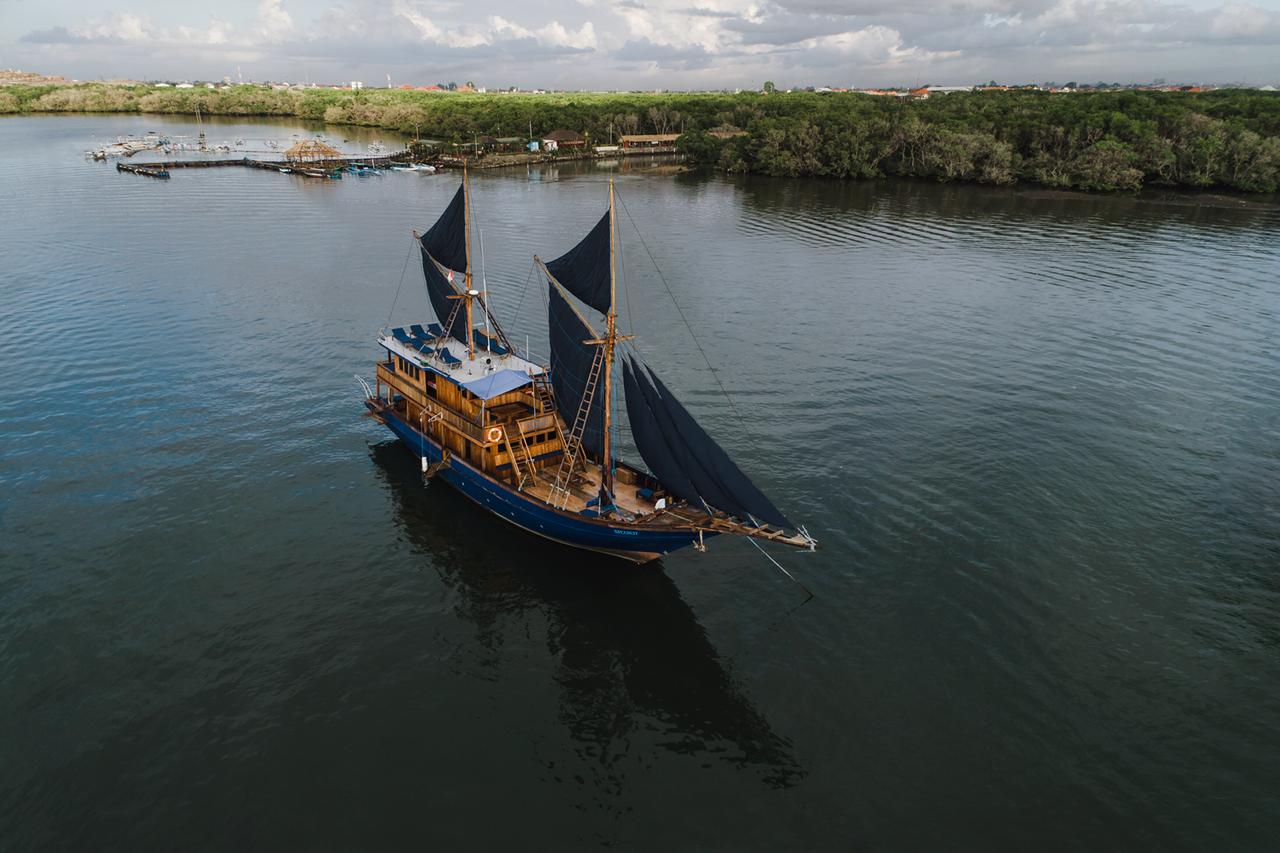
Situju7
Komodo, Indonesia
10 guests32.7 m
$362/day
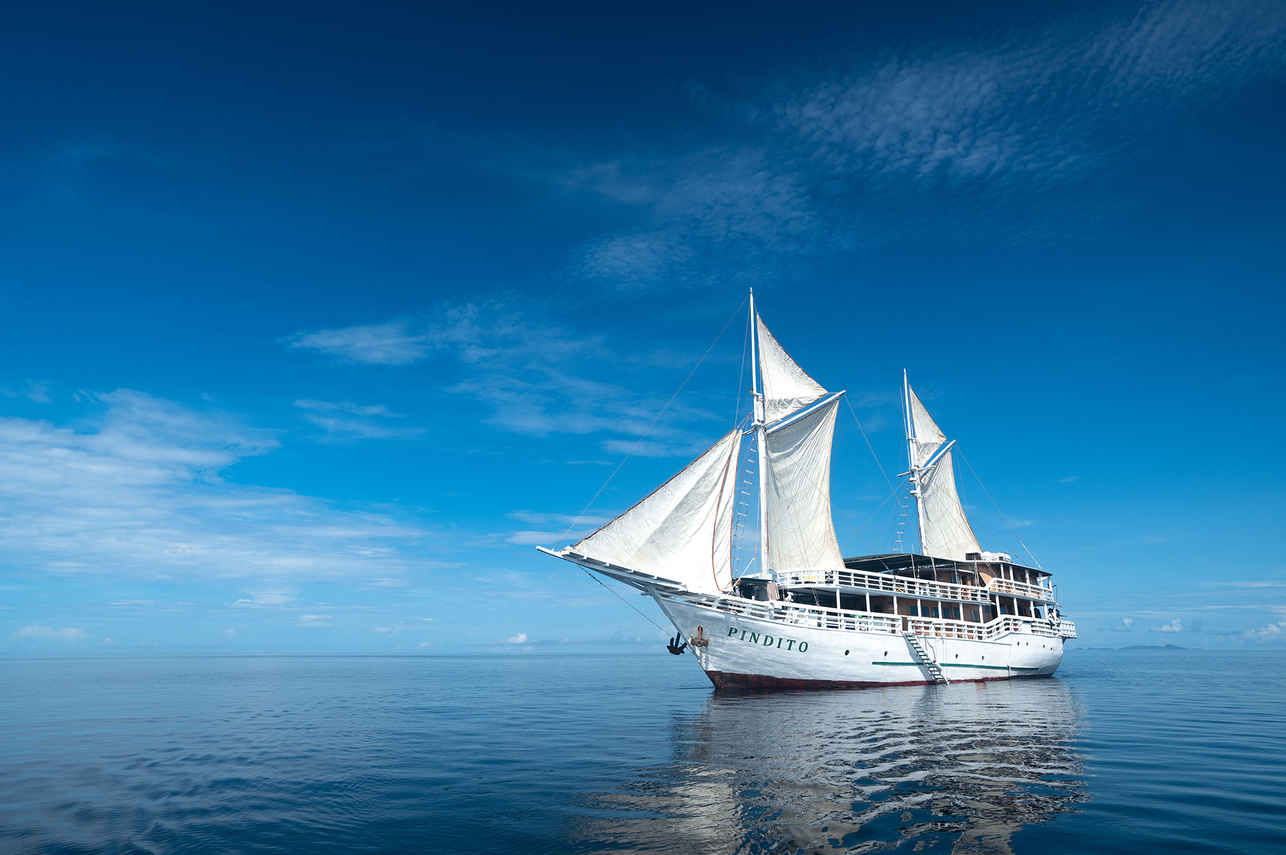
Pindito
Indonesia
16 guests37.79 m
$533/day
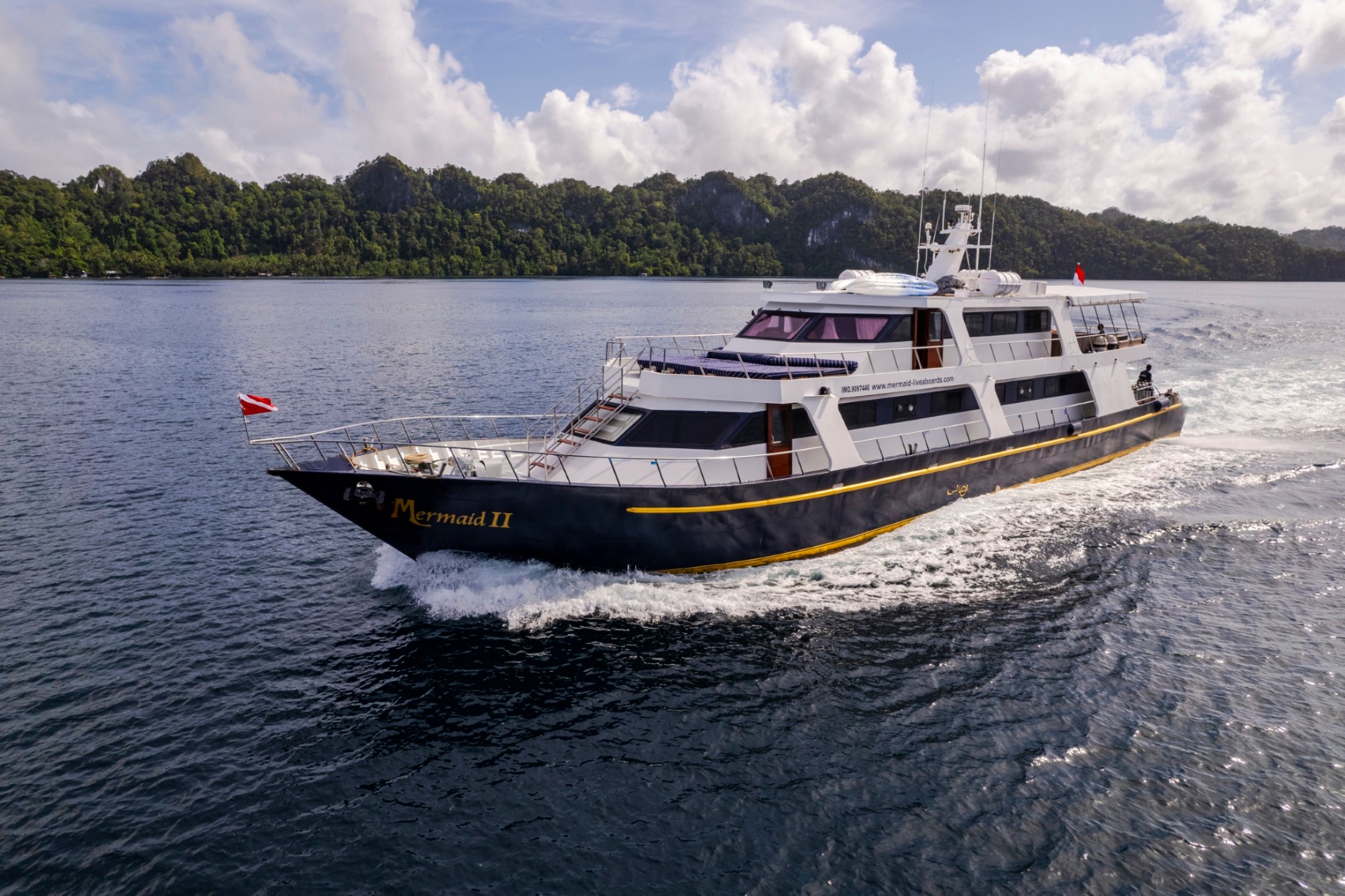
Mermaid II
Komodo, Indonesia
18 guests
$355/day
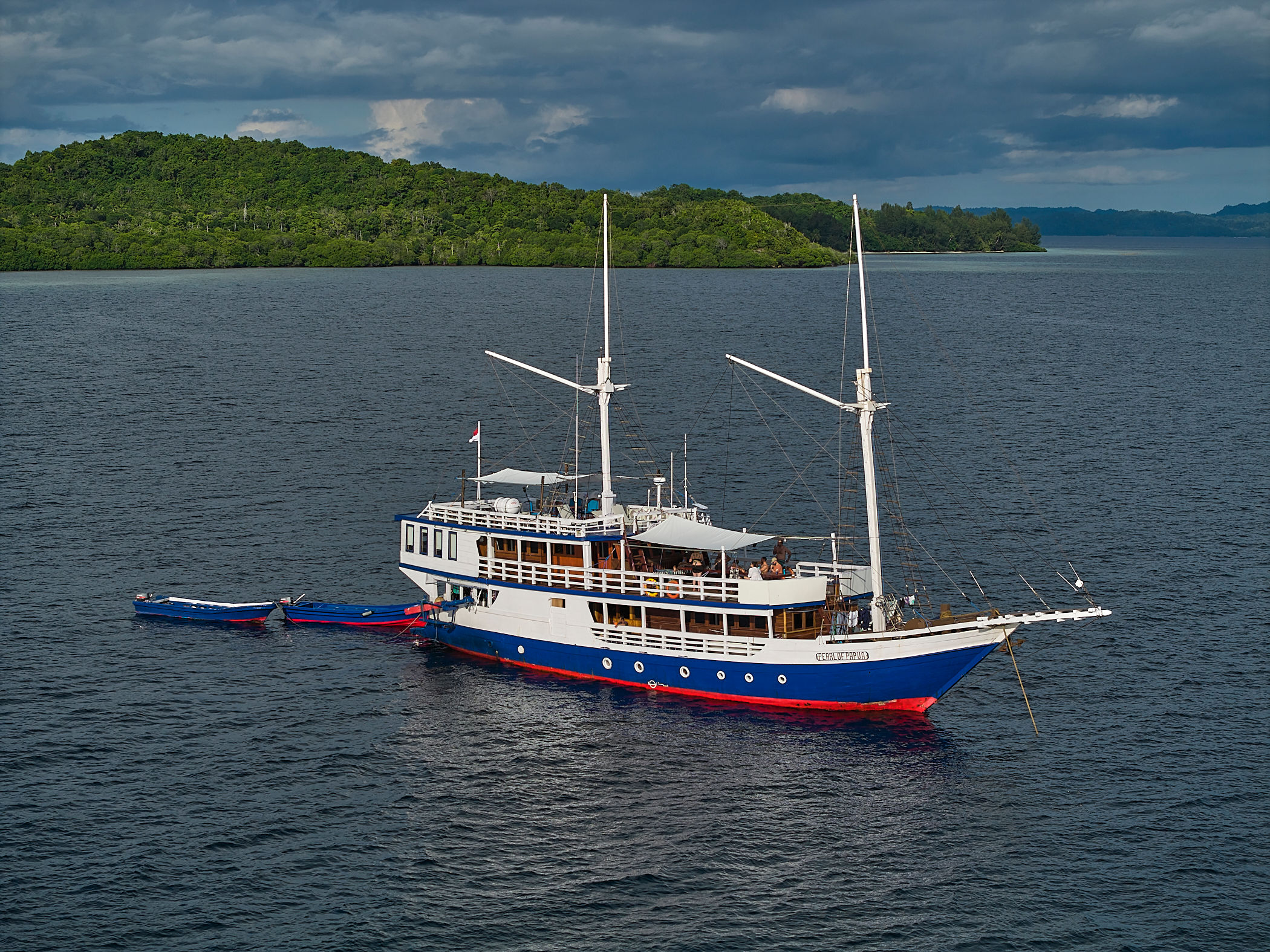
Pearl of Papua
Raja Ampat, Indonesia
14 guests30 m
$303/day
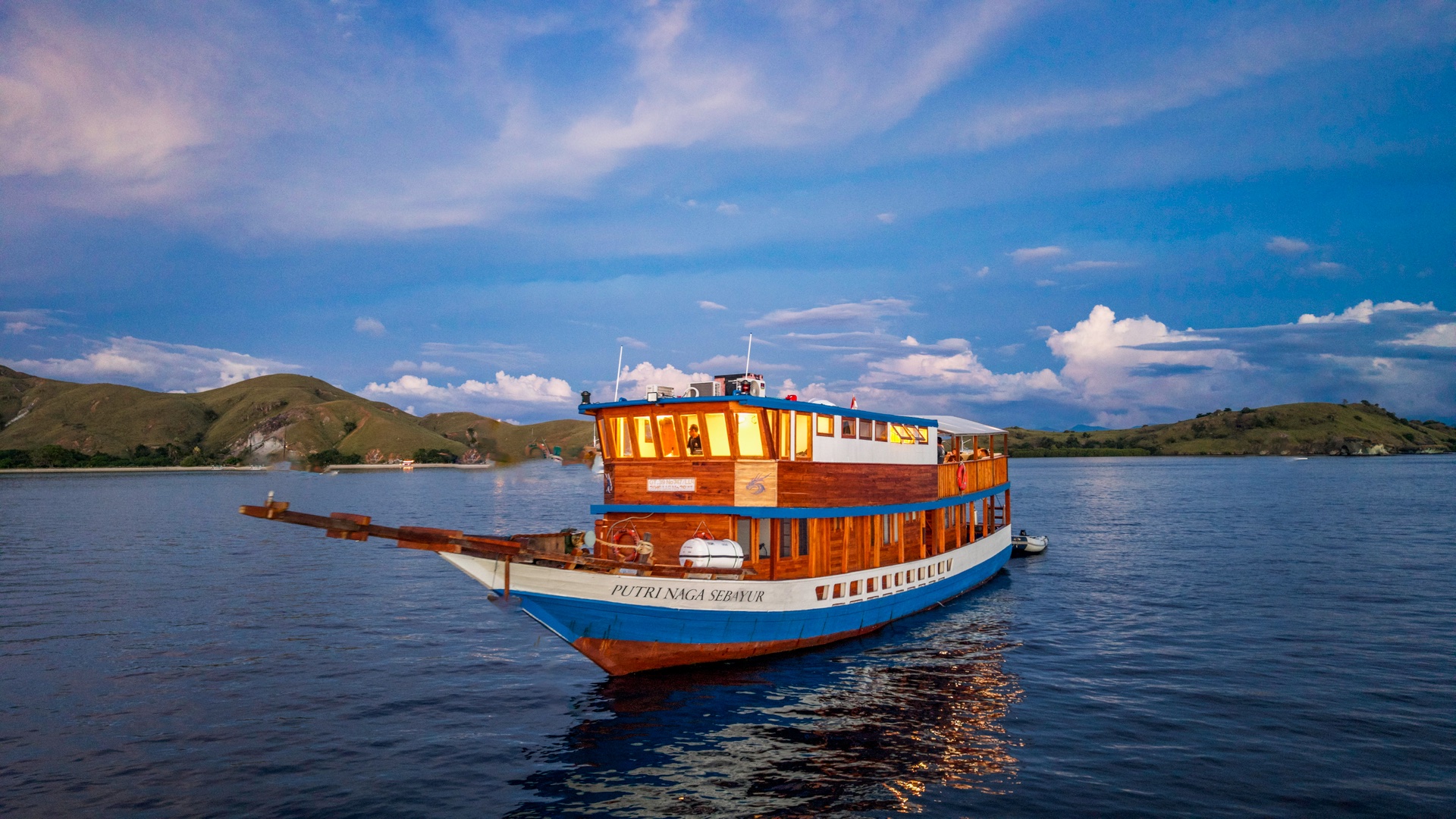
Putri Naga
Komodo, Indonesia
6 guests25 m
Dive sites similar to Manta Alley
Same character, same waters — six more sites divers love for the exact same reasons.Compare seasons, access and liveaboard routes — then pick the site that fits your trip best.
© Esri — Maxar, Earthstar, GIS
Shark Close
Indonesia
Shark Close is an exhilarating dive site in the Indonesian portion of Borneo, renowned for its strong currents and abundant marine life.
- Suitable for
- Advanced
- Current
- Strong
- Access
- Liveaboard or dayboat
- Depth
- 5–25 m
- Theme
- Channel / Drift
© Esri — Maxar, Earthstar, GIS
Raymond’s Point
Indonesia
Raymond's Point is a distinguished dive site located south of Mike's Point within the Bunaken National Marine Park, renowned for its dramatic vertical wall.
- Suitable for
- Advanced
- Current
- Strong
- Access
- Dayboat
- Depth
- 5–35 m
- Theme
- Reef / Wall
© Esri — Maxar, Earthstar, GIS
Manado Tua
Indonesia
Manado Tua, or 'Old Manado,' is one of five islands that form the Bunaken Marine Park, a celebrated marine protected area in North Sulawesi, Indonesia.
- Suitable for
- Intermediate
- Current
- Moderate
- Access
- Dayboat
- Depth
- 5–80 m
- Theme
- Wall / Drift
© Esri — Maxar, Earthstar, GIS
Kakaban Jellyfish Lake
Indonesia
Kakaban Jellyfish Lake is a unique marine lake located on Kakaban Island, part of the Derawan Archipelago in East Kalimantan, Indonesia.
- Suitable for
- Advanced
- Current
- Strong
- Access
- Dayboat
- Depth
- 5–30 m
- Theme
- Wall / Drift
© Esri — Maxar, Earthstar, GIS
Melissa Garden
Indonesia
Melissa Garden stands out as one of Raja Ampat's most spectacular dive sites, celebrated for its expansive and pristine coral gardens.
- Suitable for
- Intermediate
- Current
- Moderate
- Access
- Liveaboard only
- Depth
- 5–25 m
- Theme
- Reef / Drift
© Esri — Maxar, Earthstar, GIS
Turtle Traffic
Indonesia
Turtle Traffic is a prominent reef dive site located off Maratua Island in Indonesia, celebrated for its high density of sea turtles.
- Suitable for
- Intermediate
- Current
- Moderate
- Access
- Dayboat
- Depth
- 5–18 m
- Theme
- Reef / Drift