
Maldives Liveaboard Diving
Divers Alert Network (DAN) logoFree dive insuranceincluded with every booking

Liveaboards in the Maldives

from $177 / day

6 of 39 · Maldives liveaboard routes, seasons & prices

Adora

Premium diving and leisure on Adora with inclusive nitrox, ocean-view suites with personal terraces, and exotic sandbank discoveries.

  • Free Internet Connectivity
  • Upper-Level Observation Decks
  • Roomy Interior Common Areas

4.8(30 reviews)

22 guestsfrom $297/day
Ariyal

Explore the Maldives' underwater wonders in comfort and style.

  • En-Suite bathrooms
  • Aircon Cabins
  • Warm Water Showers

4.8(112 reviews)

26 guestsfrom $229/day
Carpe Vita

Dive the Maldives in luxury aboard the elegant Carpe Vita.

  • En-Suite bathrooms
  • Aircon Cabins
  • Warm Water Showers

4.8(100 reviews)

20 guestsfrom $260/day
DUNE Black Manta

The 2024-built Dune Black Manta offers Maldivian dive expeditions with adaptable boarding schedules for 28 guests.

  • Web Access
  • Outdoor Eating Space
  • Massage Area on the Sun Deck

4.8(2046 reviews)

28 guestsfrom $286/day
DUNE Theia

Refined Maldives voyages featuring elite hospitality, high-level exploration, and modernized equipment rentals.

  • Leisure Sun Deck
  • Alfresco Eating Area
  • Lounge with Panoramic Scenery

4.8(9 reviews)

20 guestsfrom $245/day

Diving in the Indian Ocean: wrecks, walls and manta rays

An archipelago built on submerged volcanic mountains, the Maldives offers a diving landscape unlike any other. Its atolls are defined by deep channels, or kandus, that funnel nutrient-rich water from the open Indian Ocean, creating a haven for pelagic life. This unique topography makes a Maldives liveaboard the definitive way to explore, allowing divers to follow seasonal marine migrations and access remote thilas (pinnacles) far from resort-based day boats. The experience is one of constant drift diving, using the currents to glide along vibrant reef walls and through channels patrolled by sharks, eagles rays, and massive schools of fish.

A classic central atoll itinerary focuses on North Malé, South Malé, and Ari Atoll, a route that showcases some of the best dive sites Maldives is known for. Here, divers can expect thrilling channel crossings and encounters with manta rays at dedicated cleaning stations. Ari Atoll is particularly famous for its year-round population of whale sharks. For the more intrepid, a southern itinerary to the remote atolls of Fuvahmulah and Huvadhoo offers a different kind of adventure. These deep, oceanic atolls are a magnet for large pelagics, providing advanced divers with consistent opportunities to dive with tiger sharks, hammerheads, and silky sharks in crystal-clear blue water.

The character of Maldives diving is dictated by two distinct monsoons. The dry northeast monsoon (Iruvai), from December to April, brings the calmest seas and exceptional visibility, especially on the eastern sides of the atolls. This is peak season for most liveaboards. Conversely, the southwest monsoon (Hulhangu), from May to November, brings more plankton, which reduces visibility slightly but attracts huge aggregations of filter feeders. This period offers prime encounters with manta rays and whale sharks on the western sides of the atolls, making it a spectacular time for those prioritising big animal encounters over perfect visibility.

Due to the prevalence of strong currents in the channels, a Maldives diving trip is best suited for intermediate to advanced divers who are comfortable with drift diving. A minimum of an Advanced Open Water certification with 50+ logged dives is recommended for most itineraries. The challenging conditions of the southern atolls, with their deep sites and open-ocean exposure, are strictly for experienced divers seeking high-adrenaline pelagic action. A Maldives liveaboard trip is the ultimate platform for serious divers wanting to immerse themselves fully in this dynamic and world-class marine ecosystem.
Why dive a liveaboard in the Maldives

From legendary wrecks and thriving reefs to close-up encounters with iconic marine life, this destination offers the experiences divers dream about. Warm, clear waters and well-organized liveaboard routes make it easy to explore the best sites. These are the highlights that keep divers coming back year after year.

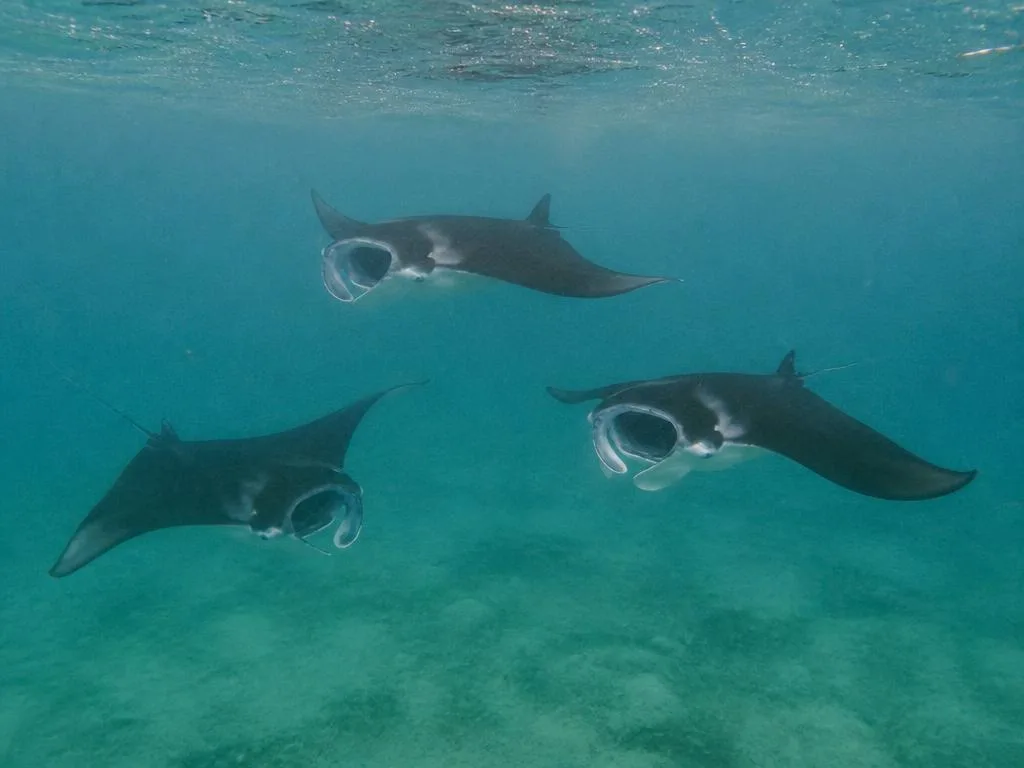
Manta ray heaven

World-famous cleaning stations with dozens of mantas at once

Whale shark encounters

Year-round whale shark sightings in South Ari Atoll

Crystal visibility

Pristine waters with visibility often exceeding 30 metres

26 atolls

Endless variety across 1,190 islands and countless dive sites

Who a liveaboard in the Indian Ocean suits — and who it doesn't

Almost all Maldives diving happens in channels and on outer reefs where the tide sets the pace. Your comfort with current decides which atolls fit.

Beginners

Open Water, from about 20 dives

Inner-atoll reefs and lagoon dives in Malé Atoll with moderate current and easy depths — a good start before moving to channel dives.

Matching areas:North Malé AtollSouth Malé Atoll

Advanced divers

Advanced plus current experience, reef hook usual

Channel ("kandu") dives on incoming tide with grey reef sharks, eagle rays and schooling fish; negative entries are standard.

Matching areas:Ari AtollVaavu AtollFelidhe Atoll

Big animals

Good buoyancy, snorkel fitness for whale sharks

Manta cleaning stations and whale-shark encounters are seasonal and monsoon-driven: Hanifaru Bay in Baa Atoll runs roughly May to November, South Ari has whale sharks year-round.

Matching areas:Baa AtollSouth Ari Atoll

Remote southern atolls

Advanced, many logged dives, longer crossings

Southern and far-north itineraries mean open-ocean crossings, stronger current and fewer boats — richer shark action but less shelter.

Matching areas:Huvadhoo AtollAddu AtollFuvahmulah

Best time to dive in the Maldives

Maldives diving is defined by two monsoon seasons, offering excellent year-round opportunities with different characteristics. The northeast monsoon from December to April is the peak dry season, bringing calm seas and exceptional visibility, especially on the eastern sides of the atolls. Conversely, the southwest monsoon from May to November attracts massive aggregations of manta rays and whale sharks to the western atolls, trading perfect clarity for unparalleled big animal encounters.

👆 Click any month for detailed conditions
Excellent
Good
Off-Season

Dec – Apr (NE Monsoon)

Best visibility up to 40m, calm seas, manta rays on the eastern atolls, whale sharks in South Ari Atoll.

May & Nov (Transition)

Changing conditions, good value, mantas moving between atolls, occasional rain showers.

Underwater visibility

37m
(121ft)
25m
(82ft)
13m
(43ft)
Jan
Feb
Mar
Apr
May
Jun
Jul
Aug
Sep
Oct
Nov
Dec

Air & water temperature

35°C 31°C 26°C
28°
30°
28°
31°
29°
32°
29°
33°
29°
32°
28°
31°
28°
30°
28°
30°
28°
30°
28°
30°
28°
30°
28°
30°
Jan
Feb
Mar
Apr
May
Jun
Jul
Aug
Sep
Oct
Nov
Dec
Water
Air (Day)

Recommended wetsuit

3mm
3mm
3mm
3mm
3mm
3mm
3mm
3mm
3mm
3mm
3mm
3mm
Jan
Feb
Mar
Apr
May
Jun
Jul
Aug
Sep
Oct
Nov
Dec
3mm (warm)
Wetsuit Guide

What you'll see diving in the Indian Ocean

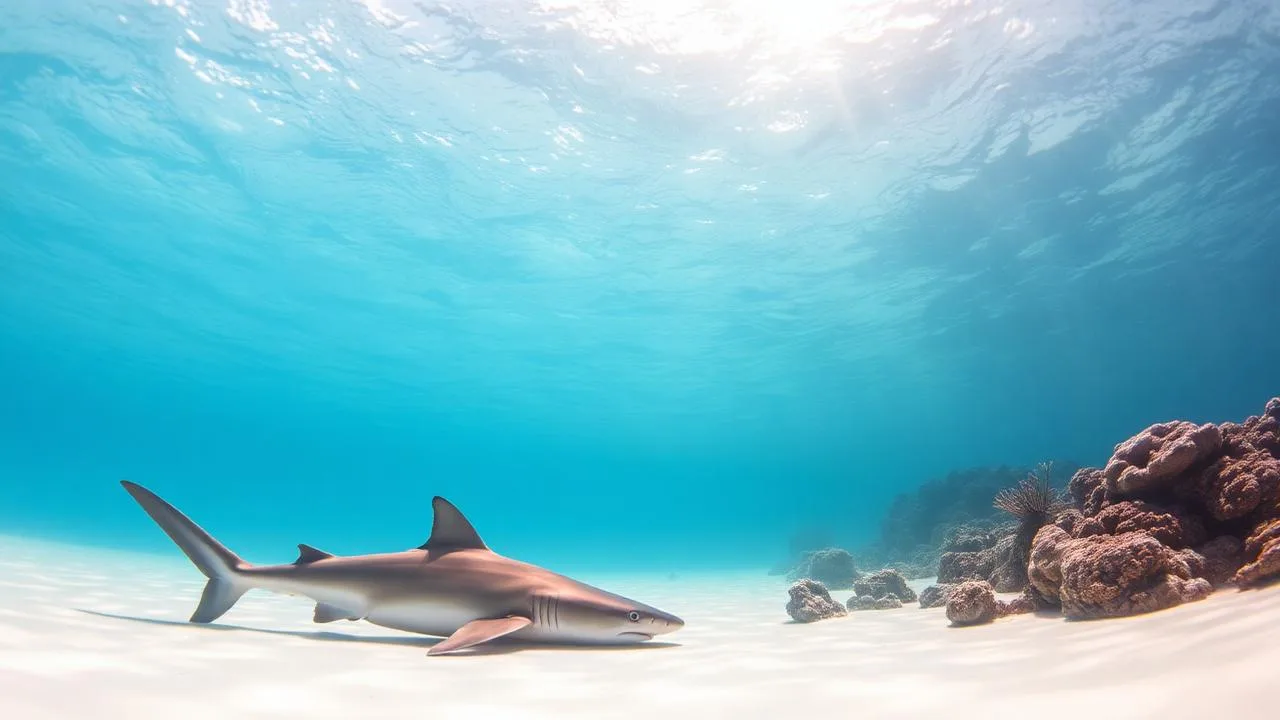
The Maldives is famous for its abundance of large marine life, especially manta rays and whale sharks. Whale sharks can be seen year-round in the South Ari Atoll Marine Protected Area, while huge aggregations of mantas gather to feed in Baa Atoll between May and November. Encounters with grey reef sharks, whitetip sharks, and eagle rays are common on channel dives, and itineraries to the southern atolls offer a chance to see tiger and silky sharks.

When to See What

Use this calendar as a guide: the highlighted months show when your chances are usually best. Wildlife follows its own rhythm, so sightings are never guaranteed — but we hope this makes planning a little easier. The southwest monsoon from May to November draws plankton towards the western atolls, creating spectacular feeding aggregations of manta rays in Hanifaru Bay and attracting whale sharks. During the dry northeast monsoon from December to April, divers can find mantas at cleaning stations in the central atolls and have the best chance to see hammerhead sharks in the south.

Species
Jan
Feb
Mar
Apr
May
Jun
Jul
Aug
Sep
Oct
Nov
Dec
Anthias
Anthias
Reef Manta Ray
Reef Manta Ray
★
★
★
★
★
★
Oceanic Manta Ray
Oceanic Manta Ray
★
★
★
★
★
★
Tiger Shark
Tiger Shark
★
★
★
★
Bull Shark
Bull Shark
★
★
★
★
★
★
★
★
★
★
★
★
Whale Shark
Whale Shark
★
★
★
★
★
★
★
Bottlenose Dolphin
Bottlenose Dolphin
★
★
★
★
★
★
★
★
★
★
★
★
Eagle Ray
Eagle Ray
★
★
★
★
★
★
Green Turtle
Green Turtle
★
★
★
★
★
★
★
★
★
★
★
★
Coris
Coris
Map Puffer
Map Puffer
Needlefish
Needlefish
Ornate Ghost Pipefish
Pilotfish
Pilotfish
Porcupine Ray
Porcupine Ray
★
Peak Season
Present
Rare/Absent

Hanifaru Bay and Maaya Thila: the best dive sites in the Maldives

A liveaboard is the only way to experience the full diversity of Maldivian dive sites, which are spread across vast and remote atolls. Boats can reach legendary channel dives like Fotteyo Kandu and Kuredu Express, known for sharks and strong currents that day-boats cannot easily access. Itineraries are also planned to visit iconic pinnacles like Maaya Thila or seasonal sites like Hanifaru Bay, which would be impossible to combine from a single resort.

1
18–35m / 59–115ftBest: December–May, June–November3.0601°, 73.1616°

Kuda Giri Wreck is a deliberately sunken cargo vessel located in the South Malé Atoll, close to Dhigufinolhu. It was placed next to a vibrant coral pinnacle, creating a unique dual-site experience that combines both wreck and reef diving. The wreck itself stands upright, with its deck beginning around 18-20 meters and its base reaching depths of approximately 30-35 meters. Adjacent to the wreck, the coral pinnacle rises to shallower depths, providing an ideal, richly populated area for safety stops. This site is renowned for its well-preserved, coral-encrusted structure, offering a habitat for a wide array of marine species. The hull is adorned with colorful soft corals and sponges, attracting numerous fish and macro life. Divers can expect to see various reef fish, as well as opportunities for observing larger pelagic species. Kuda Giri is generally accessible year-round, with conditions varying by season, but it is often characterized by mild currents. Its combination of a fascinating wreck and a lively natural reef makes it suitable for a range of dive levels, from beginners looking for an introduction to wreck diving to more experienced divers keen on exploring its interior and diverse ecosystem. The dive offers a relaxed profile, starting with a short swim from the nearby reef to the main wreck structure. The site is a popular stop for liveaboards and day trips operating out of the South Malé Atoll, providing a compelling mix of historical interest and vibrant marine biodiversity.

Intentionally sunk cargo wreckAdjacent coral pinnacleSoft coral and sponge encrusted hullRich macro and reef lifeAccessible wreck penetrationUpright position
2

Dhonkalo

Channel/DriftAdvanced
0–18m / 0–59ftBest: November–April3.6558°, 72.8465°

Dhonkalo is a distinctive sandy channel in the central Maldives, noted for its unusual appearance as a barren reef within an 18-meter-deep environment. Despite its seemingly uninviting topography, it stands out as a highly active manta ray cleaning station, making it a pivotal dive site for marine life enthusiasts. It is situated in the North Ari Atoll, which is renowned for its diverse dive sites and pelagic encounters, offering easy access from Malé and forming part of popular liveaboard itineraries. The site's main feature is a sandy channel that serves as a cleaning station, where manta rays gather. These magnificent creatures can be observed in train formations, moving through the water, sometimes in numbers exceeding a dozen individuals. The channel's unique conditions, including the presence of strong, occasionally powerful currents, contribute to its role as a vibrant marine hub, often compared to an "underwater airport" for the mantas. While the primary attraction is the manta ray aggregations, which occur year-round, the currents bring in abundant nutrients, supporting the cleaning station ecosystem. Divers here have a high likelihood of close encounters with these pelagic giants. The strong currents, however, mean that the site is generally better suited for experienced divers comfortable with drift diving, especially given the unpredictable nature of the water movement. A typical dive at Dhonkalo involves navigating these strong currents, often requiring a negative descent, to reach the cleaning station. Due to its location on liveaboard routes, it's frequently dived as part of multi-day trips focusing on the central atolls. The water temperature typically ranges from 26 to 29 degrees Celsius, with visibility between 10 and 30 meters, though this can fluctuate with current intensity.

Manta ray cleaning stationManta ray train formationsSandy channel topographyStrong currentsNorth Ari Atoll
3
Best: December–May3.1491°, 73.2656°

The Kudimaa Wreck is a compelling dive site in the Maldives, offering a fascinating artificial reef environment. This sunken vessel has become a vibrant home for numerous species, providing divers with an engaging exploration of both its structure and the marine ecosystem it supports. Its presence adds a unique dimension to the natural reef formations common in the region, drawing in a variety of pelagic and reef fish alike. While the exact topography around the wreck is influenced by the surrounding seabed, the ship itself provides complex structures and crevices for marine inhabitants. The depth range allows for various levels of exploration, from shallower sections suitable for extended bottom times to deeper areas where unique encounters may occur. Divers can navigate the exterior, observing the coral growth and fish life that has taken hold. Throughout the year, divers can encounter species such as schools of curious batfish, which are known to approach divers. The wreck also attracts larger predators like nurse sharks and giant trevally, offering exciting encounters. Sightings of stonefish, frogfish, and stingrays are also possible, making each dive a potential treasure hunt for diverse creatures. Access to the Kudimaa Wreck is typically via liveaboard, integrating it into itineraries that explore various atolls. Divers often conduct a comprehensive tour of the wreck, observing its details and the marine life thriving within and around it. The dive offers a rewarding experience for those interested in wreck diving combined with rich Maldivian biodiversity.

Sunken ship structureLarge batfish schoolsNurse shark sightingsGiant trevally encountersStonefish and frogfishArtificial reef habitat
4

Skipjack 1 & 2

WreckIntermediate
0–28m / 0–92ftBest: January–April, May–November5.5276°, 73.4418°

Skipjack 1 & 2 are two distinct wreck dive sites located within the Lhaviyani Atoll in the northern Maldives. These fishing vessels have rested on the seabed since the 1980s, forming an artificial reef that attracts a variety of marine life. They are accessible from liveaboards exploring the northern atolls, and offer a departure from the typical thilas and kandus of the Maldives. Skipjack 1 is an upright wreck, with its bow sometimes breaking the surface, making it relatively shallow and visible. In contrast, Skipjack 2 lies deeper at approximately 28 meters and is found on its side, providing a different exploration experience. These wrecks contribute to the Lhaviyani Atoll's reputation for diverse dive opportunities. The Lhaviyani Atoll, known for its horseshoe shape and numerous channels, experiences varying currents. While inner lagoons offer calmer conditions, the outer reefs and channels can have moderate to strong currents. The wrecks are found in an area where conditions are generally manageable, making them suitable for a range of dive levels. Visibility around the wrecks typically ranges from 10 to 30 meters, with water temperatures consistently warm, between 27.5°C and 31.5°C. The site offers a chance to observe reef fish, and possibly larger pelagics moving through the area, providing a compelling dive for those interested in historical sites and artificial reefs.

Twin fishing vessel wrecksSunken since 1980sSkipjack 1 upright, shallowSkipjack 2 deeper, on sideLhaviyani Atoll wreck divingArtificial reef habitatAccessible by liveaboard

Bucket-list dives worth booking early

Swimming alongside a gentle whale shark in the South Ari Atoll is a defining Maldivian experience, possible on a year-round basis. Another highlight is witnessing the world's largest gathering of manta rays as they feed in Hanifaru Bay between June and November. For many, the ultimate thrill is a drift dive through a kandu, using a reef hook to watch grey reef sharks and eagle rays patrol the currents just meters away.

Underwater view of the dive site Manta Ray Migration in the Maldives
1
June – November

Baa Atoll

Encounter hundreds of reef and oceanic manta rays at Hanifaru Bay, one of the world's largest manta feeding aggregations, with up to 200 mantas in a single dive.

Read more
Underwater view of the dive site Whale Shark Encounters in the Maldives
2
Year-round

South Ari Atoll

Swim alongside gentle whale sharks in South Ari Atoll, where year-round sightings make the Maldives one of the most reliable destinations for these ocean giants.

Read more
Underwater view of the dive site Night Diving with Nurse Sharks in the Maldives
3
Year-round

North Malé Atoll

Experience thrilling night dives where tawny nurse sharks, giant stingrays, and bioluminescent plankton create a magical underwater spectacle.

Read more
Underwater view of the dive site Hammerhead Shark Encounters in the Maldives
4
December – April

Rasdhoo Atoll

Dive the deep channels of the northern atolls at dawn to witness schools of scalloped hammerhead sharks cruising through the blue – a bucket-list experience.

Read more

Above water: climate, shore trips and extra costs

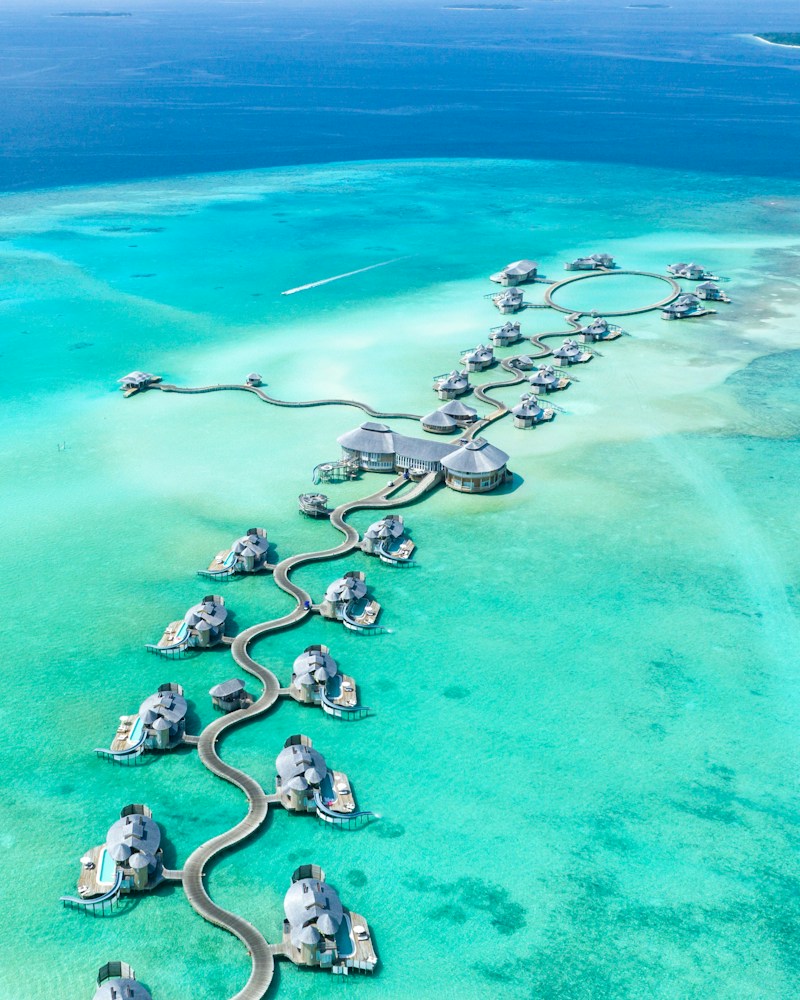
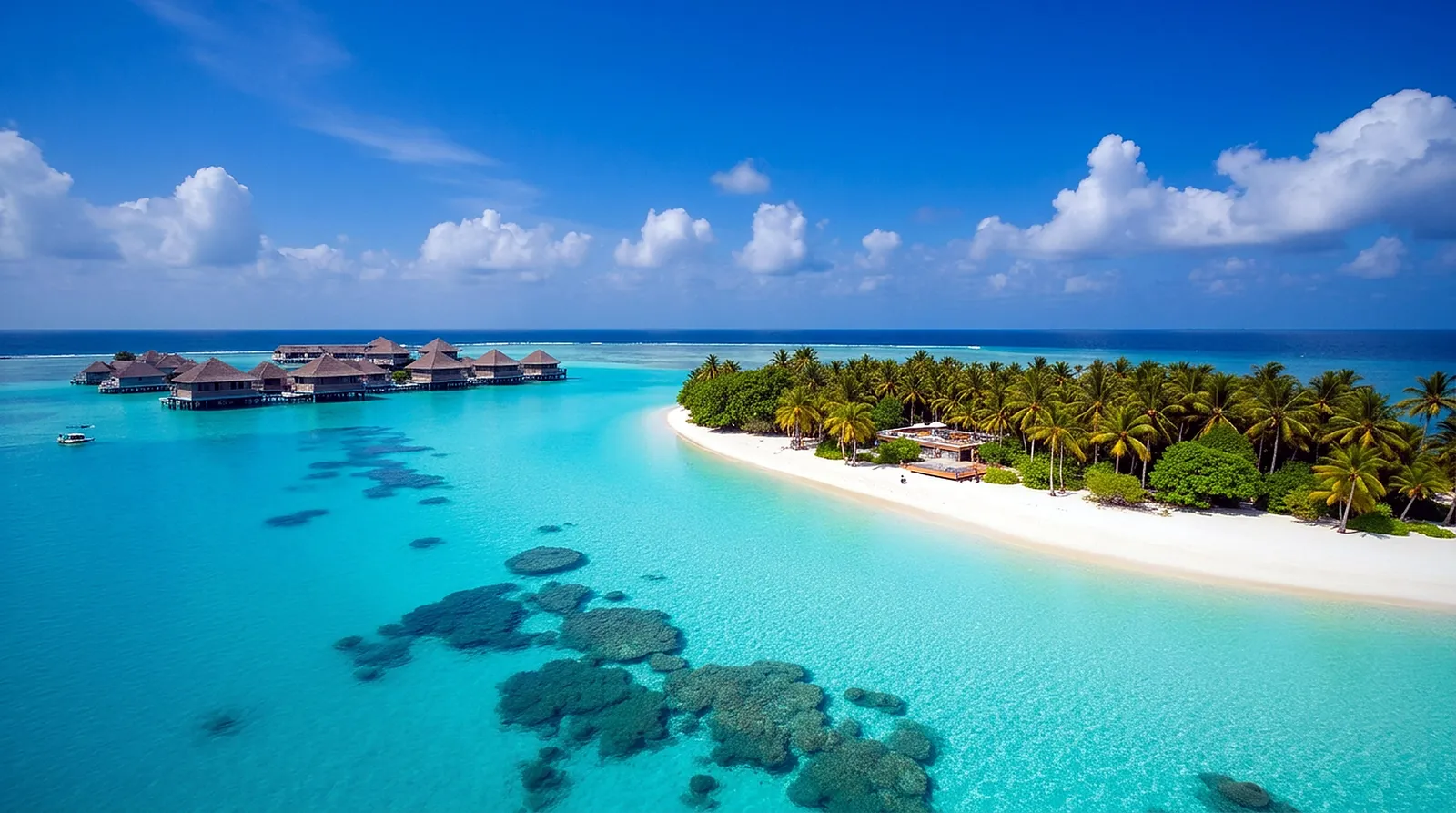
While the main attraction is underwater, a Maldives liveaboard trip is a journey through one of the world's most beautiful seascapes of over 1,000 islands. Surface intervals are spent cruising past pristine sandbanks and idyllic palm-fringed islands. Many vessels, particularly in the luxury category, enhance the trip with onboard jacuzzis, spa treatments, and planned visits to uninhabited islands for a true castaway experience.

Overwater Villa Experience

Overwater Villa Experience

Stay in iconic overwater bungalows with glass floors, private decks, and direct lagoon access. Wake up to turquoise views and watch marine life swim beneath you.

Sunset Dolphin Cruise

Sunset Dolphin Cruise

Spot spinner dolphins performing acrobatic displays in the golden evening light. Most resorts and liveaboards offer daily dolphin-watching excursions.

Private Sandbank Picnic

Private Sandbank Picnic

Escape to a private sandbank surrounded by nothing but turquoise ocean. Enjoy champagne, fresh seafood, and pristine solitude on your own private island for the day.

Underwater Restaurant Dining

Underwater Restaurant Dining

Dine surrounded by tropical fish at Ithaa or SEA. These submerged restaurants offer 180-degree views of the reef while you enjoy world-class cuisine.

What a liveaboard in the Maldives costs

The calendar below shows how liveaboard prices shift month by month, so you can see exactly when your money goes furthest. We want every diver to get the best possible value, which is why we highlight the seasons that balance great conditions with the fairest rates.

As a premium diving destination, the Maldives is generally more expensive than Red Sea or Southeast Asian liveaboards, but options exist from budget to absolute luxury. Prices are driven by seasonality, with the peak dry season from December to April commanding the highest rates for its calm weather and superb visibility. The vessel's comfort level is the other major factor, with significant price differences between functional dive-focused boats and five-star floating resorts.

$177–$347

per day liveaboard

$80–$150

per 2-tank dive trip

$150–$1,000

hotel per night

Prices reflect typical costs for mid-range to premium options. Budget alternatives may be available.

Getting to Malé: flights and transfers

Most international travelers arrive at Velana International Airport (MLE) in Malé, which is well-connected to hubs in Europe, the Middle East, and Asia. From there, it is usually a short and organised transfer to your liveaboard departing from the Malé area. For deep south itineraries, trips may start from Gan International Airport (GAN), requiring a domestic flight. Most nationalities receive a free 30-day tourist visa upon arrival.

Insider tips

🚢

Book liveaboards 6+ months in advance for early-bird discounts of up to 20%.

🤿

Visit during shoulder season (May, November) for 15-25% lower prices with still excellent diving conditions.

🏨

Local island guesthouses on inhabited islands offer budget accommodation from $50-100/night vs $500+ at resorts.

🚢

Choose safari boats over luxury liveaboards—same dive sites, half the price.

🤿

Bring your own dive gear to avoid rental fees of $30-50/day.

🏨

Combine a liveaboard trip with a few nights on a local island to extend your stay affordably.

Getting there

Velana International Airport

Malé (Hulhulé Island) • MLE

Main gateway, direct flights from Europe, Middle East, Asia

Gan International Airport

Addu Atoll • GAN

Southern gateway, connects to Colombo

Entry requirements

Free 30-day visa on arrival for most nationalities. Passport must be valid for 6 months.

This information is provided without guarantee. Please visit the official website for the latest entry requirements.

Official Immigration Information →

Frequently asked questions about liveaboards in the Maldives

How much does a Maldives liveaboard trip cost in 2026?
While prices for a 2026 Maldives liveaboard vary based on the season and level of luxury, they offer incredible value as the only way to access the famous outer atolls. Peak season from December to April is generally more expensive, while shoulder months can offer better deals. Your trip typically includes accommodation, all meals, and up to four dives a day, making it a comprehensive package for serious divers.
When is the best time of year for a Maldives liveaboard?
The best time depends on what you want to see! For calm seas and the best visibility (often 30m+), choose the dry season from December to April. If you're dreaming of huge manta ray and whale shark aggregations, the wet season from May to November is unbeatable, especially in places like Hanifaru Bay.
What big marine animals can I see on a Maldives liveaboard?
Maldives liveaboards are famous for consistent big animal action, taking you to remote sites day boats can't reach. You can expect to encounter huge schools of manta rays at cleaning stations, whale sharks, and various sharks including grey reef, hammerheads, and even tiger sharks. The sheer abundance of pelagic life in the outer atoll channels is what makes these trips so legendary.
Do I need an advanced certification for a Maldives liveaboard?
An Advanced Open Water certification is highly recommended due to the nature of Maldivian diving. You'll be doing many drift dives in channels with strong currents, so being comfortable in those conditions is essential for your safety and enjoyment. Most itineraries require a good number of logged dives and experience with drift procedures.
Which port do Maldives liveaboards depart from?
Most liveaboard safaris in the Maldives conveniently depart from ports near the main international airport in Malé. This makes logistics simple, as you can typically transfer to your boat shortly after arriving in the country. Your specific departure marina will always be confirmed by your booking agent, like Blue Rides, well in advance of your trip.
What should I pack for a Maldives liveaboard besides dive gear?
Besides your personal dive gear, be sure to pack a 3mm wetsuit, a reef hook, and a surface marker buoy (SMB), as these are essential for the local drift dives. Don't forget strong, reef-safe sunscreen, a hat, and a rashguard for sun protection, plus some US dollars in cash for the crew tip at the end of your trip. Onboard payments for extras can usually be made by card.
Is liveaboard diving in the Maldives safe?
Yes, liveaboard diving in the Maldives is very safe, with well-established procedures and professional crews. All trips begin with a mandatory check-dive and safety briefing, and you'll dive from a dedicated 'dhoni' which enhances safety and comfort. In the unlikely event of an emergency, hyperbaric chambers are accessible by speedboat or seaplane.

The Maldives compared with other liveaboard destinations

Honest, in-depth comparisons to help you decide between destinations, certifications, equipment and dive styles.

Maldives vs Red Sea: Which Liveaboard Destination Is Right for You?

Choosing between a Maldives liveaboard and a Red Sea safari is one of the most common dilemmas for divers planning their next big trip. Both destinations sit at the very top of the global liveaboard rankings — yet they offer radically different underwater experiences, travel logistics, costs and onboard cultures. The Maldives delivers warm, gin-clear water across more than 1,000 islands and 26 atolls, with manta rays, whale sharks and reef sharks gracing nearly every channel dive. The Red Sea, by contrast, packs world-class wrecks, vertical reef walls and pelagic shark action into a single sea, all reachable from Hurghada or Marsa Alam in a few hours' flight from Europe. For European divers, the Red Sea wins on convenience and price: short flights, no jet lag, week-long itineraries from around €1,200 and the chance to combine the SS Thistlegorm wreck with reef diving on the same trip. The Maldives wins on wildlife: drift dives through atoll channels routinely produce grey reef shark schools, eagle ray squadrons and night feedings of nurse sharks, while the southern atolls (Huvadhoo, Addu, Fuvahmulah) are now established hotspots for tiger sharks and oceanic mantas. The Red Sea also has stronger photo-friendly visibility in the north (often 30 m+), while the Maldives can drop to 15-20 m during plankton-rich manta season — which is precisely why the mantas turn up. This guide breaks down every meaningful difference: marine life by season, average liveaboard prices, certification requirements, the best itineraries on each side, and which type of diver should pick which destination. By the end you'll know whether your next week is better spent crossing Maldivian channels or descending to a Red Sea wreck deck.

Read comparison

Liveaboard vs Land-Based Diving: Which Trip Is Right for You?

Choosing between a liveaboard and a land-based dive trip is the most fundamental decision divers face when planning a serious diving holiday. The right answer depends on your priorities: maximum dive count and access to remote sites favor liveaboards; beach time, family flexibility and lower cost favor land-based resorts. Both formats have evolved significantly in the last decade, and the line between them has blurred — luxury dive resorts now offer multi-day expedition trips, while many liveaboards include topside excursions and even spa days. This guide compares the two formats across every meaningful dimension: cost per day, dives per day, marine life access, comfort, social dynamics, family-friendliness, and travel logistics. We'll also cover the hybrid models (resort + day-charter, or 'safari boat' itineraries) that try to capture the best of both worlds. If you're certified, in love with diving and want to maximize bottom time, a liveaboard is almost always the better choice — you can clock 25+ dives in a week and reach sites no day boat can. If you're traveling with non-divers, prefer land-based comfort, or want flexibility to take days off, a resort wins. We'll get into all the nuances below.

Read comparison

Saudi Arabia vs. Maldives Liveaboard: Your Next Dive Adventure

Choosing your next liveaboard destination can be a thrilling yet challenging task, especially when comparing two vastly different, yet equally enticing, Red Sea and Indian Ocean powerhouses: Saudi Arabia and the Maldives. Both offer unparalleled underwater experiences, but cater to distinct preferences and diving styles. Saudi Arabia, a relative newcomer to the international dive scene, is rapidly gaining recognition for its pristine, unexplored reefs, dramatic topography, and unique historical wrecks. Its Red Sea coastline promises untouched marine ecosystems, often with fewer divers, offering a sense of pioneering discovery. Expect vibrant soft corals, large pelagic encounters, and a chance to dive sites rarely seen by others. The Maldives, on the other hand, is a well-established dive mecca, renowned for its luxurious liveaboard offerings, predictable pelagic action, and breathtaking atoll diving. Its warm, clear waters are a playground for manta rays, whale sharks, and an abundance of reef fish. While more frequented, the sheer scale of its dive sites ensures incredible experiences. This comparison will help you navigate the nuances of each destination to find your perfect liveaboard match.

Read comparison
Plan your trip

Ready to dive?

Explore our expedition vessels and find your perfect trip to Maldives

4.8724 Reviews