
Deep South Maldives Liveaboard Diving
Divers Alert Network (DAN) logoFree dive insuranceincluded with every booking

Liveaboards in the Deep South Maldives

from $178 / day

6 of 30 · Deep South Maldives liveaboard routes, seasons & prices

Adora

Premium diving and leisure on Adora with inclusive nitrox, ocean-view suites with personal terraces, and exotic sandbank discoveries.

  • Free Internet Connectivity
  • Upper-Level Observation Decks
  • Roomy Interior Common Areas

4.8(30 reviews)

22 guestsfrom $297/day
Ariyal

Explore the Maldives' underwater wonders in comfort and style.

  • En-Suite bathrooms
  • Aircon Cabins
  • Warm Water Showers

4.8(112 reviews)

26 guestsfrom $229/day
Carpe Vita

Dive the Maldives in luxury aboard the elegant Carpe Vita.

  • En-Suite bathrooms
  • Aircon Cabins
  • Warm Water Showers

4.8(100 reviews)

20 guestsfrom $231/day
DUNE Black Manta

The 2024-built Dune Black Manta offers Maldivian dive expeditions with adaptable boarding schedules for 28 guests.

  • Web Access
  • Outdoor Eating Space
  • Massage Area on the Sun Deck

4.8(2046 reviews)

28 guestsfrom $286/day
Maldives Blue Force 3

Explore the Maldivian underwater paradise in comfort and style.

  • En-Suite bathrooms
  • Aircon Cabins
  • Warm Water Showers

4.8(272 reviews)

26 guestsfrom $236/day

Diving in Deep South Maldives

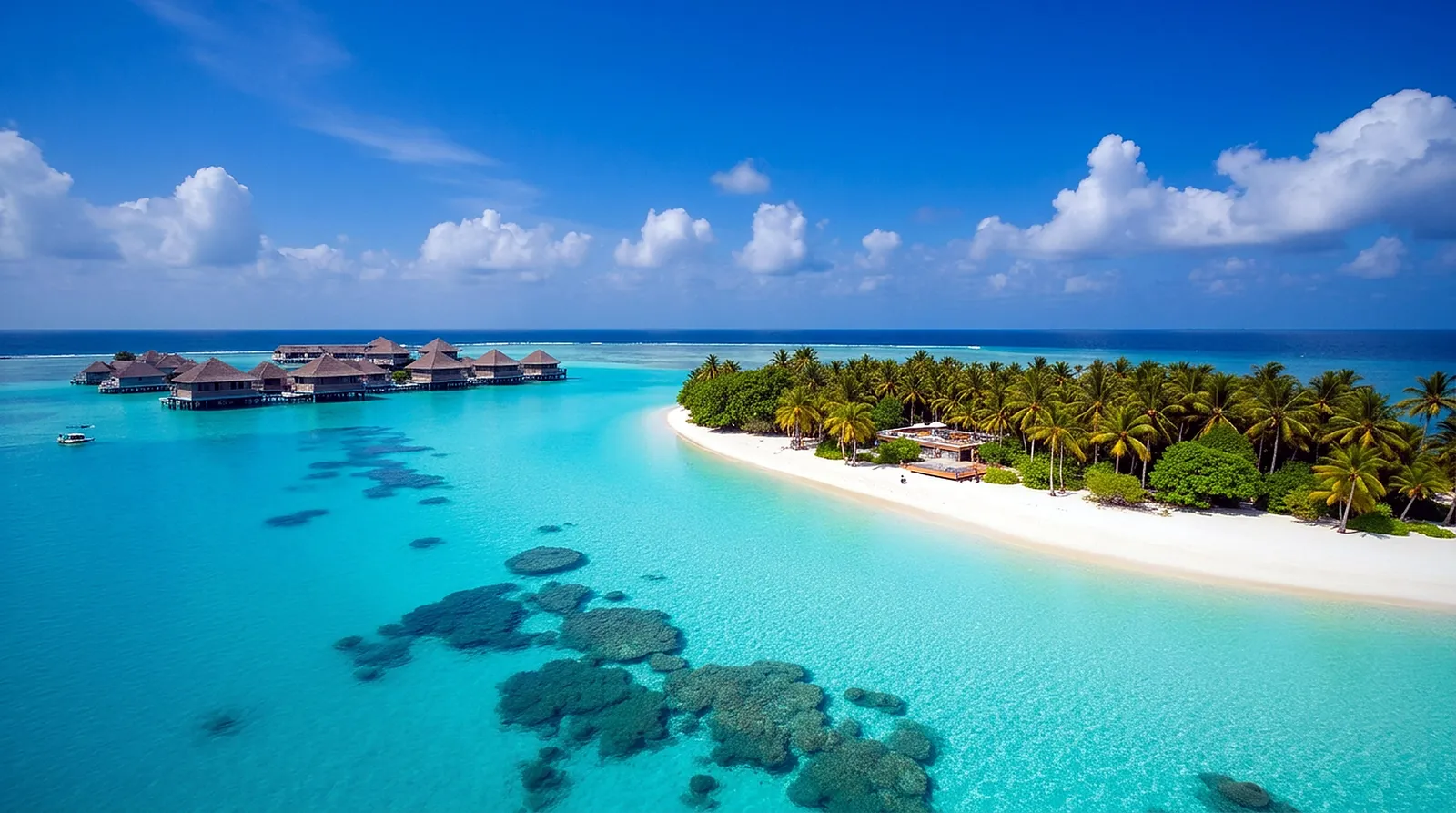
Deep South Maldives routes leave the familiar central circuit for Huvadhoo's broad lagoon, isolated Fuvahmulah and Addu below the equator. Domestic flights connect the route, while open-ocean passages and powerful kandus define the diving.

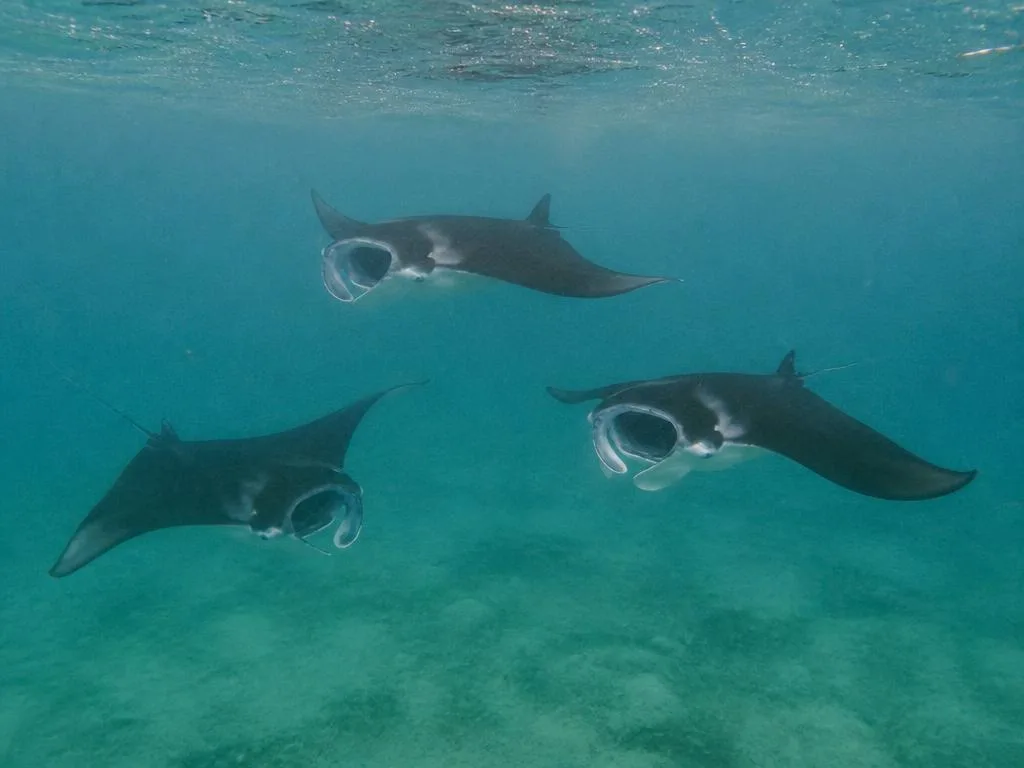
Tiger sharks, threshers, hammerheads and dense grey reef shark action make this an advanced big-animal itinerary. The reward is less boat traffic and a genuinely different Maldives experience.

Huvadhoo is one of the world's largest natural atolls and is cut by numerous deep channels. Farther south, Fuvahmulah is an isolated volcanic island without a protective lagoon, while Addu forms a sheltered heart-shaped atoll below the equator. Each area therefore produces a different style of dive rather than one continuous reef circuit.

Fuvahmulah's tiger-shark programme is a managed local dive and should not be confused with Huvadhoo channel action. Around the island, open-ocean walls also create potential for threshers and hammerheads, but those deeper pelagics are less predictable and demand careful profiles.

Top reasons to dive Deep South Maldives

Huvadhoo, Fuvahmulah and Addu deliver the Maldives' strongest shark focus, equatorial channels and expedition logistics.

Tiger shark at Fuvahmulah

Fuvahmulah tiger sharks

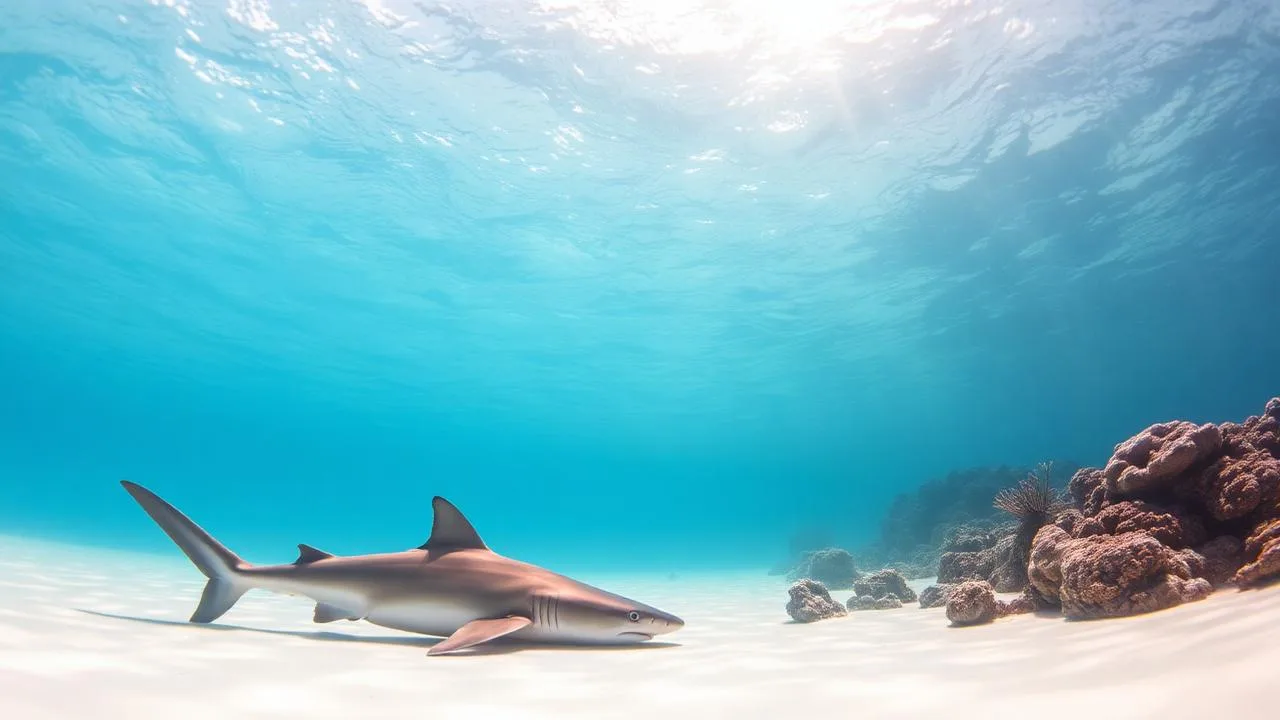
This isolated open-ocean island supports unusually reliable tiger-shark diving under specialist local procedures. Resident animals make tiger-shark encounters unusually consistent, while guides control entries, exits and group position. The local dive team has developed strict protocols to keep both divers and the resident shark population safe.

Fuvahmulah is the defining tiger-shark destination of the Deep South.

Sharks in a Huvadhoo channel

Huvadhoo's equatorial channels

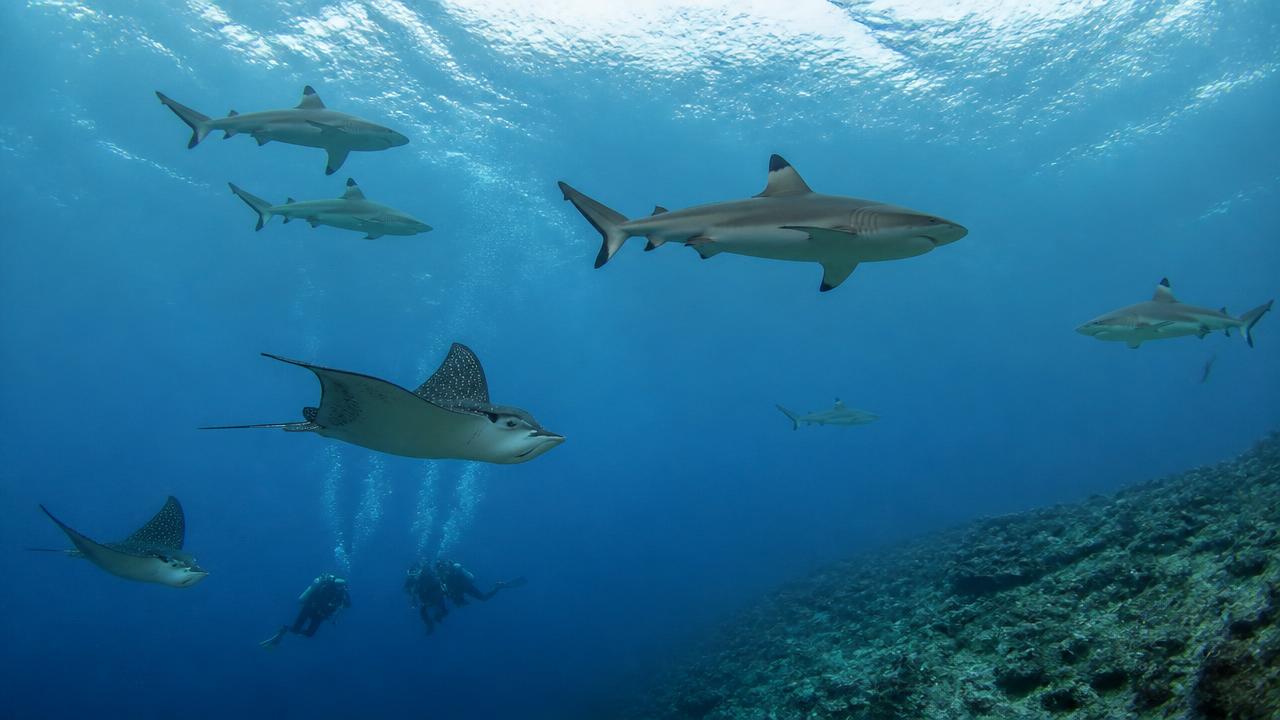
Incoming-current dives in Huvadhoo can bring grey reef sharks, eagle rays and dense schooling fish. Incoming current through Huvadhoo's kandus can line the channel mouths with grey reef sharks, but timing and diver discipline are crucial. The channels can run hard, so negative entries, reef hooks and experienced guides are standard here.

Huvadhoo's current-fed kandus are a major reason experienced divers travel south.

Open-ocean diving around Fuvahmulah

Open-ocean pelagics

Deep water around Fuvahmulah creates opportunities for threshers, hammerheads and other pelagics beyond the reef edge. Threshers rise from deep water, usually around dawn, so encounters are possible rather than a promise on every departure. Hammerheads are most often seen at dawn on deep reefs, making early starts a worthwhile routine.

Deep water close to the island creates unusual pelagic potential.

British Loyalty wreck in Addu Atoll

Addu's British Loyalty

The coral-covered tanker wreck adds an important historical dive to an otherwise wildlife-led southern expedition. Domestic flights and long open-water legs limit fleet traffic and give the southern atolls a genuine expedition feel. The wreck sits upright inside the atoll, covered in coral and visited by turtles and reef fish alongside the historical interest.

The British Loyalty adds a historic wreck to the southern shark itinerary.

Deep South Maldives liveaboard routes compared

Choose the Deep South Maldives itinerary that matches your experience, season and wildlife priorities. Route names can look similar while covering different ports, sites and sea conditions, so compare the actual daily programme rather than the headline alone.

Shark Channels

Huvadhoo channels

Highlights

Kooddoo gateway and Huvadhoo kandus where incoming current gathers grey reef sharks

Difficulty
Advanced

50+ dives, negative entries, strong flow and disciplined channel positioning

Best season

January–April; the main window for southern crossing itineraries

Grey reef sharksfast driftsexperienced channel divers
Pelagic South

Fuvahmulah & Addu

Highlights

Fuvahmulah tiger-shark programme, open-ocean pelagic sites and Addu's British Loyalty wreck

Difficulty
Advanced

blue water, depth, strong current and strict shark-diving procedures

Best season

January–April for liveaboard crossings; local Fuvahmulah diving runs longer

Tiger sharks and thresherswreck historypelagic specialists
Complete Expedition

Full equatorial crossing

Highlights

Huvadhoo, Fuvahmulah and Addu joined by a true equator-crossing itinerary

Difficulty
Advanced

50+ dives, blue-water confidence and several domestic-flight sectors

Best season

January–April; one-way routes depend on boat repositioning dates

Complete Deep Southmultiple shark habitatsexpedition travel
Tiger Shark Focus

Fuvahmulah shark focus

Highlights

Managed Tiger Zoo dives, deep-water thresher sites and exposed walls around the oceanic island

Difficulty
Advanced

depth, blue water, surge and strict entry and exit protocols

Best season

January–April for crossings; resident tiger sharks are encountered year-round

Tiger sharkspelagic photographyspecialist repeat divers

Experience needed for Deep South Maldives

Operator rules vary, but the practical guidance below helps you choose a route you can enjoy safely.

Huvadhoo channels

Certification:
Advanced Open Water recommended
Logged dives:
50+ recommended
Conditions:
Fast-flowing kandus at 20–30 m, 20–35 m visibility with incoming water, negative entries and strong drifts
Gear:
DSMB; nitrox recommended where available

Fuvahmulah & Addu

Certification:
Advanced Open Water recommended
Logged dives:
30+ recommended
Conditions:
Open-ocean sites at 15–35 m, 25–40 m visibility, blue-water descents, surge and strong oceanic current
Gear:
DSMB; nitrox recommended where available

Full equatorial crossing

Certification:
Advanced Open Water recommended
Logged dives:
50+ recommended
Conditions:
Exposed southern atolls, 20–40 m visibility, strong flow in channels and rougher open-sea crossings
Gear:
DSMB; nitrox recommended where available

Fuvahmulah shark focus

Certification:
Advanced Open Water recommended
Logged dives:
30+ recommended
Conditions:
Managed shark dives at 10–30 m in clear blue water, surge, depth and strict entry and exit protocols
Gear:
DSMB; nitrox recommended where available

These are advanced routes with changing current and significant depth. The operator's logged-dive minimum, current assessment and local shark-diving protocol always override general regional guidance. The operator's published minimum, check-dive assessment and safety rules always take precedence.

Deep South Maldives season & water conditions

The main Deep South liveaboard season runs from January to April, when boats reposition below the equator for Huvadhoo, Fuvahmulah and Addu. Warm water is consistent, but strong oceanic flow and exposed crossings make conditions more demanding than central routes.

Jan–Feb

28–29 °C
18 °C32 °C
20–35 m

Peak expedition conditions bring active Huvadhoo channels, grey reef sharks and broad southern schedules. Northeasterly flow often supports clearer incoming-water dives.

Mar–Apr

29–30 °C
18 °C32 °C
20–35 m

Warm late-season water combines Fuvahmulah tiger sharks with thresher, hammerhead and oceanic possibilities. Currents remain powerful and crossings are fully exposed.

May–Oct

28–29 °C
18 °C32 °C
10–25 m

Southwest-monsoon wind and rain sharply reduce through-routes and liveaboard choice. Local Fuvahmulah diving continues, but that is different from a multi-atoll expedition.

Nov–Dec

28–29 °C
18 °C32 °C
15–30 m

The transition toward the northeast monsoon brings occasional repositioning voyages. Full Huvadhoo–Fuvahmulah–Addu schedules become more regular from January.

Tiger sharks occur year-round at Fuvahmulah, while thresher and hammerhead sightings depend on depth, time of day and ocean conditions. Huvadhoo channels can run extremely hard; recent drift experience, reliable buoyancy and a DSMB are essential even when surface weather looks calm.

Deep South Maldives marine-life calendar

Plan a Deep South Maldives liveaboard around the encounters that matter most to you. The bars show stronger historical windows, not promises, and the location line explains where each animal is normally sought.

Tiger SharkJFMAMJJASONDFuvahmulahTiger Shark encounters are associated with Fuvahmulah in the indicated window; guides still rely on current conditions and recent sightings.
Thresher SharkJFMAMJJASONDFuvahmulah deep reefsThresher Shark encounters are associated with Fuvahmulah deep reefs in the indicated window; guides still rely on current conditions and recent sightings.
Scalloped HammerheadJFMAMJJASONDHuvadhoo and FuvahmulahScalloped Hammerhead encounters are associated with Huvadhoo and Fuvahmulah in the indicated window; guides still rely on current conditions and recent sightings.
Grey Reef SharkJFMAMJJASONDHuvadhoo channelsGrey Reef Shark encounters are associated with Huvadhoo channels in the indicated window; guides still rely on current conditions and recent sightings.
Eagle RayJFMAMJJASONDHuvadhoo channel entrancesEagle Ray encounters are associated with Huvadhoo channel entrances in the indicated window; guides still rely on current conditions and recent sightings.
Whale SharkJFMAMJJASONDOpen water around southern atollsWhale Shark encounters are associated with Open water around southern atolls in the indicated window; guides still rely on current conditions and recent sightings.

Peak bars show historically stronger encounter windows; shoulder months can still produce excellent dives, while wild-animal encounters are never guaranteed.

Getting to Deep South Maldives & departure ports

Deep South expeditions rely on domestic flights from Malé and often start and finish at different equatorial airports. Kooddoo, Fuvahmulah and Gan each serve a distinct part of the route.

Kooddoo (GKK)

The main domestic gateway for Huvadhoo Atoll channel routes. The airport sits inside the atoll, followed by a boat transfer to the liveaboard.

Fuvahmulah (FVM)

The airport for shark-focused stays around the isolated oceanic island. Weather and baggage handling can affect small domestic services.

Gan / Addu (GAN)

The southern endpoint for Addu Atoll, the British Loyalty wreck and equator-crossing itineraries. Some regional international services operate, but most guests connect through Malé.

Velana International Airport (MLE)

The connection hub for all three southern airports. Build generous time between separately ticketed international and domestic sectors.

A typical expedition may fly into Kooddoo and home from Gan, or add Fuvahmulah as a separate sector. Confirm which domestic tickets and transfers are included, respect lower baggage allowances and avoid a tight international connection after the cruise because schedules and weather can change.

What does a Deep South Maldives liveaboard cost?

Journey far below Malé to powerful channels, remote atolls and some of the Maldives' most thrilling shark encounters. Compare live departures and find the expedition that carries you into the wild equatorial south.

Deep South Maldives liveaboards

Deep South Maldives liveaboards

Remote logistics and domestic flights make Deep South trips premium expeditions.

Included in the trip price

A cabin, meals, tanks, weights, guides and the scheduled dives are normally included; exact inclusions vary by boat.

Costs that come on top

Budget separately for flights, transfers, marine-park or port fees, nitrox, rental gear, gratuities and any required hotel nights.

Prices move with season, cabin type, trip length and remaining availability. Open a departure for the final operator breakdown.

Cost level

The calendar below shows how liveaboard prices shift month by month, so you can see exactly when your money goes furthest. We want every diver to get the best possible value, which is why we highlight the seasons that balance great conditions with the fairest rates.

$178–$375

per day liveaboard

Prices reflect typical costs for mid-range to premium options. Budget alternatives may be available.

Deep South Maldives liveaboard FAQ

When is the best time to dive in the Deep South Maldives?
Diving conditions in the Deep South Maldives change throughout the year. Check our month-by-month best-time-to-dive guides to plan around peak visibility, weather and marine life encounters.
Do I need a liveaboard to dive in the Deep South Maldives?
A liveaboard gives you access to remote dive sites in the Deep South Maldives that day boats cannot reach, plus 3–5 dives per day in maximum comfort. For the best dives in the Deep South Maldives, a liveaboard is the recommended choice.
What certification do I need to dive in the Deep South Maldives?
Most Deep South Maldives liveaboards require Open Water as a minimum, with Advanced Open Water and 30+ logged dives recommended for currents and deeper sites. Some expert routes require Tech or 100+ dives.
How much does a Deep South Maldives liveaboard cost?
Liveaboard prices in the Deep South Maldives typically range from €1,500 to €6,000+ per week depending on vessel category, route length and season. Browse the boats below for live pricing.
Do I need a visa for Deep South Maldives?
Visa requirements vary by your nationality. Always check the latest entry rules with the destination's official government source before booking flights.
Is diving in the Deep South Maldives safe for beginners?
Many Deep South Maldives sites are beginner-friendly, but some routes feature strong currents or deep walls suited only to experienced divers. Check each vessel's recommended experience level.
Who should choose Deep South Maldives?
Experienced divers prioritising sharks, channels and low fleet density. Some routes use a local day boat rather than diving directly from the liveaboard, so check how many Fuvahmulah dives are actually included in the published programme.
How many dives do I need?
Many operators ask for Advanced certification and 50 logged dives; some routes require more. Huvadhoo channels and Fuvahmulah's exposed oceanic sites can involve strong flow, depth and blue water, making recent advanced-level experience important.
Are tiger sharks guaranteed at Fuvahmulah?
Encounters are highly reliable but, as with all wildlife, never guaranteed. January through April usually offers the most established crossing schedule, although local Fuvahmulah operations can run outside the main liveaboard season when conditions allow.
Which airport do I use?
The exact route may use Kooddoo, Fuvahmulah or Gan in addition to Malé. Operators use controlled entry, positioning and exit procedures; guests must follow the shark briefing closely and should never interpret regular sightings as a guarantee.
Is Fuvahmulah part of every Deep South route?
No. Some itineraries remain in Huvadhoo, while others fly into or out of Fuvahmulah and Addu. Check the named atolls and airports rather than relying on the broad Deep South label.
Why are domestic flights important?
The southern atolls are far from Malé. Flights to Kooddoo, Fuvahmulah or Gan prevent several days of repositioning, but baggage allowances and weather disruption require generous connection time.
How is Huvadhoo different from Fuvahmulah?
Huvadhoo diving centres on channels through a vast atoll rim. Fuvahmulah is a single open-ocean island without a lagoon, known for managed tiger-shark dives and deeper pelagic possibilities.
Can one trip include Huvadhoo, Fuvahmulah and Addu?
Selected one-way expeditions connect all three, usually with domestic flights at either end. Shorter trips may cover only one or two areas, so the airport pair is as important as the route name.

Where to go next

Compare Deep South Maldives with its country overview and other strong liveaboard regions.

Plan your trip

Ready to dive?

Explore our expedition vessels and find your perfect trip to Deep South Maldives