Central Atolls Liveaboard Diving
Divers Alert Network (DAN) logoFree dive insuranceincluded with every booking

Liveaboards in the Central Atolls

from $37 / day

6 of 38 · Central Atolls liveaboard routes, seasons & prices

Adora

Premium diving and leisure on Adora with inclusive nitrox, ocean-view suites with personal terraces, and exotic sandbank discoveries.

  • Free Internet Connectivity
  • Upper-Level Observation Decks
  • Roomy Interior Common Areas

4.8(30 reviews)

22 guestsfrom $297/day
Ariyal

Explore the Maldives' underwater wonders in comfort and style.

  • En-Suite bathrooms
  • Aircon Cabins
  • Warm Water Showers

4.8(112 reviews)

26 guestsfrom $229/day
Carpe Vita

Dive the Maldives in luxury aboard the elegant Carpe Vita.

  • En-Suite bathrooms
  • Aircon Cabins
  • Warm Water Showers

4.8(100 reviews)

20 guestsfrom $260/day
DUNE Black Manta

The 2024-built Dune Black Manta offers Maldivian dive expeditions with adaptable boarding schedules for 28 guests.

  • Web Access
  • Outdoor Eating Space
  • Massage Area on the Sun Deck

4.8(2046 reviews)

28 guestsfrom $286/day
DUNE Theia

Refined Maldives voyages featuring elite hospitality, high-level exploration, and modernized equipment rentals.

  • Leisure Sun Deck
  • Alfresco Eating Area
  • Lounge with Panoramic Scenery

4.8(9 reviews)

20 guestsfrom $245/day

Diving in Central Atolls Maldives

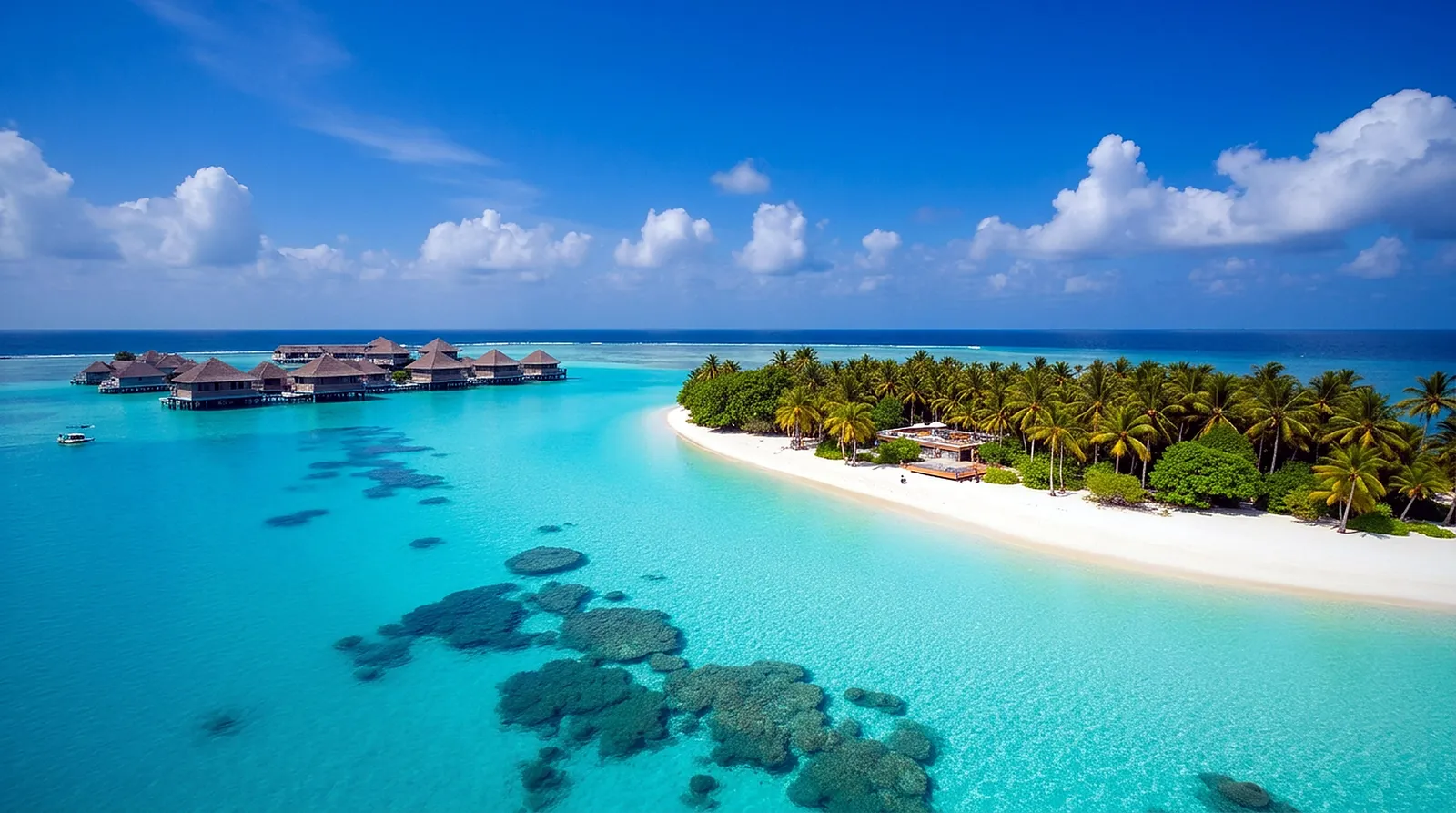
Central Atolls routes usually link North and South Malé, Ari and Vaavu. This is the Maldives' most established liveaboard circuit, with the largest fleet and the easiest international access through Velana airport.

Incoming ocean water funnels through kandus while submerged thilas concentrate fish and predators. Mantas, reef sharks, whale sharks and night dives make the route a balanced first Maldives liveaboard.

The classic loop is not one fixed itinerary. Some boats run a compact Malé–Ari–Vaavu circuit, others add Rasdhoo or spend longer in South Ari. Routes cross both eastern and western atoll rims so captains can use the monsoon flow for clearer water, feeding action or productive channel dives.

Maldivian diving is organised around kandus, thilas and outer reefs. Current carries divers through channels while grey reef sharks and eagle rays hold near the entrances; submerged pinnacles offer cleaning stations and fish life. A dhoni handles diving separately from the main boat, keeping compressors and wet equipment away from the cabins.

Top reasons to dive Central Atolls Maldives

The classic Malé circuit delivers channels, thilas, manta cleaning stations and broad year-round departure choice.

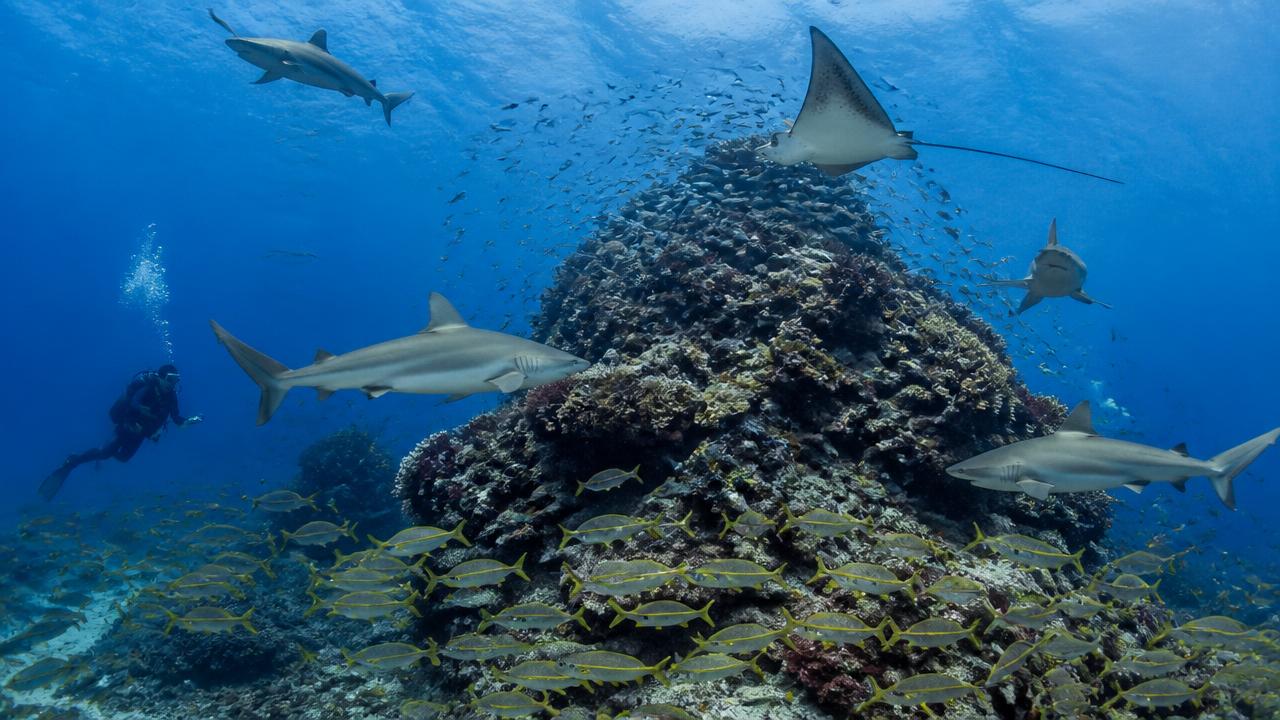
Divers on a Central Maldives thila

The classic Maldives mix

Channels, submerged thilas, outer walls and night dives can all fit into one well-designed week. The circuit deliberately mixes current dives, protected pinnacles, outer reefs and at least one memorable night session. A well-run week can include drift channels, thila cleaning stations, a whale-shark search and a memorable night dive.

Current-washed thilas concentrate reef fish and predators on the classic circuit.

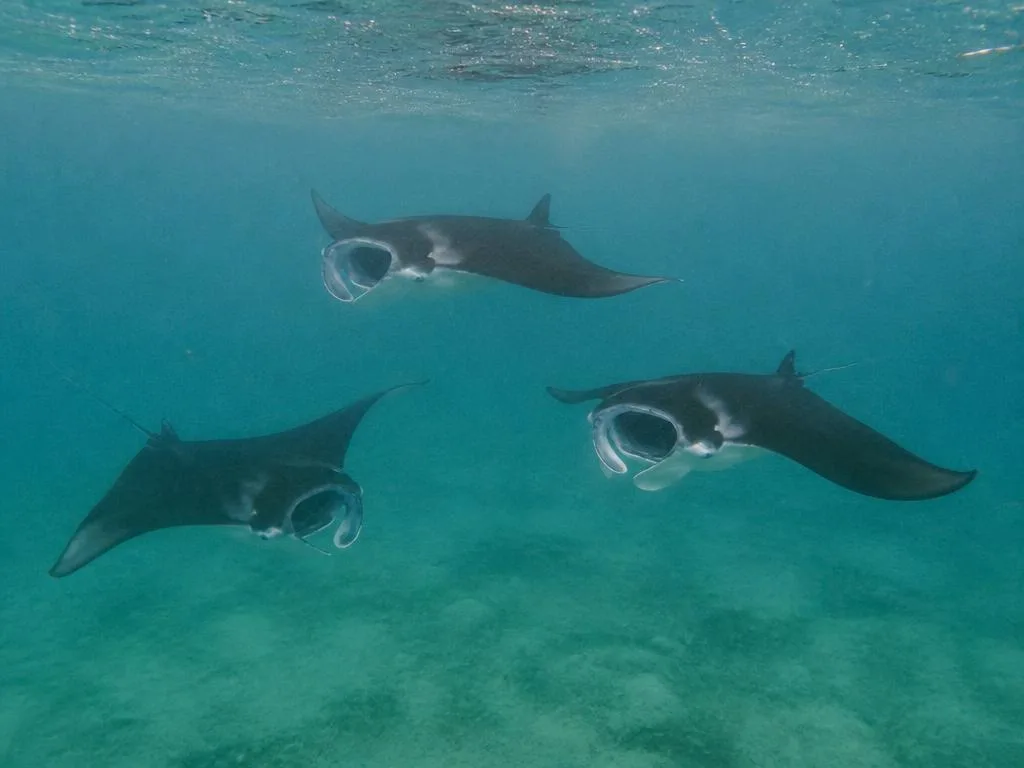
Reef manta at a Central Maldives cleaning station

Manta cleaning stations

Central routes include several established cleaning stations, selected according to monsoon flow and recent sightings. Cleaning-station visits require good buoyancy and patience so mantas can approach without being blocked or chased. The best encounters happen when divers settle low and let the mantas choose their own approach path.

Manta cleaning stations are central to many Malé and Ari itineraries.

Whale shark in South Ari Atoll

South Ari whale sharks

Liveaboards can search the South Ari outer reef for resident whale sharks, although encounters remain natural and unguaranteed. South Ari is known for resident whale-shark potential, but searches may involve long reef scans and snorkelling rather than a guaranteed dive. Guards use spotter planes or local knowledge to locate the sharks, then guests often snorkel alongside them.

South Ari offers year-round chances to search for whale sharks along the outer reef.

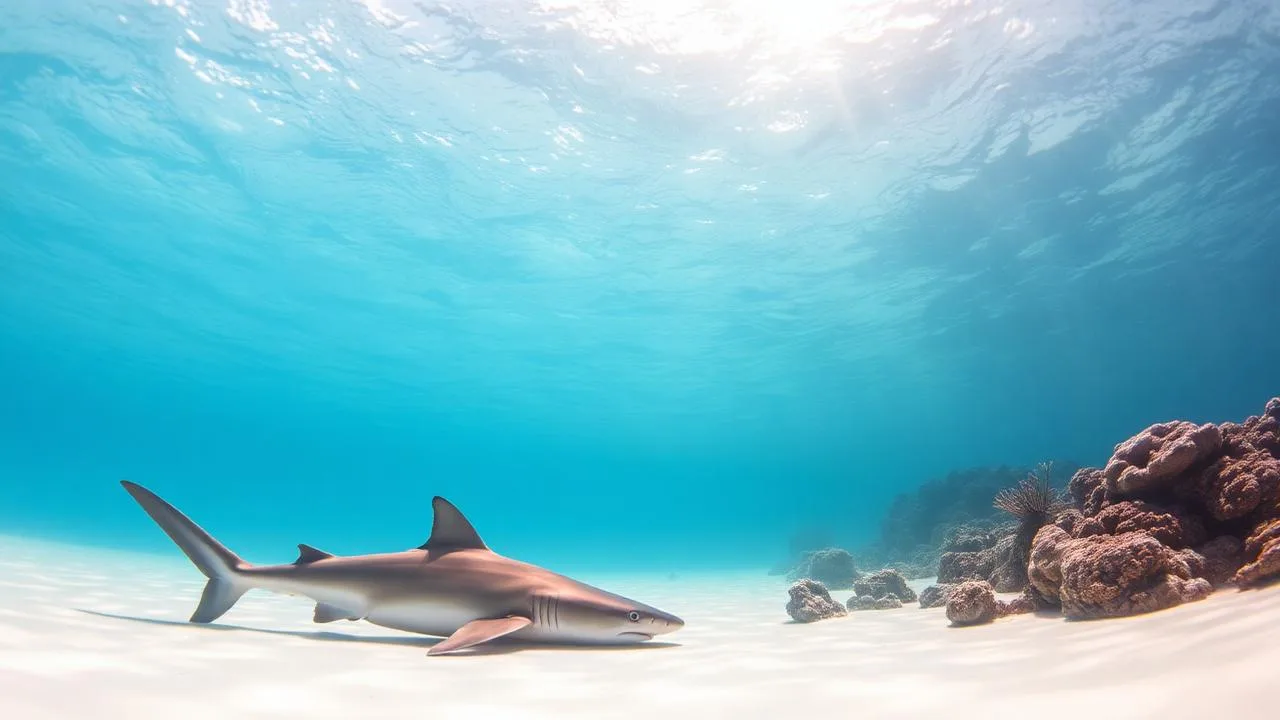
Nurse sharks at Vaavu Atoll

Vaavu shark nights

Alimatha's night dive creates memorable nurse-shark action while guides manage positioning and local rules. The Alimatha area is famous for nurse sharks after dark; responsible spacing and guide instructions remain essential. The experience is carefully managed: lights are limited, divers stay close together, and the sharks are never fed.

Vaavu's night diving adds a distinctive shark encounter to the central route.

Central Atolls Maldives liveaboard routes compared

Choose the Central Atolls Maldives itinerary that matches your experience, season and wildlife priorities. Route names can look similar while covering different ports, sites and sea conditions, so compare the actual daily programme rather than the headline alone.

Classic Circuit

Best of Maldives

Highlights

North and South Malé, Ari and Vaavu with thilas, channels, manta sites and night diving

Difficulty
Advanced

repeated drift dives, channel entries and deploying a DSMB away from the reef

Best season

November–May; captains follow monsoon flow and current direction

First Maldives liveaboardsharks and mantasvaried diving
Mantas & Whale Sharks

Ari & South Malé

Highlights

Ari cleaning stations, South Ari whale-shark searches and current-fed South Malé reefs

Difficulty
Advanced

drift experience helps when current builds around thilas and channels

Best season

Year-round; visibility and plankton shift between atoll sides

Big-animal varietymanta cleaning stationsthila diving
Extended Classic

Malé, Ari, Vaavu & Rasdhoo

Highlights

Rasdhoo dawn option, Malé channels, Ari thilas, South Ari searches and Vaavu shark dives

Difficulty
Advanced

frequent drifts, channel current, negative entries and blue-water exits

Best season

November–May; exact atoll order follows weather and tides

Full classic circuitreef sharks and mantasrepeat visitors
Channel Focus

Vaavu, South Malé & South Ari

Highlights

Vaavu shark channels, Alimatha night dive and South Ari's outer-reef whale-shark search

Difficulty
Advanced

repeated kandu entries and holding position safely in current

Best season

November–May; incoming current determines daily channel choices

Grey reef sharksnight divingwhale-shark potential

Experience needed for Central Atolls Maldives

Operator rules vary, but the practical guidance below helps you choose a route you can enjoy safely.

Best of Maldives

Certification:
Advanced Open Water recommended
Logged dives:
30+ recommended
Conditions:
Thilas and channels at 12–30 m, 15–30 m visibility, drift dives with current strongest at channel mouths
Gear:
DSMB; nitrox recommended where available

Ari & South Malé

Certification:
Advanced Open Water recommended
Logged dives:
30+ recommended
Conditions:
Cleaning stations and thilas at 15–30 m, visibility shifting with plankton, moderate to strong channel flow
Gear:
DSMB; nitrox recommended where available

Malé, Ari, Vaavu & Rasdhoo

Certification:
Advanced Open Water recommended
Logged dives:
30+ recommended
Conditions:
Channel dives with incoming current, 15–30 m visibility, negative entries on the outer reef edge
Gear:
DSMB; nitrox recommended where available

Vaavu, South Malé & South Ari

Certification:
Advanced Open Water recommended
Logged dives:
30+ recommended
Conditions:
Kandu dives in flowing current, 15–30 m visibility, grey-shark channels and hook-free positioning in flow
Gear:
DSMB; nitrox recommended where available

Current direction changes with tide and monsoon, so guides may move a named dive to a different day or choose another channel. That flexibility is central to safe Maldives diving. The operator's published minimum, check-dive assessment and safety rules always take precedence.

Central Atolls Maldives season & water conditions

Central Atolls liveaboards operate year-round, but the monsoon reverses water flow through the channels. The dry northeast monsoon usually brings clearer eastern water; the wetter southwest monsoon carries more plankton and can improve manta feeding activity.

Jan–Mar

28–29 °C
18 °C32 °C
20–35 m

Dryer skies and incoming ocean water often produce the clearest eastern-channel dives. Strong current concentrates grey reef sharks and eagle rays, making this a prime advanced-diver window.

Apr–Jun

29–30 °C
18 °C32 °C
15–30 m

April is a warm transition month before southwest-monsoon winds and rain become more frequent. Increasing plankton can reduce clarity but encourages manta activity on western sides.

Jul–Sep

28–29 °C
18 °C32 °C
10–25 m

The wetter southwest monsoon brings changeable seas and plankton-rich water. Boats adapt to leeward sites, while manta feeding and cleaning encounters become a major focus.

Oct–Dec

28–29 °C
18 °C32 °C
15–30 m

A transitional period leads back into the popular dry-season circuit. Current direction can be less predictable, but mixed manta, shark and whale-shark itineraries remain productive.

Visibility is highly local: an ocean-facing channel can be clear while a plankton-rich cleaning station is comparatively green. Current strength follows tides rather than a simple monthly rule, so channel dives may use negative entries and reef hooks where regulations and operator practice permit them.

Central Atolls Maldives marine-life calendar

Plan a Central Atolls Maldives liveaboard around the encounters that matter most to you. The bars show stronger historical windows, not promises, and the location line explains where each animal is normally sought.

Reef Manta RayJFMAMJJASONDAri and Malé cleaning stationsReef Manta Ray encounters are associated with Ari and Malé cleaning stations in the indicated window; guides still rely on current conditions and recent sightings.
Whale SharkJFMAMJJASONDSouth Ari outer reefWhale Shark encounters are associated with South Ari outer reef in the indicated window; guides still rely on current conditions and recent sightings.
Grey Reef SharkJFMAMJJASONDVaavu and South Malé channelsGrey Reef Shark encounters are associated with Vaavu and South Malé channels in the indicated window; guides still rely on current conditions and recent sightings.
Spinner DolphinJFMAMJJASONDOpen crossingsSpinner Dolphin encounters are associated with Open crossings in the indicated window; guides still rely on current conditions and recent sightings.
Nurse SharkJFMAMJJASONDVaavu night-dive sitesNurse Shark encounters are associated with Vaavu night-dive sites in the indicated window; guides still rely on current conditions and recent sightings.
Eagle RayJFMAMJJASONDChannel entrances and outer reefsEagle Ray encounters are associated with Channel entrances and outer reefs in the indicated window; guides still rely on current conditions and recent sightings.

Peak bars show historically stronger encounter windows; shoulder months can still produce excellent dives, while wild-animal encounters are never guaranteed.

Getting to Central Atolls Maldives & departure ports

Central Atolls trips are the easiest Maldives liveaboards to reach. Most board near Velana International Airport, although Ari-focused and one-way sailings can use a domestic flight or speedboat connection.

Hulhumalé

The main liveaboard anchorage beside Velana International Airport. Operator dhonis usually collect guests from a designated airport or harbour meeting point.

Malé

Some vessels meet guests at the capital's harbour or arrange a short transfer from the airport island. Confirm the jetty because Malé and Hulhumalé are separate pickup points.

Velana International Airport (MLE)

The international gateway for the central fleet. Transfers to nearby boats are often same-day, but the published meeting window can be several hours after landing.

Ari Atoll domestic gateways

Selected one-way or Ari-focused routes use Maamigili or another domestic airport. The domestic ticket and baggage allowance may be separate from the liveaboard fare.

A same-day airport transfer is often possible, but a delayed international flight can still miss the dhoni pickup or first sailing. Confirm the meeting desk, harbour and final disembarkation point, especially on one-way itineraries, and retain the no-fly interval required after the final dive.

What does a Central Atolls Maldives liveaboard cost?

Drift through luminous channels, circle colourful thilas and search South Ari for whale sharks beneath tropical skies. Compare live departures to find the boat and cabin for your classic Maldives escape.

Central Atolls Maldives liveaboards

Central Atolls Maldives liveaboards

The Maldives' largest fleet creates the broadest range of cabin categories and departure prices.

Included in the trip price

A cabin, meals, tanks, weights, guides and the scheduled dives are normally included; exact inclusions vary by boat.

Costs that come on top

Budget separately for flights, transfers, marine-park or port fees, nitrox, rental gear, gratuities and any required hotel nights.

Prices move with season, cabin type, trip length and remaining availability. Open a departure for the final operator breakdown.

Cost level

The calendar below shows how liveaboard prices shift month by month, so you can see exactly when your money goes furthest. We want every diver to get the best possible value, which is why we highlight the seasons that balance great conditions with the fairest rates.

$37–$336

per day liveaboard

Prices reflect typical costs for mid-range to premium options. Budget alternatives may be available.

Central Atolls Maldives liveaboard FAQ

When is the best time to dive in the Central Atolls?
Diving conditions in the Central Atolls change throughout the year. Check our month-by-month best-time-to-dive guides to plan around peak visibility, weather and marine life encounters.
Do I need a liveaboard to dive in the Central Atolls?
A liveaboard gives you access to remote dive sites in the Central Atolls that day boats cannot reach, plus 3–5 dives per day in maximum comfort. For the best dives in the Central Atolls, a liveaboard is the recommended choice.
What certification do I need to dive in the Central Atolls?
Most Central Atolls liveaboards require Open Water as a minimum, with Advanced Open Water and 30+ logged dives recommended for currents and deeper sites. Some expert routes require Tech or 100+ dives.
How much does a Central Atolls liveaboard cost?
Liveaboard prices in the Central Atolls typically range from €1,500 to €6,000+ per week depending on vessel category, route length and season. Browse the boats below for live pricing.
Do I need a visa for Central Atolls?
Visa requirements vary by your nationality. Always check the latest entry rules with the destination's official government source before booking flights.
Is diving in the Central Atolls safe for beginners?
Many Central Atolls sites are beginner-friendly, but some routes feature strong currents or deep walls suited only to experienced divers. Check each vessel's recommended experience level.
Is the Central Atolls route best for a first Maldives trip?
Usually yes: it combines the major habitat types, wildlife and simple Malé logistics. It is also the easiest region for comparing boats and cabin categories, although divers should still be comfortable with current before joining channel-heavy itineraries.
When is visibility best?
The northeast monsoon, broadly January to April, often brings clearer water on eastern sides. Visibility changes across each atoll with current direction, and plankton-rich water that reduces clarity can also improve the chance of manta activity.
Will I see whale sharks?
South Ari offers year-round chances, but no encounter is guaranteed. Routes search the outer South Ari reef and may use both scuba and snorkelling, but timing, sea conditions and natural animal movement determine whether an encounter occurs.
How strong are the currents?
Channels can run hard; Advanced certification, drift experience and a DSMB are recommended. Guides choose entry points around the tide, yet divers still need stable buoyancy, a DSMB and the ability to stay with a moving group during one-way drift profiles.
What is a kandu and a thila?
A kandu is a channel through an atoll rim, often dived as a drift when ocean water moves through it. A thila is a submerged reef or pinnacle inside an atoll, often used by cleaning fish and schooling species.
Does the route return to Malé?
Many classic circuits are Malé round trips, but some boats reposition to another atoll or airport. Check both ports and any domestic-flight requirement before arranging international tickets.
How does the monsoon affect the route?
Current generally pushes clearer ocean water into one side of an atoll and plankton-rich water out the other. Captains adjust channel and manta-site choices to the active flow rather than follow a rigid sequence.
What is the separate diving dhoni used for?
The dhoni carries tanks, compressors and dive equipment, meets the main vessel at each site and gives divers more deck space. It also lets the hotel boat remain quiet and dry between dives.

Where to go next

Compare Central Atolls Maldives with its country overview and other strong liveaboard regions.

Plan your trip

Ready to dive?

Explore our expedition vessels and find your perfect trip to Central Atolls