About Tiger Zoo (Fuvahmulah)
Tiger Zoo, also known as Tiger Harbor, in Fuvahmulah is a world-renowned dive site in the Maldives, famous for its guaranteed year-round sightings of tiger sharks. Unlike typical Maldivian atolls, Fuvahmulah is a solitary island rising from the deep ocean, making it a unique magnet for pelagic species due to its isolated equatorial location. The site originated from local fishermen historically discarding fish waste in the harbor, which naturally attracted tiger sharks; dive operators later continued this practice with strict safety protocols, creating a predictable environment for encounters. This site's topography ranges from 8 to 20 meters, with some sources indicating depths between 10 to 65 meters where tiger sharks ascend from. Divers can witness these apex predators in relatively shallow, clear waters near the harbor entrance, often encountering multiple individuals at once. The experience is primarily a static or slow drift dive, focusing on observing the resident tiger shark population. Beyond the primary attraction, Fuvahmulah is a UNESCO Biosphere Reserve, boasting rich biodiversity. While tiger sharks are the main draw, the waters also host thresher sharks, hammerhead sharks, oceanic whitetip sharks, silvertip sharks, grey reef sharks, and whitetip reef sharks. Oceanic manta rays and whale sharks also appear seasonally. Encounters with tiger sharks are guaranteed daily due to their resident nature. Given the presence of large pelagics and the depths involved, this site is typically recommended for Advanced Open Water divers or those with a Deep specialty. Dive operations are highly regulated, with experienced guides providing thorough briefings on shark behavior and safety. Visibility in Fuvahmulah can be exceptional, often reaching 20-40 meters year-round, making it ideal for observation and photography.
Highlights
Guaranteed tiger shark encountersResident tiger shark populationMultiple shark species sightingsShallow water tiger shark observationUnique island geographyExceptional year-round visibility
Season calendar
Best months to dive here
Jan
Feb
Mar
Apr
May
Jun
Jul
Aug
Sep
Oct
Nov
Dec
Good
Dive site facts: Tiger Zoo (Fuvahmulah)
- Depth
- 8–20 m
- Typical dive
- 8–10 m, 50–60 min (for Tiger Zoo)
- Current
- Strong, challenging
- Visibility
- 20–40 m
- Water temperature
- 24–30°C
- Entry
- Tender / Negative entry
- Level
- Advanced + Deep specialty recommended, current experience essential
- Dive type
- Pelagic, shark diving, drift
- Night dive
- Not typical for Tiger Zoo, but other sites possible
- Region / port
- Gnaviyani Atoll (Fuvahmulah)
- Coordinates
- -0.3065, 73.4145
Conditions & Currents
Currents at Fuvahmulah, including around Tiger Zoo, are influenced by its unique isolated location and deep channels, attracting large pelagics. While the sources don't specify the exact current strength for Tiger Zoo itself, the region is known for significant currents that contribute to its rich marine life. Safety protocols for diving with tiger sharks involve expert guides and thorough briefings on behavior and conditions. Visibility typically ranges from 20 to 40 meters year-round, but can reach up to 60 meters from January to April. This site is best suited for Advanced Open Water divers or those with a Deep specialty due to potential depths and the nature of the encounters.
Marine life & sighting chances

Tiger Shark
Year-round · common
Thresher Shark
Year-round, peak Oct–Dec & Apr–Nov for shallow sightings · common
Hammerhead Shark
Year-round, peak Jan–Mar for schools · occasional
Oceanic Manta Ray
Jan–Apr · occasional
Whale Shark
Jan–Apr · occasional
Silvertip Shark
Year-round · common
Grey Reef Shark
Year-round · common
White-tip Reef Shark
Year-round · occasional
Tuna
Year-round · common
Sailfish
Year-round · occasional
Napoleon Wrasse
Year-round · occasional
Sunfish (Mola Mola)
Occasional · rareDive profile & how the dive runs
A typical dive at Tiger Zoo starts with a short boat ride from the harbor to the horseshoe-shaped plateau. Entry is often a negative descent to quickly reach the average depth of 8-10 meters, where tiger sharks are reliably encountered. Divers remain in this area, often utilizing reef hooks or maintaining precise buoyancy in the currents, observing the resident sharks. The dive typically lasts 50-60 minutes, allowing ample observation time while managing air consumption. The turn point is determined by air limits and no-decompression limits, with safety stops performed shallowly, usually at 5 meters, before a direct ascent to the surface.
Underwater photography
For capturing the large pelagics at Tiger Zoo, a wide-angle lens is essential, given the visibility often exceeding 30 meters. External strobes are highly recommended to bring out color and detail, especially for the dark dorsal surfaces of sharks against the blue water. Buoyancy control is paramount to avoid disturbing the environment and to position yourself effectively in variable currents. Respect marine life by maintaining a safe distance and avoiding aggressive approaches, particularly with tiger sharks, whose behavior is consistently monitored by guides. Private dives can be arranged for dedicated photographers to maximize opportunities for unique shots.
Combine with nearby dive sites
- British Loyalty Wreck (Addu)
A 140m WWII oil tanker, ideal for wreck diving enthusiasts, often combined in southern atoll itineraries.
- Villingili Kandu (Gaafu Alifu)
Known for rich pelagic encounters, particularly grey sharks, in strong channel currents.
- Fuvahmulah Thresher Point
A specific site around Fuvahmulah known for thresher shark sightings, often requiring deep or early morning dives.
- Kooddoo Corner (Gaafu Alifu)
Offers vibrant coral formations and diverse marine life, including various shark species.
Getting there & logistics
Access to Fuvahmulah typically involves an international flight to Velana International Airport (MLE) in Malé, followed by a domestic flight to Fuvahmulah Airport (FVM), which takes approximately 1.5 hours. From the local island, dive centers provide short boat rides to the dive sites. Fuvahmulah is often part of a longer liveaboard itinerary exploring the southern atolls of the Maldives, sometimes combined with Huvadhoo and Addu. Day trips are generally focused on diving around Fuvahmulah itself. Tourism on local islands has recently opened, offering a more authentic Maldivian experience compared to resort islands.
Safety & environment
Diving in Fuvahmulah can be challenging due to strong currents, waves, and deep waters, requiring advanced diving skills and comfort in such conditions. Divers must have adequate travel insurance that covers emergency evacuation and hyperbaric treatment. The nearest recompression chamber would be in Malé, implying a significant travel time for any decompression illness. All divers receive comprehensive briefings on shark behavior and safety protocols, especially for tiger shark encounters, emphasizing strict adherence to guide instructions. Maintaining excellent buoyancy and following group guidelines are crucial for safety.
Who it suits — and who it doesn't
Suited for
- Experienced divers comfortable with strong currents
- Pelagic and shark diving enthusiasts
- Advanced Open Water certified divers with deep diving specialty
- Underwater photographers seeking unique large animal shots
- Travelers looking for an authentic local Maldivian experience
Less suited for
- Beginner or newly certified Open Water divers
- Divers uncomfortable with strong currents or negative entries
- Those seeking primarily vibrant coral reef dives
- Divers prone to seasickness in exposed ocean conditions
- Individuals with limited experience in deep diving
FAQ
Tiger Zoo (Fuvahmulah) FAQ
What kind of sharks can be seen at Tiger Zoo?
Tiger Zoo is primarily known for its consistent tiger shark sightings, with a resident population of over 230 individuals. In addition to tiger sharks, divers can also frequently encounter silvertip sharks and grey reef sharks in the area. Other pelagic species, including thresher sharks and hammerheads, are found in the wider Fuvahmulah atoll.
Is diving at Tiger Zoo suitable for all experience levels?
No, diving at Tiger Zoo and in Fuvahmulah generally requires a higher level of experience. Divers should be comfortable with strong currents, negative entries, and exposed ocean conditions. An Advanced Open Water certification, along with deep diving and current experience, is highly recommended to safely enjoy the dives.
What are the water temperatures and visibility like?
Water temperatures in Fuvahmulah range from 24-26°C from May to December and 26-29°C from January to April, allowing for comfortable diving. Visibility is typically excellent, often exceeding 20-40 meters, providing clear views of the abundant marine life. However, plankton blooms, while attracting pelagics, can sometimes reduce visibility.
When is the best time to see whale sharks and manta rays?
While tiger sharks are present year-round, the best time to encounter whale sharks and oceanic manta rays in Fuvahmulah is during the dry season, from January to April. This period offers optimal conditions for these migratory pelagics, although sightings are never guaranteed and depend on various environmental factors.
How do you get to Fuvahmulah?
To reach Fuvahmulah, you first fly internationally to Velana International Airport (MLE) in Malé. From there, you take a domestic flight to Fuvahmulah Airport (FVM), which is a journey of approximately 1.5 hours. Once on the island, local dive centers arrange transport to the dive sites.
Are tiger shark dives baited?
Yes, the tiger shark dives at Tiger Zoo are conducted with bait, which attracts the resident tiger sharks to the dive site just outside the harbor. This practice ensures consistent sightings for divers, making Fuvahmulah unique for guaranteed tiger shark encounters. Experienced guides manage these dives with strict safety protocols.
Why dive Tiger Zoo (Fuvahmulah) from a liveaboard?
Tiger Zoo (Fuvahmulah) is one of Maldives's signature dive sites. A liveaboard sleeps you on the water and puts you in the water for three to four guided dives per day, including dawn and night dives that day-boat operators rarely offer. You skip the daily commute back to port and reach quieter, less-crowded sites in the same region on a single trip.
Below are the liveaboards that include Tiger Zoo (Fuvahmulah) on their Maldives itineraries.
Liveaboards diving Tiger Zoo (Fuvahmulah)
These liveaboards may visit Tiger Zoo (Fuvahmulah) on selected itineraries — the exact dive sites depend on departure, weather and conditions.
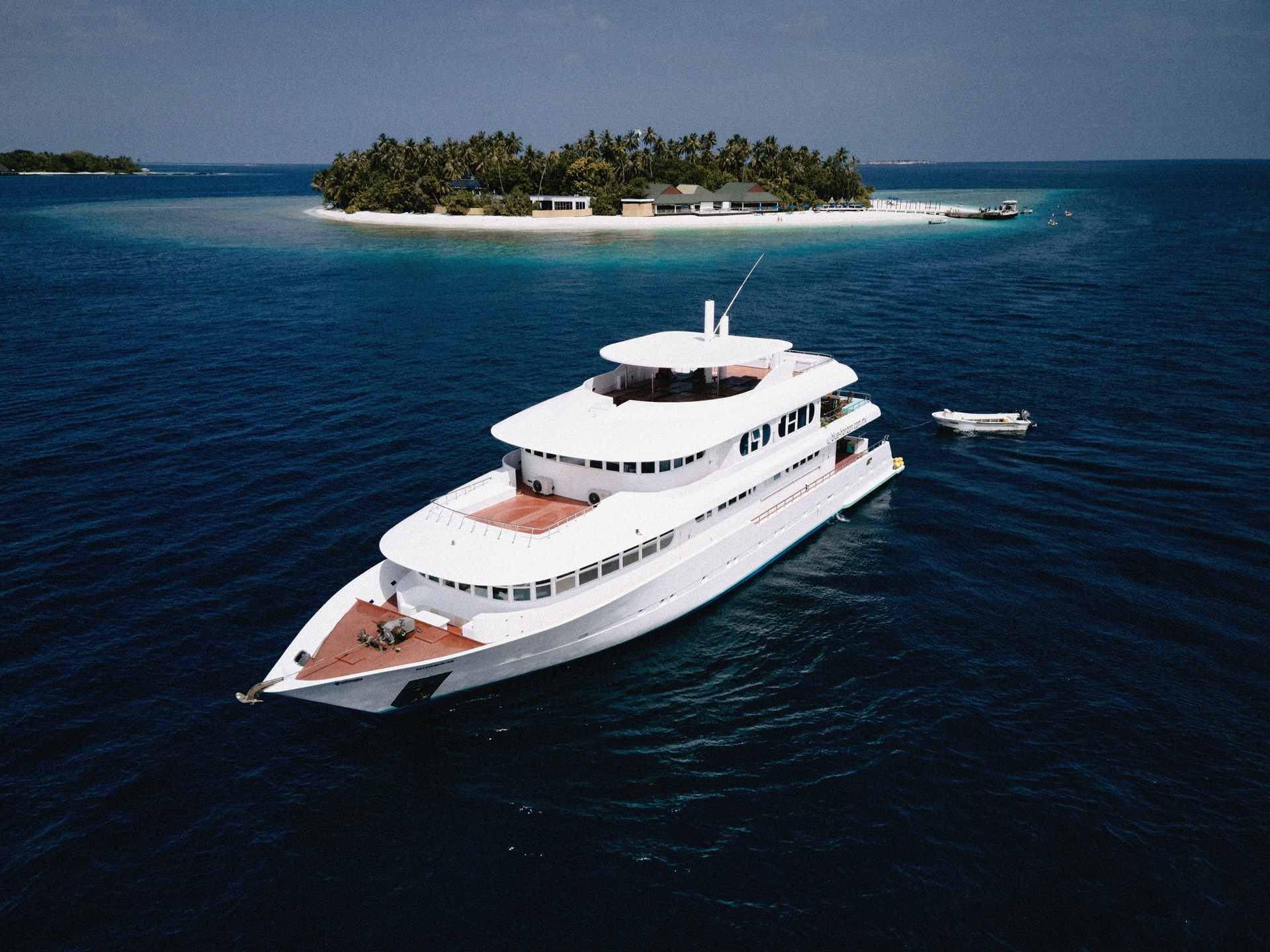
Horizon III
Maldives
25 guests
$204/day
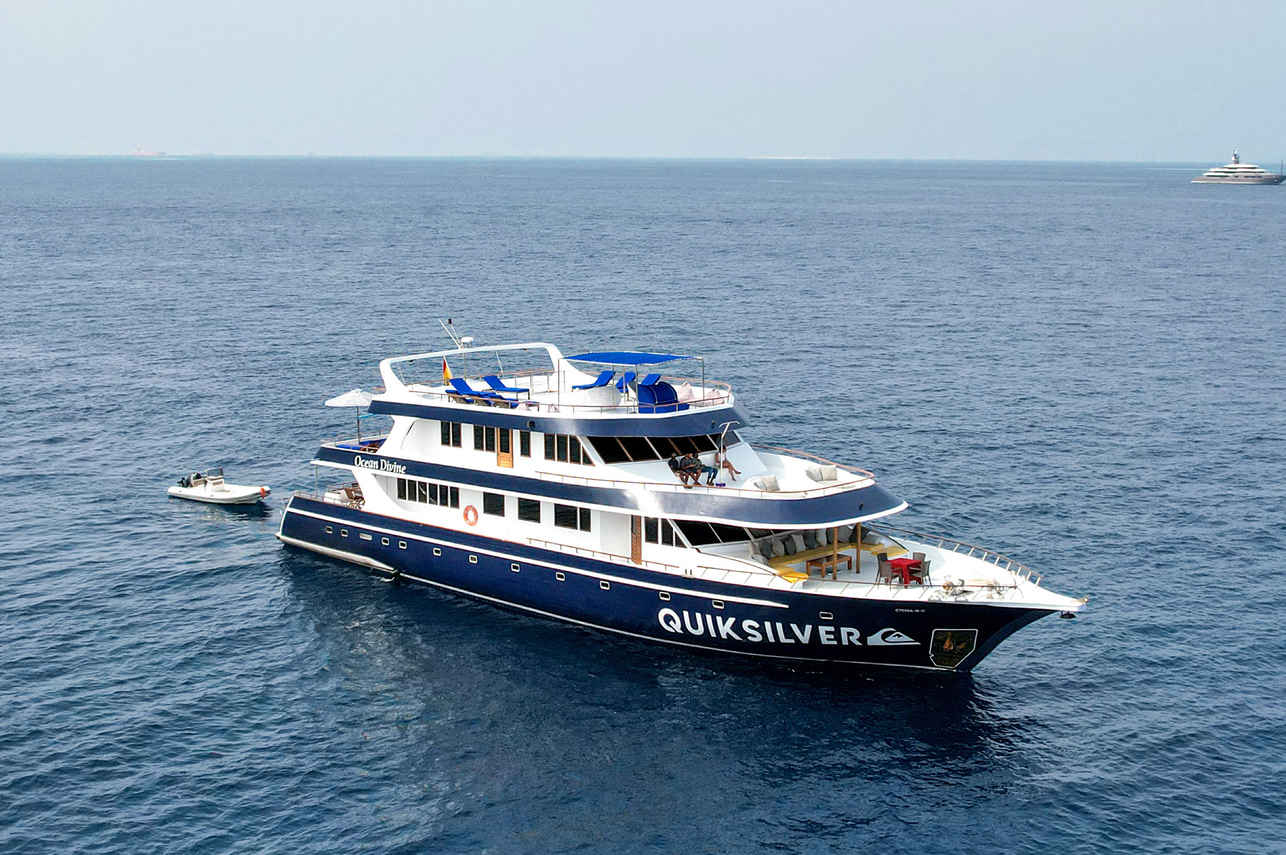
Ocean Divine
Maldives
16 guests33.528 m
$287/day
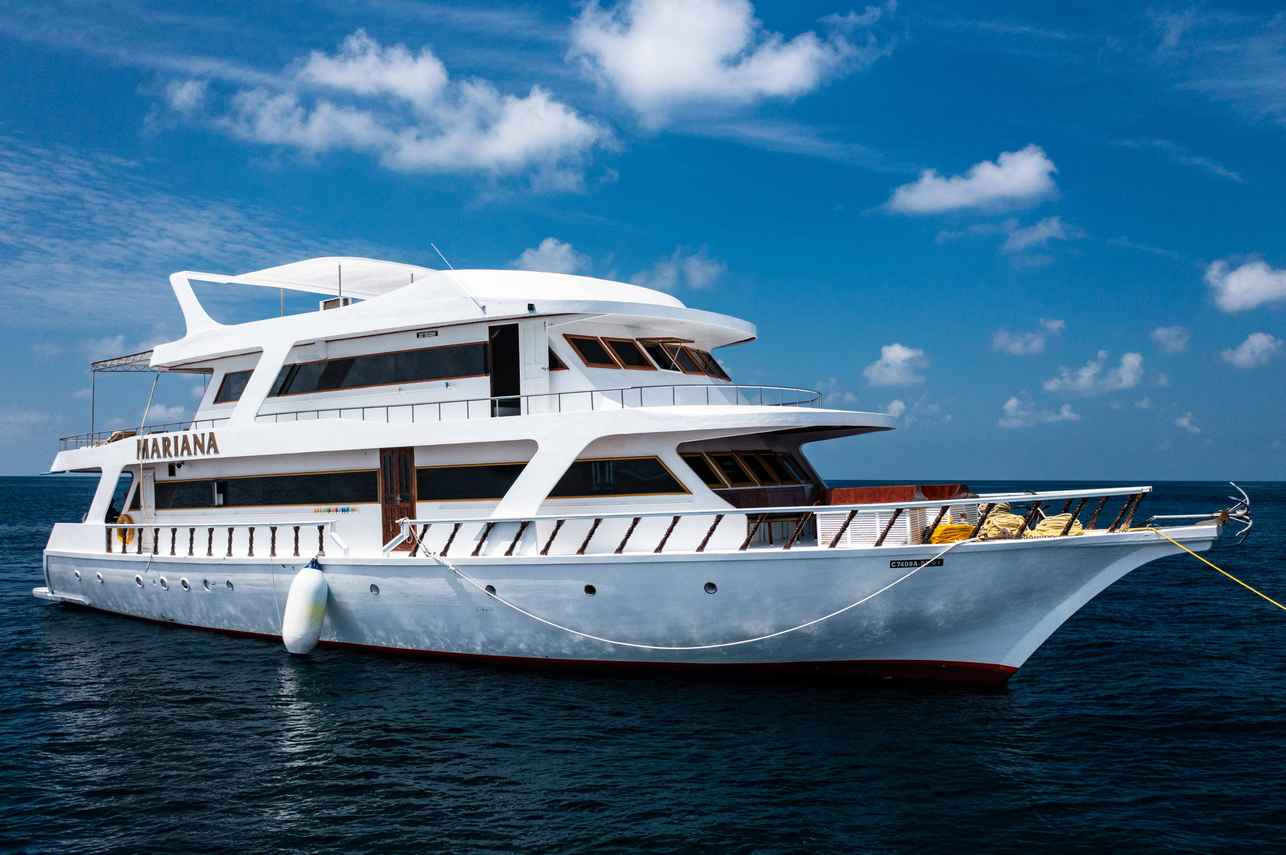
EcoPro Mariana
Maldives
16 guests30 m
$236/day
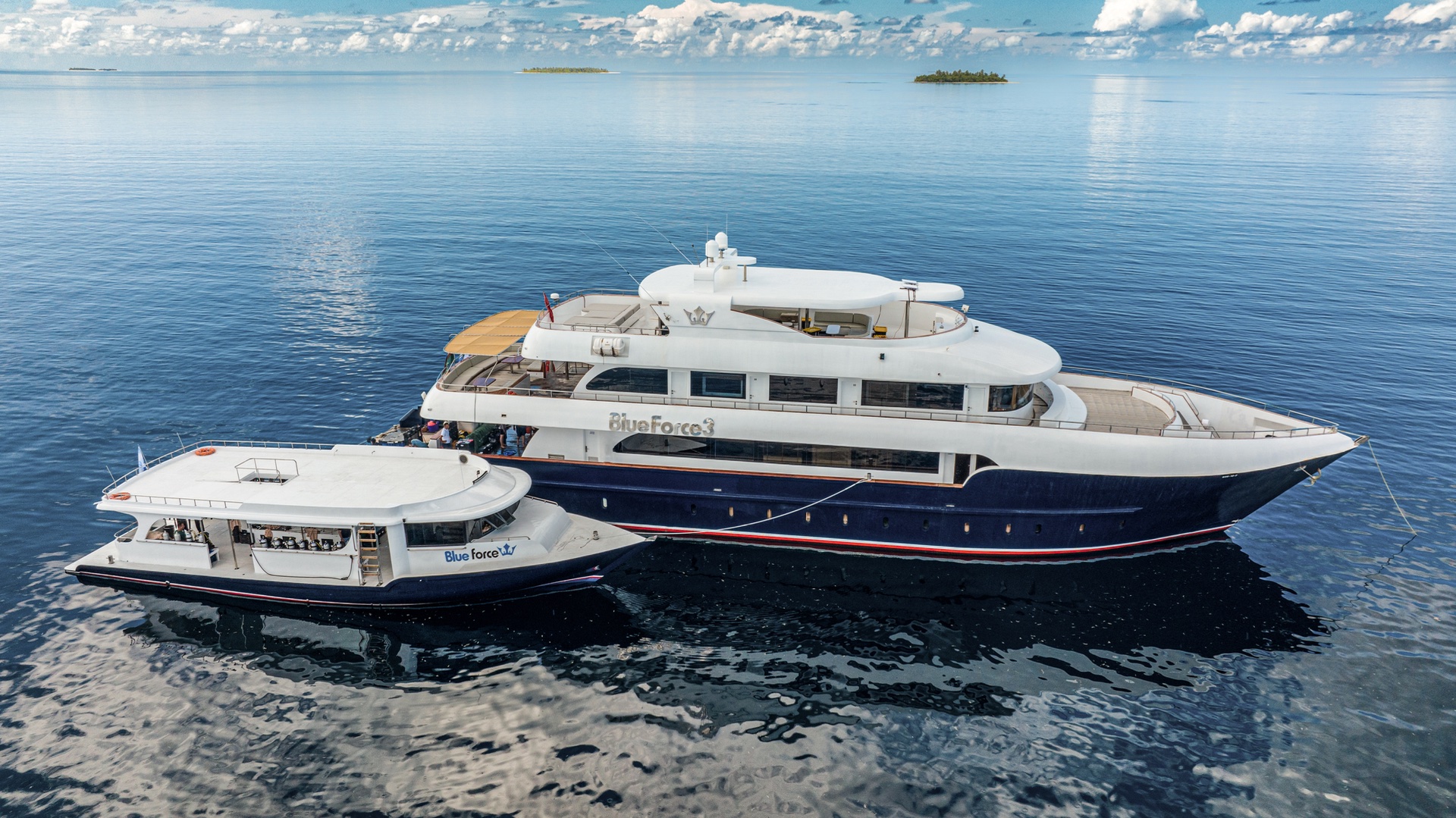
Maldives Blue Force 3
Maldives
26 guests42 m
$236/day
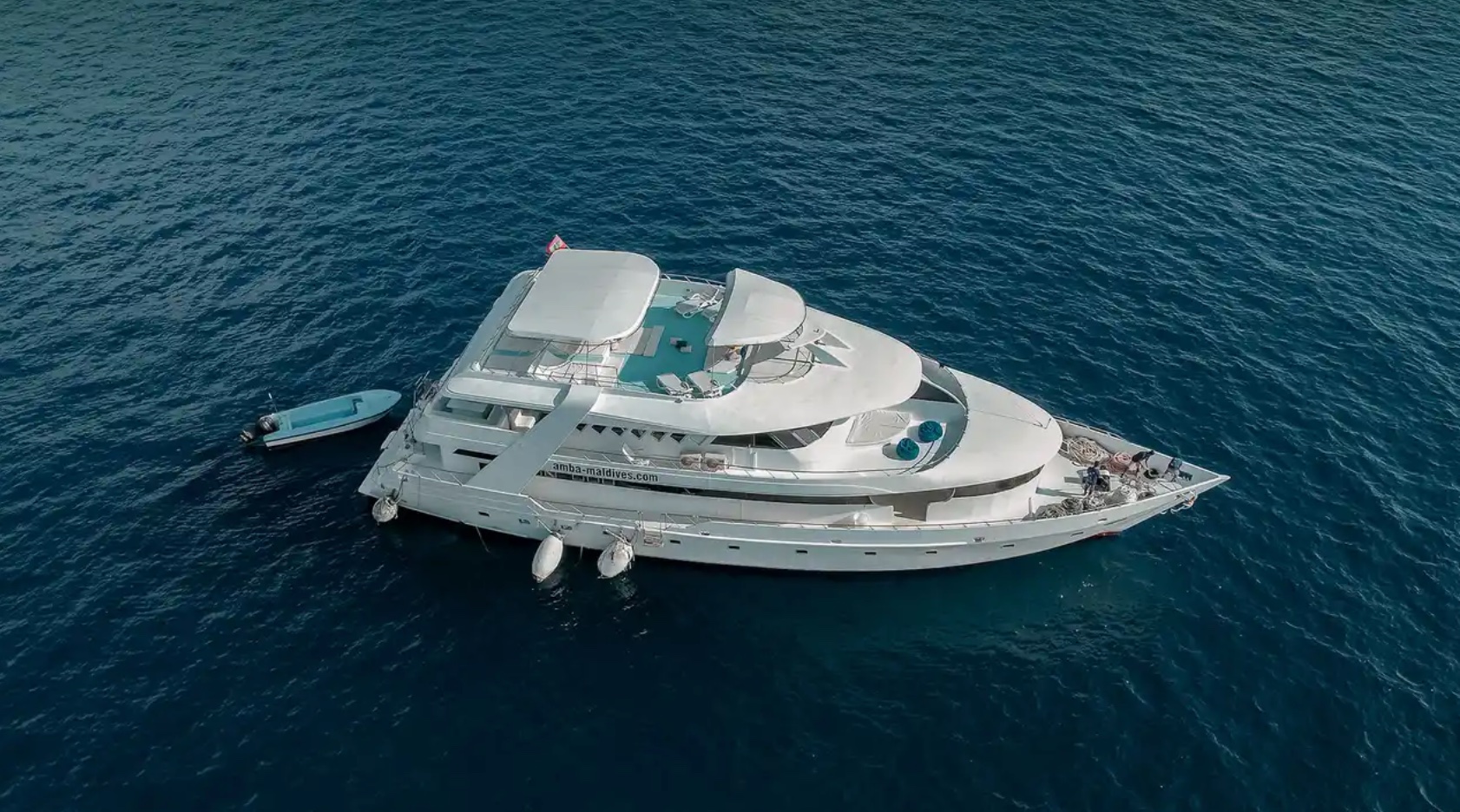
Amba
Maldives
20 guests
$199/day
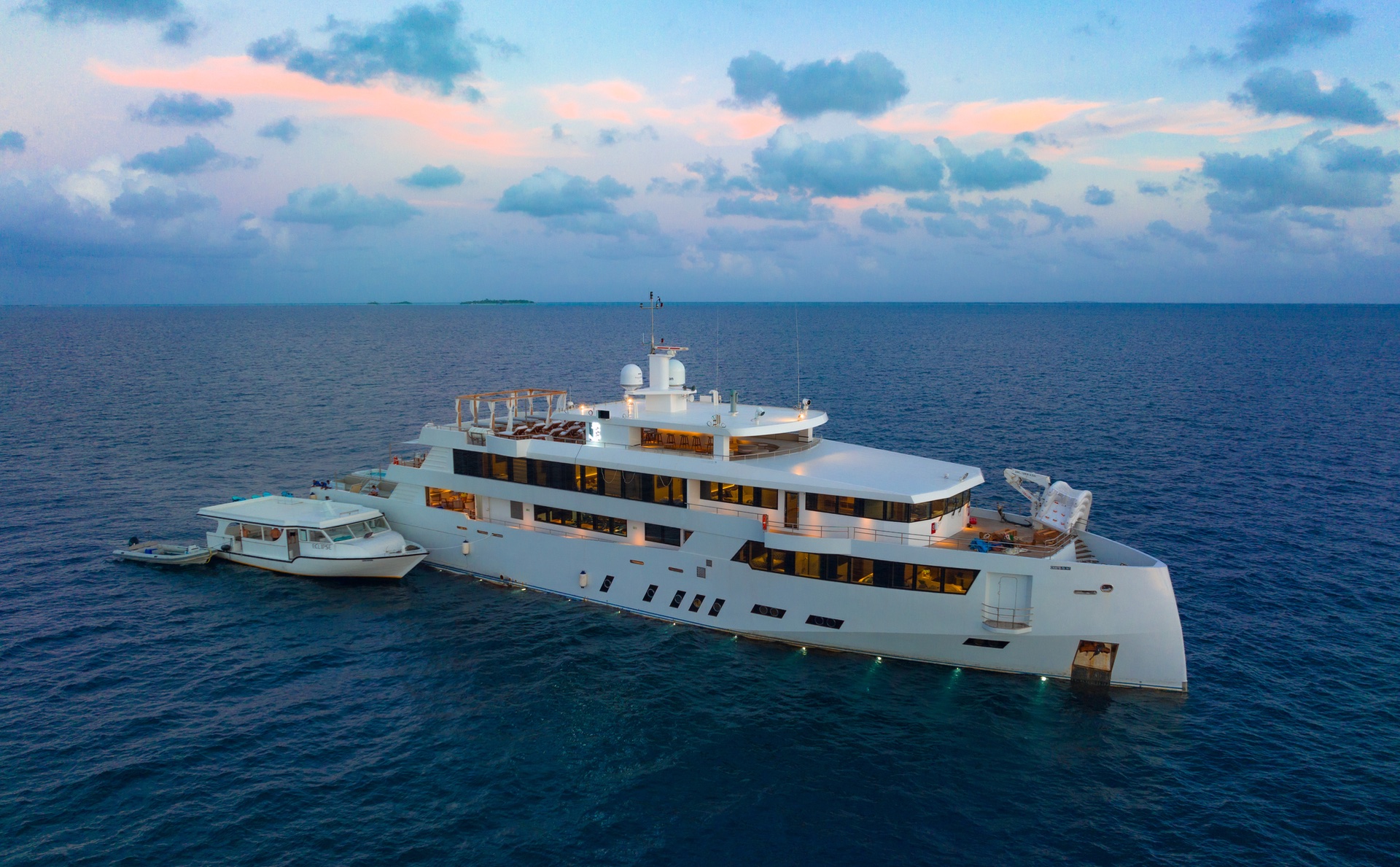
White Pearl
Maldives
26 guests
$375/day
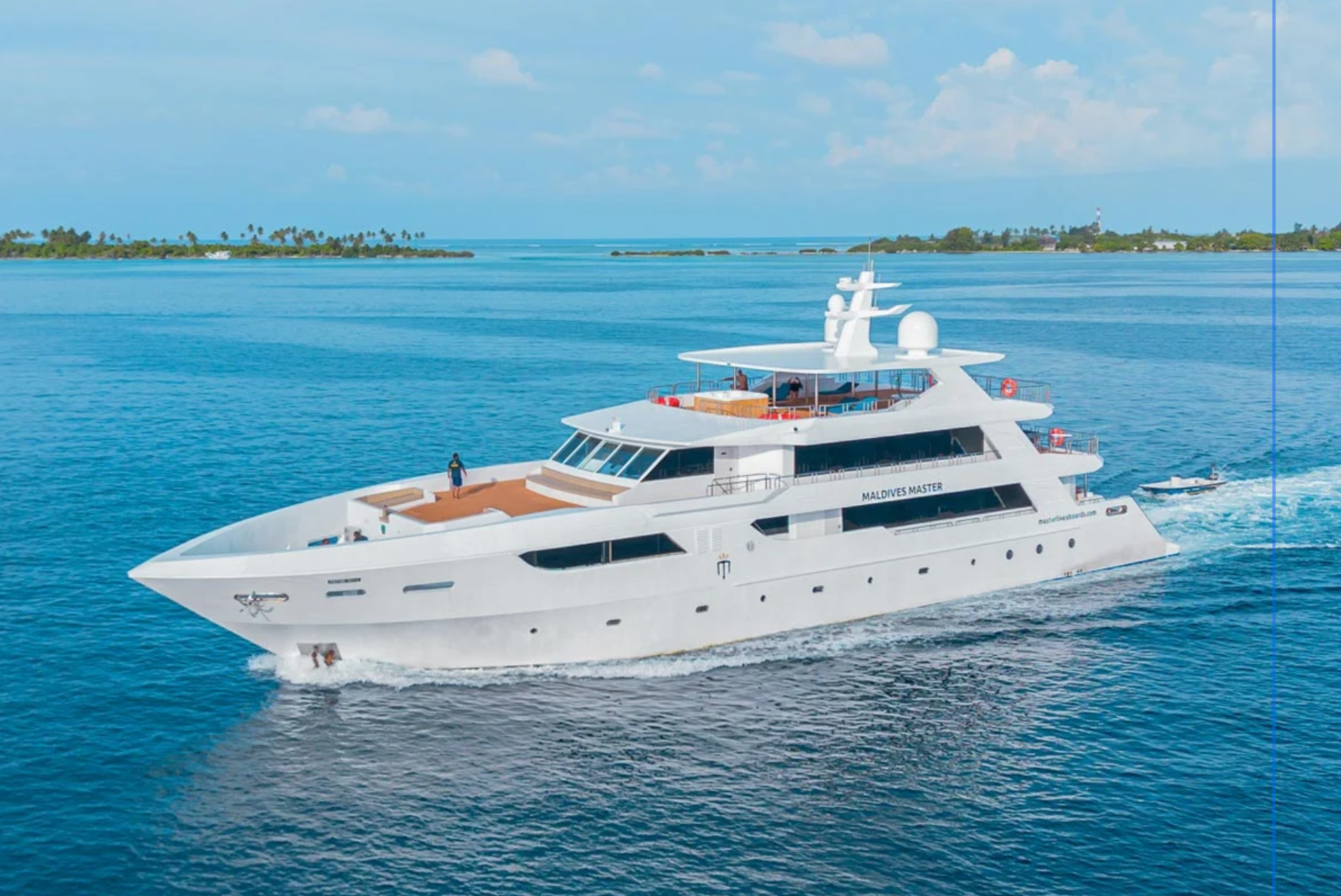
Maldives Master
Maldives
26 guests
$207/day
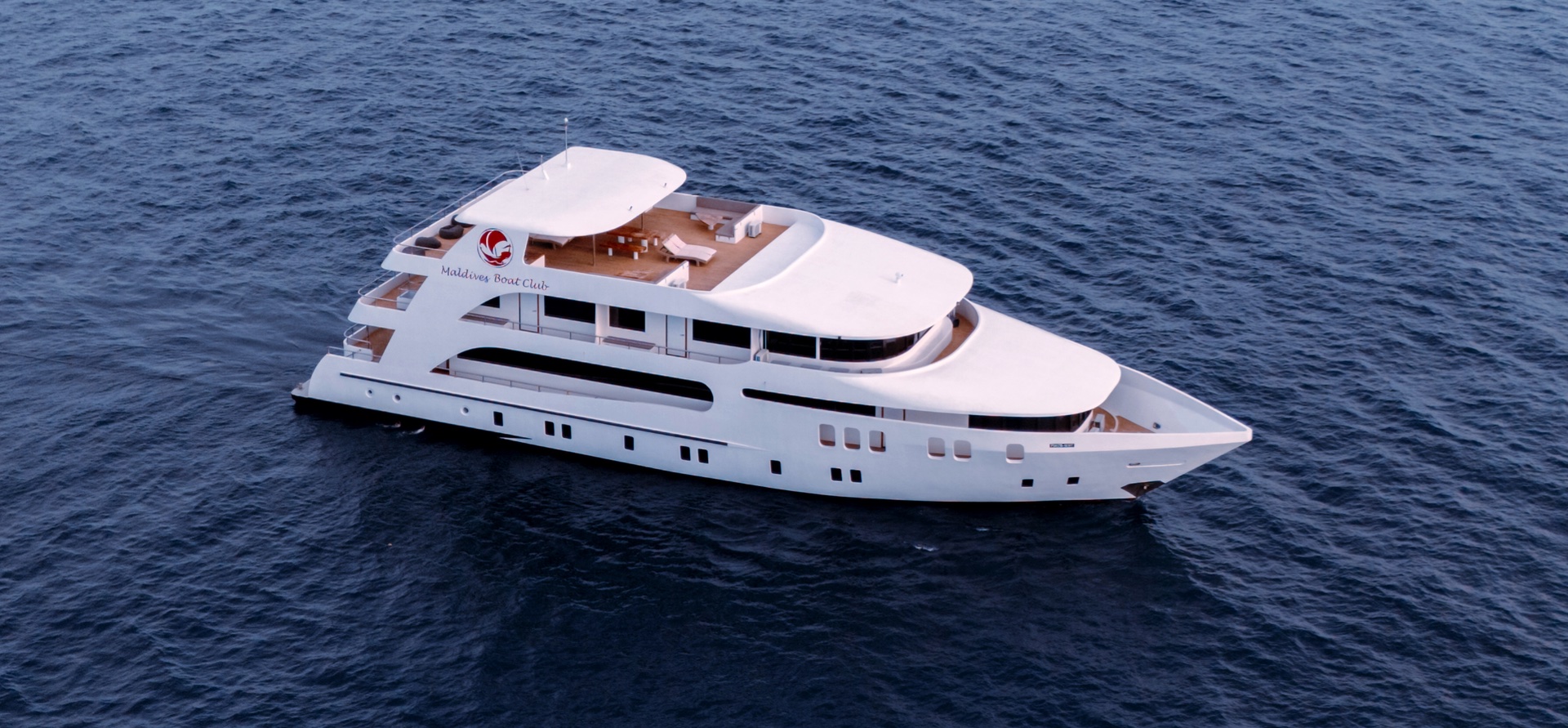
Adora
Maldives
22 guests
$297/day
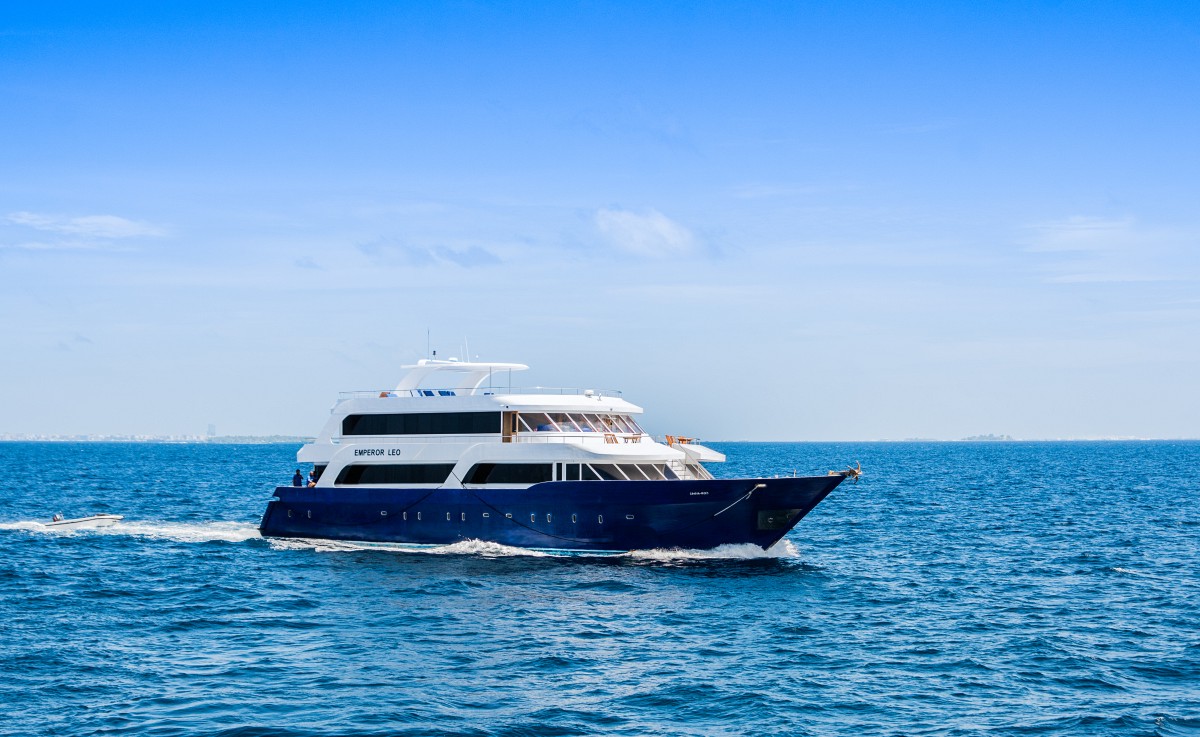
Emperor Leo
Maldives
24 guests35.1 m
$277/day
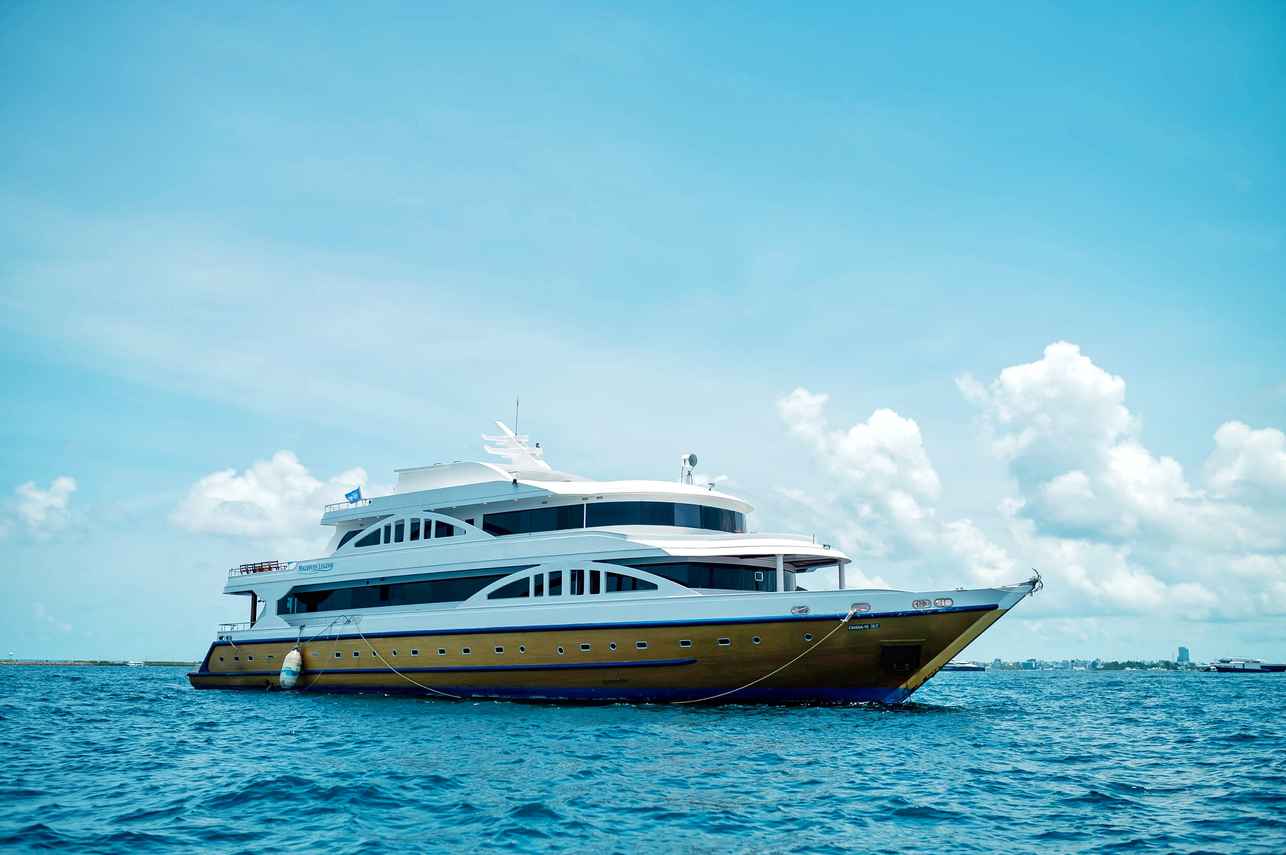
Maldives Legend Zen
Maldives
24 guests41 m
$316/day
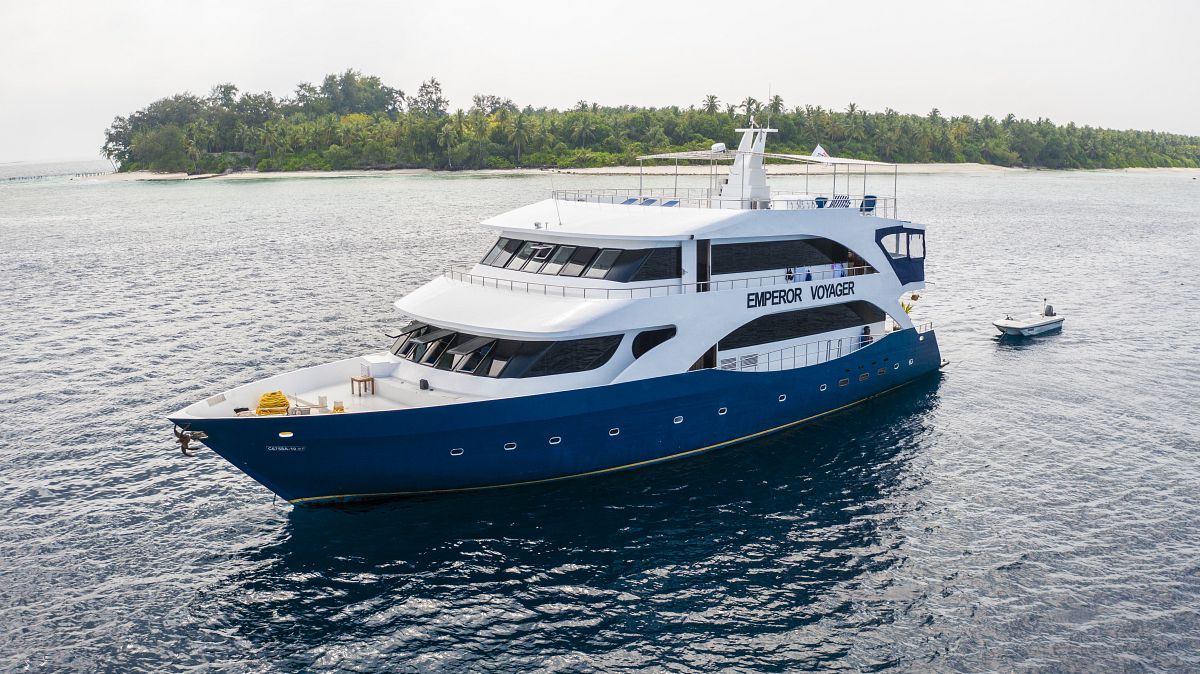
Emperor Voyager
Maldives
20 guests29.9 m
$325/day
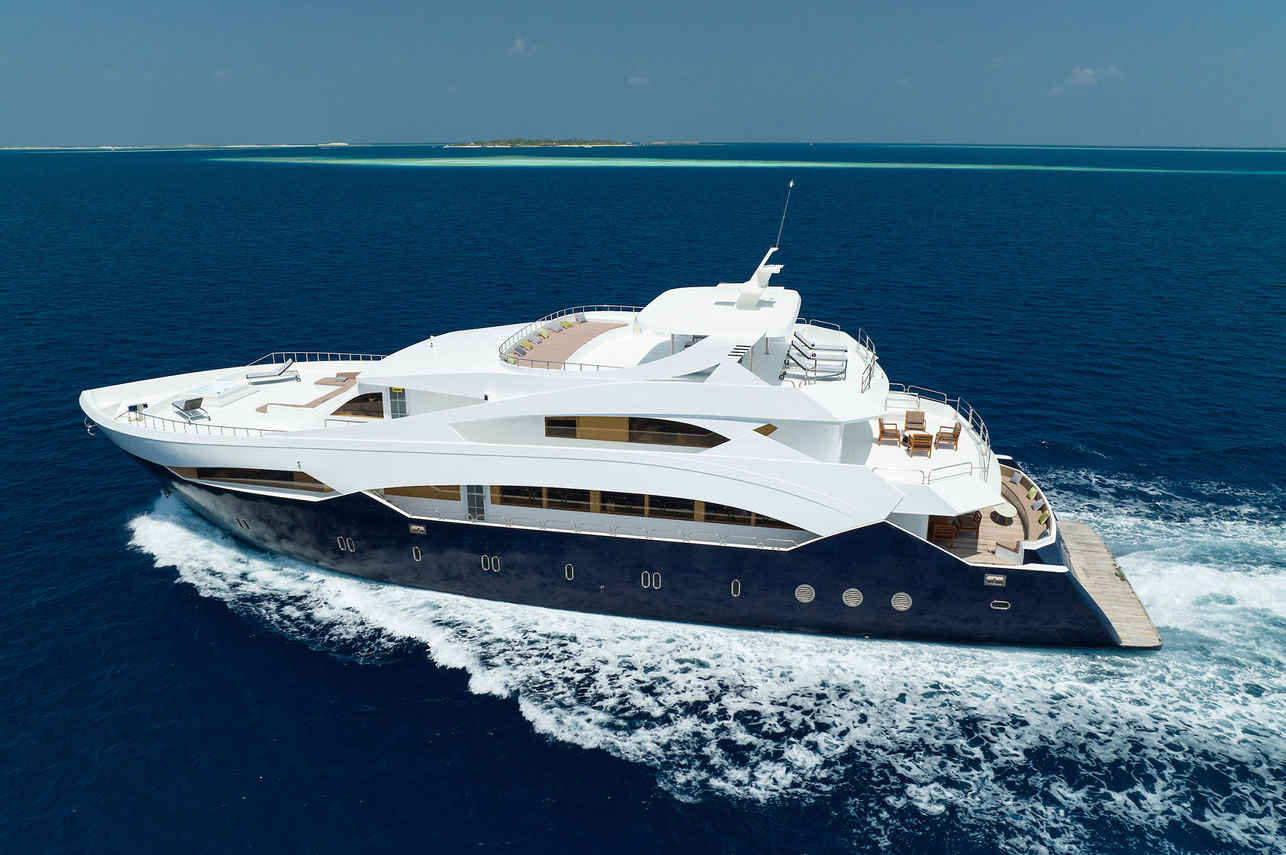
Felicity
Maldives
26 guests41 m
$229/day
Dive sites similar to Tiger Zoo (Fuvahmulah)
Same character, same waters — six more sites divers love for the exact same reasons.Compare seasons, access and liveaboard routes — then pick the site that fits your trip best.
© Esri — Maxar, Earthstar, GIS
Kudimaa Wreck
Maldives
The Kudimaa Wreck is a compelling dive site in the Maldives, offering a fascinating artificial reef environment.
- Suitable for
- Advanced
- Current
- Moderate
- Access
- Liveaboard only
- Depth
- ≤ 30 m
- Theme
- Wreck / Reef
© Esri — Maxar, Earthstar, GIS
Blizzard Ridge
Australia
Blizzard Ridge is a renowned dive site situated within Lighthouse Bay on Ningaloo Reef, Western Australia, easily accessible from Exmouth.
- Suitable for
- Beginner
- Current
- Moderate
- Access
- Liveaboard or dayboat
- Depth
- ≤ 15 m
- Theme
- Reef
© Esri — Maxar, Earthstar, GIS
Andilana Reef
Madagascar
Andilana Reef, situated near Nosy Be on Madagascar's northwestern coast, presents a captivating underwater landscape that appeals to divers of all experience levels.
- Suitable for
- Intermediate
- Current
- Mild
- Access
- Liveaboard or dayboat
- Depth
- 6–22 m
- Theme
- Cave & cavern / Reef
© Esri — Maxar, Earthstar, GIS
Aldebaran Wreck
Seychelles
The Aldebaran Wreck, a 28-meter (92-foot) fishing vessel, was intentionally sunk on July 11, 2008, by the Seychelles Tourism Board to create an artificial reef.
- Suitable for
- Advanced
- Current
- Moderate
- Access
- Liveaboard or dayboat
- Depth
- 28–40 m
- Theme
- Wreck
© Esri — Maxar, Earthstar, GIS
Rottnest Island
Australia
Rottnest Island, located approximately 18 kilometers off Perth, Western Australia, offers exceptional diving characterized by its distinctive limestone formations.
- Suitable for
- Intermediate
- Current
- Mild
- Access
- Dayboat
- Depth
- 8–22 m
- Theme
- Reef / Cave & cavern
© Esri — Maxar, Earthstar, GIS
North Island
Seychelles
North Island is an exclusive dive location within the Seychelles, known for its pristine underwater environment and the opportunity to explore newly discovered sites.
- Suitable for
- Intermediate
- Current
- Moderate
- Access
- Liveaboard only
- Depth
- 18–35 m
- Theme
- Reef