About Skipjack 1 & 2
Skipjack 1 & 2 are two distinct wreck dive sites located within the Lhaviyani Atoll in the northern Maldives. These fishing vessels have rested on the seabed since the 1980s, forming an artificial reef that attracts a variety of marine life. They are accessible from liveaboards exploring the northern atolls, and offer a departure from the typical thilas and kandus of the Maldives. Skipjack 1 is an upright wreck, with its bow sometimes breaking the surface, making it relatively shallow and visible. In contrast, Skipjack 2 lies deeper at approximately 28 meters and is found on its side, providing a different exploration experience. These wrecks contribute to the Lhaviyani Atoll's reputation for diverse dive opportunities. The Lhaviyani Atoll, known for its horseshoe shape and numerous channels, experiences varying currents. While inner lagoons offer calmer conditions, the outer reefs and channels can have moderate to strong currents. The wrecks are found in an area where conditions are generally manageable, making them suitable for a range of dive levels. Visibility around the wrecks typically ranges from 10 to 30 meters, with water temperatures consistently warm, between 27.5°C and 31.5°C. The site offers a chance to observe reef fish, and possibly larger pelagics moving through the area, providing a compelling dive for those interested in historical sites and artificial reefs.
Highlights
Twin fishing vessel wrecksSunken since 1980sSkipjack 1 upright, shallowSkipjack 2 deeper, on sideLhaviyani Atoll wreck divingArtificial reef habitatAccessible by liveaboard
Season calendar
Best months to dive here
Jan
Feb
Mar
Apr
May
Jun
Jul
Aug
Sep
Oct
Nov
Dec
Excellent
Good
Dive site facts: Skipjack 1 & 2
- Depth
- Surface – 28 m
- Current
- Medium
- Visibility
- 10–30 m
- Water temperature
- 27.5–31.5 °C
- Entry
- Liveaboard / Tender
- Level
- All levels
- Dive type
- Wreck, reef
- Region / port
- Lhaviyani Atoll
- Coordinates
- 5.527642, 73.441792
Conditions & Currents
Currents at the Skipjack wrecks are influenced by their location within the Lhaviyani Atoll, generally offering a medium intensity. While inside the lagoon, conditions tend to be calmer, the outer reefs and channels can experience moderate to strong currents that bring nutrients and pelagic species. Divers should be prepared for potential drift conditions, which are common throughout the Maldives, especially during incoming or outgoing tides through channels. Good buoyancy control and current awareness are beneficial for safely navigating the wrecks and appreciating the marine life they attract. Visibility at the site can range significantly, from 10 to 30 meters, depending on plankton blooms and monsoon seasons.
Marine life & sighting chances

Manta Ray
May-November · occasional
Whale Shark
May-November · occasional
Blue striped snapper
occasional
Hawksbill turtle
occasional
Green turtle
occasional
Napoleon wrasse
occasional
Moray eel
common
Loggerhead turtle
occasional
Reef fish
common
Stingray
occasional
Eagle ray
occasional
Blacktip reef shark
occasional
Whitetip reef shark
occasional
Grey reef shark
occasionalDive profile & how the dive runs
Diving the Skipjack wrecks typically begins with a descent to the shallower Skipjack 1, which sits upright. Divers can explore its structure, often noting the bow breaking the surface. From there, a planned route would lead to Skipjack 2, which lies deeper at 28 meters on its side, allowing for examination of different sections of the vessel. The dive often involves a drift, leveraging the local current to move between or around the wrecks. Ascents are gradual, incorporating a safety stop, usually conducted in the clear, warm waters above the wrecks, before surfacing for tender pickup.
Underwater photography
The Skipjack wrecks offer varied photographic opportunities. For the shallower Skipjack 1, especially if its bow is breaking the surface, a wide-angle lens is ideal to capture the entire structure and surrounding reef fish in the ambient light. When photographing Skipjack 2 at 28 meters, which lies on its side, you will benefit from external strobes to bring out the colors and details in the deeper, darker conditions. Both wrecks provide good subjects for macro photography, as soft corals and smaller marine life colonize their surfaces. Maintain excellent buoyancy to avoid stirring up silt and to protect the delicate wreck environment.
Combine with nearby dive sites
- Kuredu Express
Kuredu Express is a renowned channel dive located in the Lhaviyani Atoll of the Maldives, characterized by its dynamic currents and diverse…
- Madivaru
Madivaru Corner, located in the Rasdhoo Atoll, also known as North Ari Atoll (Alif Alif Atoll), stands out as a premier dive destination in…
- Kalifushifaru Corner
The Corner is a prominent outer reef dive site situated in Pohnpei, Micronesia.
- Felivaru Kandu
- Kanuhura Corner
The Corner is a prominent outer reef dive site situated in Pohnpei, Micronesia.
Getting there & logistics
Access to Skipjack 1 & 2 is primarily via liveaboard itineraries that focus on the northern atolls of the Maldives, particularly the Lhaviyani Atoll. International travelers typically fly into Velana International Airport (MLE) near Malé, and then transfer to their liveaboard vessel, often departing from Hulhulé. Liveaboard trips to the northern atolls usually last 7 to 10 days, allowing exploration of various sites. No special diving permits are required for these wrecks, but marine park regulations elsewhere in the Maldives should be respected. The Lhaviyani Atoll is less frequently visited than central atolls, providing a more secluded diving experience.
Safety & environment
Diving at Skipjack 1 & 2, like other Maldivian sites, requires adherence to standard safety protocols due to potential currents and depth. Divers should always stay within their certification limits and carry appropriate safety equipment, such as a surface marker buoy. The nearest recompression chamber is located in Bandos Island Resort in North Malé Atoll, emphasizing the importance of dive insurance that covers medical evacuation and hyperbaric treatment. Divers must be mindful of their no-decompression limits, especially at the deeper Skipjack 2, and monitor air consumption carefully. Always dive with a reputable guide who is familiar with the local conditions and current patterns.
Who it suits — and who it doesn't
Suited for
- Experienced divers comfortable with drift
- Wreck enthusiasts
- Divers seeking varied Maldivian sites
- Photographers interested in artificial reefs
Less suited for
- Newly certified open water divers without current experience
- Divers unwilling to dive deeper sections
- Those strictly seeking calm, current-free dives
FAQ
Skipjack 1 & 2 FAQ
What kind of wrecks are Skipjack 1 & 2?
Skipjack 1 & 2 are two fishing vessels that sank in the Lhaviyani Atoll during the 1980s. Skipjack 1 is a shallower wreck, often with its bow visible from the surface, sitting upright. Skipjack 2 is located deeper at 28 meters and rests on its side, offering a different configuration for exploration.
What is the typical depth for diving Skipjack 1 & 2?
The Skipjack wrecks offer varied depths. Skipjack 1 is relatively shallow, with parts of the wreck near the surface. Skipjack 2 is deeper, reaching approximately 28 meters. This range allows for different levels of exploration depending on diver experience and comfort with depth.
Are these wrecks suitable for all diver levels?
These wrecks are generally considered suitable for all levels of divers, particularly if they are comfortable with potential medium currents common in the Maldives. While the shallower Skipjack 1 is accessible to many, the deeper Skipjack 2 at 28 meters would be best for Advanced Open Water certified divers or those with equivalent experience.
What marine life can be seen around the Skipjack wrecks?
As artificial reefs, the Skipjack wrecks attract a variety of marine life. Divers can expect to see numerous reef fish species. Depending on the season and currents, there's also a chance to spot larger pelagics such as manta rays, whale sharks, reef sharks, and various turtles like hawksbills and loggerheads.
How do I get to the Skipjack 1 & 2 dive sites?
The Skipjack 1 & 2 wrecks are located in the Lhaviyani Atoll and are primarily accessed via liveaboard diving trips that tour the northern Maldives. These liveaboards typically depart from the Malé region, with divers flying into Velana International Airport (MLE) for transfers.
Why dive Skipjack 1 & 2 from a liveaboard?
Skipjack 1 & 2 is one of Maldives's signature dive sites. A liveaboard sleeps you on the water and puts you in the water for three to four guided dives per day, including dawn and night dives that day-boat operators rarely offer. You skip the daily commute back to port and reach quieter, less-crowded sites in the same region on a single trip.
Below are the liveaboards that include Skipjack 1 & 2 on their Maldives itineraries.
Liveaboards diving Skipjack 1 & 2
These liveaboards may visit Skipjack 1 & 2 on selected itineraries — the exact dive sites depend on departure, weather and conditions.
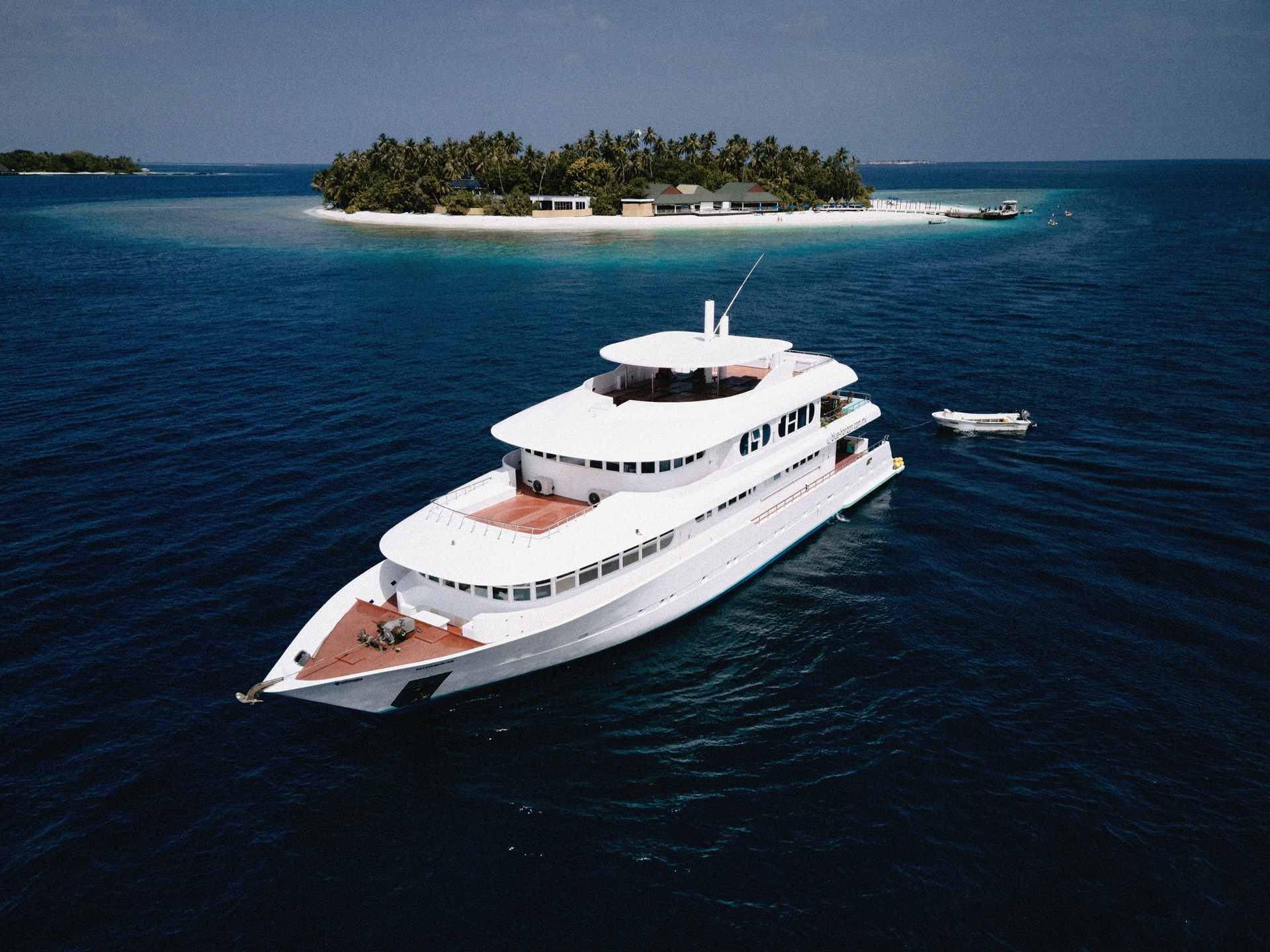
Horizon III
Maldives
25 guests
$204/day
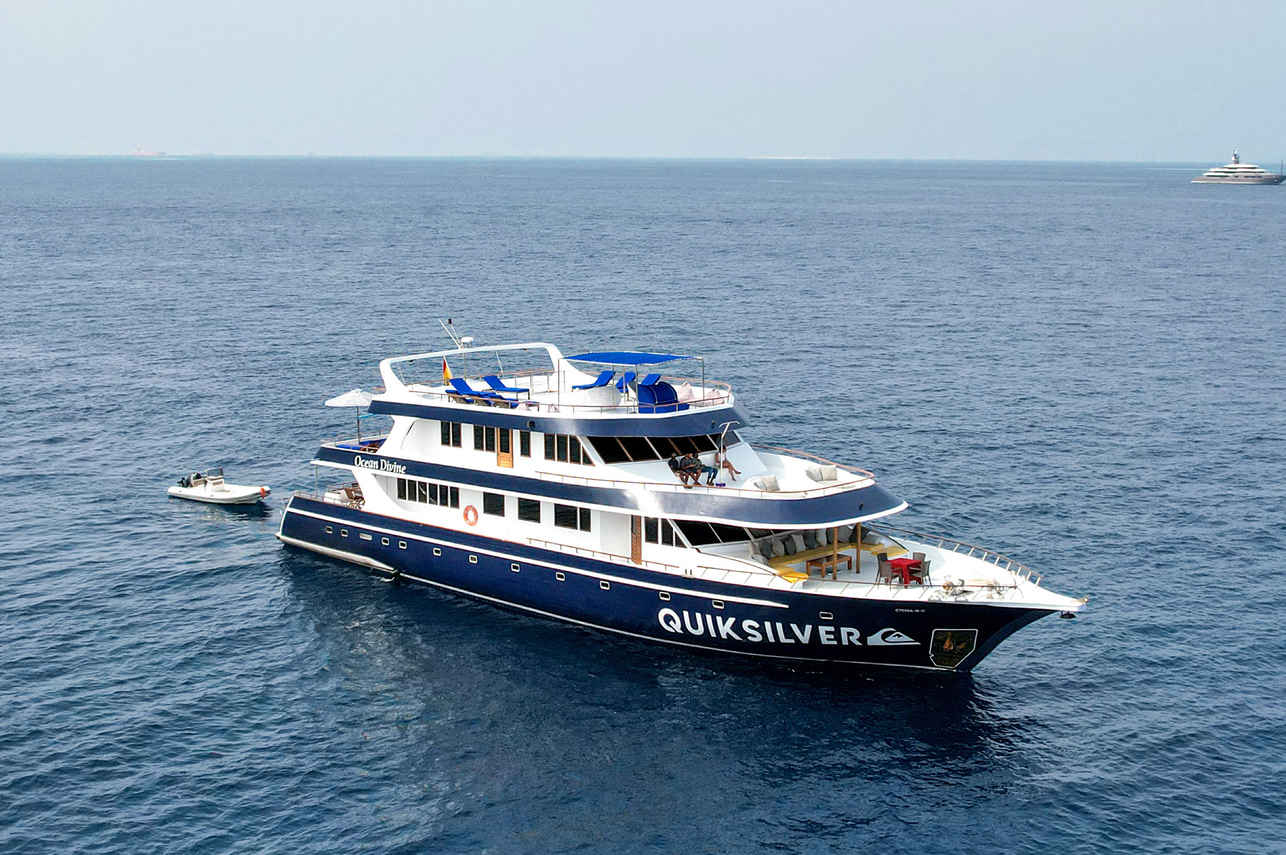
Ocean Divine
Maldives
16 guests33.528 m
$287/day
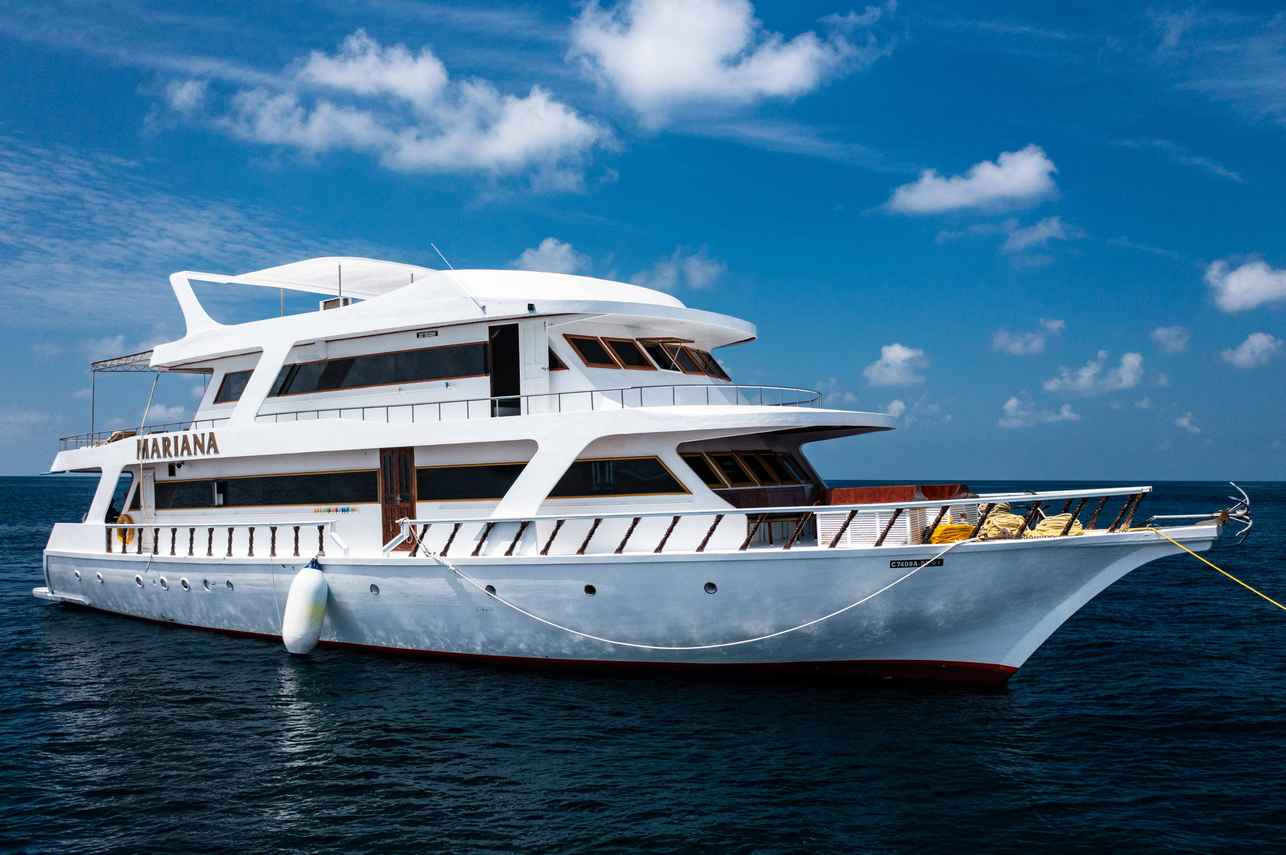
EcoPro Mariana
Maldives
16 guests30 m
$236/day
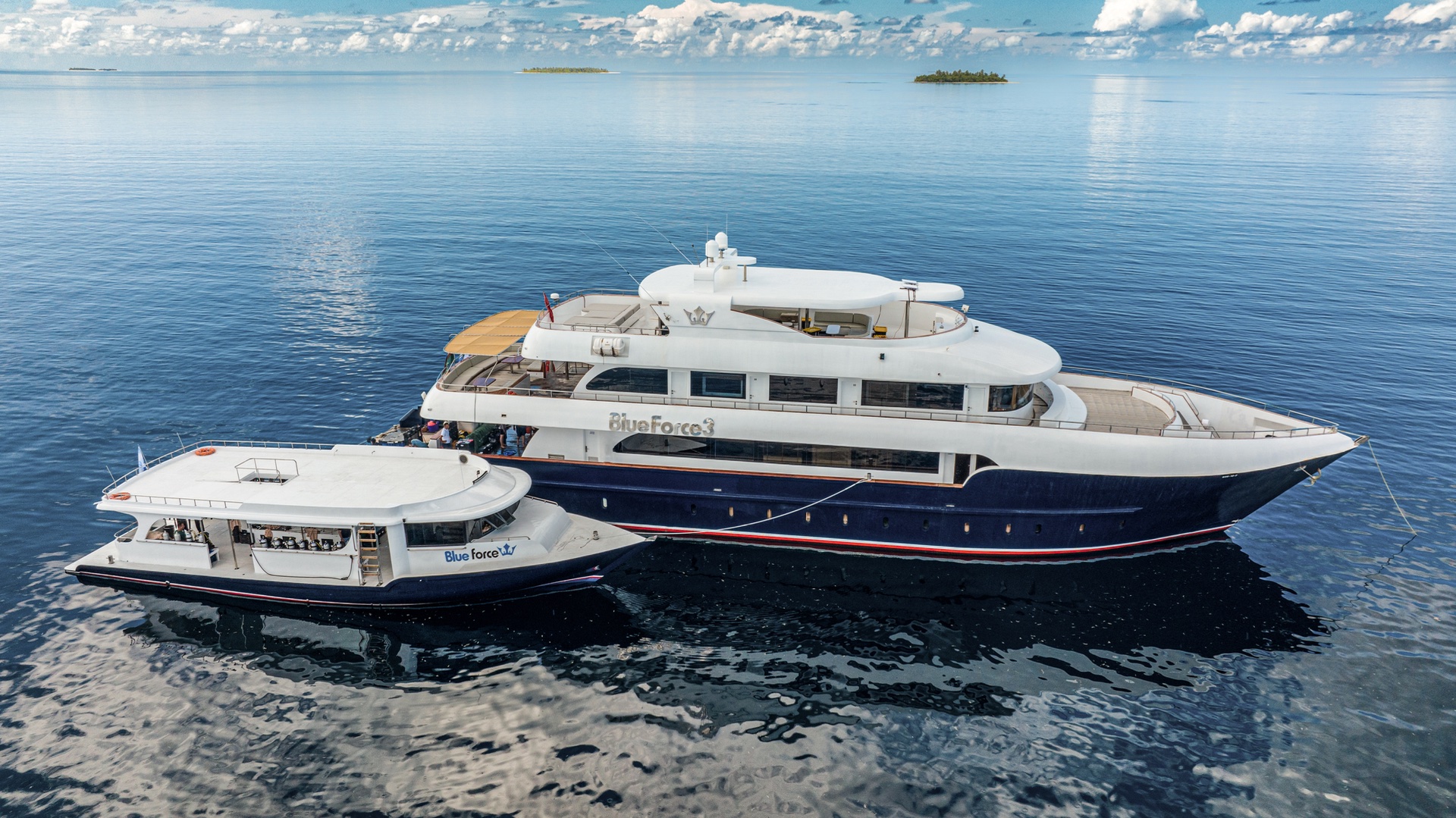
Maldives Blue Force 3
Maldives
26 guests42 m
$236/day
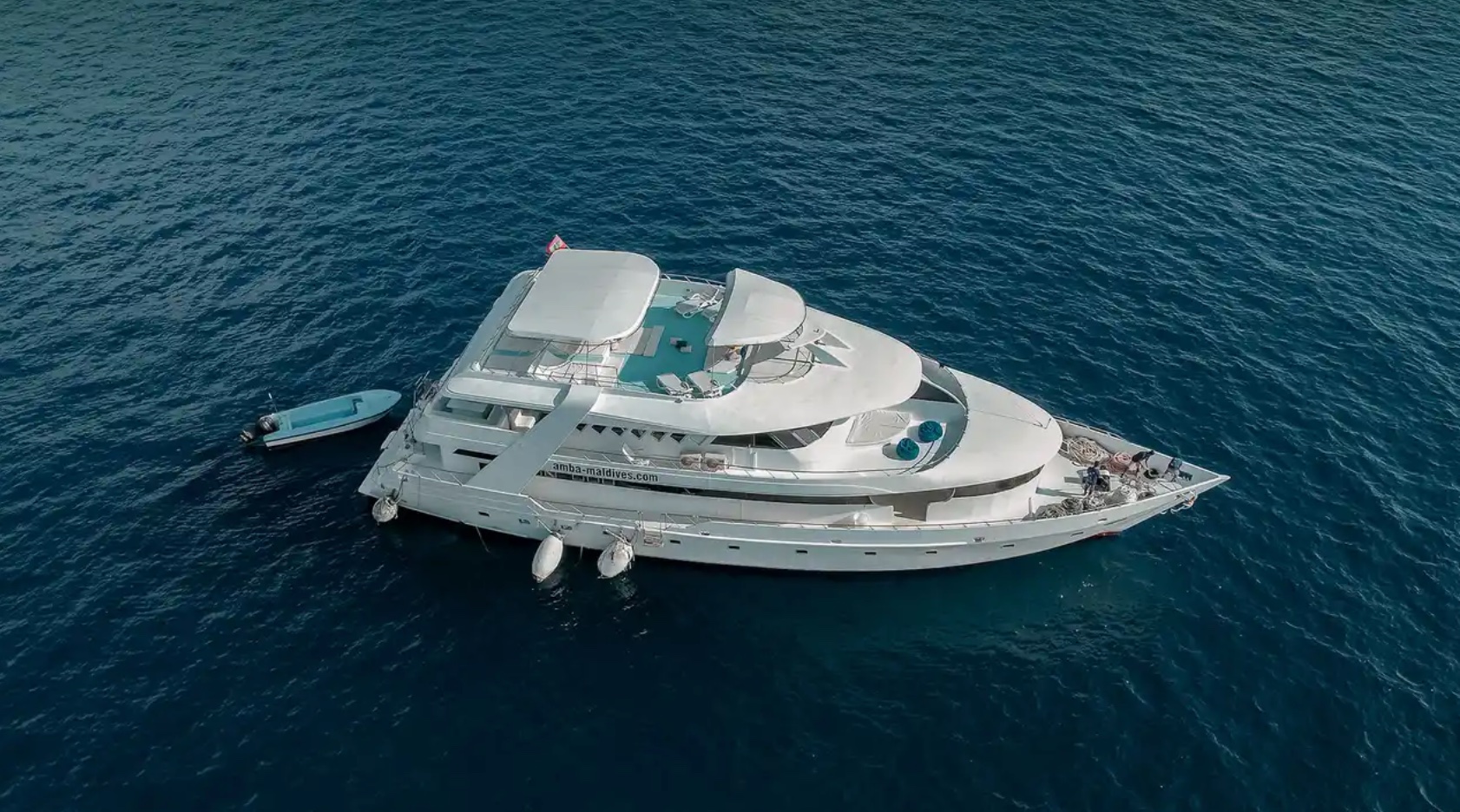
Amba
Maldives
20 guests
$199/day
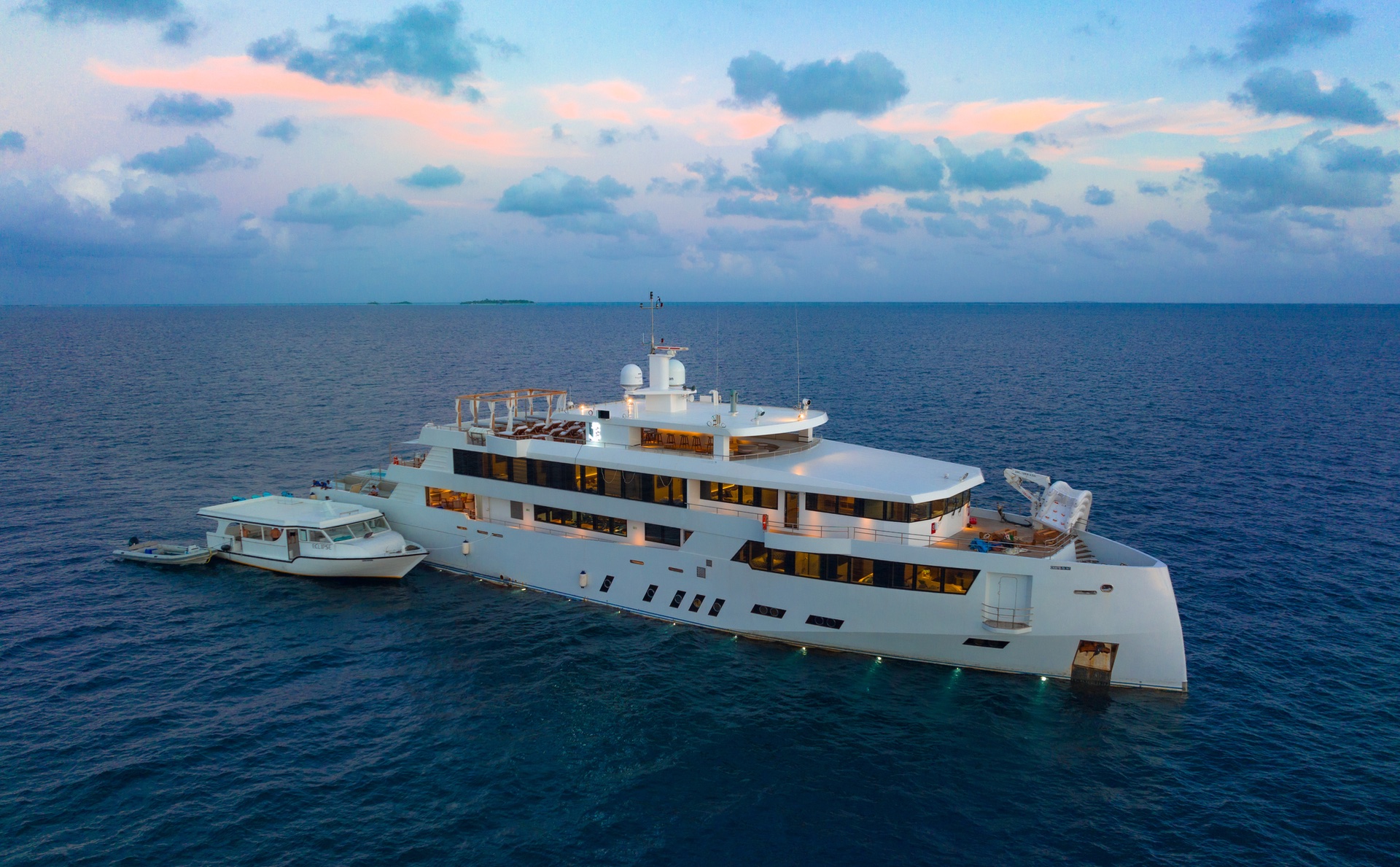
White Pearl
Maldives
26 guests
$375/day
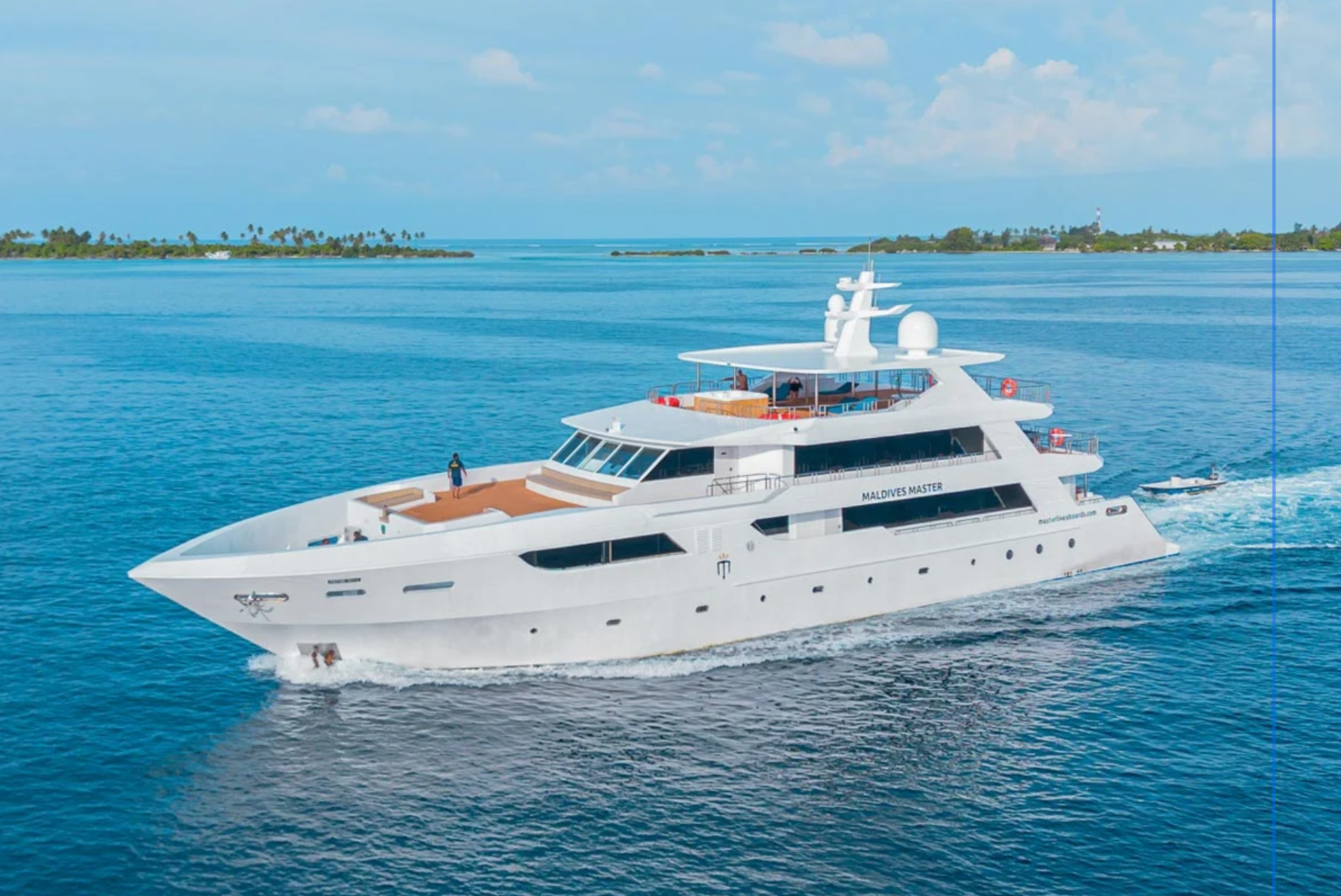
Maldives Master
Maldives
26 guests
$207/day
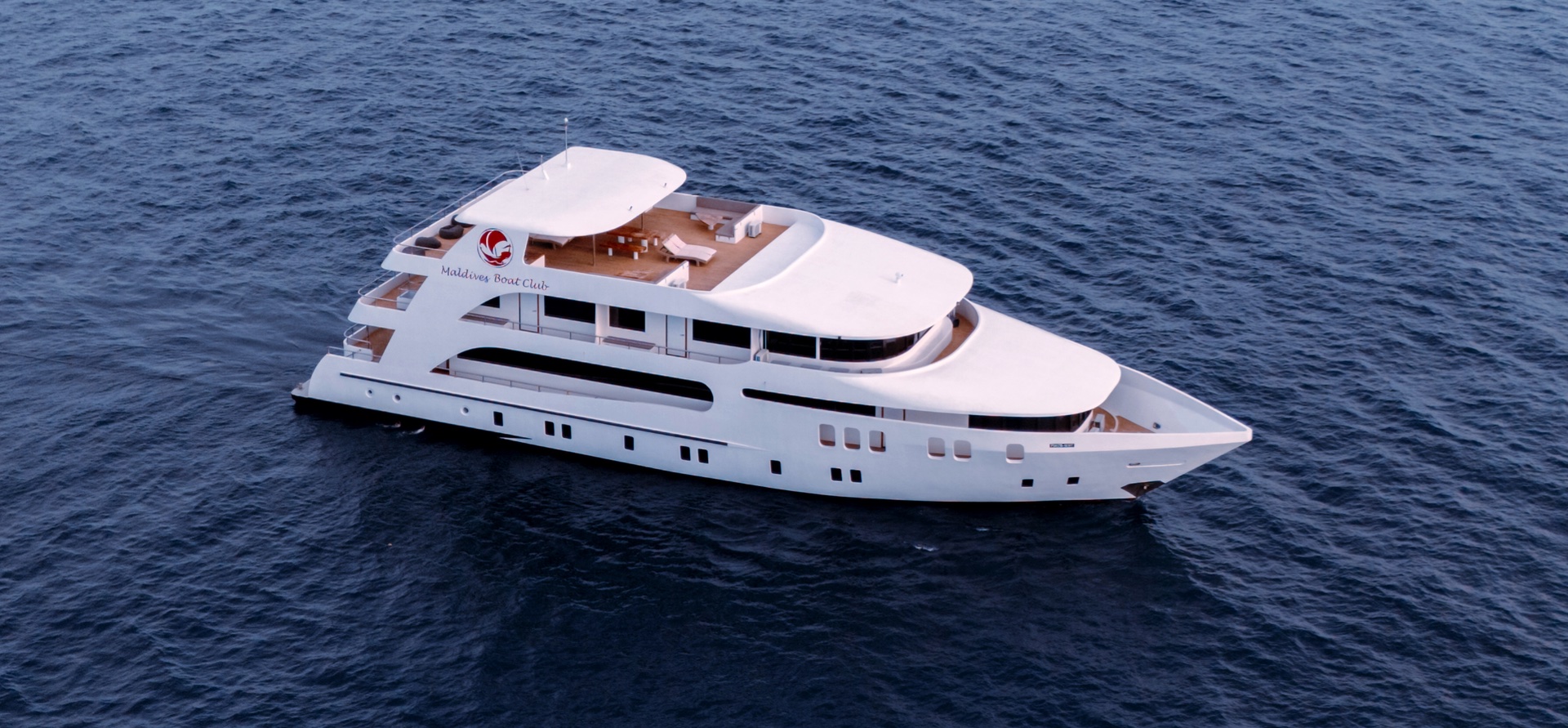
Adora
Maldives
22 guests
$297/day
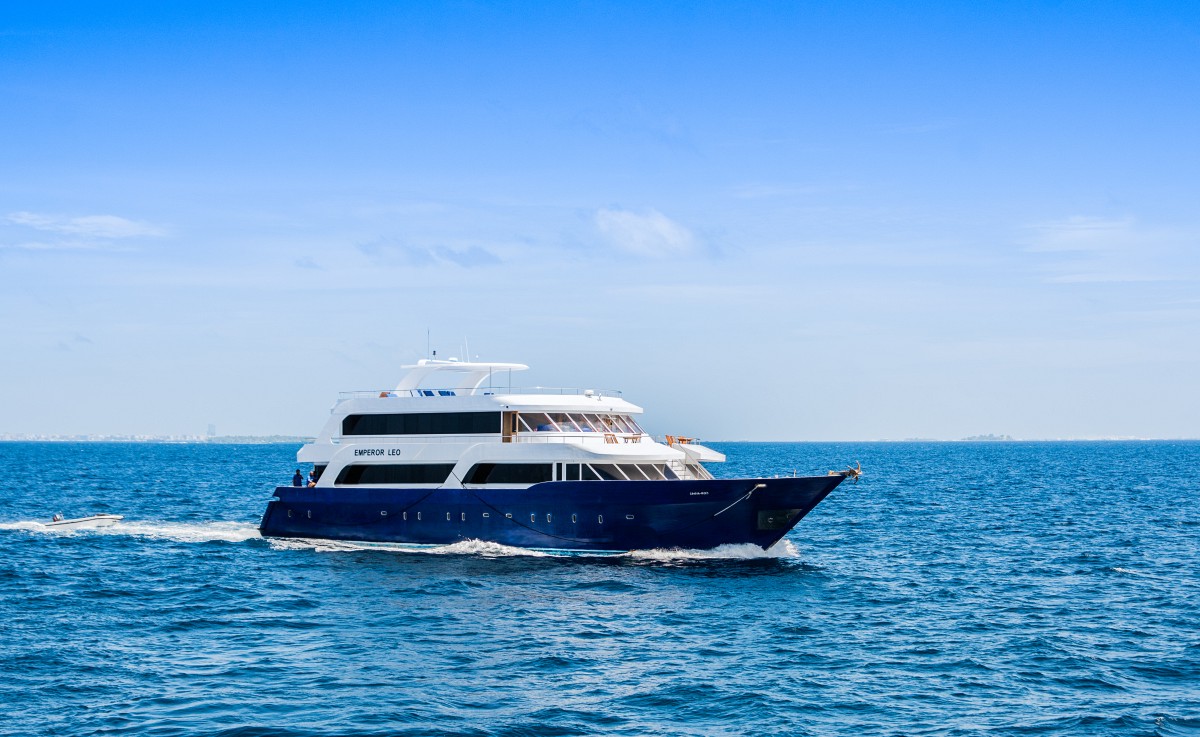
Emperor Leo
Maldives
24 guests35.1 m
$277/day
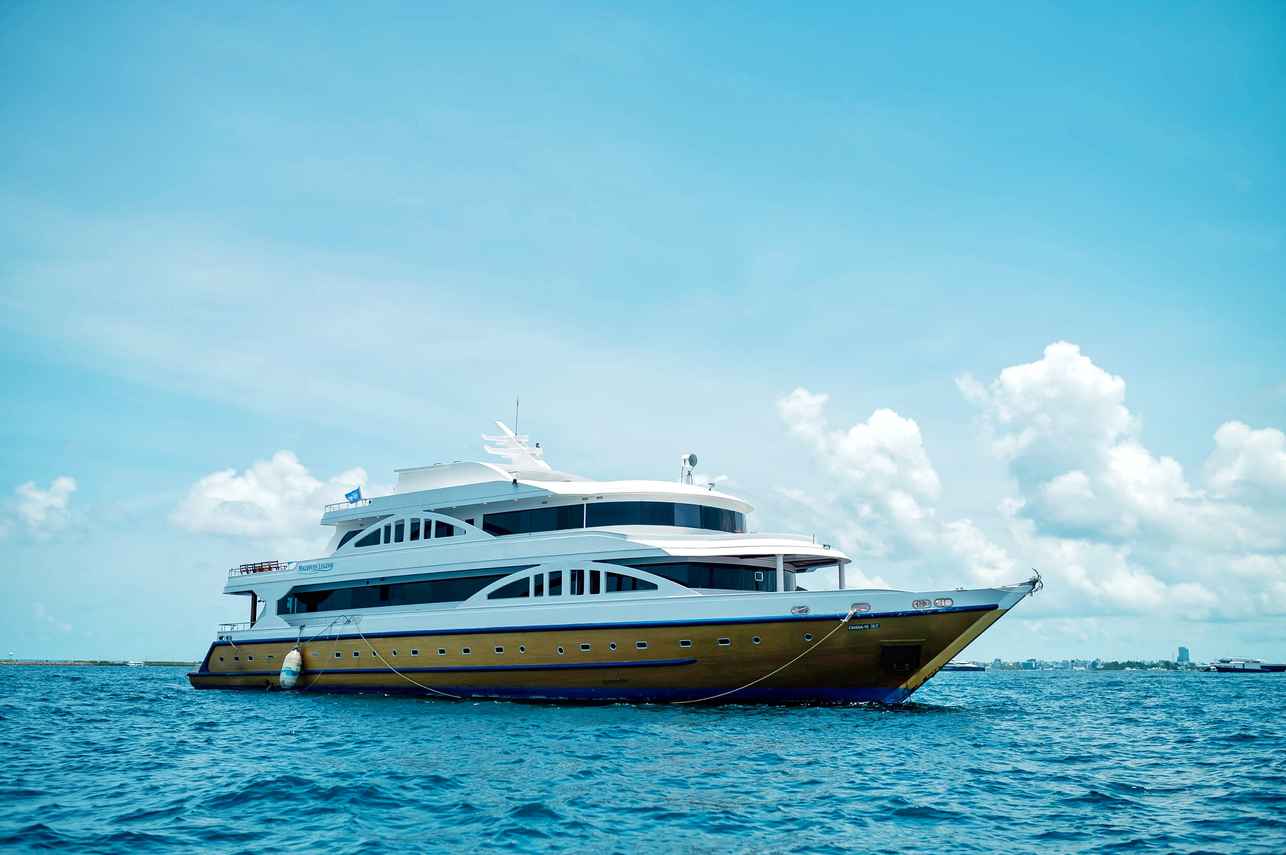
Maldives Legend Zen
Maldives
24 guests41 m
$316/day
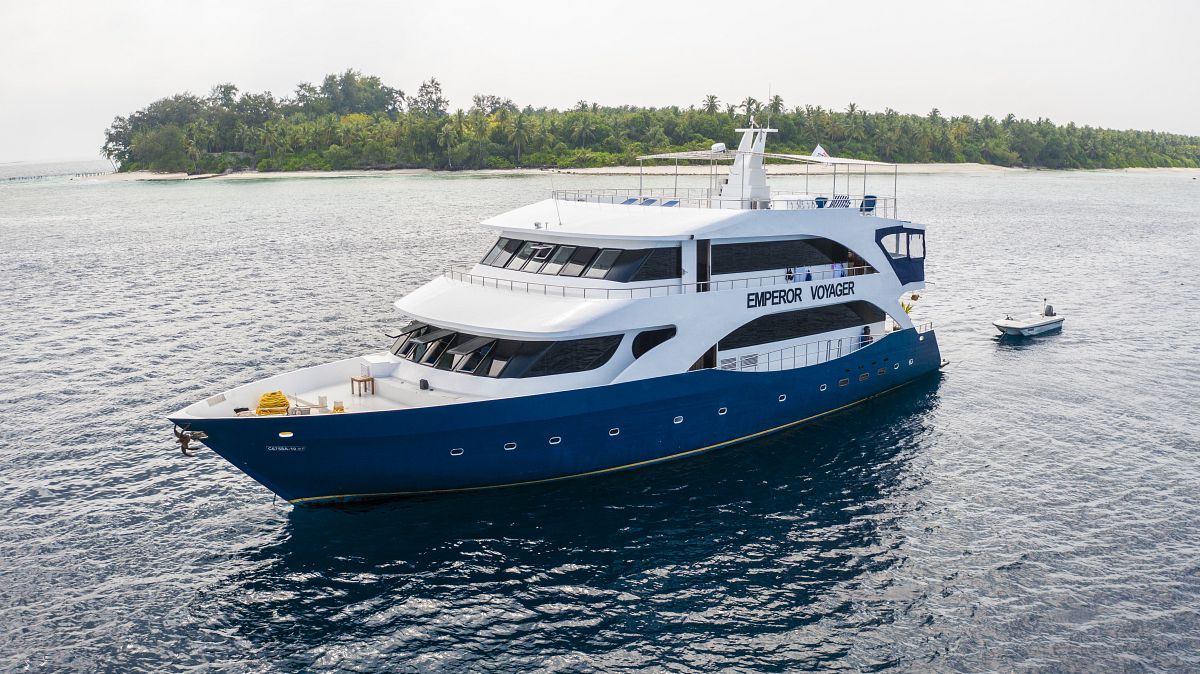
Emperor Voyager
Maldives
20 guests29.9 m
$325/day
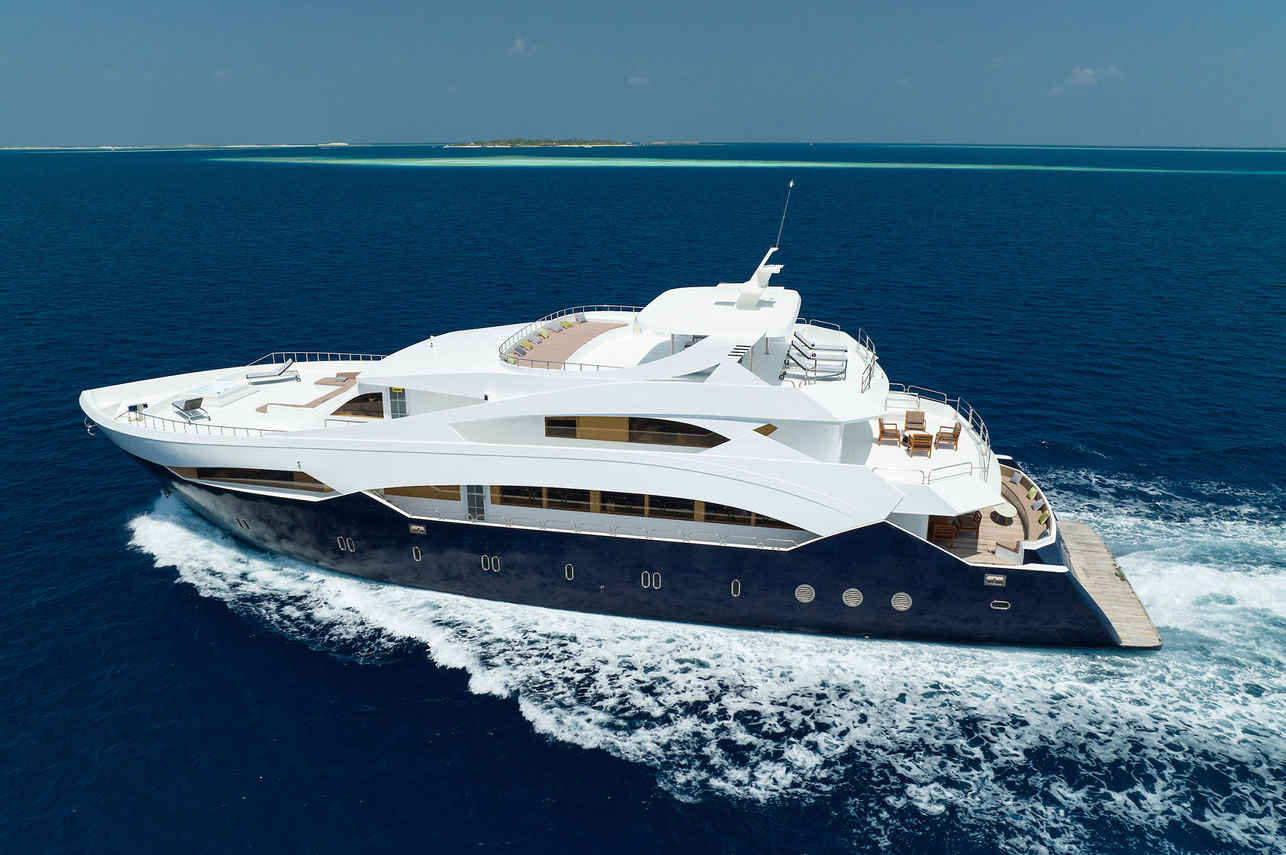
Felicity
Maldives
26 guests41 m
$229/day
Dive sites similar to Skipjack 1 & 2
Same character, same waters — six more sites divers love for the exact same reasons.Compare seasons, access and liveaboard routes — then pick the site that fits your trip best.
© Esri — Maxar, Earthstar, GIS
Kudimaa Wreck
Maldives
The Kudimaa Wreck is a compelling dive site in the Maldives, offering a fascinating artificial reef environment.
- Suitable for
- Advanced
- Current
- Moderate
- Access
- Liveaboard only
- Depth
- ≤ 30 m
- Theme
- Wreck / Reef
© Esri — Maxar, Earthstar, GIS
Blizzard Ridge
Australia
Blizzard Ridge is a renowned dive site situated within Lighthouse Bay on Ningaloo Reef, Western Australia, easily accessible from Exmouth.
- Suitable for
- Beginner
- Current
- Moderate
- Access
- Liveaboard or dayboat
- Depth
- ≤ 15 m
- Theme
- Reef
© Esri — Maxar, Earthstar, GIS
Andilana Reef
Madagascar
Andilana Reef, situated near Nosy Be on Madagascar's northwestern coast, presents a captivating underwater landscape that appeals to divers of all experience levels.
- Suitable for
- Intermediate
- Current
- Mild
- Access
- Liveaboard or dayboat
- Depth
- 6–22 m
- Theme
- Cave & cavern / Reef
© Esri — Maxar, Earthstar, GIS
Aldebaran Wreck
Seychelles
The Aldebaran Wreck, a 28-meter (92-foot) fishing vessel, was intentionally sunk on July 11, 2008, by the Seychelles Tourism Board to create an artificial reef.
- Suitable for
- Advanced
- Current
- Moderate
- Access
- Liveaboard or dayboat
- Depth
- 28–40 m
- Theme
- Wreck
© Esri — Maxar, Earthstar, GIS
Rottnest Island
Australia
Rottnest Island, located approximately 18 kilometers off Perth, Western Australia, offers exceptional diving characterized by its distinctive limestone formations.
- Suitable for
- Intermediate
- Current
- Mild
- Access
- Dayboat
- Depth
- 8–22 m
- Theme
- Reef / Cave & cavern
© Esri — Maxar, Earthstar, GIS
North Island
Seychelles
North Island is an exclusive dive location within the Seychelles, known for its pristine underwater environment and the opportunity to explore newly discovered sites.
- Suitable for
- Intermediate
- Current
- Moderate
- Access
- Liveaboard only
- Depth
- 18–35 m
- Theme
- Reef