About Madivaru Corner
Madivaru Corner, located in the Rasdhoo Atoll, also known as North Ari Atoll (Alif Alif Atoll), stands out as a premier dive destination in the Maldives. This reef is positioned directly in front of Madivaru island and is frequently visited on liveaboard itineraries due to its consistent and spectacular marine life. The site features superb coral overhangs between 26 and 30 meters, before dropping off into deeper waters. The reef itself has a horseshoe shape, and its corner formation is a defining characteristic, where the outer reef changes direction, concentrating oceanic currents and creating upwellings that fuel a rich food chain. Divers can anticipate a wide array of marine encounters here. It's particularly famous for numerous grey reef sharks and white-tip reef sharks, especially when the current flows into the atoll. Depending on the season, manta rays, eagle rays, and schooling barracudas are also common, with even occasional hammerhead sharks and rare whale shark sightings enhancing the experience. While offering breathtaking biodiversity from macro life to large pelagics, the dive experience is dynamic due to varying current strengths. Divers often position themselves behind reef formations to observe the pelagic activity. The site is best accessed by boat and is typically a drift dive, making it an advanced experience for optimal enjoyment of its unique conditions.
Highlights
Abundant grey reef sharksWhite-tip reef sharksDramatic reef corner topographyOverhangs and drop-offsEagle rays and manta raysSchools of barracudaNapoleon wrasse sightingsPelagic action
Season calendar
Best months to dive here
Jan
Feb
Mar
Apr
May
Jun
Jul
Aug
Sep
Oct
Nov
Dec
Good
Dive site facts: Madivaru Corner
- Depth
- 16–30 m
- Current
- Medium to very strong
- Visibility
- 18–30 m
- Water temperature
- 30°C
- Entry
- Boat
- Level
- Advanced
- Dive type
- Drift, Reef, Wall, Channel, Pelagic, Big Animals
- Region / port
- Rasdhoo Atoll (North Ari Atoll / Alif Alif Atoll)
- Coordinates
- 4.2639° N, 73.0003° E
Conditions & Currents
Currents at Madivaru Corner can range from medium to very strong, making it a dynamic dive site that is best suited for experienced divers. The real spectacle unfolds when the current runs along the reef and into the atoll, bringing in large pelagic species. Divers should be prepared for varying conditions, as the current strength and direction can change rapidly with the tides. Positioning yourself behind reef formations is a common technique to observe the abundant marine life carried in by the currents. Entry is always by boat, often as a negative entry to quickly descend and avoid being swept away from the reef. Slack tide periods might offer a different, calmer experience, but the site truly shines during stronger flows. Visibility can occasionally be reduced by the sheer amount of fish and plankton brought in by the currents, but even then, it remains an impressive dive.
Marine life & sighting chances

Grey reef shark
commonWhite-tip reef shark
common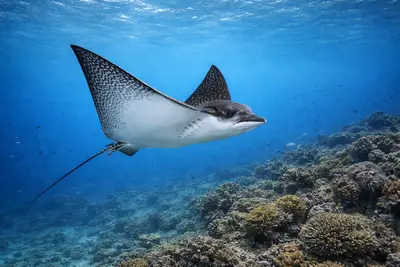
Eagle ray
common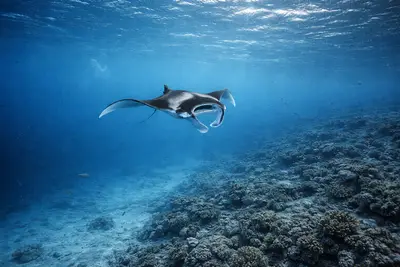
Manta ray
November-April · occasional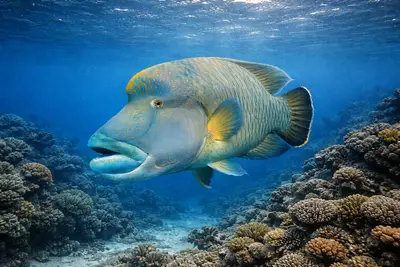
Napoleon wrasse
common
Barracuda
common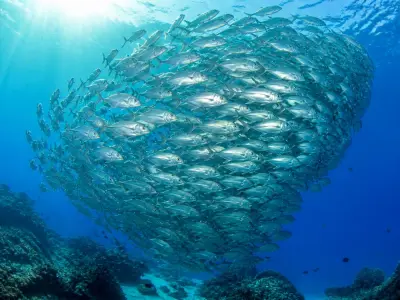
Jackfish
common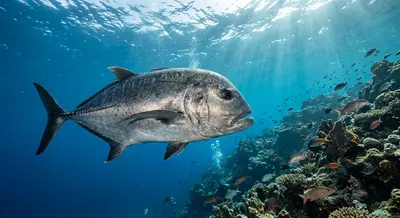
Giant trevally
common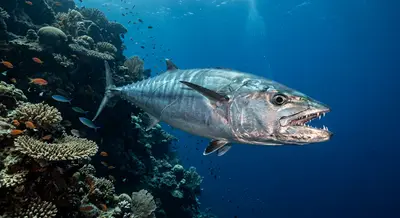
Dogtooth tuna
common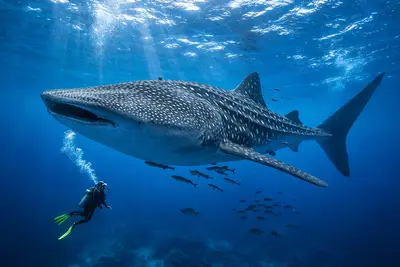
Whale shark
rare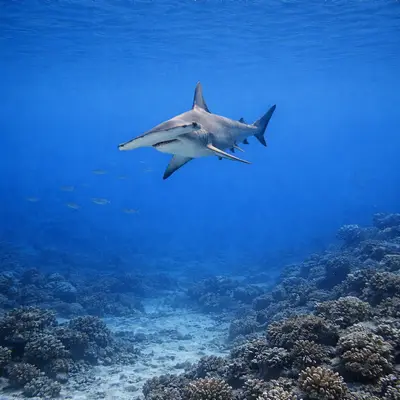
Hammerhead shark
occasional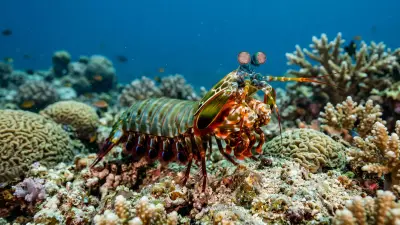
Mantis shrimp
occasional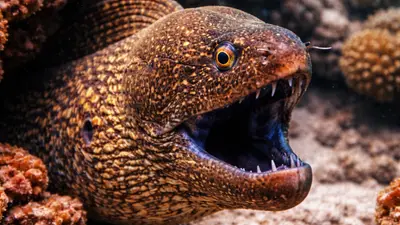
Moray eel
commonSea turtle
commonDive profile & how the dive runs
Divers typically initiate their dive with a boat entry, often as a negative descent to quickly reach the reef and counter strong currents. The dive plan is highly dependent on the current direction. With an incoming current, divers usually descend to the corner of the reef, positioning themselves behind sheltered areas or using a reef hook to observe the pelagic action. The depth ranges from 16-20 meters at the reef top, extending down to 30 meters along impressive overhangs and a drop-off. The dive progresses along the reef, allowing encounters with sharks, rays, and schooling fish. As air consumption or no-decompression limits approach, divers gradually ascend, typically performing a safety stop in shallower, calmer areas of the reef or deploying a surface marker buoy for a blue-water safety stop, before being picked up by the dive boat.
Underwater photography
Madivaru Corner is a prime location for wide-angle photography, especially to capture the dramatic schooling barracudas, numerous grey reef sharks, and impressive eagle or manta ray formations. A fisheye or wide-angle lens is ideal for showcasing the vastness of the pelagic action and the reef's topography. For macro enthusiasts, keen observation along the walls and in crevices might reveal smaller subjects like the colorful mantis shrimp, requiring a macro lens. Given the potential for strong currents, excellent buoyancy control is crucial to maintain position and avoid damaging corals or disturbing marine life. Consider using strobes for vibrant colors, especially when shooting into the blue or in the overhangs. Respect marine life by maintaining a safe distance, particularly from sharks and other large animals.
Combine with nearby dive sites
- Rasdhoo Channel
A broad channel renowned for strong currents, attracting numerous sharks, eagle rays, and napoleon fish.
- Manta Block
A cleaning station where manta rays are frequently spotted, especially between November and April.
- Rasdhoo Wall
A wall dive with two large coral pinnacles, often featuring napoleon wrasse and turtles.
- Maaya Thila
Maaya Thila, a protected Marine Reserve located in the North Ari Atoll of the Maldives, is a prominent pinnacle dive site.
Getting there & logistics
Madivaru Corner is located in the Rasdhoo Atoll, part of the larger North Ari Atoll, and is easily accessible by boat, being only about 5 minutes from Rasdhoo island. Most divers visit this site as part of a liveaboard itinerary exploring the central atolls of the Maldives, or through day trips from guesthouses and resorts in the Rasdhoo Atoll. The primary international gateway is Velana International Airport (MLE) near Malé. Liveaboards typically depart from Malé and cover a circuit of popular sites. No specific park fees are mentioned for Madivaru Corner itself, but liveaboard costs will include diving and accommodation. Trip lengths usually range from 7 to 14 nights, often combining Madivaru Corner with other signature sites in North Ari and South Ari Atolls.
Safety & environment
Diving at Madivaru Corner requires an advanced certification due to potentially strong and rapidly changing currents. Divers should always carry a surface marker buoy (SMB) for safety and ensure they are proficient in deploying it. A reef hook can be useful for maintaining position to observe pelagics without constant finning. The nearest recompression chamber is located in Bandos Island, North Malé Atoll, emphasizing the importance of adhering to dive limits and having comprehensive dive insurance that covers emergency medical evacuation. Always follow the dive brief from your guide, who will assess current conditions, and maintain excellent buoyancy control to avoid contact with the reef and minimize risk in strong flows. Never attempt to dive without an experienced local guide.
Who it suits — and who it doesn't
Suited for
- Advanced divers with current experience
- Photographers seeking wide-angle pelagic shots
- Divers passionate about shark encounters
- Liveaboard guests exploring the central atolls
- Divers seeking thrilling drift dives
Less suited for
- Beginner divers or those without current experience
- Divers preferring calm, current-free environments
- Individuals sensitive to dynamic underwater conditions
- Those who prefer purely macro-focused dives
- Divers without good buoyancy control
FAQ
Madivaru Corner FAQ
What kind of marine life can I expect to see at Madivaru Corner?
Madivaru Corner is renowned for its abundant pelagic activity. You can frequently expect to encounter grey reef sharks and white-tip reef sharks. Other common sightings include eagle rays, schooling barracudas, jackfish, giant trevallies, and napoleon wrasse. Mantis shrimp can be found in the wall, and lucky divers might spot a manta ray or even a hammerhead shark.
How strong are the currents at Madivaru Corner?
The currents at Madivaru Corner can vary significantly, ranging from moderate to very strong. The site's unique corner topography channels oceanic currents, making it a dynamic dive. The best encounters with large pelagics often occur when the current is running strongly into the atoll, but this also necessitates advanced diving skills and good current management.
Is Madivaru Corner suitable for beginner divers?
Madivaru Corner is primarily recommended for intermediate to advanced divers due to its challenging currents. While novice divers might experience parts of the site in calmer, shallower areas with experienced divemasters, the full spectacle of pelagic action typically occurs in stronger currents, which require advanced skills and confidence.
What is the best time of year to dive Madivaru Corner?
The prime diving season for Madivaru Corner is generally between December and April. During these months, the visibility tends to be at its peak, and marine life, particularly sharks and rays, are more active and reliably present. Morning dives often offer the best opportunities for shark sightings.
What is the typical depth of a dive at Madivaru Corner?
The dive at Madivaru Corner typically ranges from the reef top at around 16-20 meters to depths of 30 meters. The site features impressive overhangs and a dramatic drop-off, allowing for exploration across various depth bands within the recommended recreational limits.
Why dive Madivaru Corner from a liveaboard?
Madivaru Corner is one of Maldives's signature dive sites. A liveaboard sleeps you on the water and puts you in the water for three to four guided dives per day, including dawn and night dives that day-boat operators rarely offer. You skip the daily commute back to port and reach quieter, less-crowded sites in the same region on a single trip.
Below are the liveaboards that include Madivaru Corner on their Maldives itineraries.
Liveaboards diving Madivaru Corner
These liveaboards may visit Madivaru Corner on selected itineraries — the exact dive sites depend on departure, weather and conditions.
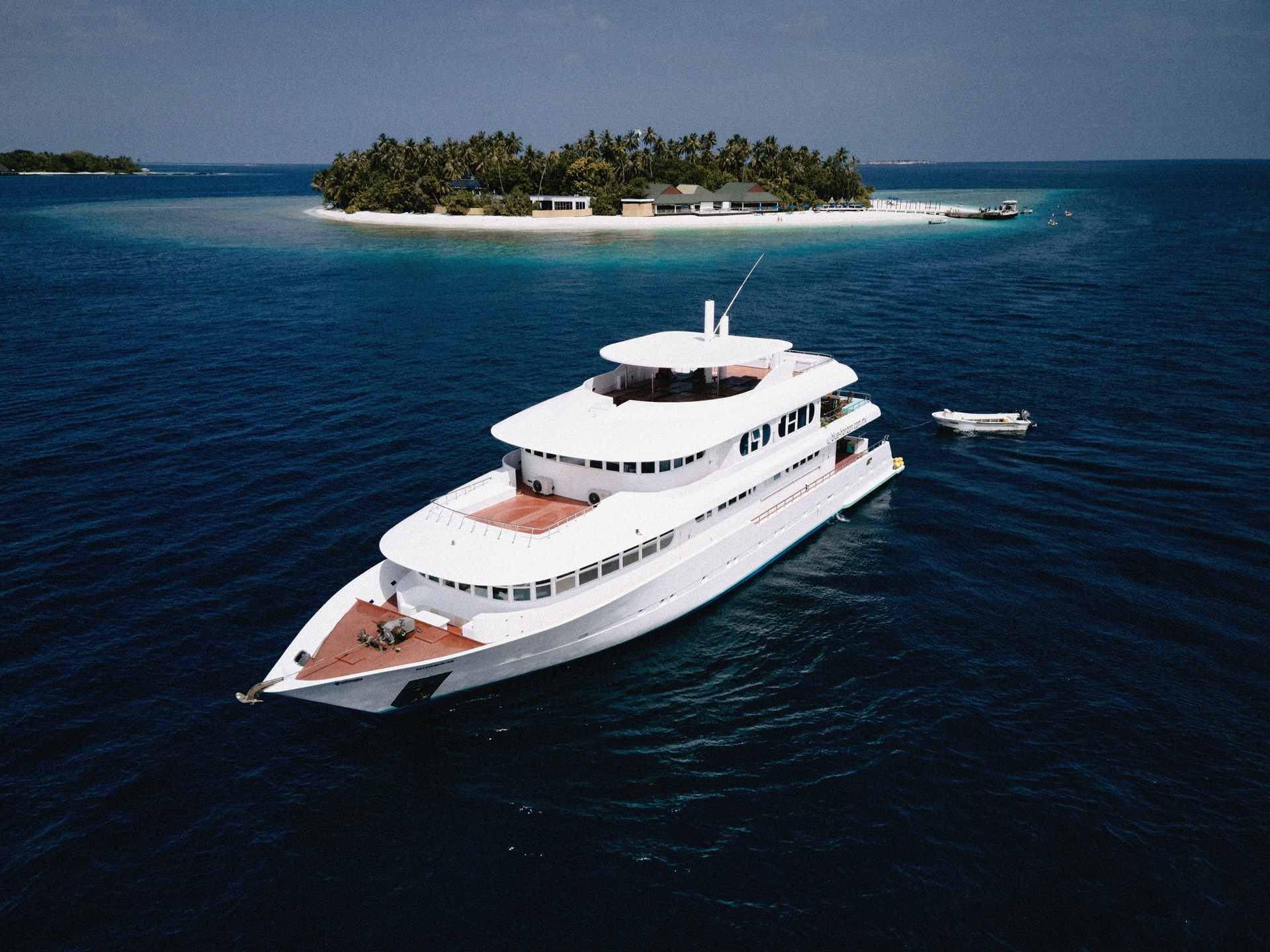
Horizon III
Maldives
25 guests
$204/day
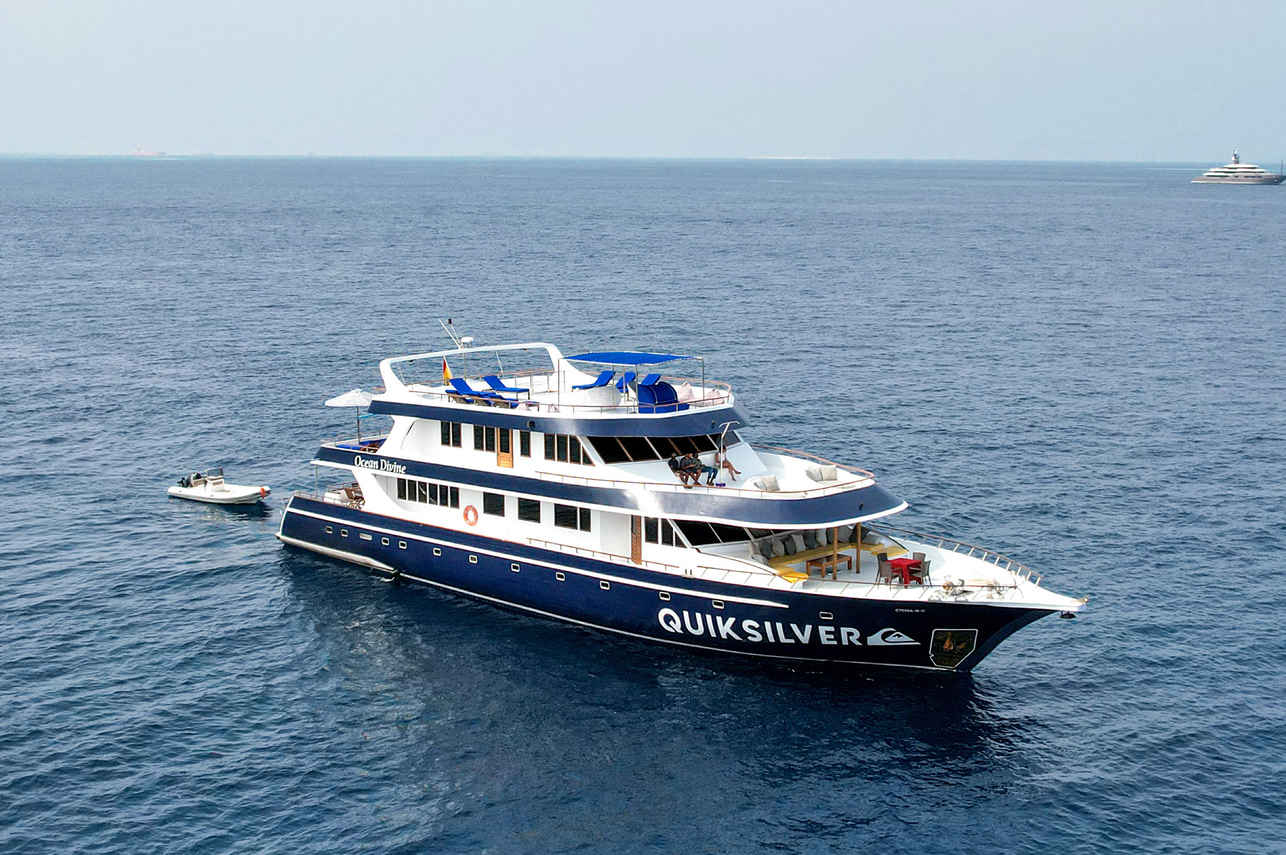
Ocean Divine
Maldives
16 guests33.528 m
$287/day
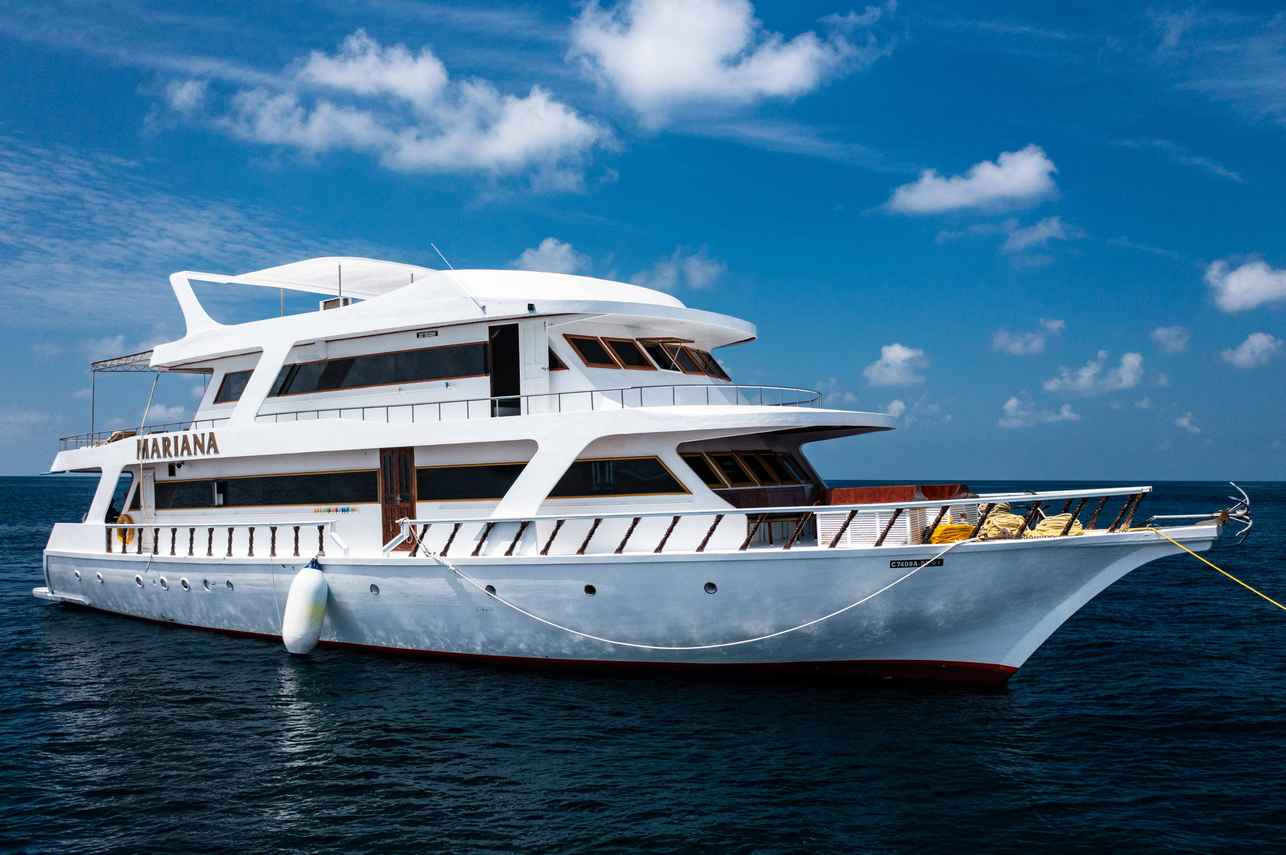
EcoPro Mariana
Maldives
16 guests30 m
$236/day
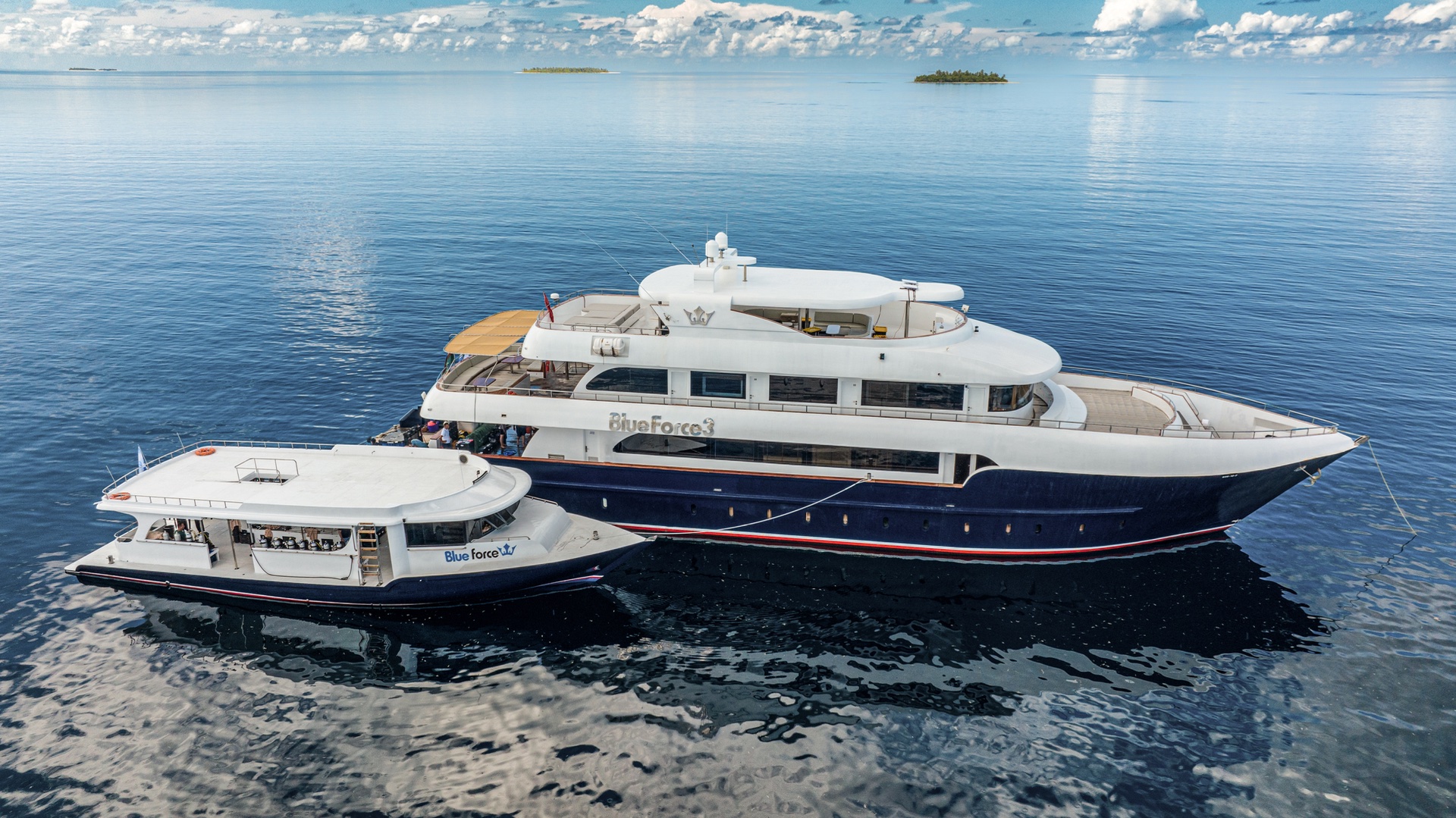
Maldives Blue Force 3
Maldives
26 guests42 m
$236/day
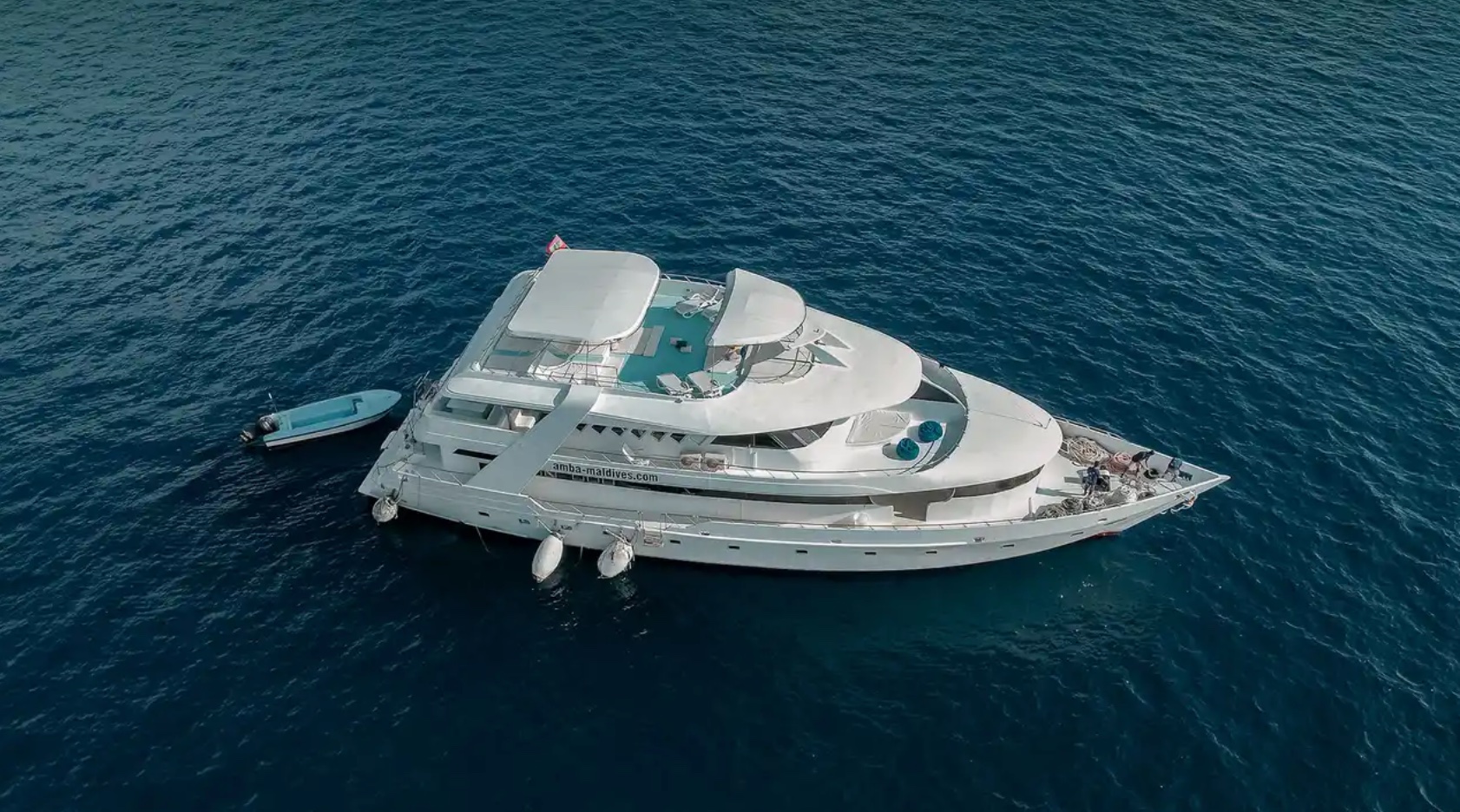
Amba
Maldives
20 guests
$178/day
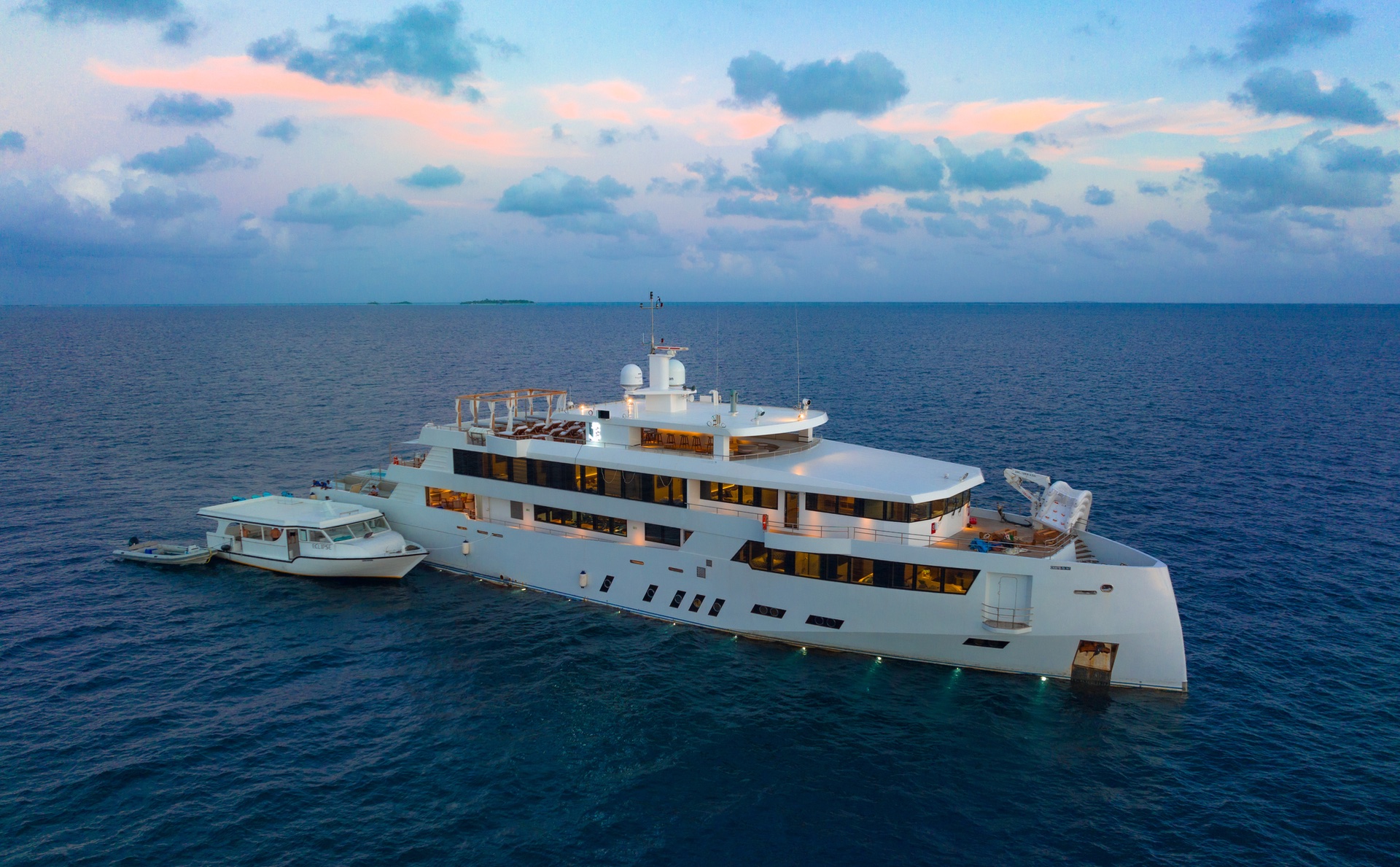
White Pearl
Maldives
26 guests
$387/day
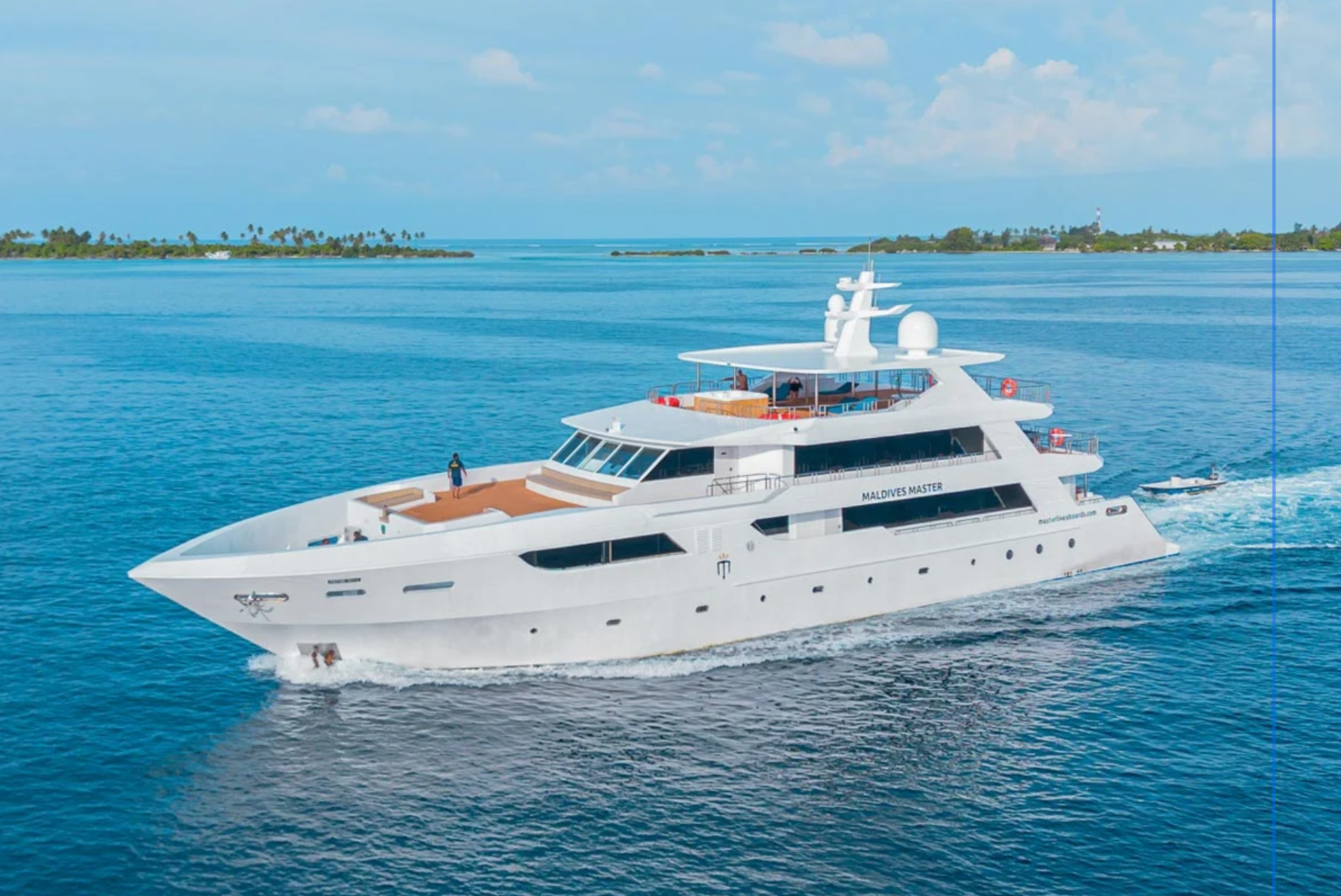
Maldives Master
Maldives
26 guests
$207/day
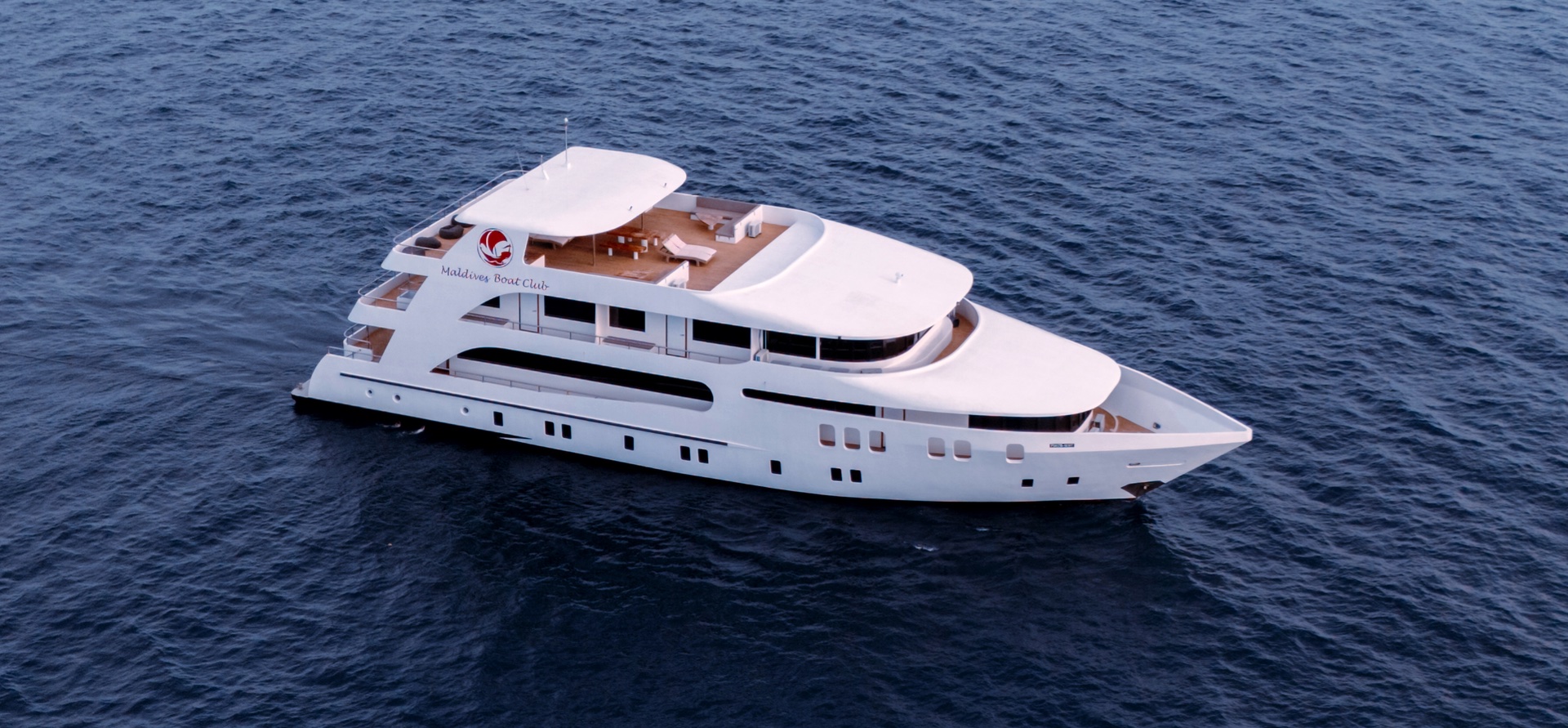
Adora
Maldives
22 guests
$287/day
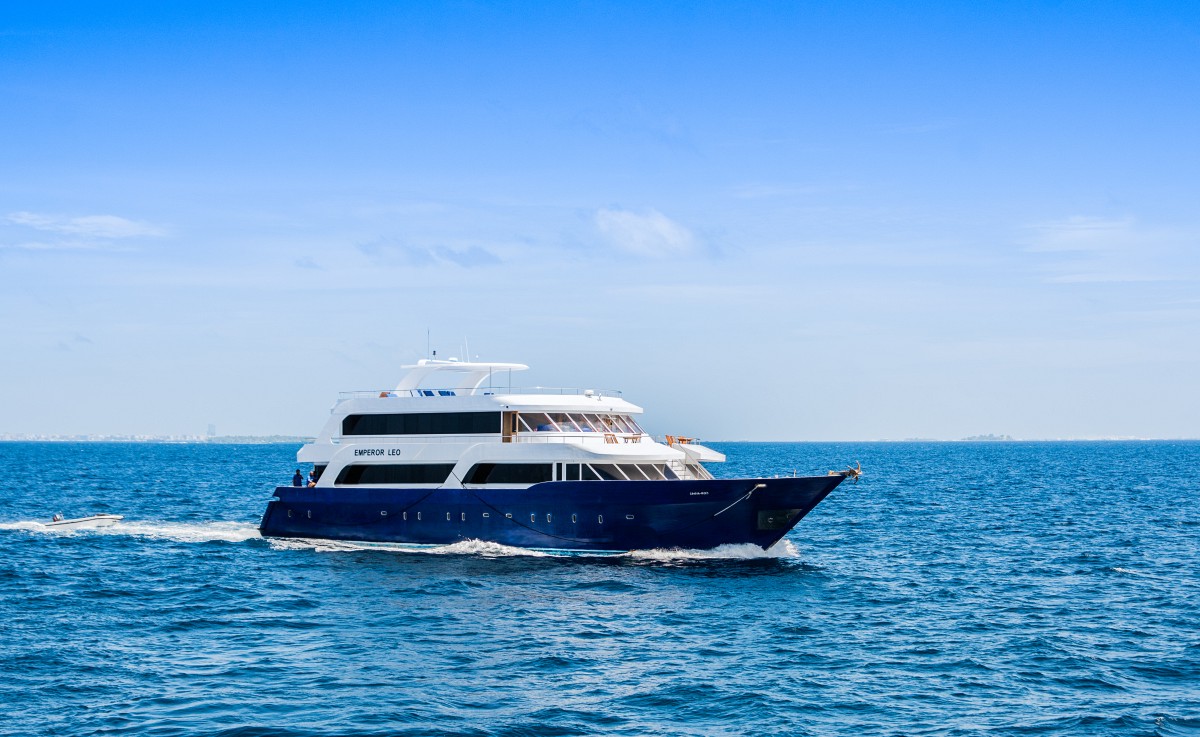
Emperor Leo
Maldives
24 guests35.1 m
$339/day
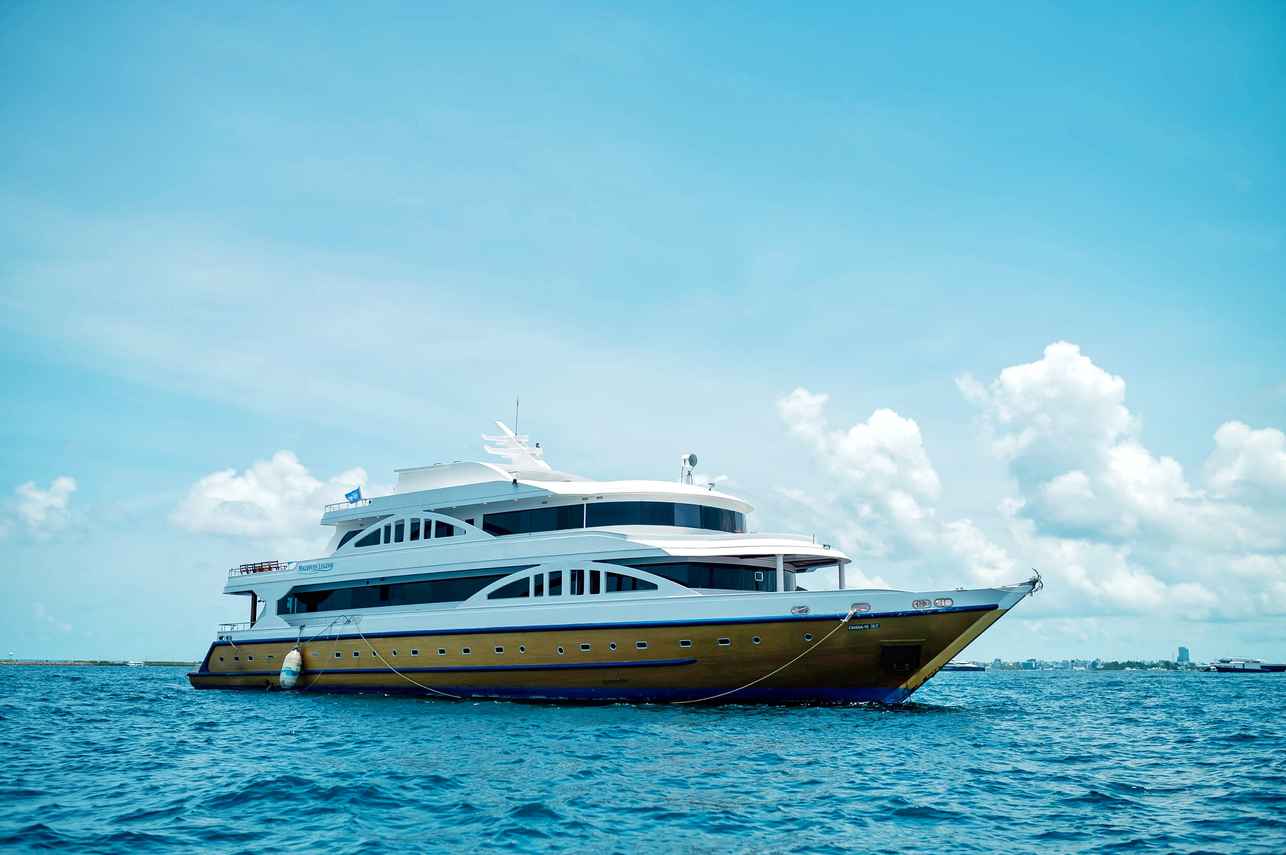
Maldives Legend Zen
Maldives
24 guests41 m
$316/day
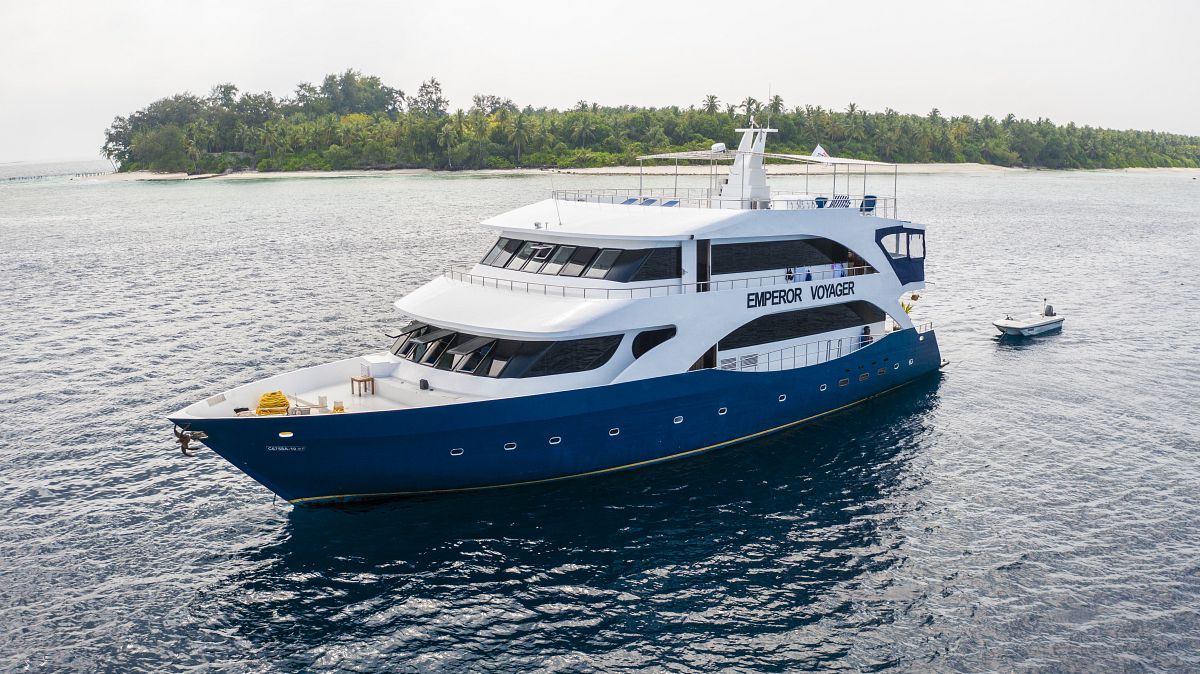
Emperor Voyager
Maldives
20 guests29.9 m
$332/day
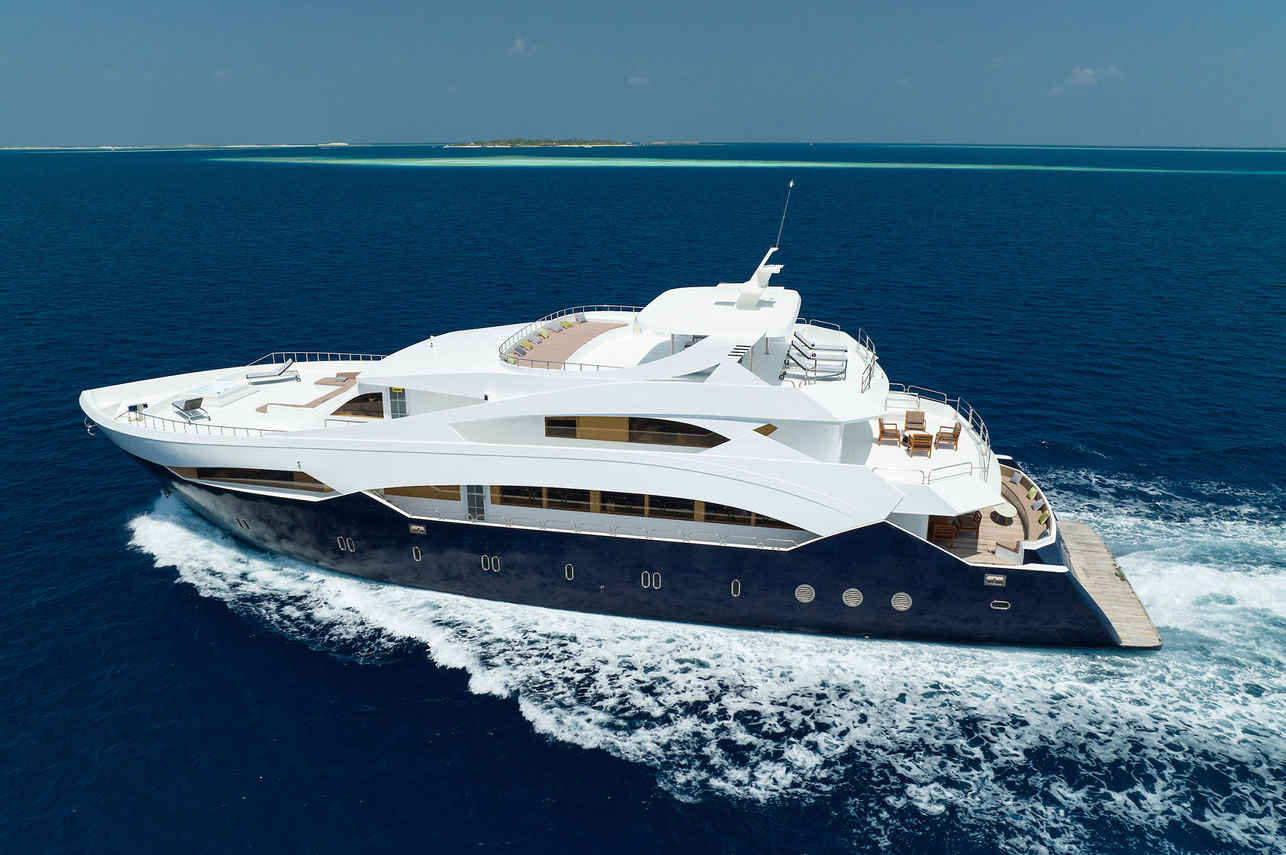
Felicity
Maldives
26 guests41 m
$229/day
Dive sites similar to Madivaru Corner
Same character, same waters — six more sites divers love for the exact same reasons.Compare seasons, access and liveaboard routes — then pick the site that fits your trip best.
Emas Thila (North Malé)
Maldives
Emas Thila is a renowned submerged reef pinnacle located in the South Ari Atoll, a protected Marine Protected Area in the Maldives.
- Suitable for
- Intermediate
- Current
- Strong
- Access
- Liveaboard or dayboat
- Depth
- 8–30 m
- Theme
- Cave & cavern / Pinnacle
Kudimaa Wreck
Maldives
The Kudimaa Wreck is a compelling dive site in the Maldives, offering a fascinating artificial reef environment.
- Suitable for
- Advanced
- Current
- Moderate
- Access
- Liveaboard only
- Depth
- ≤ 30 m
- Theme
- Wreck / Reef
Fushi Kandu (Lhaviyani)
Maldives
Fushi Kandu, located in the Lhaviyani Atoll, is an exciting channel dive site in the Maldives, offering some of the most dynamic drift diving experiences in the Indian Ocean.
- Suitable for
- Advanced
- Current
- Strong
- Access
- Liveaboard or dayboat
- Depth
- 15–35 m
- Theme
- Channel / Drift
Gan Corner (Addu Atoll)
Maldives
Gan Corner, locally known as Gan Kandu, is a prominent channel dive site nestled in the southwestern part of Addu (Seenu) Atoll, situated conveniently near the islands of Gan and Feydhoo.
- Suitable for
- Advanced
- Current
- Strong
- Access
- Liveaboard or dayboat
- Depth
- 5–40 m
- Theme
- Channel / Drift
Hithadhoo Corner (Addu)
Maldives
Hithadhoo Corner, situated in Addu Atoll, offers a unique opportunity for exceptional diving and snorkeling.
- Suitable for
- Advanced
- Current
- Moderate
- Access
- Liveaboard or dayboat
- Depth
- 3–30 m
- Theme
- Channel / Drift
Guraidhoo Corner
Maldives
Guraidhoo Corner, situated at the southern tip of Guraidhoo Island, stands as a marine protected area often celebrated for its exceptional fish diversity and photographic opportunities within the Maldives.
- Suitable for
- Advanced
- Current
- Ripping
- Access
- Liveaboard or dayboat
- Depth
- 5–35 m
- Theme
- Channel / Drift