About Maavaru Manta Block
Maavaru Manta Block is a celebrated dive site situated approximately 40 minutes by boat from Bodufulhudhoo in the Maldives. This location is particularly famous as a cleaning station, offering consistent encounters with reef mantas. The site's primary draw is the opportunity to observe these majestic creatures as they visit for cleaning, alongside other captivating pelagic species. The dive site features depths ranging from 10 to 20 meters, making it accessible for various diver skill levels. Its clear waters ensure excellent visibility for observing the abundant marine life. While mantas are the main highlight, the reef structure itself supports a vibrant ecosystem of angelfish, butterflyfish, and triggerfish. Optimally visited from December to April, the Maavaru Manta Block provides a captivating and gentle dive experience focused on large marine animal interactions. Divers can expect calm conditions conducive to observing the natural behaviors of mantas and other rays in a serene underwater environment.
Highlights
Manta ray cleaning stationReef manta encountersEagle raysOccasional dolphinsAngelfish, butterflyfish, triggerfishAccessible depthsCrystal-clear views
Best Season
The optimal time to dive Maavaru Manta Block is from December to April. During these months, conditions are favorable for encountering reef mantas and other pelagic species at this dedicated cleaning station.
Dive site facts: Maavaru Manta Block
- Depth
- 10–20 m
- Current
- Mild
- Visibility
- Crystal-clear
- Entry
- Boat
- Level
- Open Water Diver
- Dive type
- Manta Cleaning Station
- Region / port
- Ari Atoll
- Coordinates
- 3.1421° N, 73.3376° E
Conditions & Currents
Currents at Maavaru Manta Block are generally suitable for all experience levels, allowing for calm and relaxed observation of marine life. As a cleaning station, mantas prefer more gentle water movements. Entry is typically by boat, allowing divers to easily descend onto the reef. Visibility is consistently crystal-clear, enhancing the viewing experience of the mantas and other reef inhabitants. While currents are usually mild, divers should always be prepared for potential variations typical of Maldivian diving, ensuring good buoyancy control to avoid disturbing the cleaning station and its visitors.
Marine life & sighting chances
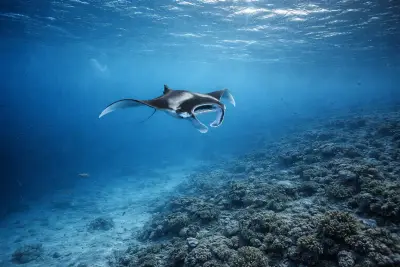
Reef Manta
December-April · common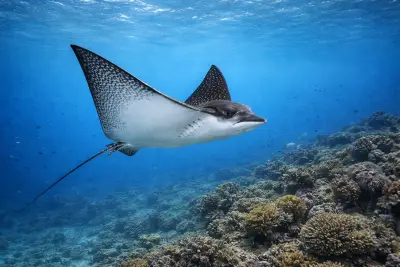
Eagle Ray
occasional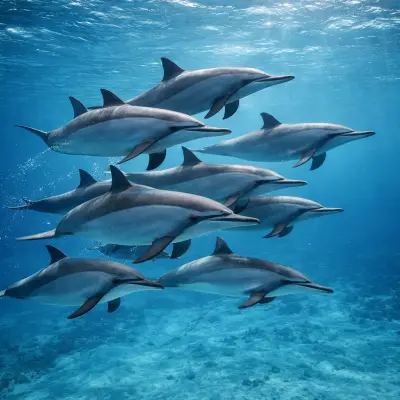
Dolphin
occasional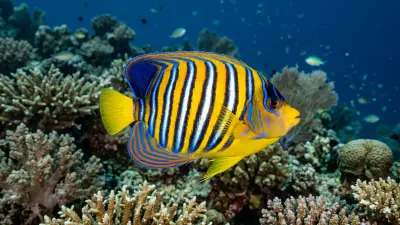
Angelfish
common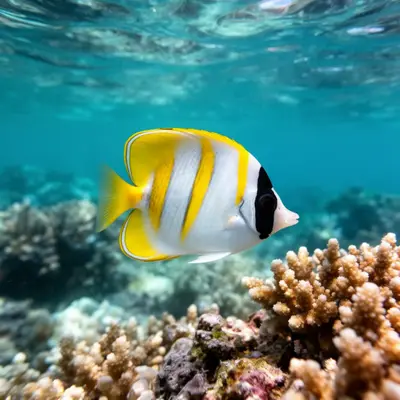
Butterflyfish
common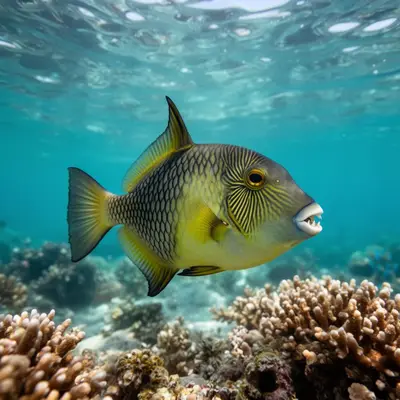
Triggerfish
commonDive profile & how the dive runs
Dives at Maavaru Manta Block begin with a boat entry, typically positioning the vessel near the cleaning station. Divers descend gradually, aiming for the reef top where mantas are known to congregate. The dive primarily focuses on observing the mantas and other large rays as they receive cleaning services from smaller fish. Divers maintain a respectful distance, often hovering or slowly drifting near the cleaning station, allowing the mantas to approach naturally. The maximum depth reached is generally 14 meters, making it a comfortable experience. The dive progresses around the reef, exploring other areas for reef fish like angelfish and butterflyfish. The ascent is slow, with a safety stop conducted in the clear blue waters, before surfacing where the boat awaits nearby.
Underwater photography
Maavaru Manta Block is an excellent site for wide-angle photography, primarily due to the consistent presence of reef mantas, eagle rays, and schooling reef fish. A fisheye or wide-angle lens is essential to capture the full scale of these large subjects. Given the clear conditions and relatively shallow depths, natural light can be effective, but strong strobes are recommended to bring out the vibrant colors of the mantas and the reef. Maintain stable buoyancy to minimize disturbance to the cleaning station and ensure sharp images. Patience is key; position yourself calmly and wait for the mantas to approach. Focus on capturing their graceful movements and interactions with cleaner fish. While the site is known for large animals, macro photography is not the primary focus here.
Combine with nearby dive sites
Getting there & logistics
Access to Maavaru Manta Block is commonly arranged via liveaboards or day boats from resorts and local islands in the North Ari Atoll. The nearest major international airport is Velana International Airport (MLE) near Malé. From MLE, travelers typically take a domestic transfer or speedboat to their chosen island or liveaboard departure point. The site is approximately 40-45 minutes by boat from islands like Bodufulhudhoo, showcasing its inclusion in common Ari Atoll itineraries. Trips typically focus on encountering the mantas, often combining this site with other renowned cleaning stations or thilas in the central atolls. No special diving permits are usually required for this site, beyond standard Maldivian regulations.
Safety & environment
Diving at Maavaru Manta Block is generally considered safe for Open Water Divers due to its relatively shallow depths and typically mild currents. However, all divers should possess valid dive insurance covering emergency medical care and evacuation, as the nearest recompression chamber is located in Bandos Island, North Malé Atoll, requiring significant travel time. Evacuation procedures rely on speedboat transfers to local medical facilities or direct to the chamber, depending on the severity. Divers should maintain excellent buoyancy control to avoid damaging the reef or disturbing the mantas at the cleaning station. Always follow your dive guide's instructions, especially regarding proximity to marine life and maintaining a calm demeanor to ensure a respectful and safe encounter with the mantas.
Who it suits — and who it doesn't
Suited for
- Open Water Divers seeking manta encounters
- Divers interested in big animal interactions
- Underwater photographers targeting pelagic subjects
- Divers preferring shallower, relaxed dives
- Snorkelers looking for manta ray opportunities
Less suited for
- Divers seeking strong current drift dives
- Macro photography enthusiasts
- Divers uninterested in manta rays
- Those expecting deep wreck or cave diving
- Divers looking for challenging technical dives
FAQ
Maavaru Manta Block FAQ
What kind of marine life can I expect to see at Maavaru Manta Block?
Maavaru Manta Block is primarily known for its reef manta ray cleaning station, offering frequent sightings of these majestic creatures. You can also expect to encounter eagle rays and, on occasion, dolphins. The reef itself hosts a variety of colorful reef fish, including angelfish, butterflyfish, and triggerfish.
Is Maavaru Manta Block suitable for beginner divers?
Yes, Maavaru Manta Block is suitable for Open Water Divers and above. The site has accessible depths, generally between 10 and 20 meters, and typically experiences mild currents. This makes it a comfortable and safe environment for divers of varying experience levels to enjoy manta encounters.
What are the best months to dive Maavaru Manta Block for manta sightings?
The best time to visit Maavaru Manta Block for optimal manta ray sightings is during the northeast monsoon season, specifically from December to April. During these months, conditions are favorable, and mantas consistently visit the cleaning station located at the site.
How far is Maavaru Manta Block from the nearest island or resort?
Maavaru Manta Block is located approximately 40 to 45 minutes by boat from Bodufulhudhoo, a common departure point in the North Ari Atoll. Its proximity to various islands and resorts makes it a popular and accessible day trip dive site for many liveaboards and land-based operators.
Is this a good site for underwater photography?
Absolutely. Maavaru Manta Block is an excellent site for underwater photography, especially for wide-angle shots of large marine life. The consistent presence of mantas and the crystal-clear water provide fantastic opportunities to capture stunning images of these graceful creatures. Photographers should focus on maintaining good buoyancy and allowing the animals to approach naturally.
Why dive Maavaru Manta Block from a liveaboard?
Maavaru Manta Block is one of Maldives's signature dive sites. A liveaboard sleeps you on the water and puts you in the water for three to four guided dives per day, including dawn and night dives that day-boat operators rarely offer. You skip the daily commute back to port and reach quieter, less-crowded sites in the same region on a single trip.
Below are the liveaboards that include Maavaru Manta Block on their Maldives itineraries.
Liveaboards diving Maavaru Manta Block
These liveaboards may visit Maavaru Manta Block on selected itineraries — the exact dive sites depend on departure, weather and conditions.
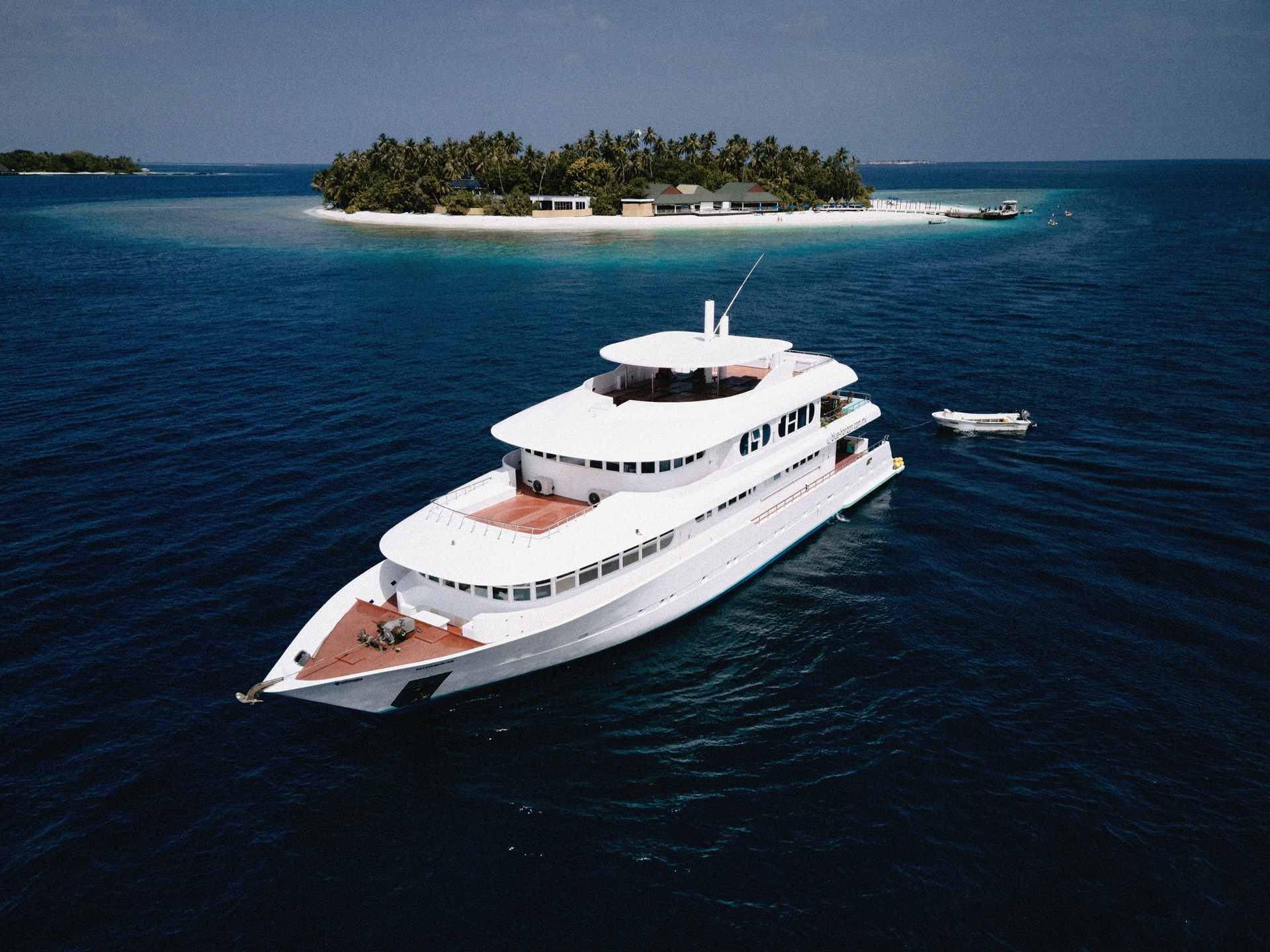
Horizon III
Maldives
25 guests
$204/day
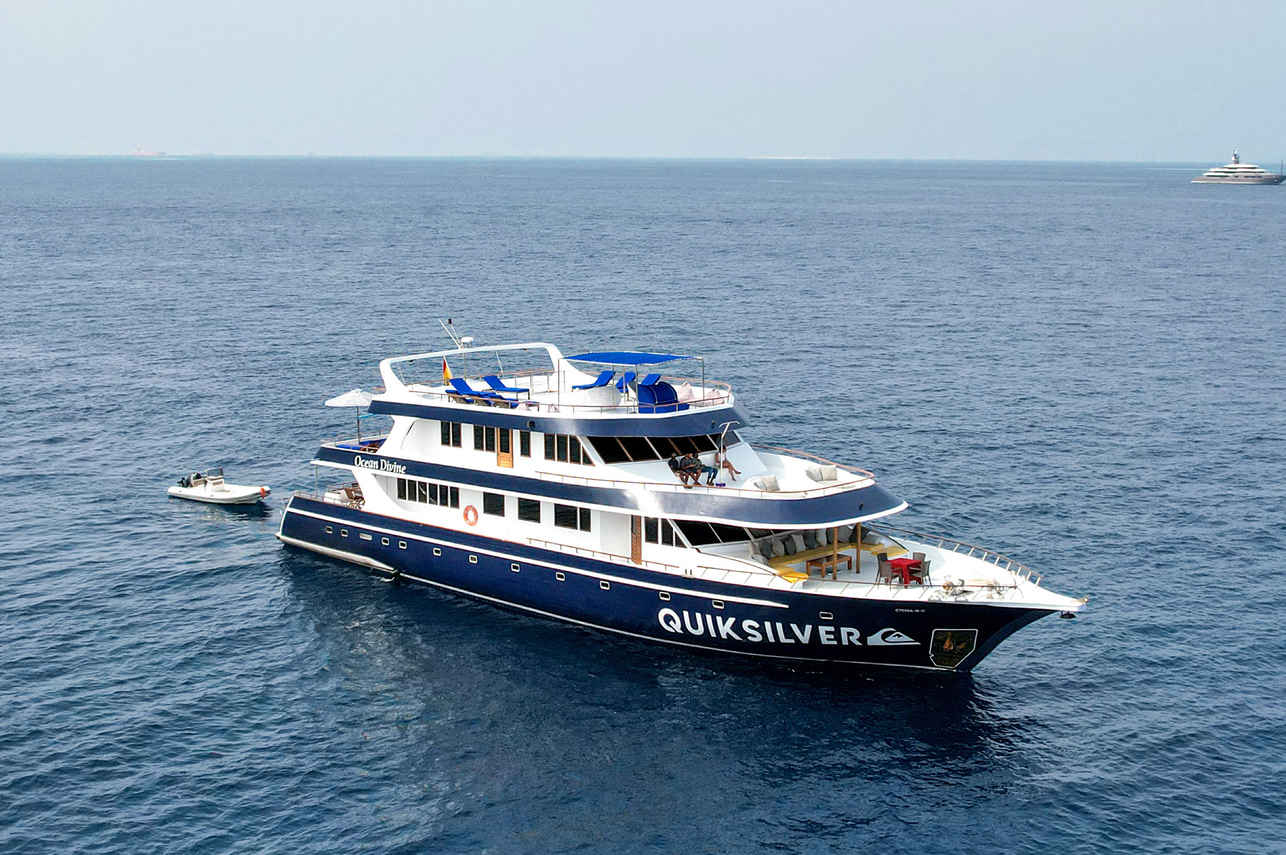
Ocean Divine
Maldives
16 guests33.528 m
$287/day
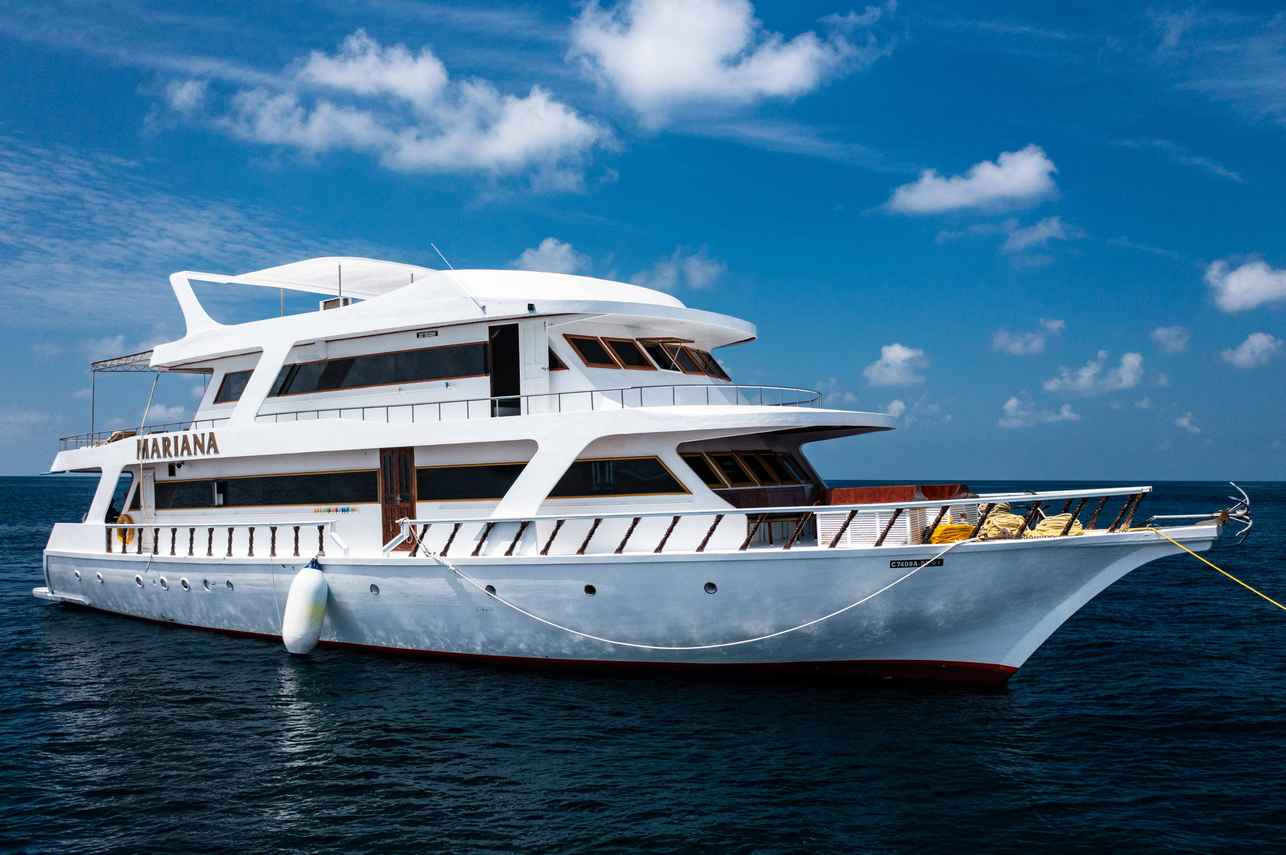
EcoPro Mariana
Maldives
16 guests30 m
$236/day
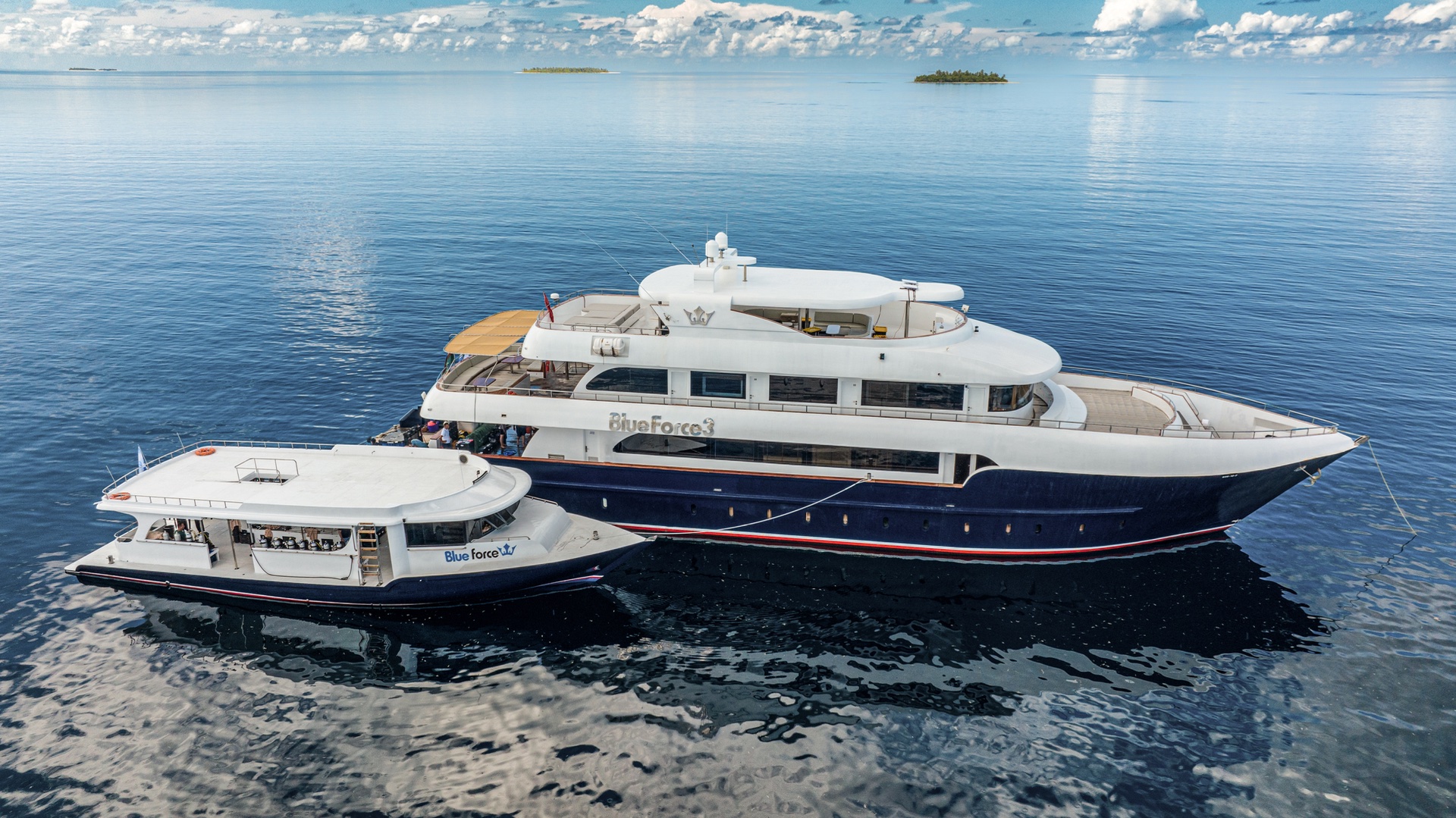
Maldives Blue Force 3
Maldives
26 guests42 m
$261/day
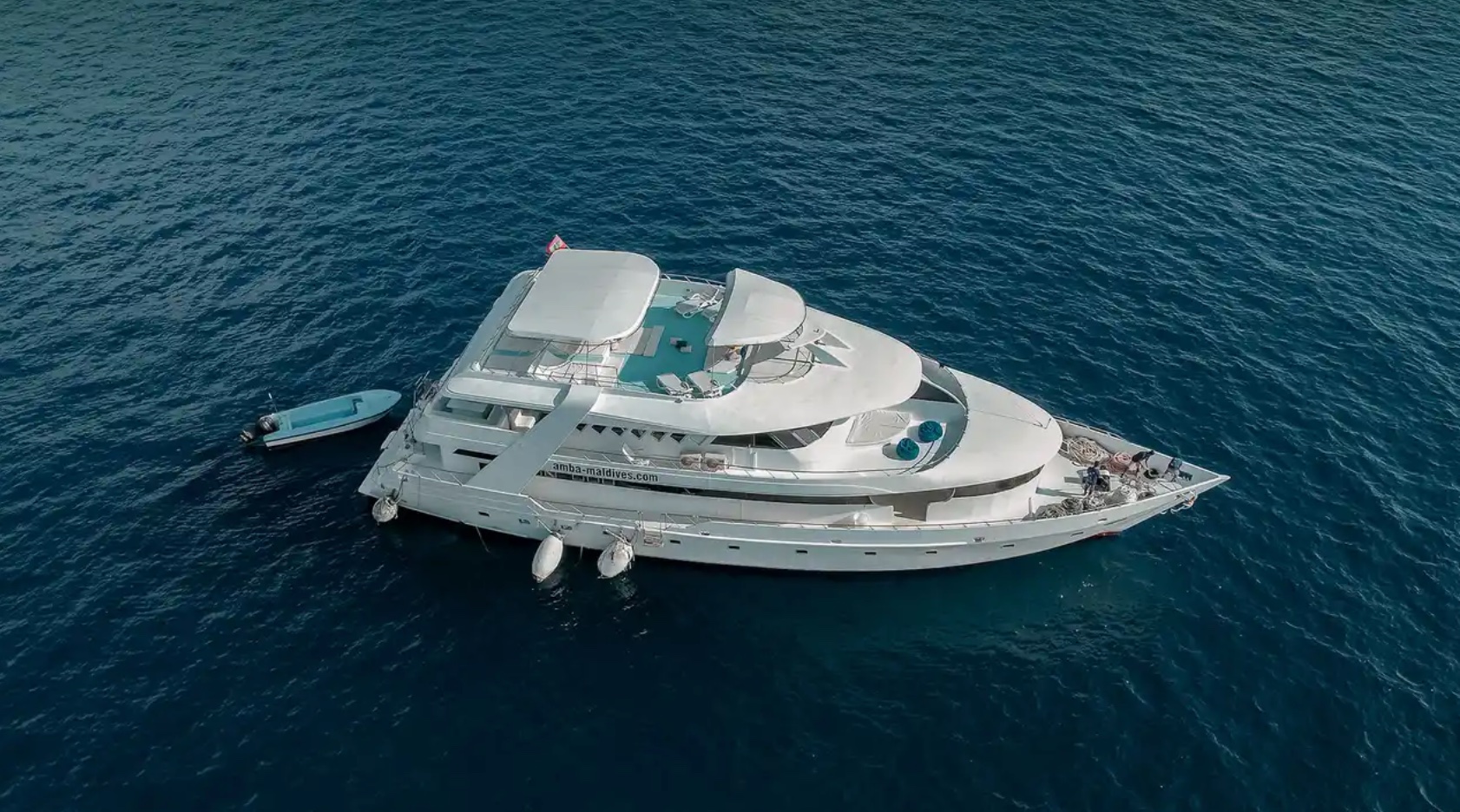
Amba
Maldives
20 guests
$178/day
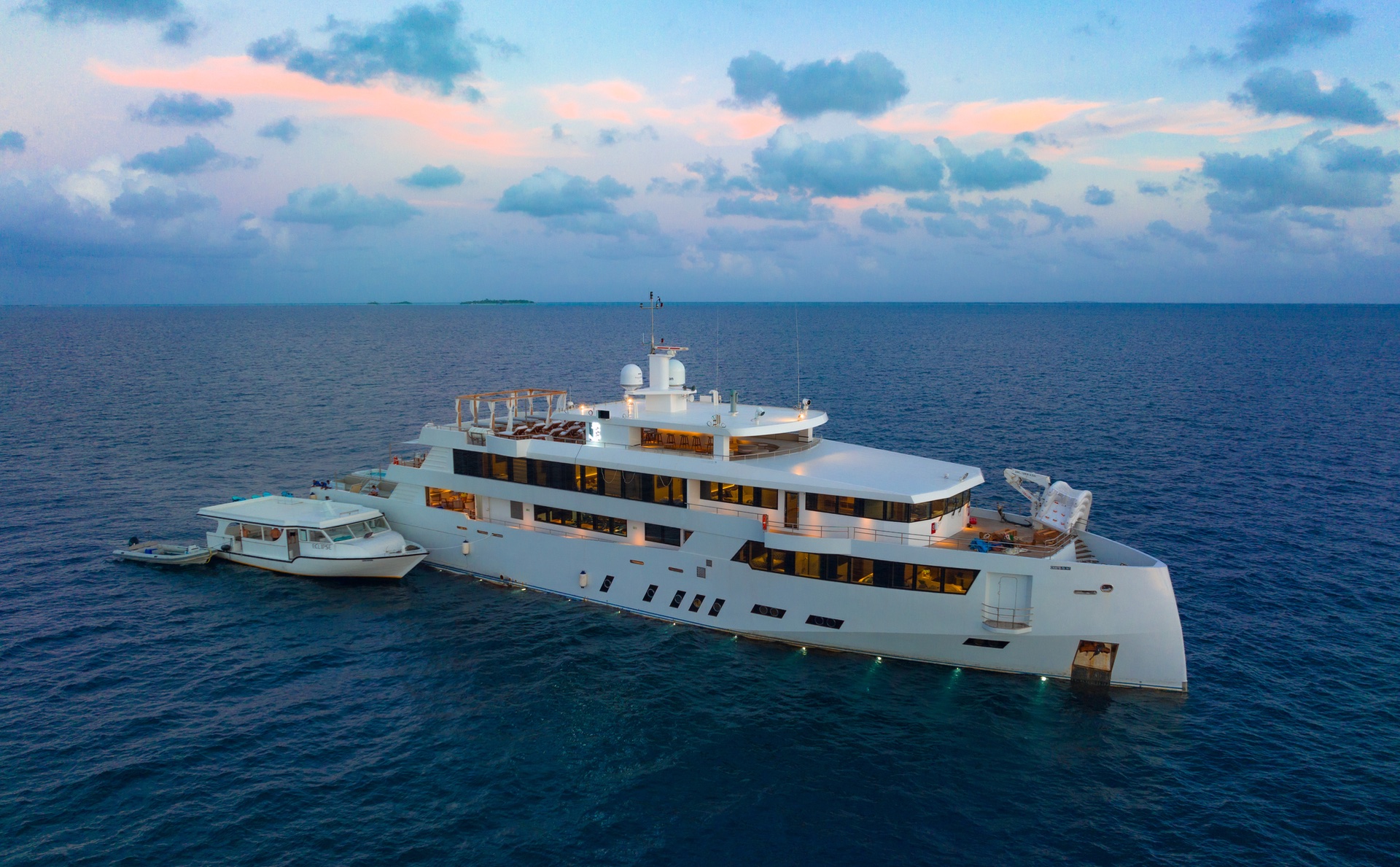
White Pearl
Maldives
26 guests
$387/day
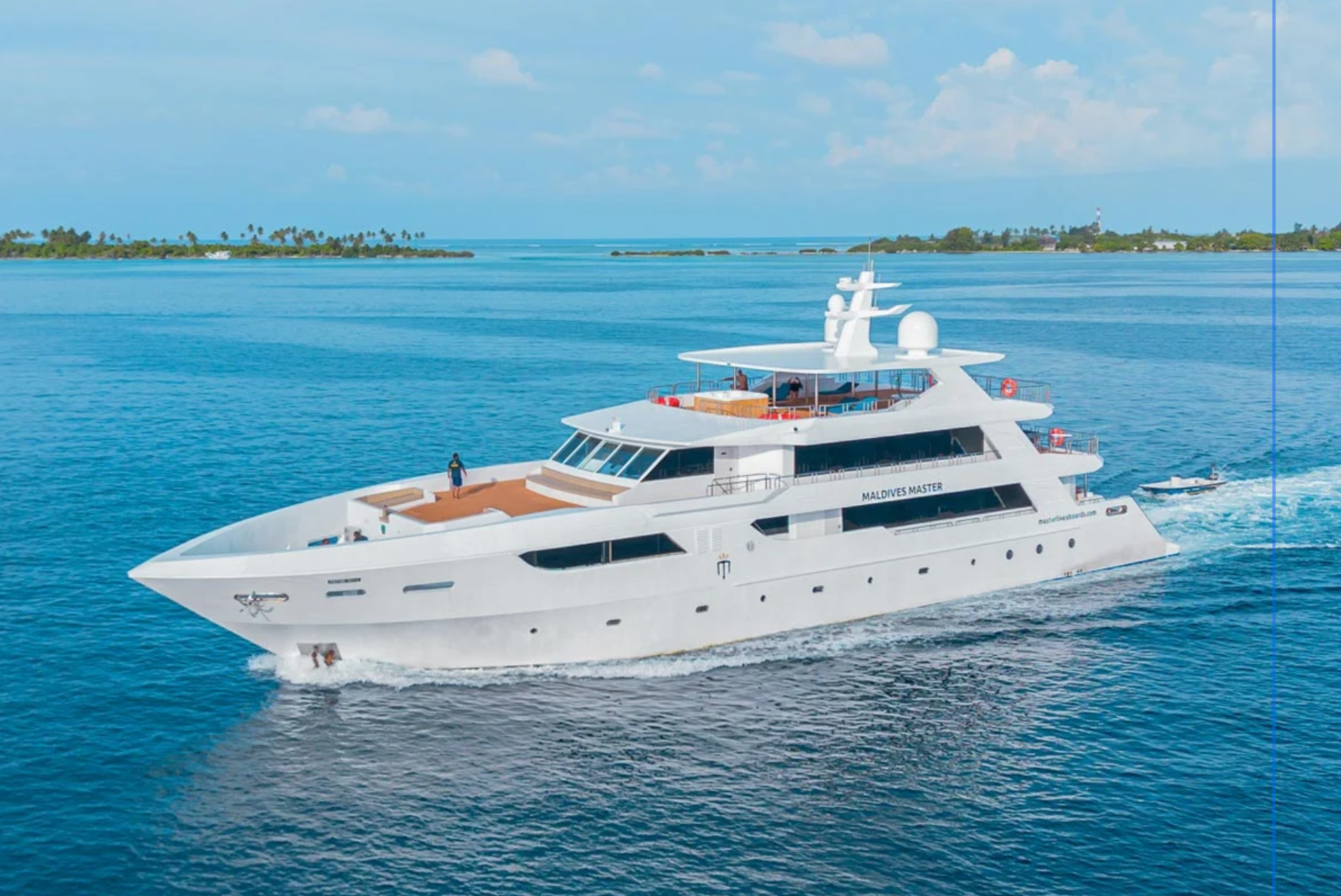
Maldives Master
Maldives
26 guests
$207/day
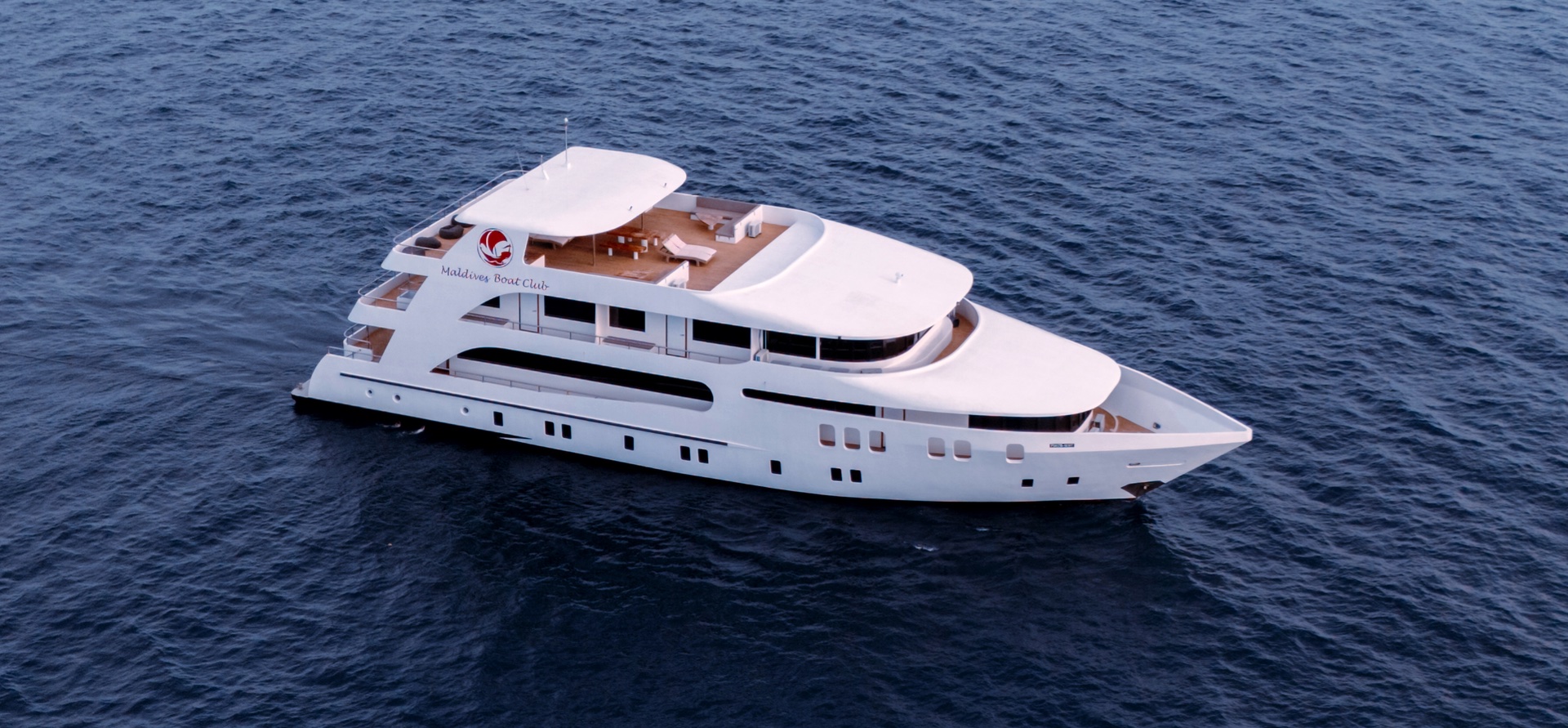
Adora
Maldives
22 guests
$287/day
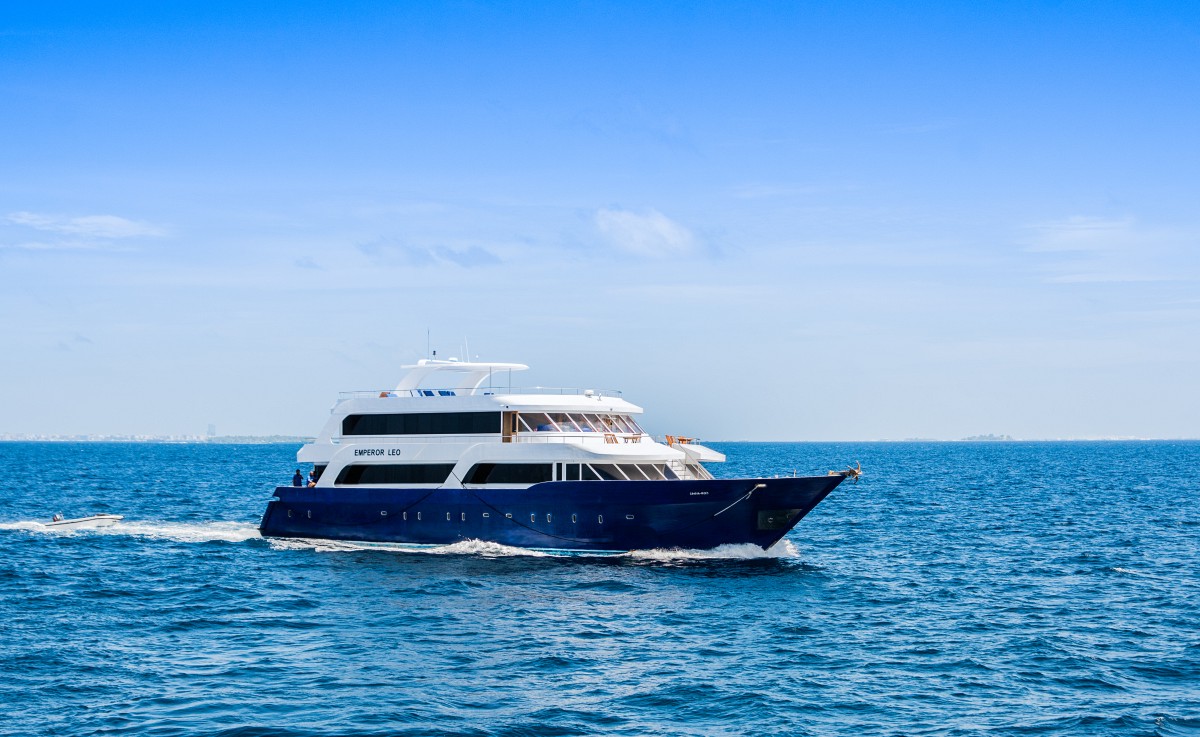
Emperor Leo
Maldives
24 guests35.1 m
$339/day
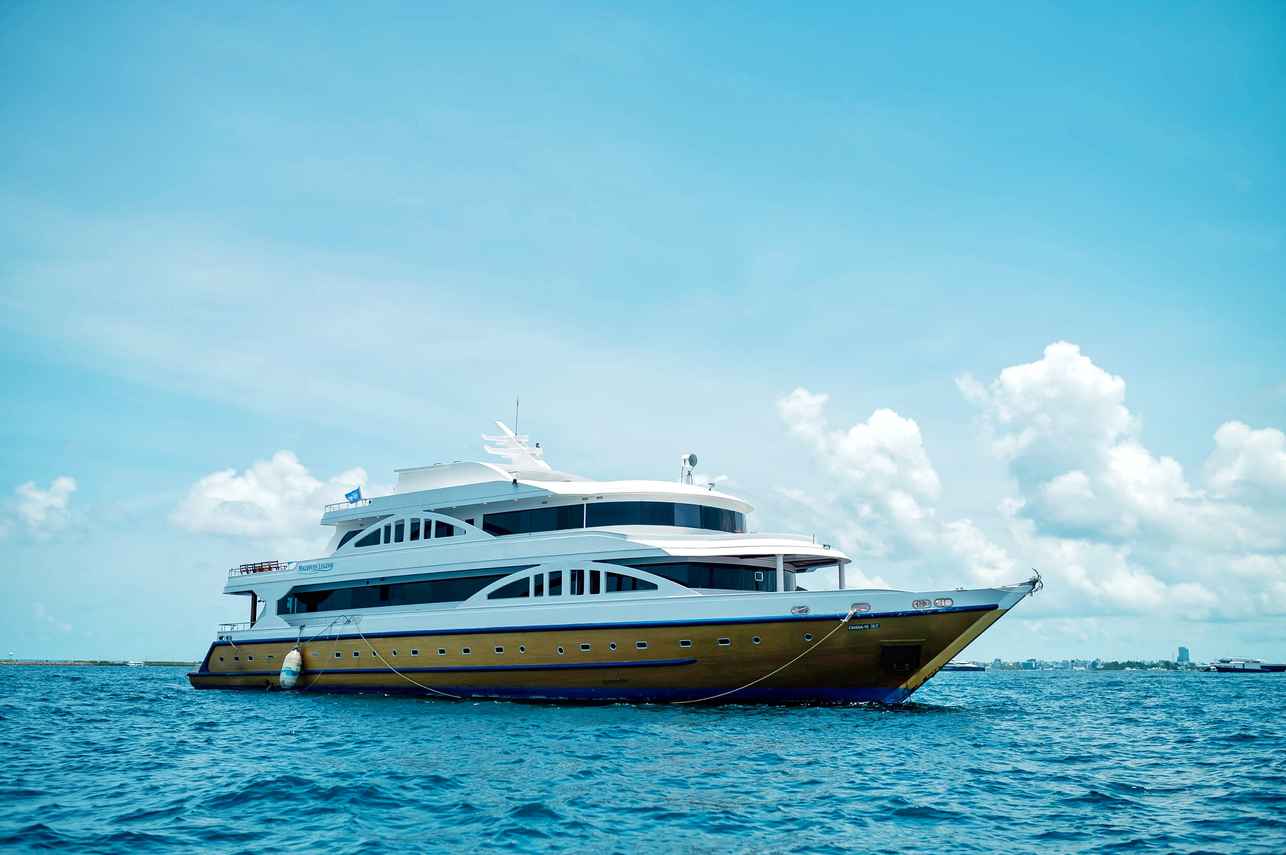
Maldives Legend Zen
Maldives
24 guests41 m
$316/day
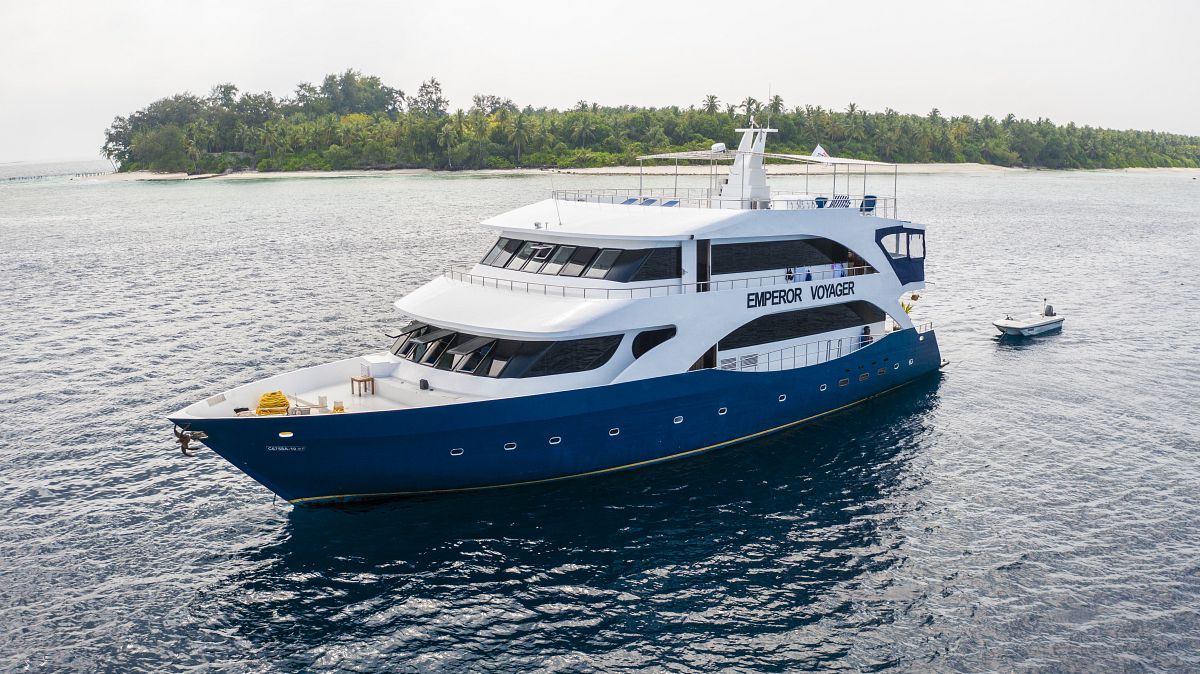
Emperor Voyager
Maldives
20 guests29.9 m
$332/day
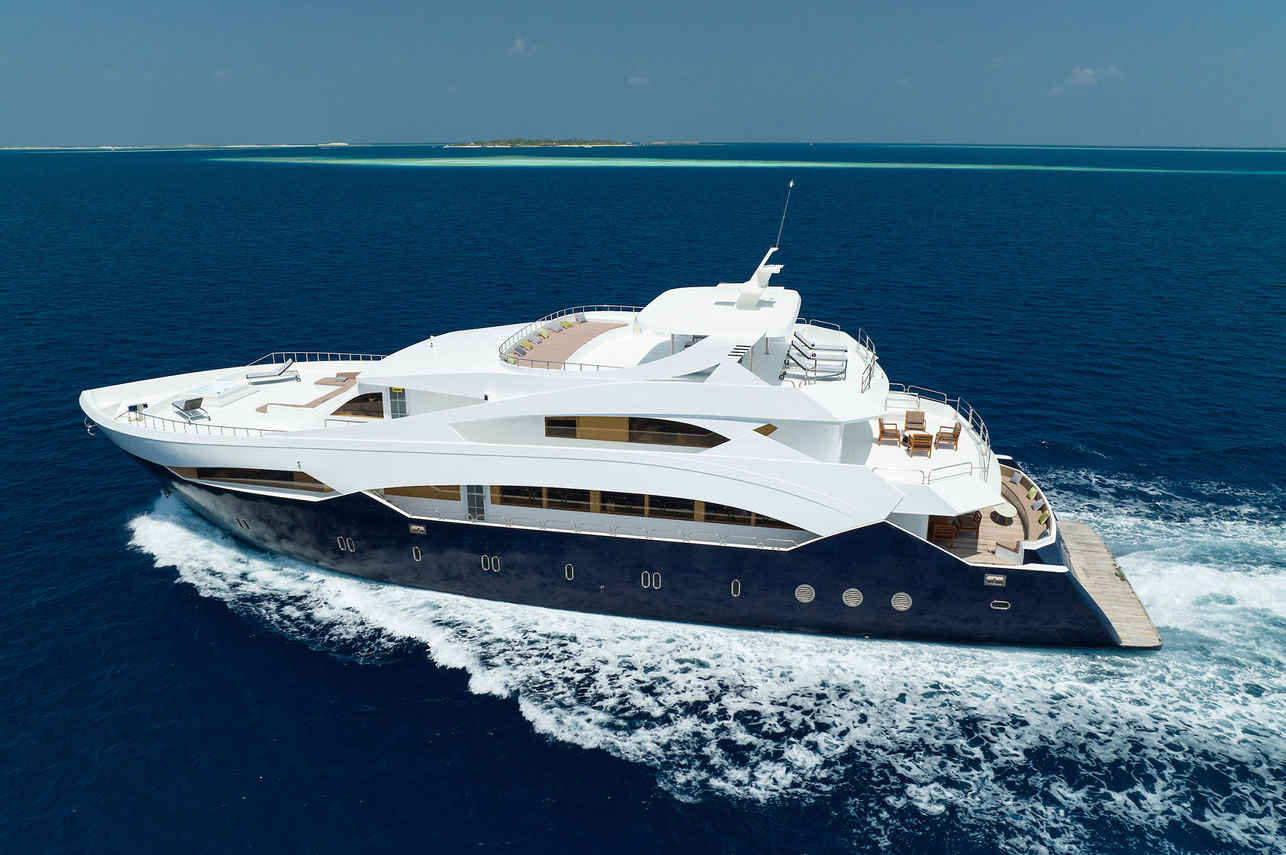
Felicity
Maldives
26 guests41 m
$229/day
Dive sites similar to Maavaru Manta Block
Same character, same waters — six more sites divers love for the exact same reasons.Compare seasons, access and liveaboard routes — then pick the site that fits your trip best.
© Esri — Maxar, Earthstar, GIS
Kudimaa Wreck
Maldives
The Kudimaa Wreck is a compelling dive site in the Maldives, offering a fascinating artificial reef environment.
- Suitable for
- Advanced
- Current
- Moderate
- Access
- Liveaboard only
- Depth
- ≤ 30 m
- Theme
- Wreck / Reef
© Esri — Maxar, Earthstar, GIS
Filitheyo Reef (Faafu)
Maldives
Filitheyo Reef, situated in the Faafu Atoll, offers an unspoiled underwater paradise, unique as the only tourist island in the atoll.
- Suitable for
- Beginner
- Current
- Strong
- Access
- Liveaboard or dayboat
- Depth
- 1–30 m
- Theme
- Reef / Wall
© Esri — Maxar, Earthstar, GIS
Embudu Express
Maldives
Embudu Express, also known as Embudu Channel, is a celebrated dive site situated within the Malé Atoll of the Maldives, specifically in the South Malé Atoll.
- Suitable for
- Advanced
- Current
- Ripping
- Access
- Dayboat
- Depth
- 25–30 m
- Theme
- Drift / Reef
© Esri — Maxar, Earthstar, GIS
Maavaru Kandu
Maldives
Maavaru Kandu is a renowned dive site in the Maldives, characterized by its stunning underwater topography.
- Suitable for
- Intermediate
- Current
- Moderate
- Access
- Liveaboard only
- Depth
- 15–50 m
- Theme
- Reef / Drift
© Esri — Maxar, Earthstar, GIS
Dhigurah Beyru
Maldives
Dhigurah Beyru, located in the South Ari Atoll near Dhigurah Island, is an outer-reef dive site distinguished by its exposure to the open sea rather than a sheltered lagoon.
- Suitable for
- Beginner
- Current
- Mild
- Access
- Liveaboard or dayboat
- Depth
- 5–40 m
- Theme
- Reef
© Esri — Maxar, Earthstar, GIS
Kuda Giri Shipwreck
Maldives
The Kuda Giri shipwreck is a prominent dive site located in the South Male Atoll, standing upright on the seafloor next to the Kuda Giri pinnacle.
- Suitable for
- Beginner
- Current
- Moderate
- Access
- Liveaboard only
- Depth
- 15–30 m
- Theme
- Wreck / Reef