
Belize Liveaboard Diving
Divers Alert Network (DAN) logoFree dive insuranceincluded with every booking

Liveaboards in Belize

from $345 / day

2 of 2 · Belize liveaboard routes, seasons & prices

Belize Aggressor III

Discover Premier Subaquatic Elegance and Comprehensive Diving Services in Belize

  • In-Suite Entertainment Systems
  • Air-Conditioned Indoor Saloon
  • Private En-suite Toilets

4.8(2026 reviews)

18 guestsfrom $345/day
Belize Aggressor IV

Experience the underwater wonders of Belize with premium amenities and security.

  • Ensuite Restrooms
  • Hairdryer
  • Fresh Towels and Bedding

4.8(2026 reviews)

20 guestsfrom $356/day

Diving in the Caribbean: wrecks, walls and Caribbean reef sharks

Tucked into the western Caribbean between Mexico and Guatemala, Belize protects the second-longest barrier reef system in the world — a 300-kilometer chain of reefs, atolls, and mangrove cayes that has been a UNESCO World Heritage Site since 1996. What makes Belize unusual is the rare combination of a true barrier reef with three of only four atolls in the entire Atlantic Ocean, creating an underwater geography found nowhere else outside the Indo-Pacific.

The Great Blue Hole, a near-perfect circular sinkhole 300 meters wide and 124 meters deep, is the country's most iconic dive site. Made famous by Jacques Cousteau in 1971, this collapsed cave system reveals massive stalactites at 40 meters — geological evidence that the entire structure was once a dry cave during the last Ice Age. Caribbean reef sharks and the occasional bull shark patrol the entrance.

Lighthouse Reef and Half Moon Caye offer the country's healthiest coral cover and most consistent visibility, often above 30 meters. The vertical walls of Half Moon Caye Wall drop into the deep blue and host eagle rays, spotted moray eels, and dense schools of horse-eye jacks. The caye itself shelters one of the Caribbean's most important seabird colonies — over 4,000 red-footed boobies.

Turneffe Atoll, the largest of Belize's three atolls, is renowned for Elbow Point, a current-swept channel where massive schools of permit, jacks, and snappers gather to spawn. The atoll's protected lagoons are nursery grounds for juvenile sharks and rays, and dolphins are routinely encountered on the descent.

Glover's Reef sits 45 kilometers offshore and is the most remote of the atolls. Its untouched reef walls, healthy elkhorn coral stands, and consistent encounters with reef sharks make it a favorite among liveaboard itineraries. The reef is also one of the few places in the Caribbean where you can still find dense populations of Nassau grouper at their historic spawning aggregation sites.

Beyond the wall dives, Belize's inner lagoon hosts the famous Hol Chan Marine Reserve and Shark Ray Alley, where southern stingrays and nurse sharks gather in the shallows — perfect for newer divers and snorkelers. Water temperatures range from 25°C in winter to 29°C in summer, and the country's small size means a single liveaboard can reach reef, atoll, and blue hole within a week.

Why dive a liveaboard in Belize

From legendary wrecks and thriving reefs to close-up encounters with iconic marine life, this destination offers the experiences divers dream about. Warm, clear waters and well-organized liveaboard routes make it easy to explore the best sites. These are the highlights that keep divers coming back year after year.

Great Blue Hole

World-famous 300m wide underwater sinkhole plunging 125m deep

Barrier reef

Second largest reef system on Earth stretching 300km

3 atolls

Turneffe, Lighthouse & Glover's Reef pristine coral systems

Whale sharks

Seasonal whale shark aggregations at Gladden Spit Apr-Jun

Who a liveaboard in the Caribbean suits — and who it doesn't

Belize is barrier-reef diving with one famous deep sinkhole; the atolls, not the mainland, hold the best water.

Beginners

Open Water, from about 20 dives

Shallow, sheltered reef inside the Belize Barrier Reef around Ambergris Caye and Hol Chan, with easy profiles and calm water.

Matching areas:Hol ChanAmbergris CayeTurneffe

Advanced divers

Advanced, wall and current diving

Lighthouse Reef and Glover’s Reef walls start shallow and fall vertically; Turneffe’s Elbow runs current with eagle rays and jacks.

Matching areas:Lighthouse ReefGlover’s ReefThe Elbow

Deep and technical

Deep certification required for the Blue Hole

The Great Blue Hole is dived to about 40 metres past stalactite formations — a short, deep, no-decompression profile that operators restrict to Advanced or Deep-certified divers.

Matching areas:Great Blue HoleHalf Moon CayeLong Caye

Photo and video

Wide-angle plus macro on the reef

The Blue Hole is a geology shot, not a fish shot; the surrounding walls at Half Moon Caye deliver sponges, turtles and sharks.

Matching areas:Half Moon CayeTurneffeSouth Water Caye

Best time to dive in Belize

Diving in Belize is excellent year-round, with water temperatures ranging from 26°C to 30°C. The peak season runs from November to May, offering dry weather, calm seas, and visibility often exceeding 30 meters. While the rainy season from June to November brings occasional showers, it also means warmer water and fewer crowds, with diving conditions on the outer atolls rarely affected.

👆 Click any month for detailed conditions
Excellent
Good
Off-Season

Nov – May (Dry Season)

Calm seas, best visibility up to 40m, whale shark season at Gladden Spit in April-May.

Jun – Aug (Wet Season)

Still diveable with warm waters. Occasional rain and reduced visibility, but fewer crowds.

Sep – Oct (Hurricane)

Peak hurricane season. Most operators remain open but weather can be unpredictable.

Underwater visibility

47m
(154ft)
33m
(107ft)
18m
(59ft)
Jan
Feb
Mar
Apr
May
Jun
Jul
Aug
Sep
Oct
Nov
Dec

Air & water temperature

34°C 29°C 24°C
26°
28°
26°
29°
27°
30°
28°
31°
29°
32°
29°
32°
30°
32°
30°
32°
29°
31°
28°
30°
27°
29°
26°
28°
Jan
Feb
Mar
Apr
May
Jun
Jul
Aug
Sep
Oct
Nov
Dec
Water
Air (Day)

Recommended wetsuit

5mm
5mm
3mm
3mm
3mm
3mm
3mm
3mm
3mm
3mm
3mm
5mm
Jan
Feb
Mar
Apr
May
Jun
Jul
Aug
Sep
Oct
Nov
Dec
3mm (warm)
5mm (moderate)
Wetsuit Guide

What you'll see diving in the Caribbean

The atolls of Belize are patrolled by Caribbean reef sharks, nurse sharks, and squadrons of eagle rays, while sea turtles are common on the reefs. Large schools of horse-eye jacks and snappers swarm current-swept points like The Elbow on Turneffe Atoll. The country’s most famous seasonal event is the whale shark aggregation at Gladden Spit, where these giants gather to feed between March and June.

When to See What

Use this calendar as a guide: the highlighted months show when your chances are usually best. Wildlife follows its own rhythm, so sightings are never guaranteed — but we hope this makes planning a little easier. Belize's most significant seasonal encounter is the whale shark aggregation at Gladden Spit between March and June. These gatherings are timed with snapper spawning events that peak around the full moon, offering a world-class wildlife spectacle.

Species
Jan
Feb
Mar
Apr
May
Jun
Jul
Aug
Sep
Oct
Nov
Dec
Caribbean Reef Shark
Nurse Shark
Nurse Shark
Green Turtle
Green Turtle
Stingray
Stingray
Nassau Grouper
Nassau Grouper
Sennet
Sennet
Lizardfish
Lizardfish
Needlefish
Needlefish
Numbfish
Numbfish
Painted Tunicate
Painted Tunicate
Pilotfish
Pilotfish
Porkfish
Porkfish
Purple Tunicate
Purple Tunicate
Remora
Remora
Sandbar Shark
Sandbar Shark
Peak Season
Present
Rare/Absent

Great Blue Hole and Half Moon Caye Wall: the best dive sites in Belize

A liveaboard is the only way to reach Belize’s signature offshore sites, located far from the mainland. This includes descending into the Great Blue Hole at Lighthouse Reef, where massive stalactites hang at 40 meters in a collapsed prehistoric cave. Boats also access the pristine vertical drop-offs of Half Moon Caye Wall and the current-swept channels of Turneffe Atoll, which attract huge schools of fish.

1

Zipline

Beginner
535m / 16115ftBest: April–June, December–April17.3500°, -87.9077°

Zipline is a distinctive dive site within the Turneffe Atoll Marine Reserve in Belize, offering a glimpse into the diverse ecosystems of this renowned barrier reef system. Situated in one of the three atolls off Belize's coast, it provides a different experience from the more famous sinkholes, focusing on vibrant reef life and unique creature observations. The topography around Zipline primarily features sandy fields adjacent to coral formations. Divers can explore these areas, which are rich in burrowing creatures that inhabit the substrate. While specific depth ranges for Zipline are not detailed, Belizean offshore atoll dives generally occur between 5 and 35 meters, with most dives targeting the 12-25 meter range. The site is notable for its resident marine life, particularly friendly nurse sharks that approach divers closely. Beyond these larger animals, the sandy bottoms are home to extensive populations of garden eels and active yellowhead jawfish. These species are often observed feeding on zooplankton or darting in and out of their burrows. Diving Zipline offers a relaxed experience, allowing divers to spend time observing the intricate behaviors of these smaller, often overlooked inhabitants. The clear, warm waters typical of Belize, with temperatures between 26-29°C year-round, enhance the comfort and enjoyment of exploring this unique atoll environment.

Nurse shark encountersGarden eel fieldsYellowhead jawfish behaviorTurneffe Atoll Marine ReserveSandy fields with burrowing creaturesVibrant reef life observation
2

Ambergris Caye

Intermediate
1560m / 49197ftBest: April–June, September–November17.3800°, -87.7771°

Ambergris Caye, the largest and most popular of Belize's offshore cayes, offers unparalleled diving along 40 kilometers of the Belize Barrier Reef, situated less than a mile offshore. This prime location provides access to spectacular three-dimensional coral formations including canyons, grottoes, and tunnels, maintaining calm waters and excellent visibility. The underwater topography is characterized by classic spur-and-groove reefs that extend into deep canyons, often forming tempting swim-throughs and caverns. Depths on the barrier reef range from 15 to 60 meters, with dramatic walls plunging to several hundred feet in some areas. These intricate structures are adorned with a diverse array of hard and soft corals, including staghorn, elkhorn, lettuce, boulder corals, and gorgonian sea fans in shades of green, purple, and red. While common reef fishes are present, the area is notable for a higher number of pelagic species such as various sharks and rays, along with frequent sightings of porpoises and turtles. Lucky divers may encounter larger creatures like whale sharks during specific seasons. The northern stretch of the reef is also a macro photography haven, home to countless minuscule creatures residing in vase sponges, tube sponges, and coral pinnacles. Diving here means exploring a protected marine environment, benefiting from permanent mooring buoys and initiatives like the Hol Chan Marine Reserve. Operators curate trips to combine excellent diving with variety, ensuring every descent reveals new wonders, from critter hunting in shallower areas to observing larger pelagics in deeper canyon systems.

Second largest barrier reefSpur-and-groove coral formationsDeep canyons and swim-throughsDiverse hard and soft coralsSharks, rays, and turtlesVibrant macro lifeExceptional water clarityProtected marine environment
3

Angel Fish Wall

WallIntermediate
840m / 26131ftBest: April–June, December–May17.2917°, -87.8093°

Angel Fish Wall is a notable dive site in Belize, named for the friendly grey angelfish that frequent its reef. This site is part of the Lighthouse Reef Atoll, one of Belize's prominent offshore atolls. The wall itself starts deeper than some other sites, allowing for diverse marine encounters. The topography features a rich coral wall, where the top section is teeming with smaller reef fish. As you descend, the coral formations provide shelter and foraging grounds for various species. The consistent presence of grey angelfish makes this a distinctive and enjoyable dive. While grey angelfish are a common sight year-round, occasional sightings of larger pelagic species like eagle rays and reef sharks add to the excitement. The warm water temperatures and generally good visibility contribute to a comfortable dive experience throughout the year. Divers typically explore the wall, observing the vibrant reef life along the coral formations. The site is usually accessed via liveaboard operations, often as part of an itinerary that includes other famous Belizean dive spots, offering multiple dives throughout the day.

Friendly grey angelfishOccasional shark sightingsCruising eagle raysTeeming wall topVibrant coral formations
4

Dos Chichas

ReefIntermediate
630m / 2098ftBest: April–June17.3814°, -87.8025°

Dos Chichas is a captivating dive site situated off Long Caye, part of the extensive reef system in Belize. This location offers divers a rich underwater tapestry, characterized by large barrel sponges, intricate coral formations, and an abundance of Caribbean marine species. It is frequently visited by liveaboards operating in the region, providing a comprehensive diving experience focused on the thriving reef ecosystems rather than deep, dark sinkholes. The topography at Dos Chichas typically involves a sloping wall that descends to deeper sections, where divers can encounter a variety of reef inhabitants. Shallower reef tops complement the deeper wall dives, creating varied profiles. The site is known for its clear waters and minimal currents, making it accessible and enjoyable for a wide range of diver experience levels. Visibility commonly ranges from 12 to 24 meters, often extending beyond 30 meters on offshore atolls, with water temperatures consistently warm, averaging 26-29°C. Marine life sightings are consistent year-round, with notable encounters including Caribbean reef sharks, nurse sharks, octopuses, and squids. The area also hosts various groupers, colorful reef fish, and big basket stars. Depending on the season, seasonal visitors like whale sharks are present in other parts of Belize, though not specifically at Dos Chichas. Diving here typically involves following the wall at a comfortable depth, with surface intervals allowing for movement to different sections or other sites. The relaxed nature of most dives, combined with abundant marine life and warm conditions, makes Dos Chichas a prime example of classic Caribbean reef diving.

Large barrel spongesCaribbean reef sharksOctopuses and squidsColorful spongesLong Caye locationWarm, clear waterAbundant reef fish

Bucket-list dives worth booking early

The ultimate Belize bucket list includes descending into the famous Great Blue Hole to witness its giant submarine stalactites. From March to June, divers can experience the thrill of swimming with whale sharks as they gather at Gladden Spit. Completing the trifecta is tackling a drift dive along the dramatic walls of Turneffe Atoll, surrounded by sharks, rays, and huge schools of jacks.

Underwater view of the dive site Great Blue Hole Dive in Belize
1
Year-round

Lighthouse Reef Atoll

Descend into the iconic Great Blue Hole, a giant marine sinkhole over 300 meters across and 125 meters deep, with ancient stalactites and reef sharks circling in the abyss.

Read more
Underwater view of the dive site Whale Shark Season in Belize
2
March – June

Gladden Spit

Snorkel alongside the gentle giants of the sea at Gladden Spit, where whale sharks gather to feed on snapper spawn during full moon periods.

Read more
Underwater view of the dive site Barrier Reef Wall Diving in Belize
3
November – May

Turneffe Atoll

Explore the world's second-largest barrier reef with dramatic wall dives plunging into the deep blue, adorned with massive sponges and vibrant coral formations.

Read more

Above water: climate, shore trips and extra costs

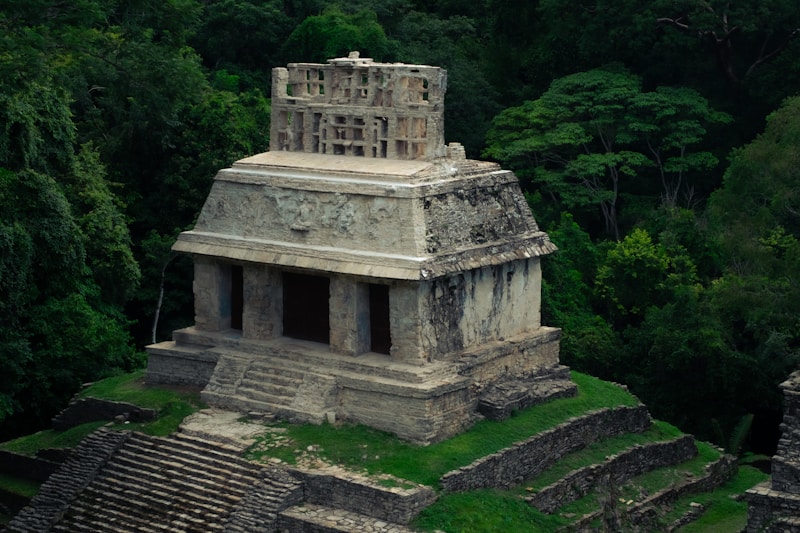
Enhance your dive trip by exploring Belize's topside wonders before or after your liveaboard. You can journey by river boat to explore the jungle-covered Mayan temples at Lamanai or float on an inner tube through ancient ceremonial caves. For a more relaxed experience, embrace the "Go Slow" motto on the laid-back, sandy streets of Caye Caulker.

Caracol Mayan Ruins

Caracol Mayan Ruins

The largest Mayan site in Belize, hidden deep in the Chiquibul Forest. Caracol's main pyramid, Caana ('Sky Palace'), rises 43 metres.

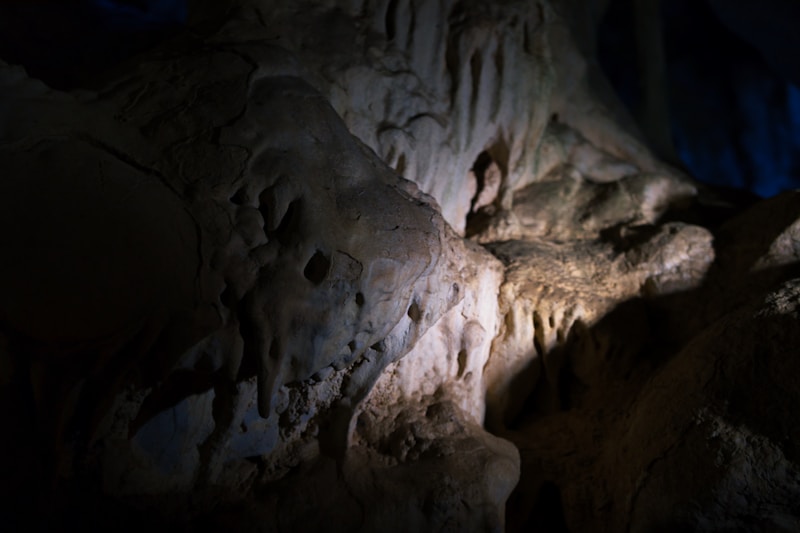
Actun Tunichil Muknal Cave

Actun Tunichil Muknal Cave

Trek through the jungle and swim into this sacred Mayan ceremonial cave, where ancient artifacts and crystal-encrusted skeletons remain undisturbed for over 1,000 years. One of Central America's most extraordinary archaeological sites.

Cockscomb Basin Wildlife Sanctuary

Cockscomb Basin Wildlife Sanctuary

The world's only jaguar preserve offers hiking trails through pristine rainforest, with chances to spot howler monkeys, toucans, and countless tropical birds. Swim in waterfalls and explore miles of jungle trails.

Cave Tubing

Cave Tubing

Float on inner tubes through ancient Maya ceremonial caves. Headlamps illuminate stalactites and Mayan artifacts as you drift through this unique cave system.

What a liveaboard in Belize costs

The calendar below shows how liveaboard prices shift month by month, so you can see exactly when your money goes furthest. We want every diver to get the best possible value, which is why we highlight the seasons that balance great conditions with the fairest rates.

Belize is a mid-to-upper-range liveaboard destination, with nightly rates reflecting the vessel's comfort level. Prices are highest during the peak dry season and for special whale shark itineraries between March and June, which are in high demand. For better value, consider traveling during the summer rainy season from June to November, when prices are often lower and the atolls remain uncrowded.

$345–$356

per day liveaboard

$120–$200

per 2-tank dive trip

$100–$250

hotel per night

Prices reflect typical costs for mid-range to premium options. Budget alternatives may be available.

Getting to Belize City: flights and transfers

Accessing your Belize liveaboard is simple, as most international travelers arrive at Philip S.W. Goldson International Airport (BZE) near Belize City. Direct flights are available from major North American hubs like Miami, Dallas, and Houston. Liveaboards for the atolls depart from Belize City, making for a short and easy transfer. Many nationalities, including those from the US, UK, and EU, do not require a visa for tourist stays.

Insider tips

🤿

Visit during shoulder season (May-June, November) for lower prices and good diving conditions.

🚢

Consider land-based diving from Ambergris Caye or Caye Caulker as a more affordable alternative to liveaboards.

🎯

Book Blue Hole trips in advance as group rates offer significant savings.

🏨

Stay in Caye Caulker instead of San Pedro for budget-friendly accommodation while maintaining easy reef access.

🤿

Bring your own gear to avoid rental costs – most dive shops charge $15-25 per day for equipment.

🤿

Look for multi-dive packages – buying 6 or 10 dives upfront typically saves 15-20% compared to single dives.

Getting there

Philip S.W. Goldson International Airport

Belize CityBZE

Main gateway with direct flights from Houston, Miami, Dallas, Atlanta, Toronto

Entry requirements

Citizens of the US, Canada, UK, EU, Australia, and many other countries do not require a visa for stays up to 30 days (extendable to 90 days). A valid passport with at least 6 months validity is required.

This information is provided without guarantee. Please visit the official website for the latest entry requirements.

Official Immigration Information →

Frequently asked questions about liveaboards in Belize

How much does a Belize liveaboard cost in 2026?
While prices for 2026 vary by boat and season, a Belize liveaboard offers incredible value by taking you to remote sites like the outer atolls and the Great Blue Hole. These pristine locations are difficult to reach on day trips, making a liveaboard the most efficient way to experience the best of the Mesoamerican Barrier Reef.
When is the best time for a liveaboard diving trip in Belize?
Diving in Belize is excellent year-round, but for the calmest seas and best visibility, plan your trip between April and June. If you're hoping to see whale sharks at Gladden Spit, aim for the full moons between March and June.
What marine life can I see on a Belize liveaboard?
Belize liveaboards explore the vibrant Mesoamerican Barrier Reef, home to a huge diversity of Caribbean marine life. Besides the incredible corals of the outer atolls like Turneffe and Lighthouse Reef, you have a great chance of encountering majestic whale sharks at Gladden Spit during their season (March-June).
Do I need an advanced certification for Belize liveaboards?
While not always mandatory for all dives, an Advanced Open Water certification is highly recommended to fully enjoy deep sites like the famous Great Blue Hole. Having this certification ensures you won't miss out on some of Belize's most iconic underwater experiences.
Which port do Belize liveaboards depart from?
Most liveaboards exploring Belize's famous atolls depart from the main port area in Belize City. It's always best to confirm the specific port and marina with your booking agent, as logistics can vary slightly between vessels.
What should I pack for a Belize liveaboard trip?
For your Belize adventure, pack a 3mm wetsuit, or a 5mm for the cooler winter months (November–February). Don't forget a dive torch for exploring the Great Blue Hole, your camera, and US-style plugs for your electronics (110V).
Is the tap water safe to drink in Belize?
Onshore in Belize, it's recommended to drink bottled water, and this practice generally extends to liveaboards. Your vessel will provide plenty of safe, purified drinking water and other beverages to keep you hydrated throughout your dive trip.

Belize compared with other liveaboard destinations

Honest, in-depth comparisons to help you decide between destinations, certifications, equipment and dive styles.

Liveaboard vs Land-Based Diving: Which Trip Is Right for You?

Choosing between a liveaboard and a land-based dive trip is the most fundamental decision divers face when planning a serious diving holiday. The right answer depends on your priorities: maximum dive count and access to remote sites favor liveaboards; beach time, family flexibility and lower cost favor land-based resorts. Both formats have evolved significantly in the last decade, and the line between them has blurred — luxury dive resorts now offer multi-day expedition trips, while many liveaboards include topside excursions and even spa days. This guide compares the two formats across every meaningful dimension: cost per day, dives per day, marine life access, comfort, social dynamics, family-friendliness, and travel logistics. We'll also cover the hybrid models (resort + day-charter, or 'safari boat' itineraries) that try to capture the best of both worlds. If you're certified, in love with diving and want to maximize bottom time, a liveaboard is almost always the better choice — you can clock 25+ dives in a week and reach sites no day boat can. If you're traveling with non-divers, prefer land-based comfort, or want flexibility to take days off, a resort wins. We'll get into all the nuances below.

Read comparison

Belize vs Honduras: The Ultimate Liveaboard Showdown

Choosing your next Caribbean liveaboard adventure often comes down to two titans of the Mesoamerican Barrier Reef: Belize and Honduras. Both offer world-class diving, warm water, and stunning underwater landscapes, but they deliver distinctly different experiences. A trip to one is not a substitute for the other. Belize is the home of icons. Its liveaboard itineraries focus on the remote, offshore atolls—Turneffe, Glover's Reef, and most famously, Lighthouse Reef, where the legendary Great Blue Hole awaits. This is a trip for divers seeking wild, uncrowded sites, dramatic wall diving, and the thrill of crossing a major geological wonder off their bucket list. Honduras, centered around the Bay Islands of Roatán and Utila, offers a different flavor of excellence. Here, the reefs are vibrant, accessible, and teeming with life. Known for its healthy coral, plentiful macro critters, and as a global hotspot for whale shark encounters, Honduras provides consistently fantastic diving with a more relaxed vibe and better value. The choice isn't about which is better, but which is better for you, right now.

Read comparison

Beyond the Limits: Recreational vs. Technical Diving Explained

Scuba diving opens up a breathtaking world hidden just beneath the surface, an activity enjoyed by millions globally. For the vast majority, this means recreational diving. Governed by agencies like PADI and SSI, recreational diving is defined by its limits: no deeper than 40 meters (130 feet), always having a direct path to the surface, and staying within no-decompression limits. This framework allows divers to explore vibrant coral reefs, shipwrecks, and kelp forests with relatively simple equipment and training, focusing on enjoyment and safety within a well-established comfort zone. On the other end of the spectrum lies technical (or tec) diving. Often seen as the 'extreme sport' of the scuba world, tec diving is explicitly about going beyond recreational limits. This means diving deeper than 40 meters, planning for mandatory decompression stops on ascent, or penetrating far into overhead environments like caves or complex wrecks. Agencies such as Technical Diving International (TDI), Global Underwater Explorers (GUE), and PADI's TecRec arm provide the highly specialized training required for these demanding dives. The fundamental difference is one of philosophy. Recreational diving prioritizes risk avoidance by staying within strict, pre-defined boundaries. Technical diving, in contrast, is about risk mitigation. Tec divers intentionally plan to enter situations that would be emergencies for recreational divers, but they do so with extensive training, meticulous planning, redundant equipment systems, and specialized breathing gases. It's a calculated approach to exploring environments that are otherwise inaccessible. This distinction isn't just about numbers and gear; it’s about mindset and motivation. While a recreational diver might be thrilled by the colorful reefs of the Red Sea, a technical diver might be drawn to the challenge of exploring a deep, historic wreck like the Britannic off the coast of Greece. Understanding the differences in limits, equipment, training, and risk is crucial for any diver considering where their underwater journey might lead next.

Read comparison
Plan your trip

Ready to dive?

Explore our expedition vessels and find your perfect trip to Belize

4.8724 Reviews