About Angel Fish Wall
Angel Fish Wall is a notable dive site in Belize, named for the friendly grey angelfish that frequent its reef. This site is part of the Lighthouse Reef Atoll, one of Belize's prominent offshore atolls. The wall itself starts deeper than some other sites, allowing for diverse marine encounters. The topography features a rich coral wall, where the top section is teeming with smaller reef fish. As you descend, the coral formations provide shelter and foraging grounds for various species. The consistent presence of grey angelfish makes this a distinctive and enjoyable dive. While grey angelfish are a common sight year-round, occasional sightings of larger pelagic species like eagle rays and reef sharks add to the excitement. The warm water temperatures and generally good visibility contribute to a comfortable dive experience throughout the year. Divers typically explore the wall, observing the vibrant reef life along the coral formations. The site is usually accessed via liveaboard operations, often as part of an itinerary that includes other famous Belizean dive spots, offering multiple dives throughout the day.
Highlights
Friendly grey angelfishOccasional shark sightingsCruising eagle raysTeeming wall topVibrant coral formations
Season calendar
Best months to dive here
Jan
Feb
Mar
Apr
May
Jun
Jul
Aug
Sep
Oct
Nov
Dec
Good
Dive site facts: Angel Fish Wall
- Depth
- 8–40 m (25–130 ft)
- Current
- Mild
- Visibility
- 18–24 m (60–80 ft)
- Water temperature
- 25–28°C (77–83°F)
- Entry
- Tender
- Level
- Open Water Diver
- Dive type
- Wall, reef
- Night dive
- Possible
- Region / port
- Lighthouse Reef Atoll, Belize
- Coordinates
- 17.2917° N, 87.8093° W
Conditions & Currents
Dive conditions at Angel Fish Wall generally feature mild currents, making for relatively easy exploration along the reef. While some sites in Belize can experience strong currents, especially at 'The Elbow', Angel Fish Wall is not specifically noted for challenging water movement. Visibility often ranges between 60-80 feet (18-24 meters), offering clear views of the wall and its inhabitants. Divers should still be prepared for potential surface chop due to moderate winds, especially in the initial days of a trip. All dives are typically conducted from a liveaboard tender, and the easy entry and exit procedures are designed to accommodate various diver levels.
Marine life & sighting chances
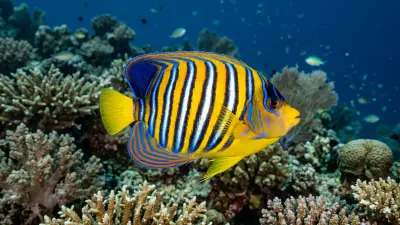
Grey angelfish
common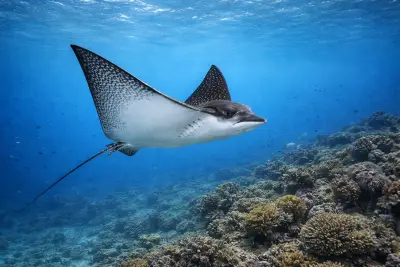
Eagle ray
occasional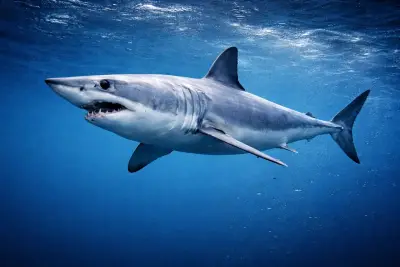
Shark
occasional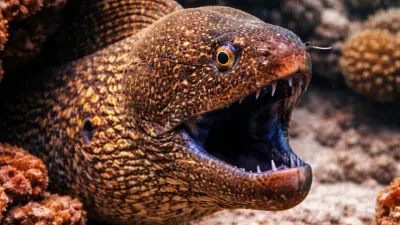
Moray eel
occasional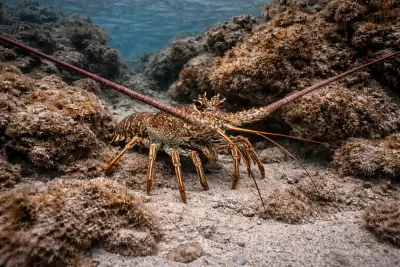
Spiny lobster
occasional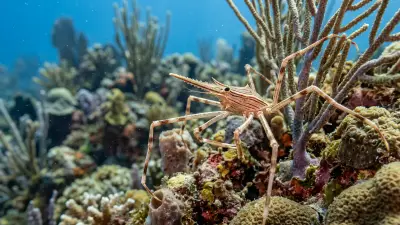
Arrow crab
occasional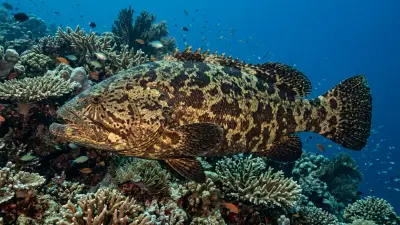
Grouper
occasional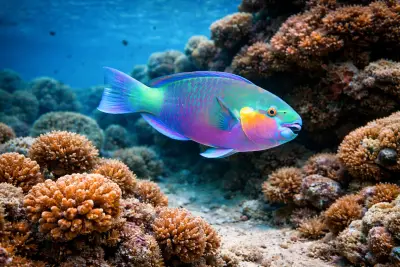
Parrotfish
occasional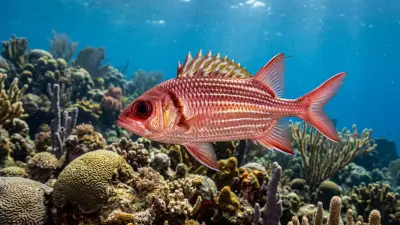
Squirrelfish
occasional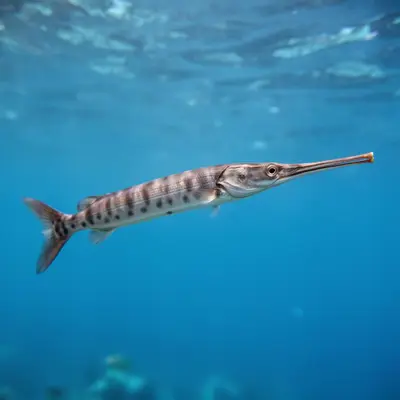
Trumpetfish
occasionalDive profile & how the dive runs
Diving at Angel Fish Wall typically involves an entry from a tender directly onto the site. The dive often starts near the top of the wall, which teems with small fish and vibrant coral life. Divers then follow the wall, descending to depths suitable for their certification and gas limits, usually between 25 to 130 feet (8-40 meters). The route typically involves drifting along the wall, observing the friendly grey angelfish, and keeping an eye out for cruising eagle rays and occasional sharks in the blue. The turn point is determined by air consumption and no-decompression limits, after which divers ascend gradually along the wall, completing their safety stop in the shallower, fish-rich sections of the reef.
Underwater photography
Angel Fish Wall offers excellent opportunities for wide-angle photography, capturing the expansive wall and larger marine life such as eagle rays and sharks. A fisheye or wide-angle lens would be ideal for these subjects and for showcasing the vibrant coral topography. For the resident grey angelfish and other reef fish, a macro lens or a standard port with close-up filters can capture detailed portraits. Utilize strobes to bring out the true colors of the coral and fish against the blue water. Maintain excellent buoyancy control to avoid disturbing the reef and to get stable shots, especially when photographing moving subjects.
Combine with nearby dive sites
- Aquarium
Known for abundant fish life and rich collection of deep-water gorgonians and sponges.
- Half Moon Caye Wall
A popular wall dive site often included in liveaboard itineraries.
- Black Beauty
Features long coral mounds with sandy channels and sightings of turtles and eagle rays.
- Grand Bogue
A site known for specific elusive fish species and varied marine life.
- The Elbow
An advanced dive renowned for large pelagics like eagle rays and sharks, often with strong currents.
- Blue Hole
The famous collapsed freshwater cave, often combined with other Lighthouse Reef dives.
Getting there & logistics
Accessing Angel Fish Wall typically involves a liveaboard trip departing from Belize City. International travelers usually fly into Philip S.W. Goldson International Airport (BZE), with transport provided to the embarkation point at the Fort George Hotel dock. Liveaboard itineraries are generally 7 nights, offering extensive diving, often up to 5 dives per day. These trips combine multiple sites across Lighthouse Reef and Turneffe Atoll. While there are no specific permits or fees mentioned for Angel Fish Wall itself, national park fees or marine reserve fees may be included in the liveaboard package for the broader region.
Safety & environment
Diving in Belize typically involves standard safety protocols, with liveaboards providing comprehensive briefings and trained staff. The nearest recompression chamber is located in Belize City. Divers should ensure they have adequate dive insurance that covers emergency medical treatment and evacuation, as remote atoll locations can mean longer response times. Site-specific hazards at Angel Fish Wall are minimal, with generally mild currents. Divers should always follow dive leader instructions, maintain proper buoyancy, and monitor their depth and bottom time to avoid decompression sickness. Consistent warm water reduces thermal stress, but a 3mm wetsuit is recommended for comfort during multiple daily dives.
Who it suits — and who it doesn't
Suited for
- Open Water certified divers seeking vibrant wall dives
- Divers interested in diverse reef fish and angelfish encounters
- Photographers looking for macro and wide-angle opportunities
- Divers comfortable with liveaboard itineraries and multiple daily dives
- Those who enjoy observing pelagic species in an open water environment
Less suited for
- Divers preferring shore-based diving
- Those who dislike wall diving
- Divers seeking extreme drift diving conditions
- Individuals with limited buoyancy control in crowded reef areas
FAQ
Angel Fish Wall FAQ
What marine life can I expect to see at Angel Fish Wall?
Angel Fish Wall is named for the friendly grey angelfish that are a common sight. Divers frequently encounter these fish along the reef. Beyond the angelfish, you should also look out for occasional eagle rays cruising past and various reef sharks. The top of the wall is also teeming with numerous smaller reef fish.
What are the typical dive conditions like at Angel Fish Wall?
Dive conditions at Angel Fish Wall are generally favorable. Water temperatures consistently range between 78-84°F (25-28°C) year-round, making for comfortable dives. Visibility is typically good, often between 60-80 feet (18-24 meters). Currents are usually mild, allowing for relaxed exploration of the wall.
How deep is Angel Fish Wall and what certification level is required?
The wall at Angel Fish Wall offers a depth range suitable for various diver levels, extending from approximately 25 feet (8 meters) down to 130 feet (40 meters). Open Water certified divers can enjoy the shallower sections, while Advanced Open Water divers can explore the deeper parts of the wall. The site is accessible for most recreational divers.
Is Angel Fish Wall part of a liveaboard itinerary?
Yes, Angel Fish Wall is a popular stop on Belizean liveaboard itineraries, particularly those visiting the Lighthouse Reef Atoll. Liveaboards typically depart from Belize City and offer extensive diving at multiple sites over several days. This allows divers to experience Angel Fish Wall along with other renowned sites like the Blue Hole and Half Moon Caye Wall.
What kind of photographic opportunities does Angel Fish Wall offer?
Angel Fish Wall presents excellent photographic opportunities for both wide-angle and macro shots. The expansive wall and potential for pelagic sightings like eagle rays are great for wide-angle lenses. For macro enthusiasts, the resident angelfish and various smaller reef inhabitants provide compelling subjects. Good buoyancy control is crucial for capturing clear images and protecting the reef.
Why dive Angel Fish Wall from a liveaboard?
Angel Fish Wall is one of Belize's signature dive sites. A liveaboard sleeps you on the water and puts you in the water for three to four guided dives per day, including dawn and night dives that day-boat operators rarely offer. You skip the daily commute back to port and reach quieter, less-crowded sites in the same region on a single trip.
Below are the liveaboards that include Angel Fish Wall on their Belize itineraries.
Liveaboards diving Angel Fish Wall
These liveaboards may visit Angel Fish Wall on selected itineraries — the exact dive sites depend on departure, weather and conditions.
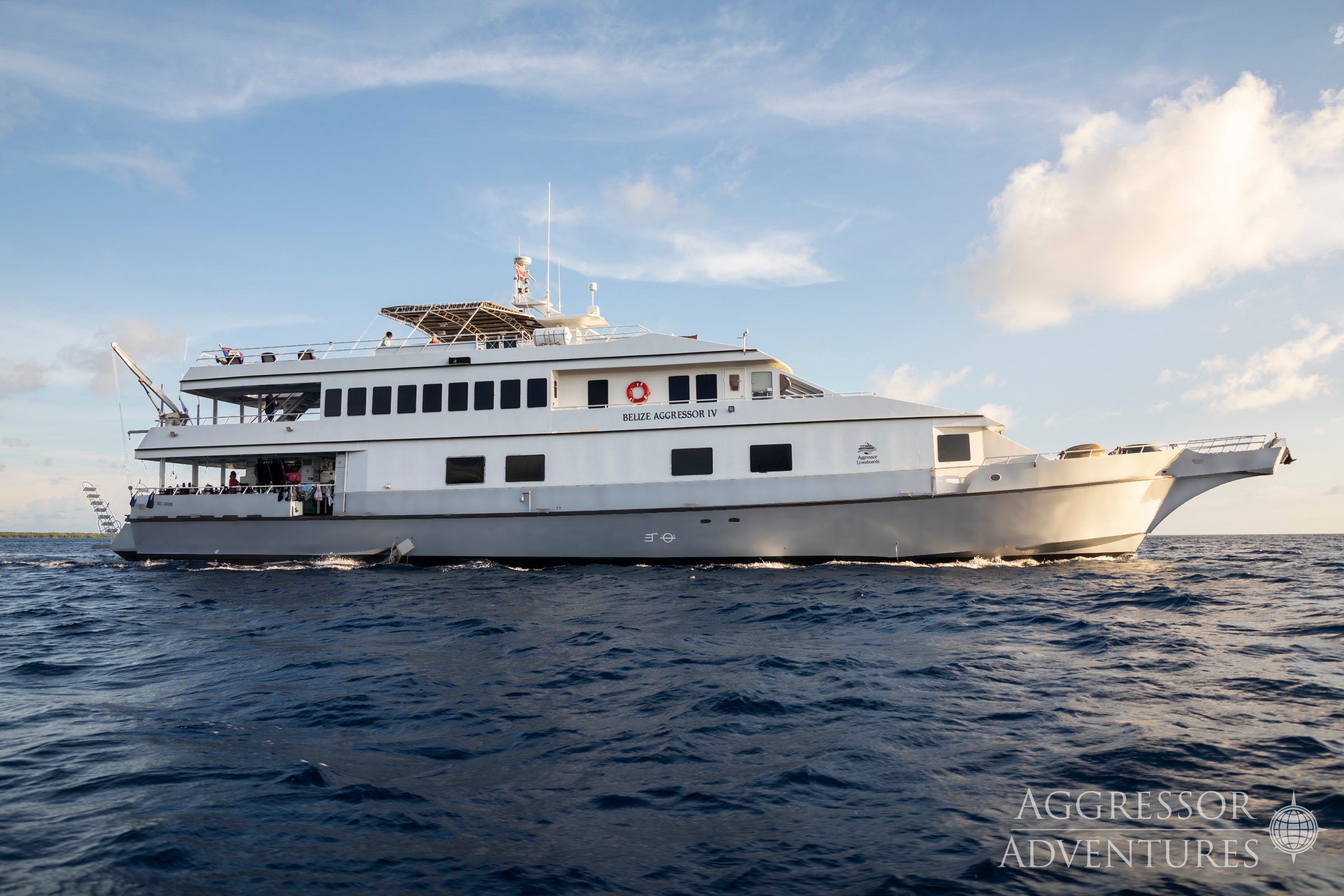
Belize Aggressor IV
Belize
20 guests42.1 m
$356/day
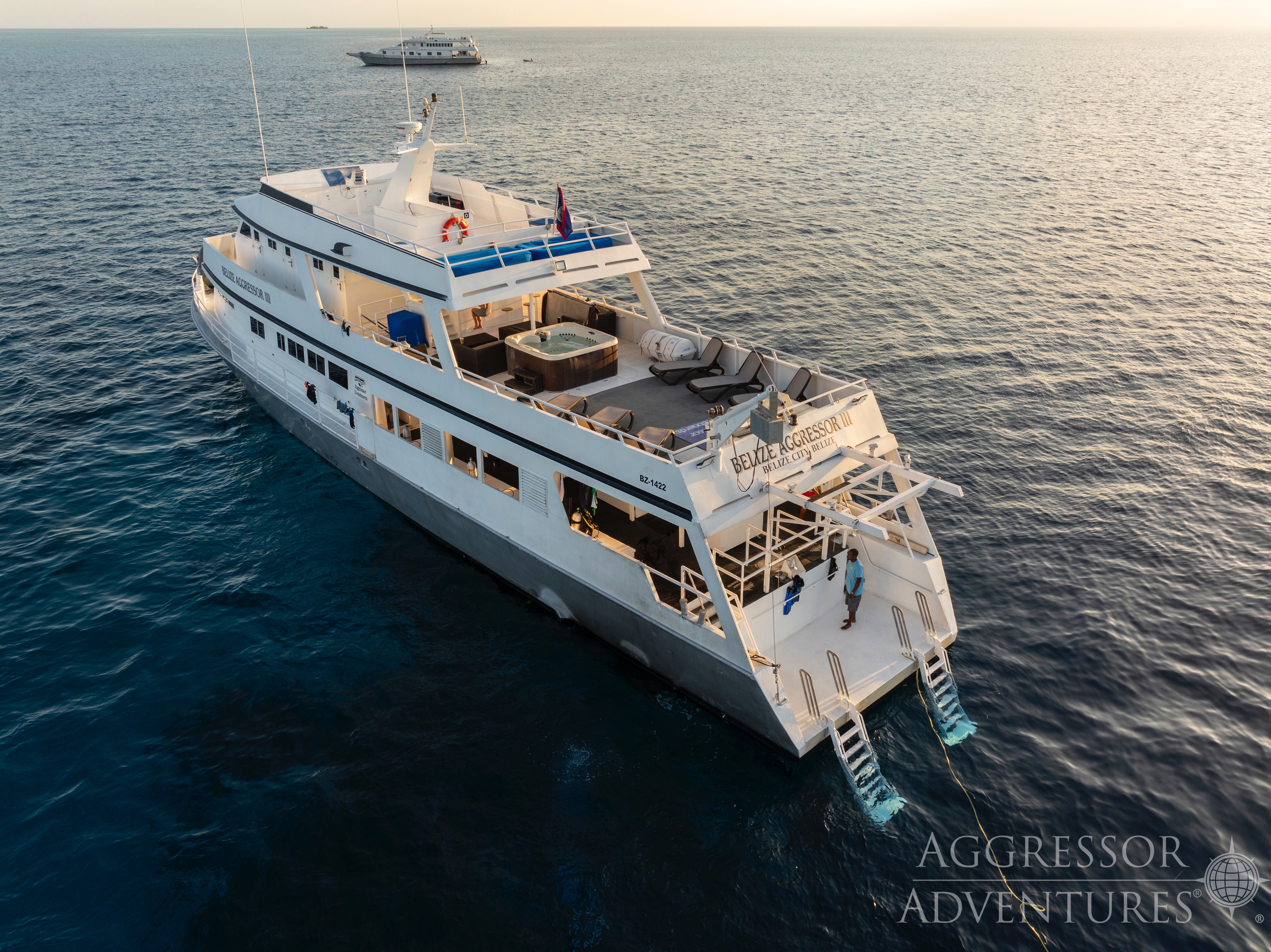
Belize Aggressor III
Belize
18 guests33.5 m
$336/day
Dive sites similar to Angel Fish Wall
Same character, same waters — six more sites divers love for the exact same reasons.Compare seasons, access and liveaboard routes — then pick the site that fits your trip best.
© Esri — Maxar, Earthstar, GIS
Amber Head
Belize
Amber Head, specifically the North and South sections, is a prominent dive site located on the west side of Turneffe Atoll in Belize, a region considered to have some of the…
- Suitable for
- Intermediate
- Current
- Mild
- Access
- Liveaboard only
- Depth
- 5–32 m
- Theme
- Reef
© Esri — Maxar, Earthstar, GIS
Ambergris Caye
Belize
Ambergris Caye, the largest and most popular of Belize's offshore cayes, offers unparalleled diving along 40 kilometers of the Belize Barrier Reef, situated less than a mile offshore.
- Suitable for
- Intermediate
- Current
- Mild
- Access
- Dayboat
- Depth
- 15–60 m
- Theme
- Reef / Wall
Aquarium is a renowned dive site located within the pristine waters of Lighthouse Reef, a remote atoll approximately 50 miles offshore from mainland Belize.
- Suitable for
- Beginner
- Current
- Strong
- Access
- Liveaboard or dayboat
- Depth
- 6–15 m
- Theme
- Drift / Reef
© Esri — Maxar, Earthstar, GIS
Black Beauty
Belize
Black Beauty is a distinguished dive site located within Belize's Turneffe Atoll, part of the extensive Belize Barrier Reef Reserve System.
- Suitable for
- Intermediate
- Current
- No current
- Access
- Liveaboard only
- Depth
- 15–12 m
- Theme
- Reef
© Esri — Maxar, Earthstar, GIS
Carrie Bow Caye Reef
Belize
Carrie Bow Caye is a small sand caye positioned directly on the Belize Barrier Reef, hosting a continuous coral reef monitoring program by the Smithsonian Institution since 1972.…
- Suitable for
- Intermediate
- Current
- Moderate
- Access
- Liveaboard or dayboat
- Depth
- 4–30 m
- Theme
- Reef / Wall