About Half Moon Caye Wall
Half Moon Caye Wall, located within Belize's Lighthouse Reef Atoll, is celebrated as one of the Caribbean's premier dive sites and part of Central America’s first marine protected area. This spectacular wall dive begins with a shallow reef crest transitioning into a gentle sandy slope, then plunges dramatically to depths often described as a '6,000 feet vertical abyss'. It forms a vital component of the UNESCO World Heritage-listed Belize Barrier Reef, the Western Hemisphere's longest. The site is characterized by abundant hard and soft corals, with extensive barrel and tube sponges, gorgonians, and sea fans covering numerous fissures in the reef. Sunlight penetrates crystal-clear waters, illuminating these formations and attracting a rich diversity of fish. Large pelagics like eagle rays and reef sharks frequent the outer wall, while green and loggerhead turtles are commonly seen, particularly during nesting season from June to November. Water temperatures consistently range between 26–29°C (79–84°F) year-round, and visibility frequently extends beyond 30 meters (100 feet). Currents are generally minimal, creating ideal conditions for relaxed exploration and underwater photography. Liveaboard itineraries often feature multiple dives at Half Moon Caye Wall due to its varied topography and abundant marine encounters.
Highlights
Dramatic vertical wall diveAbundant healthy corals and spongesEncounters with reef sharksLoggerhead and green sea turtlesExcellent visibility and mild currentsPart of a UNESCO World Heritage siteFissures and overhangs in reefGraceful eagle and manta rays
Season calendar
Best months to dive here
Jan
Feb
Mar
Apr
May
Jun
Jul
Aug
Sep
Oct
Nov
Dec
Excellent
Dive site facts: Half Moon Caye Wall
- Depth
- 6–42 m
- Typical dive
- 12–25 m, 50–60 min
- Current
- Minimal to gentle (rarely >1 knot)
- Visibility
- 30–40 m
- Water temperature
- 26–29°C
- Entry
- Tender / drift entry
- Level
- Intermediate
- Dive type
- Wall dive, drift, coral garden
- Region / port
- Lighthouse Reef Atoll, Belize
- Coordinates
- 17.2011, -87.5628
Conditions & Currents
Currents at Half Moon Caye Wall are typically minimal and gentle, rarely exceeding 1 knot. This makes it an excellent site for drift photography and relaxed exploration. Entry is usually via tender, allowing divers to easily descend onto the wall or shallow shelf. The subtle currents on the outer walls can sometimes bring in larger pelagic species like eagle and manta rays.
Marine life & sighting chances

Caribbean reef shark
common
Nurse shark
common
Loggerhead turtle
June to November · common
Green turtle
June to November · common
Eagle ray
occasional
Manta ray
rare
Stingray
occasional
Garden eel
common
Razorfish
common
Hogfish
common
Toadfish
common
Silver fish schools
common
Barracuda
occasional
Jack
occasionalDive profile & how the dive runs
Your dive at Half Moon Caye Wall typically begins with a tender drop-off directly onto the shallow shelf at approximately 6 meters (20 feet), where you can observe garden eels and shallow reef life. From here, you'll gradually descend along a gentle sandy slope, which leads to a dramatic drop-off at around 13 meters (43 feet). The main wall then descends steeply to depths of 30 meters (100 feet) and beyond, featuring numerous fissures, overhangs, and swim-throughs adorned with barrel sponges, tube sponges, and gorgonians. Divers typically explore the wall between 15-30 meters, enjoying the abundant soft corals and searching for reef sharks and eagle rays patrolling the deeper sections. The dive concludes with a gradual ascent back towards the shallower reef crest for your safety stop, observing schooling fish in the coral tunnels. The minimal current allows for a relaxed, multi-directional exploration of this expansive site.
Underwater photography
Half Moon Caye Wall offers diverse photographic opportunities, from wide-angle reefscapes to macro subjects. A wide-angle lens is excellent for capturing the dramatic vertical wall, the extensive barrel and tube sponges, and the impressive coral formations. Use the early morning light to your advantage, as it beautifully illuminates the reef structures. When photographing deeper sections or overhangs, strobes are essential to bring out the vibrant colors of soft corals and sponges. For marine life like turtles, reef sharks, and schooling fish, a wide-angle setup works well. If you prefer smaller subjects, a macro lens can capture the intricate details of crinoids, nudibranchs, and other invertebrates found within the reef's fissures. Maintaining excellent buoyancy is crucial to avoid damaging the delicate coral and stirring up sediment, ensuring clear shots.
Combine with nearby dive sites
- Aquarium
Known for its rich fish life and varied coral formations within Lighthouse Reef Atoll.
- Long Caye Wall
Another prominent wall dive nearby, offering similar dramatic drop-offs and pelagic encounters.
- Great Blue Hole
A world-famous marine sinkhole, located approximately 25 minutes north, known for its unique geological formations and shark encounters.
- The Elbow at Turneffe
Located at Turneffe Atoll, famous for large schools of pelagic fish and sharks.
Getting there & logistics
Access to Half Moon Caye Wall is primarily via liveaboard vessels departing from Belize City. International flights typically arrive at Belize City International Airport (BZE), with transfers arranged by liveaboard operators from the airport to the Radisson Ft. George dock in downtown Belize City. Liveaboard itineraries usually span a week, combining dives at Half Moon Caye Wall with other premier sites in Lighthouse Reef Atoll, including the Great Blue Hole, and sometimes extending to Turneffe Atoll. Marine park fees are generally included in liveaboard packages, ensuring access to this protected area. Booking 4-6 months in advance is recommended, particularly during the high season from March to June, to secure your spot.
Safety & environment
The nearest recompression chamber is located in San Pedro on Ambergris Caye, requiring potentially lengthy evacuation by boat or air from Lighthouse Reef Atoll. Comprehensive dive insurance covering emergency medical treatment and evacuation is therefore strongly advised for all divers. Half Moon Caye Wall is considered an intermediate dive site due to its depth and potential for mild currents. Divers should be proficient in buoyancy control to avoid damaging the delicate coral structures on the wall. Always follow your dive guide's instructions, especially regarding distance from mating turtles during nesting season (June-November), and avoid flash photography with marine life. Stay hydrated, plan your dives within no-decompression limits, and ensure all gear is properly maintained before every dive.
Who it suits — and who it doesn't
Suited for
- Experienced open water divers seeking dramatic wall dives
- Underwater photographers looking for vibrant coral and pelagic encounters
- Divers interested in marine biology and seasonal events like turtle nesting
- Liveaboard enthusiasts desiring remote, pristine dive locations
- Intermediate divers comfortable with gentle drift conditions
Less suited for
- Absolute beginner divers (Open Water certification is the minimum)
- Divers uncomfortable with depths up to 30 meters
- Those prone to seasickness on liveaboards
- Divers expecting only macro photography opportunities
- Anyone who dislikes drift diving
FAQ
Half Moon Caye Wall FAQ
What kind of marine life can I expect to see at Half Moon Caye Wall?
You can expect to encounter a rich array of marine life at Half Moon Caye Wall. Common sightings include Caribbean reef sharks, nurse sharks, and various reef fish like razorfish, hogfish, and toadfish. Green and loggerhead turtles are frequently spotted, especially during nesting season. Lucky divers might also see eagle rays or even rare manta rays cruising along the outer wall.
What are the typical dive conditions at Half Moon Caye Wall?
Dive conditions at Half Moon Caye Wall are generally excellent. Water temperatures range from 26-29°C (79-84°F) year-round. Visibility is typically very good, often exceeding 30 meters (100 feet). Currents are usually minimal and gentle, making it a comfortable site for most divers and ideal for underwater photography.
Is Half Moon Caye Wall suitable for beginner divers?
Half Moon Caye Wall is considered an intermediate dive site. While open water certified divers can explore the shallower sections, the dramatic drop-offs and potential for deeper depths mean that some experience with buoyancy control and wall diving is beneficial. Absolute beginners might find other, shallower sites in Belize more comfortable for their initial dives.
How deep is Half Moon Caye Wall?
The Half Moon Caye Wall begins with a shallow shelf at about 6 meters (20 feet) and features a drop-off at 13 meters (43 feet). The wall then descends steeply, with recreational diving typically exploring depths up to 42 meters (138 feet). The actual wall continues to an undetermined depth, often referred to as a '6,000 feet vertical abyss'.
How do I get to Half Moon Caye Wall?
Half Moon Caye Wall is located in the remote Lighthouse Reef Atoll, approximately 55 miles east of Belize City. The most common way to access this site is by liveaboard vessels, which typically depart from Belize City. These week-long itineraries combine Half Moon Caye Wall with other premier dive sites in the atoll, including the Great Blue Hole.
What is the best time of year to dive Half Moon Caye Wall?
The dry season, from February to June, is generally considered the best time to dive Half Moon Caye Wall due to calm seas and optimal visibility. However, diving is excellent year-round with warm waters. The months of June to November also offer the chance to witness loggerhead and green turtle nesting behaviors in the shallows.
Why dive Half Moon Caye Wall from a liveaboard?
Half Moon Caye Wall is one of Belize's signature dive sites. A liveaboard sleeps you on the water and puts you in the water for three to four guided dives per day, including dawn and night dives that day-boat operators rarely offer. You skip the daily commute back to port and reach quieter, less-crowded sites in the same region on a single trip.
Below are the liveaboards that include Half Moon Caye Wall on their Belize itineraries.
Liveaboards diving Half Moon Caye Wall
These liveaboards may visit Half Moon Caye Wall on selected itineraries — the exact dive sites depend on departure, weather and conditions.
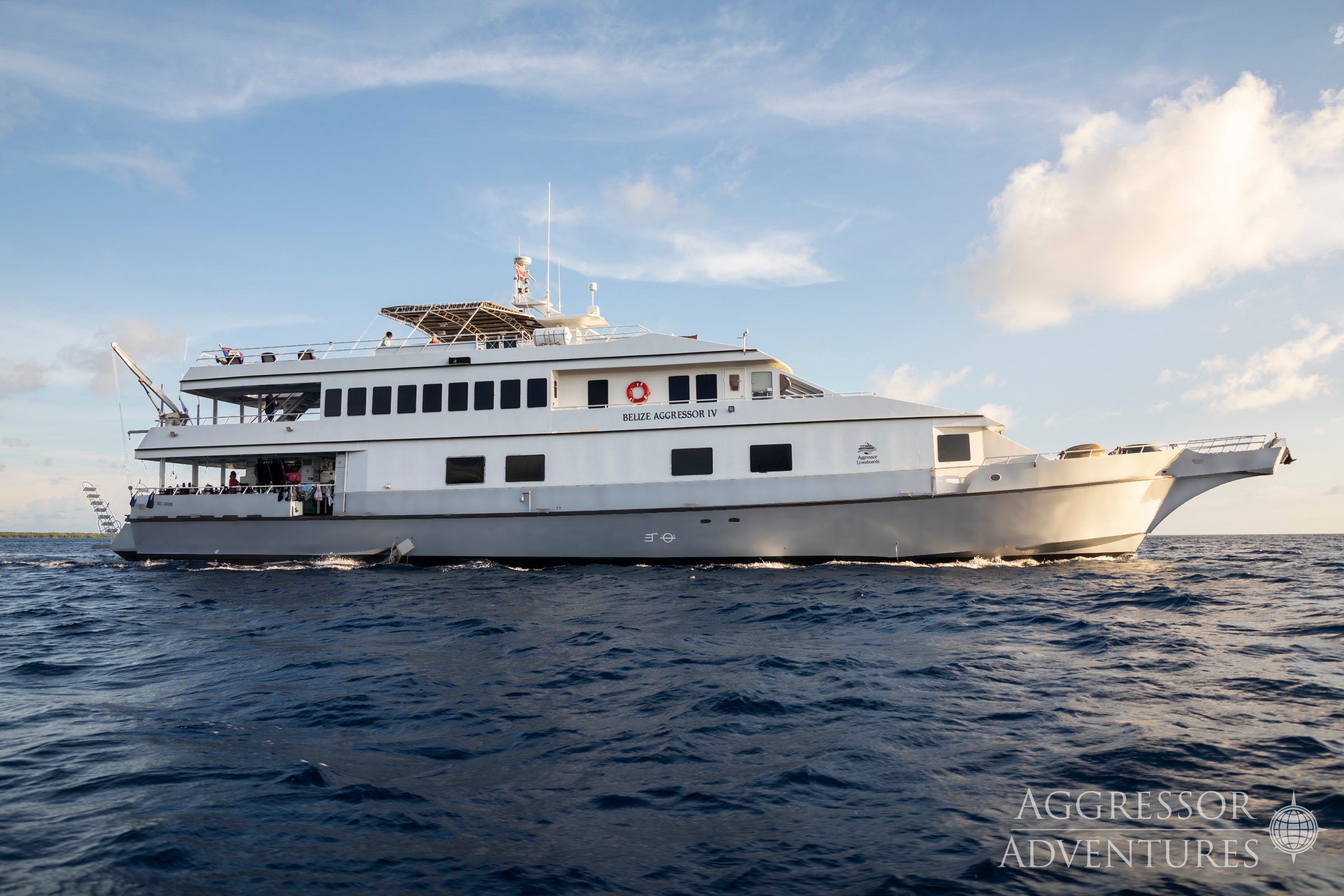
Belize Aggressor IV
Belize
20 guests42.1 m
$356/day
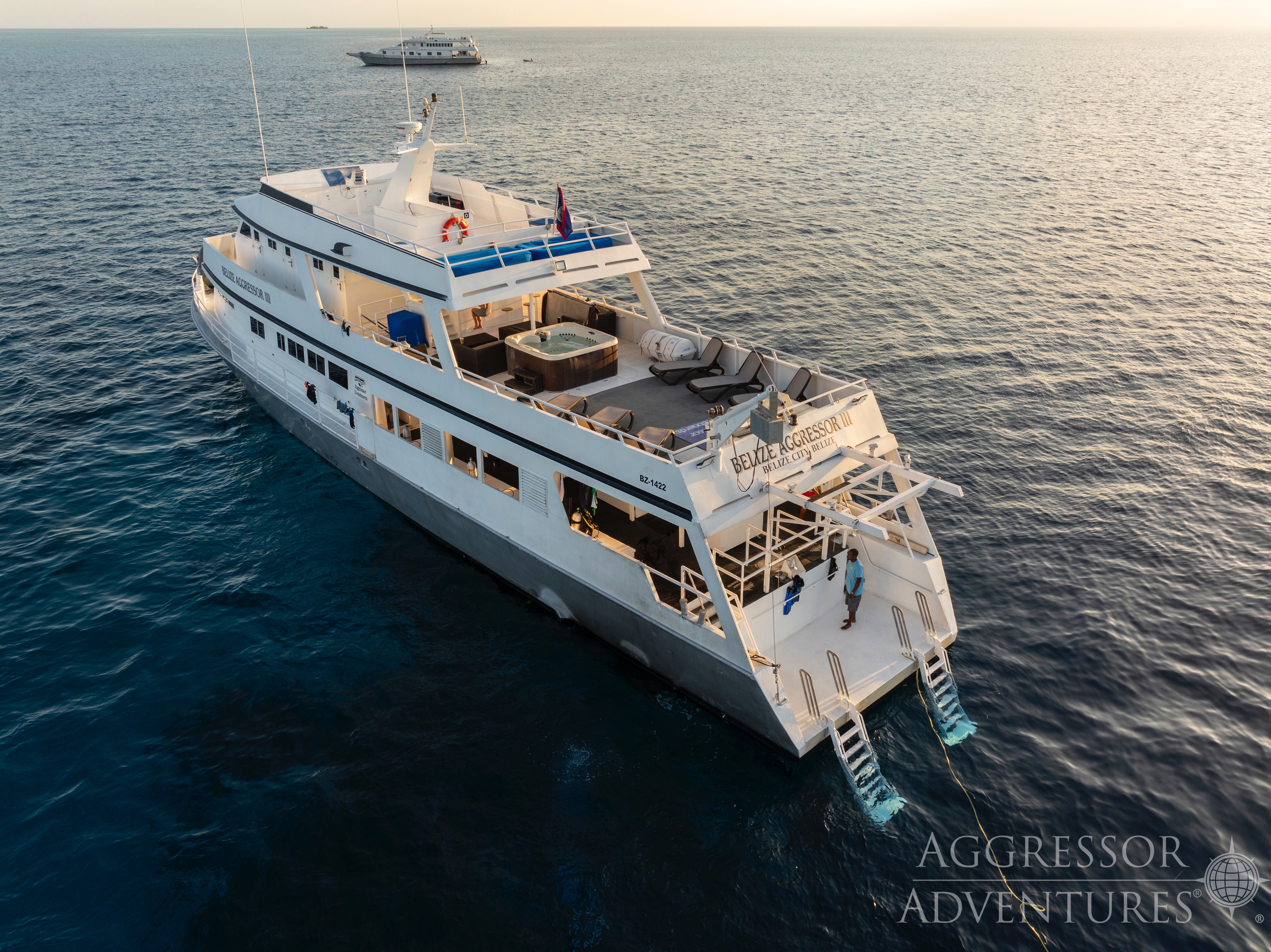
Belize Aggressor III
Belize
18 guests33.5 m
$336/day
Dive sites similar to Half Moon Caye Wall
Same character, same waters — six more sites divers love for the exact same reasons.Compare seasons, access and liveaboard routes — then pick the site that fits your trip best.
© Esri — Maxar, Earthstar, GIS
Silver Caves
Belize
Silver Caves offers a distinctive diving experience within the Lighthouse Reef Atoll, one of Belize's healthiest reef systems.
- Suitable for
- Advanced
- Current
- Mild
- Access
- Liveaboard only
- Depth
- 18–28 m
- Theme
- Reef / Cave & cavern
Cozumel's western coast features a dramatic reef shelf that plunges thousands of feet into the ocean.
- Suitable for
- Intermediate
- Current
- Mild
- Access
- Liveaboard or dayboat
- Depth
- 15–27 m
- Theme
- Reef
© Esri — Maxar, Earthstar, GIS
North Wall
Cayman Islands
The North Wall of Grand Cayman stands as one of the most celebrated and visually striking dive regions, stretching along the island's northern coastline.
- Suitable for
- Advanced
- Current
- Mild
- Access
- Liveaboard or dayboat
- Depth
- 50–100 m
- Theme
- Reef
© Esri — Maxar, Earthstar, GIS
Lighthouse Reef
Cayman Islands
Lighthouse Reef, situated near the West End dock of Cayman Brac, provides a distinctive shallow reef diving experience.
- Suitable for
- Beginner
- Current
- Strong
- Access
- Shore / dayboat
- Depth
- 10–25 m
- Theme
- Reef
© Esri — Maxar, Earthstar, GIS
Long Caye Ridge
Belize
Long Caye Ridge is a highly-rated dive site situated within Belize's Lighthouse Reef Atoll, an area renowned for its pristine conditions due to its distance from the mainland.
- Suitable for
- Intermediate
- Current
- No current
- Access
- Liveaboard only
- Depth
- 21–21 m
- Theme
- Reef
Roatán, part of the Bay Islands of Honduras, offers a diverse underwater landscape situated along the Mesoamerican Barrier Reef System, which is the second largest barrier reef globally.
- Suitable for
- Intermediate
- Current
- Moderate
- Access
- Liveaboard or dayboat
- Depth
- 9–40 m
- Theme
- Reef