About West Reef
West Reef, located off the coast of Madagascar, is part of an extensive reef system that supports a unique and diverse marine ecosystem. Madagascar, recognized as the world's fourth-largest island, boasts an extraordinary array of flora and fauna, with much of its marine life endemic. The surrounding seas are particularly rich, featuring over 1,300 species of bony fish, 300 types of hard corals, 56 shark species, and various whales, dolphins, and turtles. The dive site itself presents a vibrant tapestry of coral formations, where you can explore intricate reef structures that gradually descend to deeper waters. While specific depth ranges for West Reef are not detailed, Madagascar's dive sites generally range from 5 to 40 meters, catering to a wide spectrum of diving proficiencies. Expect to navigate through colorful coral gardens and observe a multitude of reef inhabitants. The marine life at West Reef mirrors the general abundance found in Madagascar's waters, including sea urchins, anemones, and octopuses. Encounters with larger species such as rays and various reef sharks are common. The area is a breeding ground for four species of sea turtles, and while not site-specific, whale sharks and manta rays are sighted in the summer months across Madagascar's northern waters. West Reef is generally accessible to divers of all levels, offering excellent visibility that typically ranges from 10 to 50 meters. Water temperatures remain warm, between 25°C and 28°C, providing comfortable diving conditions. Dives are typically conducted from day boats, allowing for focused exploration of the reef's features without significant current challenges, though local conditions will dictate the experience.
Highlights
Diverse hard coral formationsAbundant reef fish speciesSightings of raysVarious sea turtle speciesOctopus and anemone encounters
Season calendar
Best months to dive here
Jan
Feb
Mar
Apr
May
Jun
Jul
Aug
Sep
Oct
Nov
Dec
Excellent
Good
Dive site facts: West Reef
- Depth
- 5-40 m
- Current
- Mild to moderate
- Visibility
- 10-50 m
- Water temperature
- 25-28°C
- Entry
- Tender boat
- Level
- All levels
- Dive type
- Coral reef, macro
- Night dive
- Possible
- Region / port
- Nosy Be Archipelago
- Coordinates
- -13.35, 48.17
Conditions & Currents
West Reef typically experiences mild to moderate currents, making it suitable for a relaxed dive experience. While conditions are generally comfortable, divers should always be mindful of potential variations in current strength and direction, particularly around specific topographical features. Entry is usually from a tender boat, with divers descending onto the reef slope. Visibility is often excellent, ranging from 10 to 50 meters, and water temperatures are consistently warm, between 25°C and 28°C. This site is well-suited for divers who appreciate a gentle drift and ample time for observation and photography, without the demands of strong, unpredictable currents.
Marine life & sighting chances
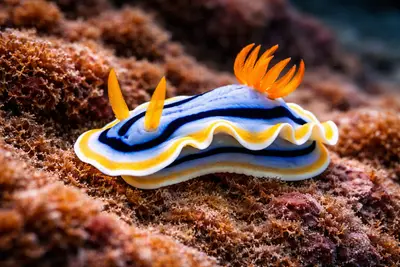
Nudibranchs
common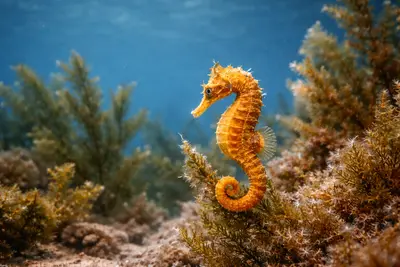
Seahorses
occasional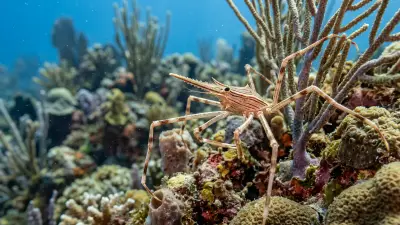
Shrimp and crabs
common
Small coral fish
common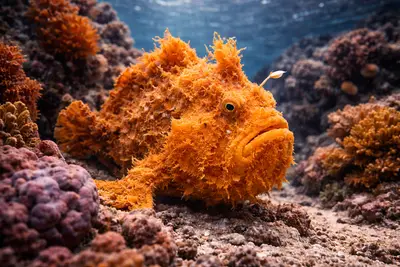
Frogfish
occasional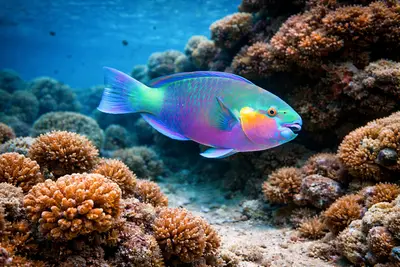
Parrotfish
commonDoctor Fish
common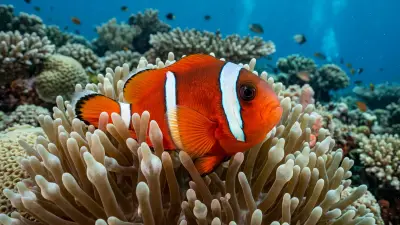
Anemonefish
common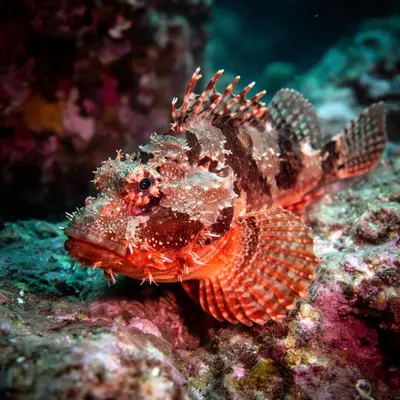
Scorpionfish
occasional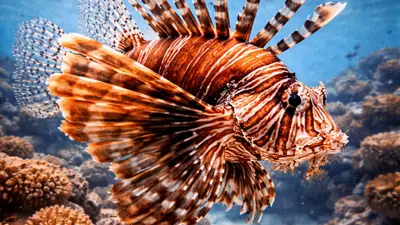
Lionfish
common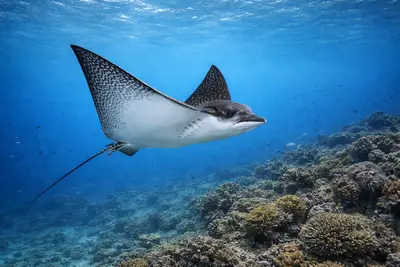
Eagle Rays
occasional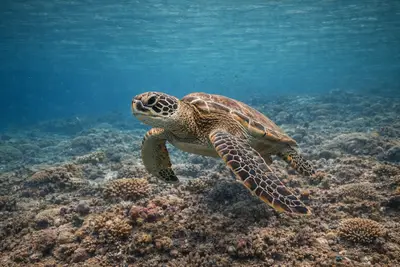
Turtles
occasionalDive profile & how the dive runs
Dives at West Reef typically begin with a tender boat entry, descending directly onto the gently sloping reef. The profile involves a gradual descent to explore the extensive hard and soft coral gardens, which feature sandy channels and small bommies. Divers can traverse along the slope, observing the diverse macro life and various reef fish sheltering within the coral formations. A typical route might follow the contour of the reef, maintaining a comfortable depth to maximize bottom time and photographic opportunities. The turn point is usually dictated by air consumption or time, with a slow ascent along the reef, allowing for a thorough exploration of shallower sections. The safety stop is conducted in the upper reef areas, often around 5 meters, where schools of fish are abundant.
Underwater photography
West Reef offers excellent opportunities for both wide-angle and macro photography due to its diverse corals and abundant marine life. For wide-angle shots, a fisheye or wide-angle rectilinear lens is ideal to capture the expansive coral gardens and reef topography. The clear visibility and natural light penetration are generally favorable, though strobes are recommended to bring out the true colors of the corals and fish. For macro subjects like nudibranchs, seahorses, and frogfish, a dedicated macro lens will be essential. Patience and good buoyancy control are crucial to avoid disturbing delicate corals and to get close to shy subjects. Pay attention to ambient light for dramatic sunball effects over the reef in shallower sections.
Combine with nearby dive sites
- Nosy Tanikely Marine Reserve
Known for vibrant coral reefs and diverse marine life.
- Nosy Sakatia
Ideal for both novice and experienced divers, with rich marine biodiversity and coral formations.
- Nosy Mitsio Pinnacles
Offers excellent diving among pristine coral gardens and underwater pinnacles.
- Nosy Komba Reef
Known for healthy coral reefs and diverse marine life.
- Nosy Iranja Drop-off
Features healthy coral reefs and vibrant fish populations.
Getting there & logistics
Madagascar's main international airport is Ivato International Airport (TNR) near Antananarivo. From there, domestic flights connect to regional hubs like Nosy Be, which serves as a primary departure point for diving the Nosy Be Archipelago. Liveaboards and land-based dive operators in Nosy Be offer trips to West Reef. Typical dive trips range from day excursions to multi-day liveaboard itineraries combining several sites. Dive centers generally close during the cyclone season from January to March. It is advisable to book in advance, especially during peak seasons.
Safety & environment
While diving at West Reef is generally considered safe due to its mild currents, divers should always carry appropriate safety equipment, including a surface marker buoy. The nearest recompression chamber is typically located in major cities, which could be a significant distance depending on your exact location within the Nosy Be region. Therefore, comprehensive dive insurance that covers emergency medical evacuation and recompression treatment is absolutely essential. Always dive within your certification limits and follow the guidance of local dive guides. Be aware of boat traffic in certain areas and maintain good buoyancy control to protect the delicate coral ecosystem.
Who it suits — and who it doesn't
Suited for
- Beginner divers seeking relaxed conditions
- Underwater photographers focusing on macro and wide-angle
- Divers interested in coral reef ecology
- Those looking for comfortable, unhurried dives
- snorkelers
Less suited for
- Divers seeking strong currents and drift dives
- Those exclusively interested in large pelagic encounters
- Wreck diving enthusiasts
- Divers who prefer challenging conditions
FAQ
West Reef FAQ
What kind of marine life can I expect at West Reef?
West Reef is home to a diverse array of reef fish, including parrotfish, doctor fish, and anemonefish. Macro enthusiasts will also find nudibranchs, seahorses, shrimp, crabs, and frogfish. Occasional sightings of eagle rays and turtles add to the excitement of the dive.
Is West Reef suitable for beginner divers?
Yes, West Reef is considered suitable for beginner divers. Its mild to moderate currents and generally calm conditions provide a comfortable and relaxed diving experience. The sloping reef profile also allows for easy depth management.
What are the typical diving conditions at West Reef?
Typical diving conditions at West Reef include warm water temperatures ranging from 25°C to 28°C. Visibility is usually excellent, often between 10 to 50 meters, offering clear views of the vibrant coral gardens. Currents are generally mild to moderate.
When is the best time of year to dive West Reef?
The best time to dive West Reef is during the spring and autumn months, from March to May and September to November. These periods offer the most favorable conditions, with calm seas, optimal water temperatures, and peak visibility.
Are there opportunities for underwater photography at West Reef?
Absolutely, West Reef is an excellent site for underwater photography. Its extensive hard and soft coral gardens, coupled with abundant macro life and colorful reef fish, provide numerous subjects for both wide-angle and macro shots. Clear visibility enhances photographic outcomes.
Why dive West Reef from a liveaboard?
West Reef is one of Madagascar's signature dive sites. A liveaboard sleeps you on the water and puts you in the water for three to four guided dives per day, including dawn and night dives that day-boat operators rarely offer. You skip the daily commute back to port and reach quieter, less-crowded sites in the same region on a single trip.
Below are the liveaboards that include West Reef on their Madagascar itineraries.
Dive sites similar to West Reef
Same character, same waters — six more sites divers love for the exact same reasons.Compare seasons, access and liveaboard routes — then pick the site that fits your trip best.
Banc 06
Madagascar
Banc 06 is a shallow, fish-rich plateau dive located approximately 5 km behind Nosy Sakatia, off the coast of Nosy Be, Madagascar.
- Suitable for
- Beginner
- Current
- Mild
- Access
- Dayboat
- Depth
- 14–20 m
- Theme
- Reef
Andilana Reef
Madagascar
Andilana Reef, situated near Nosy Be on Madagascar's northwestern coast, presents a captivating underwater landscape that appeals to divers of all experience levels.
- Suitable for
- Intermediate
- Current
- Mild
- Access
- Liveaboard or dayboat
- Depth
- 6–22 m
- Theme
- Cave & cavern / Reef
Nosy Vorona
Madagascar
Nosy Vorona, nestled in the Nosy Be region of Madagascar, is celebrated for its exceptional underwater biodiversity and stunning coral formations.
- Suitable for
- Intermediate
- Current
- Strong
- Access
- Liveaboard or dayboat
- Depth
- 8–22 m
- Theme
- Reef
Russian Bay
Madagascar
Russian Bay is a tranquil dive site nestled off Nosy Be, Madagascar, offering a peaceful underwater escape within a sheltered bay.
- Suitable for
- Beginner
- Current
- Strong
- Access
- Liveaboard or dayboat
- Depth
- 4–16 m
- Theme
- Drift / Reef
Tanikely Canyon
Madagascar
Nosy Tanikely, often called "the island of small land," is an uninhabited islet nestled in the bay of Nosy Be, Madagascar.
- Suitable for
- Intermediate
- Current
- Strong
- Access
- Liveaboard or dayboat
- Depth
- 10–28 m
- Theme
- Reef / Wall
Paroi des Merou
Madagascar
Paroi des Merou, meaning "Grouper Wall," is a distinguished dive site off Madagascar's coast, characterized by its dramatic wall topography.
- Suitable for
- Advanced
- Current
- Moderate
- Access
- Liveaboard or dayboat
- Depth
- ≤ 40 m
- Theme
- Reef