About Broken Rock
Broken Rock, located in the southern part of Ari Atoll within the Dhigurah Channel, is a renowned dive site in the Maldives. Its name perfectly describes the topography: a large, oval-shaped coral reef, approximately 50 meters long and 2 meters wide, appears to have split into two parts, creating a dramatic canyon or swim-through. The walls of this captivating channel are adorned with large fan corals, gorgonians, and hidden cavities. The vibrant reef also features abundant soft corals, enhancing its colorful and photogenic underwater landscape. At depths of 25-30 meters on the northern side, two striking coral blocks add to the unique scenery. This site boasts a diverse marine ecosystem. Divers frequently encounter stately Napoleon wrasse, various triggerfish, and pufferfish. Turtles, barracudas, and numerous species of moray eels are common residents. While the site is home to plentiful reef fish and corals, lucky divers might also spot larger pelagic species like sharks and rays, and occasionally even whale sharks or manta rays, as South Ari Atoll is known for these magnificent creatures. Broken Rock is suitable for Advanced Open Water divers due to the potential for moderate to strong currents, as it lies within a channel. Dive planning often considers tidal movements to optimize the experience of navigating the canyon. Visibility is generally excellent, ranging from 20 to 40 meters, offering clear views of its unique formations and abundant marine life. Entry is typically by boat, and staying close to the dive guide is essential given the dynamic current conditions.
Highlights
Napoleon WrasseWhitetip SharksSoft CoralsMoray Eels
Season calendar
Best months to dive here
Jan
Feb
Mar
Apr
May
Jun
Jul
Aug
Sep
Oct
Nov
Dec
Good
Dive site facts: Broken Rock
- Depth
- 10–30 m
- Typical dive
- 12–30 m
- Current
- Strong
- Visibility
- 15–30 m
- Water temperature
- 26–30°C
- Entry
- Tender / Negative entry
- Level
- Advanced Open Water
- Dive type
- Thila, drift, canyon, pelagic
- Region / port
- South Ari Atoll
- Coordinates
- 3.87, 72.85
Conditions & Currents
Broken Rock is situated within a channel and is notorious for its strong and often powerful currents, which necessitate advanced certification and experience in drift diving. Divers should anticipate negative entries and maintain excellent buoyancy control, as the currents can be unpredictable and lead to rapid movements across the site. The primary hazard is being swept onto corals or out to sea, especially if not following the guide's instructions closely. Visibility can range from 15 to 30 meters, but strong currents can sometimes stir up sediment. Divers must be mindful of potential boat traffic above the channel, as well as the inherent risks associated with depth and powerful water movement at this dynamic location.
Marine life & sighting chances
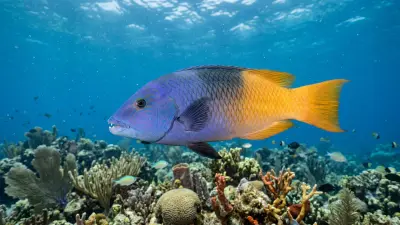
Humphead Wrasse
common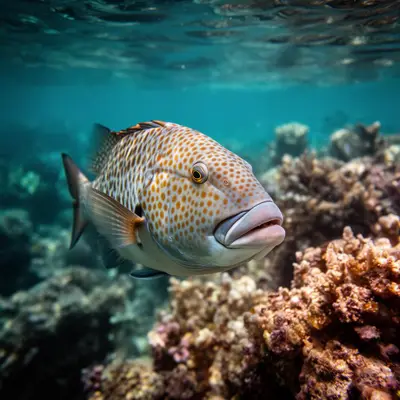
Oriental Sweetlips
common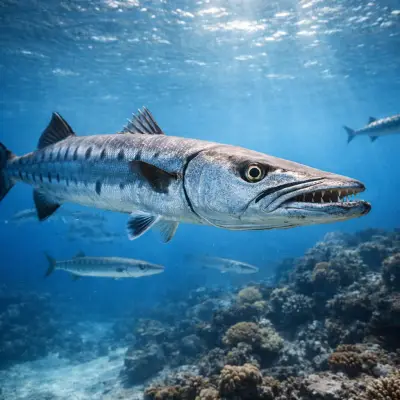
Great Barracuda
common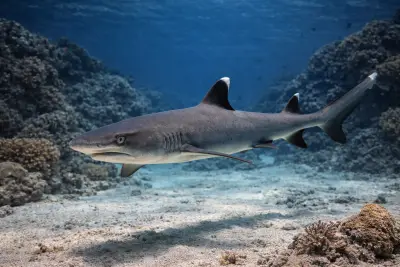
Whitetip Reef Shark
common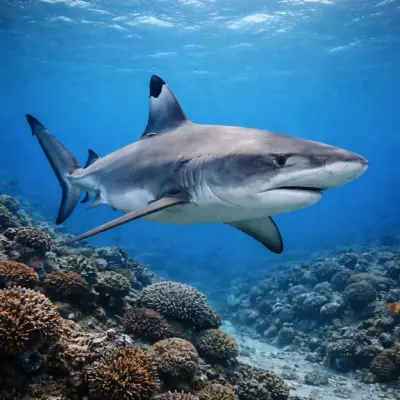
Grey Reef Shark
occasional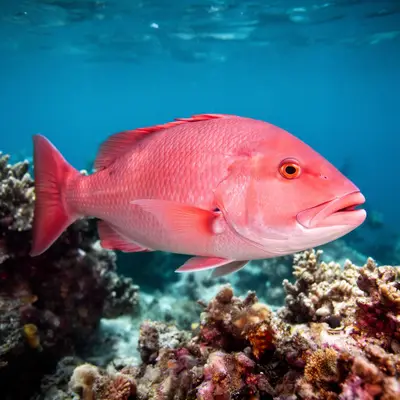
Bluestripe Snapper
common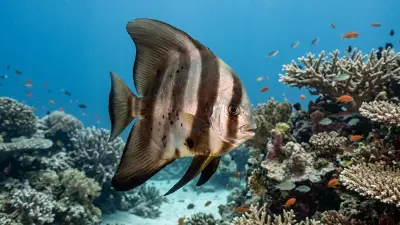
Longfin Batfish
common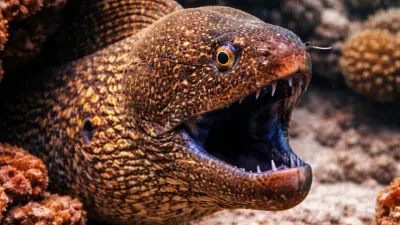
Giant Moray
common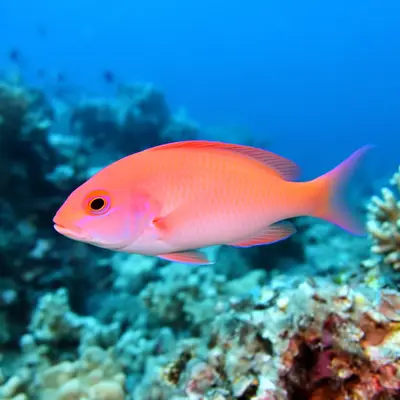
Sea Goldie (anthias)
occasional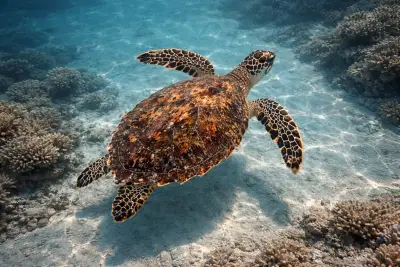
Hawksbill Turtle
occasional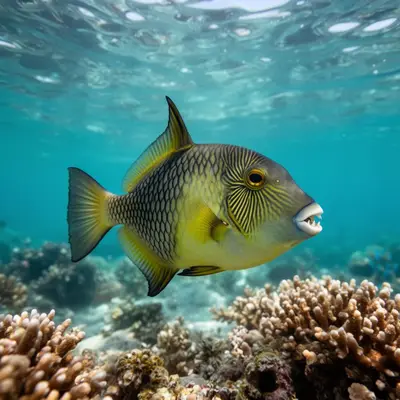
Triggerfish
common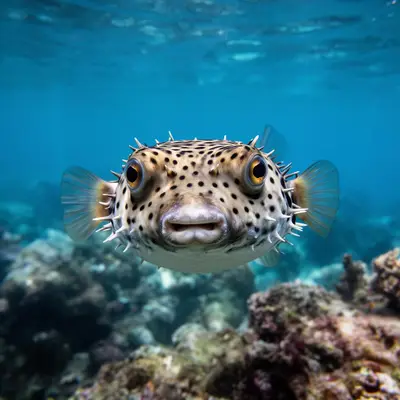
Pufferfish
commonDive profile & how the dive runs
Diving at Broken Rock typically begins with a negative entry due to the strong currents. The dive plan often involves descending directly to the top reef around 12 meters, then exploring the dramatic central canyon which splits the thila, dropping to depths of up to 30 meters. Divers can navigate through the 50-meter long gully, observing the gorgonian sea fans and soft corals adorning its walls. The strong currents will usually carry divers along the reef's flanks, where larger pelagic species are frequently sighted. The dive concludes with a safety stop, often in the calmer areas of the reef top, before ascending to the surface.
Underwater photography
Broken Rock offers exceptional opportunities for both wide-angle and macro photography. For capturing the grandeur of the canyon and its vibrant soft coral walls, a wide-angle lens is essential. Strobes are highly recommended to bring out the true colors of the abundant pastel soft corals and sea fans, especially within the deeper sections of the canyon. When photographing the canyon, maintain excellent buoyancy to avoid contact with the fragile growth on its narrow walls. For macro enthusiasts, the numerous cavities and crevices within the thila hide various smaller creatures, including nudibranchs and scorpionfish. Due to potential strong currents, securing your gear and planning your shots in advance is crucial to ensure clear, steady images.
Combine with nearby dive sites
- Kudarah Thila
A marine protected area known for its archway, corals, and diverse fish life.
- Maaya Thila
Renowned for vibrant soft corals, gorgonians, and frequent shark activity, especially during night dives.
- Manta Point (Dhangethi)
A popular cleaning station for manta rays, offering frequent sightings.
- Vilamendhoo Thila
Another thila in South Ari Atoll with diverse reef life and strong currents.
Getting there & logistics
International travelers arrive at Velana International Airport (MLE) in Malé, the capital of the Maldives. From Malé, access to Broken Rock in the South Ari Atoll is typically via domestic flight to Maamigili or a speedboat transfer to islands like Dhigurah, where liveaboards or land-based dive operations depart. Liveaboards are a popular option, offering itineraries that visit multiple atolls, maximizing dive site variety over 7-night trips. Resorts in the South Ari Atoll also provide day trips to Broken Rock. No special diving permits are generally required beyond standard certifications, but marine park regulations should always be followed.
Safety & environment
Diving at Broken Rock requires meticulous safety protocols due to strong currents, potential boat traffic, and overhead environments within the canyon. Divers must hold an Advanced Open Water certification and be proficient in drift diving techniques. Always adhere strictly to the dive guide's briefing and instructions, especially regarding entry, exit, and group adherence. Carrying a surface marker buoy (SMB) and knowing how to deploy it is critical for signaling the boat in strong currents or if separated from the group. Divers should ensure they have adequate air consumption rates for demanding current conditions. The nearest recompression chamber is located in Malé, emphasizing the importance of carrying comprehensive dive insurance that covers emergency medical evacuation and treatment, as reaching medical facilities can be time-consuming from remote atolls.
Who it suits — and who it doesn't
Suited for
- Advanced Open Water certified divers
- Divers with strong current experience
- Enthusiasts of pelagic encounters
- Underwater photographers seeking dramatic topography
- Liveaboard guests exploring South Ari Atoll
Less suited for
- Beginner divers or Open Water certified
- Divers uncomfortable with strong currents
- Individuals with poor buoyancy control
- Those prone to claustrophobia in confined spaces
- Divers with limited experience in drift diving
FAQ
Broken Rock FAQ
What makes Broken Rock unique as a dive site?
Broken Rock is renowned for its distinctive topography, featuring a large thila split down the middle by a dramatic, deep canyon. This natural formation, adorned with vibrant soft corals and sea fans, creates a unique swim-through experience amidst strong currents, making it a geological marvel in the Maldivian underwater landscape.
What marine life can I expect to see at Broken Rock?
Divers at Broken Rock frequently encounter large pelagic species such as Humphead Wrasse, Great Barracuda, and various reef sharks, including Whitetip and Grey Reef Sharks. The reef and canyon walls are also home to schooling fish like Oriental Sweetlips and Bluestripe Snappers, as well as Giant Morays, Sea Goldies, and occasional Hawksbill Turtles.
Are the currents always strong at Broken Rock?
Yes, Broken Rock is known for its consistently strong currents due to its location within a channel in the South Ari Atoll. These currents are a key feature of the dive, attracting pelagic life and creating thrilling drift conditions. Divers must be experienced in strong currents and drift diving techniques to safely enjoy this site.
What certification level is required to dive Broken Rock?
Due to the strong currents and the potential for overhead environments within the canyon, an Advanced Open Water certification is recommended and often required. Divers should possess excellent buoyancy control and previous experience with drift dives to safely navigate the site's challenging conditions.
Can I explore the canyon at Broken Rock?
Yes, the deep canyon is a highlight, offering an immersive swim-through experience. It is approximately 50 meters long, 1 to 3 meters wide, and up to 10 meters deep. While navigating the canyon, divers will witness breathtaking displays of gorgonian sea fans and soft corals. Good buoyancy control is paramount to avoid damaging the fragile coral growth.
Why dive Broken Rock from a liveaboard?
Broken Rock is one of Maldives's signature dive sites. A liveaboard sleeps you on the water and puts you in the water for three to four guided dives per day, including dawn and night dives that day-boat operators rarely offer. You skip the daily commute back to port and reach quieter, less-crowded sites in the same region on a single trip.
Below are the liveaboards that include Broken Rock on their Maldives itineraries.
Liveaboards diving Broken Rock
These liveaboards may visit Broken Rock on selected itineraries — the exact dive sites depend on departure, weather and conditions.
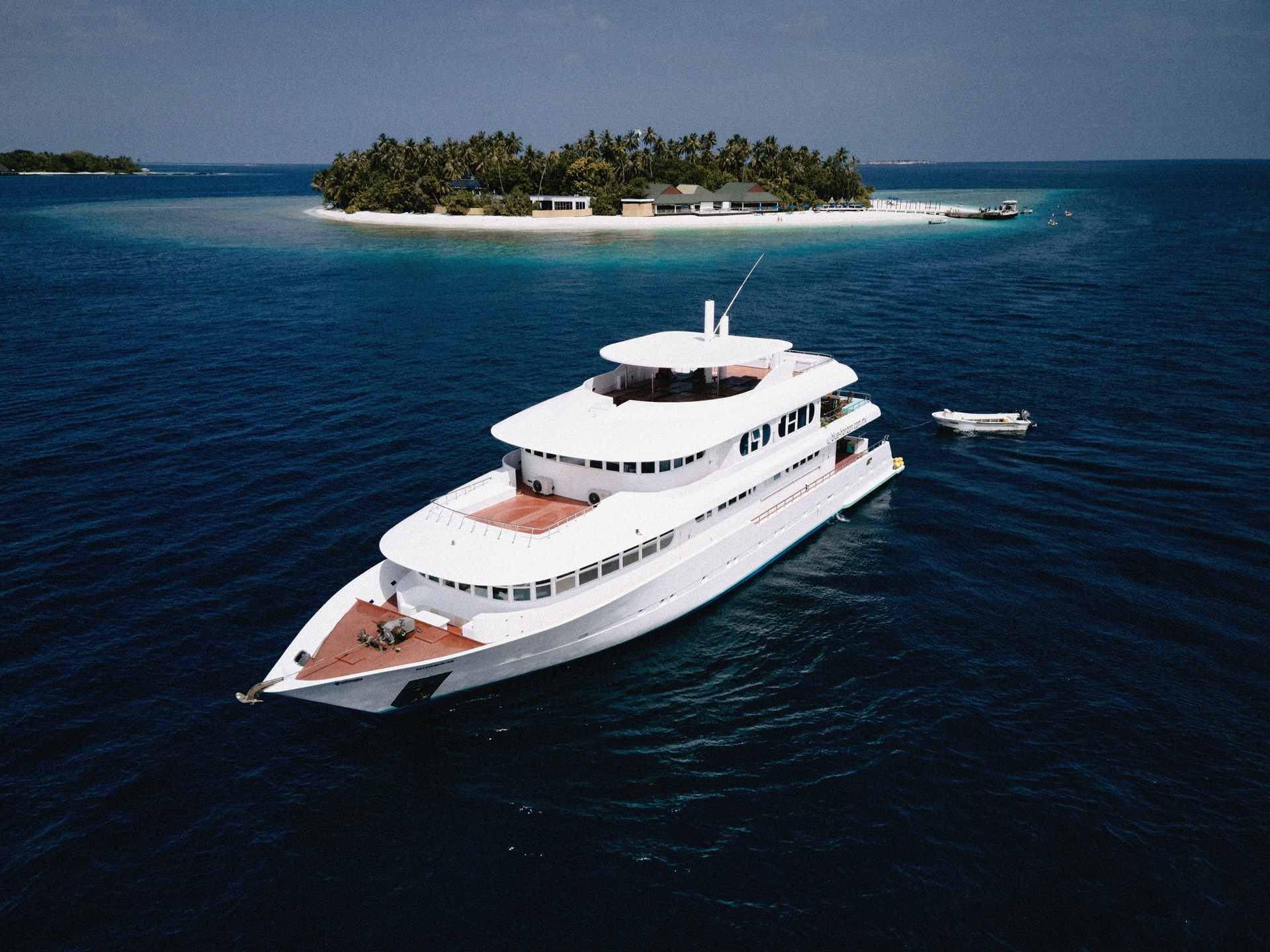
Horizon III
Maldives
25 guests
$204/day
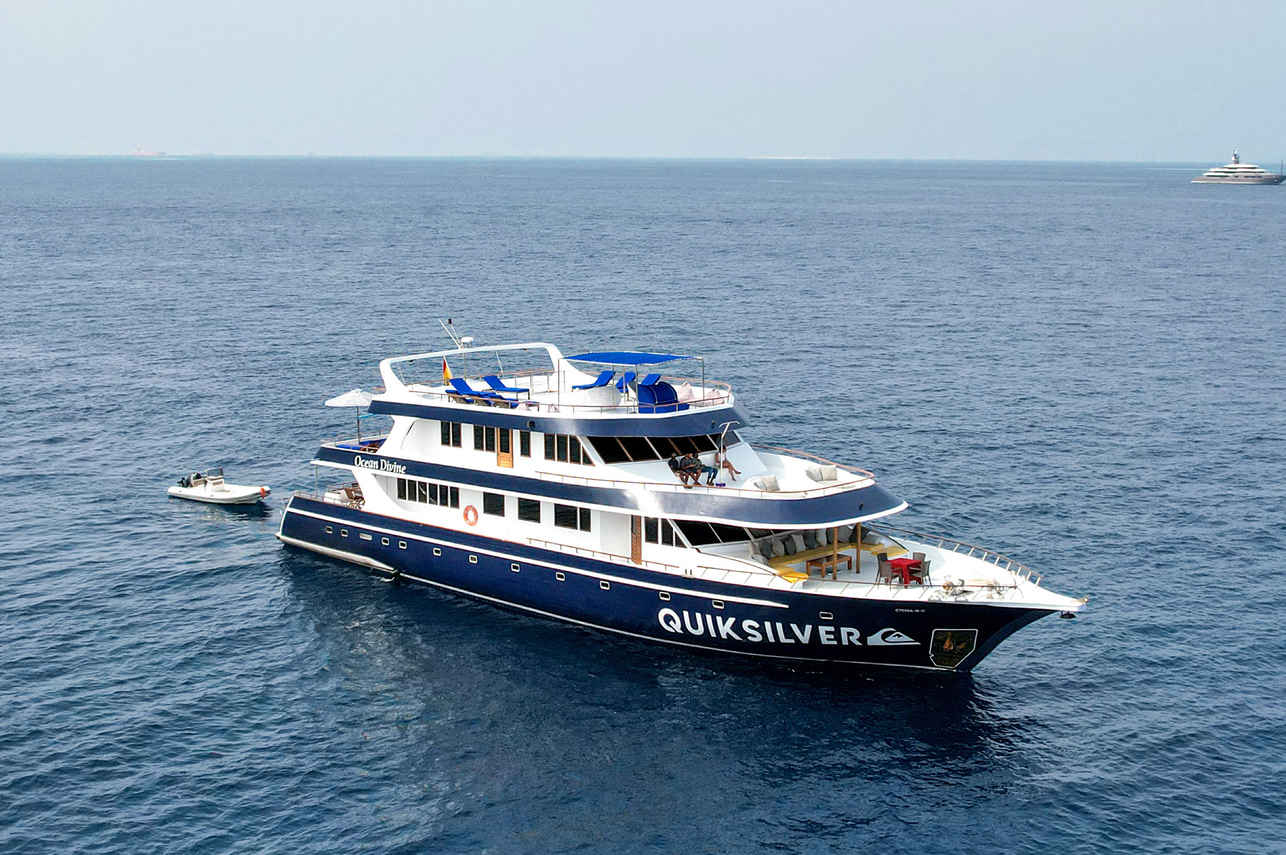
Ocean Divine
Maldives
16 guests33.528 m
$287/day
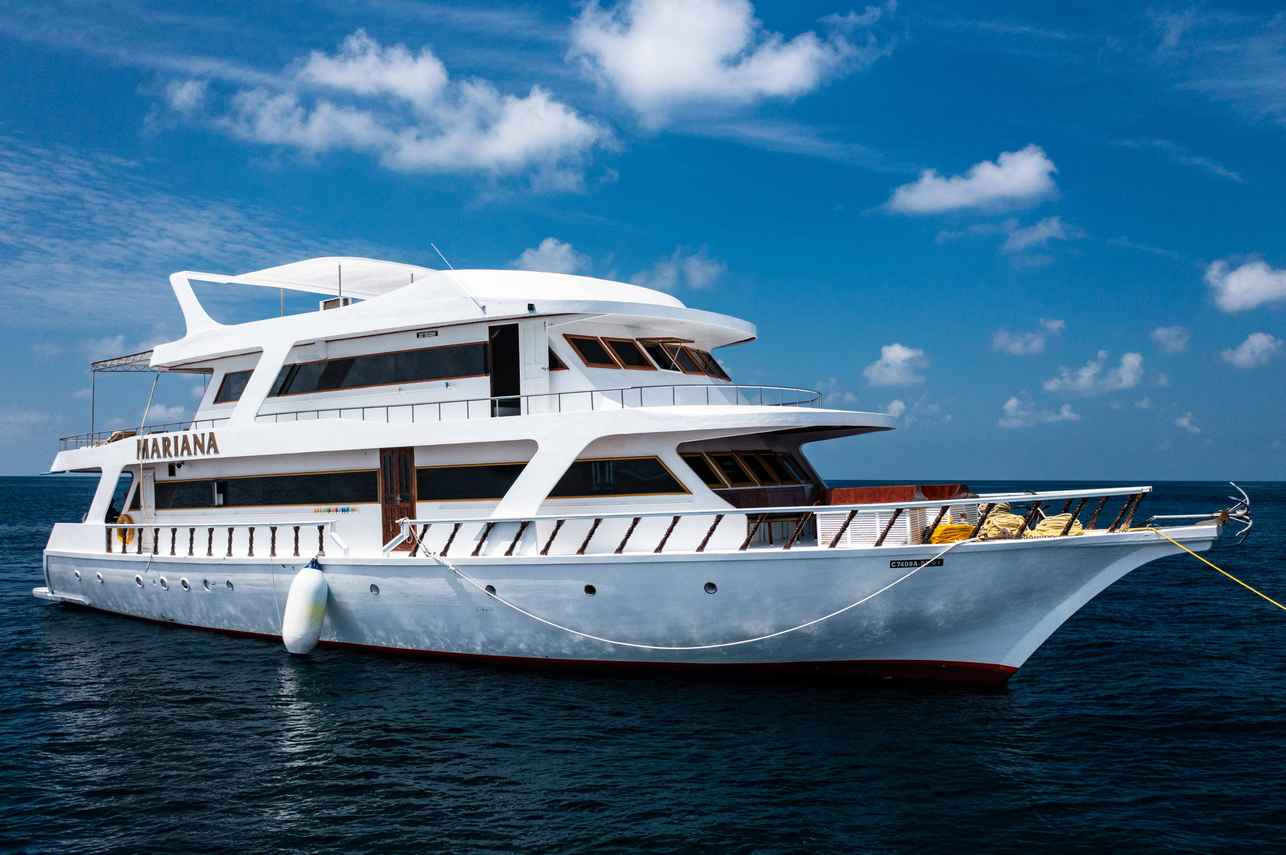
EcoPro Mariana
Maldives
16 guests30 m
$236/day
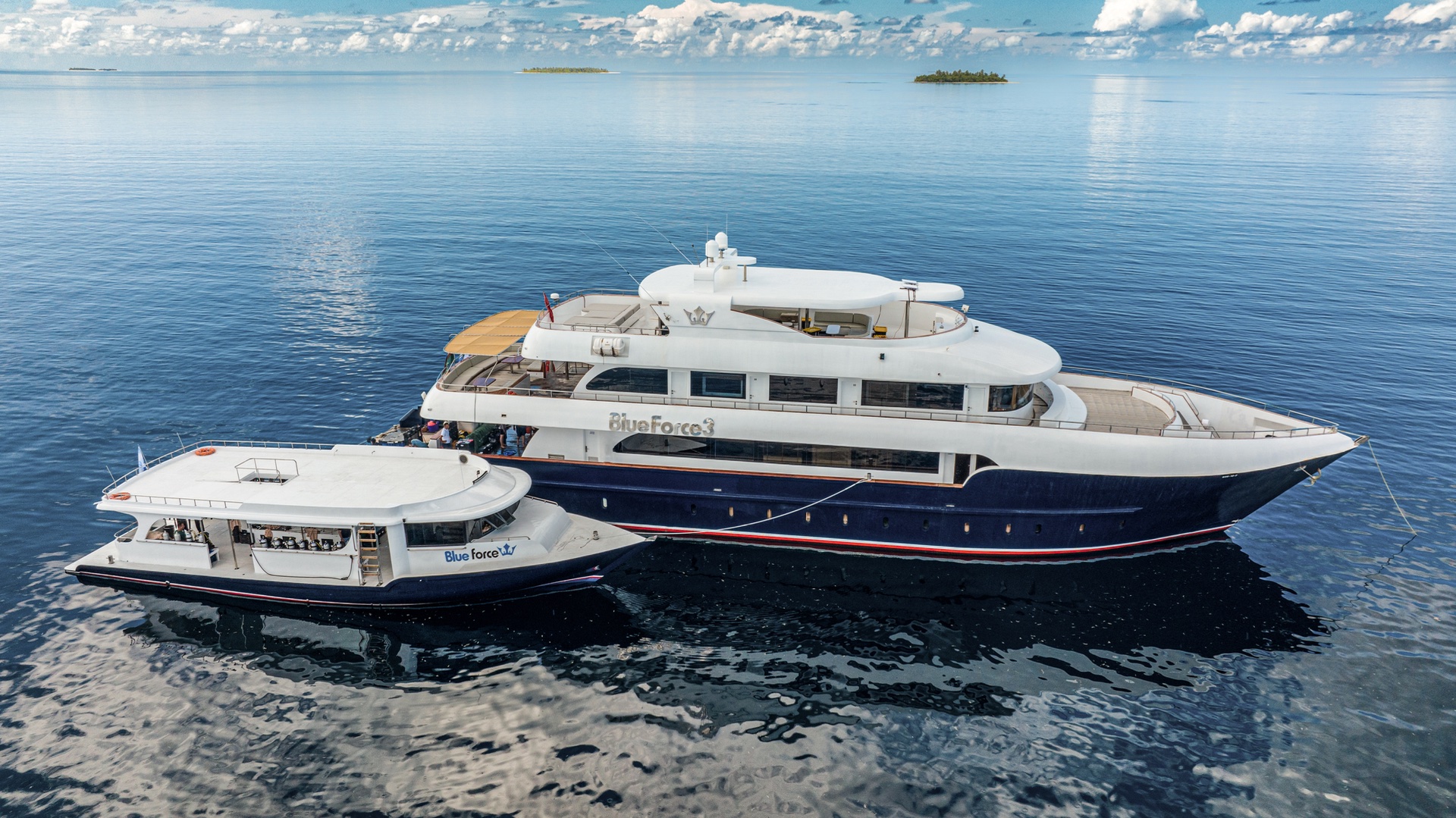
Maldives Blue Force 3
Maldives
26 guests42 m
$261/day
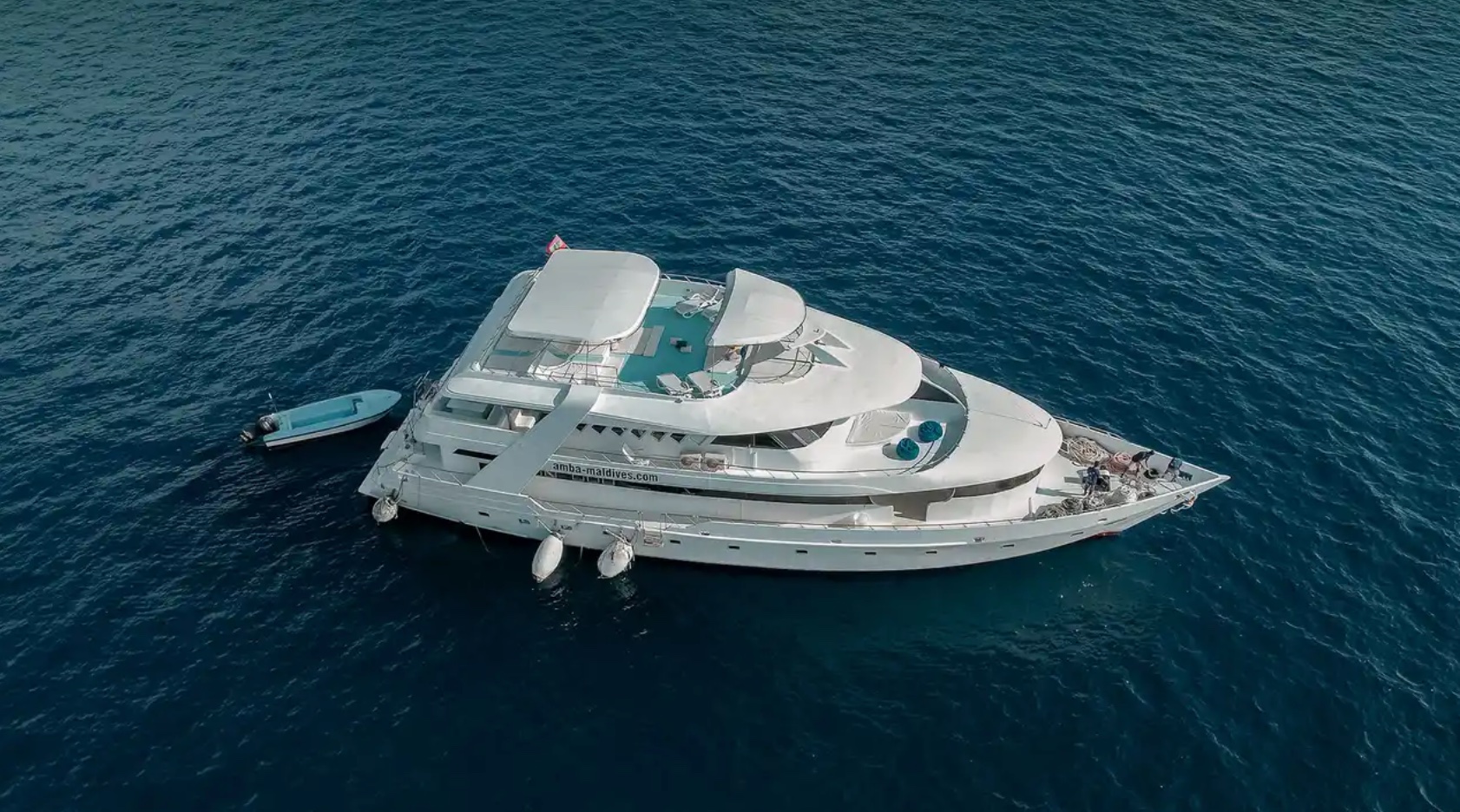
Amba
Maldives
20 guests
$178/day
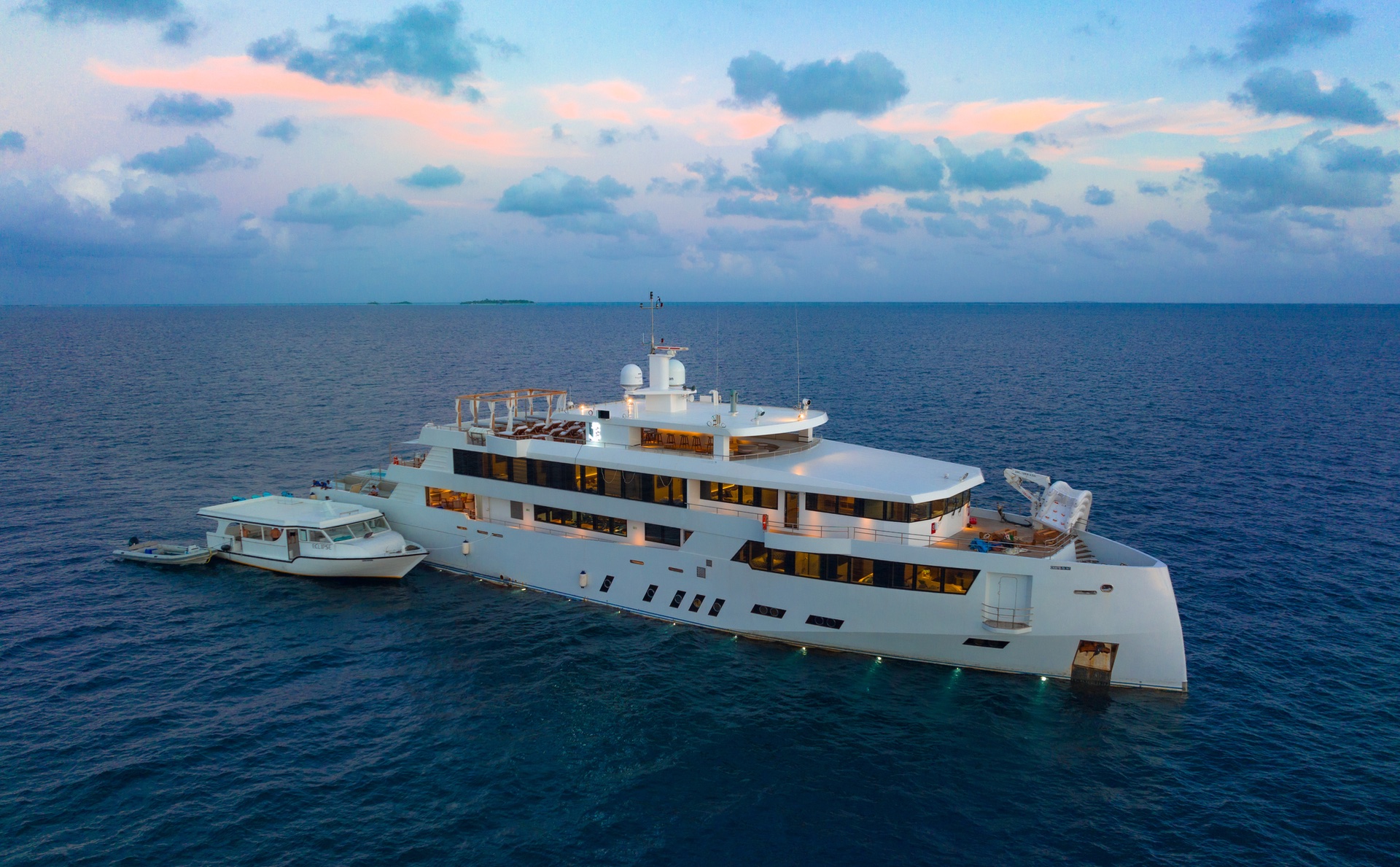
White Pearl
Maldives
26 guests
$375/day
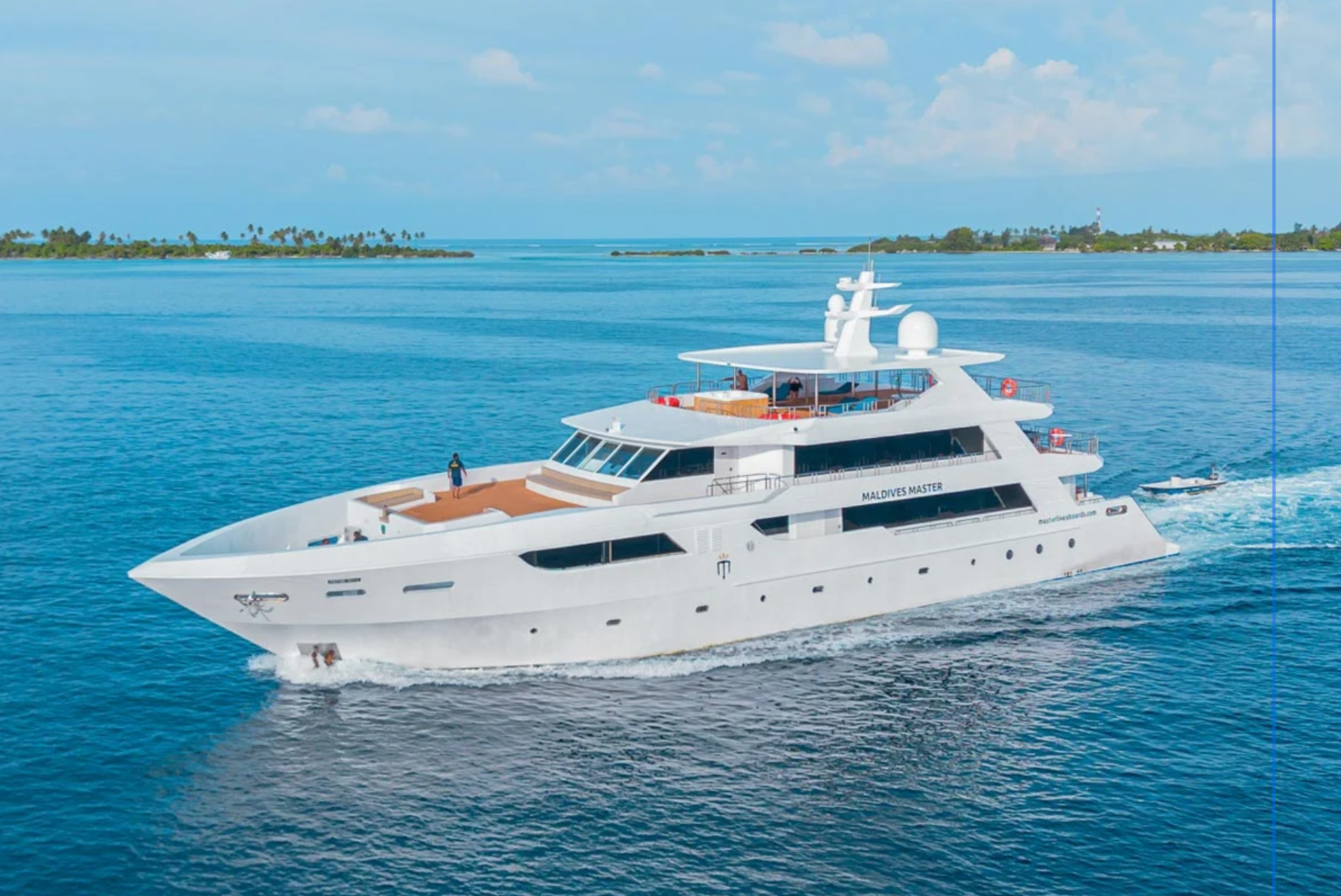
Maldives Master
Maldives
26 guests
$207/day
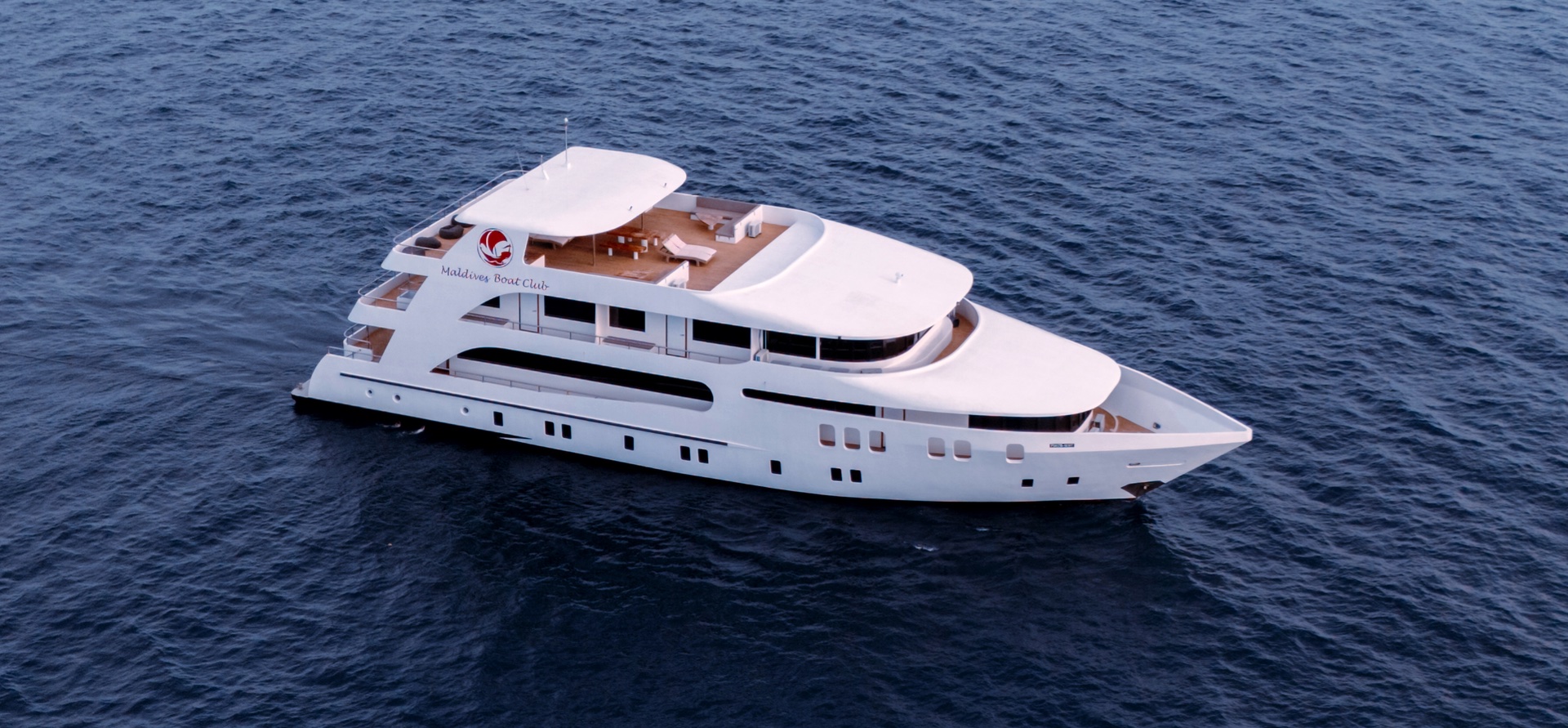
Adora
Maldives
22 guests
$297/day
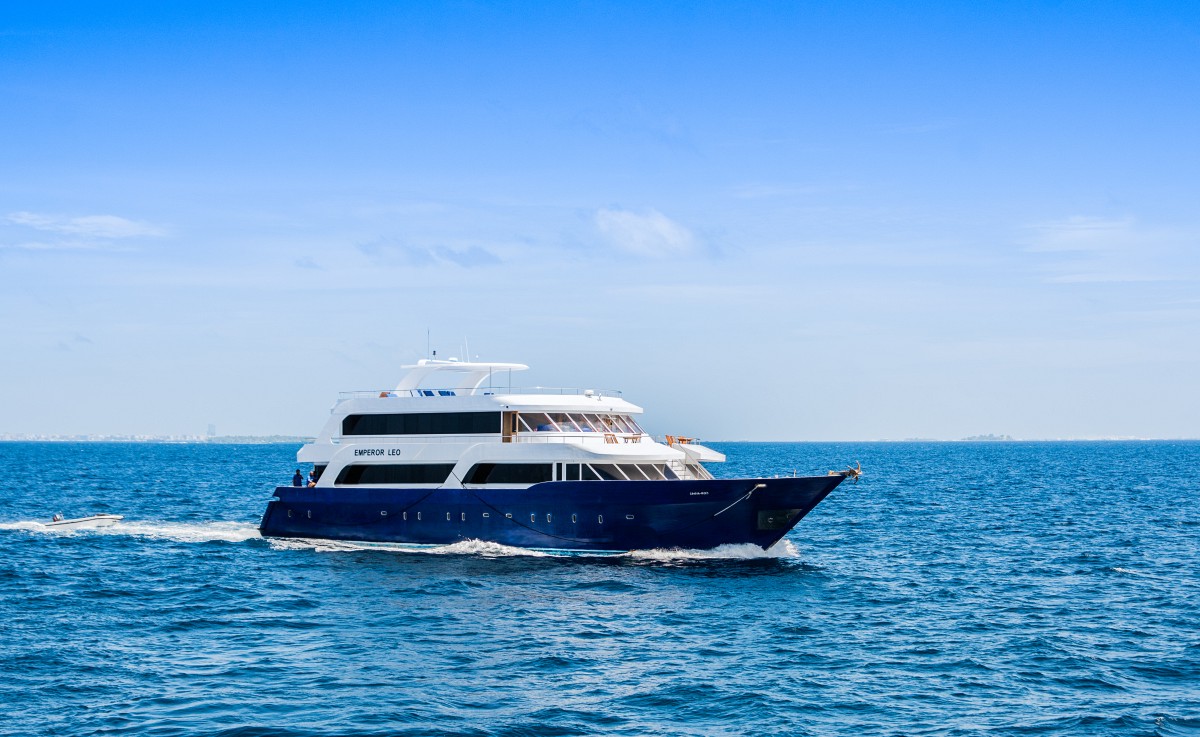
Emperor Leo
Maldives
24 guests35.1 m
$339/day
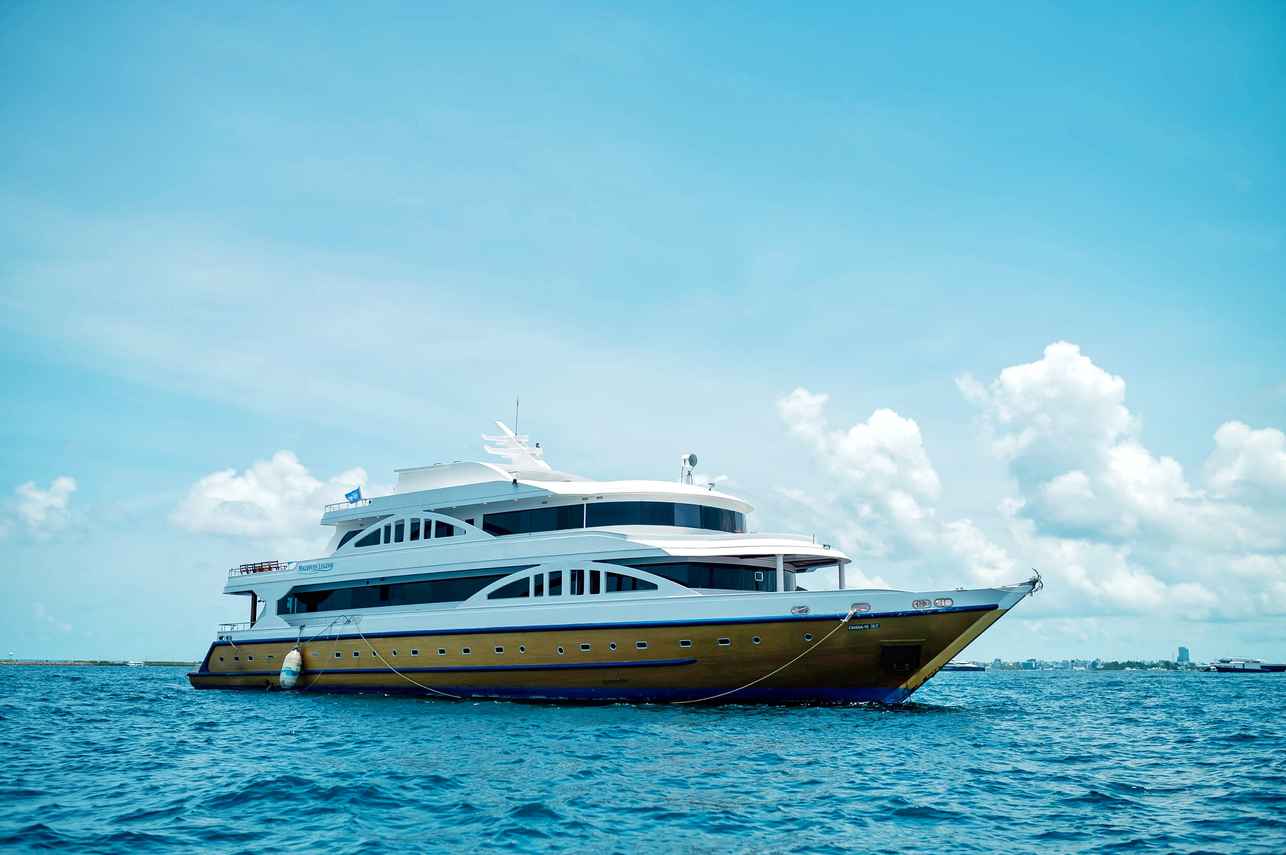
Maldives Legend Zen
Maldives
24 guests41 m
$316/day
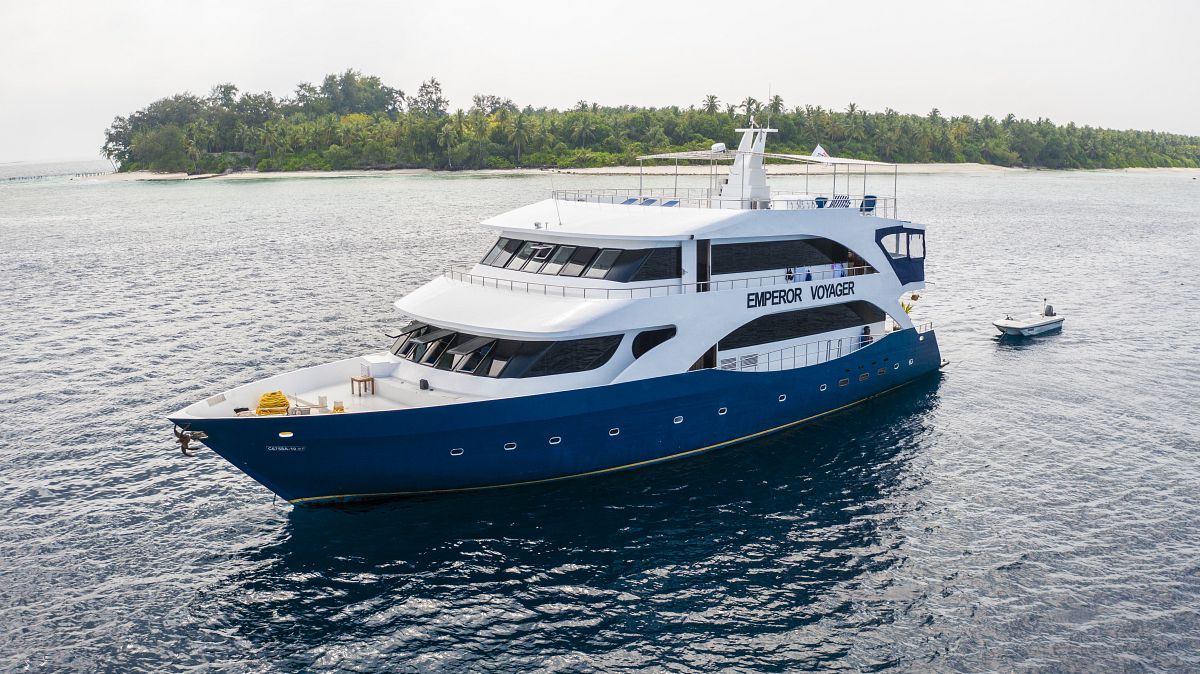
Emperor Voyager
Maldives
20 guests29.9 m
$332/day
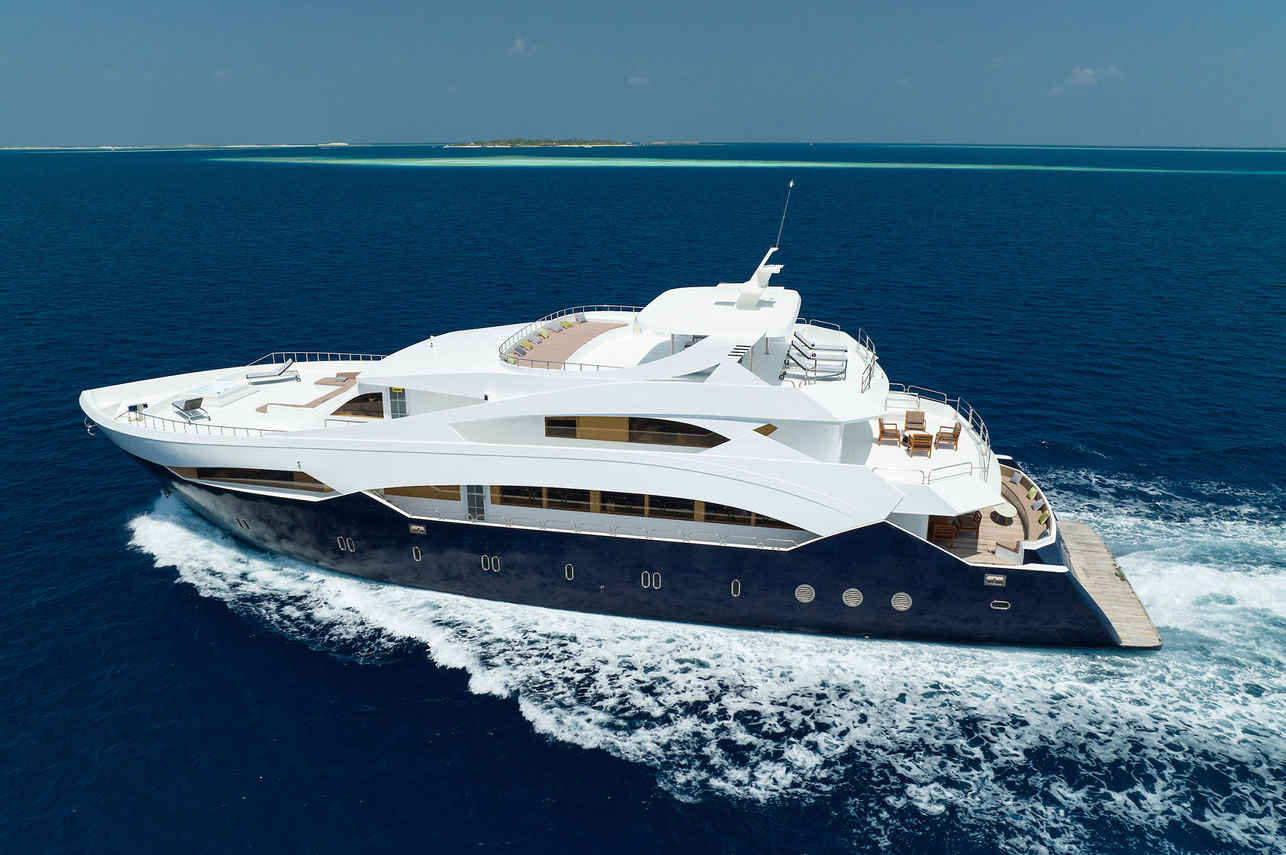
Felicity
Maldives
26 guests41 m
$229/day
Dive sites similar to Broken Rock
Same character, same waters — six more sites divers love for the exact same reasons.Compare seasons, access and liveaboard routes — then pick the site that fits your trip best.
© Esri — Maxar, Earthstar, GIS
Emas Thila (North Malé)
Maldives
Emas Thila is a renowned submerged reef pinnacle located in the South Ari Atoll, a protected Marine Protected Area in the Maldives.
- Suitable for
- Intermediate
- Current
- Strong
- Access
- Liveaboard or dayboat
- Depth
- 8–30 m
- Theme
- Cave & cavern / Pinnacle
© Esri — Maxar, Earthstar, GIS
Fushi Kandu (Lhaviyani)
Maldives
Fushi Kandu, located in the Lhaviyani Atoll, is an exciting channel dive site in the Maldives, offering some of the most dynamic drift diving experiences in the Indian Ocean.
- Suitable for
- Advanced
- Current
- Strong
- Access
- Liveaboard or dayboat
- Depth
- 15–35 m
- Theme
- Channel / Drift
© Esri — Maxar, Earthstar, GIS
Guraidhoo Corner
Maldives
Guraidhoo Corner, situated at the southern tip of Guraidhoo Island, stands as a marine protected area often celebrated for its exceptional fish diversity and photographic opportunities within the Maldives.
- Suitable for
- Advanced
- Current
- Ripping
- Access
- Liveaboard or dayboat
- Depth
- 5–35 m
- Theme
- Channel / Drift
© Esri — Maxar, Earthstar, GIS
Filitheyo Reef (Faafu)
Maldives
Filitheyo Reef, situated in the Faafu Atoll, offers an unspoiled underwater paradise, unique as the only tourist island in the atoll.
- Suitable for
- Beginner
- Current
- Strong
- Access
- Liveaboard or dayboat
- Depth
- 1–30 m
- Theme
- Reef / Wall
© Esri — Maxar, Earthstar, GIS
Felidhoo Thila (Vaavu)
Maldives
Felidhoo Thila is a stunning submerged pinnacle located in the central Vaavu Atoll, Maldives.
- Suitable for
- Intermediate
- Current
- Strong
- Access
- Liveaboard or dayboat
- Depth
- 12–35 m
- Theme
- Pinnacle
© Esri — Maxar, Earthstar, GIS
Kudadhoo Beyru (Noonu)
Maldives
Kudadhoo Beyru, situated in the Noonu Atoll of the Maldives, is a captivating dive site characterized by its diverse topography and abundant marine life.
- Suitable for
- Intermediate
- Current
- Strong
- Access
- Liveaboard or dayboat
- Depth
- 5–40 m
- Theme
- Wall