About The Dwarf Forest
The Dwarf Forest is a distinctive dive site located off the remote island of Kosrae in Micronesia. This site is celebrated for its extraordinary living coral reefs that completely encircle the island, sloping steeply into the clear blue depths. Divers encounter both vertical drop-offs and undulating profiles showcasing cascading corals, contributing to a unique underwater topography. The reefs at The Dwarf Forest comprise hundreds of densely packed coral species, including both hard and soft varieties, some potentially thousands of years old. This rich coral ecosystem attracts an abundance of marine life, making it possible to observe numerous fish species on a single dive. The site's pristine condition and remote location offer an uncrowded diving experience. While specific seasonal marine life for The Dwarf Forest is not detailed, Kosrae's waters generally host turtles, various rays, and a delightful array of macro subjects like nudibranchs. The exceptional visibility, often averaging 30 to 60 meters, enhances the experience of exploring this vibrant ecosystem. Diving here typically involves boat access, with sites being a short ride from shore, allowing for comfortable and convenient exploration of its unique coral formations and resident marine inhabitants.
Highlights
Cascading coral formationsPristine hard and soft coralsExceptional visibilityAbundant reef fish speciesRemote, uncrowded divingUnique topography
Season calendar
Best months to dive here
Jan
Feb
Mar
Apr
May
Jun
Jul
Aug
Sep
Oct
Nov
Dec
Excellent
Good
Dive site facts: The Dwarf Forest
- Depth
- 3–18 m
- Current
- Variable, from mild to strong
- Visibility
- 30–60 m
- Water temperature
- 27–29°C
- Entry
- Boat dive
- Level
- Beginner
- Dive type
- Reef, wall, coral garden
- Region / port
- Kosrae, Micronesia
- Coordinates
- 7.7853° N, 147.0426° E
Conditions & Currents
Currents around Kosrae's dive sites, including The Dwarf Forest, can vary from mild to strong, influencing the types of marine life observed. Dive guides often utilize a drift diving technique, towing a surface float and moving with the flow of water to optimize safety and viewing opportunities. The strength and direction of currents are a key factor in attracting abundant marine life to the reefs. Visibility is consistently excellent due to these currents, often ranging from 30 to 60 meters, as they constantly flush the area with clear oceanic water. Divers should be prepared for varying current conditions, which necessitate good buoyancy control and careful monitoring of air consumption and bottom time, especially during drift dives. Entry and exit are typically by boat, aligning with the prevailing currents.
Marine life & sighting chances

Pacific barracuda
common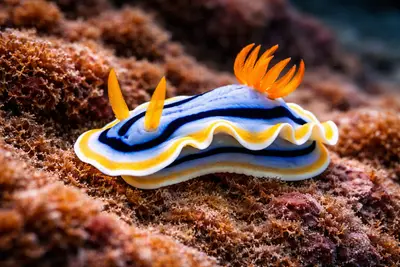
Nudibranchs
occasional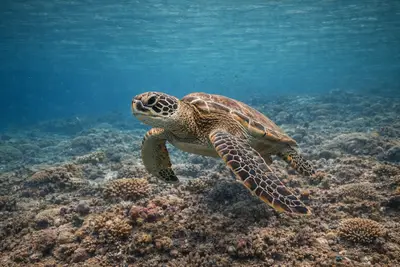
Turtles
occasional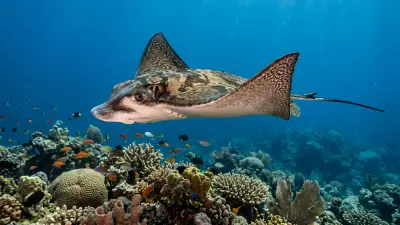
Rays
occasional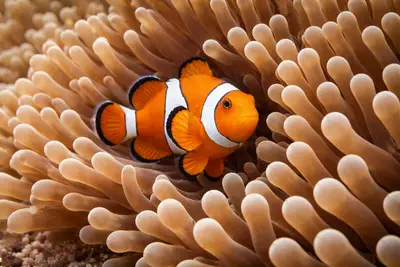
Clownfish
common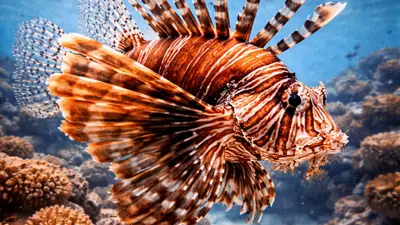
Lionfish
occasional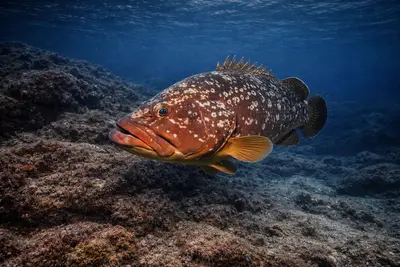
Giant Pacific grouper
occasional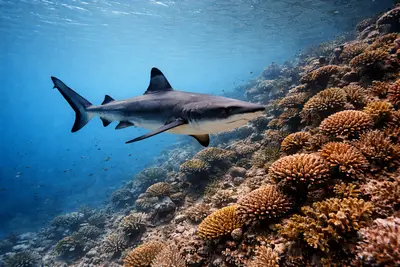
Blacktip reef shark
occasional
Grey reef shark
occasional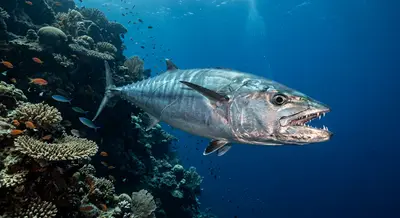
Dogtooth tuna
occasional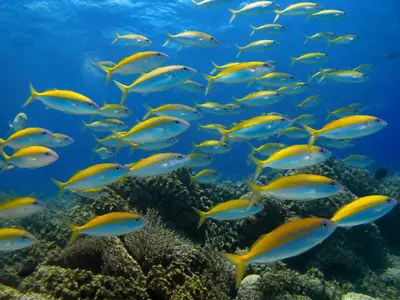
Fusiliers
common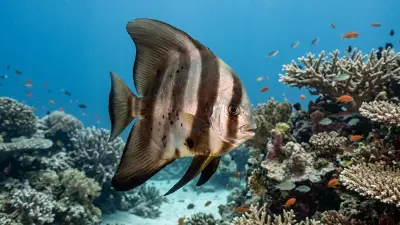
Batfish
commonDive profile & how the dive runs
Diving at The Dwarf Forest typically begins with a boat entry, followed by a descent onto the sloping reefs. The site features both vertical drop-offs and undulating profiles covered in extensive cascading coral formations. Divers will explore these healthy hard and soft coral gardens, which are home to numerous reef fish. The dive may proceed as a drift, guided by the prevailing currents, allowing observation of diverse marine life that thrives in the nutrient-rich waters. Depths can vary, with much of the exploration occurring within recreational limits. Dive guides monitor air consumption and bottom time, especially in currents. The turn point is determined by air supply and current strength. A controlled ascent and safety stop are conducted, often in shallower areas or as a mid-water drift, before exiting by boat.
Underwater photography
The Dwarf Forest offers excellent wide-angle photography opportunities due to its vast coral formations and clear visibility. A wide-angle lens is ideal for capturing the expansive cascading corals and the diverse reefscapes. Strobes are recommended to enhance the vibrant colors of the healthy hard and soft corals, which might otherwise appear muted at depth. For macro photographers, the site also presents subjects like nudibranchs and various small reef creatures, requiring a macro lens. Maintaining excellent buoyancy control is crucial to avoid disturbing the pristine reef. Given potential currents, a reef hook can be useful for photographers to stabilize themselves while composing shots.
Combine with nearby dive sites
- Walung Drop-Off
Walung Drop-Off is a well-known dive site situated off the southwest coast of Kosrae in the Federated States of Micronesia.
- Shark Island
Shark Island, situated off the remote island of Kosrae in Micronesia, stands as an exceptional destination for experienced divers seeking…
- Split Rock
Split Rock is a notable dive site located in Kosrae, Federated States of Micronesia, an island renowned for its pristine ocean and vibrant…
- Hiroshi Point
Hiroshi Point is a prominent shore and boat dive site located on the southern end of Kosrae in the Federated States of Micronesia.
- Trochus Sanctuary
Trochus Sanctuary is a distinctive dive site located north of the mid-point of Kosrae, southwest of the island's airport.
Getting there & logistics
Access to Kosrae, and subsequently The Dwarf Forest, usually involves international flights via Honolulu or Guam, followed by inter-island flights to Kosrae International Airport (KSA). Once on Kosrae, dive operators from local resorts, like Kosrae Nautilus, provide guided boat dives. All dive sites are conveniently located, typically ranging from 5 to 30 minutes away by boat. There are over 60 mooring buoys around the island, ensuring easy access. A typical dive day includes two boat dives with a surface interval offering local fruits, or an optional third dive extending the day. No specific permits or fees are mentioned for diving the sites themselves, but general entry requirements for Micronesia apply, including a valid passport, and for non-US citizens, a 30-day tourist permit obtainable upon arrival.
Safety & environment
For diving in Kosrae, including The Dwarf Forest, it is highly recommended to have comprehensive dive insurance covering emergency medical treatment and evacuation, given the remote location. While specific details about the nearest recompression chamber are not provided in the sources, medical evacuation to a more developed facility would be the likely protocol for severe diving accidents. Dive operators emphasize safety, with guides towing surface floats during drift dives and having oxygen on board dive boats. Divers should maintain excellent buoyancy and follow their dive guide's instructions, especially concerning currents. Always check and adhere to local dive regulations and safety briefings.
Who it suits — and who it doesn't
Suited for
- Divers seeking pristine coral reefs
- Underwater photographers (wide-angle and macro)
- Divers comfortable with drift diving
- Those looking for uncrowded dive experiences
- Divers interested in diverse reef fish and macro life
Less suited for
- Divers unwilling to travel to remote locations
- Those preferring extensive wreck diving (this site is primarily reef)
- Divers uncomfortable with potential currents
- Beginners without adequate current experience
FAQ
The Dwarf Forest FAQ
What kind of corals can be found at The Dwarf Forest?
The Dwarf Forest is home to hundreds of densely packed coral species, featuring both hard and soft corals. Divers can expect to see various types, including cascading formations, with some corals potentially being thousands of years old. This abundance contributes to a very healthy and vibrant reef ecosystem.
How good is the visibility at The Dwarf Forest?
The visibility at The Dwarf Forest, like other sites in Kosrae, is exceptionally good. It typically averages between 30 to 60 meters (100 to 200 feet). This high visibility is maintained by the consistent currents flushing the area with clear oceanic water, enhancing the diving experience.
Are there strong currents at The Dwarf Forest?
Currents at dive sites around Kosrae, including The Dwarf Forest, can range from mild to strong. These currents are an integral part of the ecosystem, bringing in nutrients that support abundant marine life. Dive operators often employ drift diving techniques to navigate these currents safely and effectively.
What marine life might I see at The Dwarf Forest?
While specific to the site, Kosrae's reefs generally attract abundant marine life. You can expect to see a wide variety of reef fish, barracuda, turtles, and various rays. Macro enthusiasts will also appreciate the presence of nudibranchs and other small creatures, alongside occasional sightings of larger pelagics like dogtooth tuna and reef sharks.
How do I get to The Dwarf Forest for diving?
To dive at The Dwarf Forest, you first need to reach Kosrae International Airport (KSA) via international flights from hubs like Honolulu or Guam. From there, local dive operators, typically associated with resorts, will transport you to the dive site by boat. Dive sites in Kosrae are generally a short 5 to 30-minute boat ride away.
Why dive The Dwarf Forest from a liveaboard?
The Dwarf Forest is one of Micronesia's signature dive sites. A liveaboard sleeps you on the water and puts you in the water for three to four guided dives per day, including dawn and night dives that day-boat operators rarely offer. You skip the daily commute back to port and reach quieter, less-crowded sites in the same region on a single trip.
Below are the liveaboards that include The Dwarf Forest on their Micronesia itineraries.
Liveaboards diving The Dwarf Forest
These liveaboards may visit The Dwarf Forest on selected itineraries — the exact dive sites depend on departure, weather and conditions.
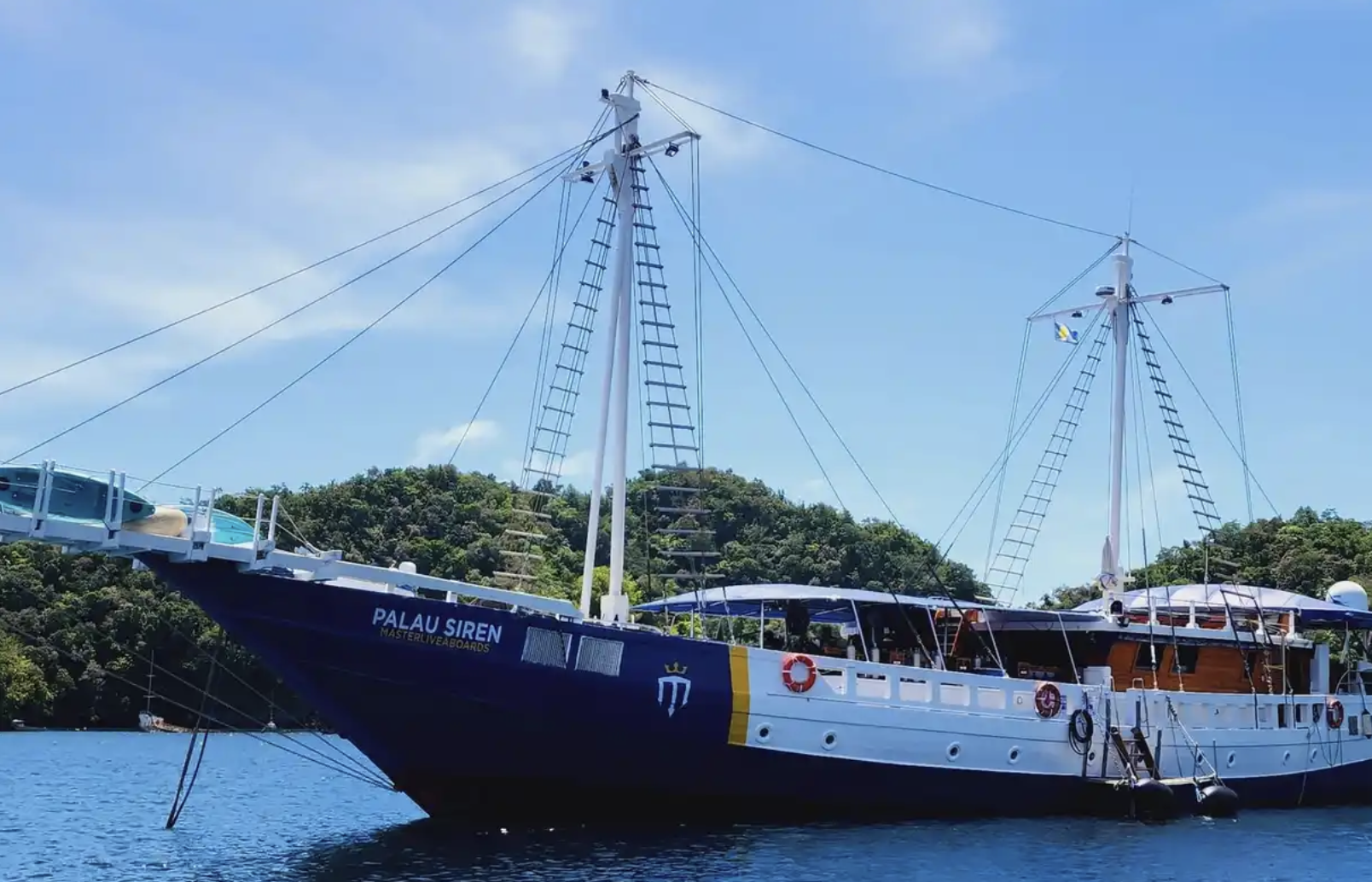
Palau Siren
Micronesia
16 guests
$501/day
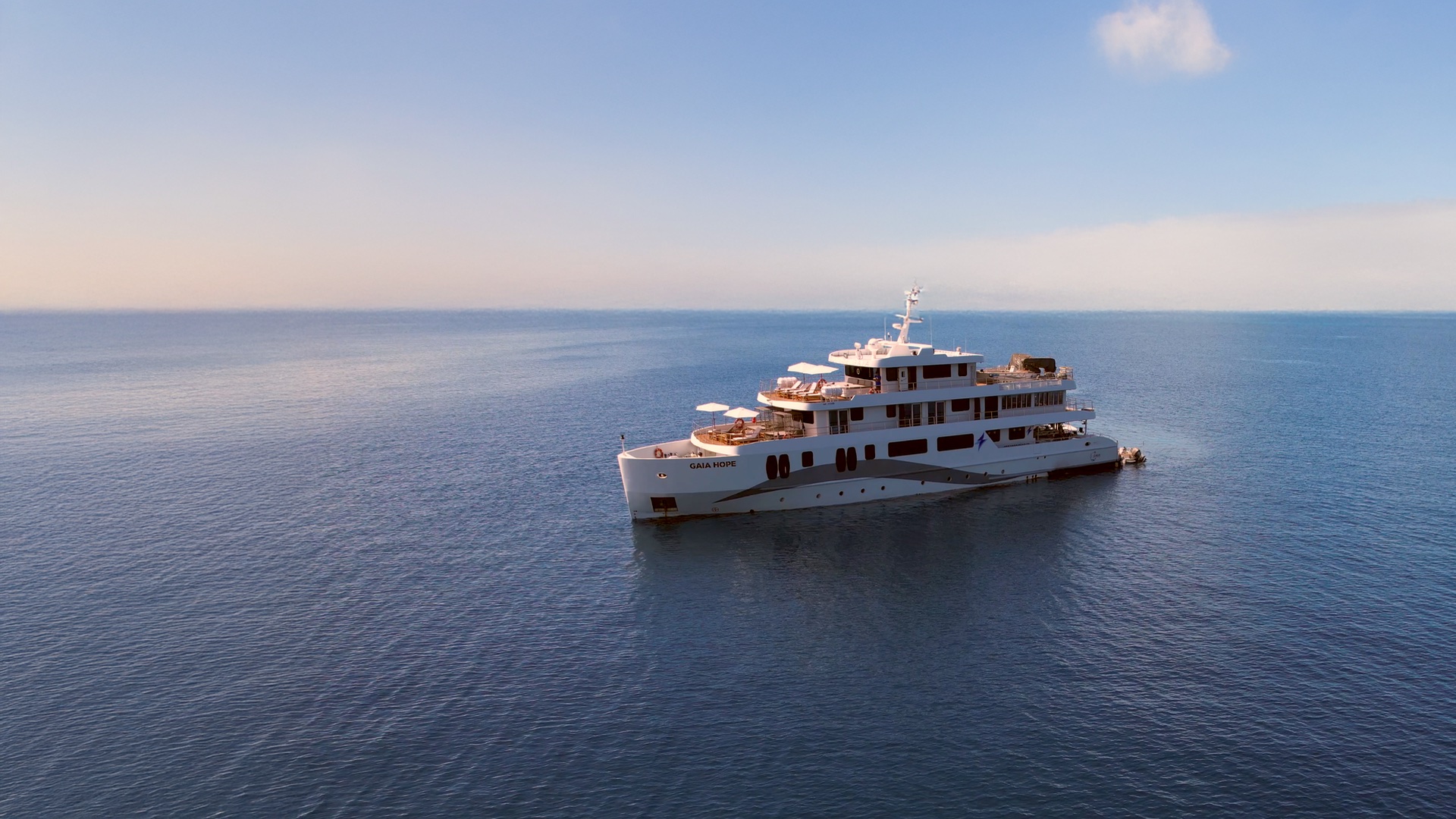
Solitude Gaia
Micronesia
18 guests40 m
$310/day
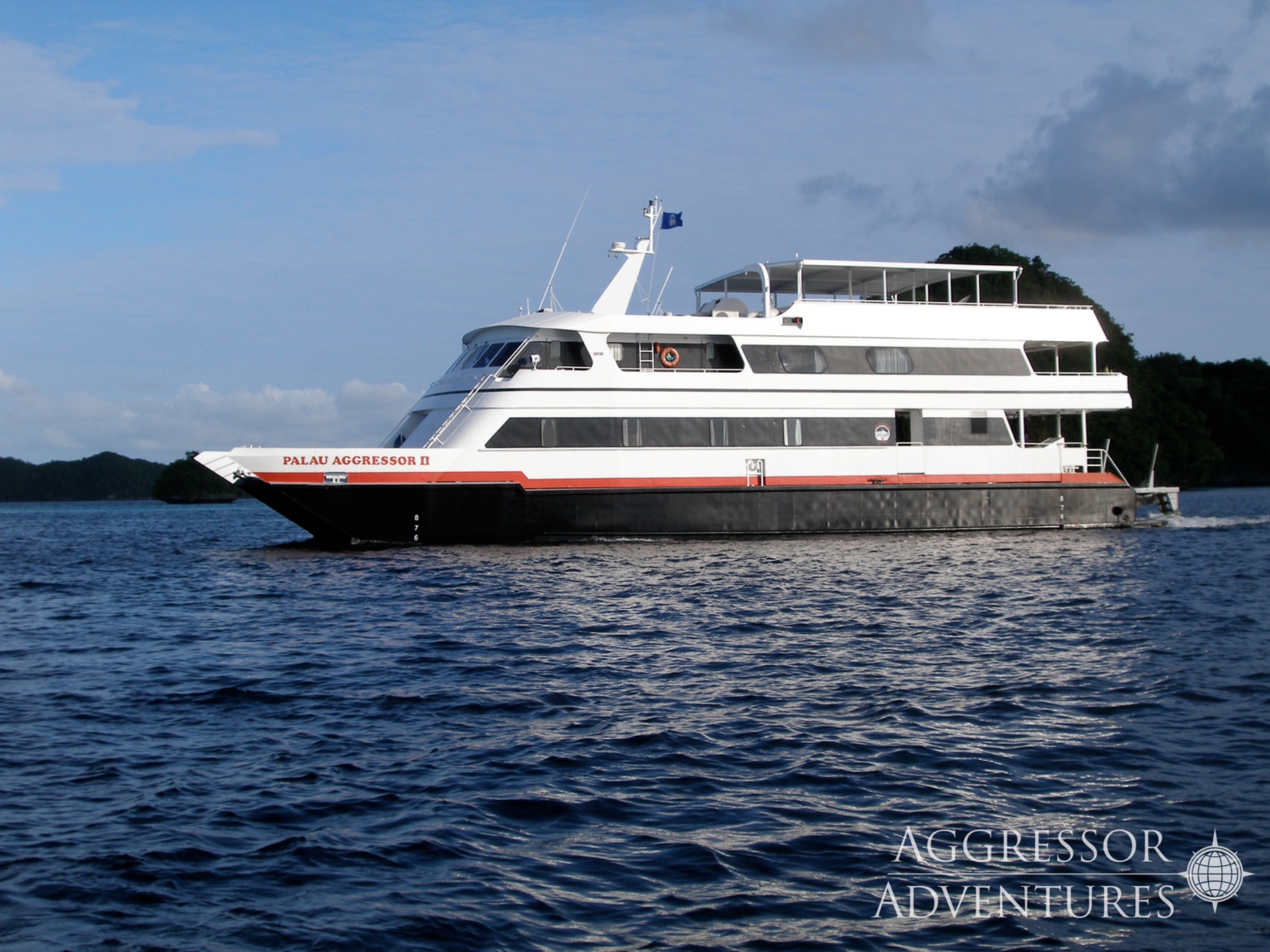
Palau Aggressor II
Micronesia
18 guests32 m
$354/day
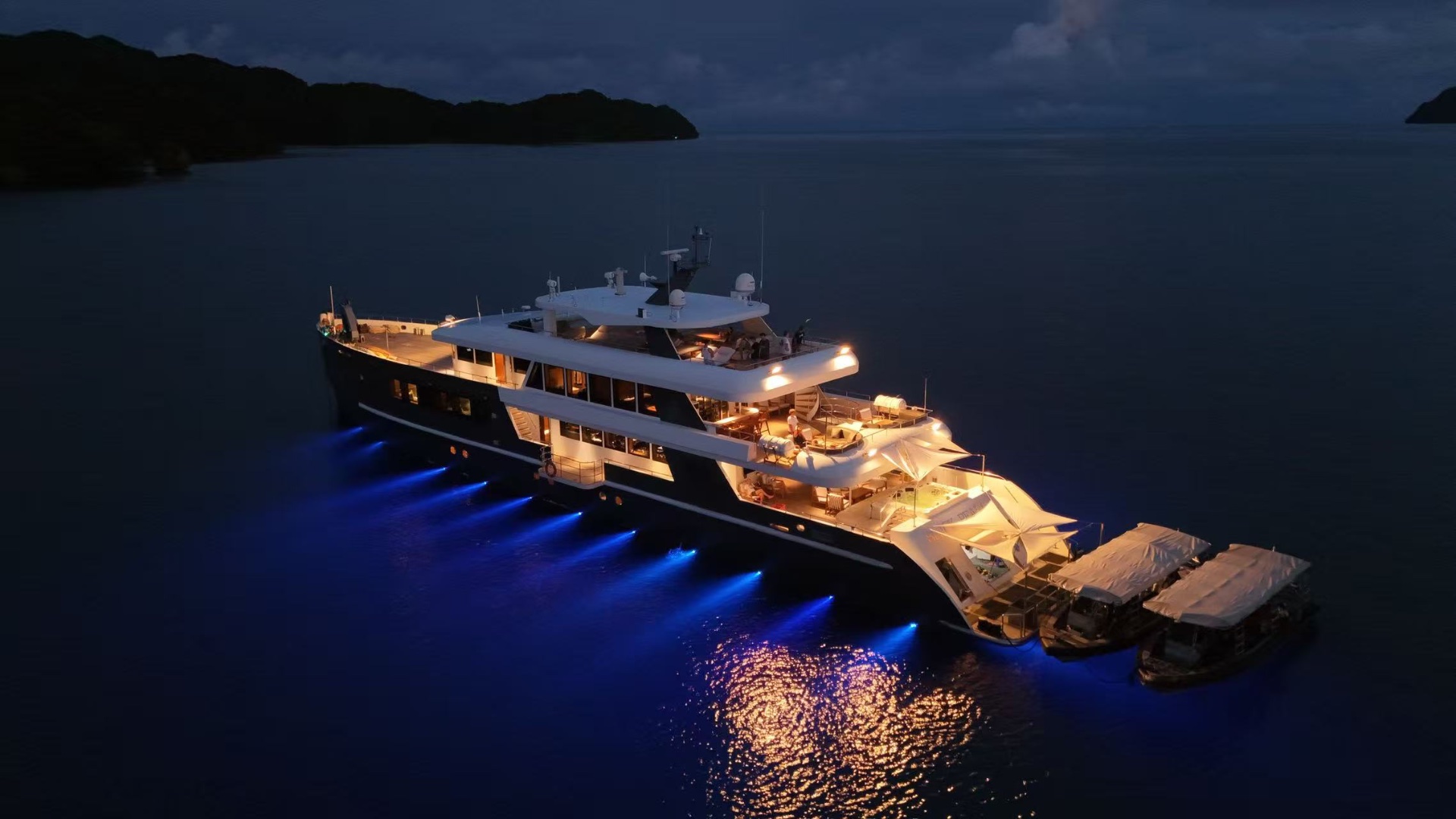
Black Pearl
Micronesia
24 guests
$390/day
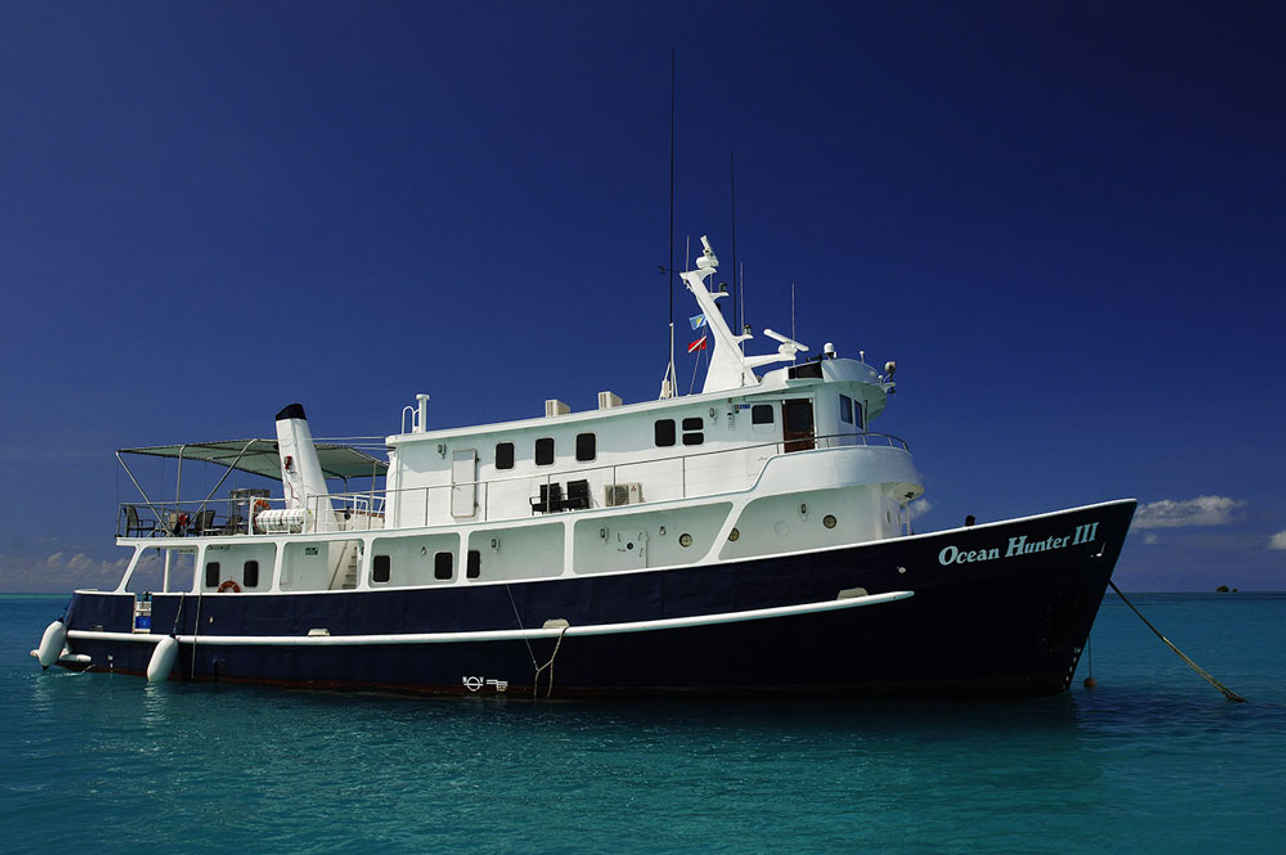
Ocean Hunter 3
Micronesia
16 guests29 m
$350/day
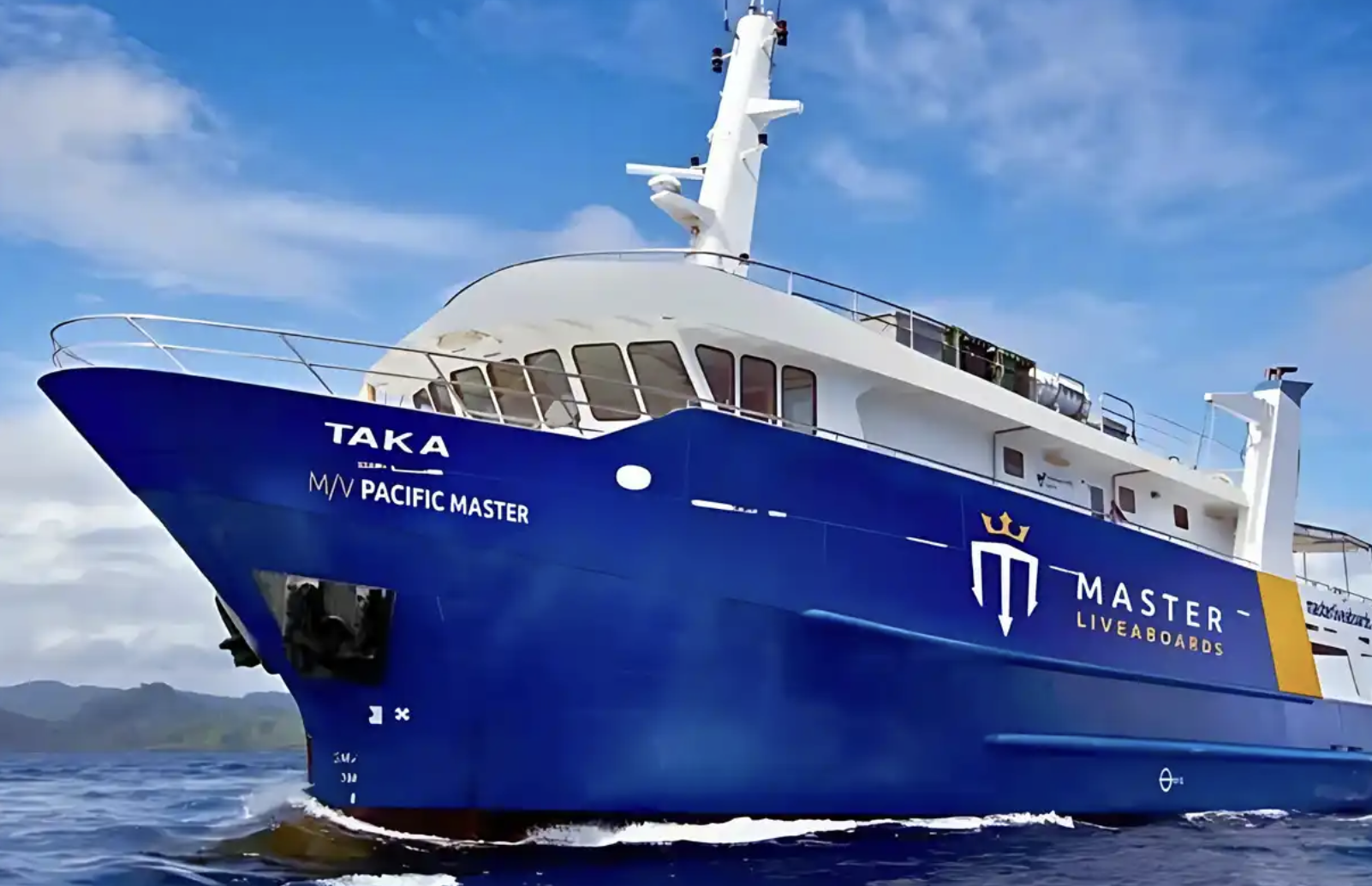
Pacific Master
Solomon Islands
20 guests30 m
$268/day
Dive sites similar to The Dwarf Forest
Same character, same waters — six more sites divers love for the exact same reasons.Compare seasons, access and liveaboard routes — then pick the site that fits your trip best.
© Esri — Maxar, Earthstar, GIS
Mi'l Channel
Micronesia
Mi'l Channel in Yap, Federated States of Micronesia, stands out as a world-renowned dive site, primarily celebrated for its consistent manta ray sightings.
- Suitable for
- Advanced
- Current
- Strong
- Access
- Dayboat
- Depth
- 15–30 m
- Theme
- Drift / Reef
© Esri — Maxar, Earthstar, GIS
Gilman Wall
Micronesia
Gilman Wall is one of Yap's premier dive sites, renowned for its spectacular vertical drop-offs and consistent pelagic action.
- Suitable for
- Advanced
- Current
- Strong
- Access
- Liveaboard only
- Depth
- 10–30 m
- Theme
- Drift / Wall
© Esri — Maxar, Earthstar, GIS
Manta Road
Micronesia
Manta Road, located in Pohnpei, Micronesia, is renowned as a premier destination for manta ray encounters.
- Suitable for
- Intermediate
- Current
- Moderate
- Access
- Dayboat
- Depth
- 16–25 m
- Theme
- Drift / Reef
© Esri — Maxar, Earthstar, GIS
Trochus Sanctuary
Micronesia
Trochus Sanctuary is a distinctive dive site located north of the mid-point of Kosrae, southwest of the island's airport.
- Suitable for
- Beginner
- Current
- Mild
- Access
- Dayboat
- Depth
- 5–13 m
- Theme
- Reef
© Esri — Maxar, Earthstar, GIS
Hiroshi Point
Micronesia
Hiroshi Point is a prominent shore and boat dive site located on the southern end of Kosrae in the Federated States of Micronesia.
- Suitable for
- Beginner
- Current
- Mild
- Access
- Liveaboard or dayboat
- Depth
- 5–13 m
- Theme
- Reef / Wall
© Esri — Maxar, Earthstar, GIS
Gabach Garden Walls
Micronesia
Gabach Garden Walls, located in the eastern lagoon of Pohnpei, Micronesia, is a captivating dive site characterized by its low reef wall.
- Suitable for
- Intermediate
- Current
- Mild
- Access
- Dayboat
- Depth
- 2–30 m
- Theme
- Wall