About The Dunraven
The Dunraven is an 80-meter British steam-and-sail cargo vessel that sank in 1876 after striking Beacon Rock at Sha'ab Mahmoud, south of Ras Mohammed. Rediscovered in 1977, the wreck lies upside down, offering a unique dive experience where the keel points towards the surface. It serves as one of the oldest and most atmospheric wrecks in the Red Sea, often drawing comparisons to the more famous Thistlegorm but with a more intimate and less crowded feel. The vessel, built in 1873, was en route from India with a cargo of cotton, spices, and timber when it met its end. The wreck is broken into two main sections, spanning about 80 meters. Its deepest parts and the surrounding seabed are around 28-30 meters, with the shallowest sections of the hull at about 18 meters. Over time, the wreck has become heavily encrusted with soft corals, sponges, and stony coral colonies, making it appear as a natural reef. The Dunraven boasts a remarkably rich resident fish population. Divers can expect to find shimmering clouds of glassfish within the hull, giant moray eels in the engine room, and an abundance of lionfish, scorpionfish, and crocodile fish on the exterior. The surrounding reef also hosts larger pelagics such as Napoleon wrasse, batfish, groupers, and occasionally reef sharks, ensuring a diverse and vibrant underwater encounter. Accessibility is straightforward, often as a day trip from Sharm el-Sheikh or as an early stop on northern Red Sea liveaboard itineraries. The wreck's inverted position and natural breaks allow for easy, light-filled swim-throughs, making it suitable for divers with some wreck experience without requiring extensive penetration training. The dive typically involves following the reef down to the stern, exploring the hull, and finishing on the nearby vibrant coral reef.
Highlights
Inverted Victorian steamship wreckCoral-encrusted hullEasy, light-filled swim-throughsRich resident fish populationVisible propeller and rudderAtmospheric engine roomLess crowded than ThistlegormPart of Sha'ab Mahmoud reef
Season calendar
Best months to dive here
Jan
Feb
Mar
Apr
May
Jun
Jul
Aug
Sep
Oct
Nov
Dec
Excellent
Dive site facts: The Dunraven
- Depth
- 18–30 m
- Current
- Moderate
- Visibility
- 25–30 m
- Water temperature
- 21–30°C
- Entry
- Boat
- Level
- Advanced Open Water
- Dive type
- Wreck, Reef, Macro, Night
- Night dive
- Possible
- Region / port
- Sharm El Sheikh / North Red Sea
- Coordinates
- 27.7417, 34.2167
Conditions & Currents
Currents at the Dunraven are generally moderate, making it a manageable site for advanced divers. While typically mild, conditions can vary depending on tides and prevailing weather, occasionally necessitating careful entry and exit planning. The sheltered location contributes to generally good diving conditions, with visibility consistently excellent, often between 25 to 30 meters. Divers should be mindful of potential surge, especially near the reef, and practice good buoyancy control to avoid disturbing silt inside the wreck or damaging delicate corals. Due to the proximity to other popular sites, boat traffic can sometimes be present, so divers should remain aware of their surroundings. Despite being generally straightforward, an awareness of current flow enhances the dive experience, especially for internal explorations.
Marine life & sighting chances
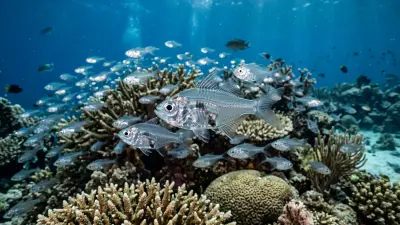
Glassfish
common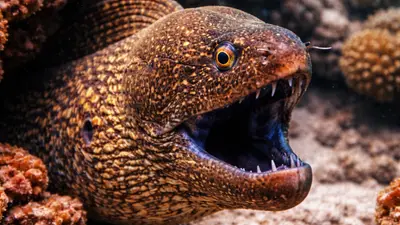
Moray Eel
common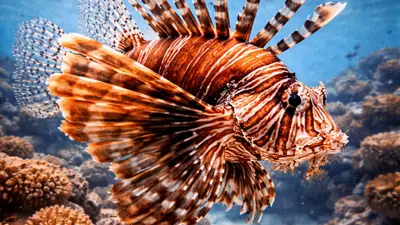
Lionfish
common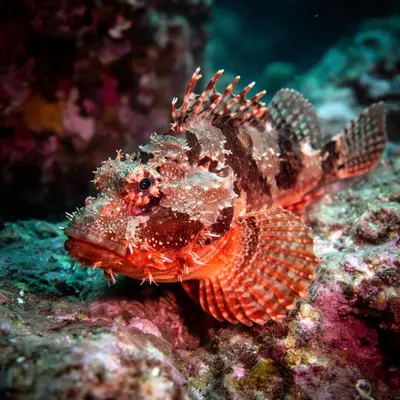
Scorpionfish
common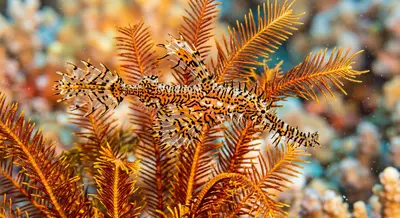
Pipefish
occasionalGhost Pipefish
rare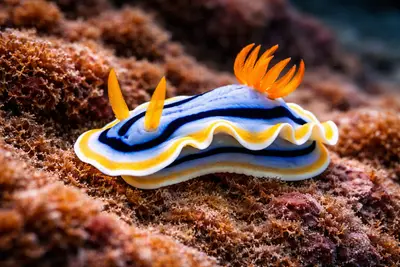
Nudibranch
common
Barracuda
occasional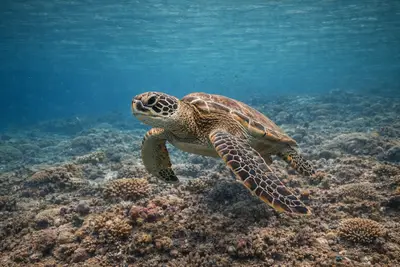
Turtle
occasional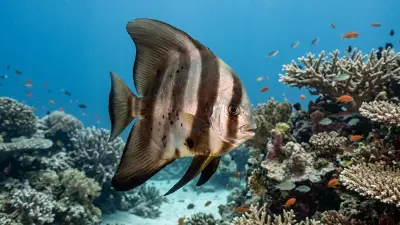
Batfish
common
Dolphin
rare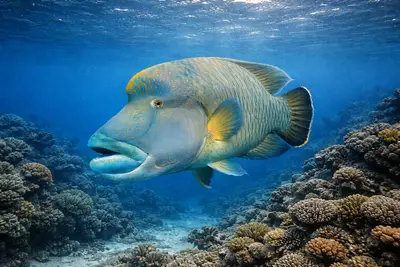
Napoleon Wrasse
occasional
Reef Shark
occasional
Crocodile fish
occasionalDive profile & how the dive runs
Divers typically begin by descending along the reef wall to the stern of the Dunraven, where the impressive rudder and propeller are visible at around 28-30 meters. From here, the dive progresses along the length of the inverted hull, which slopes gently shallower. You can navigate through the wreck's interior via large, light-filled openings and broken sections, exploring the engine room with its visible boilers and propeller shaft, while ambient light filters through cargo openings and stern windows. The maximum depth inside the hull is approximately 28 meters, with the upper sections rising to 18 meters. The route is designed as a swim-through, offering an enclosed experience without requiring deep penetration. After exploring the wreck, divers ascend to the nearby reef for the remainder of the dive, enjoying the vibrant coral gardens before performing a safety stop on the reef's shallower sections.
Underwater photography
The Dunraven offers unique photographic opportunities, particularly for wide-angle shots capturing the inverted hull and its intricate coral growth. The natural light filtering through the broken sections and portholes creates dramatic shafts of light within the wreck's interior, ideal for atmospheric compositions. Use a wide-angle lens to encompass the ship's scale and the schools of glassfish that often populate the interior. For macro enthusiasts, the wreck's encrusted surfaces host nudibranchs, pipefish, and various small critters, requiring a macro lens and good buoyancy to capture sharp details without disturbing the marine life or stirring up silt. External strobes are essential to bring out the vibrant colors of the soft corals and fish, especially in deeper areas or within the hull. Pay attention to your buoyancy to maintain a respectful distance from the wreck and its inhabitants, ensuring clear shots while protecting the delicate environment.
Combine with nearby dive sites
Getting there & logistics
Access to the Dunraven typically involves either a day trip from Sharm el-Sheikh, requiring about a two-hour boat journey, or as part of a northern Red Sea liveaboard itinerary. Liveaboards usually depart from Sharm el-Sheikh or Hurghada and commonly feature the Dunraven as one of the initial dives before proceeding to other iconic wrecks like the SS Thistlegorm. International flights usually arrive at Sharm el-Sheikh International Airport (SSH) or Hurghada International Airport (HRG), with transfers arranged by dive operators. Trip lengths for liveaboards exploring the northern Red Sea generally range from 7 to 8 days, offering comprehensive coverage of the region's wrecks and reefs. Permits and park fees are typically included in the liveaboard or day trip package.
Safety & environment
Diving the Dunraven requires advanced open water certification due to its depth and the overhead environment inside the wreck, even though penetration is largely light-filled. Divers should maintain excellent buoyancy control to prevent stirring up silt and to protect the fragile corals covering the wreck. Always dive with a reliable torch, even in seemingly well-lit areas, to illuminate darker corners and enhance colors. The nearest recompression chamber is located in Sharm el-Sheikh, approximately two hours away by boat, making a prompt evacuation potentially lengthy. Therefore, comprehensive dive insurance covering emergency medical treatment and evacuation is essential. Always follow your dive guide's instructions and never exceed your training limits.
Who it suits — and who it doesn't
Suited for
- Advanced Open Water divers
- Wreck diving enthusiasts
- Underwater photographers seeking unique subjects
- Divers interested in marine life diversity
- Those looking for less crowded wreck experiences
Less suited for
- Open Water certified divers without advanced training
- Divers uncomfortable with overhead environments
- Those without good buoyancy control
- Divers seeking only large pelagic encounters
- Beginners unfamiliar with moderate currents
FAQ
The Dunraven FAQ
What is the history behind the SS Dunraven wreck?
The SS Dunraven was a British steam-and-sail cargo vessel built in 1873. In March 1876, while returning from India with a cargo of cotton, spices, and timber, it struck Beacon Rock near Ras Mohammed. The ship subsequently caught fire and sank, coming to rest upside down on the seabed without any loss of life.
What kind of marine life can I expect to see at the Dunraven?
The Dunraven is teeming with marine life, both inside and outside the wreck. You can expect to see large schools of glassfish, cardinalfish, and soldierfish. Moray eels, lionfish, scorpionfish, and various nudibranchs are common. Larger species like barracudas, batfish, Napoleon wrasse, and occasional reef sharks also frequent the area around the wreck and the adjacent reef.
Is the Dunraven wreck suitable for novice divers?
The Dunraven wreck is primarily recommended for Advanced Open Water divers. While parts of the wreck are relatively shallow, its depth range (18-30 meters) and the overhead environment during swim-throughs require experience with deeper diving and good buoyancy control. Novice divers might find the conditions challenging.
How do I access the Dunraven wreck?
The Dunraven wreck is typically accessed by boat. Most divers visit it on day trips departing from Sharm el-Sheikh, which takes approximately two hours. It is also a popular stop on northern Red Sea liveaboard itineraries, usually featured as one of the first dives on routes originating from Sharm el-Sheikh or Hurghada.
What makes the Dunraven unique compared to other Red Sea wrecks?
The Dunraven's unique feature is its inverted position, lying upside down on the seabed. This creates a distinctive diving experience as you explore the keel and propeller from above and swim through light-filled openings within the hull. Unlike many other wrecks, its interior is not a dark maze, making it an accessible and atmospheric wreck penetration for advanced recreational divers.
Why dive The Dunraven from a liveaboard?
The Dunraven is one of Egypt's signature dive sites. A liveaboard sleeps you on the water and puts you in the water for three to four guided dives per day, including dawn and night dives that day-boat operators rarely offer. You skip the daily commute back to port and reach quieter, less-crowded sites in the same region on a single trip.
Below are the liveaboards that include The Dunraven on their Egypt itineraries.
Liveaboards diving The Dunraven
These liveaboards may visit The Dunraven on selected itineraries — the exact dive sites depend on departure, weather and conditions.
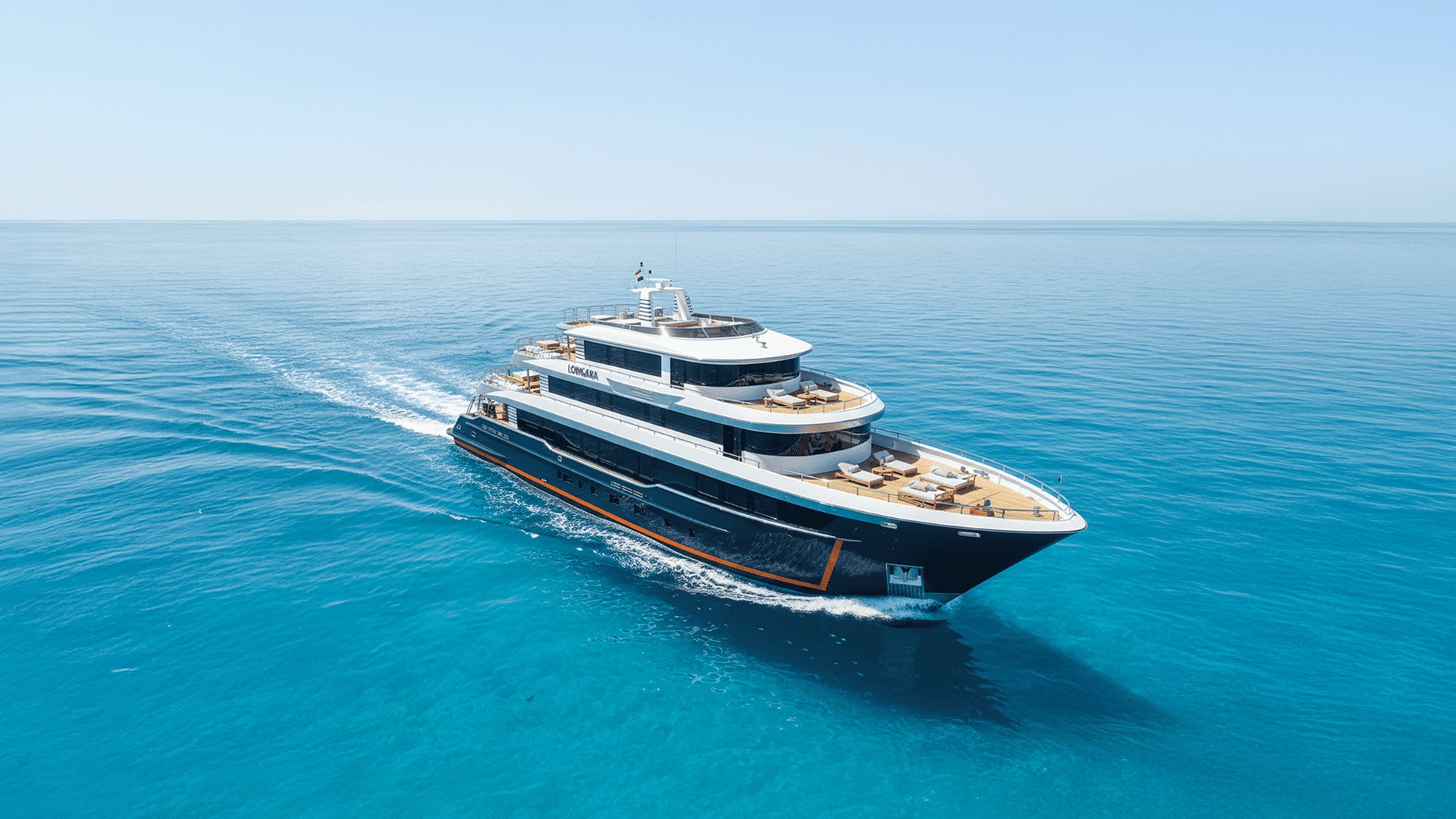
DUNE Longara
Egypt
30 guests
$155/day
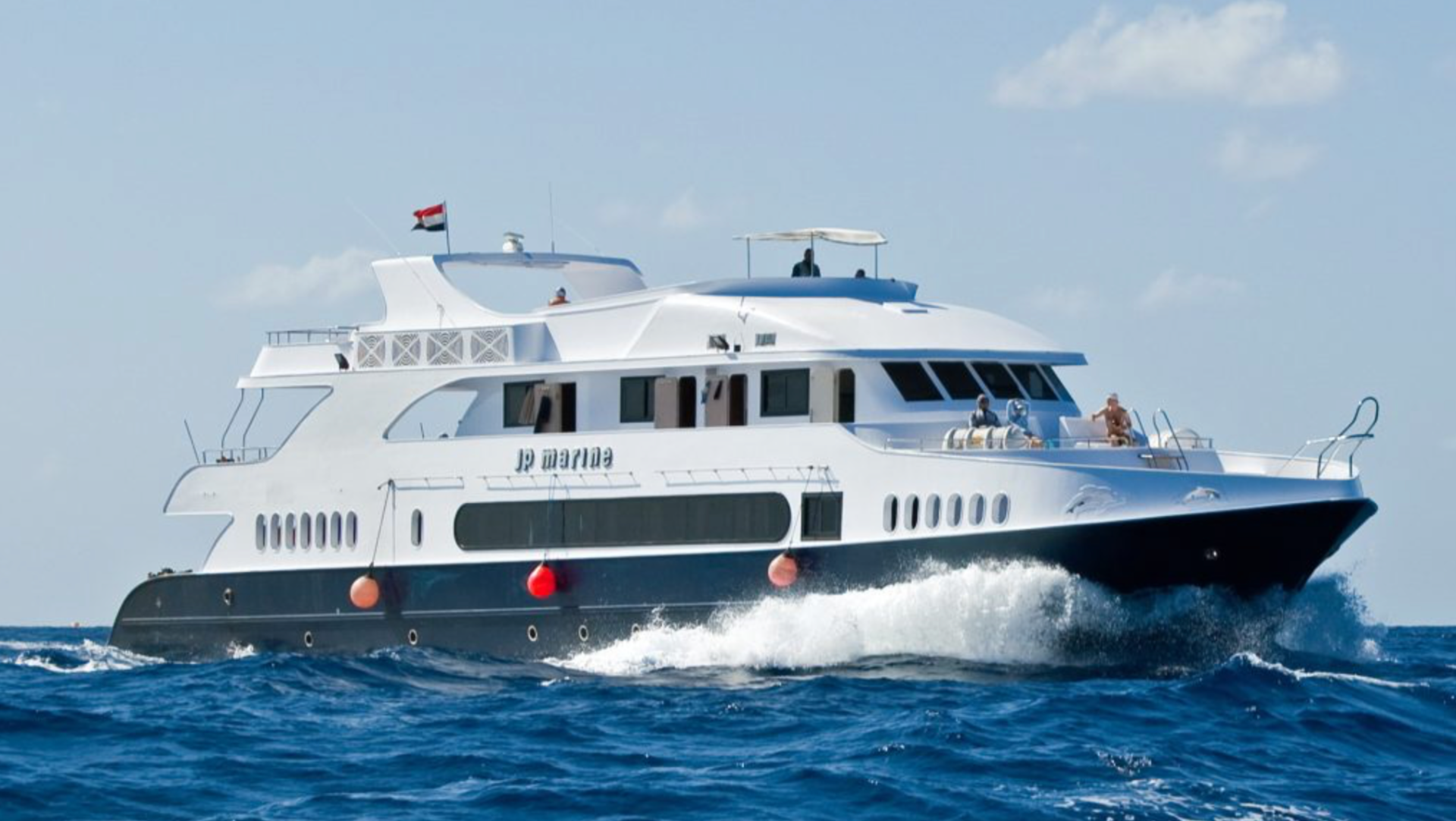
JP Marine
Egypt
28 guests
$109/day
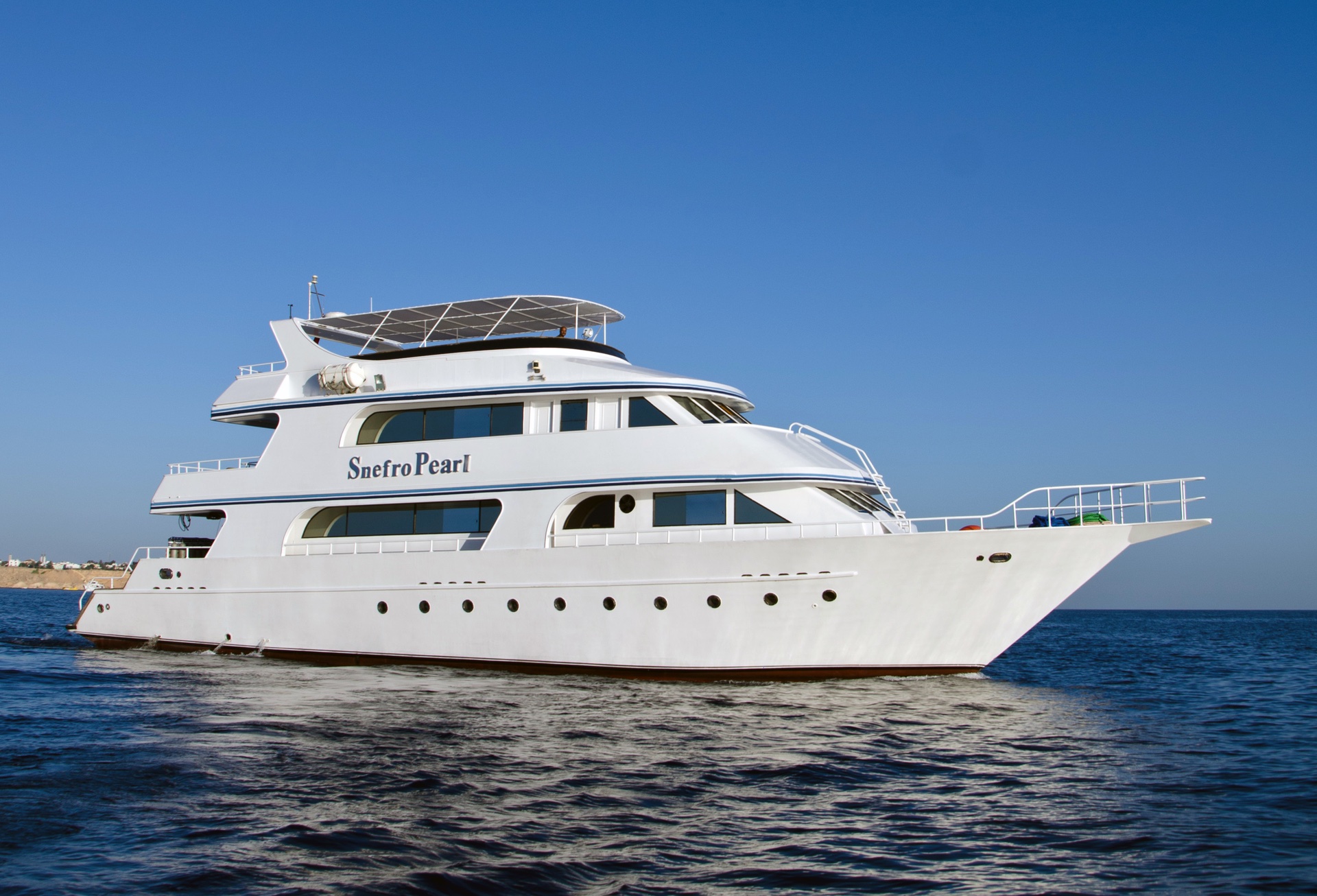
Snefro Pearl
Egypt
12 guests
$150/day
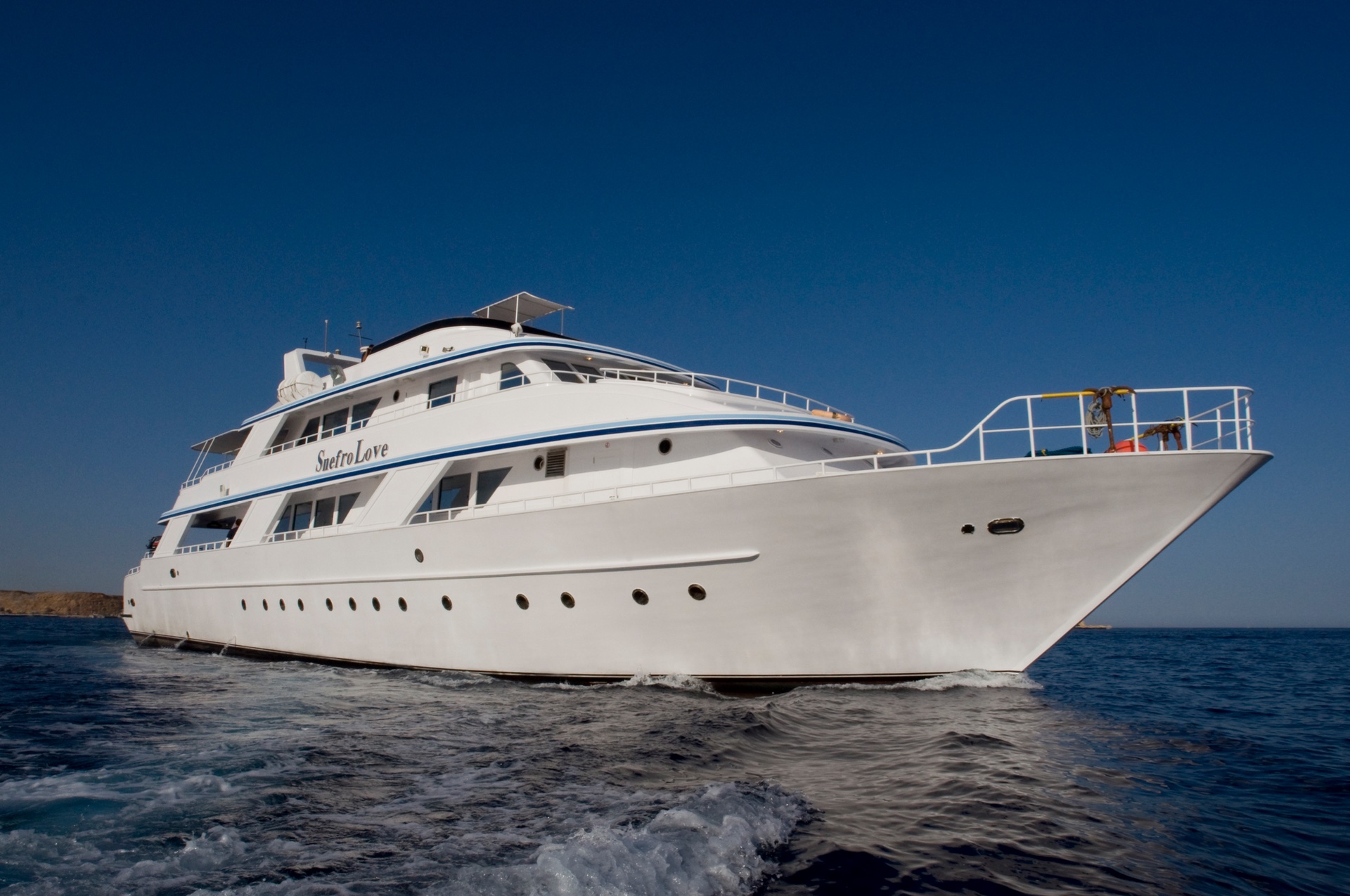
Snefro Love
Egypt
20 guests
$154/day
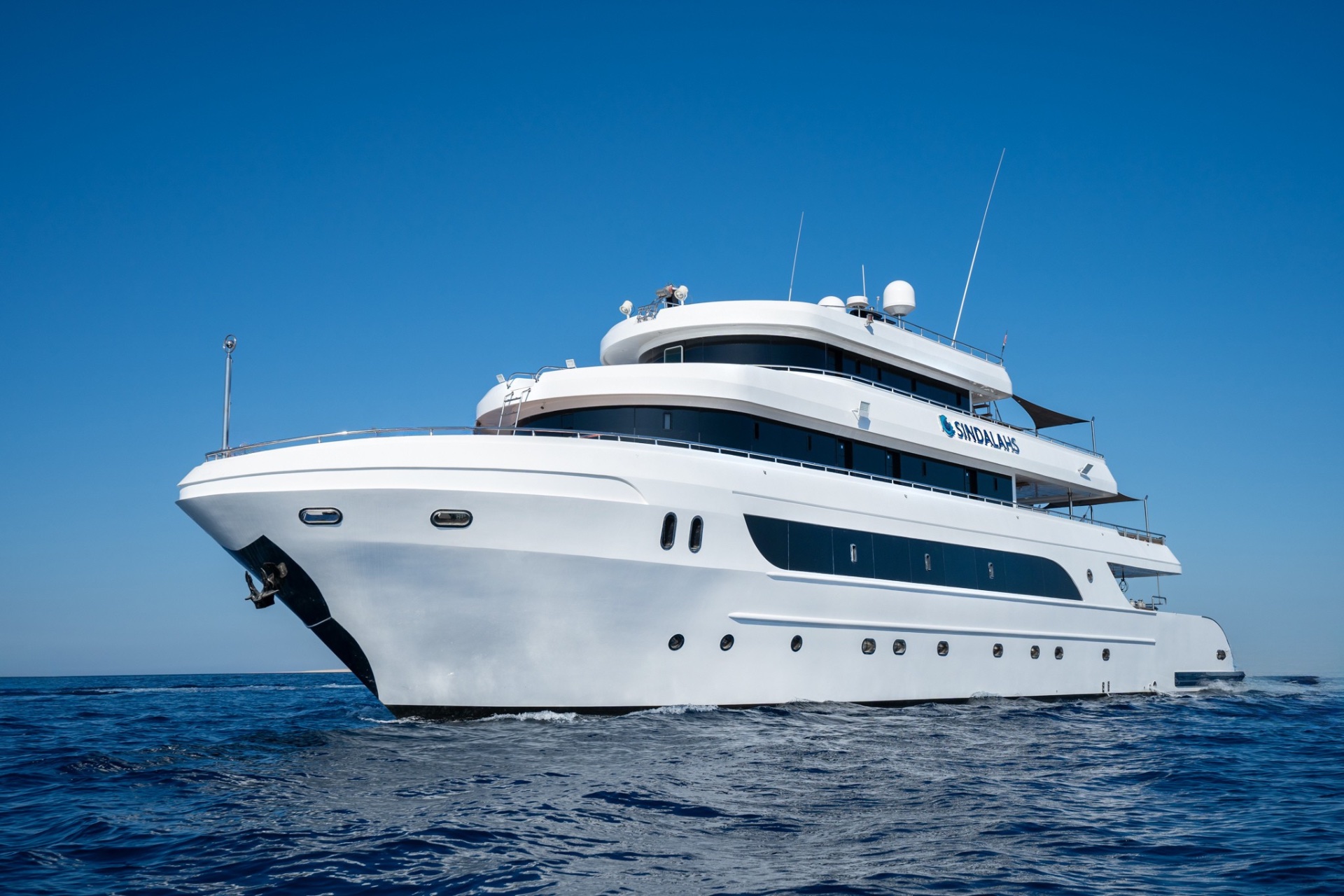
Sindalahs
Egypt
26 guests38 m
$155/day
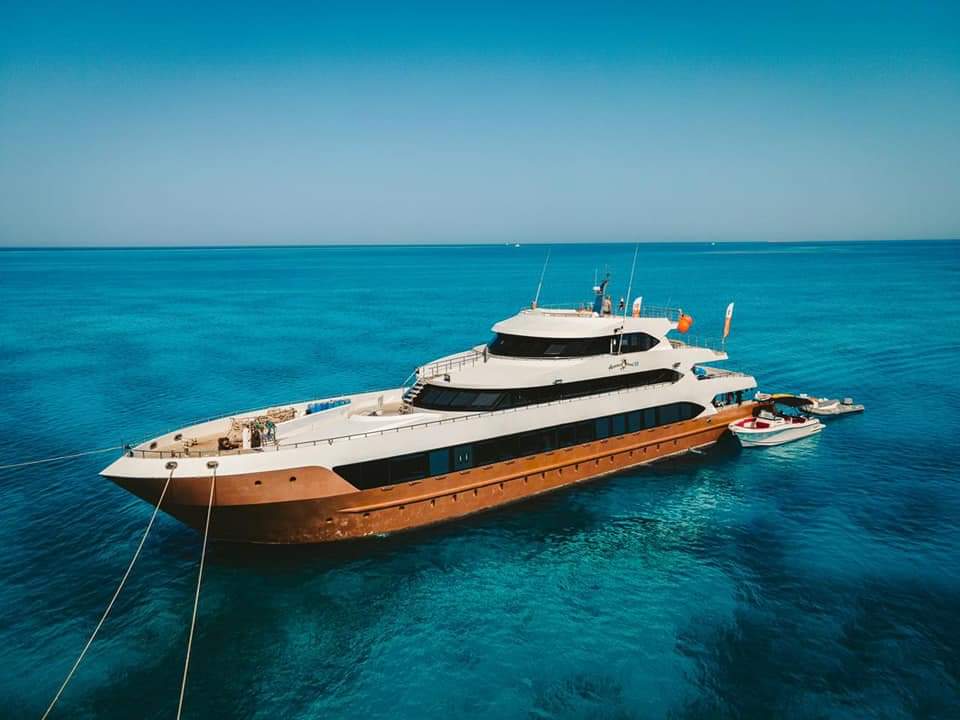
Hammerhead II
Egypt
20 guests
$173/day
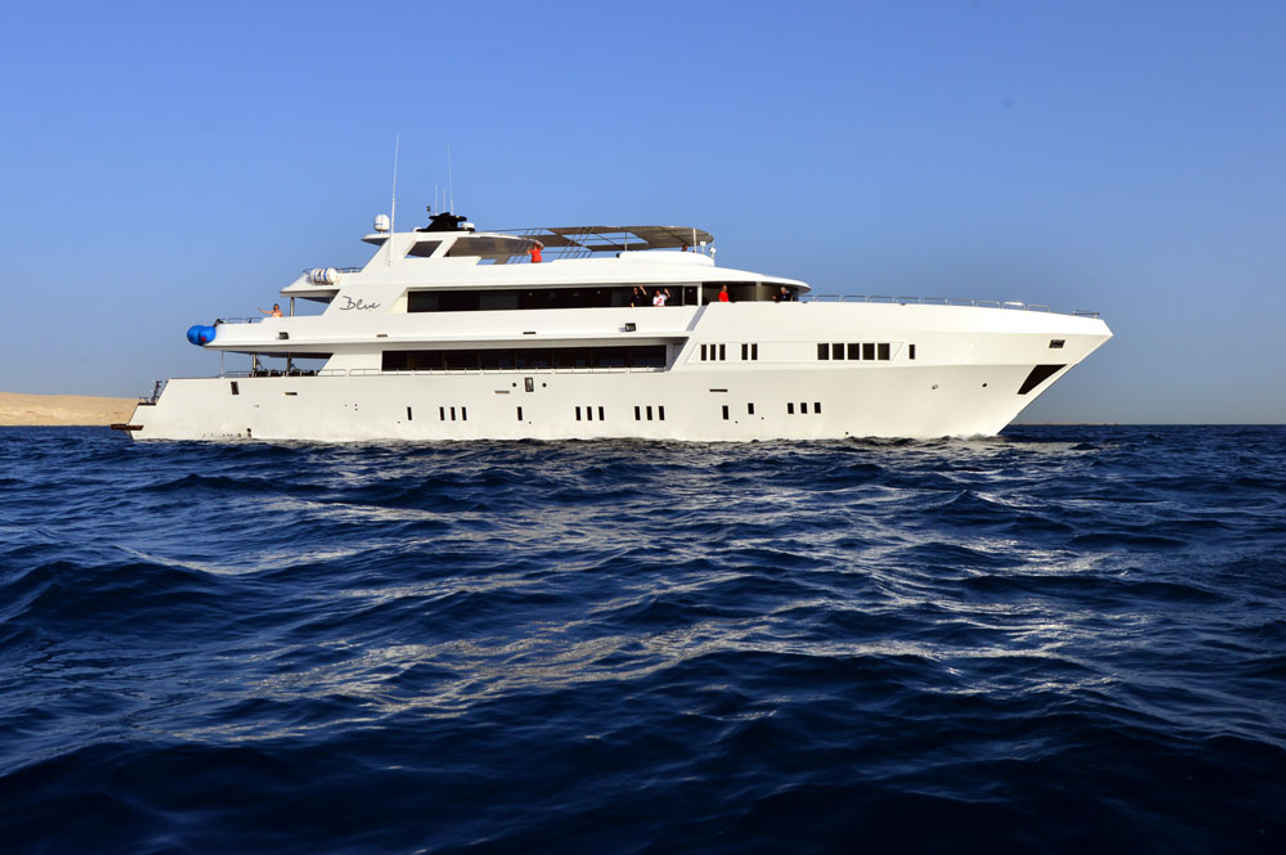
Blue Liveaboard
Egypt
24 guests43 m
$173/day
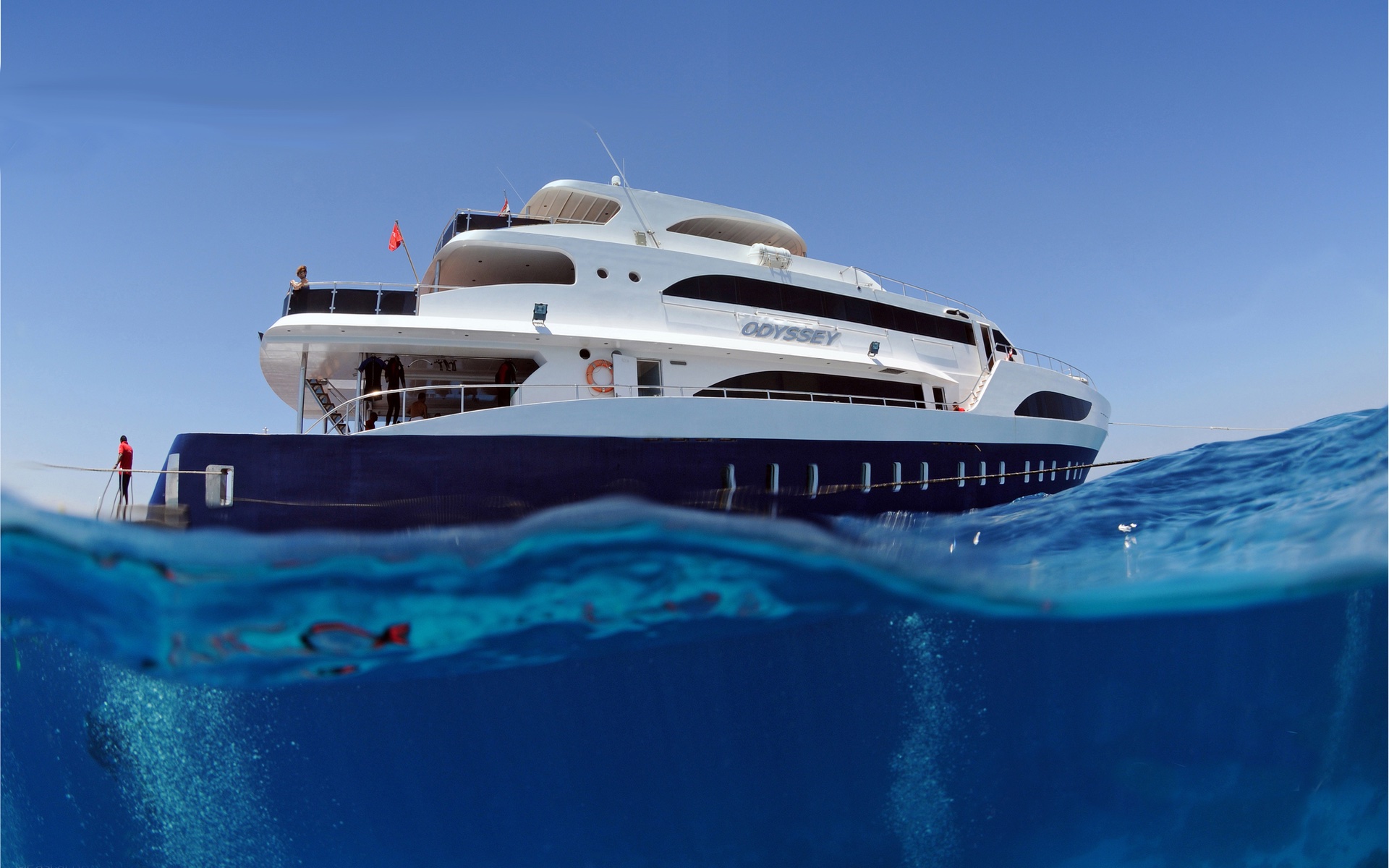
Odyssey
Egypt
26 guests40 m
$185/day
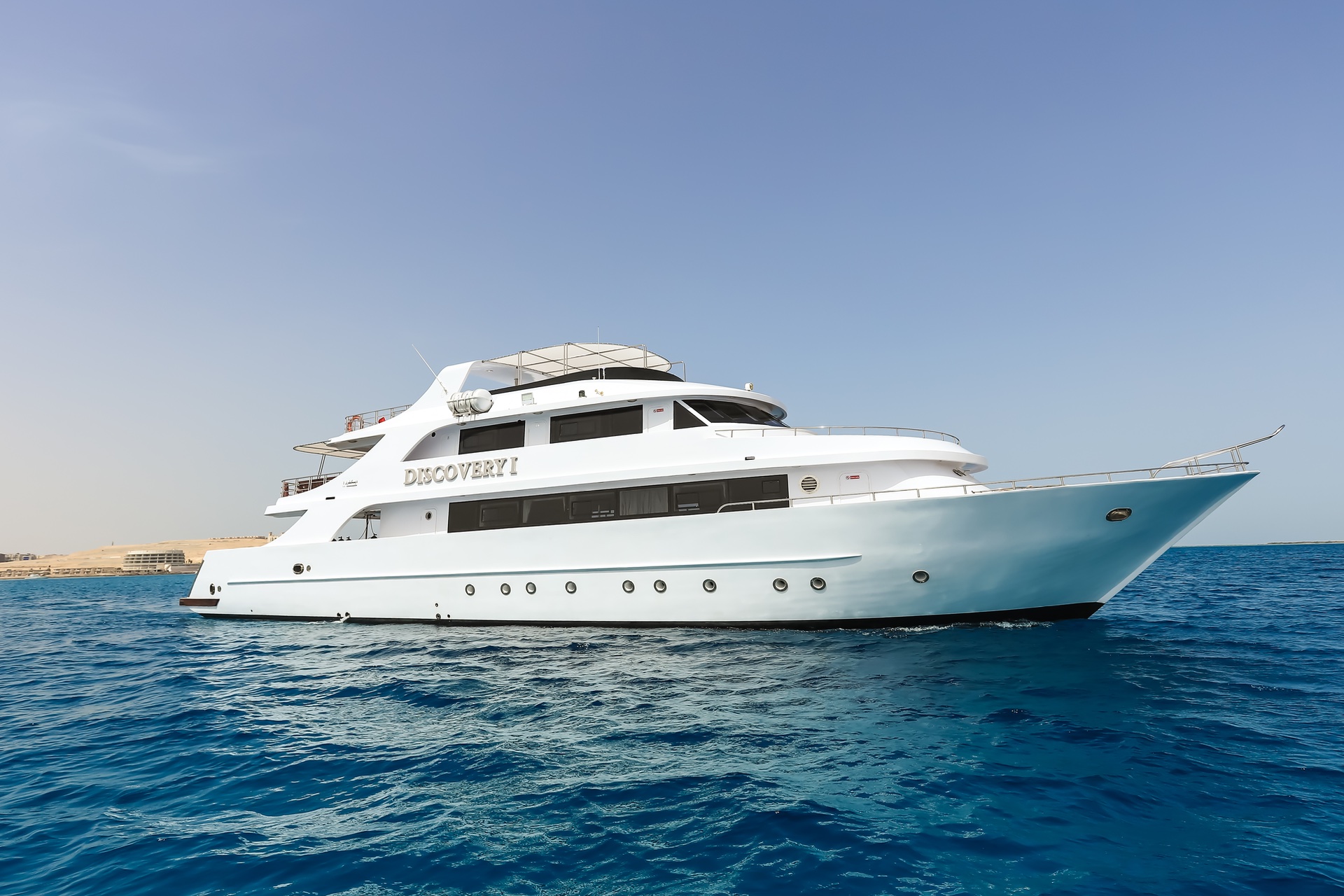
Discovery I
Egypt
20 guests
$97/day
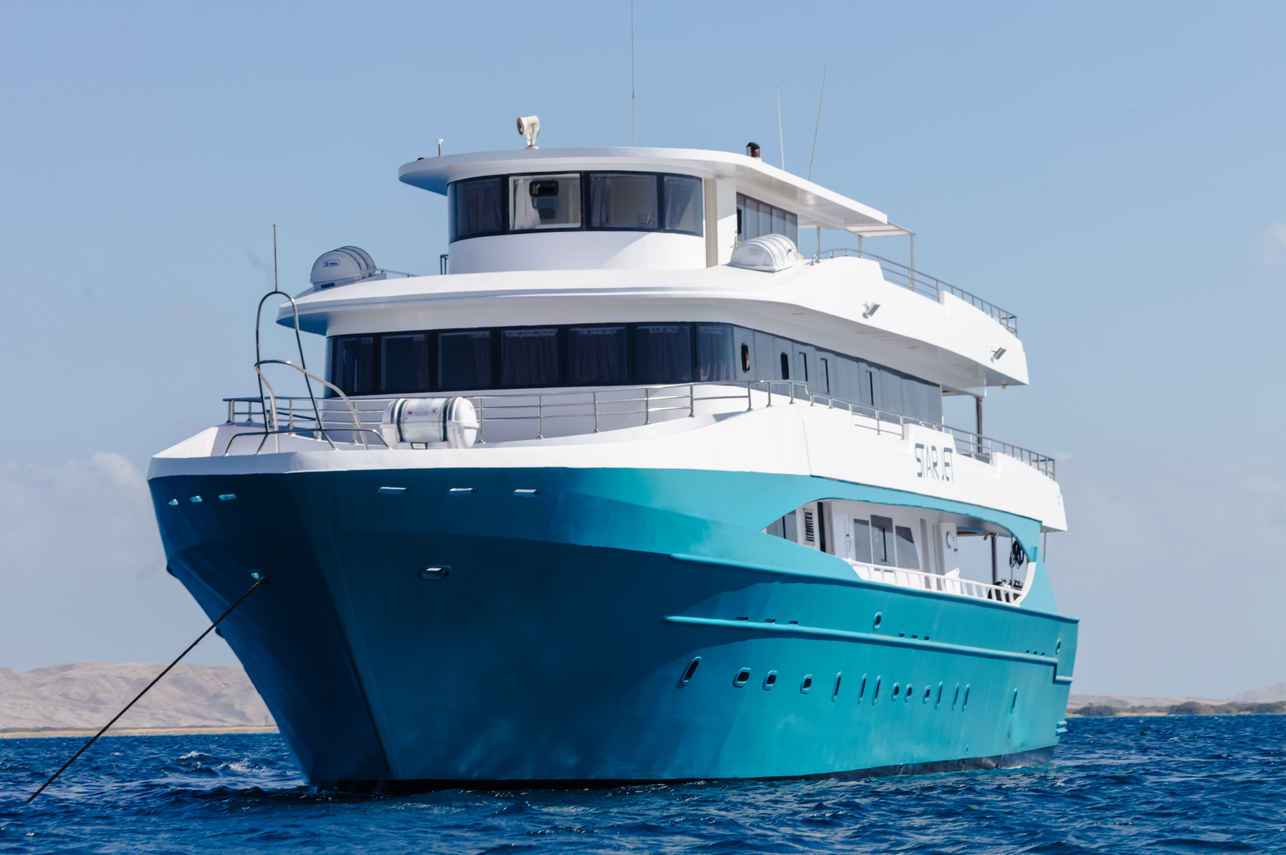
Star Jet
Egypt
28 guests35 m
$145/day
SS Serena Dreams
Egypt
18 guests33 m
$159/day
Amelie
Egypt
12 guests23 m
$115/day
Dive sites similar to The Dunraven
Same character, same waters — six more sites divers love for the exact same reasons.Compare seasons, access and liveaboard routes — then pick the site that fits your trip best.
The Lara
Egypt
The Lara is the remnant of a 137-meter cargo vessel that became stranded on the northern edge of Jackson Reef in 1982. Initially, the ship rested intact on the reef, but it was…
- Suitable for
- Advanced
- Current
- Strong
- Access
- Liveaboard only
- Depth
- 45–55 m
- Theme
- Wreck
Big Brother
Egypt
Big Brother Island, a prominent pinnacle in the southern Red Sea, rises from significant depths approximately 60 miles off the Egyptian coast near El-Quseir.
- Suitable for
- Advanced
- Current
- Strong
- Access
- Liveaboard only
- Depth
- 8–85 m
- Theme
- Drift / Wreck
SS Thistlegorm
Egypt
The SS Thistlegorm is one of the world's most renowned shipwrecks, a British cargo vessel sunk during World War II. It lies in the Strait of Gubal, a narrow passage connecting the…
- Suitable for
- Advanced
- Current
- Strong
- Access
- Liveaboard or dayboat
- Depth
- 18–30 m
- Theme
- Wreck
Giannis D
Egypt
The Giannis D, a Greek cargo ship, sank in April 1983 after running aground on the northwestern corner of Sha'ab Abu Nuhas, a prominent reef known as the "ship graveyard" in the Strait of Gubal.
- Suitable for
- Advanced
- Current
- Moderate
- Access
- Liveaboard or dayboat
- Depth
- 6–27 m
- Theme
- Wreck / Reef
Mohamed Hasabella
Egypt
The Mohamed Hasabella is the wreck of a fishing boat located in the waters off Hurghada, Egypt.
- Suitable for
- Advanced
- Current
- Moderate
- Access
- Dayboat
- Depth
- 25–33 m
- Theme
- Wreck
The Khanka, often called the “Russian Wreck,” is believed to be a Russian spy ship, specifically a MOMA (Project 861M) Class vessel with an “SSV” (Sudno Svyazyy, or communications vessel) designation on its hull.
- Suitable for
- Intermediate
- Current
- Moderate
- Access
- Liveaboard only
- Depth
- ≤ 24 m
- Theme
- Wreck