About Secret Bay (Gilimanuk)
Secret Bay, affectionately known as Secret Bay Gilimanuk, is a premier macro diving destination located at Bali's far western tip, near the ferry terminal connecting Bali with Java. This site stands out for its unique ecological conditions, as cold, clear water from the deep channel between Bali and Java is pushed into the bay with rising tides, bringing a rich supply of nutrients, planktonic eggs, and larvae. This constant influx of sustenance supports an astonishing diversity of rare and unusual marine life, making it a haven for underwater photographers and muck diving enthusiasts. The bay is predominantly shallow, ranging from 1 to 10 meters, with a sandy and silty bottom. This terrain is dotted with algae, debris, and coral fragments, creating ideal hiding spots for elusive critters. The topography also includes small ridges, depressions, undulations, and extensive eelgrass beds, offering varied habitats. A small wooden boat wreck near the shore adds another point of interest. Secret Bay is renowned for its incredible macrofauna, including seahorses, various species of frogfish (painted, striated, hairy), ghost pipefish (robust and harlequin), juvenile cuttlefish, sea moths, dragonets, and numerous nudibranchs. You can also spot Banggai cardinalfish, Ambon scorpionfish, and a variety of gobies and juvenile fish. The site acts as a massive nursery for larval fish, contributing to the rich biodiversity. Diving here typically involves a shore entry. The waters are generally calm, but strong tidal currents outside the bay contribute to the unique environment. Dive times can be extended, often ranging from 75 to 120 minutes, as spotting the tiny marine marvels requires a slow, meticulous approach. It is primarily a muck diving playground, attracting divers who appreciate the small and unusual over large pelagics.
Highlights
Rare macro crittersFrogfishGhost pipefishSeahorsesJuvenile cuttlefishBanggai cardinalfishSandy and silty bottomUnderwater scavenger hunt
Season calendar
Best months to dive here
Jan
Feb
Mar
Apr
May
Jun
Jul
Aug
Sep
Oct
Nov
Dec
Excellent
Good
Apr – Oct (Apr–Nov)
The dry season brings calm seas, 25–30m+ visibility, and strong currents that attract mantas, sharks, and pelagics to Komodo. Alor offers pristine reef diving with 20–40m visibility. Bali's Nusa Penida delivers Mola Mola encounters from July to October. Water temperatures range from 24–28°C — a 3mm or 5mm wetsuit is recommended.
Nov – Mar (Oct–Apr)
Raja Ampat peaks during the wet season with calmer seas, plankton-rich waters attracting manta rays, and excellent biodiversity. Water is a warm 28–30°C with 15–25m visibility. The Banda Sea opens its rare expedition window from September to December, with hammerhead sharks and pristine seamounts. Lembeh Strait offers world-class muck diving year-round. A 3mm wetsuit is sufficient.
Dive site facts: Secret Bay (Gilimanuk)
- Depth
- 3–12 m
- Typical dive
- 5–12 m, 60+ min
- Current
- Mild
- Visibility
- 5–15 m
- Water temperature
- 20–25°C
- Entry
- Shore / Small boat
- Level
- Open Water Diver
- Dive type
- Muck, macro, photography
- Night dive
- Possible
- Region / port
- Gilimanuk, Northwest Bali
- Coordinates
- -8.168, 114.437
Conditions & Currents
Secret Bay experiences dynamic tidal currents, which are particularly strong at its entrance. These vigorous currents, driven by a reef just beyond the bay, bring in cold, clear water and a steady supply of nutrients, contributing to the site's rich ecosystem. While the bay itself can have calm waters, divers should be aware of the stronger currents in the surrounding areas. The water temperature is typically cooler, ranging from 20-25°C (68-77°F), necessitating a 5mm wetsuit for comfort. Entry is usually from the shore, and dives often last between 75 and 120 minutes, allowing ample time for macro critter hunting. Visibility can be affected by the silty bottom and plankton, so divers should be prepared for varying conditions, which tend to be better during the dry season. This site is suitable for divers focused on slow-paced observation and photography.
Marine life & sighting chances

Frogfish
common
Ghost Pipefish
common
Seahorses
common
Juvenile Cuttlefish
common
Nudibranchs
common
Mandarin fish
occasional
Ambon Scorpionfish
occasional
Mimic Octopus
occasional
Dragonets
occasional
Snake eels
occasionalDive profile & how the dive runs
Dives at Secret Bay typically begin with a shore entry or a short ride from a local boat directly into the shallow, calm waters of the bay. The primary focus is slow, meticulous exploration of the sandy and silty bottom, particularly around debris, algae patches, and small coral fragments. Divers maintain a shallow depth, usually between 5-12 meters, allowing for extended bottom times to search for camouflaged macro creatures. The dive proceeds with the divemaster pointing out subjects, often moving slowly along specific contours or areas known for particular species. There is no defined turn point in the traditional sense, as the dive is less about a route and more about discovery within the bay's confines. Safety stops are conducted in the extremely shallow water near the exit point, often after 60 minutes or more of bottom time.
Underwater photography
Secret Bay is an exceptional location for macro underwater photography, making it essential to bring the appropriate setup. A macro lens (e.g., 60mm or 100mm) is highly recommended, as the subjects are often tiny and camouflaged. External strobes are crucial for illuminating subjects and bringing out their colors in the often silty conditions, helping to overcome low visibility. A snoot can be particularly effective for isolating small critters against the busy background. Divers should prioritize excellent buoyancy control to avoid stirring up the silty bottom, which can quickly reduce visibility for everyone. Patience is key; spend time observing a small area, as many creatures are masters of disguise. Respect marine life by avoiding contact and allowing ample space.
Combine with nearby dive sites
Getting there & logistics
Access to Secret Bay (Gilimanuk) typically involves a 3.5-hour drive from Denpasar, Bali's main airport (DPS). Divers usually arrange transfers through dive operators. Given its western location, it is often combined with other dive sites in Northwest Bali, such as Menjangan Island, rather than sites in the east or south due to travel times. Dive packages often include accommodation in nearby Pemuteran or Gilimanuk. Day trips are common, but staying closer allows for multiple dives at the site. No specific permits are mentioned for diving Secret Bay itself, but Bali Barat National Park, which Menjangan is part of, may have fees if combined in an itinerary. Liveaboards rarely visit this specific site, as its shallow nature and specific appeal make it better suited for land-based operations and dedicated muck diving trips.
Safety & environment
While Secret Bay's calm conditions reduce many common dive risks, specific safety considerations remain. The water temperature can be cooler (20-25°C) than other Balinese sites, necessitating a 5mm wetsuit to prevent hypothermia during longer dives. Visibility can be reduced due to the silty bottom, requiring divers to stay close to their guides and maintain situational awareness. Excellent buoyancy control is paramount to avoid stirring up sediment, which can quickly obscure vision for all divers. The nearest recompression chamber is located in Denpasar, approximately 3.5 hours away, highlighting the importance of conservative dive planning and appropriate insurance that covers medical evacuation. Divers should carry valid dive insurance and adhere strictly to divemaster instructions, especially regarding interaction with marine life in this delicate ecosystem.
Who it suits — and who it doesn't
Suited for
- Macro photography enthusiasts
- Muck diving lovers
- Divers seeking unique critters
- Beginner divers looking for calm conditions
- Those who enjoy slow-paced, observational diving
Less suited for
- Divers primarily interested in large pelagics
- Those seeking vibrant coral reefs or dramatic walls
- Divers who dislike cooler water temperatures
- Anyone expecting consistently high visibility
- Divers looking for fast-paced drift dives
FAQ
Secret Bay (Gilimanuk) FAQ
What kind of marine life can I expect to see at Secret Bay?
Secret Bay is a renowned muck diving site, famous for its unusual and camouflaged macro critters. You can expect to find frogfish, ghost pipefish, various species of seahorses, juvenile cuttlefish, and a wide array of nudibranchs. Patience and a good dive guide often reveal creatures like Ambon scorpionfish, mimic octopuses, and dragonets.
What are the typical dive conditions at Secret Bay?
The dive conditions at Secret Bay are generally calm with minimal currents, making it suitable for all levels of divers. The water is shallow, typically between 3-12 meters. However, the water temperature can be cooler than other Bali sites, ranging from 20-25°C, so a 5mm wetsuit is advisable. Visibility can vary, often ranging from 5-15 meters, and can be reduced if the silty bottom is disturbed.
Is Secret Bay suitable for underwater photography?
Secret Bay is considered a paradise for macro underwater photography. Its abundance of rare and unique small critters makes it ideal for photographers looking for unusual subjects. Bringing a macro lens and external strobes is highly recommended to capture the intricate details and colors of the camouflaged marine life.
How do I get to Secret Bay (Gilimanuk)?
Secret Bay is located near Gilimanuk, on the western tip of Bali. It typically requires a drive of approximately 3.5 hours from Denpasar, where the main international airport is situated. Most divers arrange transfers with their dive operators or resorts, often combining it with other dive sites in the northwest region of Bali.
What equipment is recommended for diving Secret Bay?
Due to the cooler water temperatures (20-25°C), a 5mm wetsuit is often recommended for comfort during longer dives. For photography, a macro lens and external strobes are essential to capture the small, camouflaged subjects. Good buoyancy control is always important to avoid stirring up the silty bottom and reducing visibility.
Why dive Secret Bay (Gilimanuk) from a liveaboard?
Secret Bay (Gilimanuk) is one of Bali's signature dive sites. A liveaboard sleeps you on the water and puts you in the water for three to four guided dives per day, including dawn and night dives that day-boat operators rarely offer. You skip the daily commute back to port and reach quieter, less-crowded sites in the same region on a single trip.
Below are the liveaboards that include Secret Bay (Gilimanuk) on their Bali itineraries.
Liveaboards diving Secret Bay (Gilimanuk)
These liveaboards may visit Secret Bay (Gilimanuk) on selected itineraries — the exact dive sites depend on departure, weather and conditions.
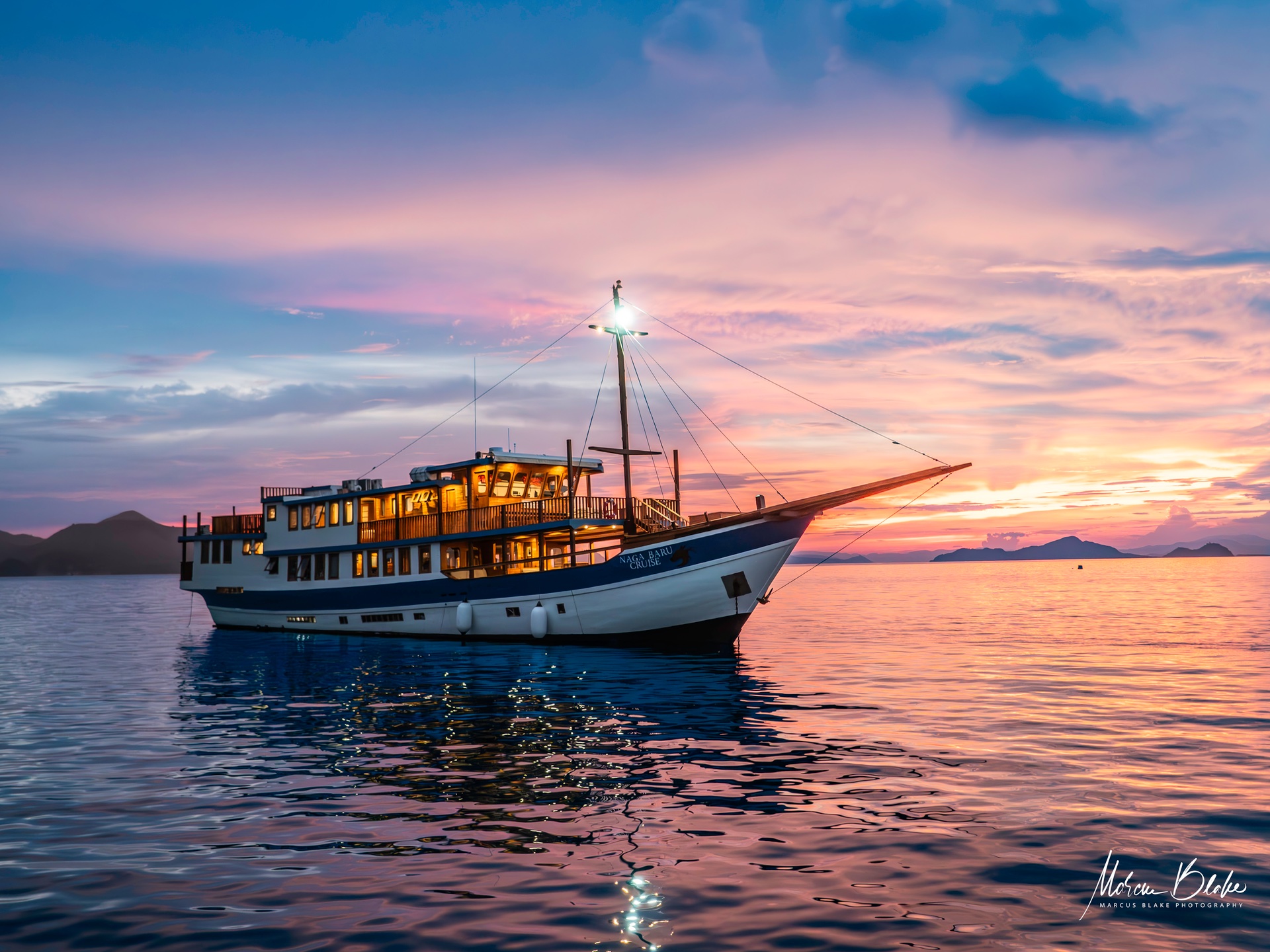
Naga Biru
Indonesia
12 guests40 m
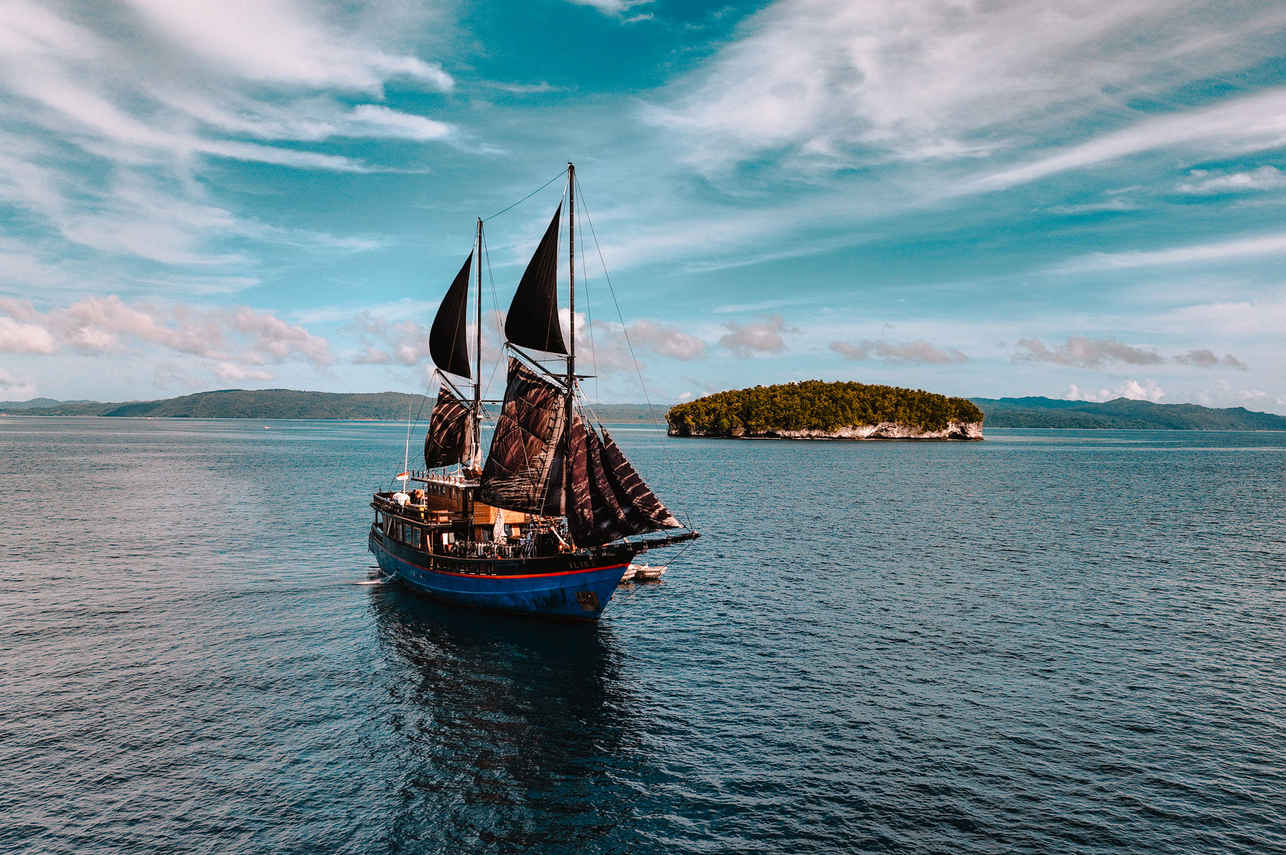
Ilike
Indonesia
16 guests40 m
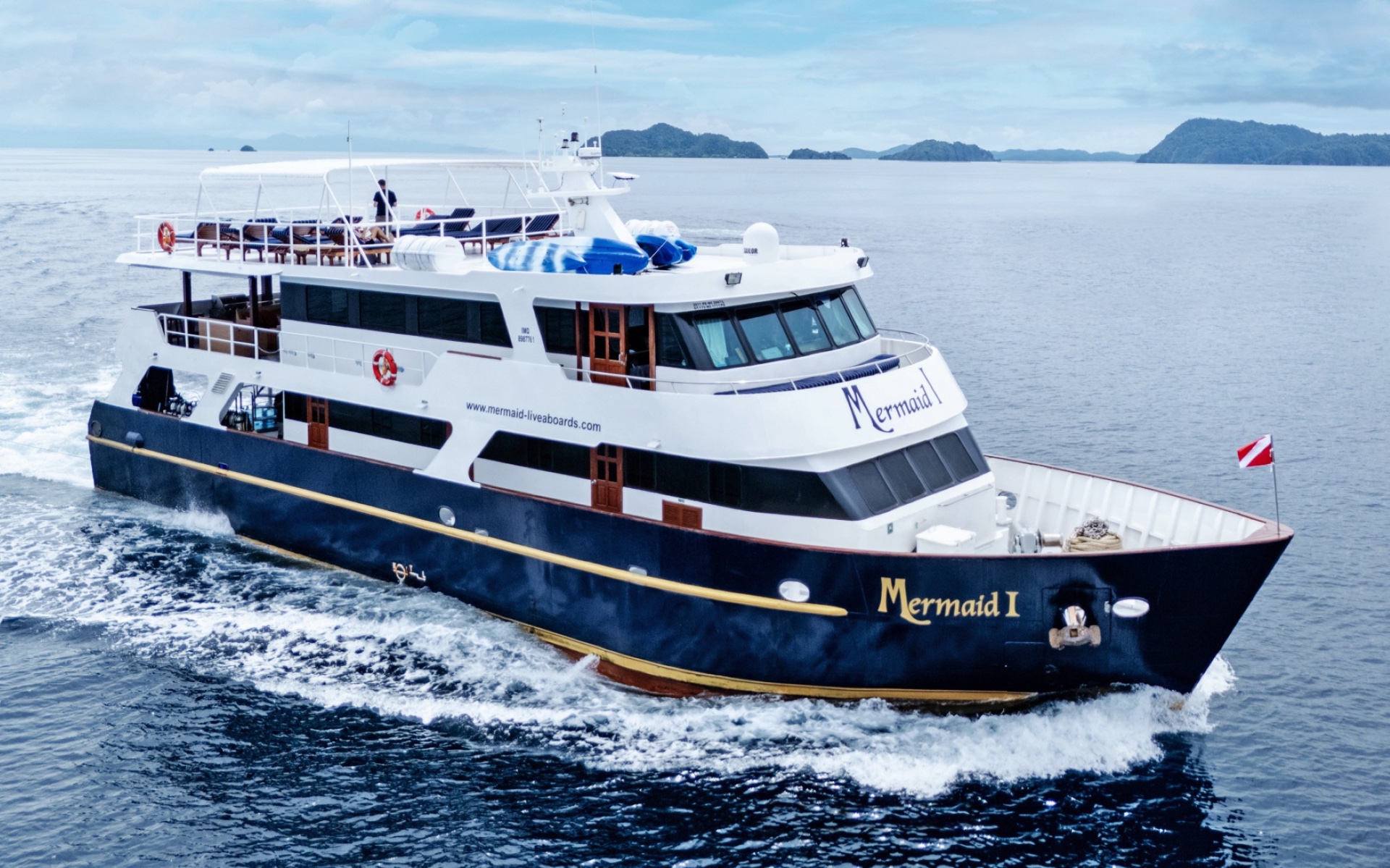
Mermaid I
Alor
15 guests28 m
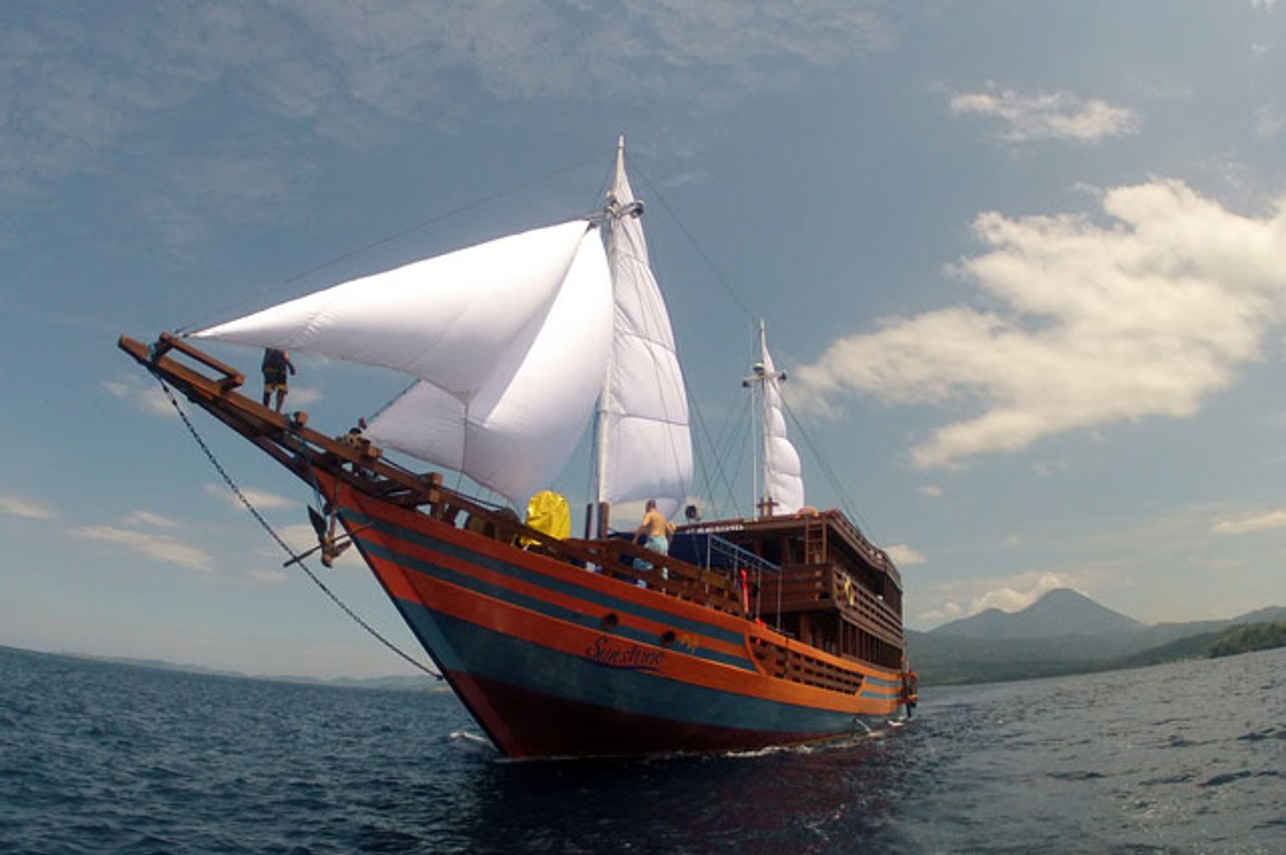
Sunshine Liveaboard
Indonesia
10 guests31 m
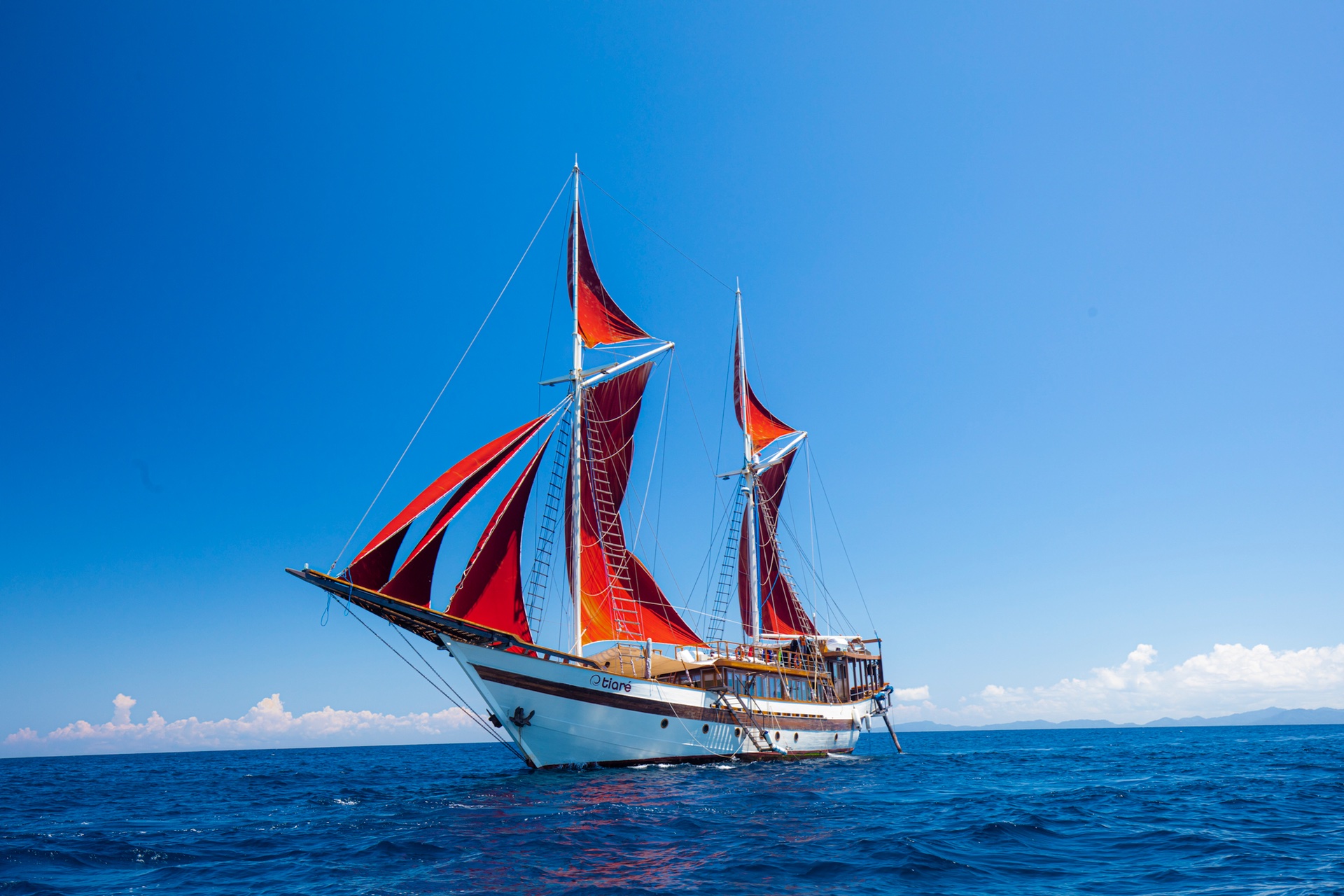
Tiare Cruise
Indonesia
12 guests37 m
Dive sites similar to Secret Bay (Gilimanuk)
Same character, same waters — six more sites divers love for the exact same reasons.Compare seasons, access and liveaboard routes — then pick the site that fits your trip best.
Abila is a notable dive site located within the Alor Islands Marine Park, an area celebrated for its rich marine biodiversity due to its position in the Coral Triangle.
- Suitable for
- Beginner
- Current
- Mild
- Access
- Liveaboard only
- Depth
- —
- Theme
- Reef
© Esri — Maxar, Earthstar, GIS
Adonara Channel
Alor
Adonara Channel stands as one of Alor's most iconic dive sites, celebrated for its dynamic currents and exceptionally rich biodiversity.
- Suitable for
- Advanced
- Current
- Strong
- Access
- Liveaboard or dayboat
- Depth
- 10–40 m
- Theme
- Drift / Wall
© Esri — Maxar, Earthstar, GIS
Adonara Wall
Indonesia
Adonara is an Indonesian island dive site, renowned for its vibrant underwater topography characterized by submerged seamounts.
- Suitable for
- Intermediate
- Current
- Strong
- Access
- Liveaboard or dayboat
- Depth
- 5–35 m
- Theme
- Seamount / Wall
© Esri — Maxar, Earthstar, GIS
Agnay Fish Sanctuary
Philippines
Agnay Fish Sanctuary is nestled in a sheltered bay near the village of Agnay in Romblon, a province celebrated for its rich marine biodiversity.
- Suitable for
- Beginner
- Current
- Mild
- Access
- Dayboat
- Depth
- 9–18 m
- Theme
- Reef
© Esri — Maxar, Earthstar, GIS
Ai Island Reef
Banda Sea
Ai Island Reef, nestled within the Banda Sea, offers a remarkable diving experience characterized by its rich marine biodiversity and varied underwater topography.
- Suitable for
- Beginner
- Current
- Strong
- Access
- Liveaboard only
- Depth
- 3–30 m
- Theme
- Reef / Seamount
© Esri — Maxar, Earthstar, GIS
Akitsushima
Philippines
The Akitsushima is a distinguished World War II Japanese seaplane tender, sunk in September 1944 during an American air raid in Coron Bay, Palawan.
- Suitable for
- Advanced
- Current
- Strong
- Access
- Dayboat
- Depth
- 22–38 m
- Theme
- Wreck