About Tanjung Sari
Tanjung Sari marks the southern boundary of Padang Bai's Blue Lagoon, providing a distinctive dive site characterized by a protruding reef top and unusual volcanic rock formations. This site slopes gently to about 30 meters, where it meets a sandy bottom, serving as a dynamic habitat for a variety of marine life. Its exposed position to tidal currents makes it a prime location for observing large schools of fish and pelagic species. The topography transitions from shallow reef outcrops to a deeper sandy slope, offering diverse environments for exploration. The site is particularly known for its strong currents, which, while challenging, are responsible for attracting bigger fish and creating an active underwater scene. Divers can expect to navigate through these currents, especially around the cape separating Blue Lagoon from the Padang Bai harbor. Marine life at Tanjung Sari includes reef sharks patrolling the area, alongside eagle rays, Napoleon wrasse, and tuna. During the cooler dry season, from May to September, Wobbegong sharks are occasionally sighted. The rock and coral structures provide refuge for moray eels, lobsters, and octopuses. The site also offers the unique possibility of encountering the elusive Mola Mola during its season. After exploring the deeper sections, divers often ascend to the reef shallows. The return journey towards Blue Lagoon is facilitated by a labyrinth of rocky channels, offering protection from the currents and a chance to observe smaller reef inhabitants in a calmer environment. This blend of thrilling currents and rich biodiversity makes Tanjung Sari a highly rewarding dive for experienced divers.
Highlights
Volcanic rock formationsSchooling fish encountersReef shark sightingsEagle rays and tunaSeasonal Mola MolaWobbegong shark presenceRocky channel navigationDynamic current diving
Season calendar
Best months to dive here
Jan
Feb
Mar
Apr
May
Jun
Jul
Aug
Sep
Oct
Nov
Dec
Excellent
Good
Apr – Oct (Apr–Nov)
The dry season brings calm seas, 25–30m+ visibility, and strong currents that attract mantas, sharks, and pelagics to Komodo. Alor offers pristine reef diving with 20–40m visibility. Bali's Nusa Penida delivers Mola Mola encounters from July to October. Water temperatures range from 24–28°C — a 3mm or 5mm wetsuit is recommended.
Nov – Mar (Oct–Apr)
Raja Ampat peaks during the wet season with calmer seas, plankton-rich waters attracting manta rays, and excellent biodiversity. Water is a warm 28–30°C with 15–25m visibility. The Banda Sea opens its rare expedition window from September to December, with hammerhead sharks and pristine seamounts. Lembeh Strait offers world-class muck diving year-round. A 3mm wetsuit is sufficient.
Dive site facts: Tanjung Sari
- Depth
- 5–30 m
- Current
- Mild to strong, tidal
- Visibility
- 10–30 m
- Water temperature
- 26–29°C
- Entry
- Boat
- Level
- Intermediate to advanced
- Dive type
- Reef, drift, pelagic
- Region / port
- Padang Bai, Bali
- Coordinates
- -8.528, 115.514
Conditions & Currents
Tanjung Sari is notably exposed to tidal currents due to its location at a cape, leading to mild to moderate conditions that can become strong. These currents are a key factor in attracting schooling fish and pelagic species, but require divers to be mindful of their position and gas consumption. While conditions can be suitable for beginners, the more challenging currents often appeal to experienced divers. Visibility generally ranges between 10 and 30 meters, with better conditions during the dry season. Water temperatures are typically between 26°C and 29°C, though they can be cooler during the Mola Mola season.
Marine life & sighting chances

Moray eel
common
Octopus
common
Lobster
common
Reef shark
occasional
Eagle ray
occasional
Napoleon wrasse
occasional
Tuna
occasional
Wobbegong shark
May to September · occasional
Mola Mola (Oceanic Sunfish)
July to October · rareDive profile & how the dive runs
Diving at Tanjung Sari typically begins by boat, arriving directly over the reef. Divers descend onto the protruding reef top, characterized by volcanic rock formations. The dive progresses along this structure as it slopes gently down to a sandy bottom at around 30 meters. Due to the exposed nature of the cape, divers should anticipate and manage mild to strong currents, which often bring in a variety of schooling fish and pelagic species. Exploration involves searching for reef sharks, eagle rays, and potentially Mola Mola, especially in season. After navigating the deeper sections, the ascent leads towards the reef shallows. The return to the Blue Lagoon area is made easier by traversing a series of rocky channels, which offer protection from the main currents and opportunities for a safety stop in calmer, shallower water.
Underwater photography
Tanjung Sari offers excellent opportunities for both wide-angle and macro photography, though managing currents is key. Wide-angle lenses are ideal for capturing the expansive volcanic rock formations and the numerous schooling fish, as well as any pelagic encounters like reef sharks or eagle rays. For macro enthusiasts, the reef provides shelter for moray eels, lobsters, and octopuses tucked into crevices, requiring careful buoyancy control to approach subjects without disturbing them in the surge. During the Mola Mola season, a wide-angle setup is essential to attempt capturing these majestic creatures. Due to variable light conditions at deeper sections or during cloudy weather, an external strobe can enhance color and detail.
Combine with nearby dive sites
- Blue Lagoon Padang Bai
A shallow, protected coral garden perfect for beginners and macro photography, contrasting with Tanjung Sari's currents.
- Jepun (Ferry Channel)
An artificial reef known for macro life and as a good site for new divers, located close to Tanjung Sari.
- Gili Mimpang
A more challenging offshore site known for sharks and potential Mola Mola, suitable for advanced divers.
- Gili Tepekong
Another advanced offshore site with strong currents and possibilities for large marine life, often paired with Gili Mimpang.
Getting there & logistics
Diving at Tanjung Sari usually originates from Padang Bai, a ferry port town located approximately one hour east of Sanur by car. Dive operators based in Sanur often offer day trips, including hotel pickup and drop-off. The dive site is only a few minutes' boat ride from the main beach of Padang Bai. Typical trips include two dives, with surface intervals often spent back at the dive center. Bali's main international airport is Denpasar (DPS). While most dive sites in Bali do not require specific permits beyond standard dive operator fees, it's advisable to confirm details with your chosen dive center. Tanjung Sari is often combined with other Padang Bai sites like Blue Lagoon or Jepun for a varied day of diving.
Safety & environment
Safety at Tanjung Sari requires awareness of the variable and sometimes strong tidal currents; divers should possess experience in current diving and maintain excellent buoyancy. It is imperative to dive with an experienced local guide who understands the site's specific conditions. Emergency oxygen and first aid kits are standard on dive boats, but the nearest recompression chamber is in Denpasar. Divers should ensure they have comprehensive dive insurance covering emergency medical evacuation. Always follow your guide's instructions regarding entry, exit, and dive plan, and do not attempt to dive beyond your certification level or comfort zone. Given its proximity to a working harbor, some boat traffic may be present on the surface.
Who it suits — and who it doesn't
Suited for
- Advanced divers comfortable with currents
- Underwater photographers seeking pelagic and macro subjects
- Divers interested in diverse reef topography
- Those hoping to spot Mola Mola during season
Less suited for
- Beginner divers or those with limited current experience
- Divers uncomfortable with potential challenging conditions
- Individuals seeking completely calm, protected dive sites
FAQ
Tanjung Sari FAQ
What kind of currents can I expect at Tanjung Sari?
Tanjung Sari is known for its mild to strong tidal currents, which can vary during the dive. These currents are a key feature of the site, attracting schooling fish and pelagic species. Divers should be comfortable with current diving and possess good buoyancy control to enjoy the experience safely.
What marine life is commonly seen at Tanjung Sari?
The site is home to common reef inhabitants like moray eels, lobsters, and octopuses. It's also a good spot for larger species such as reef sharks, eagle rays, and Napoleon wrasse. During the dry season, Wobbegong sharks can be found, and Mola Mola sightings are possible from July to October.
Is Tanjung Sari suitable for beginners?
Tanjung Sari is generally recommended for intermediate to advanced divers due to its variable currents. While conditions can sometimes be mild, the site's exposure to tidal movements can lead to challenging situations. Beginners or those new to current diving might find nearby sites like Blue Lagoon Padang Bai more suitable.
How deep is Tanjung Sari?
The dive site features a reef that gently slopes down from shallower sections to a sandy bottom at approximately 30 meters. Divers can explore a range of depths within this profile, making it suitable for both recreational and deeper advanced dives, depending on experience and certification.
Can I see Mola Mola at Tanjung Sari?
Yes, Mola Mola (Oceanic Sunfish) are occasionally sighted at Tanjung Sari, particularly during their season from July to October. While not guaranteed, the upwelling currents that bring cooler, nutrient-rich water during these months increase the chances of encountering these majestic creatures, often in deeper areas.
Why dive Tanjung Sari from a liveaboard?
Tanjung Sari is one of Bali's signature dive sites. A liveaboard sleeps you on the water and puts you in the water for three to four guided dives per day, including dawn and night dives that day-boat operators rarely offer. You skip the daily commute back to port and reach quieter, less-crowded sites in the same region on a single trip.
Below are the liveaboards that include Tanjung Sari on their Bali itineraries.
Liveaboards diving Tanjung Sari
These liveaboards may visit Tanjung Sari on selected itineraries — the exact dive sites depend on departure, weather and conditions.
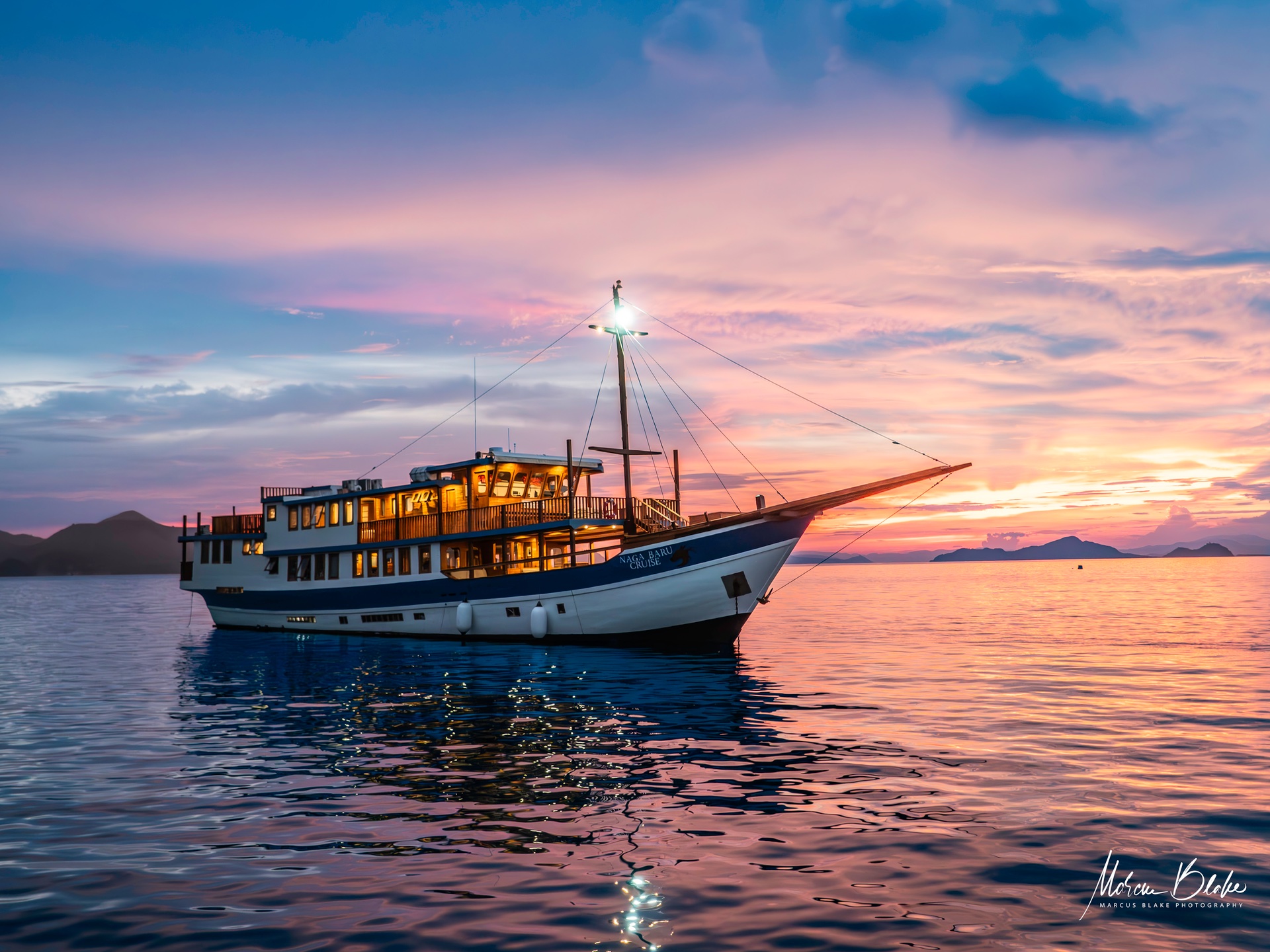
Naga Biru
Indonesia
12 guests40 m
$267/day
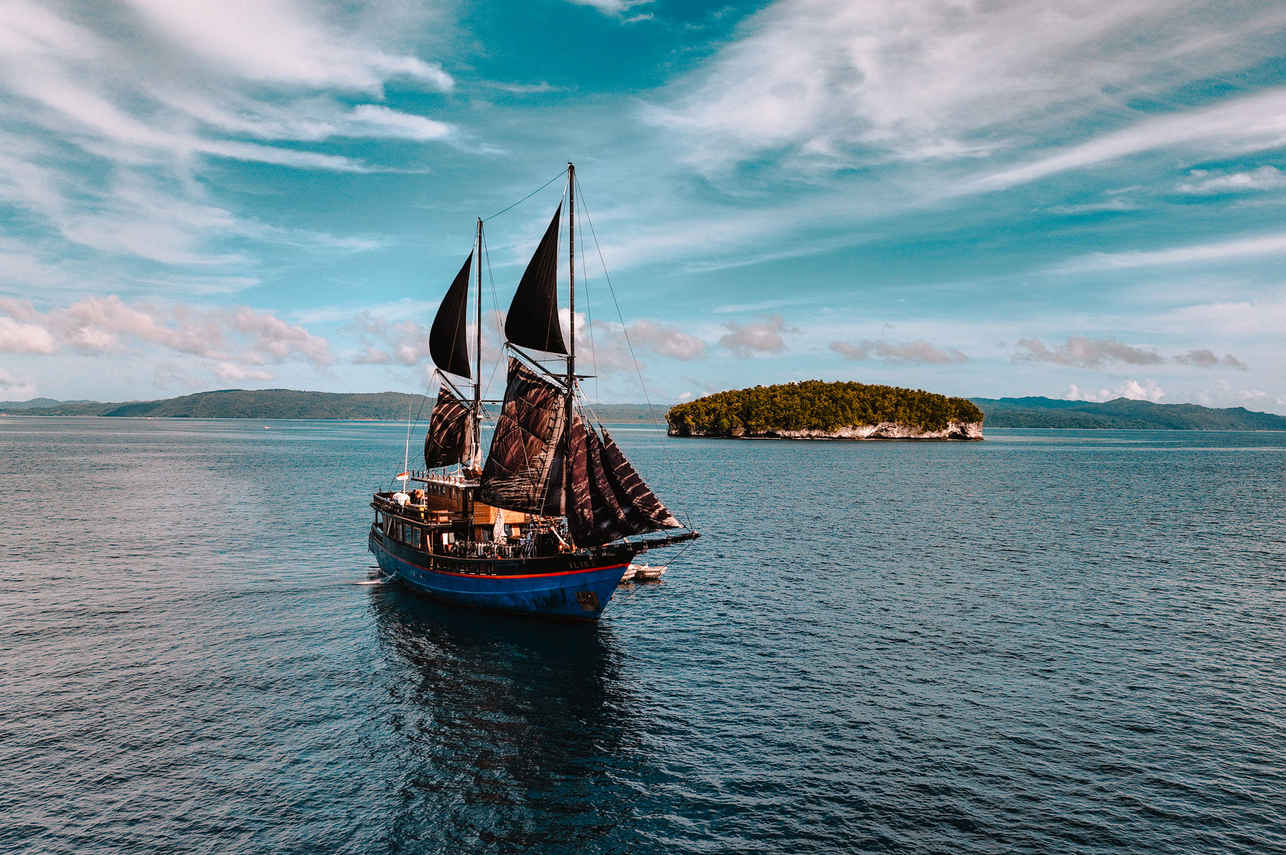
Ilike
Indonesia
16 guests40 m
$367/day
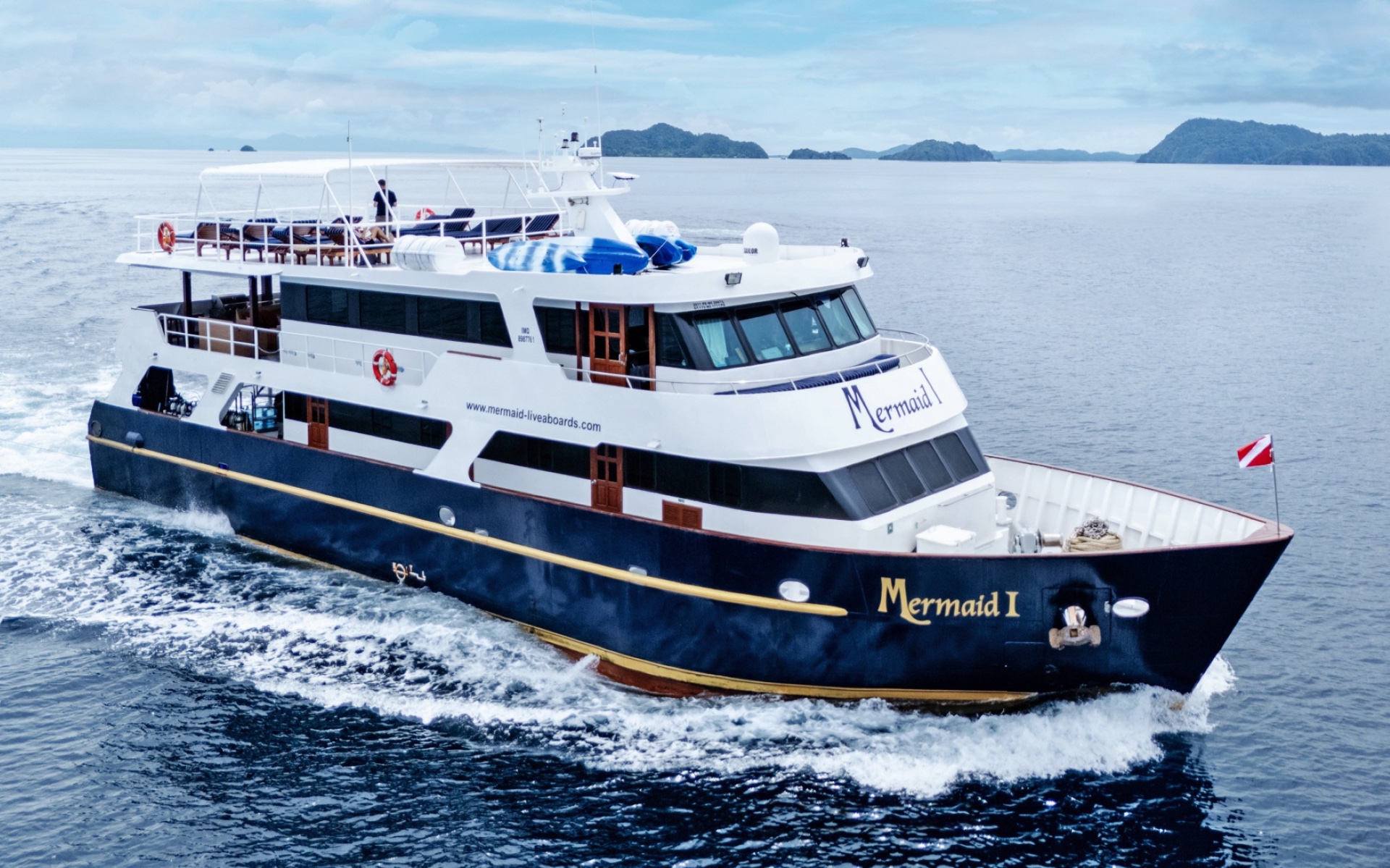
Mermaid I
Alor
15 guests28 m
$468/day
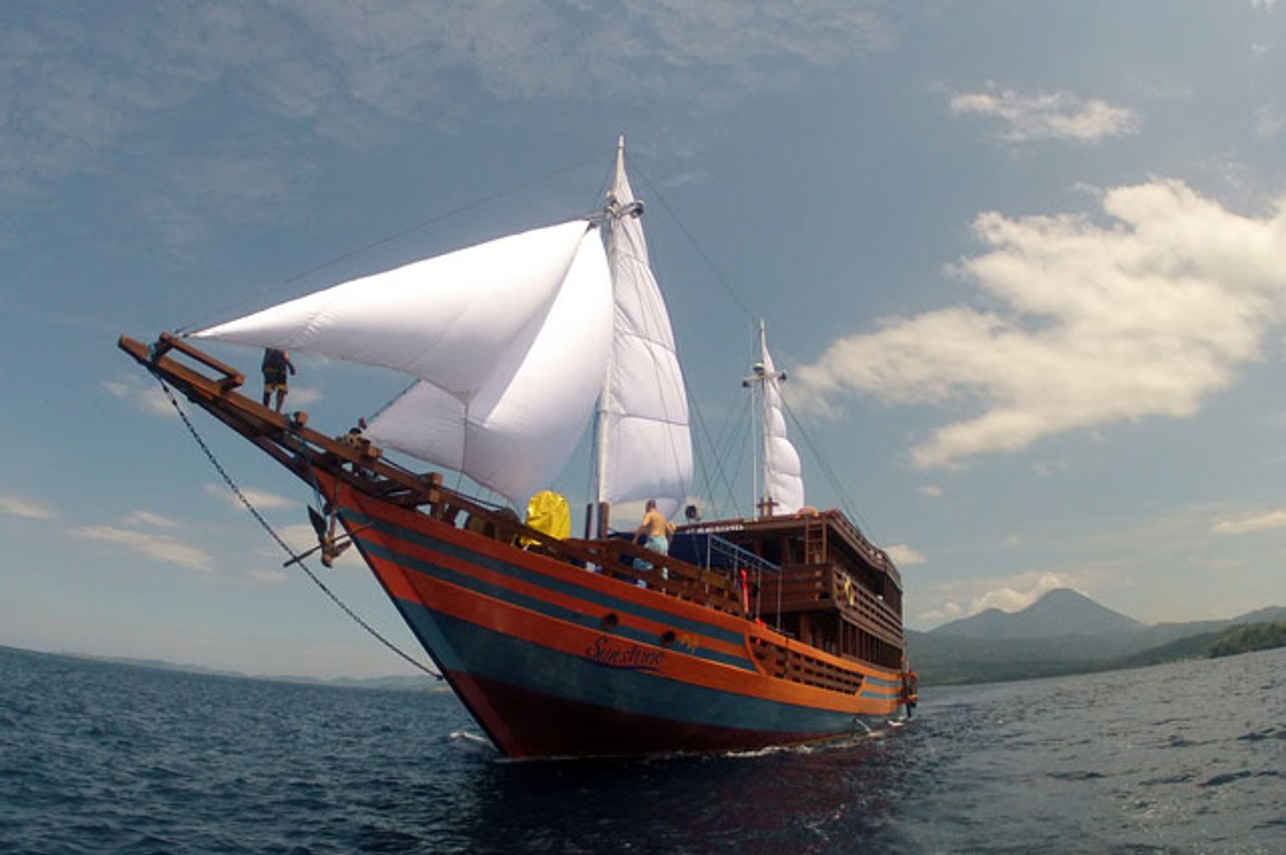
Sunshine Liveaboard
Indonesia
10 guests31 m
$187/day
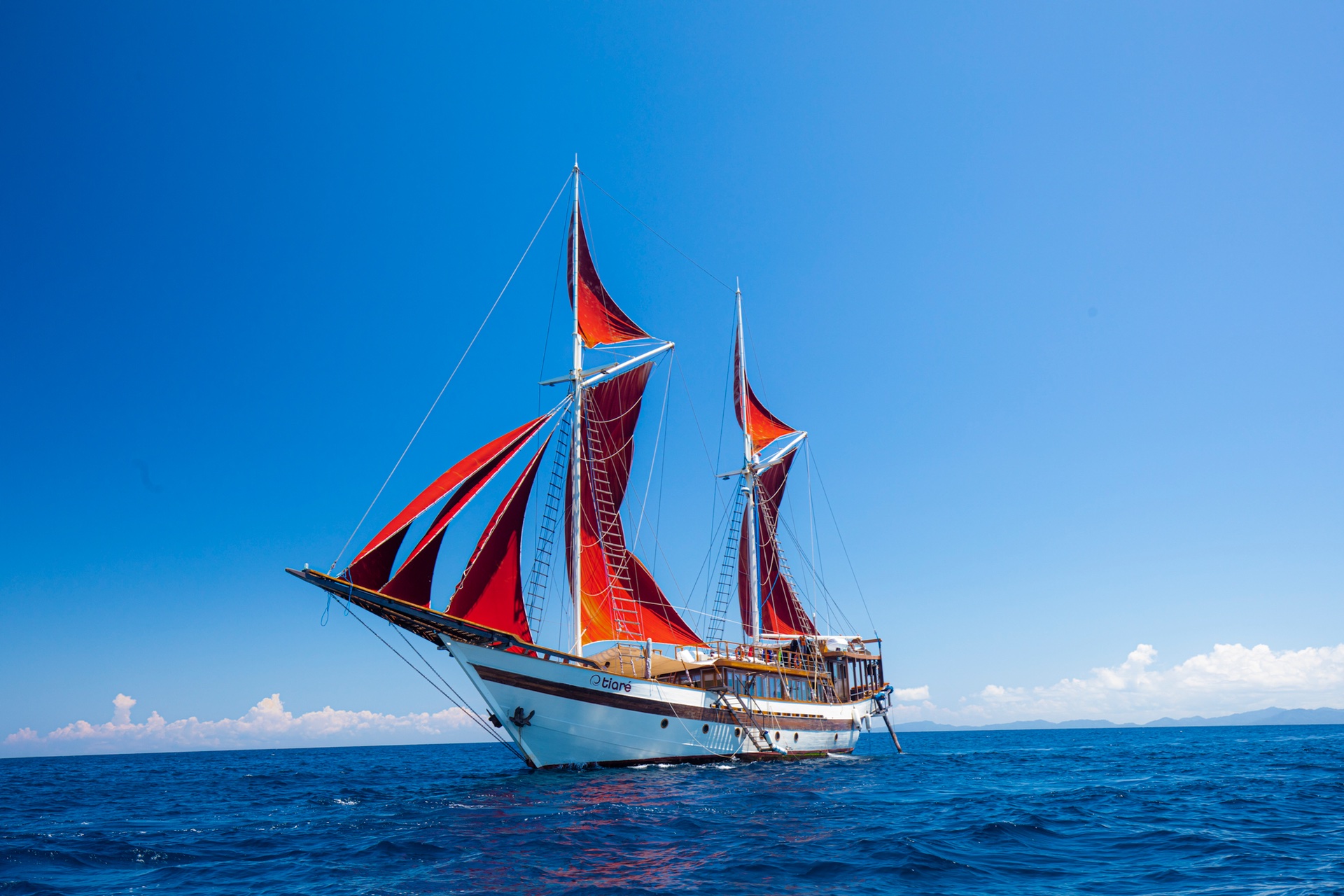
Tiare Cruise
Indonesia
12 guests36.5 m
$488/day
Dive sites similar to Tanjung Sari
Same character, same waters — six more sites divers love for the exact same reasons.Compare seasons, access and liveaboard routes — then pick the site that fits your trip best.
Abila is a notable dive site located within the Alor Islands Marine Park, an area celebrated for its rich marine biodiversity due to its position in the Coral Triangle.
- Suitable for
- Beginner
- Current
- Mild
- Access
- Liveaboard only
- Depth
- —
- Theme
- Reef
© Esri — Maxar, Earthstar, GIS
Adonara Channel
Alor
Adonara Channel stands as one of Alor's most iconic dive sites, celebrated for its dynamic currents and exceptionally rich biodiversity.
- Suitable for
- Advanced
- Current
- Strong
- Access
- Liveaboard or dayboat
- Depth
- 10–40 m
- Theme
- Drift / Wall
© Esri — Maxar, Earthstar, GIS
Adonara Wall
Indonesia
Adonara is an Indonesian island dive site, renowned for its vibrant underwater topography characterized by submerged seamounts.
- Suitable for
- Intermediate
- Current
- Strong
- Access
- Liveaboard or dayboat
- Depth
- 5–35 m
- Theme
- Seamount / Wall
© Esri — Maxar, Earthstar, GIS
Agnay Fish Sanctuary
Philippines
Agnay Fish Sanctuary is nestled in a sheltered bay near the village of Agnay in Romblon, a province celebrated for its rich marine biodiversity.
- Suitable for
- Beginner
- Current
- Mild
- Access
- Dayboat
- Depth
- 9–18 m
- Theme
- Reef
© Esri — Maxar, Earthstar, GIS
Ai Island Reef
Banda Sea
Ai Island Reef, nestled within the Banda Sea, offers a remarkable diving experience characterized by its rich marine biodiversity and varied underwater topography.
- Suitable for
- Beginner
- Current
- Strong
- Access
- Liveaboard only
- Depth
- 3–30 m
- Theme
- Reef / Seamount
© Esri — Maxar, Earthstar, GIS
Akitsushima
Philippines
The Akitsushima is a distinguished World War II Japanese seaplane tender, sunk in September 1944 during an American air raid in Coron Bay, Palawan.
- Suitable for
- Advanced
- Current
- Strong
- Access
- Dayboat
- Depth
- 22–38 m
- Theme
- Wreck