About Steve's Bommie
Steve's Bommie, located on Ribbon Reef No. 3 along the outer edge of the Great Barrier Reef, is widely regarded as one of the finest individual dive sites in the region. This solitary coral pinnacle ascends from a sandy bottom at 30 meters to within 5 meters of the surface, creating a unique habitat that draws in an overwhelming density of marine life. Its compact structure makes it an exceptional site for both wide-angle and macro photography. The bommie's vertical orientation acts as a natural magnet for nutrient-rich currents, which in turn support a dazzling array of life. Every centimeter of the pinnacle is adorned with vibrant soft corals in purples, pinks, oranges, and yellows, interspersed with intricate gorgonian fans, whip corals, and substantial barrel sponges. This visual spectacle is stunning, even by the high standards of the Great Barrier Reef, making it a favorite among underwater photographers globally. Beneath the surface, you'll encounter large schools of bigeye trevally swirling in shimmering columns, while fusiliers and snappers aggregate in the current's shelter. Barracuda cruise the mid-water, grey reef sharks patrol the deeper base, and whitetip reef sharks often rest on nearby sandy patches. Green and hawksbill turtles are frequent visitors, found either resting on ledges or feeding on the abundant soft coral growth. For macro enthusiasts, Steve's Bommie is a true paradise. The dense coral coverage provides a rich habitat for an exceptional diversity of nudibranchs, including species rarely observed elsewhere. Ornate and robust ghost pipefish, along with various other pipefish, artfully camouflage themselves among the gorgonians and soft corals. Multiple species of anemonefish guard their host anemones, and patient searching in the sea fans may even reveal the tiny, camouflaged pygmy seahorses.
Highlights
Solitary coral pinnacleExtraordinary marine life concentrationVibrant soft coral gardensDiverse nudibranch speciesPygmy seahorse sightingsSchooling pelagic fishMemorial plaque at 25mTurtle cleaning station
Season calendar
Best months to dive here
Jan
Feb
Mar
Apr
May
Jun
Jul
Aug
Sep
Oct
Nov
Dec
Excellent
Good
Dive site facts: Steve's Bommie
- Depth
- 5–30 m
- Typical dive
- 50–60 min
- Current
- Mild to moderate, can be strong; use current to your advantage
- Visibility
- 15–30 m
- Water temperature
- 24–29 °C
- Entry
- Liveaboard tender / giant stride
- Level
- Open Water Diver, current experience helpful
- Dive type
- Pinnacle, wide-angle, macro, pelagic
- Night dive
- Possible
- Region / port
- Ribbon Reefs, Far North Queensland
- Coordinates
- -15.0833, 145.7833
Conditions & Currents
Dive conditions at Steve's Bommie are generally good, though a slight current is often present. This current is not typically problematic, as divers can position themselves on the leeward side of the bommie to find shelter. In fact, currents often enhance the diving experience by attracting a greater number of pelagic fish and sharks to the site. Visibility is consistently excellent, frequently reaching up to 30 meters. Liveaboard operations often provide a swim line from the stern of the boat to the bommie to aid divers with entry and exit, especially if currents are running. Operators might split divers into groups to minimize impact on this relatively small site. The dive site is suitable for all certification levels, with shallower sections accessible to Open Water divers, while advanced divers can explore the deeper base.
Marine life & sighting chances
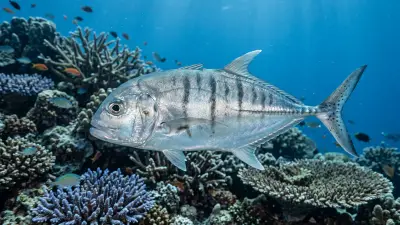
Bigeye trevally
common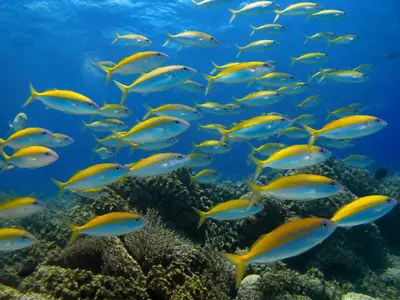
Fusilier
common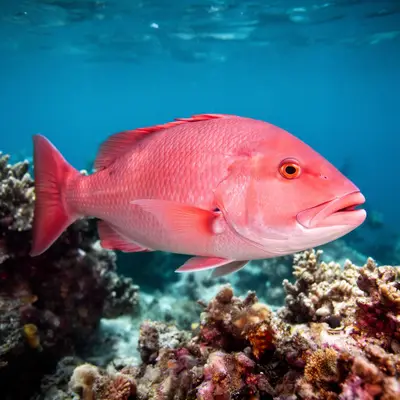
Snapper
common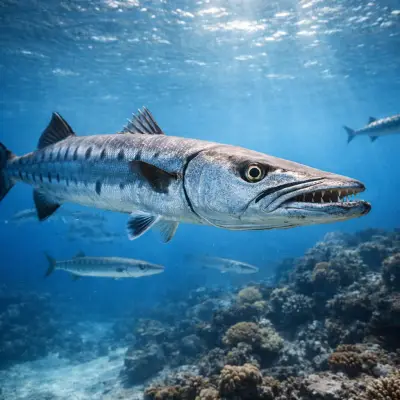
Barracuda
common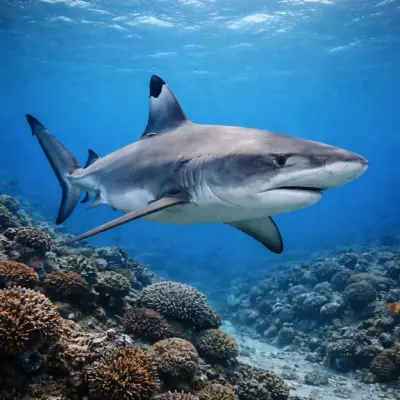
Grey reef shark
common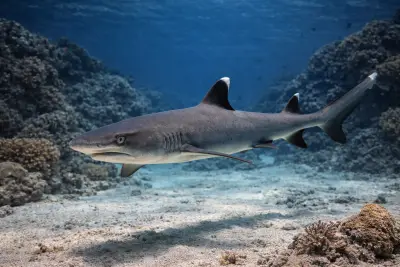
Whitetip reef shark
common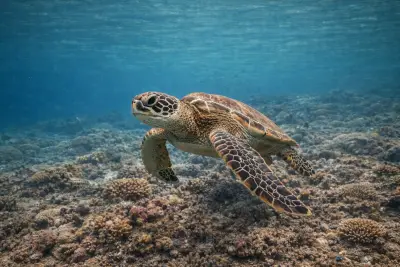
Green turtle
common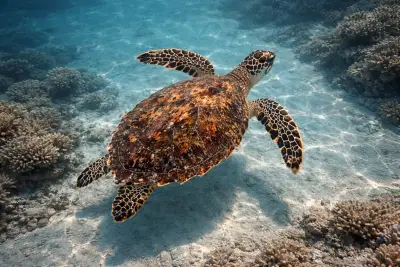
Hawksbill turtle
common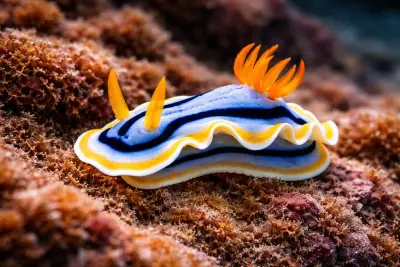
Nudibranch
common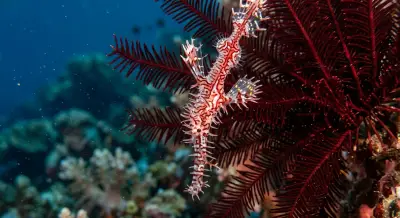
Ornate ghost pipefish
occasional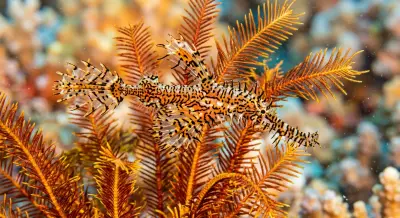
Robust ghost pipefish
occasionalPipefish
common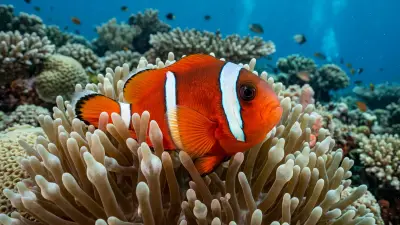
Anemonefish
common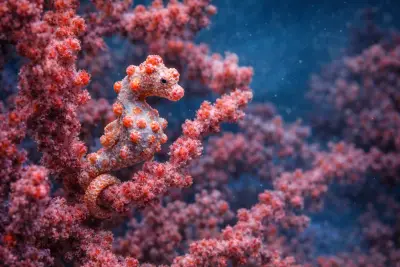
Pygmy seahorse
occasionalDive profile & how the dive runs
Your dive at Steve's Bommie typically begins with a descent to the deeper base of the pinnacle, where a memorial plaque for Steve is located at 25 meters. From this point, you will commence a clockwise circumnavigation of the bommie, gradually ascending with each lap to explore different depth bands and maximize your bottom time. The general progression involves exploring the deep base, then moving up to navigate around the bommie at approximately 15 meters, and finally spending significant time in the shallower sections. The most vibrant coral growth and densest fish aggregations are often found between 5 and 10 meters. Safety stops are conducted in the uppermost 5 meters of water, near the pinnacle's top, before returning to the boat.
Underwater photography
Steve's Bommie is a dream for underwater photographers, offering superb opportunities for both wide-angle and macro shots. For wide-angle photography, consider an 8mm-15mm lens to capture the bommie's impressive vertical structure, the swirling schools of fish, and the vibrant soft coral coverage. Position yourself to include the entire pinnacle and surrounding pelagics, using natural light to enhance color saturation, especially during midday dives. For macro photography, the dense coral and sponges are teeming with subjects like nudibranchs, ghost pipefish, and pygmy seahorses, making it feel like a treasure hunt. Use a macro lens to focus on these smaller creatures, being mindful of your buoyancy to avoid disturbing delicate corals. When using strobes, be aware of the bright white sandy bottom in some areas, which can lead to overexposure; adjust power accordingly and position strobes away from the lens to minimize backscatter, especially if other divers stir up sand.
Combine with nearby dive sites
- Cod Hole
Famous for encounters with large, charismatic potato cod.
- Osprey Reef - North Horn
Known for dramatic drop-offs and pelagic action, often included in extended liveaboard itineraries.
- Ribbon Reef No. 9
Part of the same reef system, offering diverse coral formations and marine life.
- Pixie Pinnacle
Another prominent bommie in the Ribbon Reefs with rich coral and fish life.
Getting there & logistics
Access to Steve's Bommie is exclusively via liveaboard dive vessels departing from Cairns or Port Douglas. The Ribbon Reefs, where Steve's Bommie is located, are approximately 200 kilometers north of Cairns along the outer edge of the Great Barrier Reef, requiring a full day's journey to reach. Most liveaboard itineraries dedicate 2-3 days to diving the Ribbon Reefs as part of a longer 3-7 night trip, which may also include other iconic sites like Cod Hole and, for extended expeditions, Osprey Reef in the Coral Sea. Flights to Cairns International Airport (CNS) are the primary entry point for international and domestic travelers looking to embark on these liveaboard adventures. It is advisable to book liveaboard trips well in advance, especially during the peak dry season.
Safety & environment
Diving at Steve's Bommie, while generally safe, requires adherence to standard dive safety protocols and awareness of specific local conditions. All divers should ensure they have comprehensive dive insurance, as emergency evacuation from the remote Ribbon Reefs to the nearest recompression chamber in Townsville or Cairns can be complex and costly. Liveaboard operators typically provide Nautilus transmitters for each diver, allowing for pinpoint surface location in an emergency. Divers should be proficient in buoyancy control to avoid damaging the delicate coral and stirring up sediment. Given the potential for currents, appropriate experience and fitness are beneficial. Always follow your dive guide's briefing, especially regarding entry and exit procedures and managing bottom time, particularly given the multi-level profile of the bommie.
Who it suits — and who it doesn't
Suited for
- Experienced Open Water Divers comfortable with currents
- Underwater photographers seeking diverse subjects
- Divers interested in vibrant soft coral ecosystems
- Macro enthusiasts looking for rare critters
- Pelagic lovers hoping for shark and trevally encounters
Less suited for
- Beginner divers without current experience
- Divers who prefer purely shallow, calm environments
- Those prone to seasickness on liveaboards
- Divers with limited buoyancy control skills
- Individuals not comfortable with multi-level dive profiles
FAQ
Steve's Bommie FAQ
What is unique about Steve's Bommie compared to other Great Barrier Reef sites?
Steve's Bommie is distinct for its solitary pinnacle structure that rises from 30 meters to just 5 meters below the surface, concentrating an exceptional amount of marine life. Its vibrant soft coral coverage and the sheer density of fish, both schooling pelagics and macro critters, make it an unparalleled dive for both wide-angle and macro photography on the Great Barrier Reef.
How deep is Steve's Bommie and what kind of visibility can I expect?
The bommie itself rises from a sandy bottom at 30 meters to its peak at 5 meters below the surface. Divers typically explore the entire depth range, gradually ascending. Visibility at Steve's Bommie is generally excellent, often ranging between 15 to 30 meters, providing clear views of its rich marine environment.
Are there strong currents at Steve's Bommie?
Steve's Bommie acts as a magnet for currents, which can vary from mild to moderate. While currents are common and beneficial for attracting marine life, divers can typically find shelter on the leeward side of the bommie. Liveaboard operations often provide a swim line to assist divers during entries and exits, ensuring a manageable experience.
What type of marine life can I expect to see at Steve's Bommie?
You can expect to see an incredible diversity of marine life, including large schools of bigeye trevally, fusiliers, and snappers. Pelagic species like barracuda, grey reef sharks, and whitetip reef sharks are common. For macro enthusiasts, the bommie is home to numerous nudibranchs, ghost pipefish, and pygmy seahorses, alongside resident green and hawksbill turtles.
How do I get to Steve's Bommie?
Steve's Bommie is located in the remote Ribbon Reefs, approximately 200 kilometers north of Cairns, and is only accessible by liveaboard dive vessels. These multi-day trips typically depart from Cairns or Port Douglas, often combining dives at Steve's Bommie with other iconic sites in the Ribbon Reefs and sometimes the Coral Sea.
Why dive Steve's Bommie from a liveaboard?
Steve's Bommie is one of Australia's signature dive sites. A liveaboard sleeps you on the water and puts you in the water for three to four guided dives per day, including dawn and night dives that day-boat operators rarely offer. You skip the daily commute back to port and reach quieter, less-crowded sites in the same region on a single trip.
Below are the liveaboards that include Steve's Bommie on their Australia itineraries.
Liveaboards diving Steve's Bommie
These liveaboards may visit Steve's Bommie on selected itineraries — the exact dive sites depend on departure, weather and conditions.
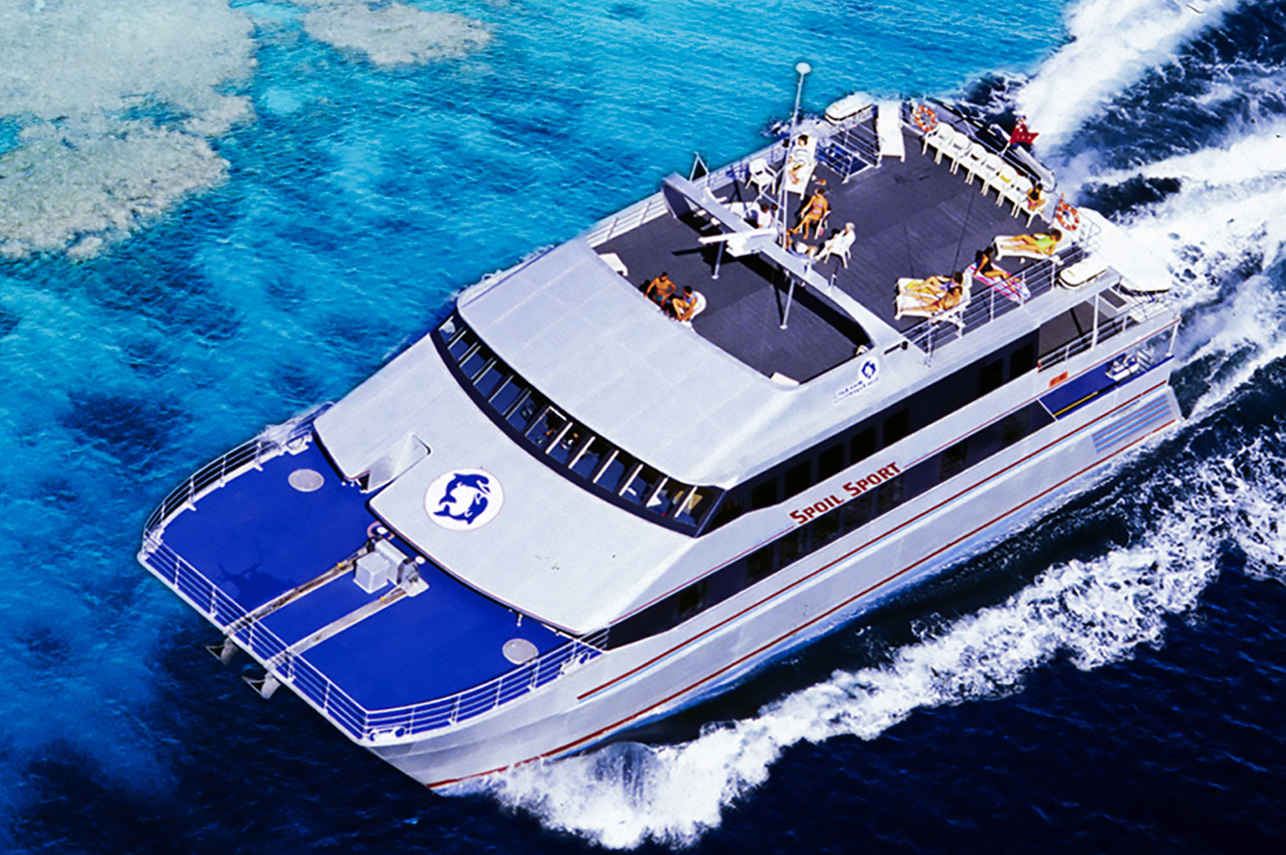
Spoilsport
Australia
28 guests30 m
$408/day
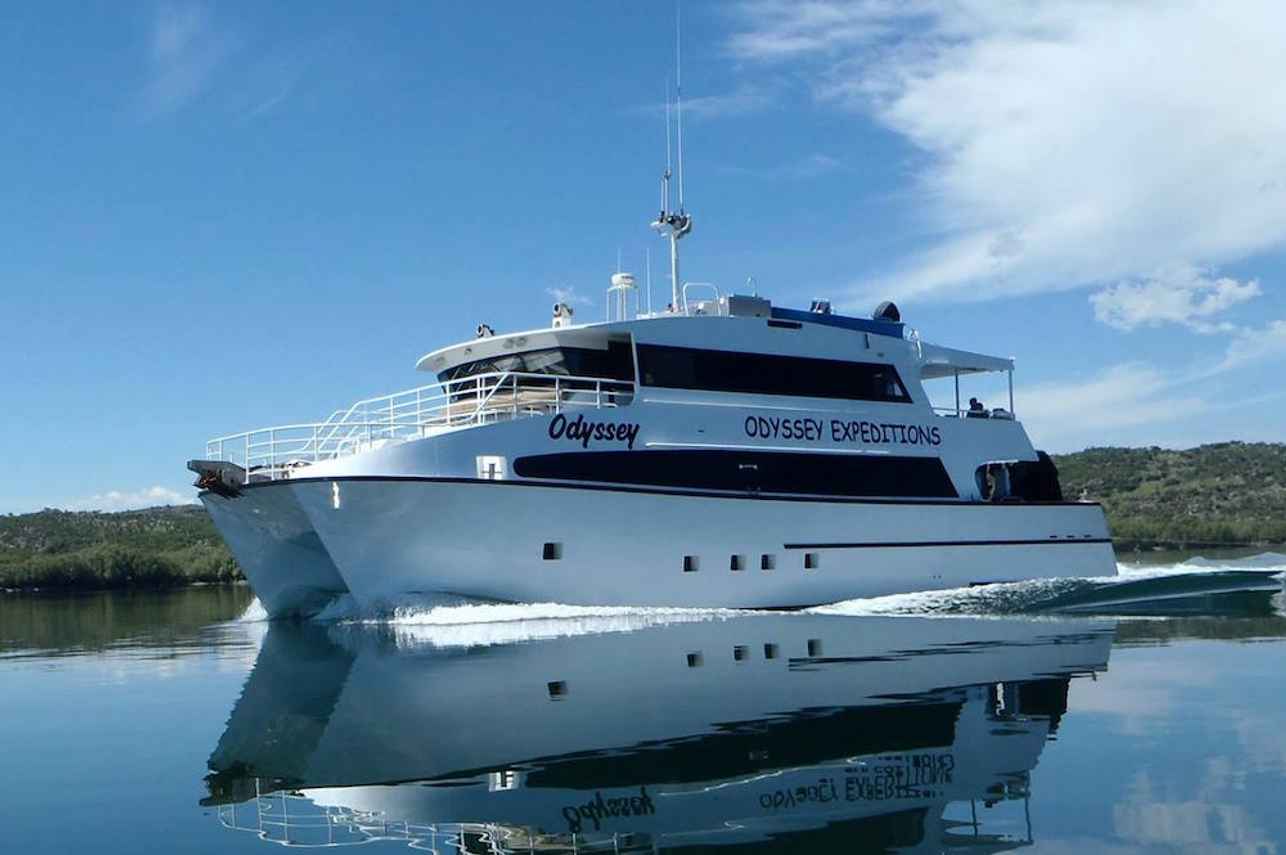
Odyssey Liveaboard
Australia
20 guests24 m
$392/day
Dive sites similar to Steve's Bommie
Same character, same waters — six more sites divers love for the exact same reasons.Compare seasons, access and liveaboard routes — then pick the site that fits your trip best.
Boat Rock is a prominent, exposed pinnacle situated off the northern end of North Stradbroke Island, also known as Minjerribah, in southeast Queensland.
- Suitable for
- Advanced
- Current
- Strong
- Access
- Dayboat
- Depth
- ≤ 30 m
- Theme
- Pinnacle / Drift
© Esri — Maxar, Earthstar, GIS
Manta Bommie
Australia
Manta Bommie is consistently ranked among Australia's top dive sites, located a short boat ride from Point Lookout on North Stradbroke Island.
- Suitable for
- Intermediate
- Current
- Moderate
- Access
- Dayboat
- Depth
- 14–20 m
- Theme
- Reef / Pinnacle
© Esri — Maxar, Earthstar, GIS
Shag Rock Dive Site
Australia
Shag Rock is a prominent dive site located off North Stradbroke Island, near Brisbane, Australia.
- Suitable for
- Beginner
- Current
- Mild
- Access
- Dayboat
- Depth
- 6–20 m
- Theme
- Reef / Pinnacle
Wolf Rock is a spectacular dive site located just 2 kilometers off Double Island Point, near Rainbow Beach, Queensland, and marks the last significant rocky outcrop before Fraser Island.
- Suitable for
- Advanced
- Current
- Strong
- Access
- Liveaboard or dayboat
- Depth
- 12–32 m
- Theme
- Pinnacle / Wall
© Esri — Maxar, Earthstar, GIS
Pixie Pinnacle
Australia
Pixie Pinnacle is a renowned dive site located between Ribbon Reefs #9 and #10, off the coast of Cooktown, Queensland.
- Suitable for
- Intermediate
- Current
- Strong
- Access
- Liveaboard or dayboat
- Depth
- 2–50 m
- Theme
- Pinnacle
© Esri — Maxar, Earthstar, GIS
Lord Howe Island - Ball's Pyramid
Australia
Ball's Pyramid, located approximately 20 kilometers southeast of Lord Howe Island, is a spectacular remnant of a shield volcano and stands as the world's tallest sea stack.
- Suitable for
- Expert
- Current
- Ripping
- Access
- Shore / dayboat
- Depth
- 15–40 m
- Theme
- Cave & cavern / Pinnacle