About Cousin's Rock
Cousin's Rock is a world-renowned dive site located northeast of Santiago Island, cherished for its dramatic underwater topography and exceptional marine biodiversity. This small tuff-cone islet stands out by consistently delivering an unparalleled combination of macro and pelagic action within a single dive, making it a premier destination for those seeking the unique wonders of the Galápagos. The site features sloping rock plate formations that transition into impressive terraced steps, ultimately leading to a breathtaking wall that drops to a sandy bottom at approximately 40 meters. However, the most vibrant activity typically occurs between the surface and 24 meters, where nutrient-rich waters fuel an abundance of life. Divers should be prepared for varying conditions, as the currents can range from moderate to strong, occasionally intensifying and shifting direction. Marine life thrives here, with extensive colonies of endemic Galápagos black coral providing a stunning backdrop for fascinating smaller creatures such as Pacific seahorses, octopi, and frogfish. In the open blue, divers frequently encounter large pelagic species, including graceful Reef Manta Rays, formidable Galápagos Sharks, and playful Galápagos Sea Lions. The site is a dynamic hub where warm and cool water species converge, offering a truly unique diving experience year-round. While incredibly rewarding, Cousin's Rock requires divers to possess an Advanced Open Water certification and good buoyancy control. The often-present surge in shallower areas and the potential for significant thermoclines mean that appropriate thermal protection, such as a 7mm wetsuit, is highly recommended. Given its rich marine ecosystem and dynamic conditions, Cousin's Rock offers an unforgettable adventure for experienced divers.
Highlights
Reef Manta Ray encountersGalápagos Sea Lion interactionsEndemic Galápagos black coralMacro life (seahorses, frogfish)Galápagos and Whitetip Reef SharksTerraced wall topographyBoth macro and pelagic actionDiverse marine ecosystem
Season calendar
Best months to dive here
Jan
Feb
Mar
Apr
May
Jun
Jul
Aug
Sep
Oct
Nov
Dec
Good
Dive site facts: Cousin's Rock
- Depth
- 8–30 m
- Typical dive
- 12–24 m
- Current
- Moderate to strong
- Visibility
- 7–18 m
- Water temperature
- 12–26°C
- Entry
- Tender / negative entry
- Level
- Advanced Open Water
- Dive type
- Pinnacle, wall, drift
- Night dive
- Not permitted
- Region / port
- Santiago Island, Galápagos
- Coordinates
- -0.2167, -90.5667
Conditions & Currents
Cousin's Rock typically experiences moderate currents, but these can intensify and change direction unexpectedly, necessitating excellent buoyancy control and finning techniques. Surge is common, particularly in the shallower areas near the wall, requiring divers to be aware of their surroundings. Thermoclines are a regular occurrence, with significant temperature drops often found between 12 and 18 meters, so robust thermal protection is essential. Visibility generally ranges from 7 to 18 meters, and can be lower when strong currents bring up nutrient-rich waters. Given these conditions, divers should be prepared for dynamic environments and maintain situational awareness throughout the dive.
Marine life & sighting chances
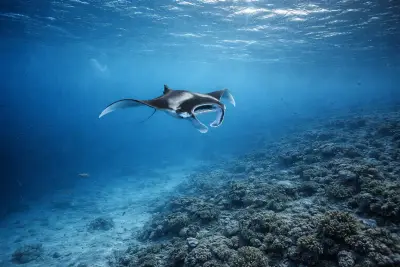
Reef Manta Ray
June-December · common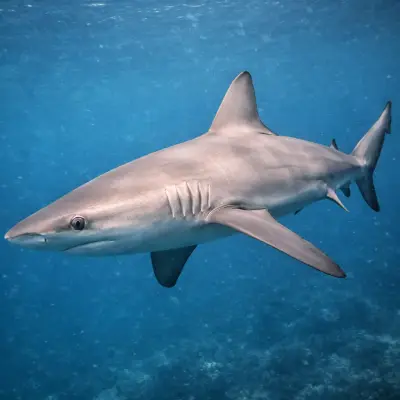
Galápagos Shark
occasional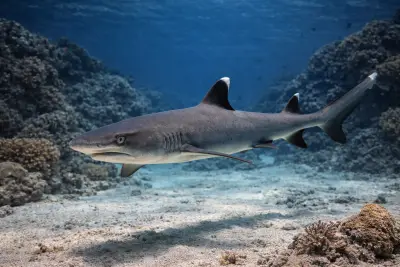
Whitetip Reef Shark
occasional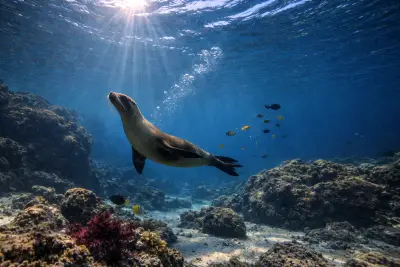
Galápagos Sea Lion
common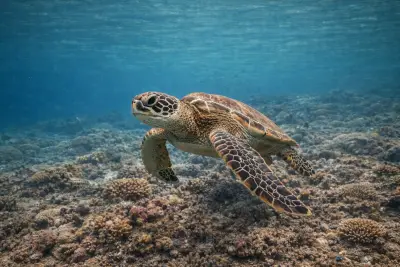
Green Sea Turtle
common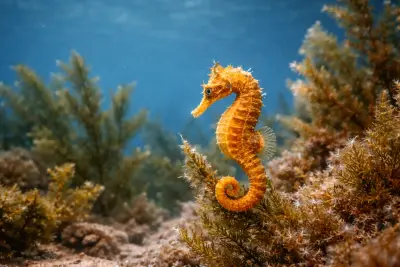
Pacific Seahorse
occasional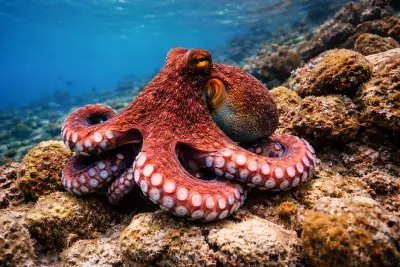
Octopus
occasional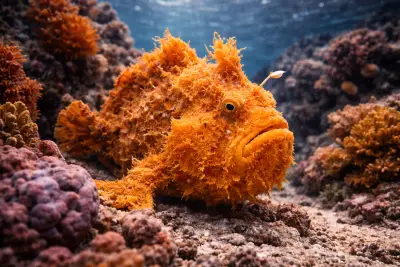
Frogfish
occasional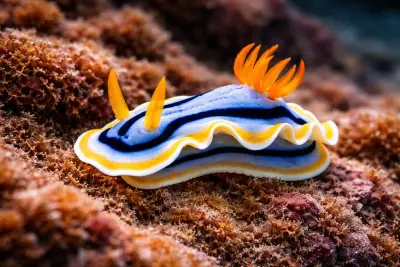
Nudibranch
occasional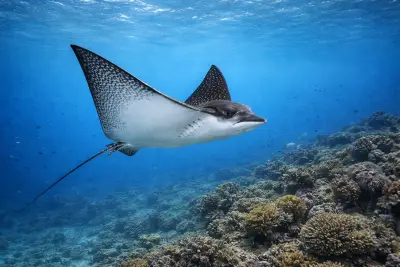
Spotted Eagle Ray
occasional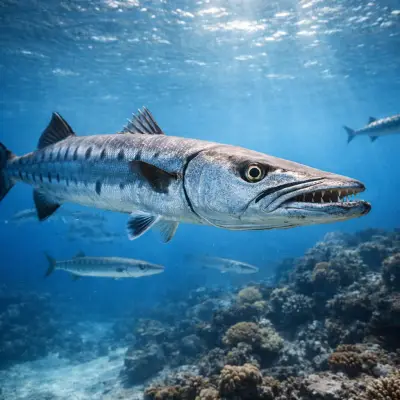
Barracuda
occasional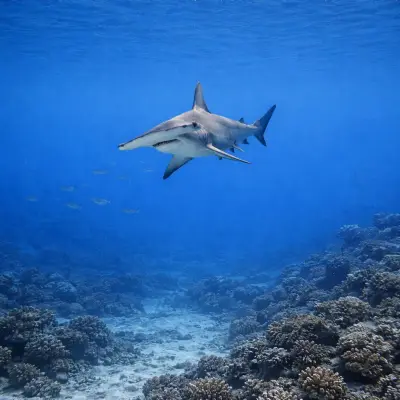
Hammerhead Shark
rareDive profile & how the dive runs
Dives at Cousin's Rock typically begin with a negative entry due to currents, descending quickly along the main pinnacle wall. You'll explore the terraced rock formations, which are adorned with black coral, keeping an eye out for macro life like seahorses and frogfish in the crevices. The dive often follows the wall's contour, maintaining depths between 12 and 24 meters, where visibility is generally best and marine activity is highest. Midway through the dive, you'll cross into the blue to watch for pelagic species like manta rays and sharks. The turn point is often dictated by current direction and air consumption, leading back towards the shallows for safety stop, often in the company of playful sea lions near the pinnacle.
Underwater photography
Cousin's Rock offers exceptional opportunities for both wide-angle and macro photography, requiring versatility. For wide-angle shots of manta rays, sea lions, and schooling fish in the blue, a fisheye or wide-angle lens is ideal. Be prepared for potentially lower visibility and thermoclines which can affect light, necessitating powerful strobes to bring out colors and freeze action. For macro subjects like seahorses, nudibranchs, and frogfish nestled in the black coral, a dedicated macro lens is essential. Buoyancy control is paramount due to currents and surge, ensuring you can maintain position without disturbing the fragile environment. A dive torch is also highly recommended to illuminate subjects in darker crevices and to reveal the true colors of the corals.
Combine with nearby dive sites
- Bartolomé Island
Located near Cousin's Rock, often combined on itineraries.
- Gordon Rocks
Known for hammerhead sharks, accessible from central islands.
- North Seymour
Offers drift dives with white tip reef sharks and turtles.
- Punta Carrión
Provides encounters with white tip reef sharks and macro life.
- Kicker Rock (León Dormido)
Famous for hammerheads and Galápagos sharks.
Getting there & logistics
Access to Cousin's Rock is primarily via day trips from liveaboards or land-based operations based in Santa Cruz or San Cristóbal, with boat journeys typically around 1.5 hours from Canal Itabaca. The nearest international airports are Guayaquil (GYE) and Quito (UIO), with connecting flights to Baltra (GPS) or San Cristóbal (SCY) in the Galápagos. Dive trips often combine Cousin's Rock with nearby sites such as Bartolomé Island or North Seymour as part of a multi-day itinerary. All visitors must pay a Galápagos National Park entrance fee of USD $200 and dive with certified operators. It is advisable to book trips well in advance, especially during peak seasons.
Safety & environment
Diving at Cousin's Rock requires careful attention to safety protocols due to the dynamic conditions. Strong and unpredictable currents, along with potential surge, mean divers must maintain excellent buoyancy control and finning skills. Always dive with a surface marker buoy (SMB) and consider carrying a personal locator beacon (PLB) in case of separation. A reef hook can be useful for holding position in strong currents, but use it responsibly to avoid damaging corals. The nearest recompression chamber is located in Puerto Ayora on Santa Cruz Island. Divers should ensure they have comprehensive dive insurance that covers emergency evacuations and medical treatment, as distances to medical facilities can be significant. Adherence to dive guide instructions and a minimum of an Advanced Open Water certification are essential for safe diving here.
Who it suits — and who it doesn't
Suited for
- Experienced Advanced Open Water divers
- Divers comfortable with strong currents
- Photographers seeking diverse marine life
- Pelagic enthusiasts
- Macro life observers
Less suited for
- Beginner divers
- Divers with limited current experience
- Those prone to seasickness
- Divers uncomfortable with cold water or thermoclines
FAQ
Cousin's Rock FAQ
What marine life can I expect to see at Cousin's Rock?
Cousin's Rock is a vibrant ecosystem where you can expect to see a rich variety of marine life. Common sightings include playful Galápagos Sea Lions, graceful Reef Manta Rays, and various shark species like the Galápagos Shark and Whitetip Reef Shark. You can also spot intricate macro life such as Pacific Seahorses, octopi, and nudibranchs nestled within the endemic Galápagos black coral.
What are the typical diving conditions at Cousin's Rock?
Diving conditions at Cousin's Rock can be dynamic, with moderate to strong currents and occasional surge, especially in shallower areas. Water temperatures range from 12°C to 26°C, and significant thermoclines are common between 12 and 18 meters. Visibility generally varies from 7 to 18 meters, depending on currents and nutrient upwellings.
What certification level is required to dive Cousin's Rock?
An Advanced Open Water certification is typically required to dive Cousin's Rock due to the challenging conditions. Divers should also have significant experience with currents and be comfortable with varying water temperatures and potential thermoclines. Good buoyancy control and at least 30 logged dives are highly recommended for a safe and enjoyable experience.
What kind of thermal protection do I need for Cousin's Rock?
Given the potential for cold water and significant thermoclines, a 7mm wetsuit is highly recommended for diving at Cousin's Rock. Many divers also opt for hoods, gloves, and booties for additional protection against the cold. Drysuits with appropriate undergarments are also suitable for those who prefer maximum thermal comfort.
Is Cousin's Rock accessible via land-based tours or only liveaboards?
Cousin's Rock is accessible through both land-based day tours from islands like Santa Cruz or San Cristóbal, and as part of liveaboard itineraries. Day trips typically involve a boat journey of about 1.5 hours from Canal Itabaca. Liveaboards often incorporate Cousin's Rock into broader itineraries exploring the central and northern Galápagos dive sites.
Why dive Cousin's Rock from a liveaboard?
Cousin's Rock is one of Galápagos's signature dive sites. A liveaboard sleeps you on the water and puts you in the water for three to four guided dives per day, including dawn and night dives that day-boat operators rarely offer. You skip the daily commute back to port and reach quieter, less-crowded sites in the same region on a single trip.
Below are the liveaboards that include Cousin's Rock on their Galápagos itineraries.
Liveaboards diving Cousin's Rock
These liveaboards may visit Cousin's Rock on selected itineraries — the exact dive sites depend on departure, weather and conditions.
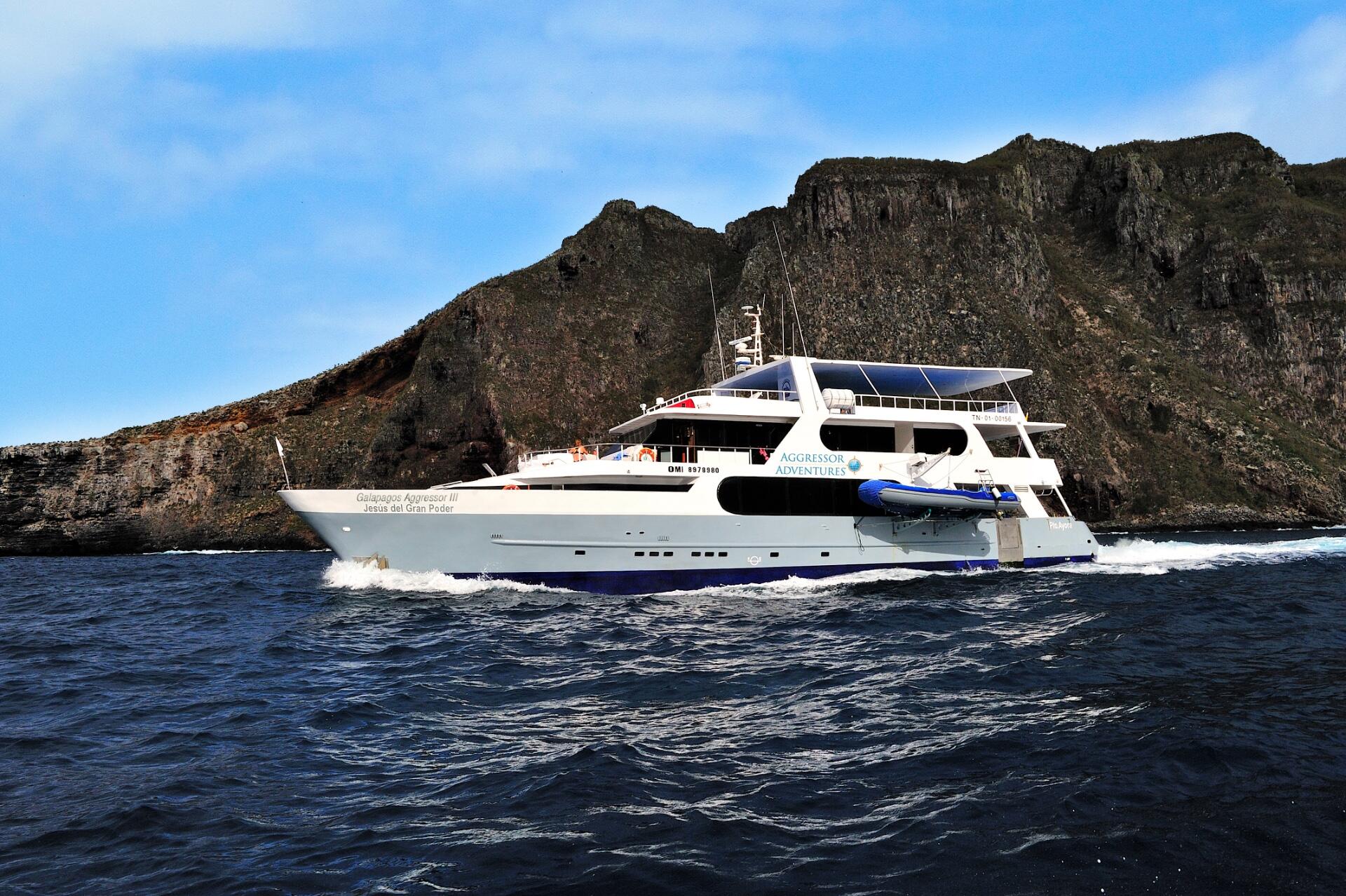
Galapagos Aggressor III
Galápagos
16 guests30.5 m
$913/day
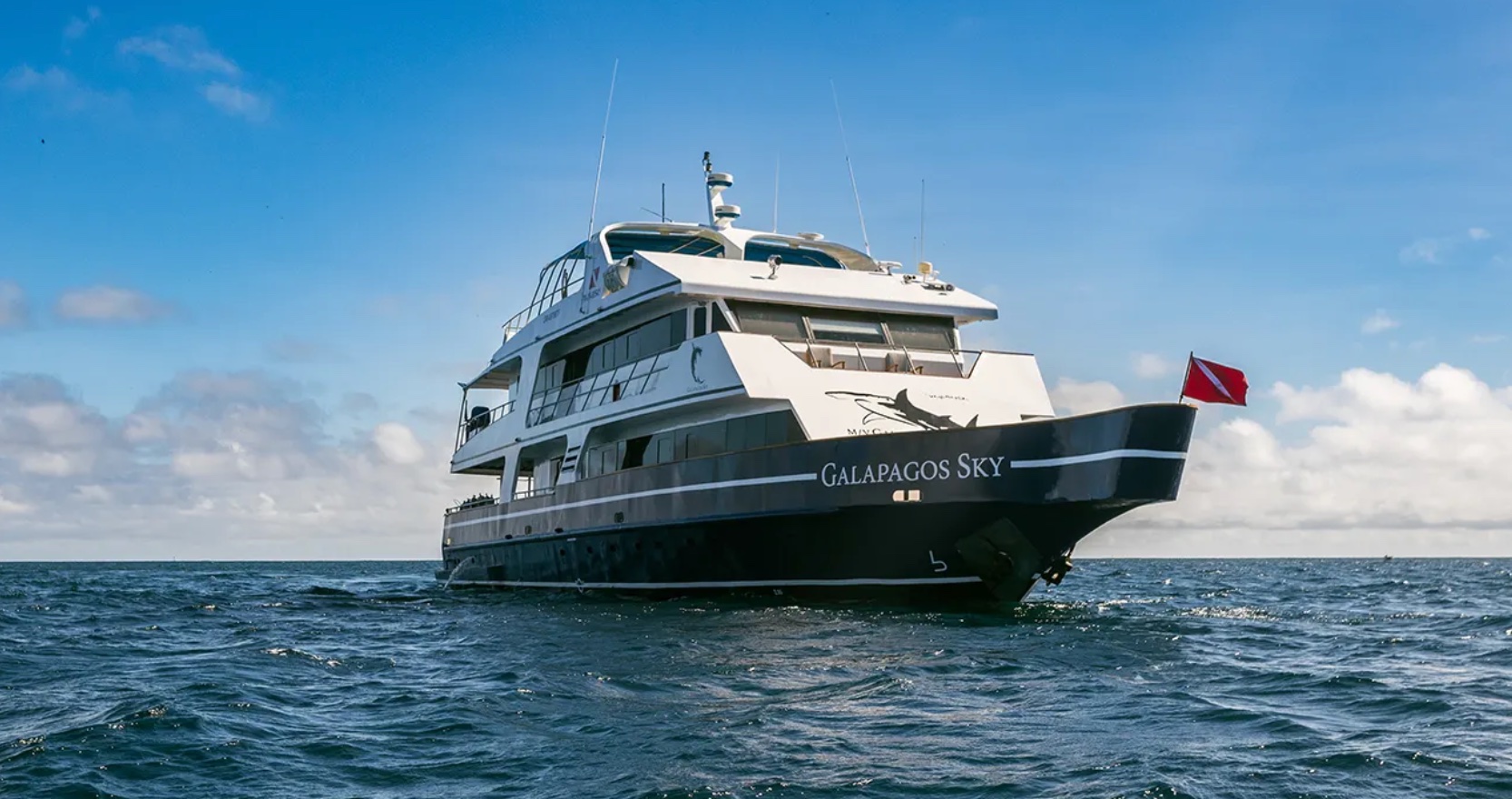
Galapagos Sky
Galápagos
16 guests
$937/day
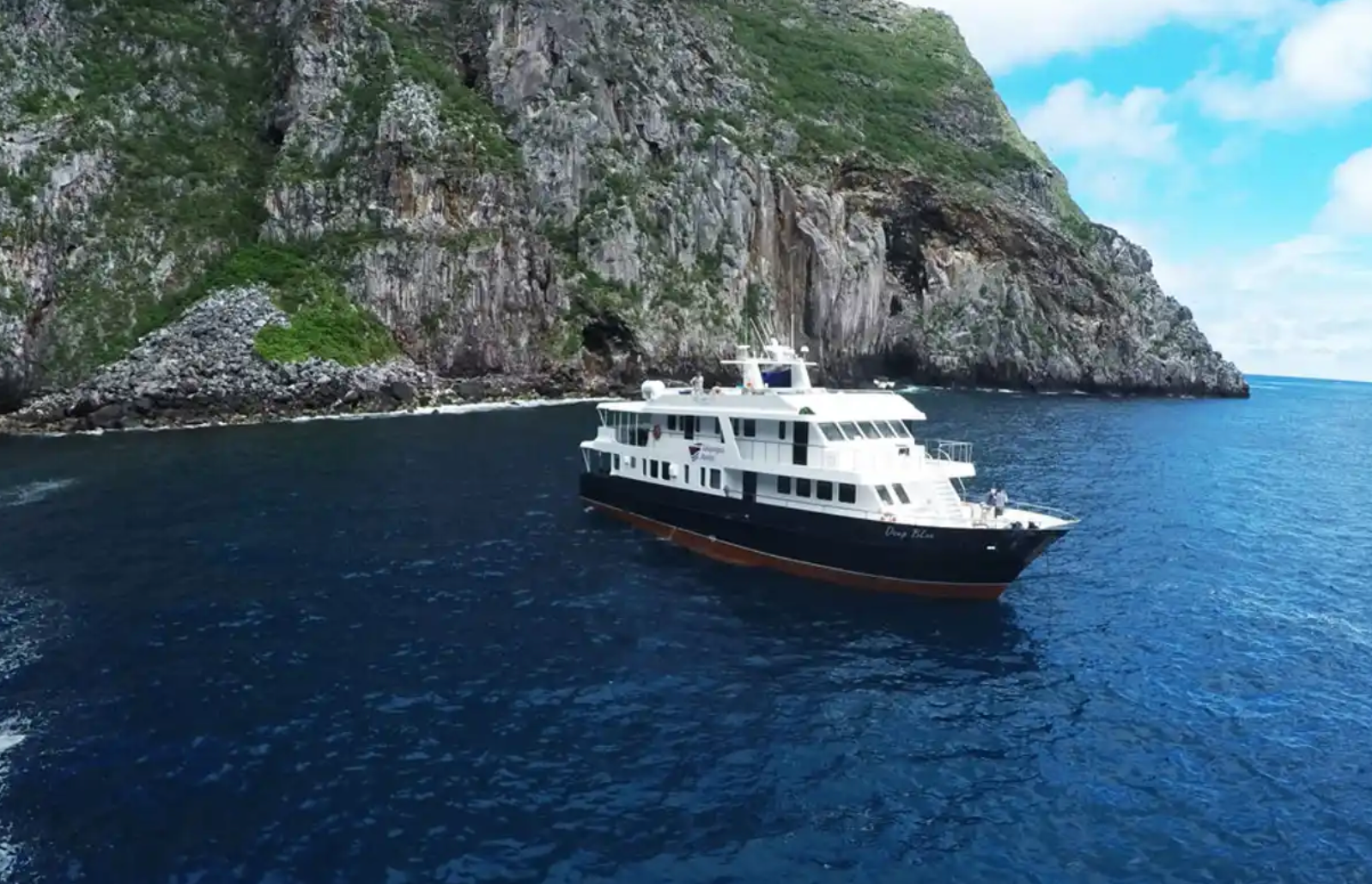
Galapagos Master
Galápagos
16 guests
$669/day
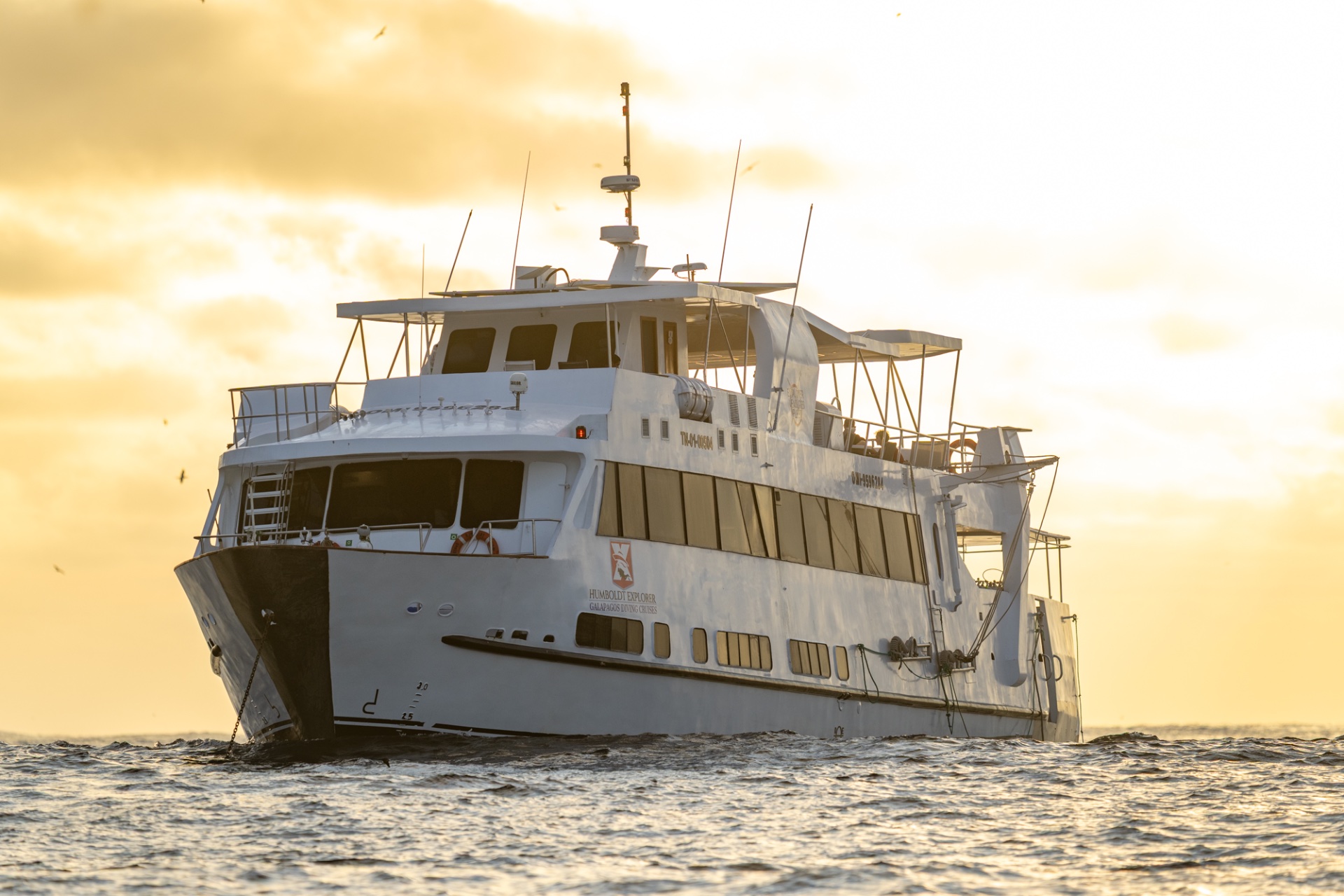
Humboldt Explorer
Galápagos
16 guests
$612/day
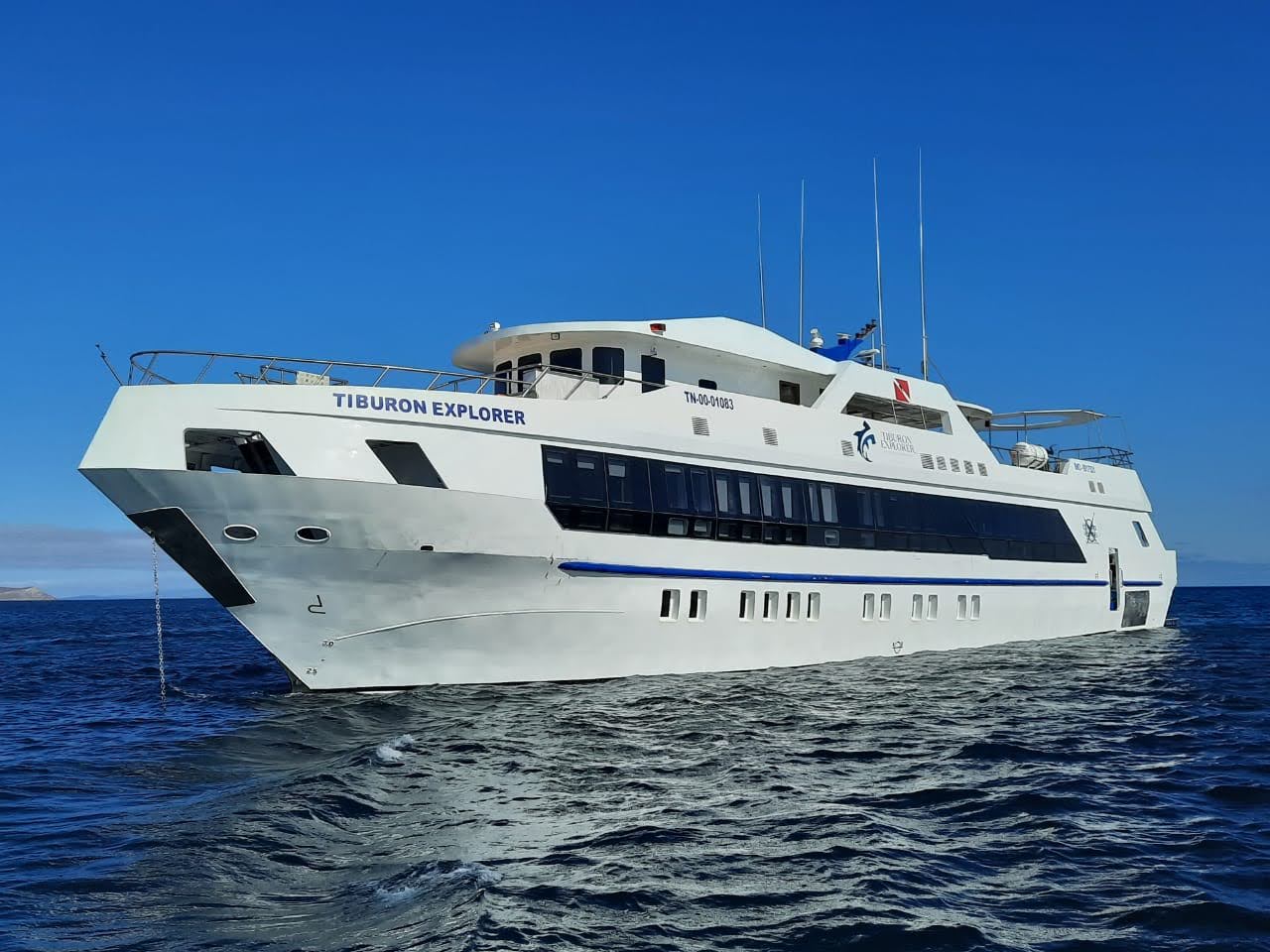
Tiburon Explorer
Galápagos
16 guests
$924/day
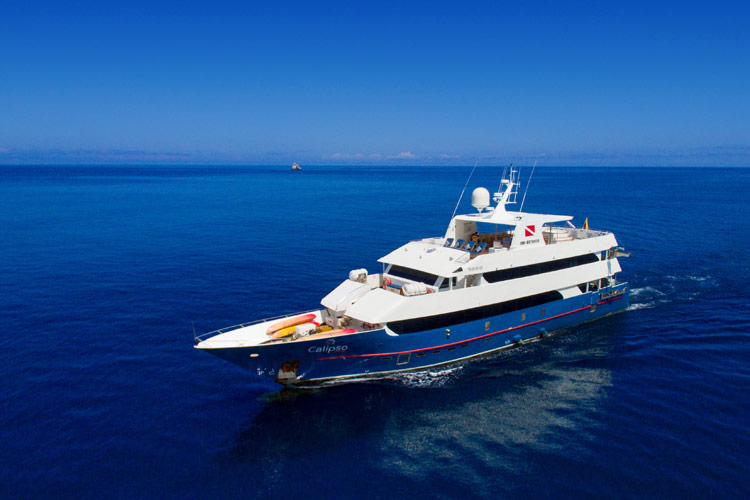
Calipso
Galápagos
16 guests
$819/day
Dive sites similar to Cousin's Rock
Same character, same waters — six more sites divers love for the exact same reasons.Compare seasons, access and liveaboard routes — then pick the site that fits your trip best.
© Esri — Maxar, Earthstar, GIS
Guy Fawkes Islands
Galápagos
The Guy Fawkes Islands are a pair of small islands located close to Santa Cruz, offering a more accessible dive experience compared to the remote northern sites.
- Suitable for
- Intermediate
- Current
- Strong
- Access
- Liveaboard only
- Depth
- 5–25 m
- Theme
- Cave & cavern / Wall
© Esri — Maxar, Earthstar, GIS
Cabo Douglas - Marine Iguana Wall
Galápagos
Cabo Douglas, located on the northwest side of Fernandina Island in the central Galápagos, offers a truly unique diving experience.
- Suitable for
- Intermediate
- Current
- Strong
- Access
- Liveaboard only
- Depth
- 5–33 m
- Theme
- Wall
© Esri — Maxar, Earthstar, GIS
Daphne Minor
Galápagos
Daphne Minor, a small, barren island northwest of the Itabaca Channel, is a lesser-known but exceptionally vibrant dive site in the Galápagos.
- Suitable for
- Intermediate
- Current
- Strong
- Access
- Liveaboard only
- Depth
- 10–18 m
- Theme
- Pinnacle / Wall
© Esri — Maxar, Earthstar, GIS
Mosquera Island
Galápagos
Mosquera Island is a unique dive site in the Galápagos Marine Reserve, located between Seymour and Baltra islands.
- Suitable for
- Beginner
- Current
- Ripping
- Access
- Liveaboard only
- Depth
- 3–12 m
- Theme
- Reef / Wall
© Esri — Maxar, Earthstar, GIS
Punta Vicente Roca
Galápagos
Punta Vicente Roca, situated on the west coast of Isabela Island in the Galápagos, is a captivating dive site characterized by its vertical wall and dramatic above-surface rock formations.
- Suitable for
- Intermediate
- Current
- Ripping
- Access
- Liveaboard only
- Depth
- 5–25 m
- Theme
- Wall
© Esri — Maxar, Earthstar, GIS
Isla Tortuga - South Wall
Galápagos
Isla Tortuga's South Wall, a striking volcanic caldera, presents an exceptional dive experience in the Galápagos, offering a dramatic underwater landscape.
- Suitable for
- Advanced
- Current
- Strong
- Access
- Liveaboard only
- Depth
- 8–40 m
- Theme
- Drift / Wall