About Sawabi Islands
The Sawabi Islands, also known as the Seven Brothers, form a remote volcanic archipelago situated in the Bab El Mandeb strait, a narrow passage connecting the Red Sea to the Gulf of Aden. This strategic location creates a unique marine environment where nutrient-rich currents foster exceptional biodiversity, making it a prime destination for divers seeking pristine reefs and abundant marine life. The islands are uninhabited and recognized as a marine protected area, ensuring their exceptional ecological value is preserved. Diving here typically involves exploring spectacular drop-offs, vibrant coral gardens, and intriguing underwater volcanic formations. Depths can range from shallow reef crests to walls exceeding 40 meters, catering to a variety of dive preferences. The powerful currents found in the strait contribute to healthy coral growth and attract a remarkable array of pelagic species, which are a major draw for the area. The Sawabi Islands are particularly noted for their rich marine ecosystems, boasting over 200 species of hard corals and a diverse population of reef fish, sharks, and rays. Seasonal visits by larger marine animals like whale sharks and manta rays are common, especially during specific times of the year when plankton blooms are prevalent. This makes the area a significant feeding ground and a crucial corridor for migratory species. Due to the currents and remote nature, these sites are often visited via liveaboard, providing access to areas beyond the reach of daily operators. Divers can expect a range of experiences from gentle drifts to more challenging conditions, always rewarded with uncrowded sites and extraordinary encounters in a truly unique underwater landscape.
Highlights
Volcanic archipelagoBab El Mandeb straitRed Sea meets Gulf of AdenStrong currentsExceptional marine biodiversityPristine coral reefsLarge pelagic speciesUninhabited islands
Season calendar
Best months to dive here
Jan
Feb
Mar
Apr
May
Jun
Jul
Aug
Sep
Oct
Nov
Dec
Excellent
Good
Off-Season
Oct – Mar (Peak)
Whale shark season in the Gulf of Tadjoura, best visibility up to 25m, comfortable air temperatures, calm seas.
Apr & Sep (Shoulder)
Rising temperatures, fewer whale sharks but good reef diving. Manta rays and dolphins common.
May – Aug (Hot Season)
Extreme heat above 40°C, reduced visibility, strong currents. Most dive operations scale back.
Dive site facts: Sawabi Islands
- Depth
- 5–40+ m
- Typical dive
- Varies by site, usually 50–60 min
- Current
- Moderate to strong
- Visibility
- 10–35+ m
- Water temperature
- 24–33°C
- Entry
- Liveaboard / Tender boat
- Level
- Intermediate to Advanced
- Dive type
- Reef, wall, drift, wreck, pelagic encounters
- Night dive
- Possible
- Region / port
- Obock / Southern Red Sea
- Coordinates
- 12.4433° N, 43.3442° E
Conditions & Currents
The Sawabi Islands are characterized by significant currents, especially due to their location in the narrow Bab El Mandab strait where massive tidal shifts occur twice daily. These currents, originating from the Indian Ocean, are a primary factor in the region's rich marine productivity but necessitate experience from divers. Visibility can be limited at times due to the strong currents funneling nutrients through the area. Entry and exit strategies will vary based on current strength and dive site topography, often involving drift diving techniques. Divers should anticipate potentially strong flows and plan gas consumption accordingly, particularly on deeper dives or extended drifts.
Marine life & sighting chances

Whale Shark
Oct-Feb · common
Manta Ray
Oct-Feb · common
Grey Reef Shark
occasional
Nurse Shark
occasional
Dolphin
common
Pilot Whale
occasional
Beaked Whale
occasional
Sea Turtle
common
Jack (schooling)
common
Barracuda (schooling)
common
Grouper
common
Nudibranch
occasional
Stingray (schooling)
occasional
Dive profile & how the dive runs
Dives at Sawabi Islands typically begin with a tender boat entry directly onto the dive site due to the remote location. Depending on the current and site, it could be a negative entry or a standard descent. Routes often involve drift diving along walls and coral-encrusted slopes, allowing divers to be carried along by the currents past rich reef ecosystems. Depths range from shallow reef crests at 5-15 meters to deeper walls and pinnacles reaching beyond 40 meters. Turn points are usually determined by gas limits and current direction, often concluding with a free ascent. Safety stops are conducted in the blue at the end of the dive, monitored by the dive guide, before surfacing for tender boat pick-up.
Underwater photography
Capturing the vibrant marine life and dramatic topography of the Sawabi Islands demands adaptable camera gear. For wide-angle shots of schooling pelagics, whale sharks, or expansive reefscapes, a fisheye or rectilinear wide-angle lens is ideal. Consider dual strobes for illuminating large scenes and restoring natural colors at depth. Macro photographers will find subjects like nudibranchs, especially at sites like Japanese Gardens, benefiting from a dedicated macro lens and perhaps a snoot for creative lighting. Buoyancy control is paramount, especially in currents, to avoid disturbing delicate corals or stirring up sediment. Be mindful of marine life, maintaining a respectful distance from large animals like whale sharks and never using flash photography on them, particularly during snorkeling encounters.
Combine with nearby dive sites
- Ghoubbet al Kharab
Known for juvenile whale sharks and manta rays, often combined in liveaboard itineraries.
- Gulf of Tadjoura – Whale Shark Area
A primary area for whale shark and manta ray encounters, visited by liveaboards.
- Japanese Gardens
Located within the Seven Brothers Islands, noted for macro life like nudibranchs.
- La Dame Blanche
A well-preserved shipwreck within the Seven Brothers, lying in 25 meters.
- MV Priamos
A world-class wreck, locally known as 'Le Faon', offering varied diving experiences.
Getting there & logistics
Access to the Sawabi Islands typically begins with arrival at Djibouti Ambouli International Airport (JIB), which offers flights from Paris, Istanbul, Dubai, and other regional hubs. Liveaboard safaris are the primary and most effective way to dive these remote islands, departing from Djibouti Marina. Trip lengths usually range from 7 to 10 days, encompassing the Sawabi Islands, Ghoubbet al Kharab, and the Gulf of Tadjoura. An e-Visa is required for entry into Djibouti, which divers should apply for in advance and pick up a hard copy upon arrival. There are no specific park fees mentioned, but these would be included in the liveaboard package.
Safety & environment
Diving in Djibouti, particularly around the Sawabi Islands, requires careful safety considerations due to remote locations and potential for strong currents. It is highly recommended that divers have comprehensive dive insurance covering emergency medical treatment and evacuation, as recompression chambers are not readily available in Djibouti itself. The nearest medical facilities capable of handling dive-related emergencies would require evacuation to a neighboring country or further. Divers should consult with a medical professional regarding vaccinations (e.g., yellow fever, typhoid) and anti-malarial medication, ensuring any chosen prophylaxis does not contraindicate diving. Adhere strictly to dive brief instructions, especially regarding entry/exit procedures and current management. Avoid touching marine life, and maintain awareness of your surroundings and dive buddy at all times.
Who it suits — and who it doesn't
Suited for
- Experienced divers comfortable with currents
- Underwater photographers seeking pelagic and macro subjects
- Liveaboard enthusiasts looking for remote, uncrowded sites
- Divers interested in unique volcanic underwater topography
- Those passionate about large marine animal encounters (whale sharks, mantas)
Less suited for
- Absolute beginner divers with no current experience
- Divers prone to seasickness on liveaboards
- Those expecting easily accessible shore diving
- Divers uninterested in pelagic encounters or drift diving
- Budget travelers seeking inexpensive dive packages
FAQ
Sawabi Islands FAQ
What makes the Sawabi Islands unique for diving?
The Sawabi Islands are unique due to their location at the confluence of the Red Sea and the Gulf of Aden, creating an exceptional marine ecosystem. This volcanic archipelago experiences strong, nutrient-rich currents that support an incredible diversity of marine life, from pristine corals to large pelagic species like whale sharks and manta rays. Their remote, uninhabited nature ensures uncrowded and well-preserved dive sites.
What kind of marine life can I expect to see at Sawabi Islands?
You can anticipate encountering a rich variety of marine life, including over 200 species of hard corals and numerous reef fish. The strong currents attract pelagic species such as whale sharks, manta rays, dolphins, pilot whales, and various reef sharks like grey reef and nurse sharks. Schooling jacks, barracuda, and sea turtles are also commonly sighted in this vibrant ecosystem.
Are the Sawabi Islands suitable for all diver levels?
While some areas may accommodate open water divers, many sites around the Sawabi Islands are better suited for intermediate to advanced divers. This is primarily due to the presence of potentially strong currents and deeper dive profiles. Divers with experience in drift diving and comfort in varied conditions will get the most out of the Sawabi Islands' challenging yet rewarding dive environment.
When is the best time to visit Sawabi Islands for whale sharks?
The peak season for whale shark encounters around the Sawabi Islands and wider Djibouti region is from October to February. During these months, plankton blooms are common, attracting juvenile whale sharks to the nutrient-rich waters. Visibility is also generally good, and water temperatures are comfortable, providing optimal conditions for both diving and snorkeling with these gentle giants.
How do I get to the Sawabi Islands for diving?
The Sawabi Islands are remote and best accessed via liveaboard safari from Djibouti City. Flights arrive at Djibouti Ambouli International Airport, and then divers typically transfer to a liveaboard vessel. These multi-day trips allow access to the islands and other distant dive sites that are not reachable by day boats, providing a comprehensive diving experience in the region.
What is the visibility and water temperature like?
Visibility at the Sawabi Islands typically ranges from 10 to over 35 meters, though it can be affected by strong currents carrying nutrients. Water temperatures are warm year-round, ranging from 24-28°C during the cooler season (Oct-Feb) and 29-33°C during the warmer months (Jun-Sep). These conditions make for generally comfortable diving, although a wetsuit is recommended for longer dives.
Why dive Sawabi Islands from a liveaboard?
Sawabi Islands is one of Djibouti's signature dive sites. A liveaboard sleeps you on the water and puts you in the water for three to four guided dives per day, including dawn and night dives that day-boat operators rarely offer. You skip the daily commute back to port and reach quieter, less-crowded sites in the same region on a single trip.
Below are the liveaboards that include Sawabi Islands on their Djibouti itineraries.
Liveaboards diving Sawabi Islands
These liveaboards may visit Sawabi Islands on selected itineraries — the exact dive sites depend on departure, weather and conditions.
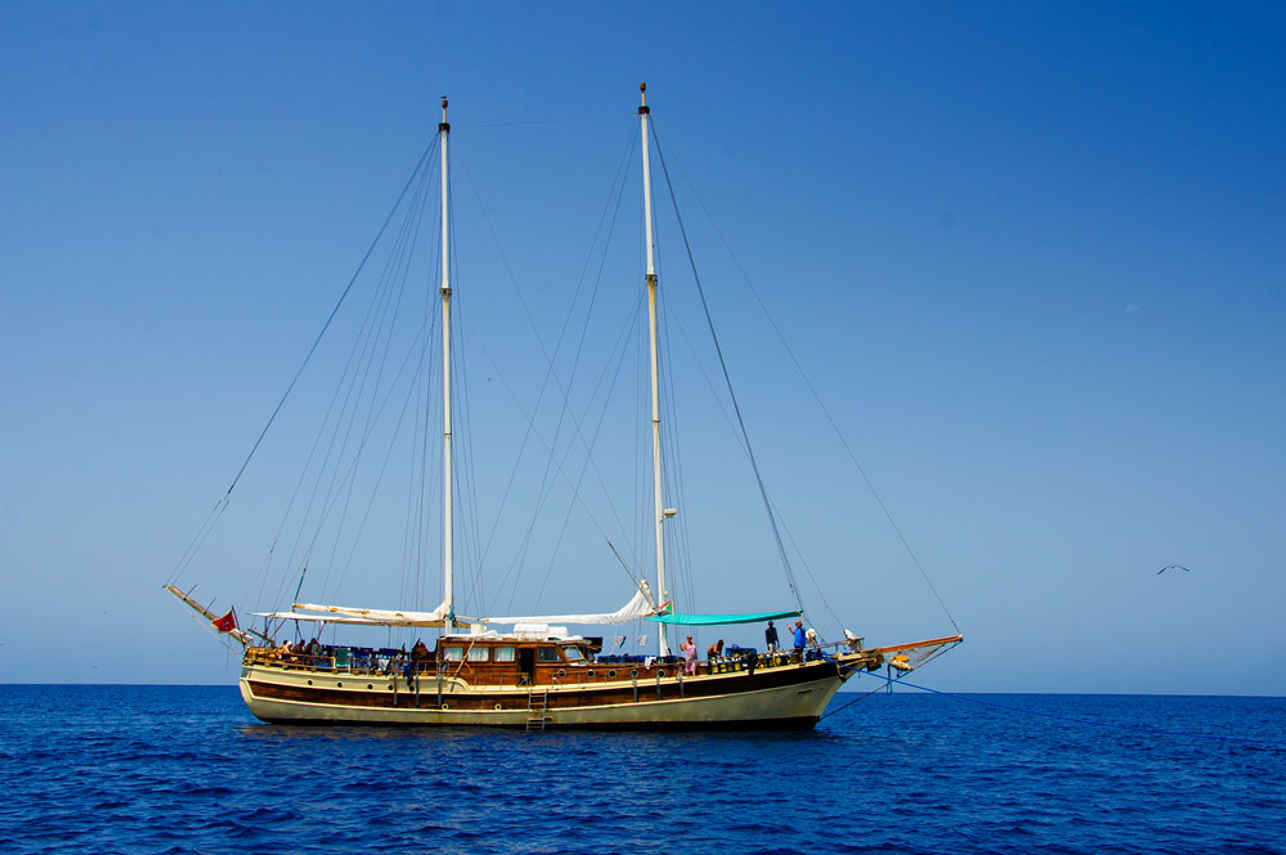
Elegante
Djibouti
14 guests25 m
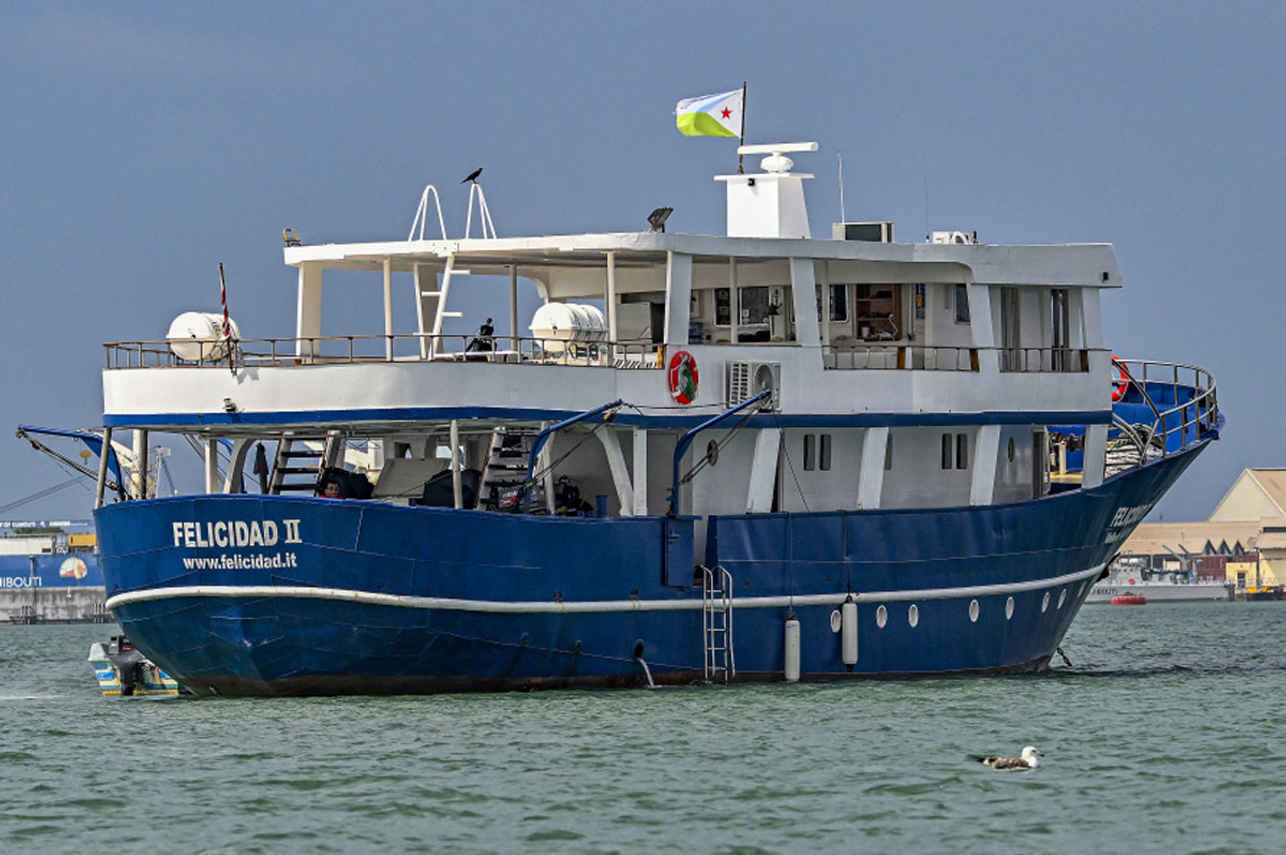
Felicidad II
Djibouti
18 guests30 m
Dive sites similar to Sawabi Islands
Same character, same waters — six more sites divers love for the exact same reasons.Compare seasons, access and liveaboard routes — then pick the site that fits your trip best.
© Esri — Maxar, Earthstar, GIS
Abu Dabbab
Egypt
Abu Dabbab stands out as one of the Red Sea's most celebrated dive destinations, particularly notable for being a rare location where divers can encounter the endangered dugong.
- Suitable for
- Beginner
- Current
- Strong
- Access
- Shore / dayboat
- Depth
- 3–20 m
- Theme
- Reef
© Esri — Maxar, Earthstar, GIS
Abu Galawa
Saudi Arabia
Abu Galawa is a prominent dive site within Saudi Arabia's Red Sea, specifically located among the Seven Sisters reefs near Yanbu.
- Suitable for
- Intermediate
- Current
- Strong
- Access
- Liveaboard or dayboat
- Depth
- 5–40 m
- Theme
- Reef / Wall
© Esri — Maxar, Earthstar, GIS
Abu Galawa Kebir
Egypt
Abu Galawa Kebir is a premier dive site located in the southern Red Sea, situated on the northwestern edge of the extensive Fury Shoal reef system.
- Suitable for
- Beginner
- Current
- Strong
- Access
- Liveaboard or dayboat
- Depth
- 3–18 m
- Theme
- Wreck
Abu Nuhas, often called the "ship's graveyard" of the Red Sea, is a triangular coral reef situated at the northern edge of the Strait of Gubal.
- Suitable for
- Beginner
- Current
- Strong
- Access
- Liveaboard or dayboat
- Depth
- 4–24 m
- Theme
- Wreck
The Aida is a prominent wreck dive site located in the Egyptian Red Sea, frequently visited on liveaboard itineraries that traverse the central region between the northern and southern dive sites.
- Suitable for
- Advanced
- Current
- Strong
- Access
- Liveaboard only
- Depth
- 25–65 m
- Theme
- Wreck / Drift
© Esri — Maxar, Earthstar, GIS
Al Lith Mangrove Reef
Saudi Arabia
Al Lith Mangrove Reef, located approximately 210 km south of Jeddah, serves as the primary launch point for exploring the renowned Farasan Banks.
- Suitable for
- Beginner
- Current
- Strong
- Access
- Shore / dayboat
- Depth
- 3–15 m
- Theme
- Reef / Wall