About St. Didier Wreck
The St. Didier Wreck, also known as the Saint Didier, is Antalya's most significant boat wreck, appealing to divers interested in history and underwater exploration. This French cargo ship, sunk on July 4, 1941, by British aircraft during World War II, rests on a sandy bottom about 1 km from Antalya Yacht Harbour. Its impressive length, reportedly around 70 meters (PADI) or 96 meters (Divein), and intact structure provide an extensive area for divers to explore. The wreck lies at an angle, with its bow pointing south and stern north, tilting approximately 35 degrees to the starboard side. The stern begins at roughly 15 meters, the deck is in the high teens, and the deepest point reaches about 30 meters. This creates a dive experience that feels like a controlled descent along a large steel silhouette, allowing for both exterior exploration and interior penetration opportunities for appropriately certified divers. While early salvage operations between 1946 and 1974 removed some cargo and remains, the wreck still holds wartime artifacts such as rifles, bombs, and even vehicle parts. The site attracts marine life, with large groupers, schools of barracuda, octopuses, and loggerhead sea turtles occasionally observed. Diving the St. Didier is best enjoyed from May through October, when conditions are generally clearer and warmer. This site requires boat access from Antalya Marina, and guided wreck diving is standard. Divers should be certified, maintain excellent buoyancy control, and practice conservative gas management, particularly when considering the numerous swim-through sections and the overhead environment within the wreck.
Highlights
WWII French cargo ship wreckTurkey's largest diveable wreckHistorical artifacts, cargo holdsSwim-through sectionsBarracuda schools, groupers, octopusesDeep profile, sandy bottomAccessible from Antalya
Best Season
The best season to dive the St. Didier Wreck is from May through October, with June to September offering the clearest and warmest conditions. During these months, visibility is typically at its best, and the water temperatures are more comfortable for extended dives.
Dive site facts: St. Didier Wreck
- Depth
- 15–34 m
- Current
- None
- Visibility
- 6–30 m
- Entry
- Boat
- Level
- Intermediate to Advanced
- Dive type
- Wreck, Historical
- Region / port
- Antalya, Turkey
- Coordinates
- 36.8826° N, 30.6988° E
Conditions & Currents
The St. Didier Wreck generally experiences minimal current, as noted in local research estimates, making it a relatively calm dive site. Entry is typically via boat, with divers descending onto the wreck from the surface. Visibility, however, can be variable, ranging from 6 meters to up to 15-30 meters depending on the season and local conditions. Although currents are usually absent, divers should be prepared for potential visibility fluctuations and manage their gas conservatively, especially when exploring deeper sections or considering swim-throughs. The wreck's depth profile requires careful depth and gas planning, suitable for certified divers familiar with wreck environments.
Marine life & sighting chances
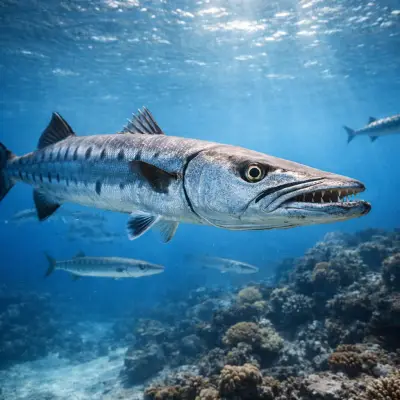
Barracuda
common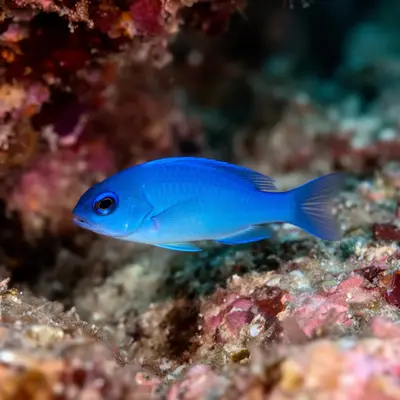
Damselfish
common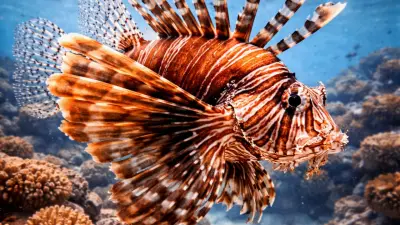
Lionfish
May-October · common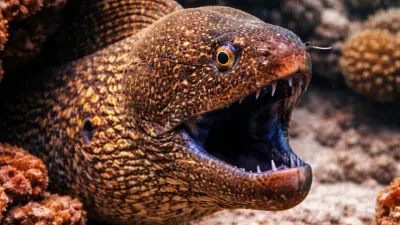
Moray Eel
common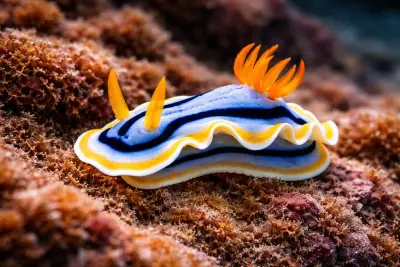
Nudibranch
common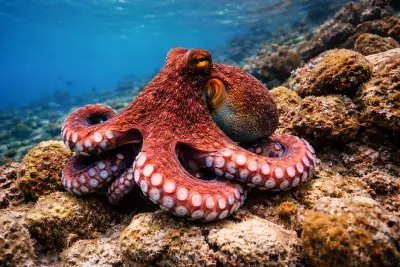
Octopus
common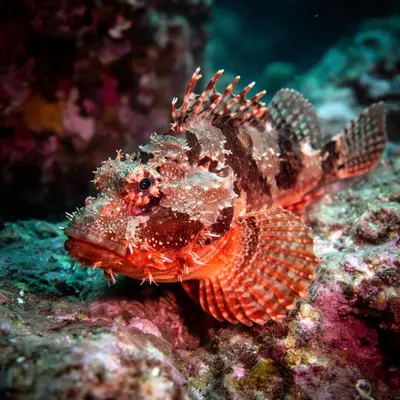
Scorpionfish
common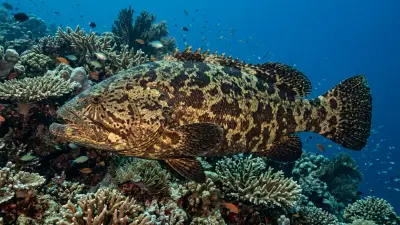
Grouper
June-October · common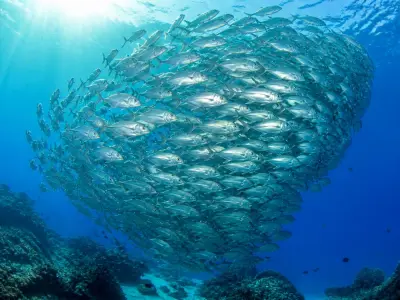
Jackfish
September · occasional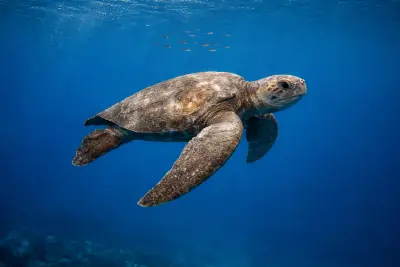
Loggerhead Sea Turtle
occasionalDive profile & how the dive runs
Diving the St. Didier Wreck typically begins with a boat entry from Antalya Marina, descending directly onto the wreck site. The stern is encountered first, resting at approximately 15 meters, while the deck lies in the high teens. Divers then follow the ship's length, which slants down to its deepest point at 30 to 34 meters. The route often involves exploring the exterior, observing the hull, superstructure, and any visible cargo. For suitably certified and experienced divers, specific swim-through sections are available. Turnaround points are determined by depth limits and gas consumption, ensuring a conservative dive plan. The ascent follows the wreck's slope, with the safety stop conducted in the shallower waters above the stern or off the main structure.
Underwater photography
The St. Didier Wreck provides excellent opportunities for wide-angle photography, capturing the immense scale of the 70 to 96-meter long vessel and its historical context. A wide-angle lens is ideal for showcasing the ship's overall structure, the large cargo holds, and any discernible artifacts such as rifles or bombs. For marine life, a macro lens can capture details of smaller inhabitants like nudibranchs, octopuses, and scorpionfish that inhabit the wreck. Strobes are essential to bring out colors and combat backscatter, especially given that visibility can sometimes be around 6 meters, though it can also be much clearer. Divers should maintain excellent buoyancy control to avoid disturbing sediment and to safely navigate swim-throughs without impacting the wreck. Ethical considerations include avoiding touching the wreck or marine life, and refraining from entering restricted or unstable overhead environments.
Combine with nearby dive sites
- Saint Efstathios Cave
Guided Antalya cave dive under the Kaleiçi cliffs.
- Kaleiçi Diving Center Private Site
City-center harbor dive with cave potential.
- Three Islands
Massive diving area with nine distinct reefs and two underwater caves, near Antalya.
- DC-3 Aircraft Wreck
Intentionally sunk passenger plane near Kaş, accessible at 19-20m.
- Canyon Dive (Kaş)
Advanced site mixing caves, caverns, canyon walls, and two wrecks.
Getting there & logistics
Access to the St. Didier Wreck is exclusively by boat, typically departing from Antalya Marina. Divers are expected to use a local operator for mooring and comprehensive wreck briefings. The nearest major airport is Antalya Airport (AYT). Trips to the St. Didier are usually day trips, often combined with other local Antalya dive sites such as Saint Efstathios Cave or the Kaleiçi Diving Center Private Site. For a more extensive diving holiday in Turkey, divers might travel to other regions like Kaş for sites like the DC-3 Aircraft Wreck or Canyon Dive. Guided wreck diving is mandatory, and the dive requires appropriate certification for deep and wreck environments.
Safety & environment
Safety at the St. Didier Wreck prioritizes conservative diving practices due to its deep profile and overhead environments. Divers must maintain strict gas management and buoyancy control, treating any opening as potential overhead space. The wreck's depth range, extending to 34 meters, necessitates appropriate certifications such as Advanced Open Water Diver, Deep Diver, and Wreck Diver. The closest recompression chamber is located in Antalya, although specific details regarding emergency evacuation protocols should be discussed with your local dive operator. Comprehensive dive insurance covering dive accidents and potential evacuation is highly recommended for all participants. Always follow guide instructions for wreck entry and adhere strictly to your certification level, avoiding any penetration beyond your training or comfort zone.
Who it suits — and who it doesn't
Suited for
- Certified wreck divers
- Intermediate to advanced divers
- History enthusiasts
- Photographers (wide-angle and macro)
- Divers seeking swim-through opportunities
Less suited for
- Beginner divers
- Freedivers
- Snorkelers
- Divers without wreck experience or deep certification
- Those prone to claustrophobia in confined spaces
FAQ
St. Didier Wreck FAQ
What is the history of the St. Didier Wreck?
The St. Didier, originally named "Saint Didier," was a French war and supply ship sunk by British aircraft on July 4, 1941, during World War II. It was a Vichy French vessel that had departed Greece loaded with troops, arms, munitions, and vehicles before being targeted by the British.
How deep is the St. Didier Wreck and what is its size?
The wreck lies at depths ranging from 15 meters at the stern to 30-34 meters at its deepest point. It measures approximately 70 to 96 meters in length and rests at a 35-degree angle on its starboard side.
Are there any artifacts still visible on the St. Didier Wreck?
While salvage operations in 1946 and 1974 removed many of the ship's contents and human remains, some artifacts like rifles, bombs, and even parts of vehicles are reportedly still inside the hull. However, souvenirs taken by divers over time have diminished the amount of visible cargo.
What kind of marine life can be seen at St. Didier Wreck?
The wreck attracts a variety of marine life including schools of barracuda, large groupers, octopuses, and moray eels. Lionfish, damselfish, and scorpionfish are also commonly sighted. Occasionally, loggerhead sea turtles may be seen cruising around the artificial reef.
What dive certifications are recommended for St. Didier Wreck?
Given the wreck's depth and potential for penetration, certifications such as PADI Advanced Open Water Diver, PADI Deep Diver, and PADI Wreck Diver are highly recommended. This ensures divers have the necessary skills and training for safe exploration of the site.
How is access arranged for diving the St. Didier Wreck?
Diving the St. Didier Wreck requires boat access, typically arranged through local dive operators departing from Antalya Marina. Guided wreck diving is the standard approach, with operators providing necessary briefings and ensuring adherence to safety protocols.
Why dive St. Didier Wreck from a liveaboard?
St. Didier Wreck is one of Turkey's signature dive sites. A liveaboard sleeps you on the water and puts you in the water for three to four guided dives per day, including dawn and night dives that day-boat operators rarely offer. You skip the daily commute back to port and reach quieter, less-crowded sites in the same region on a single trip.
Below are the liveaboards that include St. Didier Wreck on their Turkey itineraries.
Liveaboards diving St. Didier Wreck
These liveaboards may visit St. Didier Wreck on selected itineraries — the exact dive sites depend on departure, weather and conditions.
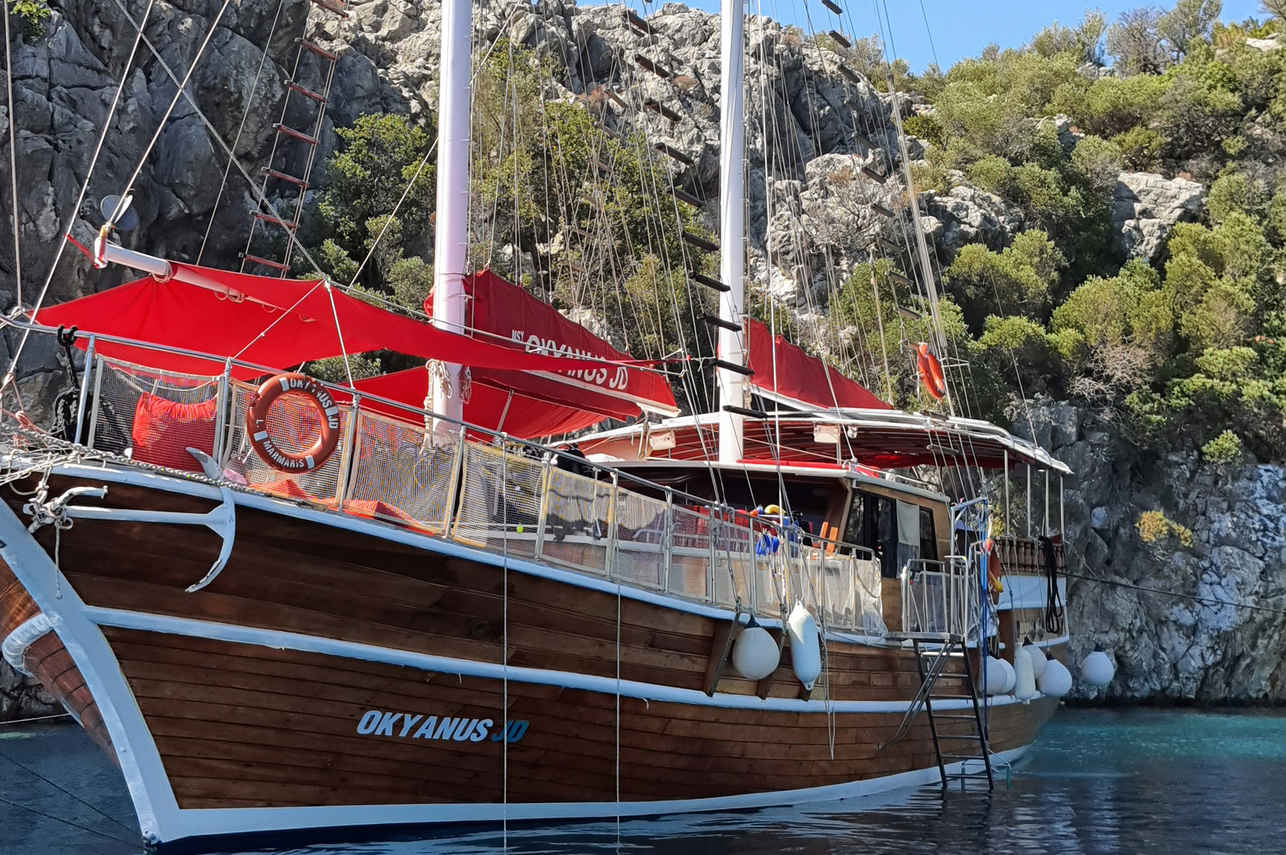
Okyanus JD
Turkey
12 guests24 m
$157/day
Dive sites similar to St. Didier Wreck
Same character, same waters — six more sites divers love for the exact same reasons.Compare seasons, access and liveaboard routes — then pick the site that fits your trip best.
© Esri — Maxar, Earthstar, GIS
Tank Wreck
Turkey
The Güvercin Ada / Tank Wreck dive site, located near Kaş, Turkey, combines a calm reef with a unique blend of sunken elements, including a sculpture and various wreck components.
- Suitable for
- Intermediate
- Current
- Moderate
- Access
- Liveaboard or dayboat
- Depth
- 21–21 m
- Theme
- Wreck
© Esri — Maxar, Earthstar, GIS
Coastguard Wreck
Turkey
The Coastguard Wreck is a Fethiye boat dive, featuring a retired coast guard ship scuttled to form an artificial reef alongside a natural reef structure.
- Suitable for
- Intermediate
- Current
- Moderate
- Access
- Liveaboard or dayboat
- Depth
- 27–30 m
- Theme
- Wreck
© Esri — Maxar, Earthstar, GIS
Coast Guard Ship Wreck
Turkey
The Coast Guard Ship Wreck is an advanced dive site situated near Bodrum in the Aegean Sea.
- Suitable for
- Intermediate
- Current
- Moderate
- Access
- Liveaboard or dayboat
- Depth
- 3–29 m
- Theme
- Wreck
© Esri — Maxar, Earthstar, GIS
Saint Didier
Turkey
The Saint Didier is Turkey's largest accessible shipwreck, a significant historical site located a short boat ride from Antalya's yacht harbor.
- Suitable for
- Advanced
- Current
- Mild
- Access
- Dayboat
- Depth
- 16–31 m
- Theme
- Wreck
© Esri — Maxar, Earthstar, GIS
Monem Wreck
Turkey
The Monem Wreck lies in the clear Aegean waters near the Karaburun peninsula, west of İzmir, off the coast of Çeşme, Turkey.
- Suitable for
- Advanced
- Current
- Mild
- Access
- Dayboat
- Depth
- 18–18 m
- Theme
- Wreck / Reef
© Esri — Maxar, Earthstar, GIS
Catermaran Wreck
Turkey
The Turkish coast, particularly the Riviera, offers diverse diving experiences, including a variety of wrecks.
- Suitable for
- Intermediate
- Current
- Moderate
- Access
- Liveaboard or dayboat
- Depth
- —
- Theme
- Wreck