About Saint Efstathios Cave
Saint Efstathios Cave is a historical dive site located directly beneath the Kaleiçi cliffs in Antalya, specifically towards Konyaaltı from Kaleiçi Port. This cave holds historical significance, dating back to the Byzantine period and dedicated to Saint Efstathios, a revered figure in Orthodox Christian tradition. The dive site is characterized by its cave environment, providing an immersive experience for divers. While specific depth details for the cave itself are not explicitly provided, it is described as an "Antalya cave dive under the Kaleiçi cliffs," suggesting a profile that allows for exploration within the rock formations. The waters here are known for a great variety of marine life. Divers can frequently encounter species such as Mediterranean monk seals, loggerhead sea turtles (Caretta caretta), octopuses, and moray eels. Grouper, grida, and lepidoptera are also present, adding to the biological diversity within and around the cave. Access to the site typically involves a guided boat trip from Antalya Marina, making it a moderately accessible dive. The dive itself is designed as a guided cave exploration, suitable for certified divers comfortable with overhead environments and good buoyancy control. It offers an opportunity to combine historical exploration with vibrant marine encounters.
Highlights
Byzantine historical caveUnder Kaleiçi cliffsMediterranean monk sealsLoggerhead sea turtlesOctopus and moray eelsGuided cave diveAntalya city diving
Best Season
The optimal period for diving in Antalya, including Saint Efstathios Cave, generally spans from May through October. During these months, the water temperatures are warmer and visibility tends to be at its best, ensuring clearer conditions for cave exploration.
Dive site facts: Saint Efstathios Cave
- Depth
- 15 m
- Current
- none to mild
- Visibility
- 20 m
- Entry
- Boat
- Level
- Intermediate
- Dive type
- Cave
- Region / port
- Antalya
- Coordinates
- 36.5060° N, 29.0689° E
Conditions & Currents
Saint Efstathios Cave is primarily characterized by its protected cave environment, indicating that significant strong currents are generally not a concern within the cave itself. However, surrounding waters may experience occasional surge, particularly depending on surface conditions and predominant winds, which can influence boat entry and exit. Visibility around the cave is noted as excellent, typically reaching 20 meters, which is crucial for navigation in an overhead environment. Divers should expect boat access and will need to manage buoyancy carefully within the cave to avoid disturbing the sediment or damaging delicate formations, making good trim and finning techniques essential for a safe and enjoyable experience.
Marine life & sighting chances
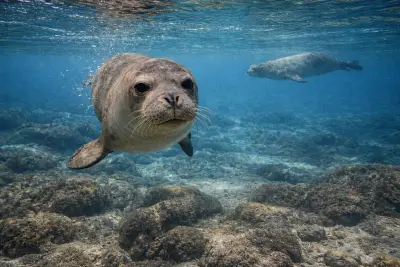
Mediterranean Monk Seal
occasional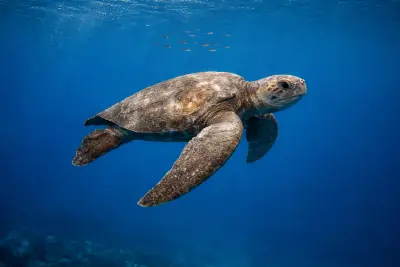
Caretta Caretta
occasional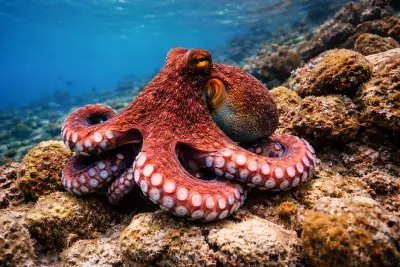
Octopus
common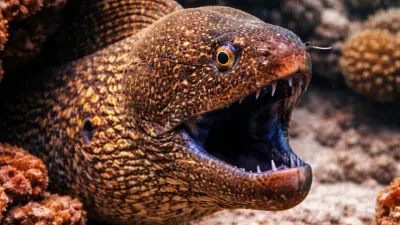
Moray Eel
common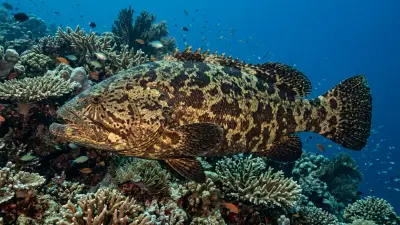
Grouper
commonGrida
occasionalLepidoptera
occasional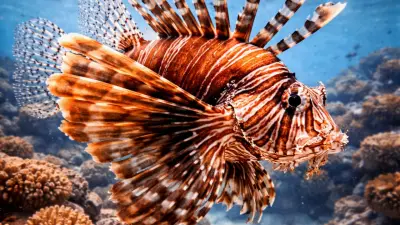
Lionfish
April, July, August, November · occasionalDive profile & how the dive runs
Diving at Saint Efstathios Cave typically begins with a boat entry from Antalya Marina, reaching the site located under the Kaleiçi cliffs. The dive involves exploring the historical cave, which dates back to the Byzantine period. Divers will navigate through the cave formations, paying close attention to buoyancy due to the overhead environment. While specific depths inside the cave are not detailed, divers can expect to follow a guided path, observing the natural rock structures and resident marine life. The clear visibility of 20 meters assists in navigation. The dive concludes with a safety stop typically performed near the cave entrance or in the immediate vicinity before ascending back to the boat.
Underwater photography
Capturing the unique ambiance of Saint Efstathios Cave requires specific photographic considerations due to the cave's overhead environment and potential light variations. A wide-angle lens is recommended to encompass the grand cave formations and the feeling of the entrance, as well as to capture any large marine life like seals or turtles. External strobes are essential to properly illuminate the cave interior and bring out the natural colors of the rock and any sessile organisms, as natural light diminishes quickly. When photographing marine life such as octopus or moray eels within the cave, a macro lens might also be useful for close-up detail. Excellent buoyancy control is paramount to avoid stirring up sediment, which can quickly ruin visibility for photos and other divers. Divers should be mindful of their position and finning technique to preserve the pristine conditions of the cave for photography.
Combine with nearby dive sites
- St. Didier Wreck
A boat wreck with swim-throughs and a deep profile, located 0.2 km from Saint Efstathios Cave.
- Kaleiçi Diving Center Private Site
A city-center harbor dive with cave potential, 0.4 km away.
- Oriza Park Beach
A boat-access wreck dive off Antalya with rich hull life, located 9.5 km away.
Getting there & logistics
Access to Saint Efstathios Cave is primarily facilitated through local dive centers operating out of Antalya, such as Deep Walker Diving or Kaleiçi Diving Center. Divers typically depart from Antalya Marina by boat for day trips. Antalya is well-served by Antalya Airport (AYT), offering international and domestic connections. Standard dive trip durations often involve a single or double tank dive, combined with other nearby sites. No specific permits or fees beyond the dive trip cost are mentioned, but guided dives are the standard for this site. Trips usually operate during the main dive season from May to October, taking advantage of optimal conditions. Divers should plan for a boat journey from the port to the site, which is located under the Kaleiçi cliffs.
Safety & environment
For diving at Saint Efstathios Cave, adhering to standard cave diving safety protocols is crucial, as it involves an overhead environment. Divers must maintain excellent buoyancy control to prevent disturbing the cave floor and impacting visibility, which could disorient them. Carrying appropriate lighting is essential, including primary and backup lights. While no specific recompression chamber location is provided in the sources, Antalya is a major city where medical facilities, including potential hyperbaric services, would be expected. Divers should ensure their dive insurance covers cave diving activities. Always dive with a certified guide experienced with the site and follow their briefing on entry, navigation, and exit procedures, keeping gas management conservative given the cave environment.
Who it suits — and who it doesn't
Suited for
- Experienced divers comfortable with overhead environments
- Divers interested in historical sites
- Underwater photographers seeking unique cave compositions
- Marine life enthusiasts looking for monk seals and turtles
- Divers seeking guided dive experiences
Less suited for
- Beginner divers without cave diving training
- Divers uncomfortable with confined spaces
- Snorkelers or freedivers (due to depth and overhead environment)
- Divers without good buoyancy control
FAQ
Saint Efstathios Cave FAQ
What is the historical significance of Saint Efstathios Cave?
Saint Efstathios Cave dates back to the Byzantine period and is dedicated to Saint Efstathios, a notable figure in Orthodox Christian tradition. This gives the dive site a unique historical and cultural dimension, allowing divers to explore an ancient site while experiencing the underwater world.
What kind of marine life can I expect to see at Saint Efstathios Cave?
The cave and its surrounding waters host a great variety of marine life. You may encounter Mediterranean monk seals and loggerhead sea turtles (Caretta Caretta). Common sightings also include octopuses, moray eels, groupers, grida, and sometimes lionfish.
What are the typical diving conditions at the cave?
Visibility at Saint Efstathios Cave is generally excellent, often reaching 20 meters, which is beneficial for navigating the cave environment. Currents are typically mild within the protected cave, but divers must be proficient in buoyancy control due to the overhead nature of the site. Access is by boat from Antalya Marina.
Is Saint Efstathios Cave suitable for all levels of divers?
This cave dive is best suited for intermediate to experienced divers who are comfortable with overhead environments and possess excellent buoyancy control. Its nature as a guided cave dive under the cliffs requires a certain level of experience and adherence to specific safety protocols.
How do I access Saint Efstathios Cave?
Saint Efstathios Cave is accessed by boat, typically departing from Antalya Marina. Dive centers in Antalya, such as Deep Walker Diving and Kaleiçi Diving Center, regularly arrange guided trips to this historical site. It's usually part of a day trip diving itinerary.
Why dive Saint Efstathios Cave from a liveaboard?
Saint Efstathios Cave is one of Turkey's signature dive sites. A liveaboard sleeps you on the water and puts you in the water for three to four guided dives per day, including dawn and night dives that day-boat operators rarely offer. You skip the daily commute back to port and reach quieter, less-crowded sites in the same region on a single trip.
Below are the liveaboards that include Saint Efstathios Cave on their Turkey itineraries.
Liveaboards diving Saint Efstathios Cave
These liveaboards may visit Saint Efstathios Cave on selected itineraries — the exact dive sites depend on departure, weather and conditions.
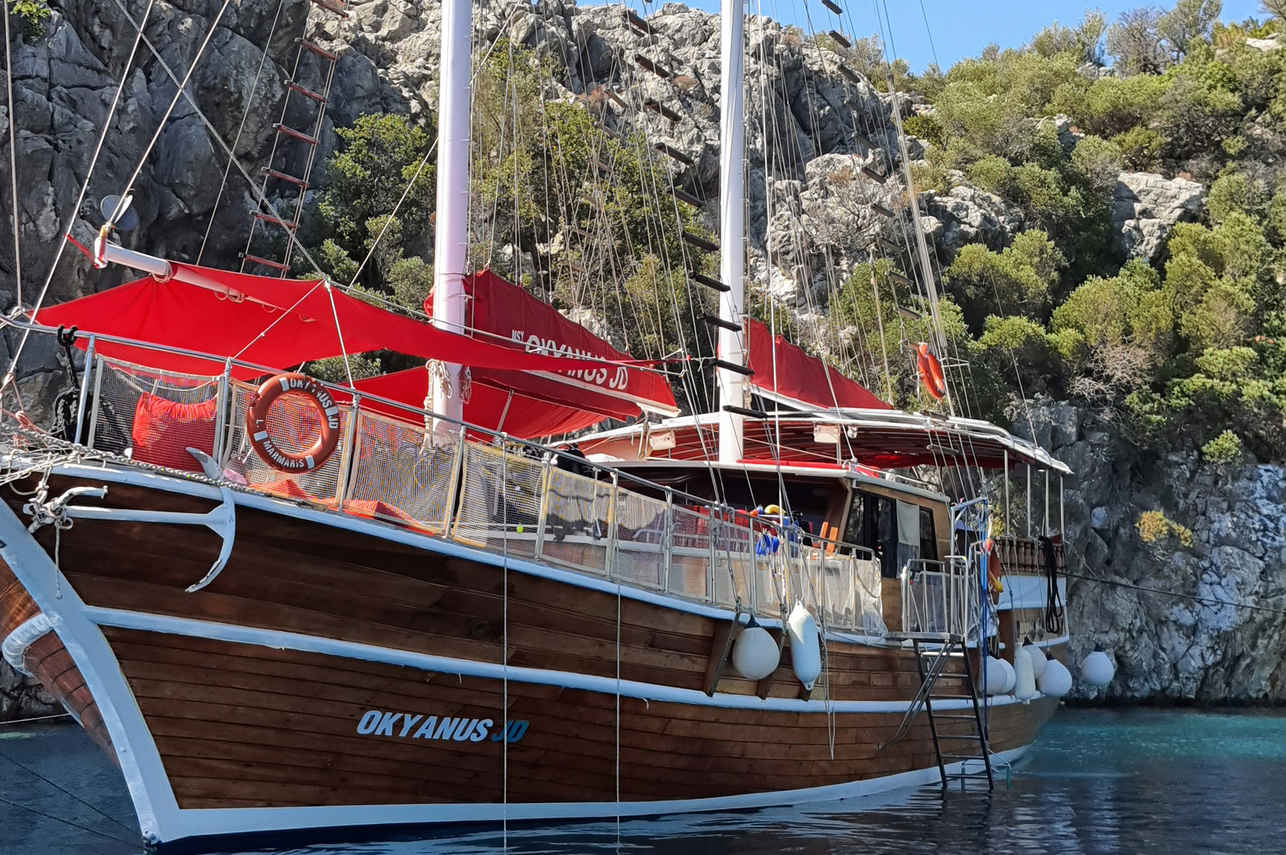
Okyanus JD
Turkey
12 guests24 m
$157/day
Dive sites similar to Saint Efstathios Cave
Same character, same waters — six more sites divers love for the exact same reasons.Compare seasons, access and liveaboard routes — then pick the site that fits your trip best.
© Esri — Maxar, Earthstar, GIS
Hidayet Koyu
Turkey
Hidayet Koyu is a well-known, sheltered bay located on the Kaş peninsula in Turkey, celebrated for its accessibility and vibrant marine ecosystem.
- Suitable for
- Beginner
- Current
- No current
- Access
- Liveaboard or dayboat
- Depth
- ≤ 32 m
- Theme
- Reef
© Esri — Maxar, Earthstar, GIS
Besmi Island
Turkey
Besmi Island, also known as Besmi Adası, is a challenging yet rewarding dive site located off Turkey's southwestern coast near Fethiye and southwest of Kaş.
- Suitable for
- Advanced
- Current
- Strong
- Access
- Dayboat
- Depth
- 4–60 m
- Theme
- Reef / Wall
© Esri — Maxar, Earthstar, GIS
Domuz Island
Turkey
Domuz Island, also known as Pig Island, is a celebrated dive destination nestled within the Göcek archipelago, part of Fethiye Bay.
- Suitable for
- Beginner
- Current
- Mild
- Access
- Dayboat
- Depth
- 5–15 m
- Theme
- Reef
© Esri — Maxar, Earthstar, GIS
Kızıl Island
Turkey
Kızıl Island, known locally as Kızılada, is a prominent dive site situated near Fethiye on Turkey's southwestern coast.
- Suitable for
- Intermediate
- Current
- Mild
- Access
- Dayboat
- Depth
- 8–40 m
- Theme
- Reef / Wall
© Esri — Maxar, Earthstar, GIS
Smugglers Bay
Turkey
Smugglers Bay, located near Bodrum in Turkey's Aegean Sea, is a beginner-friendly dive site renowned for its calm conditions and healthy marine environment.
- Suitable for
- Beginner
- Current
- Mild
- Access
- Dayboat
- Depth
- 3–35 m
- Theme
- Reef
© Esri — Maxar, Earthstar, GIS
Rambo Cave
Turkey
Rambo Cave is a captivating coastal cavern located near Alanya in Antalya, Turkey.
- Suitable for
- Intermediate
- Current
- Moderate
- Access
- Liveaboard or dayboat
- Depth
- 3–15 m
- Theme
- Cave & cavern