About Coast Guard Ship Wreck
The Coast Guard Ship Wreck is an advanced dive site situated near Bodrum in the Aegean Sea. This decommissioned Turkish coast guard vessel was intentionally sunk to serve as an artificial reef, adding to Bodrum's reputation as a premier wreck diving destination. The wreck's operational profile remains largely intact, even as marine growth establishes itself, creating a dynamic habitat for various species. Sitting on the Aegean seabed, the vessel's deck equipment, bridge structure, and hull lines are still clearly identifiable. The wreck itself acts as an oasis of hard substrate, supporting significantly more life than the surrounding sandy bottom. Depths range from a shallow seagrass approach at 3 meters down to the bow at 26-29 meters, with the stern reported at 17-18 meters. Marine colonization is well underway, with sponges, soft corals, and algae coating the hull. A diverse fish population includes groupers establishing territories within the wreck, while schools of bream and wrasse are often seen orbiting the exterior. Other notable inhabitants are moray eels, octopus, and nudibranchs, reflecting the rich biodiversity of the Mediterranean. This site is typically accessed by boat from Bodrum and is suitable for certified divers. It provides a unique exploration experience, with prepared access points allowing interior penetration for those with specific wreck diving certifications. Divers should plan for a guided experience to navigate the wreck's features and understand its depth progression.
Highlights
Purpose-sunk coast guard vesselBodrum wreck diving destinationArtificial reef habitatIntact deck equipment, bridge, hullOpportunities for interior penetrationDiverse Mediterranean marine lifeWell-established marine growthShallow seagrass approach
Season calendar
Best months to dive here
Jan
Feb
Mar
Apr
May
Jun
Jul
Aug
Sep
Oct
Nov
Dec
Excellent
Good
Dive site facts: Coast Guard Ship Wreck
- Depth
- 3–29 m
- Current
- Mild to Moderate
- Visibility
- 18–30 m
- Water temperature
- 25–26°C
- Entry
- Boat
- Level
- Advanced
- Dive type
- Wreck, Artificial Reef
- Region / port
- Bodrum, Turkey
- Coordinates
- 37.3261° N, 27.2441° E
Conditions & Currents
Conditions at the Coast Guard Ship Wreck can vary, with moderate currents sometimes present, particularly during specific periods. Divers have reported both mild and moderate currents at the site, which necessitates careful planning and awareness. Visibility typically ranges around 22-25 meters, providing clear views of the wreck and its inhabitants. Entry is exclusively by boat, requiring careful coordination with the dive operator. Due to the wreck's depth profile, which spans from a shallow 3 meters over seagrass to 29 meters at the bow, divers need to manage their air consumption and decompression limits. The wheelhouse is considered an overhead environment, and penetration should only be attempted by trained and certified wreck divers, with conservative gas planning and adherence to guide instructions.
Marine life & sighting chances
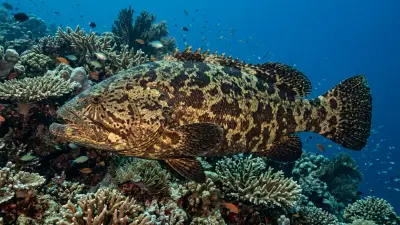
Grouper
common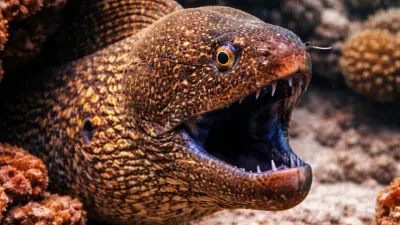
Moray Eel
common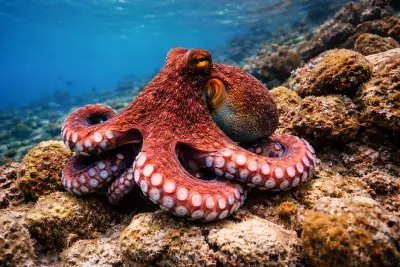
Octopus
common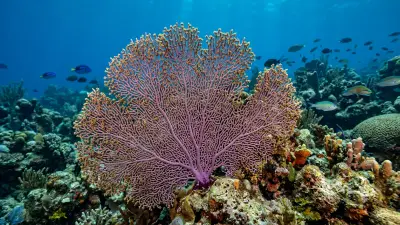
Sea fan
common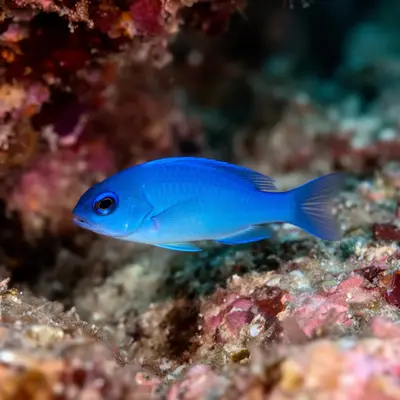
Damselfish
common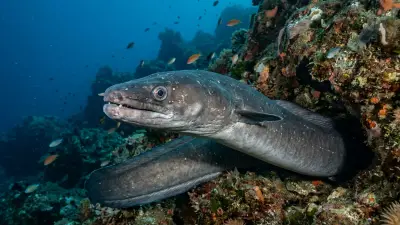
Conger eel
common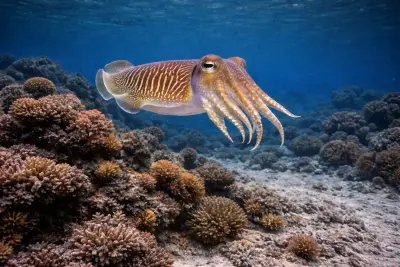
Cuttlefish
common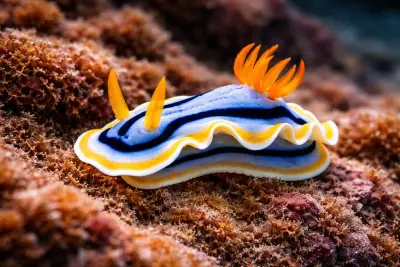
Nudibranch
common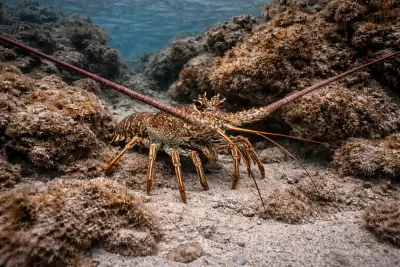
Lobster
common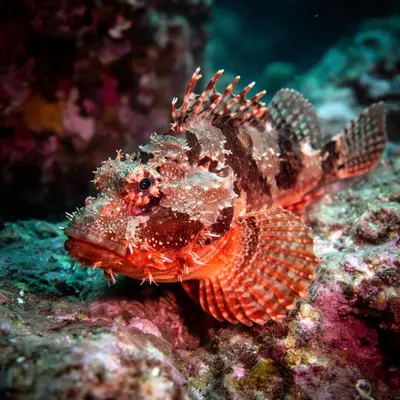
Scorpionfish
common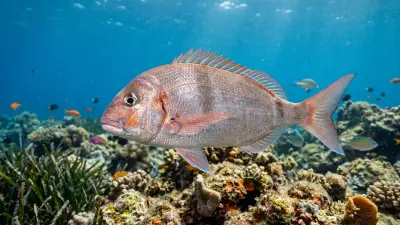
Bream
common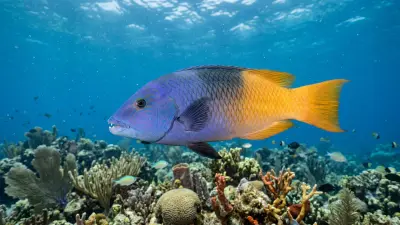
Wrasse
common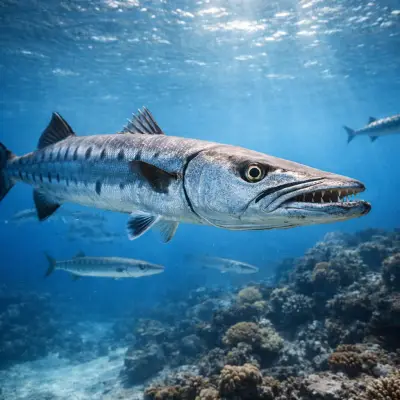
Barracuda
common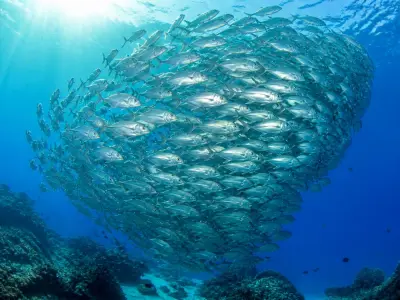
Jackfish
commonDive profile & how the dive runs
Your dive at the Coast Guard Ship Wreck begins with a boat entry from Bodrum, typically involving a short ride to the site. Upon descent, you'll first encounter a shallow seagrass area around 3 meters before reaching the wreck itself. The dive follows the artificial reef profile, with the stern resting at approximately 17-18 meters and the bow extending deeper to 26-29 meters. You'll navigate along the hull, observing the deck equipment, bridge structure, and marine growth. Careful buoyancy control is essential, especially if exploring the prepared access points for interior penetration, which is reserved for certified wreck divers. The dive concludes with a gradual ascent, often utilizing the shallower parts of the wreck or the adjacent reef for a safety stop, ensuring a conservative profile given the wreck's depth range.
Underwater photography
This wreck offers excellent wide-angle opportunities to capture the full structure of the decommissioned coast guard vessel and the extensive marine growth covering its surfaces. Consider using an external strobe to bring out the vibrant colors of sponges, soft corals, and algae coating the hull, especially in deeper sections where natural light diminishes. For macro photography, focus on details like nudibranchs, small invertebrates, and juvenile fish hiding among the wreck's crevices and deck equipment. Pay close attention to buoyancy, particularly if entering the wheelhouse, to avoid disturbing silt and maintain clear shots. Patience is key when photographing resident groupers or schooling fish, allowing them to acclimate to your presence for natural, dynamic compositions.
Combine with nearby dive sites
- SG-115 TURKISH NAVY SHIPWRECK
Another significant purpose-sunk wreck in the Bodrum area.
- PACOZ BAY (C-47 DACOTA PLANE WRECK)
A C-47 Dakota plane wreck offering a different type of wreck diving.
- Milet
A wall and cavern dive with clear Aegean water, located about 10.1 km away.
- Akyar Reef
A reef dive in the same region, suitable for combining with wreck dives.
- St. Didier Wreck
Another wreck listed among Turkey's top dive sites.
Getting there & logistics
Access to the Coast Guard Ship Wreck is primarily via daily boat trips departing from Bodrum, a major hub in the Aegean Sea. Bodrum is served by Milas-Bodrum Airport (BJV), which offers both domestic and international flights, making it easily accessible for divers. Trips to the wreck are usually short boat runs, making it feasible to combine with other local dive sites in a single day or as part of a multi-day dive package. There are no specific permits or park fees mentioned for diving this particular site, but divers should confirm with their chosen dive center for any local regulations. Dive centers in Bodrum frequently offer guided trips to this wreck, often bundling it with other artificial reefs or natural sites to showcase the region's diverse underwater offerings.
Safety & environment
Diving at the Coast Guard Ship Wreck requires adherence to advanced diving protocols due to its depth and potential for overhead environments. Divers must ensure they are properly certified for the depths and conditions, and any penetration into the wheelhouse should only be attempted by trained wreck divers with appropriate equipment and gas planning. The nearest recompression chamber would typically be in a major urban center like Izmir or potentially Istanbul, necessitating a significant evacuation time in case of a dive-related emergency. Divers should always have comprehensive dive insurance covering hyperbaric treatment and emergency evacuation. Always dive with a reputable local operator familiar with the wreck and follow your guide's instructions precisely, especially regarding currents and overhead sections. Maintain good buoyancy control to prevent disturbing silt, which can quickly reduce visibility.
Who it suits — and who it doesn't
Suited for
- Advanced certified divers seeking wreck exploration
- Divers interested in artificial reef ecosystems
- Photographers aiming for wide-angle and macro wreck shots
- Experienced divers comfortable with moderate currents
- Those who appreciate historical vessels turned into dive sites
Less suited for
- Beginner divers or those without advanced certification
- Divers unfamiliar with wreck diving protocols
- Those without proper training for overhead environments
- Snorkelers or freedivers due to depth and wreck focus
- Divers uncomfortable with potential currents or deeper profiles
FAQ
Coast Guard Ship Wreck FAQ
What kind of wreck is the Coast Guard Ship Wreck?
This is a purposefully sunk former Turkish coast guard vessel. It was decommissioned and then submerged to create an artificial reef, offering an interesting site for wreck diving enthusiasts. Its original operational profile remains visible, providing insight into its past life.
What is the typical depth range for diving this wreck?
The wreck spans a significant depth range, starting with a shallow approach over seagrass at around 3 meters. The stern of the vessel is found at about 17-18 meters, while the bow extends deeper, reaching approximately 26-29 meters. This makes it suitable for advanced divers.
Is interior penetration allowed at the Coast Guard Ship Wreck?
Yes, prepared access points allow for interior penetration into certain sections, such as the wheelhouse. However, this is strictly reserved for certified wreck divers who have received specific training for overhead environments. It is crucial to follow your guide's instructions and your training limits.
What marine life can be seen on the wreck?
The wreck is a vibrant artificial reef teeming with Mediterranean marine life. Divers frequently encounter groupers, moray eels, octopuses, and schools of bream and wrasse. The hull is also covered in sponges, soft corals, and algae, attracting various smaller invertebrates and fish.
Where does the dive boat depart from to reach this site?
Dive boats for the Coast Guard Ship Wreck typically depart from Bodrum. Bodrum is a well-known diving hub in the Aegean Sea and offers numerous dive centers that regularly arrange trips to this popular wreck site, often as part of a multi-dive day.
Why dive Coast Guard Ship Wreck from a liveaboard?
Coast Guard Ship Wreck is one of Turkey's signature dive sites. A liveaboard sleeps you on the water and puts you in the water for three to four guided dives per day, including dawn and night dives that day-boat operators rarely offer. You skip the daily commute back to port and reach quieter, less-crowded sites in the same region on a single trip.
Below are the liveaboards that include Coast Guard Ship Wreck on their Turkey itineraries.
Liveaboards diving Coast Guard Ship Wreck
These liveaboards may visit Coast Guard Ship Wreck on selected itineraries — the exact dive sites depend on departure, weather and conditions.
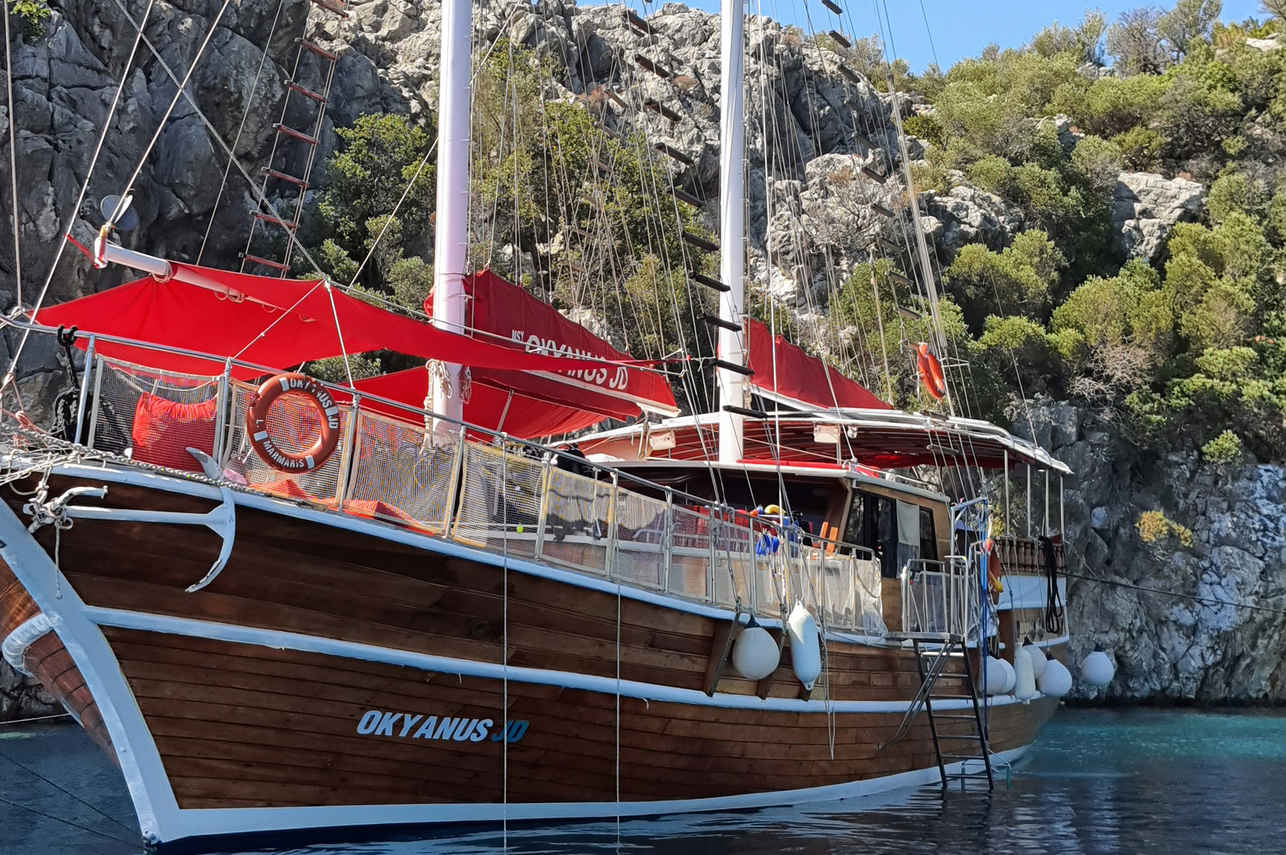
Okyanus JD
Turkey
12 guests24 m
$157/day
Dive sites similar to Coast Guard Ship Wreck
Same character, same waters — six more sites divers love for the exact same reasons.Compare seasons, access and liveaboard routes — then pick the site that fits your trip best.
© Esri — Maxar, Earthstar, GIS
Catermaran Wreck
Turkey
The Turkish coast, particularly the Riviera, offers diverse diving experiences, including a variety of wrecks.
- Suitable for
- Intermediate
- Current
- Moderate
- Access
- Liveaboard or dayboat
- Depth
- —
- Theme
- Wreck
© Esri — Maxar, Earthstar, GIS
Tank Wreck
Turkey
The Güvercin Ada / Tank Wreck dive site, located near Kaş, Turkey, combines a calm reef with a unique blend of sunken elements, including a sculpture and various wreck components.
- Suitable for
- Intermediate
- Current
- Moderate
- Access
- Liveaboard or dayboat
- Depth
- 21–21 m
- Theme
- Wreck
© Esri — Maxar, Earthstar, GIS
Coastguard Wreck
Turkey
The Coastguard Wreck is a Fethiye boat dive, featuring a retired coast guard ship scuttled to form an artificial reef alongside a natural reef structure.
- Suitable for
- Intermediate
- Current
- Moderate
- Access
- Liveaboard or dayboat
- Depth
- 27–30 m
- Theme
- Wreck
© Esri — Maxar, Earthstar, GIS
Saint Didier
Turkey
The Saint Didier is Turkey's largest accessible shipwreck, a significant historical site located a short boat ride from Antalya's yacht harbor.
- Suitable for
- Advanced
- Current
- Mild
- Access
- Dayboat
- Depth
- 16–31 m
- Theme
- Wreck
© Esri — Maxar, Earthstar, GIS
Monem Wreck
Turkey
The Monem Wreck lies in the clear Aegean waters near the Karaburun peninsula, west of İzmir, off the coast of Çeşme, Turkey.
- Suitable for
- Advanced
- Current
- Mild
- Access
- Dayboat
- Depth
- 18–18 m
- Theme
- Wreck / Reef
© Esri — Maxar, Earthstar, GIS
The Italian WWII Plane Wreck, known locally as "Flying Fish," offers a compelling dive into history off the coast of Kaş.
- Suitable for
- Advanced
- Current
- Mild
- Access
- Liveaboard or dayboat
- Depth
- 55–65 m
- Theme
- Wreck