About SG-115 TURKISH NAVY SHIPWRECK
The SG-115 Turkish Navy Shipwreck is an advanced dive site located in the Aegean Sea, just a short boat ride from Bodrum's Black Island. This former naval vessel was intentionally sunk to serve as an artificial reef, offering certified divers a unique opportunity to explore military maritime heritage beneath the waves. Its structure provides a clear wreck profile with surrounding seagrass meadows, appealing to both history enthusiasts and marine life observers. The wreck's depths range from approximately 17 meters at its shallowest point, with the main deck around 18 meters, extending to 26-29 meters at its deeper end. Maximum depths in the surrounding open sea can reach 34 meters. The vessel was prepared for safe diver access prior to sinking, featuring created openings and the removal of hazardous materials, though internal penetration opportunities require appropriate wreck diving certification. Marine colonization has transformed the SG-115 into a dynamic ecosystem, attracting a variety of Mediterranean species. Sponges, algae, and encrusting organisms adorn the metal surfaces, while fish such as groupers, barracuda, and damselfish have adopted the wreck as their habitat. The site also hosts moray eels, octopus, and nudibranchs, making it a rich environment for observation. Accessibility is exclusively by boat, typically arranged through local dive operators in Bodrum. The short boat run to Black Island, combined with generally clear waters and light currents, makes for a rewarding wreck dive experience. While parts of the shallower wreck are suitable for open water certified divers in calm conditions, full exploration, including potential penetration, is best suited for advanced and wreck-certified divers.
Highlights
Decommissioned Turkish Navy vesselArtificial reef ecosystemShort boat ride from BodrumExtensive marine colonizationOverhead environment potentialMilitary maritime heritage
Season calendar
Best months to dive here
Jan
Feb
Mar
Apr
May
Jun
Jul
Aug
Sep
Oct
Nov
Dec
Excellent
Good
Off-Season
Dive site facts: SG-115 TURKISH NAVY SHIPWRECK
- Depth
- 17–29 m
- Current
- Light
- Visibility
- 22 m
- Entry
- Boat
- Level
- Advanced
- Dive type
- Wreck
- Region / port
- Bodrum, Turkey
- Coordinates
- 36.1833° N, 29.5905° E
Conditions & Currents
Currents at the SG-115 are typically light, making it a manageable dive for experienced individuals. The site is known for flat calm surge conditions, contributing to a pleasant dive experience on most days. Visibility is routinely excellent, averaging 22 meters, which aids in navigation and appreciation of the wreck. Entry is exclusively by boat, and local operators are crucial for managing safe access and adherence to the wreck's depth profile. While generally calm, divers should remain aware of potential light currents, especially given the depths involved and the need for careful gas planning and ascent management on this advanced site.
Marine life & sighting chances

Barracuda
common
Grouper
common
Jackfish
common
Moray Eel
common
Nudibranch
common
Octopus
common
Shrimp
common
Squid
common
Stingrays
common
Sea Bream
common
Damselfish
common
Scorpionfish
common
Cuttlefish
commonDive profile & how the dive runs
Access to the SG-115 is typically a short boat ride from Bodrum, reaching Black Island where the wreck resides. Upon arrival, divers make a boat entry directly to the site. The wreck's shallowest point is around 17-18 meters, which is often the initial descent target. The main deck lies at approximately 18 meters, offering a good starting point for exploration. Divers can then navigate along the wreck's structure, descending towards the deeper sections which reach 26 to 29 meters. The compact size of the vessel allows for thorough exterior exploration within a single dive. For those certified in wreck diving, the prepared interior spaces offer atmospheric penetration opportunities. The dive usually concludes with an ascent along the wreck, performing a safety stop in the shallower parts or open water, before returning to the surface for boat pickup.
Underwater photography
The SG-115 Turkish Navy Shipwreck, resting in clear Aegean waters with visibility up to 22 meters, presents excellent wide-angle photography opportunities. Its military profile and extensive marine growth, including colorful sponges and various fish species, make for compelling subjects. A wide-angle lens is ideal for capturing the entire wreck or large sections, especially from the bow or stern. For interior shots if certified for penetration, a compact strobe or video light will illuminate the enclosed spaces. Macro photographers will also find subjects among the nudibranchs, shrimp, and other small invertebrates colonizing the hull. Maintaining good buoyancy is paramount, especially when navigating around the wreck to avoid disturbing sediment or marine life.
Combine with nearby dive sites
- Black Island Lighthouse
Lighthouse is a common name for two distinct dive sites in Turkey, both offering compelling underwater experiences.
- PACOZ BAY (C-47 DACOTA PLANE WRECK)
Pacoz Bay, near Bodrum in the Aegean Sea, hosts the remarkable C-47 Dakota Plane Wreck, an advanced dive site featuring the remains of a…
- PINAR-1 TURKISH NAVY SHIPWRECK
The Pınar-1 Turkish Navy Shipwreck is an artificial reef located near Bodrum, Turkey, specifically off the southeast side of Black Island.
- BIG REEF
Big Reef is a highly renowned dive site located off the Bodrum Peninsula in Turkey, often combined with a holiday in the area.
- SMALL REEF
Small Reef, situated near Bodrum on Turkey's Aegean coast, is a long-established and frequently visited dive site, known for its contained…
- Smagglers Bay
Smagglers Bay, situated near Bodrum in Turkey's Aegean Sea, presents a beginner-friendly dive experience within a naturally sheltered…
Getting there & logistics
Diving the SG-115 Turkish Navy Shipwreck requires accessing Bodrum, Turkey, which is well-served by Bodrum Milas Airport (BJV). Local dive operators in Bodrum are essential for arranging trips to Black Island, where the wreck is located, as access is boat-only. Dive trips to the SG-115 are typically day excursions, often combined with other nearby sites around Black Island or other Bodrum reefs. There are no specific permits mentioned beyond standard dive operator fees. A local guide is usually required to ensure safe navigation of the wreck and adherence to local regulations governing this artificial reef site.
Safety & environment
Diving the SG-115 requires diligent adherence to safety protocols, particularly given its depth and the potential for overhead environments. Divers should stay outside the wheelhouse and other enclosed spaces unless specifically trained for wreck penetration. Constant monitoring of depth and gas supply is crucial, especially when exploring the deeper sections of the wreck. Emergency recompression chambers are available in Turkey, with major medical facilities typically found in larger cities like Bodrum. Divers must have comprehensive dive insurance that covers deep and wreck diving. Always dive with a certified local operator and guide, who are familiar with the site's specifics and can advise on prevailing conditions, especially regarding calm surface conditions for entry and exit.
Who it suits, and who it doesn't
Suited for
- Advanced Open Water certified divers
- Wreck diving specialists
- Underwater photographers
- Divers interested in military history
- Experienced divers comfortable with depths to 29m
Less suited for
- Open Water divers without prior deep experience
- Divers uncomfortable with potential overhead environments
- Beginner divers
- Divers prone to nitrogen narcosis at depth
FAQ
SG-115 TURKISH NAVY SHIPWRECK FAQ
What is the maximum depth of the SG-115 Turkish Navy Shipwreck?
The SG-115 shipwreck has a reported depth range of 17 to 26 meters, with some public operator pages indicating an overall range from 17 meters up to 29 meters. The deepest consensus working point is around the mid-20s of meters. Advanced divers can explore the wreck from its shallowest parts to its deeper stern sections.
Is the SG-115 wreck suitable for beginner divers?
The SG-115 is classified as an advanced dive site, requiring at least an Advanced Open Water certification. While the shallower parts around 17-18 meters might be accessible to experienced Open Water divers in calm conditions, the overall depth, wreck environment, and potential for internal exploration make it more suitable for advanced and wreck-certified divers. Local operator guidance is also necessary.
What marine life can be seen on the SG-115 shipwreck?
The SG-115 has become a thriving artificial reef, attracting a variety of Mediterranean marine life. Divers commonly encounter groupers, barracuda, jackfish, and sea bream inhabiting the wreck structure. Moray eels, octopus, nudibranchs, shrimp, squid, and even stingrays are also frequently sighted, making it a rich spot for marine observation.
What are the typical diving conditions at the SG-115?
Diving conditions at the SG-115 are generally favorable, with excellent visibility averaging around 22 meters. Currents are typically light, and the site often experiences flat calm surge conditions. The water temperature is comfortable during the peak season from May to October, contributing to a pleasant dive experience.
Can divers enter the interior of the SG-115 shipwreck?
The SG-115 was prepared with safe diver access in mind, including created openings and removal of hazardous materials. While exterior exploration is open to advanced divers, penetration into the interior spaces, such as the wheelhouse, is considered an overhead environment. This requires specific wreck diving training and certification to be undertaken safely.
Why dive SG-115 TURKISH NAVY SHIPWRECK from a liveaboard?
SG-115 TURKISH NAVY SHIPWRECK is one of Turkey's signature dive sites. A liveaboard sleeps you on the water and typically offers several guided dives per day (the exact number depends on the vessel and itinerary), including dawn and night dives that day-boat operators rarely offer. You skip the daily commute back to port and reach quieter, less-crowded sites in the same region on a single trip.
Liveaboards diving SG-115 TURKISH NAVY SHIPWRECK
These liveaboards may visit SG-115 TURKISH NAVY SHIPWRECK on selected itineraries, the exact dive sites depend on departure, weather and conditions.
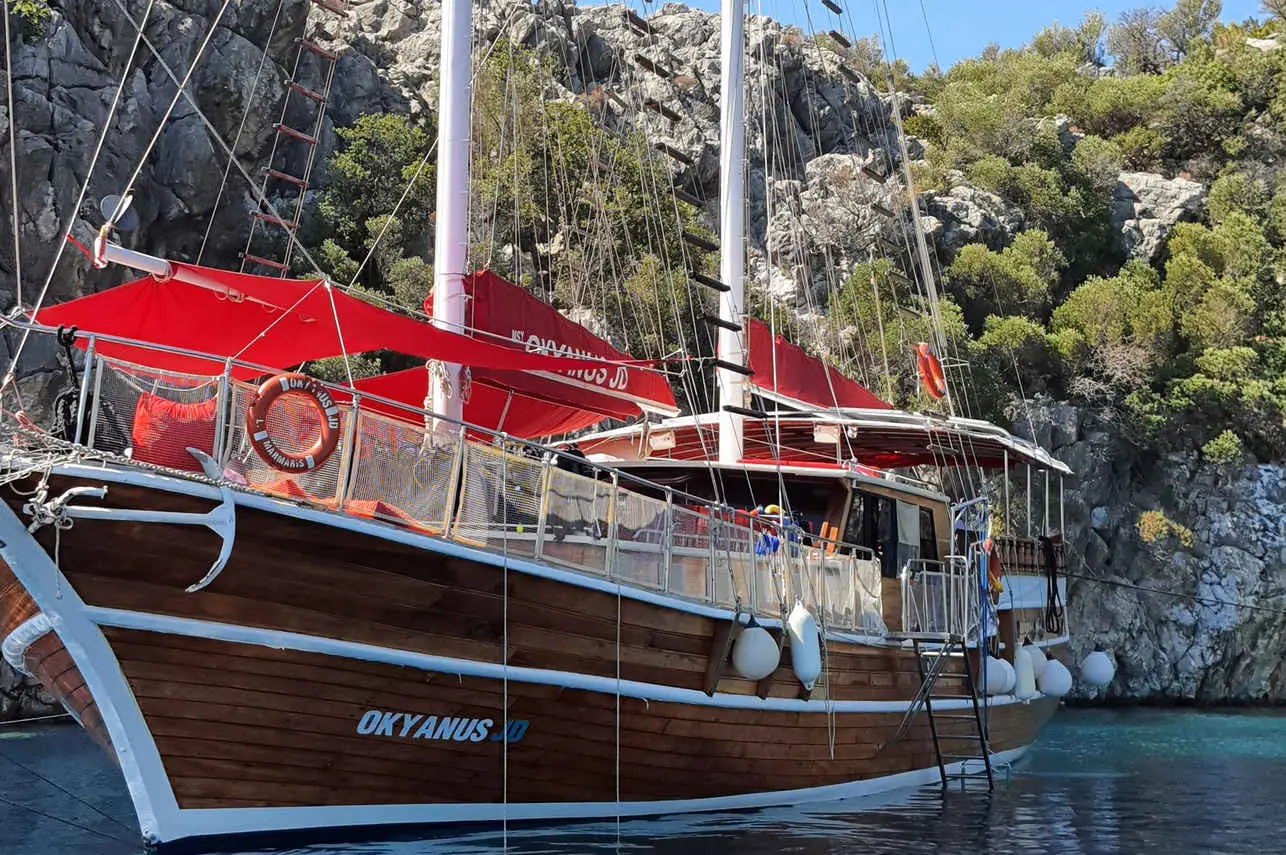
Okyanus JD
Turkey
12 guests24 m
Dive sites similar to SG-115 TURKISH NAVY SHIPWRECK
Same character, same waters, six more sites divers love for the exact same reasons.Compare seasons, access and liveaboard routes, then pick the site that fits your trip best.
© EsriMaxar, Earthstar, GIS
Angra do Heroísmo Wrecks
Portugal
Angra do Heroísmo Wrecks, located in the Azores, offers a unique blend of historical intrigue and marine biodiversity within its underwater archaeological park.
- Suitable for
- Intermediate
- Current
- Strong
- Access
- Liveaboard or dayboat
- Depth
- 8–22 m
- Theme
- Wreck
© EsriMaxar, Earthstar, GIS
Berlengas Nature Reserve
Portugal
The Berlengas Nature Reserve is an exceptional diving destination located approximately 10 to 15 kilometers west of Peniche, Portugal.
- Suitable for
- Intermediate
- Current
- Strong
- Access
- Liveaboard or dayboat
- Depth
- 5–30 m
- Theme
- Cave & cavern / Wall
© EsriMaxar, Earthstar, GIS
Catermaran Wreck
Turkey
The Turkish coast, particularly the Riviera, offers diverse diving experiences, including a variety of wrecks.
- Suitable for
- Intermediate
- Current
- Moderate
- Access
- Liveaboard or dayboat
- Depth
- —
- Theme
- Wreck
© EsriMaxar, Earthstar, GIS
Coast Guard Ship Wreck
Turkey
The Coast Guard Ship Wreck is an advanced dive site situated near Bodrum in the Aegean Sea.
- Suitable for
- Intermediate
- Current
- Moderate
- Access
- Liveaboard or dayboat
- Depth
- 3–29 m
- Theme
- Wreck
© EsriMaxar, Earthstar, GIS
Coastguard Wreck
Turkey
The Coastguard Wreck is a Fethiye boat dive, featuring a retired coast guard ship scuttled to form an artificial reef alongside a natural reef structure.
- Suitable for
- Intermediate
- Current
- Moderate
- Access
- Liveaboard or dayboat
- Depth
- 27–30 m
- Theme
- Wreck
© EsriMaxar, Earthstar, GIS
DC-3 Aircraft Wreck
Turkey
The DC-3 aircraft wreck in Turkey is one of the region's most distinctive dive sites, situated near the picturesque town of Kaş.
- Suitable for
- Intermediate
- Current
- Moderate
- Access
- Liveaboard or dayboat
- Depth
- 19–20 m
- Theme
- Wreck