About Monem Wreck
The Monem Wreck lies in the clear Aegean waters near the Karaburun peninsula, west of İzmir, off the coast of Çeşme, Turkey. This 75-meter cargo vessel sank during a storm in 2004 while being towed to Aliağa. Since then, it has transformed into a thriving artificial reef, making it a unique and accessible wreck dive. The wreck rests on a sandy seabed at a depth of 18 meters, receiving ample natural light that illuminates its features and the vibrant marine growth. Its structural integrity allows for systematic exploration of recognizable elements like deck plates, structural ribs, and mechanical components. The relatively shallow depth ensures generous bottom time for divers to thoroughly examine the entire vessel. The Monem hosts a concentrated fish community, serving as a primary habitat in an otherwise less-featured area. Its surfaces are coated with colorful sponges, hydroids, and bryozoans, providing shelter and sustenance for various species. This site is considered a living small world, evolving from human engineering to a rich marine ecosystem. While accessible, the Monem Wreck is rated for advanced divers due to the specific skills required for wreck exploration, such as awareness of potential entanglement risks and structural hazards. Proper wreck etiquette is crucial for a safe and enjoyable dive, though extreme depth or conditions are not the primary challenge.
Highlights
75-meter cargo ship wreckShallow 18-meter depthVibrant artificial reefAbundant marine life habitatExcellent natural lightSystematic wreck explorationColorful sponge growthGenerous bottom time
Season calendar
Best months to dive here
Jan
Feb
Mar
Apr
May
Jun
Jul
Aug
Sep
Oct
Nov
Dec
Excellent
Good
Dive site facts: Monem Wreck
- Depth
- 18 m
- Current
- Mild to moderate, variable
- Visibility
- 25 m
- Water temperature
- 24°C in summer
- Entry
- Boat dive
- Level
- Advanced
- Dive type
- Wreck, artificial reef, macro
- Region / port
- Çeşme, Turkey
- Coordinates
- 36.5490° N, 29.0779° E
Conditions & Currents
The Monem Wreck is situated in a location where its hull is oriented to catch prevailing currents, which has facilitated the colonization of marine organisms. While current conditions can vary with weather and season, the site's relatively shallow depth means it can be influenced by surface conditions more than deeper wrecks. Local operators typically time visits to optimize for calmer conditions, ensuring good visibility which can reach up to 25 meters. Divers should be prepared for mild to moderate currents, especially considering the wreck's orientation, and plan their buoyancy and route accordingly. Proper wreck diving techniques, including careful finning and avoiding unplanned penetration, are essential for safety given the potential for entanglement.
Marine life & sighting chances
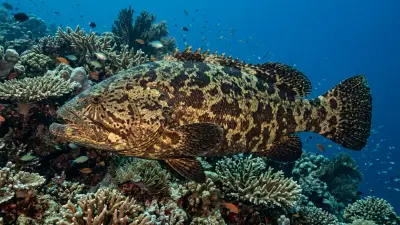
Grouper
common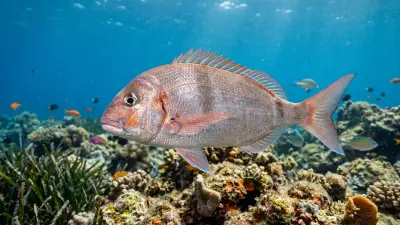
Bream
common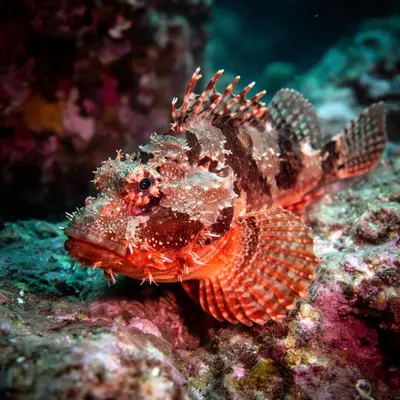
Scorpionfish
common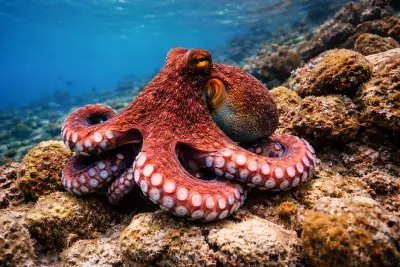
Octopus
common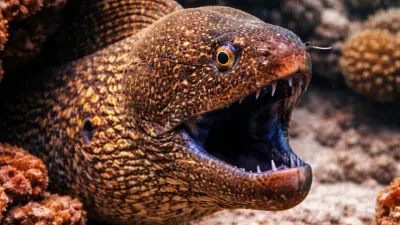
Moray eel
common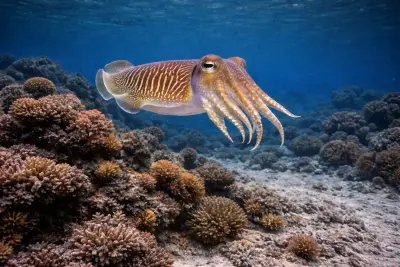
Cuttlefish
common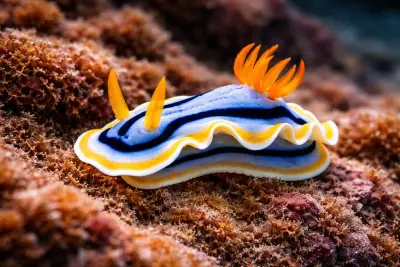
Nudibranch
common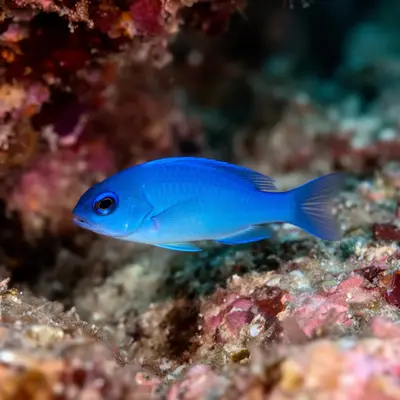
Damselfish
common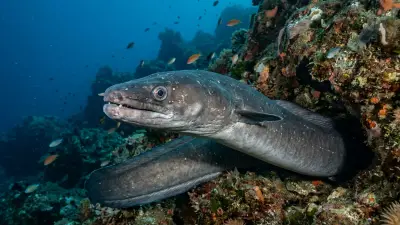
Conger eel
common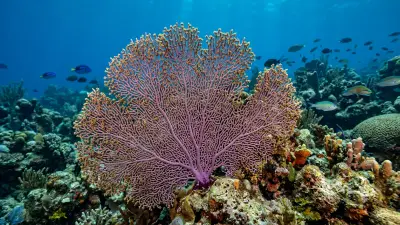
Sea fan
common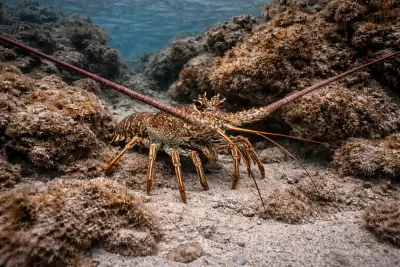
Lobster
commonDive profile & how the dive runs
Divers typically access the Monem Wreck via a boat dive, entering the water directly over the wreck. The vessel rests upright on a sandy seabed at 18 meters, making descent straightforward. The dive usually involves exploring the wreck's exterior, observing features like its two-story hangar, wide deck, captain's cabin, holds, air ducts, and magnificent bow. Due to the manageable depth, divers have ample bottom time to circumnavigate the 75-meter length of the wreck, observing the diverse marine life that has colonized its structure. The route often involves a gradual progression around the wreck, allowing for detailed observation of the colorful sponges and other organisms. The safety stop is conducted as a standard three-minute stop at 5 meters in the open water above the wreck before ascending to the surface.
Underwater photography
The Monem Wreck, with its shallow depth of 18 meters, offers exceptional natural light penetration, making it an excellent site for underwater photography. Wide-angle lenses are ideal for capturing the entire 75-meter wreck profile and its impressive bow, or for documenting schools of bream swirling around the structure. Macro lenses will be rewarding for focusing on the vibrant sponges, hydroids, and bryozoans that encrust the metalwork, as well as for detailed shots of scorpionfish, nudibranchs, and the curious octopus residents. While natural light is abundant, strobes can enhance colors, particularly against the rusting steel, and minimize backscatter if currents stir up the sandy bottom. Buoyancy control is paramount to avoid disturbing the seabed and to ensure steady shots, especially when navigating close to the wreck's features to photograph resident groupers in their sheltered positions.
Combine with nearby dive sites
- The Bedroom
Cave site entered at 8 meters with striking light effects, popular with photographers.
- 9 EYLUL WRECK
A deeper wreck in the region, offering a different wreck diving experience.
- IREM METE
A wall dive system in Karaburun with a shallow top and deeper sections.
- Alaybey Batigi
A wreck dive on a ferry reef located in Karaburun.
Getting there & logistics
Diving the Monem Wreck is primarily facilitated by local dive centers operating out of Çeşme, Turkey. Çeşme itself is a renowned tourism center in İzmir, easily accessible for divers. Trips to the Monem Wreck are typically day boat excursions, often combined with other nearby dive sites in the Çeşme or Karaburun area. While no specific permits or fees are mentioned for the wreck itself, divers should expect to pay for dive packages through certified PADI or SSI centers. The region offers a mix of resort-based diving, allowing flexibility for combining underwater exploration with land-based activities. It is important to book with experienced local operators who are familiar with timing visits for optimal conditions given the variable currents.
Safety & environment
Diving the Monem Wreck, rated for advanced divers, requires particular attention to safety protocols specific to wreck diving. Divers must be proficient in buoyancy control to avoid contact with the wreck, which can stir up sediment or pose entanglement risks from loose debris. Awareness of structural hazards and strict adherence to planned routes are crucial, especially as unplanned penetration into the wreck is not recommended without appropriate training and equipment. The nearest recompression chamber would typically be in a major city like İzmir, necessitating robust emergency evacuation plans in case of a diving incident. Comprehensive dive insurance that covers emergency medical treatment and evacuation is highly recommended for all divers visiting this site.
Who it suits — and who it doesn't
Suited for
- Advanced certified divers with wreck experience
- Underwater photographers seeking natural light and marine life
- Divers interested in artificial reef ecosystems
- Those looking for a systematic wreck exploration
- Divers desiring generous bottom time on a wreck
Less suited for
- Beginner divers without wreck training
- Divers prone to claustrophobia in confined spaces
- Those unfamiliar with currents
- Divers seeking extreme depth challenges
- Individuals without adequate dive insurance
FAQ
Monem Wreck FAQ
What is the depth of the Monem Wreck?
The Monem Wreck rests on a sandy seabed at a relatively shallow depth of 18 meters (approximately 59 feet). This accessible depth allows for ample bottom time and excellent natural light penetration, enhancing visibility and photographic opportunities on the wreck.
What kind of marine life can be seen at the Monem Wreck?
The Monem Wreck is a vibrant artificial reef teeming with marine life. You can commonly encounter groupers, schools of bream, scorpionfish, and octopus. Other frequent sightings include moray eels, cuttlefish, nudibranchs, damselfish, conger eels, sea fans, and lobsters, all contributing to a rich underwater ecosystem.
Is the Monem Wreck suitable for beginner divers?
The Monem Wreck is typically rated for advanced divers, primarily due to the specialized skills and awareness required for wreck diving. While the depth is manageable, the site demands proficiency in buoyancy control, navigation around structures, and understanding potential entanglement risks. Beginners should gain experience and possibly undertake specific wreck diving training before visiting.
Where is the Monem Wreck located?
The Monem Wreck is situated off the Karaburun peninsula, west of İzmir, in the clear Aegean waters near Çeşme, Turkey. Its proximity to Çeşme makes it a popular dive site accessible via local dive centers in the region.
What is the history of the Monem Wreck?
The Monem Wreck is a 75-meter cargo ship that sank in 2004 during a storm while it was being towed to Aliağa. After its sinking, it transformed into a significant artificial reef, attracting a diverse array of marine life and becoming a prominent diving attraction in the Çeşme region.
Why dive Monem Wreck from a liveaboard?
Monem Wreck is one of Turkey's signature dive sites. A liveaboard sleeps you on the water and puts you in the water for three to four guided dives per day, including dawn and night dives that day-boat operators rarely offer. You skip the daily commute back to port and reach quieter, less-crowded sites in the same region on a single trip.
Below are the liveaboards that include Monem Wreck on their Turkey itineraries.
Liveaboards diving Monem Wreck
These liveaboards may visit Monem Wreck on selected itineraries — the exact dive sites depend on departure, weather and conditions.
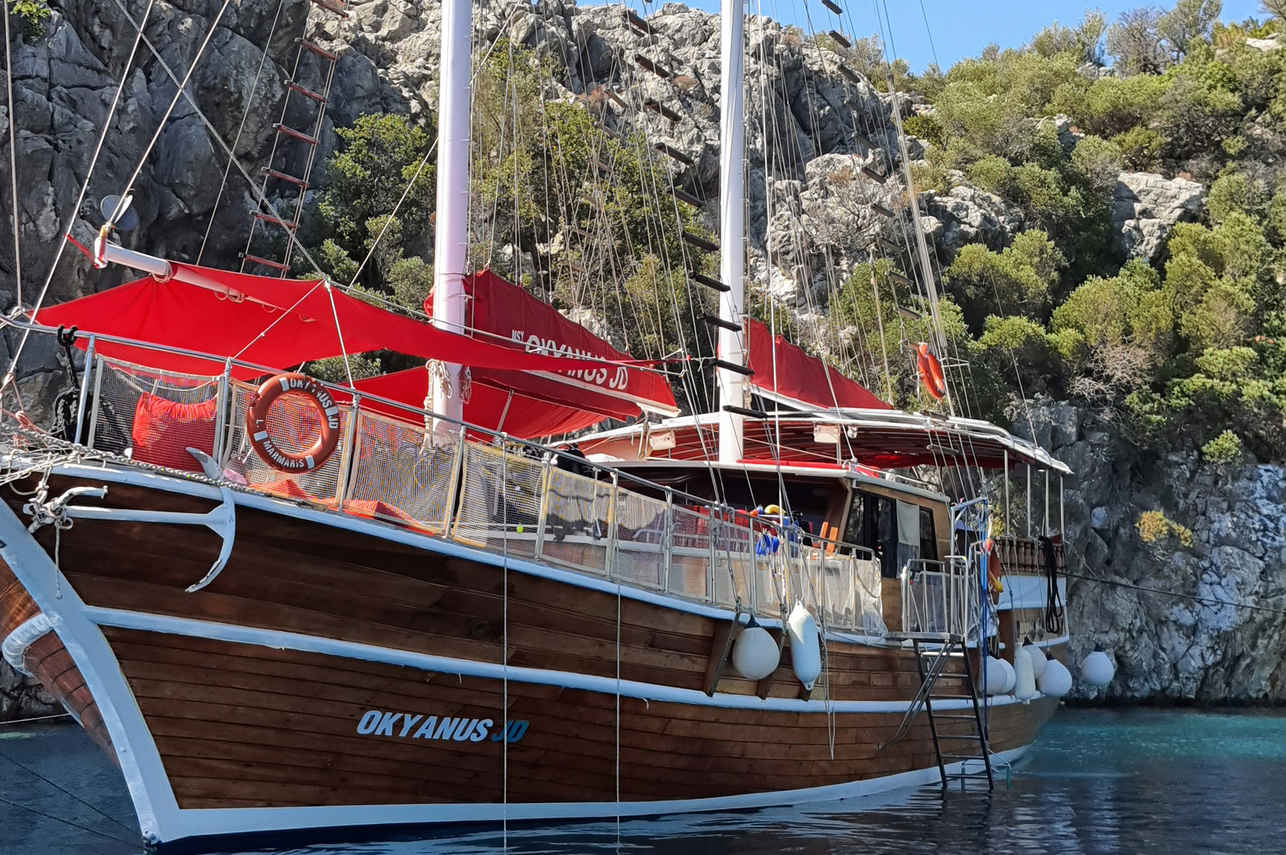
Okyanus JD
Turkey
12 guests24 m
$157/day
Dive sites similar to Monem Wreck
Same character, same waters — six more sites divers love for the exact same reasons.Compare seasons, access and liveaboard routes — then pick the site that fits your trip best.
© Esri — Maxar, Earthstar, GIS
Hidayet Koyu
Turkey
Hidayet Koyu is a well-known, sheltered bay located on the Kaş peninsula in Turkey, celebrated for its accessibility and vibrant marine ecosystem.
- Suitable for
- Beginner
- Current
- No current
- Access
- Liveaboard or dayboat
- Depth
- ≤ 32 m
- Theme
- Reef
© Esri — Maxar, Earthstar, GIS
Besmi Island
Turkey
Besmi Island, also known as Besmi Adası, is a challenging yet rewarding dive site located off Turkey's southwestern coast near Fethiye and southwest of Kaş.
- Suitable for
- Advanced
- Current
- Strong
- Access
- Dayboat
- Depth
- 4–60 m
- Theme
- Reef / Wall
© Esri — Maxar, Earthstar, GIS
Domuz Island
Turkey
Domuz Island, also known as Pig Island, is a celebrated dive destination nestled within the Göcek archipelago, part of Fethiye Bay.
- Suitable for
- Beginner
- Current
- Mild
- Access
- Dayboat
- Depth
- 5–15 m
- Theme
- Reef
© Esri — Maxar, Earthstar, GIS
Kızıl Island
Turkey
Kızıl Island, known locally as Kızılada, is a prominent dive site situated near Fethiye on Turkey's southwestern coast.
- Suitable for
- Intermediate
- Current
- Mild
- Access
- Dayboat
- Depth
- 8–40 m
- Theme
- Reef / Wall
© Esri — Maxar, Earthstar, GIS
Smugglers Bay
Turkey
Smugglers Bay, located near Bodrum in Turkey's Aegean Sea, is a beginner-friendly dive site renowned for its calm conditions and healthy marine environment.
- Suitable for
- Beginner
- Current
- Mild
- Access
- Dayboat
- Depth
- 3–35 m
- Theme
- Reef