About Rapid Bay Jetty
Rapid Bay Jetty, located on the Fleurieu Peninsula about 90 minutes south of Adelaide, is celebrated as one of South Australia's premier dive sites, particularly famous for its reliable sightings of the endemic leafy seadragon. The site centers around two jetties: a new structure providing easy shore access, and the old jetty, closed above water but thriving as an underwater habitat. Its pylons, untouched for decades, are densely encrusted with sponges, soft corals, ascidians, and cup corals, creating an explosion of color and supporting a rich community of small marine creatures. The dive profile is gentle and shallow, with most activity occurring between 4 and 8 meters, reaching a maximum of 12 meters at the old jetty's T-section. This extended bottom time allows divers ample opportunity to meticulously explore the pylon ecosystem for camouflaged seadragons and other fascinating macro life. Beyond the iconic seadragons, the jetty hosts giant Australian cuttlefish, Port Jackson sharks, blue-ringed octopuses, pyjama squids, cowfish, and various schooling fish like old wives and yellowtail scad. Entry is straightforward from the new jetty, leading to a guided swim across to the biologically richer old structure. Conditions are generally sheltered, making it diveable most days, though visibility benefits from calm weather and incoming tides. Rapid Bay Jetty's accessibility, combined with its unique biodiversity and the chance to encounter rare endemic species, solidifies its reputation as a must-visit destination for divers exploring Australia's temperate waters.
Highlights
Leafy seadragon encountersRich pylon ecosystemGiant Australian cuttlefishPort Jackson sharksVibrant nudibranchs and coralsShallow, accessible shore diveMacro photography paradise
Season calendar
Best months to dive here
Jan
Feb
Mar
Apr
May
Jun
Jul
Aug
Sep
Oct
Nov
Dec
Good
Dive site facts: Rapid Bay Jetty
- Depth
- 1–12 m
- Typical dive
- 4–8 m, 60+ min
- Current
- Mild
- Visibility
- 5–15 m
- Water temperature
- 12–22 °C
- Entry
- Shore via new jetty stairs/platform
- Level
- Beginner to Advanced
- Dive type
- Macro, artificial reef, temperate
- Night dive
- Possible
- Region / port
- Fleurieu Peninsula, South Australia
- Coordinates
- -35.3197, 138.1775
Conditions & Currents
Currents at Rapid Bay Jetty are generally mild due to its sheltered bay location, making it accessible for all diver levels. However, visibility can be influenced by tidal movements, with incoming tides often bringing clearer water. The site is well-protected from dominant southerly winds but can experience some exposure to north-westerly to north-easterly conditions. Navigation under the old jetty structure can be challenging as compasses are unreliable due to the metal, requiring divers to rely on natural features like pylon lines and depth changes. Divers should be aware of fishermen on the new jetty, who may pose a hazard to underwater activities. Entering at high tide is often preferred for easier access from the platform and potentially better visibility.
Marine life & sighting chances
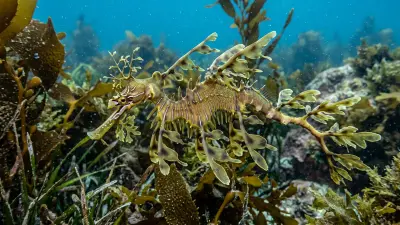
Leafy Seadragon
Year-round, peak Oct-Feb for breeding · common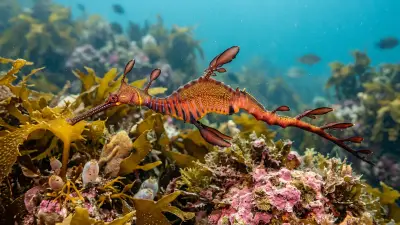
Weedy Seadragon
occasional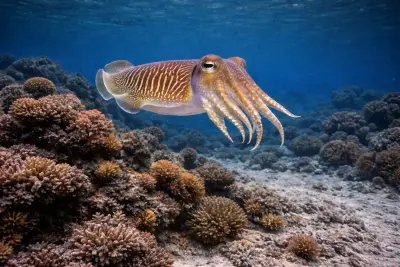
Giant Australian Cuttlefish
occasional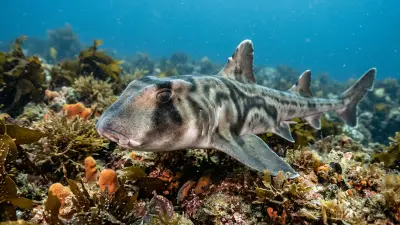
Port Jackson Shark
July-Oct for egg laying · common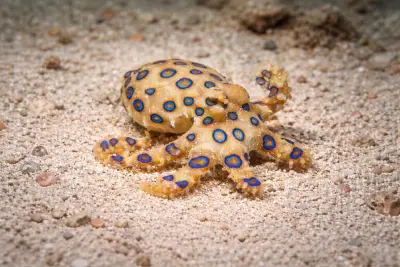
Blue-ringed Octopus
occasional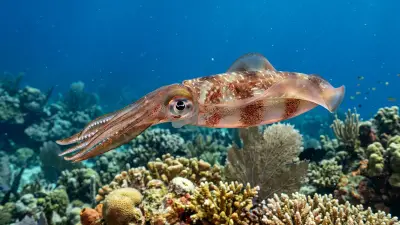
Pyjama Squid
common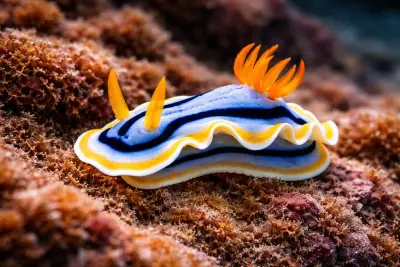
Nudibranch
common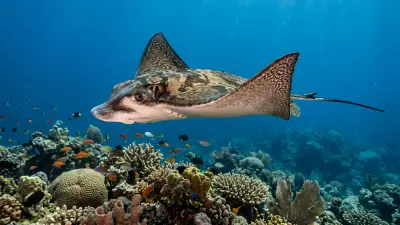
Bull Ray
common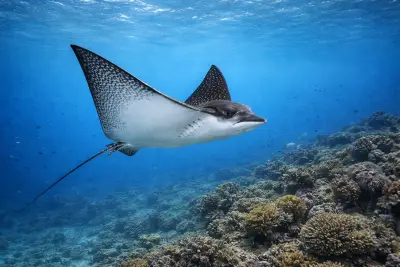
Eagle Ray
occasional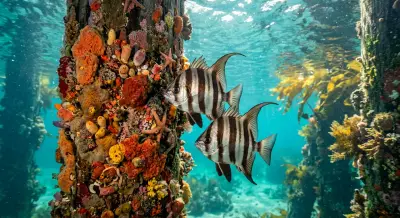
Old Wife
common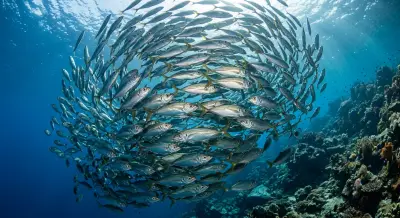
Yellowtail Scad
common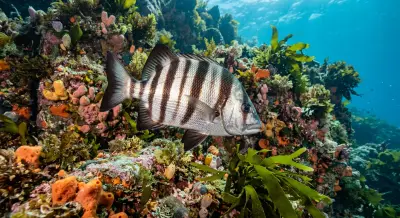
Moonlighter
common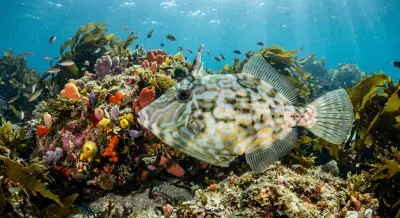
Pygmy Leatherjacket
common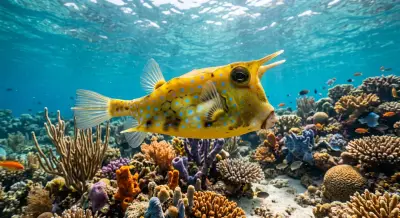
Cowfish
commonDive profile & how the dive runs
Entry to Rapid Bay Jetty begins from the purpose-built platform and stairs on the new jetty. From here, divers swim approximately 50 meters, guided by a line of star-dropper posts, to reach the old jetty structure. Once at the old jetty, turn right and follow the pylon line for about 250 meters towards the T-section, which represents the furthest and most biodiverse part of the dive. Depths are consistently shallow, ranging from 1 meter near the entry to about 10 meters at the T-section. The dive is primarily a slow exploration of the pylon ecosystem, focusing on mid-water observation for seadragons and macro life on the encrusted surfaces. Due to unreliable compasses under the metal structure, navigation relies on following the jetty's contours and observing depth changes. Safety stops can be conducted anywhere along the return journey, with ample shallow water available.
Underwater photography
Rapid Bay Jetty is a macro photographer's dream, offering exceptional opportunities for capturing the intricate details of temperate marine life. A macro lens is highly recommended for focusing on seadragons, nudibranchs, and tiny crustaceans inhabiting the pylons. Given the relatively shallow depths (mostly 4-8m) and potential for varying visibility, an external strobe or video light will significantly enhance color and clarity. Practice good buoyancy control to avoid disturbing the delicate pylon growth and stirring up sediment, which can quickly degrade visibility. Patience is key when seeking out camouflaged seadragons; dedicate time to thoroughly scan small patches of growth rather than rushing. For wider shots of schooling fish around the T-section or the jetty structure itself, a wide-angle lens can be effective, especially on days with good visibility and dappled light.
Combine with nearby dive sites
- Edithburgh Jetty
Another renowned South Australian jetty dive, known for macro life and accessibility.
- Second Valley
A nearby shore dive with reef systems, walls, and a chance to see leafy and weedy seadragons.
- Navy Pier
Though further, it's a comparable world-class jetty dive in Western Australia.
- Port Noarlunga
Marine sanctuary with diverse reef life, an excellent introduction to South Australian diving.
Getting there & logistics
The nearest major airport is Adelaide Airport (ADL), approximately a 1.5 to 2-hour drive north of Rapid Bay. Divers typically rent a car in Adelaide to access the site. There are no dive shops directly at Rapid Bay, so tanks and weights must be sourced from Adelaide or nearby Victor Harbor. Many divers visit Rapid Bay as a day trip or incorporate it into a longer diving itinerary exploring other South Australian sites like Edithburgh Jetty or Second Valley. The site is within Encounter Marine Park, but specific dive permits are generally not required for recreational access. Accommodation options include nearby campgrounds and small towns on the Fleurieu Peninsula. Planning visits outside of school holidays can offer a more flexible experience with accommodation.
Safety & environment
Rapid Bay Jetty is generally considered a safe, shallow shore dive suitable for all levels, but certain precautions are necessary. Divers should carry adequate thermal protection, such as a 7mm wetsuit or drysuit, as water temperatures can drop to 12°C in winter. While currents are mild, pay attention to local conditions, especially swell and tide, which can impact visibility and entry/exit. Compasses are unreliable under the metal jetty structure, so maintain situational awareness and use the pylons for navigation. Fishermen on the new jetty can pose a hazard; stay alert for lines and hooks. The nearest recompression chamber is located in Adelaide at the Royal Adelaide Hospital. Divers are strongly advised to have comprehensive dive insurance covering medical evacuation and recompression treatments. Ensure tanks are filled before arrival as no on-site services are available.
Who it suits — and who it doesn't
Suited for
- Macro photographers
- Beginner divers looking for accessible shore dives
- Divers seeking unique endemic marine life
- Divers interested in temperate water ecosystems
- Families and groups with varied experience levels
Less suited for
- Divers seeking deep wreck penetration
- Divers expecting strong currents and drift dives
- Those who prefer tropical reef diving exclusively
- Divers unwilling to wear thicker thermal protection
- Individuals expecting on-site dive services
FAQ
Rapid Bay Jetty FAQ
How do I find leafy seadragons at Rapid Bay Jetty?
Leafy seadragons are masters of camouflage, mimicking floating seaweed among the pylons and seagrass. The best strategy is to move slowly and patiently, meticulously scanning the mid-water around the algae-covered structures, particularly between 4 and 8 meters deep. Early morning dives often offer better visibility, increasing your chances of a sighting. Dedicated tours by local operators often have experienced guides who can reliably locate them.
What is the difference between the old and new jetty at Rapid Bay?
Rapid Bay has two adjacent jetty structures. The new jetty is accessible from the shore and serves as the entry point for divers, providing a platform with stairs. The old jetty, closed to pedestrian traffic above water due to its instability, is the primary dive attraction, acting as a rich artificial reef with dense marine growth. Divers enter via the new jetty and then swim across to explore the more biodiverse old jetty.
What are the typical diving conditions at Rapid Bay Jetty?
Rapid Bay is a shallow shore dive with depths ranging from 1 to 12 meters, making it suitable for all certification levels. Visibility typically ranges from 5 to 15 meters, with optimal conditions during calm weather and on incoming tides, particularly from January to April. Water temperatures vary from 12°C in winter to 22°C in summer, requiring appropriate thermal protection like a 7mm wetsuit or drysuit for year-round comfort.
Do I need special equipment for diving Rapid Bay Jetty?
While standard dive gear is sufficient, a 7mm wetsuit or drysuit is highly recommended for thermal comfort, especially outside of peak summer months. Given the macro-rich environment and often camouflaged marine life, a keen eye and perhaps a good dive light will enhance your experience. For photographers, a macro lens is ideal for capturing the intricate details of the seadragons and other small creatures.
Are there any hazards to be aware of at Rapid Bay Jetty?
Potential hazards include fishermen on the new jetty, so divers should be aware of lines and hooks. Compass navigation can be unreliable under the metal structure of the old jetty, requiring divers to rely on visual cues. The old jetty has an exclusion zone around it due to its instability, which divers should respect. As with any shore dive, assess entry and exit conditions, especially concerning swell and tide.
Can I see other unique marine life besides leafy seadragons?
Absolutely. Rapid Bay Jetty is a biodiversity hotspot for temperate marine life. You can often encounter Port Jackson sharks, giant Australian cuttlefish, blue-ringed octopuses, and pyjama squid. The pylons are also home to numerous nudibranchs, colorful cup corals, and sponges. Schools of fish like old wives, yellowtail scad, and moonlighter are common, particularly around the T-section.
Why dive Rapid Bay Jetty from a liveaboard?
Rapid Bay Jetty is one of Australia's signature dive sites. A liveaboard sleeps you on the water and puts you in the water for three to four guided dives per day, including dawn and night dives that day-boat operators rarely offer. You skip the daily commute back to port and reach quieter, less-crowded sites in the same region on a single trip.
Below are the liveaboards that include Rapid Bay Jetty on their Australia itineraries.
Liveaboards diving Rapid Bay Jetty
These liveaboards may visit Rapid Bay Jetty on selected itineraries — the exact dive sites depend on departure, weather and conditions.
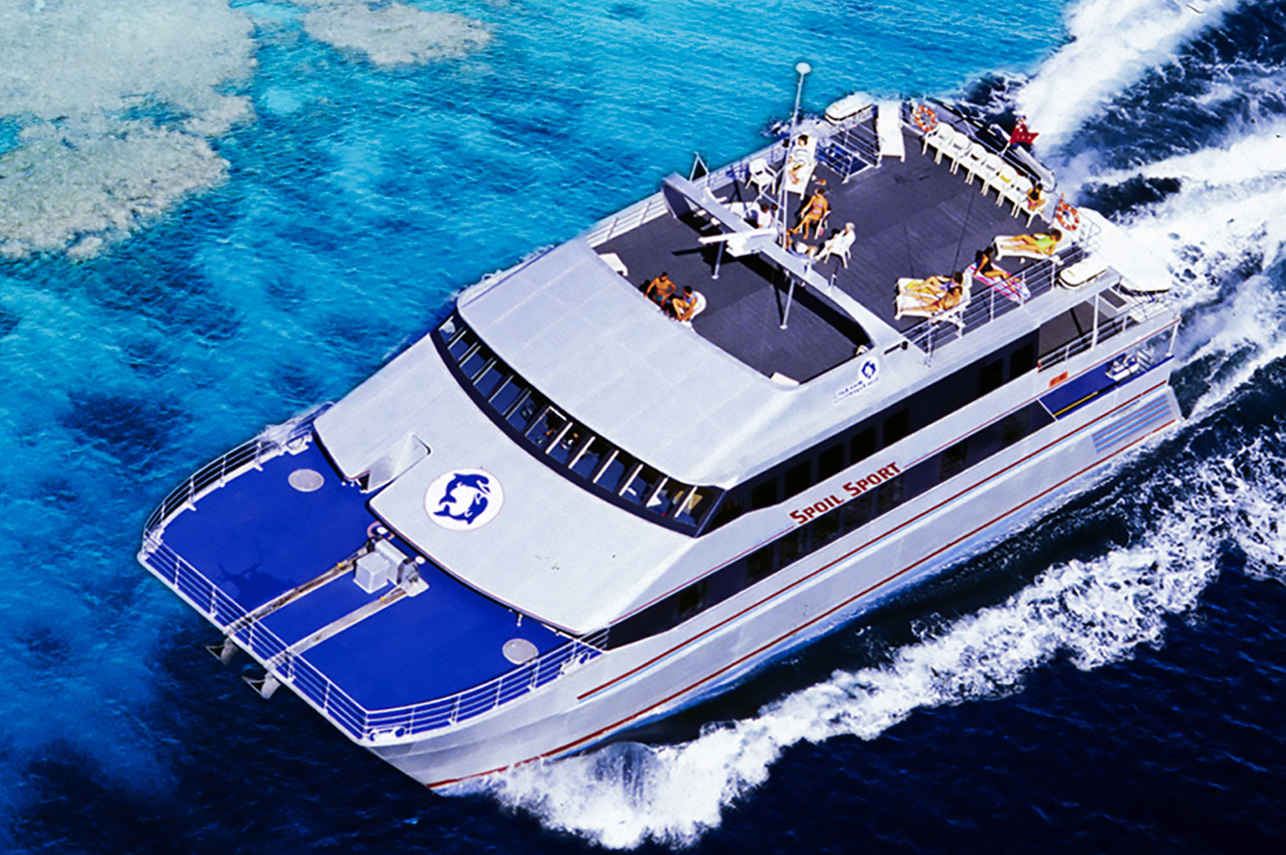
Spoilsport
Australia
28 guests30 m
$408/day
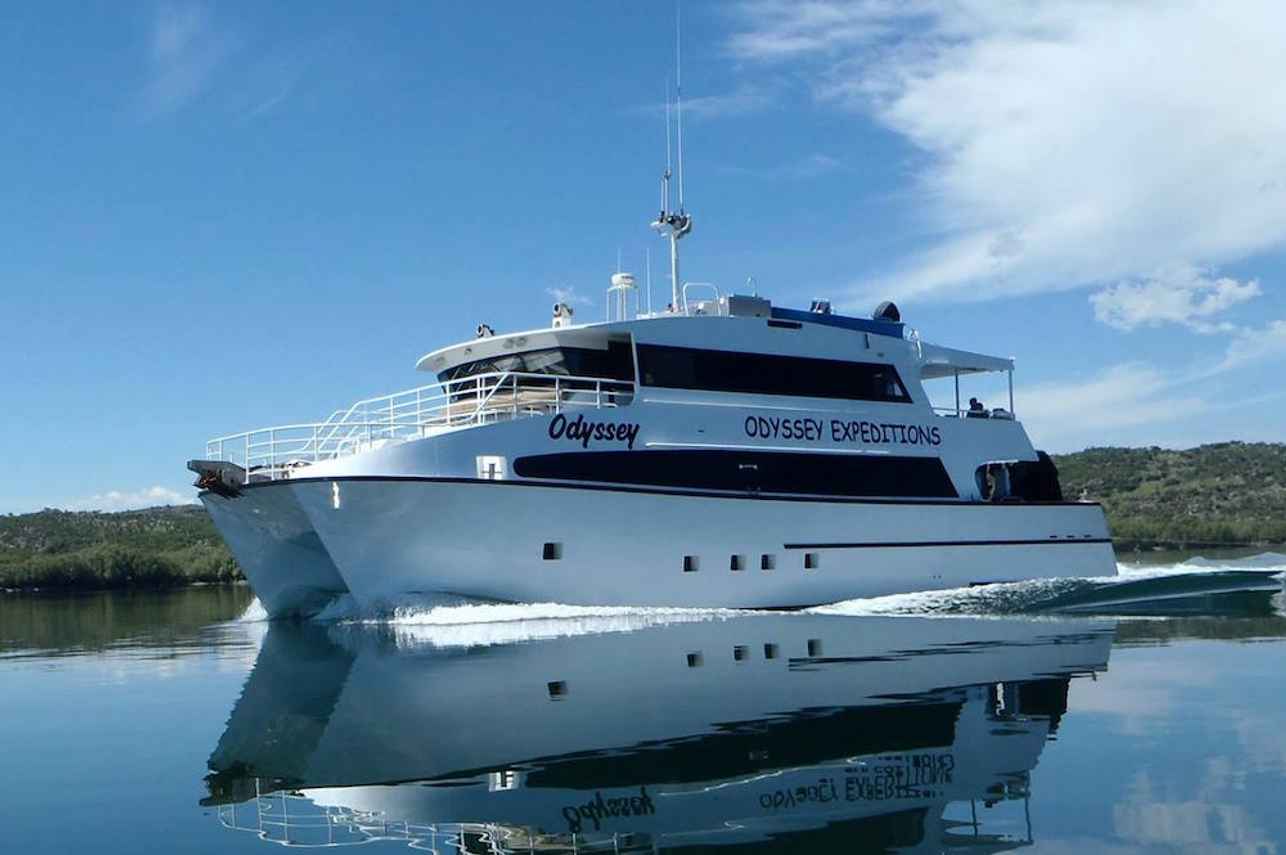
Odyssey Liveaboard
Australia
20 guests24 m
$392/day
Dive sites similar to Rapid Bay Jetty
Same character, same waters — six more sites divers love for the exact same reasons.Compare seasons, access and liveaboard routes — then pick the site that fits your trip best.
© Esri — Maxar, Earthstar, GIS
Agincourt Reef
Australia
Agincourt Reef sits on the outer edge of the Great Barrier Reef, roughly 60–72 km off Port Douglas in Far North Queensland, at the southern end of the true ribbon reefs that run…
- Suitable for
- Beginner
- Current
- Moderate
- Access
- Dayboat
- Depth
- 2–20 m
- Theme
- Reef / Wall
© Esri — Maxar, Earthstar, GIS
Cocos Keeling - Canons
Australia
Cocos Keeling - Canons offers a distinctive dive experience within the Cocos (Keeling) Islands lagoon, making it Australia's most remote dive destination.
- Suitable for
- Beginner
- Current
- Mild
- Access
- Dayboat
- Depth
- 8–12 m
- Theme
- Reef
© Esri — Maxar, Earthstar, GIS
Raine Island
Australia
Raine Island is a pivotal dive site located in the Far Northern Great Barrier Reef, approximately 85 kilometers east-north-east of Cape Grenville and just over 4 nautical miles south of the island itself.
- Suitable for
- Advanced
- Current
- Strong
- Access
- Liveaboard only
- Depth
- 5–40 m
- Theme
- Reef / Wall
© Esri — Maxar, Earthstar, GIS
Bare Island East
Australia
Bare Island East is a highly regarded shore dive in Sydney, celebrated for its diverse and colourful sponge gardens.
- Suitable for
- Intermediate
- Current
- Mild
- Access
- Shore / dayboat
- Depth
- 2–11 m
- Theme
- Reef
© Esri — Maxar, Earthstar, GIS
Cocos Keeling - Broccoli Patch
Australia
Broccoli Patch is a premier dive site nestled within the Cocos (Keeling) Islands lagoon system, offering a gentle yet captivating underwater experience.
- Suitable for
- Beginner
- Current
- Mild
- Access
- Dayboat
- Depth
- 5–10 m
- Theme
- Reef
© Esri — Maxar, Earthstar, GIS
Milln Reef
Australia
Milln Reef, located approximately 60km offshore from Cairns within the Great Barrier Reef, stands out as a highly favored outer reef destination for both divers and snorkelers.
- Suitable for
- Intermediate
- Current
- Moderate
- Access
- Liveaboard or dayboat
- Depth
- 4–22 m
- Theme
- Reef