About Second Valley
Second Valley, a picturesque, north-facing cove nestled on the Fleurieu Peninsula, offers a varied and captivating dive experience. Framed by steep limestone cliffs and featuring a distinctive wooden jetty, its sheltered waters provide excellent diving opportunities, especially when more exposed sites are affected by southerly and easterly winds. The underwater landscape transitions from expansive seagrass meadows and sand channels to rocky reefs, limestone ledges, overhangs, and small caves carved into the cliff base. Divers can explore these formations, including two specific caves and a right-angled swim-through south of the second bay. About 20 meters offshore, a small bommie teems with fish life, while further out, roughly 300 meters from shore, lies Lassiters Reef – a 50-meter-wide dome-shaped limestone outcrop at approximately 8 meters depth, surrounded by seagrass. This site is renowned for its fascinating endemic species, such as the vibrant blue devil fish, elusive cuttlefish, and impressive wobbegong sharks. Rays like southern eagle rays and bull rays are often observed navigating the seagrass channels. The area is particularly famous for its leafy and weedy sea dragons, frequently sighted near the jetty and on Lassiters Reef. The presence of old tram axles and an engine near the boatsheds adds an intriguing historical element to the dives. Second Valley is well-suited for divers of various skill levels, from open water training to more experienced explorers. Its shallow depths, typically ranging from 3 to 10 meters around the jetty and cove, allow for extended bottom times and relaxed exploration, making it a popular spot for both beginners and seasoned enthusiasts.
Highlights
Leafy and weedy sea dragonsLimestone caves and overhangsSheltered north-facing coveRocky reefs and seagrass meadowsBlue devil fish sightingsHistoric jetty remnantsLassiters Reef bommie
Season calendar
Best months to dive here
Jan
Feb
Mar
Apr
May
Jun
Jul
Aug
Sep
Oct
Nov
Dec
Good
Dive site facts: Second Valley
- Depth
- 3–15 m
- Typical dive
- 5–10 m, 60–90 min
- Current
- Mild to moderate, stronger near headland and Lassiter’s Reef
- Visibility
- 8–12 m (can be lower with weather)
- Water temperature
- 14°C (winter) – 29°C (summer)
- Entry
- Shore entry (beach, jetty steps, rocky path)
- Level
- Novice to Advanced Open Water
- Dive type
- Macro, reef, cave, shore
- Night dive
- Possible
- Region / port
- Fleurieu Peninsula, South Australia
- Coordinates
- -35.515, 138.199714
Conditions & Currents
Currents at Second Valley are generally mild within the cove, offering calm surface conditions when offshore winds prevail. However, currents can pick up around the headland and near Lassiter’s Reef, especially with strong tidal flow. Divers planning a swim to Lassiter’s Reef, located 300 meters offshore, should only attempt it during low tidal flow to mitigate current challenges. Entry and exit are straightforward from the sandy beach or jetty steps, but a rocky entry along the cliff path is sharp and slippery, not recommended for drysuit divers or those with limited mobility. Surge can be a factor near the caves during significant swell, creating strong currents inside the formations, so cave entry should be avoided under such conditions. Visibility is weather-dependent, improving significantly on calm days.
Marine life & sighting chances
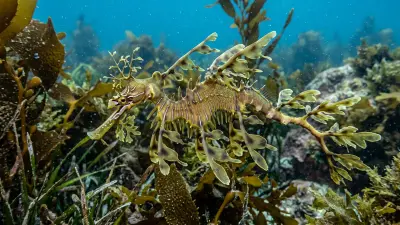
Leafy sea dragon
occasional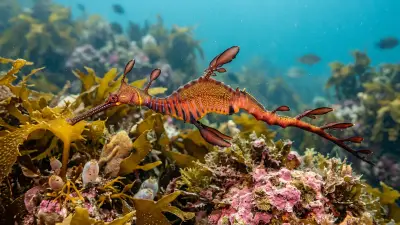
Weedy sea dragon
occasional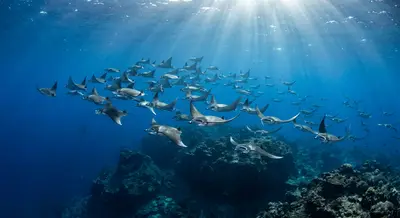
Blue devil fish
common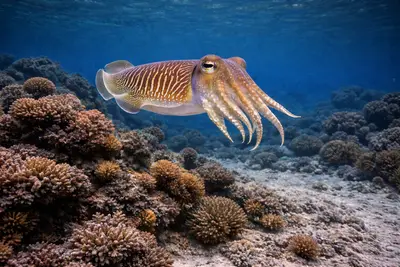
Cuttlefish
common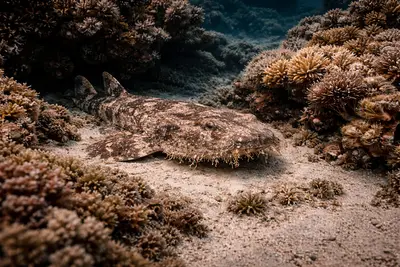
Wobbegong shark
occasional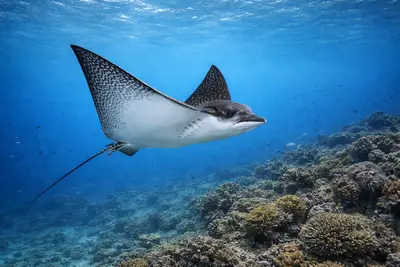
Southern eagle ray
occasional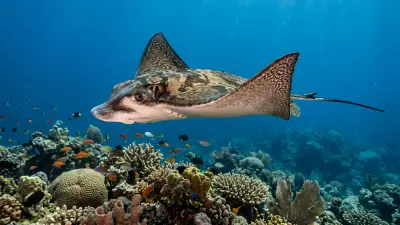
Bull ray
occasionalHerring cale
common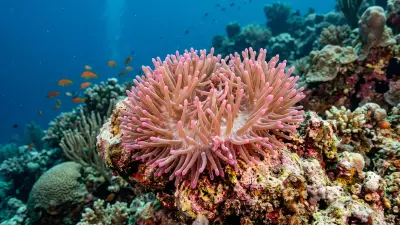
Anemone
commonSchools of fish
commonDive profile & how the dive runs
Entry is typically from the sandy beach east of the jetty or directly from the jetty steps. From either point, swim south around the headland, following the coastline towards the caves and overhangs. The dive progresses along a small drop-off, passing through channels in the seagrass where rays and fish schools are frequently sighted. Continue past the second bay on your left, which also offers an alternative, though more challenging, entry point via a rocky path. Explore the limestone formations, including two small caves and a swim-through, remembering to bring a torch for cave exploration. The maximum depth reached is typically around 10-15 meters, with much of the dive remaining in the 3-10 meter range, allowing for a good bottom time. Turn back towards the jetty for exit, completing the safety stop in the shallower areas near the cove.
Underwater photography
Second Valley offers excellent macro and wide-angle opportunities due to its diverse topography and abundant marine life. For capturing the intricate details of leafy and weedy sea dragons, cuttlefish, and blue devil fish, a macro lens is ideal, especially when paired with a good focus light. Wide-angle lenses are suitable for showcasing the impressive limestone formations, caves, and overhangs. Given the varying visibility and potential for deeper sections, external strobes are recommended to bring out natural colors and illuminate subjects. When exploring the caves, a strong dive light or video light is essential. Practice excellent buoyancy control to avoid disturbing the fragile seagrass beds and to safely navigate the confined spaces within the caves and overhangs. Always maintain a respectful distance from marine life, particularly the delicate sea dragons.
Combine with nearby dive sites
- Rapid Bay
Often paired with Second Valley for a double dive day.
- Port Noarlunga
Port Noarlunga Jetty and Reef stands as South Australia's most frequently visited and well-known aquatic reserve, making it a prime…
- Boarfish Reef
Boarfish Reef is a renowned boat-access reef located in Victoria, Australia, specifically near Queenscliff on the Bellarine Peninsula.
Getting there & logistics
Second Valley is located 91 kilometers south of Adelaide, requiring an approximately one and a half hour drive from the city. The dive site is accessed directly from the shore, with parking available in a small car park at the bottom of Finniss Vale Drive, adjacent to the jetty. This car park, accommodating around 30 cars, can fill quickly on sunny weekends and during school holidays, necessitating overflow parking further up the road, which adds a 150 to 200-meter walk to the water. Public toilets and a change room are conveniently located in the main car park, and parking is free. While not typically a regular guided dive destination, it is occasionally included in custom diving safaris or can be explored independently by renting gear from local dive centers. The site is a popular training ground for open water courses.
Safety & environment
Divers at Second Valley should be aware of potential hazards, including currents that can pick up around the headland and near Lassiter’s Reef, especially with tidal flow. Entering the caves during significant swell is strongly discouraged due to strong currents and potential seaweed accumulation affecting visibility. Always carry a torch for cave exploration. The rocky entry points, particularly the path along the cliff to the second bay, can be sharp and slippery; therefore, suitable footwear and caution are advised, especially for drysuit divers or those with mobility issues. The area around the jetty can have fishing lines, so vigilance and carrying a dive knife are recommended. The nearest recompression chamber would be in Adelaide, necessitating an emergency evacuation plan in case of a dive accident. Divers should ensure their personal dive insurance covers local medical and evacuation costs. Always dive within your training limits and with a buddy.
Who it suits — and who it doesn't
Suited for
- Open Water divers seeking diverse topography
- Macro photographers and videographers
- Divers interested in endemic Australian marine life
- Divers seeking sheltered shore dives
- Divers comfortable with independent exploration
Less suited for
- Divers expecting large pelagic encounters
- Divers unprepared for cold water (drysuit often recommended)
- Divers reliant on consistent, crystal-clear visibility
- Divers unfamiliar with shore entry and navigation
FAQ
Second Valley FAQ
What marine life can I expect to see at Second Valley?
Second Valley is renowned for its unique marine creatures, including both leafy and weedy sea dragons, which are often found near the jetty and Lassiters Reef. You can also frequently spot vibrant blue devil fish, elusive cuttlefish, wobbegong sharks, and various rays like southern eagle rays and bull rays in the seagrass channels.
What is the typical depth and visibility at Second Valley?
The maximum depth at Second Valley can reach about 15 meters, but much of the jetty area and cove remains in the 3 to 10-meter range. Visibility is weather-dependent; on calm days, you can expect 8 to 12 meters or more. However, it can decrease with poor weather conditions.
Are there any hazards I should be aware of when diving here?
Divers should be mindful of currents that can pick up around the headland and Lassiters Reef, especially during strong tidal flows. Entering the caves during significant swell is not recommended due to strong currents. Also, watch out for fishing lines near the jetty and be cautious with the slippery, sharp rocks at some entry points.
Is Second Valley suitable for beginner divers?
Yes, Second Valley is suitable for novice divers and is often used for open water training. Its shallow depths and sheltered cove make it a forgiving site. However, those exploring the caves or swimming to Lassiters Reef should have basic open water skills and be aware of potential currents.
How do I access the dive site and what facilities are available?
The site is easily accessed from the shore via a sandy beach or steps on the jetty. There's a small car park at the bottom of Finniss Vale Drive, adjacent to the jetty, with public toilets and a change room. Parking is free but can fill up quickly on busy days.
What is Lassiters Reef and how do I get there?
Lassiters Reef is a 50-meter-wide dome-shaped limestone outcrop located approximately 300 meters offshore from Second Valley, typically at a depth of about 8 meters. It is surrounded by seagrass and is home to sea dragons. The swim to Lassiters Reef should only be attempted during low tidal flow due to potential currents.
Why dive Second Valley from a liveaboard?
Second Valley is one of Australia's signature dive sites. A liveaboard sleeps you on the water and puts you in the water for three to four guided dives per day, including dawn and night dives that day-boat operators rarely offer. You skip the daily commute back to port and reach quieter, less-crowded sites in the same region on a single trip.
Below are the liveaboards that include Second Valley on their Australia itineraries.
Liveaboards diving Second Valley
These liveaboards may visit Second Valley on selected itineraries — the exact dive sites depend on departure, weather and conditions.
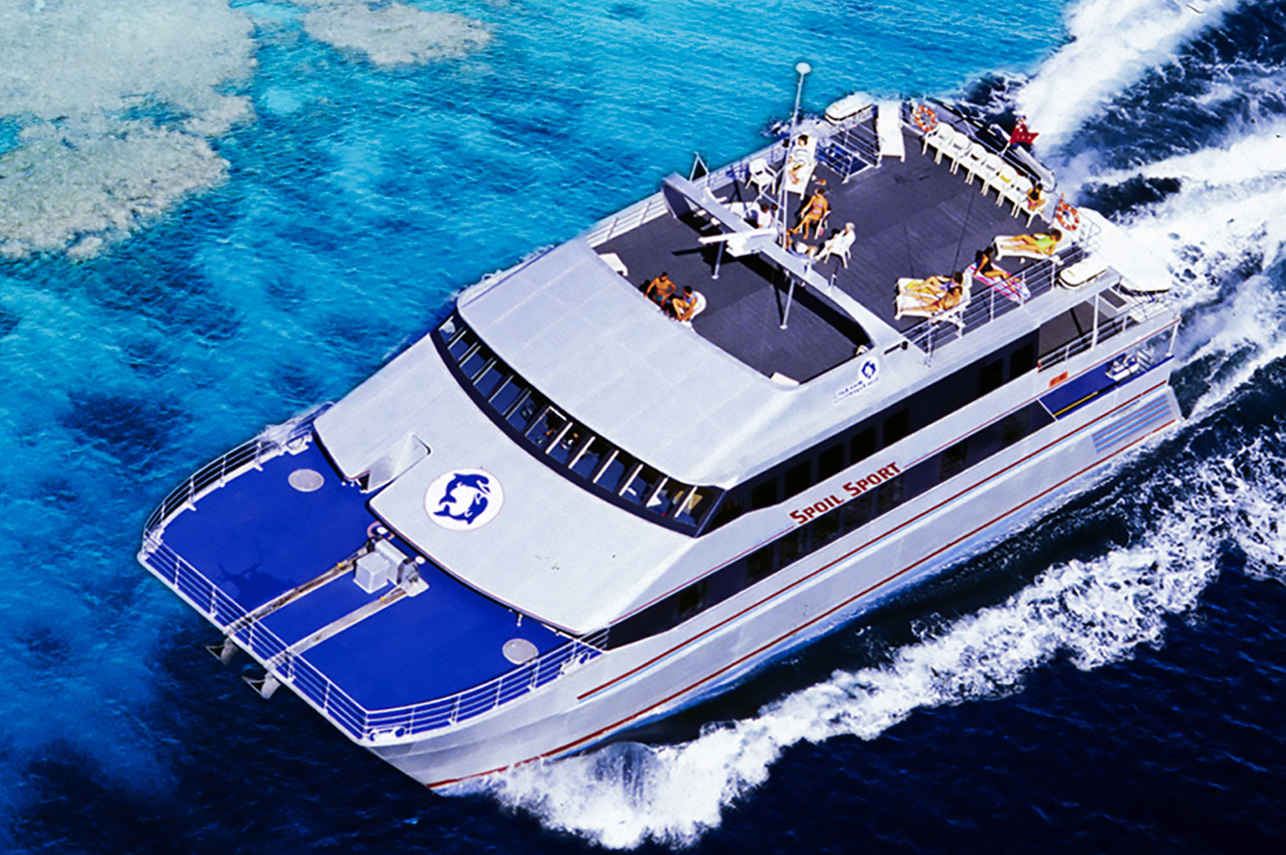
Spoilsport
Australia
28 guests30 m
$406/day
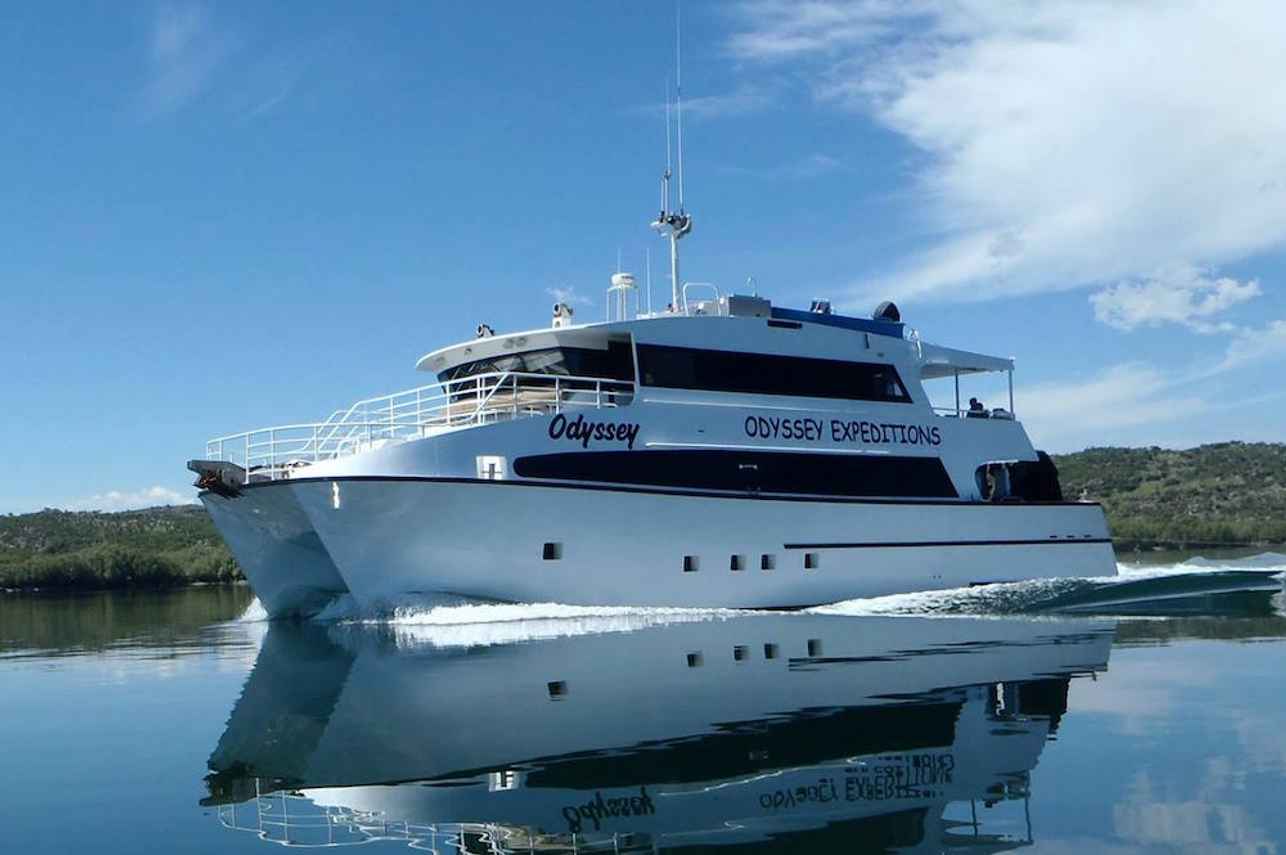
Odyssey Liveaboard
Australia
20 guests24 m
$392/day
Dive sites similar to Second Valley
Same character, same waters — six more sites divers love for the exact same reasons.Compare seasons, access and liveaboard routes — then pick the site that fits your trip best.
© Esri — Maxar, Earthstar, GIS
Agincourt Reef
Australia
Agincourt Reef sits on the outer edge of the Great Barrier Reef, roughly 60–72 km off Port Douglas in Far North Queensland, at the southern end of the true ribbon reefs that run…
- Suitable for
- Beginner
- Current
- Moderate
- Access
- Dayboat
- Depth
- 2–20 m
- Theme
- Reef / Wall
© Esri — Maxar, Earthstar, GIS
Cocos Keeling - Canons
Australia
Cocos Keeling - Canons offers a distinctive dive experience within the Cocos (Keeling) Islands lagoon, making it Australia's most remote dive destination.
- Suitable for
- Beginner
- Current
- Mild
- Access
- Dayboat
- Depth
- 8–12 m
- Theme
- Reef
© Esri — Maxar, Earthstar, GIS
Raine Island
Australia
Raine Island is a pivotal dive site located in the Far Northern Great Barrier Reef, approximately 85 kilometers east-north-east of Cape Grenville and just over 4 nautical miles south of the island itself.
- Suitable for
- Advanced
- Current
- Strong
- Access
- Liveaboard only
- Depth
- 5–40 m
- Theme
- Reef / Wall
© Esri — Maxar, Earthstar, GIS
Bare Island East
Australia
Bare Island East is a highly regarded shore dive in Sydney, celebrated for its diverse and colourful sponge gardens.
- Suitable for
- Intermediate
- Current
- Mild
- Access
- Shore / dayboat
- Depth
- 2–11 m
- Theme
- Reef
© Esri — Maxar, Earthstar, GIS
Cocos Keeling - Broccoli Patch
Australia
Broccoli Patch is a premier dive site nestled within the Cocos (Keeling) Islands lagoon system, offering a gentle yet captivating underwater experience.
- Suitable for
- Beginner
- Current
- Mild
- Access
- Dayboat
- Depth
- 5–10 m
- Theme
- Reef
© Esri — Maxar, Earthstar, GIS
Milln Reef
Australia
Milln Reef, located approximately 60km offshore from Cairns within the Great Barrier Reef, stands out as a highly favored outer reef destination for both divers and snorkelers.
- Suitable for
- Intermediate
- Current
- Moderate
- Access
- Liveaboard or dayboat
- Depth
- 4–22 m
- Theme
- Reef