About Pyramids Wall
Pyramids Wall, often referred to as the Pyramids of Amed, is a distinctive dive site located on Bali's east coast. This artificial reef was constructed by the local community around two decades ago, following a significant El Nino event, to foster marine life and stands as a testament to conservation efforts. The site features a series of pyramid-shaped structures creating a complex habitat for diverse species, ranging from rare macro critters to schools of reef fish. It is found adjacent to a natural coral reef, presenting a varied underwater landscape. Positioned in Amed, a stretch of fishing villages renowned for its calm waters, Pyramids Wall offers a generally relaxed diving experience. The artificial pyramids are situated at approximately 20 meters depth, while a natural coral reef nearby ranges from 5 to 18 meters. The unique black sand, a result of the area's proximity to Mount Agung volcano, provides a striking contrast for underwater photography. Marine life here is abundant, with frequent sightings of unusual creatures that thrive on the artificial structures, which often serve as cleaning stations. Divers can expect to encounter a variety of fish and invertebrates utilizing the pyramids. The site is known for occasional mild currents that can sometimes intensify, offering an exhilarating drift experience. Accessibility is easy, either directly from shore or via a short trip on a traditional Balinese jukung boat. This makes Pyramids Wall an excellent location for various dive levels, including beginners, and is often combined with other nearby sites like the Bay Reef in Jemeluk Bay for a second dive, ensuring a comprehensive and enjoyable underwater exploration.
Highlights
Artificial pyramid structuresAbundant macro lifeOccasional drift divesCleaning stations for fishBlack volcanic sand contrastNatural coral reef adjacentEast Bali's calm waters
Season calendar
Best months to dive here
Jan
Feb
Mar
Apr
May
Jun
Jul
Aug
Sep
Oct
Nov
Dec
Excellent
Good
Dive site facts: Pyramids Wall
- Depth
- 5–20 m
- Current
- Mild to occasional strong
- Visibility
- 15–25+ m
- Water temperature
- 26–30°C
- Entry
- Shore / Jukung boat
- Level
- All levels
- Dive type
- Artificial reef, macro, wall, drift
- Region / port
- Amed, East Bali
- Coordinates
- 8.3280° S, 115.6875° E
Conditions & Currents
Currents at Pyramids Wall are typically mild, making for a relaxing dive. However, conditions can occasionally shift, and currents may strengthen, transforming the experience into an exciting drift dive. When stronger currents are present, divers can utilize the pyramid structures for shelter, allowing for close observation of marine life. Entry is generally easy, either from shore or a short jukung boat ride, and the dive is often structured to leverage any prevailing mild currents, leading to a gentle drift along the artificial reef and adjacent natural corals. Visibility is generally good, ranging from 15 to over 25 meters, and water temperatures are comfortably warm, between 26°C and 30°C.
Marine life & sighting chances
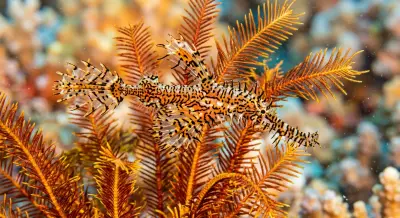
Ghost Pipefish
common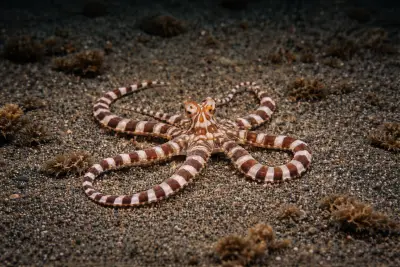
Mimic Octopus
occasional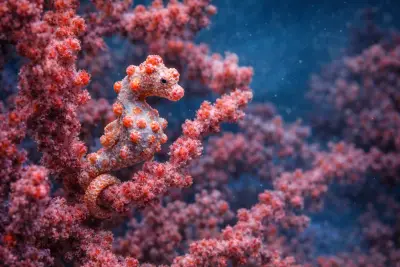
Pygmy Seahorse
occasional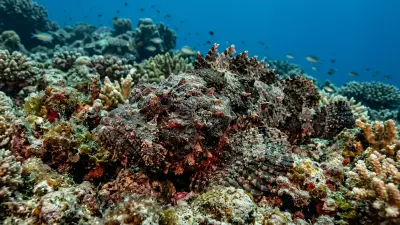
Stonefish
occasional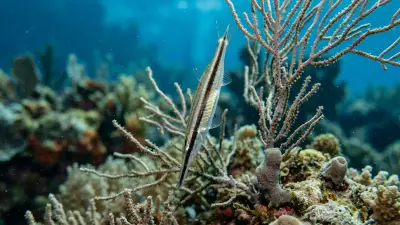
Razorfish
occasional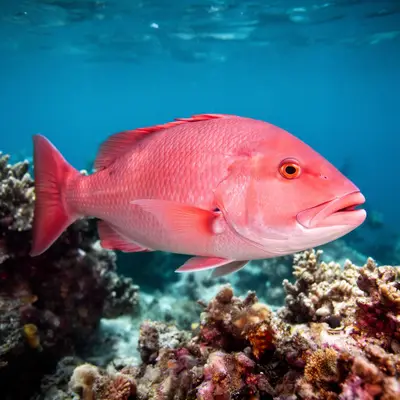
Snapper
common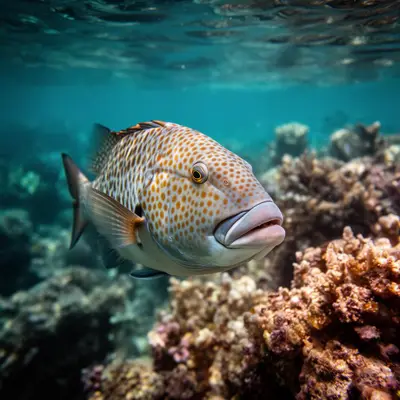
Sweetlips
common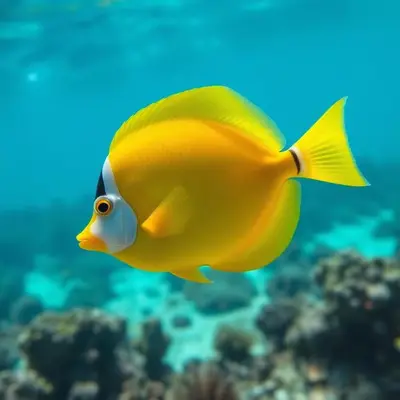
Surgeonfish
common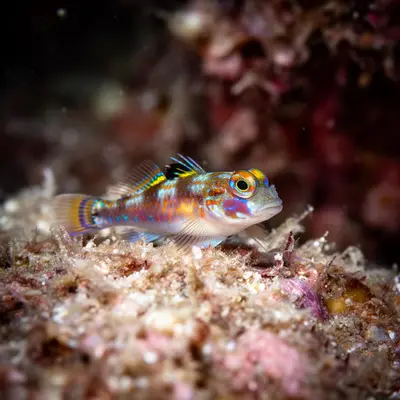
Goby
common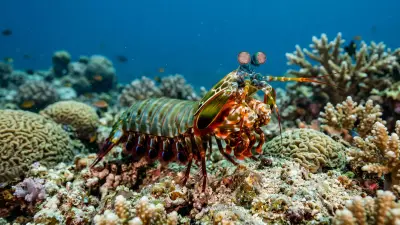
Shrimp
commonDive profile & how the dive runs
Dives at Pyramids Wall typically begin with an easy entry from the shore or a traditional jukung boat. The dive focuses on exploring the artificial pyramid structures, which start around 20 meters deep, and the adjacent natural coral reef, ranging from 5 to 18 meters. Divers often navigate between the pyramids, observing the macro life and fish utilizing them as cleaning stations. When mild currents are present, the dive becomes a gentle drift, allowing divers to effortlessly cover more ground. The site's black volcanic sand and colorful corals create excellent photographic opportunities. A safety stop is typically conducted along the shallower natural reef, providing additional chances to spot marine life.
Underwater photography
Pyramids Wall is a prime location for underwater photography, particularly macro and wide-angle. The black volcanic sand offers a dramatic backdrop for colorful corals and macro critters like ghost pipefish, pygmy seahorses, and mimic octopuses, making a macro lens highly recommended. For wide-angle shots, the pyramid structures themselves, along with schools of fish, create interesting compositions. Good buoyancy control is essential, especially when hovering near delicate marine life for macro shots or navigating mild currents. Consider using strobes to bring out the vibrant colors against the dark sand and maintain a respectful distance from subjects.
Combine with nearby dive sites
- Jemeluk Bay
Often combined for a second dive
- Japanese Wreck
Excellent for macro photography
- Bunutan
Bunutan is a notable dive site located in the Amed region, along Bali's northeastern coast.
- Jemeluk Wall
Jemeluk Wall is a captivating dive site located within Jemeluk Bay, the bustling center of Amed's diving community on Bali's northeastern…
- Coral Garden
Coral Garden is a significant dive site in the Dominican Republic, featuring an impressive brain coral that has thrived for over 400 years…
Getting there & logistics
Pyramids Wall is located in Amed, approximately 80 km and a 2-hour drive from Denpasar city, where Ngurah Rai International Airport (DPS) is situated. Most dive trips to Amed, including Pyramids Wall, are arranged as day trips from Sanur or as part of a multi-day dive safari across Bali. Divers typically stay in Amed itself, allowing for easy shore or short boat access to the site. Dive packages often include transportation, all necessary gear, dive guides, lunch, and marine park fees. Trips can be customized to suit individual preferences and skill levels.
Safety & environment
While Amed offers relatively calm conditions, divers should always be aware of the potential for occasional stronger currents at Pyramids Wall and ensure they have appropriate current experience or dive with a guide. Comprehensive dive insurance is highly recommended for all divers visiting Bali, covering recompression chamber treatment and emergency evacuation. The nearest recompression chamber is located in Denpasar. Divers should maintain excellent buoyancy control to avoid damaging the delicate coral and artificial structures and follow all local dive center guidelines and safety briefings.
Who it suits — and who it doesn't
Suited for
- Beginner divers
- Macro photographers
- Divers seeking unique artificial reefs
- Those who enjoy mild drift diving
- Divers looking for abundant small marine life
Less suited for
- Divers solely seeking large pelagics
- Those who dislike occasional currents
- Divers preferring extremely high visibility at all times
FAQ
Pyramids Wall FAQ
What kind of marine life can I expect at Pyramids Wall?
Pyramids Wall is known for its diverse macro life and reef fish. You can frequently spot interesting creatures such as ghost pipefish, pygmy seahorses, stonefish, and razorfish. The site also acts as a cleaning station, attracting snappers, sweetlips, and surgeonfish, making it a vibrant ecosystem for observation.
Is Pyramids Wall suitable for beginner divers?
Yes, Pyramids Wall is generally suitable for all levels, including beginner divers. The Amed region is known for its calm seas and usually mild currents, providing a relaxing dive experience. Dive centers offer guided trips, ensuring a safe and enjoyable introduction to the site's unique features.
What are the typical conditions like at Pyramids Wall?
Conditions at Pyramids Wall are generally favorable, with water temperatures ranging from 26°C to 30°C and visibility between 15 and over 25 meters. While currents are usually mild, they can occasionally intensify, offering an exciting drift dive. The site is protected from large waves, contributing to its calm environment.
How do you access the Pyramids Wall dive site?
Access to Pyramids Wall is convenient and easy. Divers can either enter directly from the shore or take a very short boat trip using a traditional Balinese jukung boat. This accessibility, combined with the calm waters, makes the site popular and hassle-free for divers.
What makes Pyramids Wall unique compared to other Bali dive sites?
Pyramids Wall stands out due to its artificial pyramid structures, created to rehabilitate marine life after an El Nino event. This unique topography provides abundant habitats for macro critters and reef fish, set against a backdrop of black volcanic sand which offers a striking visual contrast, especially for photographers.
Why dive Pyramids Wall from a liveaboard?
Pyramids Wall is one of Bali's signature dive sites. A liveaboard sleeps you on the water and puts you in the water for three to four guided dives per day, including dawn and night dives that day-boat operators rarely offer. You skip the daily commute back to port and reach quieter, less-crowded sites in the same region on a single trip.
Below are the liveaboards that include Pyramids Wall on their Bali itineraries.
Liveaboards diving Pyramids Wall
These liveaboards may visit Pyramids Wall on selected itineraries — the exact dive sites depend on departure, weather and conditions.
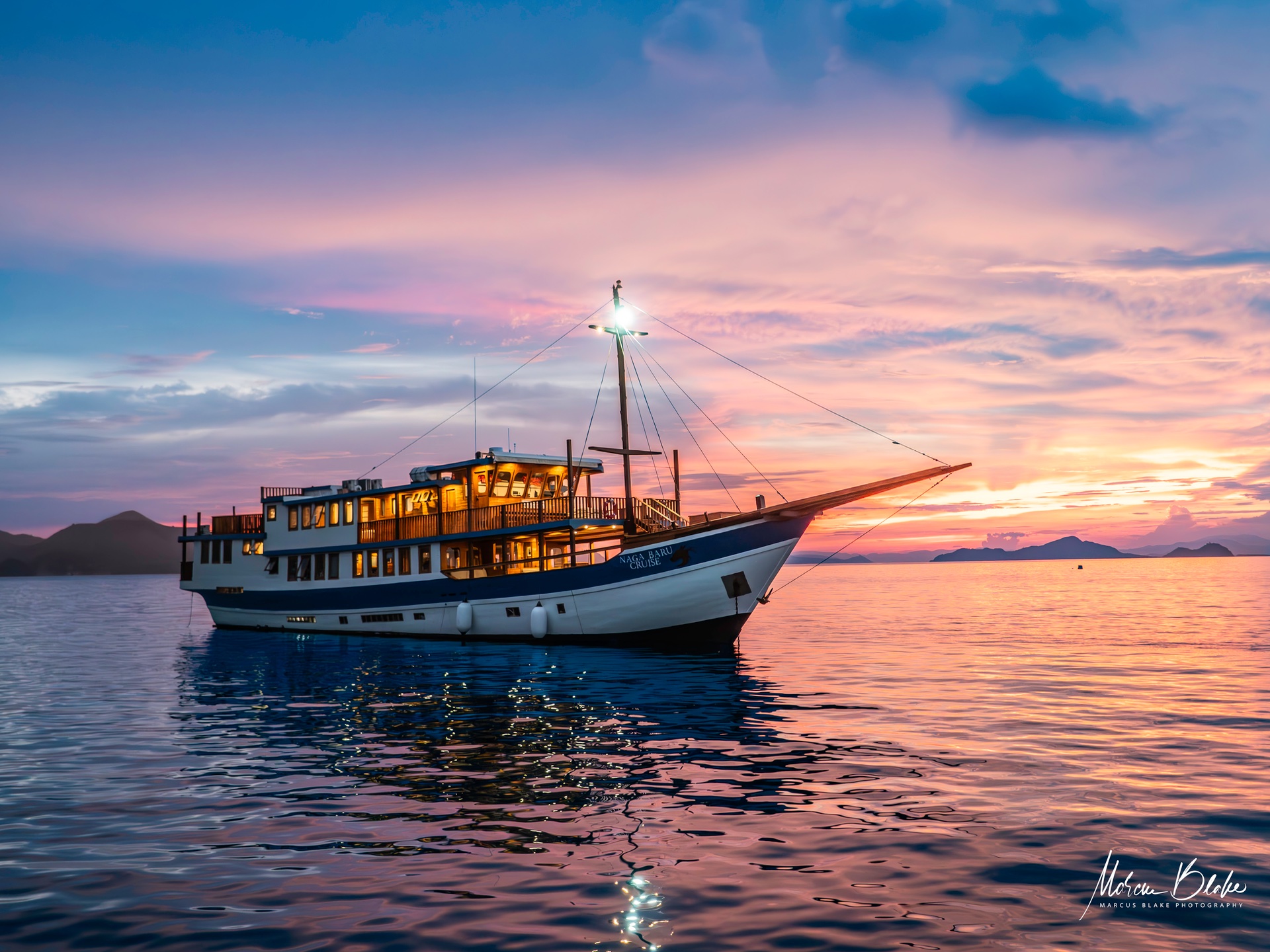
Naga Biru
Indonesia
12 guests40 m
$274/day
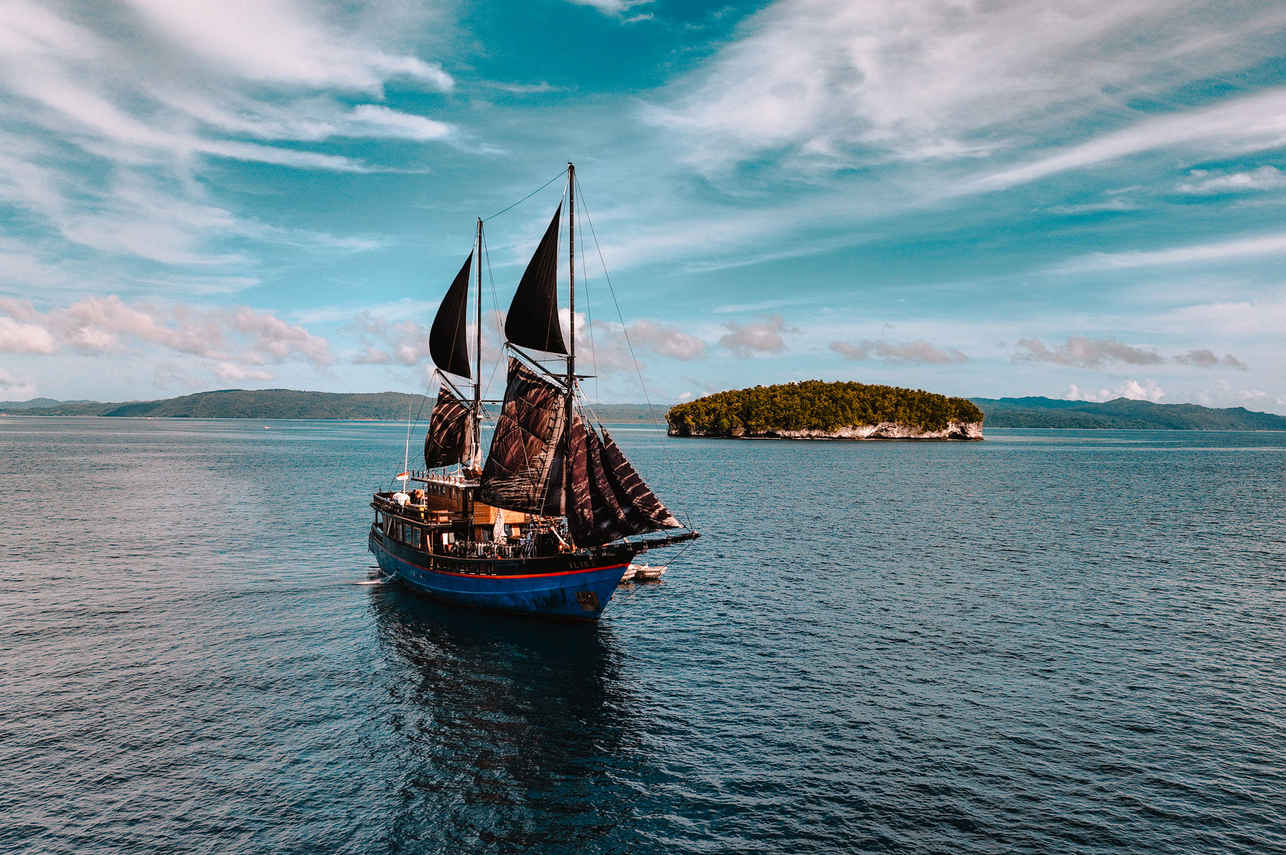
Ilike
Indonesia
16 guests40 m
$298/day
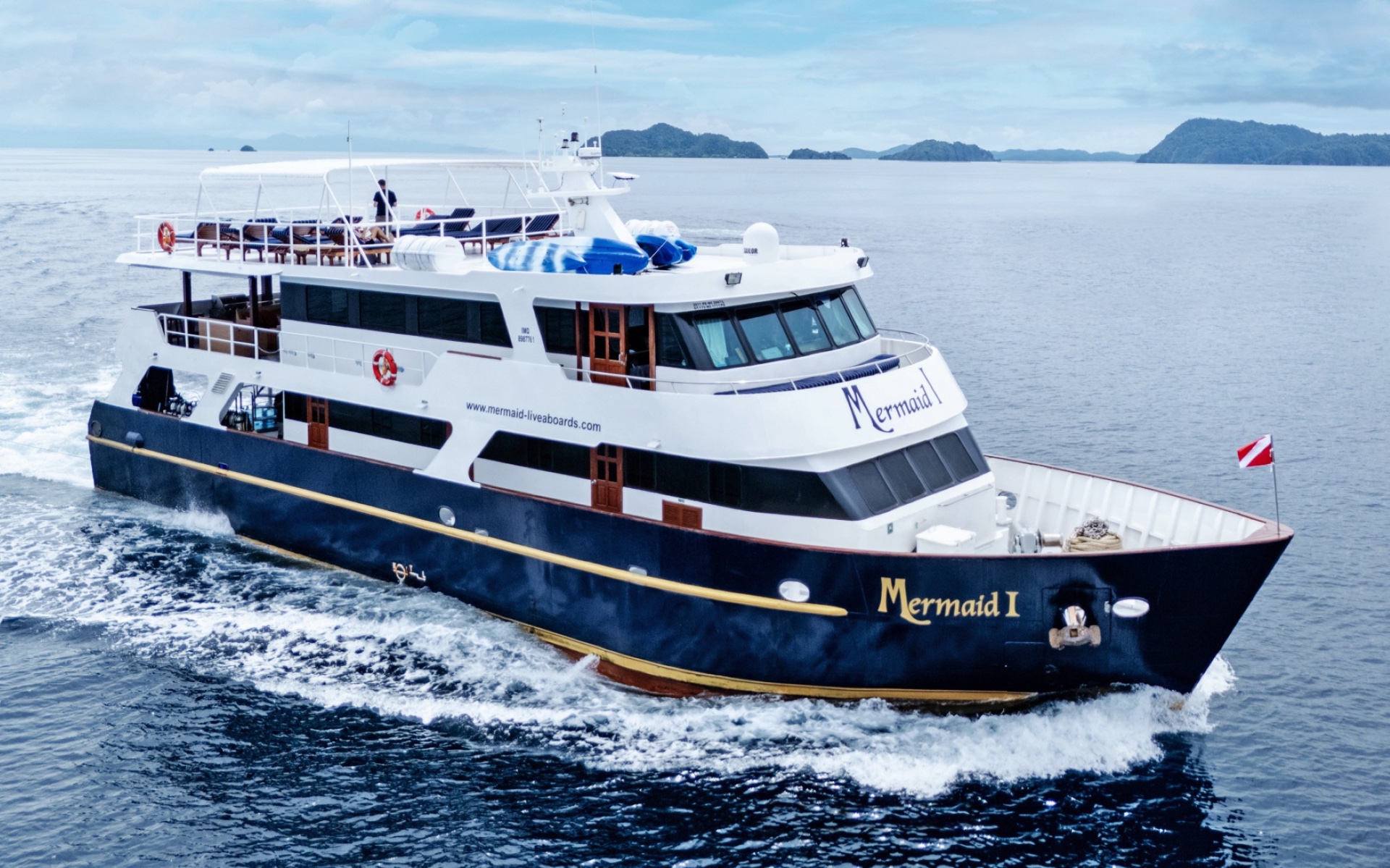
Mermaid I
Alor
15 guests28 m
$372/day
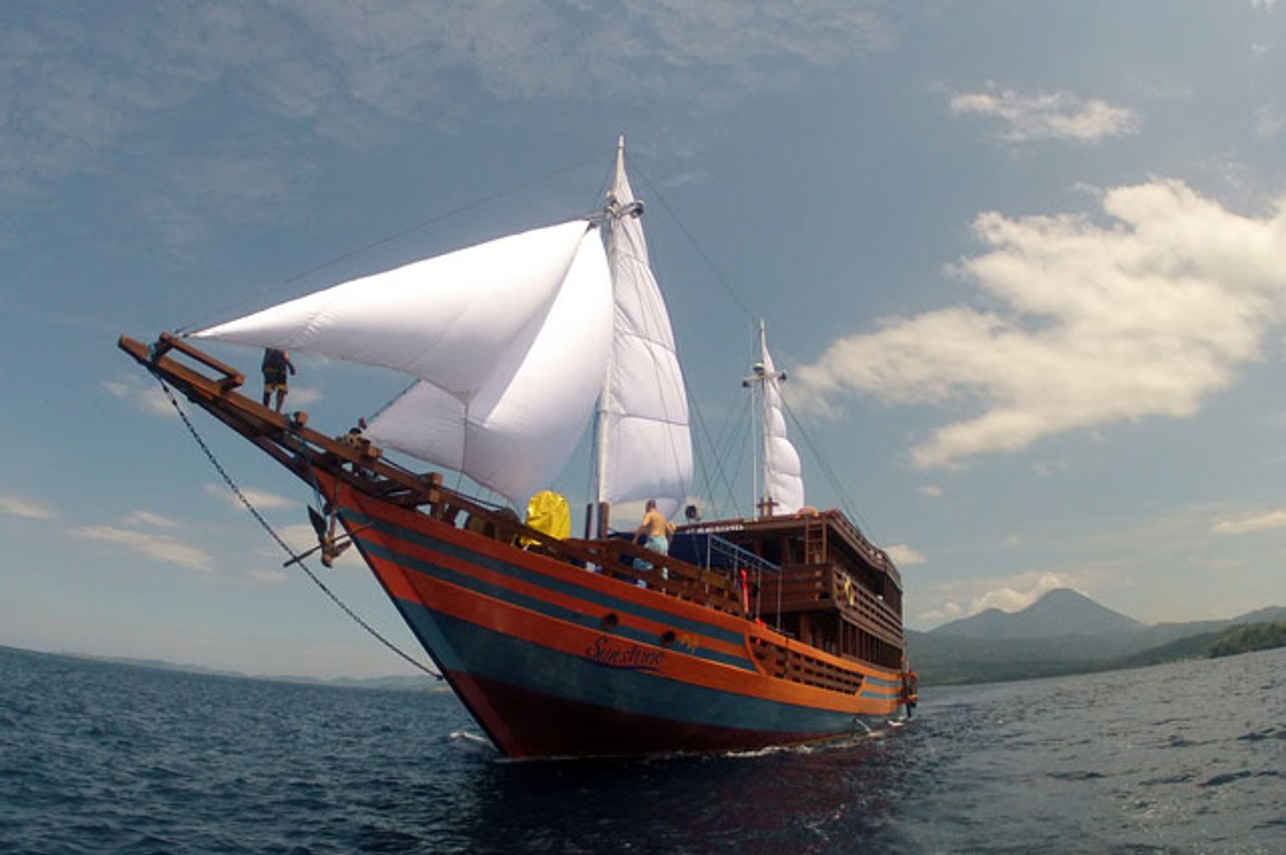
Sunshine Liveaboard
Indonesia
10 guests31 m
$191/day
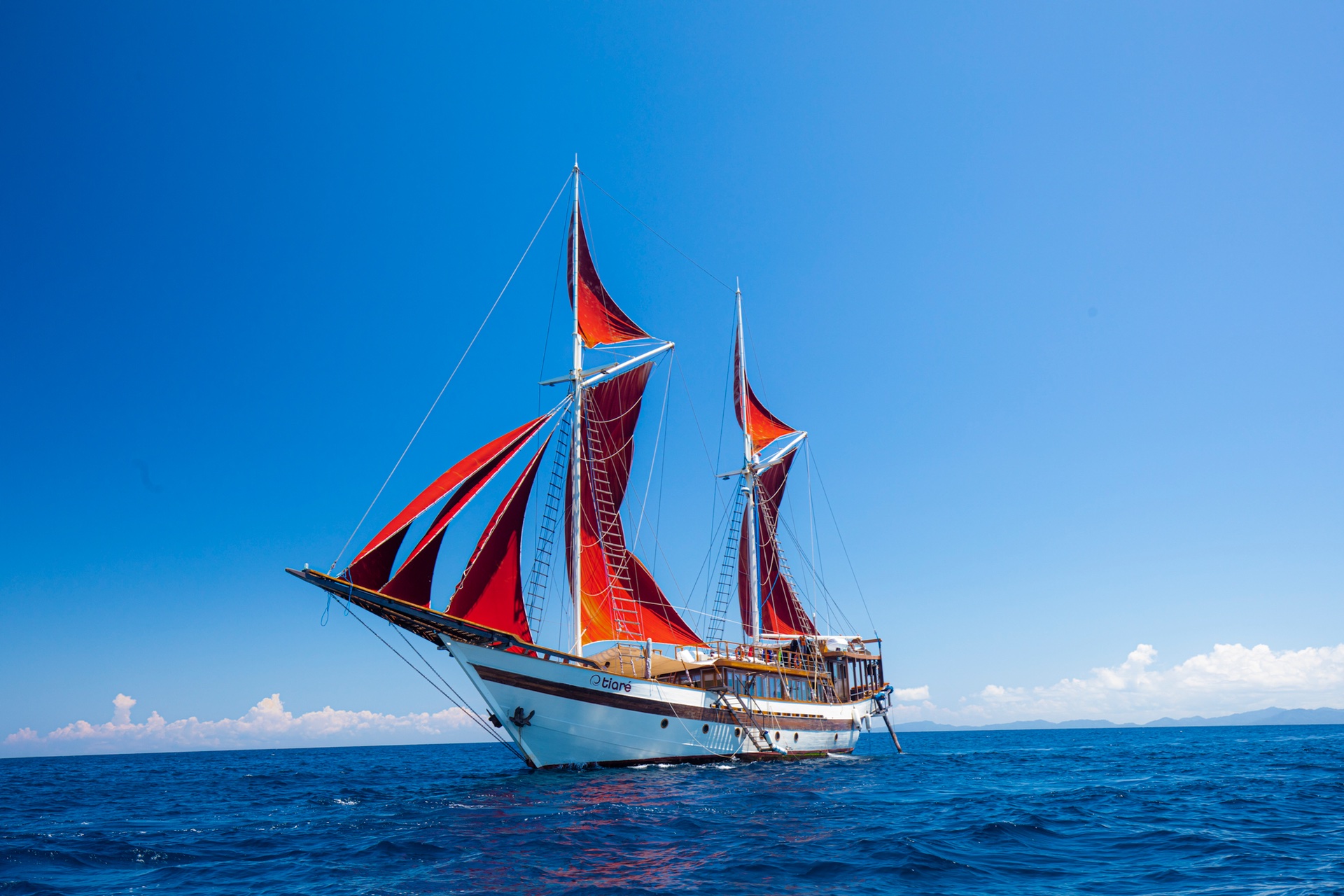
Tiare Cruise
Indonesia
12 guests36.5 m
$419/day
Dive sites similar to Pyramids Wall
Same character, same waters — six more sites divers love for the exact same reasons.Compare seasons, access and liveaboard routes — then pick the site that fits your trip best.
© Esri — Maxar, Earthstar, GIS
Batununggul
Bali
Batununggul, also known as Suana or Batumulapan by some operators, is a dynamic wall and sloping reef dive site situated on the eastern side of Nusa Penida, Bali.
- Suitable for
- Advanced
- Current
- Strong
- Access
- Liveaboard or dayboat
- Depth
- 10–40 m
- Theme
- Wall
Lipah Bay is situated on Bali's northeast coast within the Amed area, nestled against the dramatic backdrop of Gunung Agung.
- Suitable for
- Beginner
- Current
- Mild
- Access
- Liveaboard or dayboat
- Depth
- 5–30 m
- Theme
- Reef / Drift
© Esri — Maxar, Earthstar, GIS
Eel Garden
Bali
Eel Garden is a renowned dive site located on the north-western side of Menjangan Island, a protected marine area within West Bali National Park.
- Suitable for
- Intermediate
- Current
- Moderate
- Access
- Liveaboard or dayboat
- Depth
- 8–40 m
- Theme
- Drift / Reef
© Esri — Maxar, Earthstar, GIS
Gili Tepekong
Bali
Gili Tepekong is one of three volcanic islets situated off the coast of Amuk Bay, near Padang Bai and Candidasa in East Bali.
- Suitable for
- Advanced
- Current
- Strong
- Access
- Liveaboard or dayboat
- Depth
- 10–40 m
- Theme
- Cave & cavern / Drift
Puri Jati, often referred to as PJ, is located on Bali's north coast near Lovina, on the outskirts of Seririt village.
- Suitable for
- Intermediate
- Current
- No current
- Access
- Shore / dayboat
- Depth
- 6–12 m
- Theme
- Reef
© Esri — Maxar, Earthstar, GIS
Japanese Wreck
Bali
The Japanese Wreck is a compelling dive site located in Banyuning Bay, just off the beach in Amed, Bali.
- Suitable for
- Beginner
- Current
- Moderate
- Access
- Shore / dayboat
- Depth
- 6–12 m
- Theme
- Wreck / Reef