About Wahoo Point
Wahoo Point is a renowned dive site located in Papua New Guinea's Milne Bay province, celebrated for its rich biodiversity and pristine conditions within the Coral Triangle. This prominent reef point offers exceptional marine encounters in clear, warm waters, suitable for divers of all experience levels. The topography features a reef that extends from the shallow coastline, forming a natural current break which concentrates marine life. An upper reef platform boasts extensive hard coral coverage, including acropora thickets and massive porites heads. The reef slope descends gradually, allowing divers to explore various depths while encountering extraordinary biodiversity. Despite being beginner-friendly, the site delivers impressive encounters, including a vast array of Indo-Pacific reef fish like anthias, fusiliers, and clownfish in anemone gardens. Larger residents such as Napoleon wrasse and groupers are often seen, with occasional reef sharks. The complex coral structure also supports a macro scene rivaling dedicated muck sites, featuring nudibranchs, pygmy seahorses, mantis shrimps, ghost pipefish, and flatworms. Milne Bay's excellent visibility, often exceeding 20-25 meters, combined with shallow, sunlit coral gardens and abundant marine life, makes Wahoo Point an ideal location for underwater photography. The healthy state of the reef is attributed to traditional custodianship by local communities, reflecting sustainable marine resource management.
Highlights
Diverse pelagic encountersExceptional macro lifePristine hard coral gardensNatural current breakMilne Bay biodiversity hotspotDramatic reef slope
Season calendar
Best months to dive here
Jan
Feb
Mar
Apr
May
Jun
Jul
Aug
Sep
Oct
Nov
Dec
Good
Dive site facts: Wahoo Point
- Depth
- 5–100+ m
- Current
- Mild to Moderate
- Visibility
- 20–40 m
- Water temperature
- 26–31°C
- Entry
- Boat
- Level
- Beginner friendly, AOWD for deeper sections
- Dive type
- Reef, Wall, Drift, Muck, Macro, Wide-angle
- Region / port
- Milne Bay, Papua New Guinea
- Coordinates
- 10.2664° S, 150.7786° E
Conditions & Currents
Wahoo Point's location on a prominent reef point creates a natural current break, contributing to the concentration of marine life. While the site is known for attracting large pelagic species due to nutrient-rich currents, the currents experienced by divers are typically described as mild to moderate. These prevailing currents are beneficial, nourishing the extraordinary ecosystem and attracting the diverse marine life for which Milne Bay is renowned. Clear water, often exceeding 20-25 meters visibility, generally accompanies these conditions. Divers should be prepared for varying current strengths on different days, as even mild currents can significantly influence dive planning and execution, particularly near the drop-off.
Marine life & sighting chances
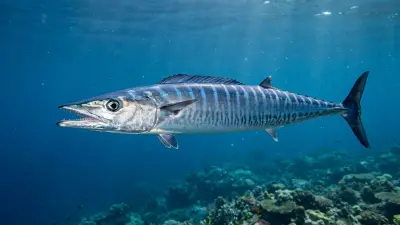
Wahoo
occasional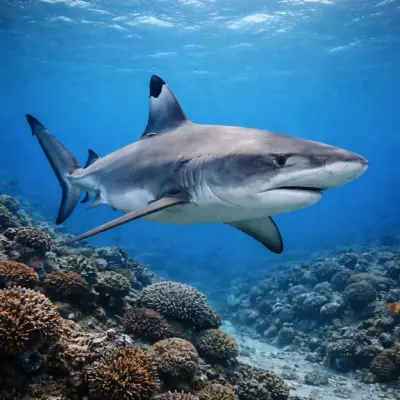
Reef shark
occasional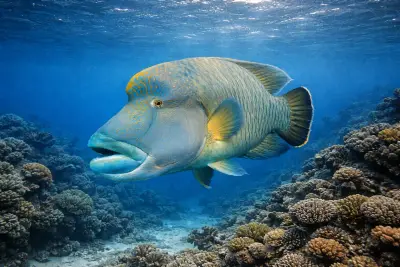
Napoleon wrasse
occasional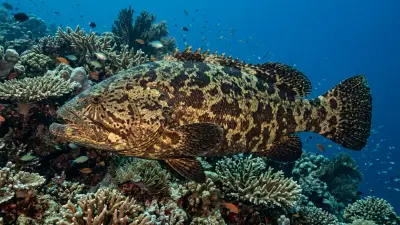
Grouper
occasional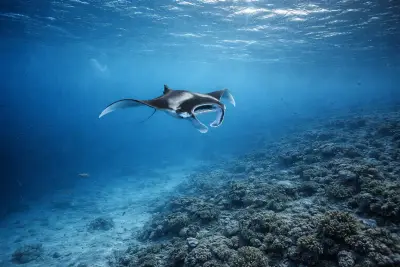
Manta ray
occasional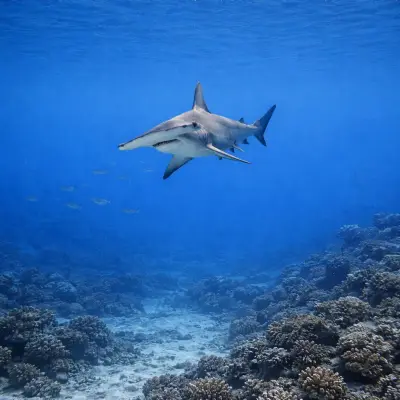
Hammerhead shark
occasional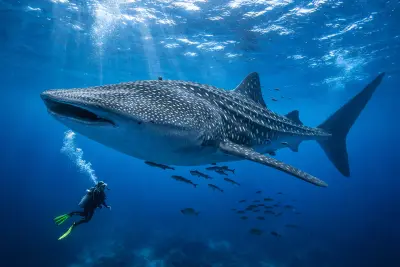
Whale shark
occasional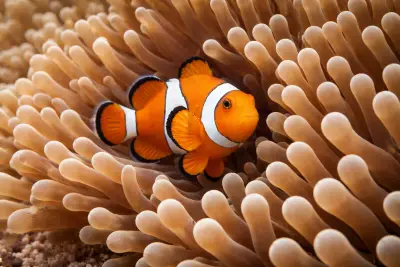
Clownfish
common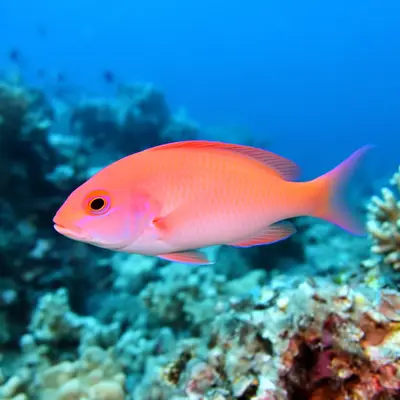
Anthias
common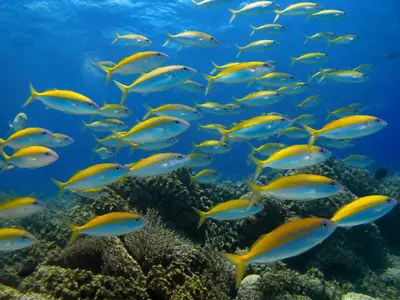
Fusilier
common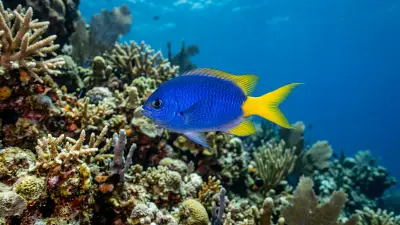
Chromis
common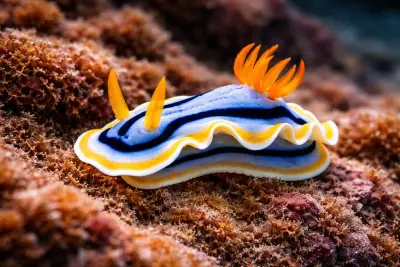
Nudibranch
common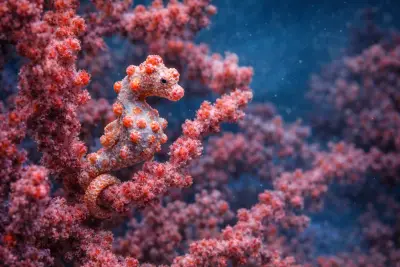
Pygmy seahorse
occasional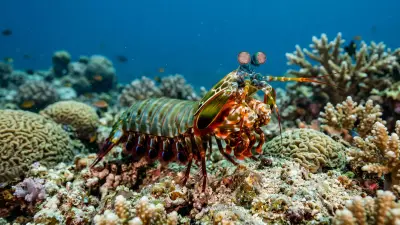
Mantis shrimp
occasionalDive profile & how the dive runs
Wahoo Point is a boat dive, often reached by a short ride from a local resort or liveaboard. The dive typically begins by dropping onto the shallow reef platform, which starts at around 5 meters and slopes gently to about 16 meters. This area is characterized by vibrant hard coral gardens and abundant reef fish. From the point, the reef plunges steeply down to depths exceeding 100 meters, forming a wall where larger pelagic species are frequently encountered. Divers can choose to explore the shallower, critter-rich coral gardens or venture along the deeper wall, keeping an eye out for hammerheads, mantas, and schooling barracuda. The dive concludes with a gradual ascent along the reef slope, where safety stops can be comfortably performed amidst the colorful corals and active macro life.
Underwater photography
Wahoo Point offers exceptional opportunities for both wide-angle and macro photography, often within a single dive. For wide-angle shots, a fisheye or wide rectilinear lens is ideal to capture the expansive hard coral coverage, schooling fish, and potential pelagic encounters along the reef slope and wall. The clear waters and tropical sunlight beautifully illuminate the shallow coral gardens. For macro subjects, a dedicated macro lens will be invaluable for focusing on the numerous nudibranchs, pygmy seahorses, mantis shrimps, and ghost pipefish found within the intricate coral structures. Maintain excellent buoyancy to avoid disturbing delicate corals and cryptic critters. Subjects are often cooperative, allowing for multiple shots. Consider bringing a snoot for creative macro lighting or strong strobes for wide-angle scenes to enhance colors in deeper sections.
Combine with nearby dive sites
- Sponge Heaven
Known for large sponges and small caverns with diverse fish species.
- Deacon's Reef
A vibrant wall dive with immense coral pinnacles, gorgonian fans, and soft corals, sometimes called Barracuda Point.
- Coral Garden
Coral Garden is a significant dive site in the Dominican Republic, featuring an impressive brain coral that has thrived for over 400 years…
- Barracuda Point
Barracuda Point in Papua New Guinea earns its name from the impressive schools of barracuda that aggregate at this specific reef headland…
- Lauadi
Features cleaning stations and a variety of octopus, including the Mimic octopus.
- Cobb's Cliff
A site with a steep drop-off to over 45 meters, frequently visited by large pelagics and various macro subjects.
Getting there & logistics
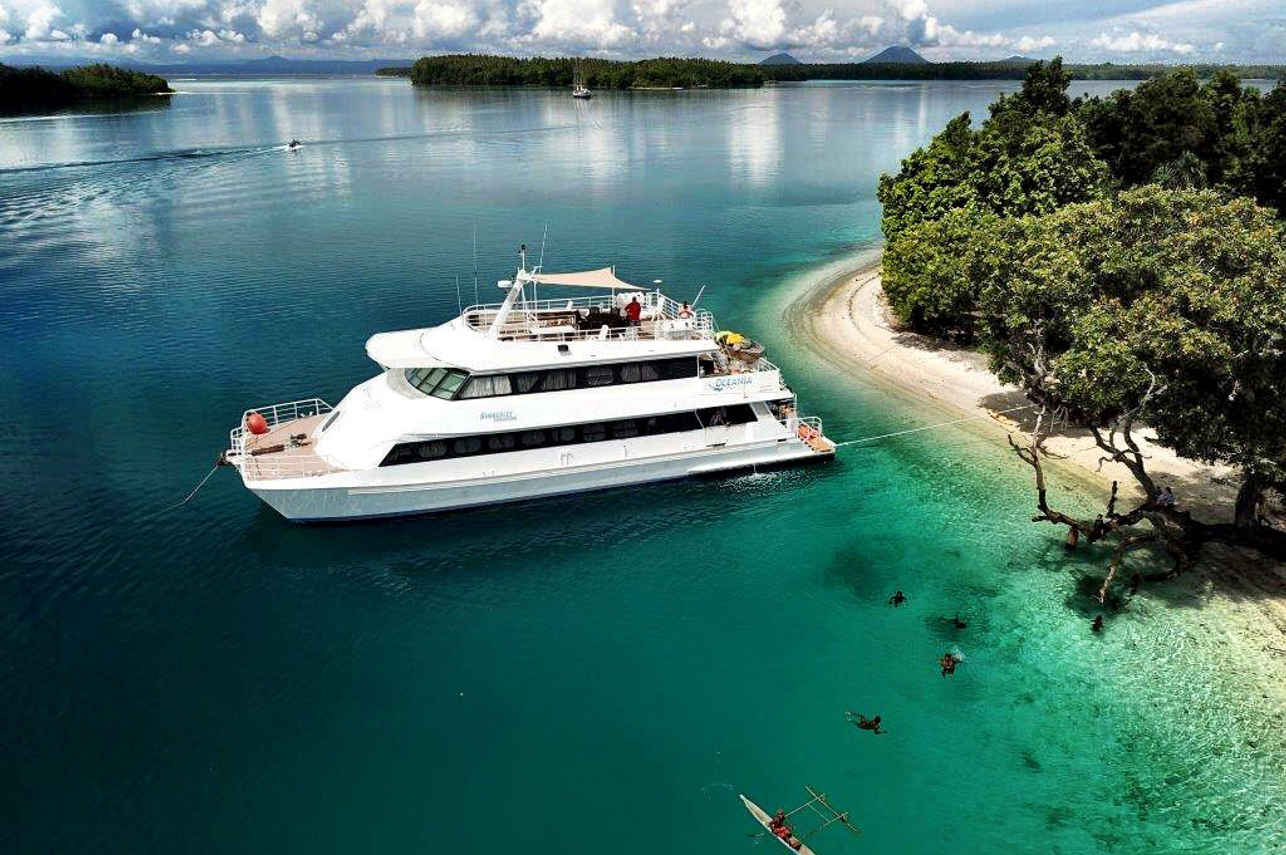
Access to Wahoo Point, located in Milne Bay, typically involves flying into Alotau (Gurney Airport), the provincial capital. Air Niugini operates daily flights to Alotau from Port Moresby. Many divers explore Milne Bay via liveaboard, which usually align their schedules with flight arrivals and departures, eliminating the need for hotel stays in Alotau. The MV Chertan and MV Oceania are known liveaboard operators in the region. Milne Bay offers a diverse range of diving, often combining reef, wall, drift, wreck, and muck diving. Trips generally last between 7-10 days, allowing divers to explore numerous sites within the area.
Safety & environment
While diving at Wahoo Point, ensure you have comprehensive dive insurance that covers emergency medical treatment and evacuation, as the nearest recompression chamber is in Port Moresby, requiring air evacuation. Milne Bay is a remote area, and evacuation logistics can be complex. Always dive within your training and comfort limits, especially when exploring deeper sections of the wall. Although currents are generally mild to moderate, stay aware of conditions, particularly around the point, and follow your dive guide's instructions. Practicing excellent buoyancy control is crucial to protect the pristine coral formations. Marine life, while abundant, should be observed without contact. Stay hydrated and monitor your dive computer to prevent decompression sickness.
Who it suits — and who it doesn't
Suited for
- Beginner divers seeking vibrant coral reefs
- Underwater photographers (macro & wide-angle)
- Divers interested in diverse marine life (pelagics & critters)
- Liveaboard enthusiasts exploring Milne Bay
- Divers seeking pristine, healthy coral ecosystems
Less suited for
- Divers unwilling to travel to remote locations
- Those looking exclusively for wreck diving (though nearby options exist)
- Divers uncomfortable with potential for moderate currents
- Travelers expecting extensive topside infrastructure
FAQ
Wahoo Point FAQ
What kind of marine life can I expect to see at Wahoo Point?
Wahoo Point boasts an extraordinary diversity of marine life, appealing to both wide-angle and macro enthusiasts. You can frequently spot schools of reef fish like anthias and fusiliers, clownfish in anemones, and occasional larger species such as Napoleon wrasse, groupers, and reef sharks. For macro life, look for nudibranchs, pygmy seahorses, mantis shrimps, ghost pipefish, and various flatworms.
Is Wahoo Point suitable for beginner divers?
Yes, Wahoo Point is considered beginner-friendly, with its upper reef platform providing accessible and vibrant diving conditions. The reef slope descends gradually, allowing divers to choose their depth. While the site can attract large pelagics, the currents are typically mild to moderate, making it comfortable for newer divers to enjoy the rich marine encounters.
What are the typical diving conditions at Wahoo Point?
Conditions at Wahoo Point generally feature clear water, with visibility often exceeding 20-25 meters. Water temperatures are consistently warm, ranging from 26-31°C year-round. Currents are usually mild to moderate due to a natural current break at the point, which helps concentrate marine life. Optimal conditions, with minimal waves and rainfall, are often found from November to March.
Can I do both wide-angle and macro photography at Wahoo Point?
Absolutely. Wahoo Point is considered ideal for both wide-angle and macro photography. The extensive hard coral gardens, schooling reef fish, and potential pelagic encounters provide excellent wide-angle opportunities. Simultaneously, the intricate coral structures are home to a vast array of macro critters like nudibranchs, pygmy seahorses, and mantis shrimps, making it easy to switch between subjects.
How deep is Wahoo Point?
Wahoo Point features a diverse depth profile. The upper reef platform begins shallow, extending to about 16 meters. From this point, the reef then plunges steeply, forming a wall that descends to depths exceeding 100 meters. This allows divers to explore various depth ranges depending on their certification and preferences, from shallow coral gardens to deeper pelagic hunting grounds.
What is the best time of year to dive Wahoo Point for optimal conditions?
The period from November through March generally offers the best diving conditions at Wahoo Point. During these months, you can expect optimal visibility, warm water temperatures, and more stable surface conditions with low rainfall and minimal waves. Liveaboard itineraries often focus on mid-January to late March to take advantage of these favorable weather patterns.
Why dive Wahoo Point from a liveaboard?
Wahoo Point is one of Papua New Guinea's signature dive sites. A liveaboard sleeps you on the water and puts you in the water for three to four guided dives per day, including dawn and night dives that day-boat operators rarely offer. You skip the daily commute back to port and reach quieter, less-crowded sites in the same region on a single trip.
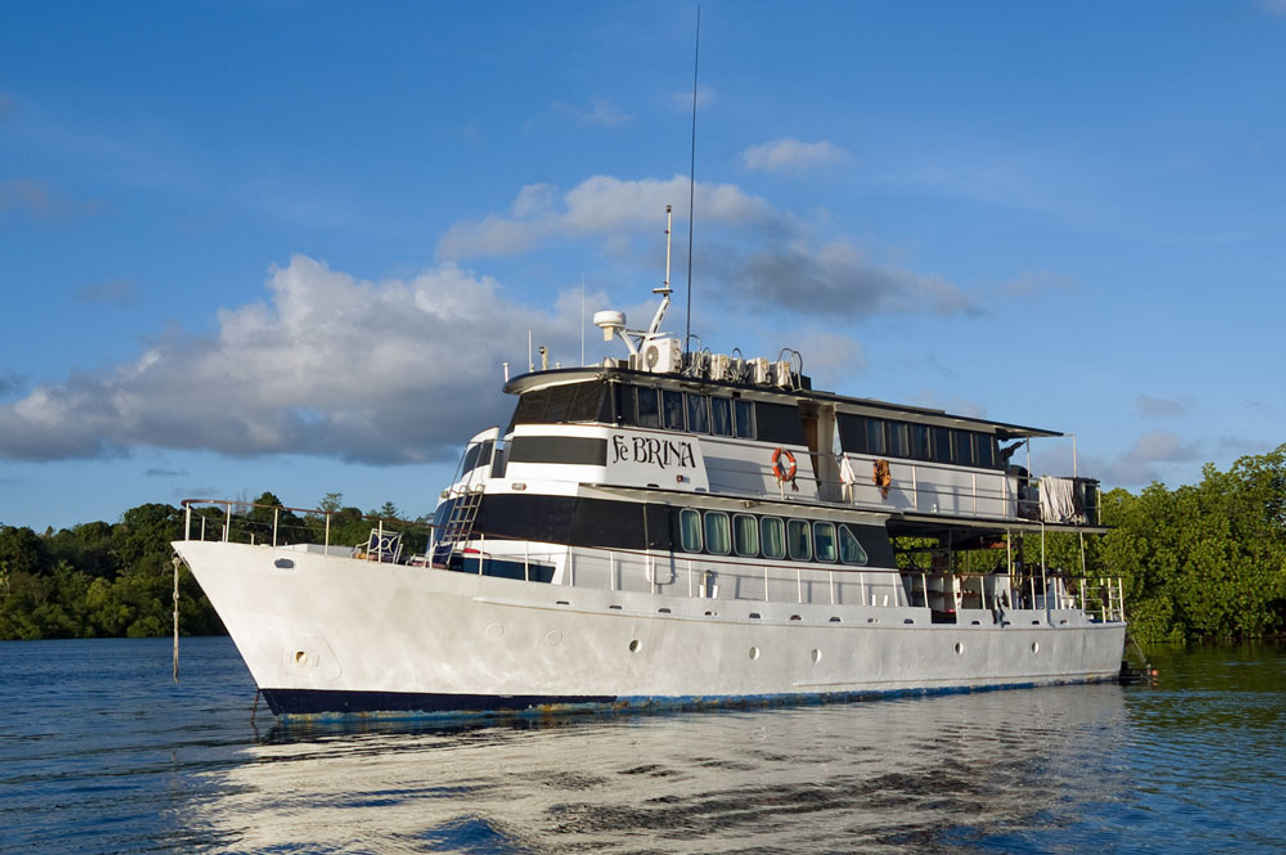
Below are the liveaboards that include Wahoo Point on their Papua New Guinea itineraries.
Liveaboards diving Wahoo Point
These liveaboards may visit Wahoo Point on selected itineraries — the exact dive sites depend on departure, weather and conditions.
Dive sites similar to Wahoo Point
Same character, same waters — six more sites divers love for the exact same reasons.Compare seasons, access and liveaboard routes — then pick the site that fits your trip best.
© Esri — Maxar, Earthstar, GIS
Giants at Home
Papua New Guinea
Giants at Home is a unique dive site nestled in a protected, shallow bay within Milne Bay, Papua New Guinea, specifically known as a thriving manta ray cleaning station.
- Suitable for
- Beginner
- Current
- Mild
- Access
- Liveaboard only
- Depth
- 1–8 m
- Theme
- Reef
© Esri — Maxar, Earthstar, GIS
Lissenung Island Reef
Papua New Guinea
Lissenung Island Reef is the house reef surrounding approximately two-thirds of Lissenung Island, located near Kavieng in Papua New Guinea.
- Suitable for
- Beginner
- Current
- Moderate
- Access
- Shore / dayboat
- Depth
- 2–10 m
- Theme
- Reef
© Esri — Maxar, Earthstar, GIS
Banana Bommie
Papua New Guinea
Banana Bommie is a prominent and highly regarded dive site situated at the northern mouth of Milne Bay in Papua New Guinea.
- Suitable for
- Advanced
- Current
- Moderate
- Access
- Liveaboard only
- Depth
- ≤ 40 m
- Theme
- Reef / Pinnacle
© Esri — Maxar, Earthstar, GIS
End Bommie
Papua New Guinea
End Bommie is a renowned dive site located in Bootless Bay, near Port Moresby, Papua New Guinea.
- Suitable for
- Advanced
- Current
- Strong
- Access
- Liveaboard or dayboat
- Depth
- 6–30 m
- Theme
- Reef / Wall
Lauadi is a celebrated dive site within Milne Bay, Papua New Guinea, specifically recognized as the origin point of muck diving.
- Suitable for
- Beginner
- Current
- Moderate
- Access
- Shore / dayboat
- Depth
- 8–25 m
- Theme
- Reef
© Esri — Maxar, Earthstar, GIS
George's Wreck
Papua New Guinea
George's Wreck is a renowned dive site near Rabaul in Papua New Guinea, famous for its historical significance as a Japanese minelayer that reportedly ran aground after an Allied attack.
- Suitable for
- Advanced
- Current
- Moderate
- Access
- Liveaboard only
- Depth
- 12–60 m
- Theme
- Wreck / Reef