About Cobb's Cliff
Cobb's Cliff is a distinguished dive site located in Papua New Guinea's Milne Bay province, celebrated for its dramatic underwater topography and exceptional marine biodiversity. Situated in an area renowned for both large animal encounters and fascinating macro life, it presents a compelling profile for divers. The site features a steep drop-off plunging to depths beyond 45 meters on one side, contrasting with a shallower reef section that rises to within 6 meters of the surface. In the center, a sandy lagoon reaches a depth of 18 meters, creating varied habitats for marine organisms. This unique structure contributes to the concentration of diverse species. Throughout the year, divers can anticipate sightings of impressive pelagic species, with opportunities to spot hammerhead sharks, whale sharks, and manta rays. The reef also hosts an array of sought-after macro subjects, including leaf scorpionfish, Rhinopias, blue ribbon eels, and elegant fire gobies. These smaller creatures add a delicate counterpoint to the larger marine visitors. Diving at Cobb's Cliff typically involves exploring the various depth zones to appreciate both the expansive pelagic action and the intricate macro life. Conditions are generally favorable, with clear waters and comfortable temperatures, making it a highlight for many liveaboard itineraries in Milne Bay.
Highlights
Dramatic steep drop-offLarge pelagic encountersExceptional macro lifeSandy lagoon featureVariety of eels and gobiesClear, warm waters
Season calendar
Best months to dive here
Jan
Feb
Mar
Apr
May
Jun
Jul
Aug
Sep
Oct
Nov
Dec
Excellent
Good
Dive site facts: Cobb's Cliff
- Depth
- 6–45+ m
- Current
- Varies; potential for strong currents
- Visibility
- 25–40 m
- Water temperature
- 26–31°C
- Entry
- Boat
- Level
- Intermediate–Advanced
- Dive type
- Wall, Reef, Macro, Big Animals
- Region / port
- Milne Bay, Papua New Guinea
- Coordinates
- 6.2833° S, 149.5815° E
Conditions & Currents
While specific current information for Cobb's Cliff is not detailed, Milne Bay sites are generally known for currents that nourish extraordinary ecosystems and attract diverse marine life. Dive operators typically manage drop-offs and pick-ups to accommodate these conditions, especially in areas frequented by large pelagics. Divers should be comfortable with varying current strengths, as even mild to moderate flow can influence dive planning and execution near drop-offs. Visibility in Milne Bay often ranges from 25 to 40 meters, though plankton blooms, which can attract pelagics, might occasionally reduce clarity. Water temperatures remain consistently warm, typically between 26°C and 31°C.
Marine life & sighting chances
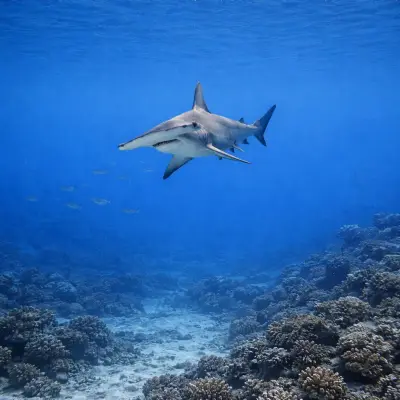
Hammerhead Shark
occasional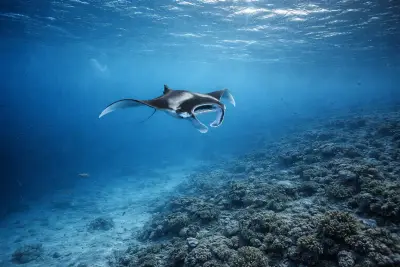
Manta Ray
occasional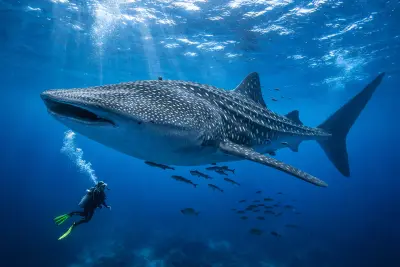
Whale Shark
occasional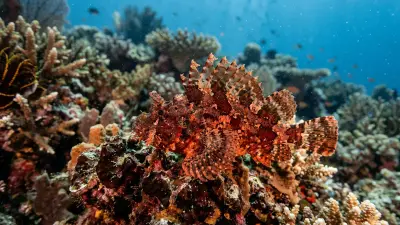
Leaf Scorpionfish
occasional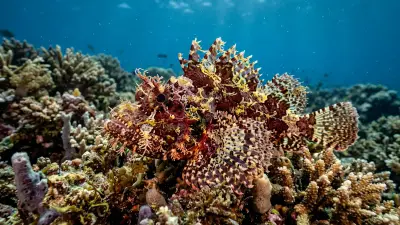
Rhinopias
occasional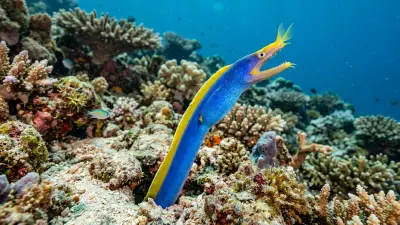
Blue Ribbon Eel
occasional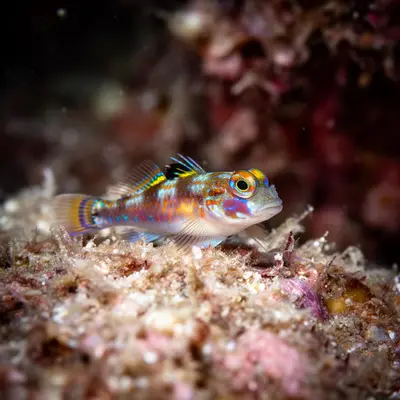
Elegant Fire Goby
occasional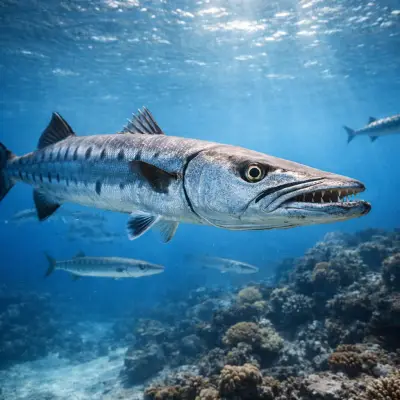
Barracuda
occasional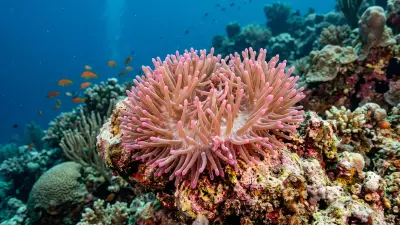
Anemones
common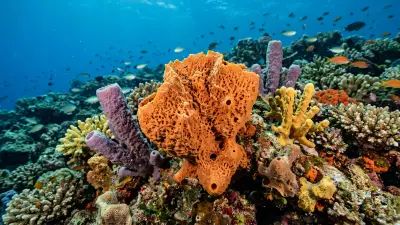
Elephant Ear Sponge
commonDive profile & how the dive runs
A dive at Cobb's Cliff typically commences with a boat drop onto the reef, allowing divers to explore the dynamic topography. The site features a steep wall that descends beyond 45 meters on one side, offering potential encounters with large pelagics in the blue. Divers often follow the reef contour, which rises to within 6 meters of the surface, providing shallower exploration opportunities. A central sandy lagoon at 18 meters depth provides a unique habitat for various critters. The dive path generally progresses along the wall and shallower sections, balancing wide-angle views of schooling fish and pelagic action with close-up observation of macro life. The safety stop is comfortably conducted in the shallower, coral-rich areas, allowing for a relaxed ascent and continued marine life viewing.
Underwater photography
Cobb's Cliff offers excellent opportunities for both wide-angle and macro photography, often within a single dive. For capturing the dramatic wall, schooling fish, and potential pelagic sightings like hammerheads or mantas, a wide-angle lens or fisheye is highly recommended. The clear waters and tropical light make for vibrant reef scenes. For macro enthusiasts, a dedicated macro lens is essential to seek out the site's rare and unique critters, such as leaf scorpionfish, Rhinopias, blue ribbon eels, and elegant fire gobies. Divers should maintain impeccable buoyancy control to avoid disturbing delicate corals and to get clear shots of shy subjects.
Combine with nearby dive sites
- Wahoo Point
Wahoo Point is a renowned dive site located in Papua New Guinea's Milne Bay province, celebrated for its rich biodiversity and pristine…
- Pelagic Point
The Point is a dynamic dive site located in Roatan, Honduras, part of the extensive Mesoamerican Barrier Reef system, the second-largest…
- Tania's Reef
- Lauadi
Lauadi is a celebrated dive site within Milne Bay, Papua New Guinea, specifically recognized as the origin point of muck diving.
- Banana Bommie
Banana Bommie is a prominent and highly regarded dive site situated at the northern mouth of Milne Bay in Papua New Guinea.
- Deacon's Reef
Deacon's Reef is a renowned dive site located on the Solomon Sea side of the peninsula forming Milne Bay's north coast in Papua New Guinea.
Getting there & logistics
Access to Cobb's Cliff in Milne Bay typically involves flying into Port Moresby (POM), the main international gateway to Papua New Guinea. From there, domestic flights connect to Alotau (GUR), which is approximately a 45-minute flight. Liveaboards operating in Milne Bay, such as the MV Chertan, often base their schedules around these flight times, with embarkation and disembarkation from Alotau. Some liveaboards may also offer direct embarkation from Port Moresby. Dive trips in this region usually range from 7 to 10 nights, exploring various sites across Milne Bay. Park and port fees are generally excluded from liveaboard costs.
Safety & environment
For diving at Cobb's Cliff and other remote sites in Papua New Guinea, comprehensive dive insurance covering emergency medical treatment and evacuation is paramount. The nearest recompression chamber facilities are limited outside major centers, necessitating robust evacuation plans in case of a serious incident. Divers should ensure their physical fitness and adhere strictly to dive profiles, especially considering the potential for strong currents and deeper sections at Cobb's Cliff. Always dive within your certified limits and be proficient in buoyancy control. Medical facilities in PNG are generally basic; therefore, proactive safety measures and having a well-stocked personal first-aid kit are advisable.
Who it suits — and who it doesn't
Suited for
- Advanced Open Water divers comfortable with current
- Underwater photographers seeking diverse subjects
- Divers interested in both pelagic and macro life
- Experienced liveaboard divers
- Those who appreciate dramatic wall dives
Less suited for
- Beginner divers without current experience
- Divers uncomfortable with potential deep sections
- Those who prefer easily accessible shore dives
- Divers seeking reliable surface comforts for medical needs
FAQ
Cobb's Cliff FAQ
What kind of marine life can I expect at Cobb's Cliff?
Cobb's Cliff is renowned for its diverse marine encounters. Divers frequently spot large pelagics such as hammerhead sharks, whale sharks, and manta rays patrolling the deeper sections. Additionally, the reef is a treasure trove for macro life, including rare species like leaf scorpionfish, Rhinopias, blue ribbon eels, and elegant fire gobies.
What are the typical dive conditions at Cobb's Cliff?
The site generally offers excellent visibility, often ranging from 25 to 40 meters, and warm water temperatures between 26°C and 31°C. While currents can vary, they are often present and can range from mild to strong, attracting the abundant marine life. Dive operators are adept at managing these conditions for safe and rewarding dives.
Is Cobb's Cliff suitable for all experience levels?
Cobb's Cliff is best suited for intermediate to advanced divers due to its potential for strong currents and deeper sections along the wall. Divers should have good buoyancy control and experience with drift diving to fully enjoy the site. While there are shallower areas, the highlights often lie in conditions requiring more experience.
What photography opportunities does Cobb's Cliff offer?
The site is exceptional for both wide-angle and macro photography. Wide-angle lenses are ideal for capturing the impressive pelagics and the dramatic wall topography. Macro enthusiasts will find a wealth of unique critters like Rhinopias and blue ribbon eels. Divers often dedicate portions of their dive to each photographic style.
How is Cobb's Cliff typically accessed?
Cobb's Cliff is primarily accessed via liveaboard diving trips operating in Milne Bay, Papua New Guinea. Divers fly into Alotau, the provincial capital, from Port Moresby, and then embark on their liveaboard vessel. The site is a popular inclusion in itineraries exploring the region's diverse dive offerings.
Why dive Cobb's Cliff from a liveaboard?
Cobb's Cliff is one of Papua New Guinea's signature dive sites. A liveaboard sleeps you on the water and puts you in the water for three to four guided dives per day, including dawn and night dives that day-boat operators rarely offer. You skip the daily commute back to port and reach quieter, less-crowded sites in the same region on a single trip.
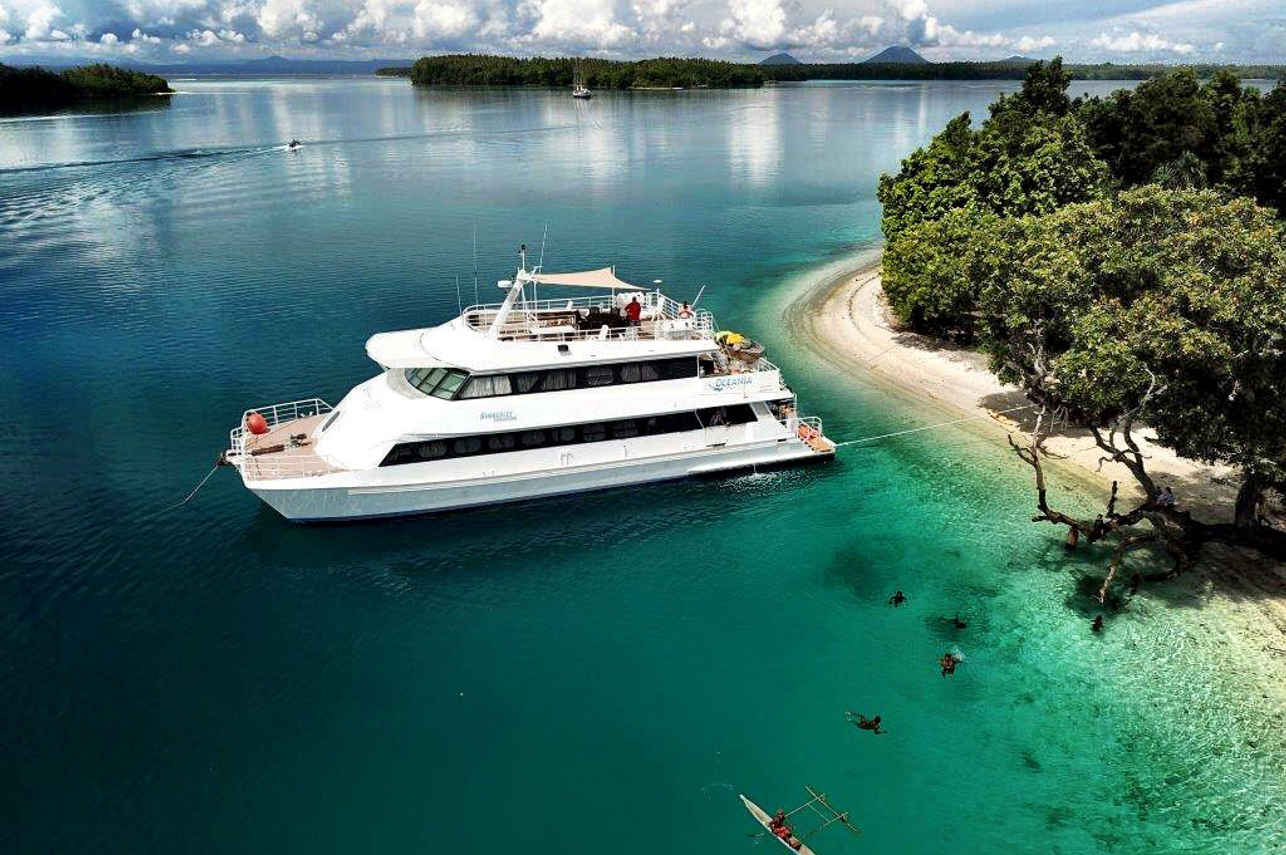
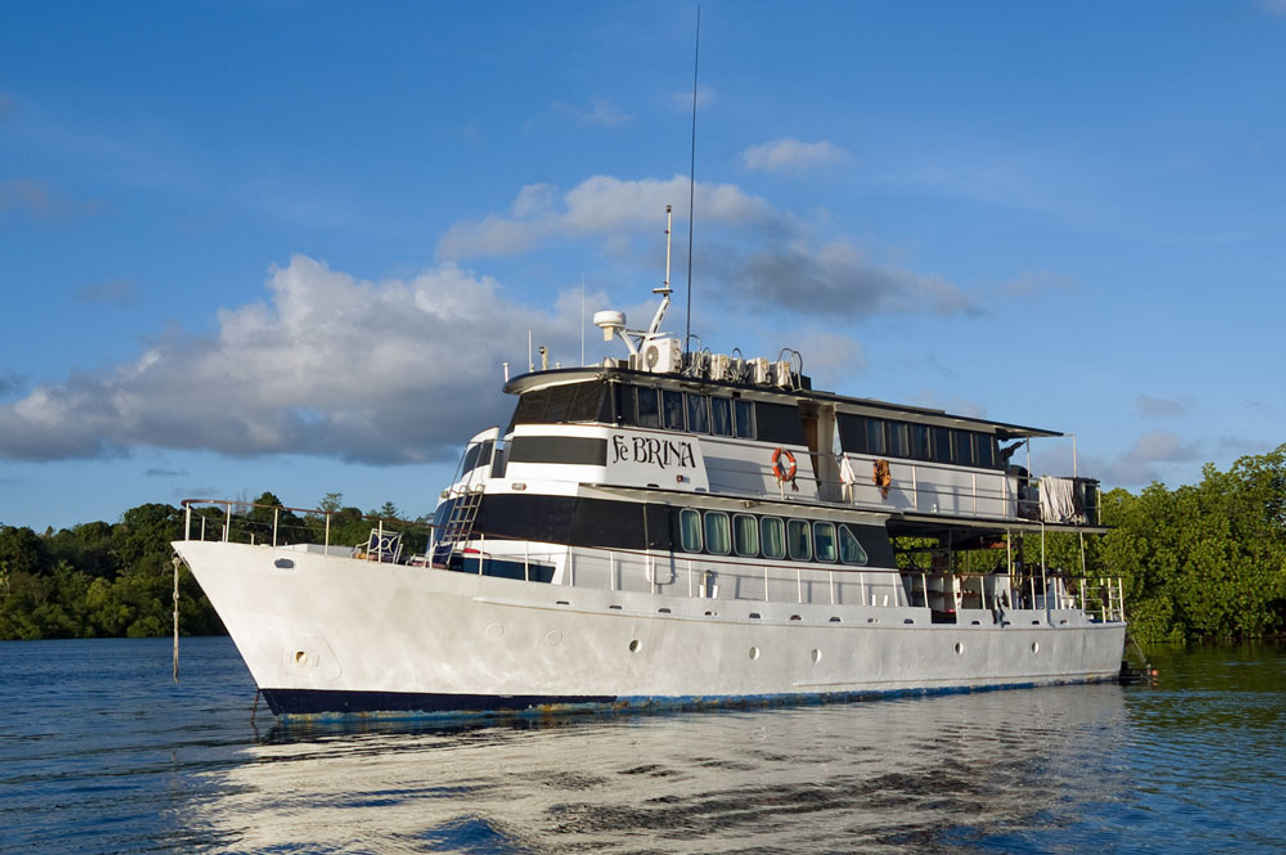
Below are the liveaboards that include Cobb's Cliff on their Papua New Guinea itineraries.
Liveaboards diving Cobb's Cliff
These liveaboards may visit Cobb's Cliff on selected itineraries — the exact dive sites depend on departure, weather and conditions.
Dive sites similar to Cobb's Cliff
Same character, same waters — six more sites divers love for the exact same reasons.Compare seasons, access and liveaboard routes — then pick the site that fits your trip best.
© Esri — Maxar, Earthstar, GIS
Giants at Home
Papua New Guinea
Giants at Home is a unique dive site nestled in a protected, shallow bay within Milne Bay, Papua New Guinea, specifically known as a thriving manta ray cleaning station.
- Suitable for
- Beginner
- Current
- Mild
- Access
- Liveaboard only
- Depth
- 1–8 m
- Theme
- Reef
© Esri — Maxar, Earthstar, GIS
Lissenung Island Reef
Papua New Guinea
Lissenung Island Reef is the house reef surrounding approximately two-thirds of Lissenung Island, located near Kavieng in Papua New Guinea.
- Suitable for
- Beginner
- Current
- Moderate
- Access
- Shore / dayboat
- Depth
- 2–10 m
- Theme
- Reef
© Esri — Maxar, Earthstar, GIS
Bermuda Drop
Papua New Guinea
Bermuda Drop is a notable wall drift dive located near Kavieng, Papua New Guinea, offering an experienced diver a journey along an impressive underwater cliff.
- Suitable for
- Advanced
- Current
- Moderate
- Access
- Liveaboard only
- Depth
- 3–26 m
- Theme
- Wall / Drift
© Esri — Maxar, Earthstar, GIS
Banana Bommie
Papua New Guinea
Banana Bommie is a prominent and highly regarded dive site situated at the northern mouth of Milne Bay in Papua New Guinea.
- Suitable for
- Advanced
- Current
- Moderate
- Access
- Liveaboard only
- Depth
- ≤ 40 m
- Theme
- Reef / Pinnacle
© Esri — Maxar, Earthstar, GIS
End Bommie
Papua New Guinea
End Bommie is a renowned dive site located in Bootless Bay, near Port Moresby, Papua New Guinea.
- Suitable for
- Advanced
- Current
- Strong
- Access
- Liveaboard or dayboat
- Depth
- 6–30 m
- Theme
- Reef / Wall