About Garajau Beach
Garajau Beach lies within the Garajau Nature Reserve on Madeira's southern coast, a marine protected area established in 1986. This site showcases the remarkable success of decades of conservation efforts, revealing what Atlantic reefs can achieve when protected. Divers consistently encounter an astonishing density of marine life, a testament to the reserve's health. The dive begins directly from the beach at the base of a dramatic cliff, leading to a volcanic reef that slopes down to 30 meters. The underwater topography features rocky walls, boulder fields, and sandy channels, creating diverse habitats. These clear waters provide excellent visibility, often exceeding 30 meters, allowing for expansive views of the thriving ecosystem. The defining characteristic of Garajau is its dense fish populations. Giant dusky groupers, some reaching up to 1.5 meters and 60 years old, approach divers with remarkable confidence. Beyond the groupers, the reef teems with sea bream, parrotfish, wrasses, moray eels, and barracuda, making for a truly immersive experience of underwater plenty. While typically a shore dive, boat access is also available, bringing you to the Cap Garajau area within the reserve in 8-10 minutes. The site is suitable for all levels, with shallow areas for beginners and deeper sections for experienced divers, offering a one-way dive profile that makes navigation straightforward.
Highlights
Giant dusky groupersHigh fish densityVolcanic reef topographyExcellent visibilityShore entry accessibilityMarine nature reserveDiverse Atlantic speciesConservation success story
Season calendar
Best months to dive here
Jan
Feb
Mar
Apr
May
Jun
Jul
Aug
Sep
Oct
Nov
Dec
Excellent
Good
Dive site facts: Garajau Beach
- Depth
- 6–30 m
- Typical dive
- 20 m average, 30 m max
- Current
- Moderate
- Visibility
- 10–40 m, very good
- Water temperature
- 18–24°C
- Entry
- Shore / Boat
- Level
- All levels, intermediate for deeper sections
- Dive type
- Reef, deep, shore, drift
- Region / port
- Madeira, Portugal
- Coordinates
- 32.6309° N, 16.8688° W
Conditions & Currents
Garajau Beach generally experiences moderate currents, requiring divers to be mindful of environmental conditions. The site can be affected by boat traffic, particularly in areas further offshore. Visibility is typically very good, often exceeding 30 meters, though local conditions can cause variations. The water temperature ranges from 18°C in winter to 24°C in summer, and thermoclines are not typically a concern. This site is particularly suitable for drift diving within the nature reserve, where the current carries divers along a one-way profile, emphasizing the importance of a thorough pre-dive briefing for entry, descent timing, and surface pickup procedures to ensure safety and group cohesion.
Marine life & sighting chances
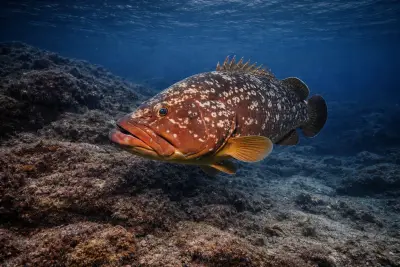
Dusky Grouper
Year-round · common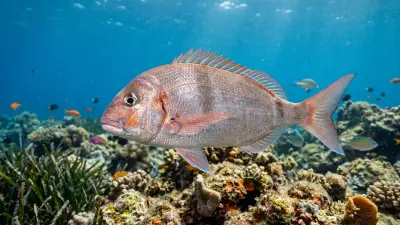
Sea Bream
Year-round · common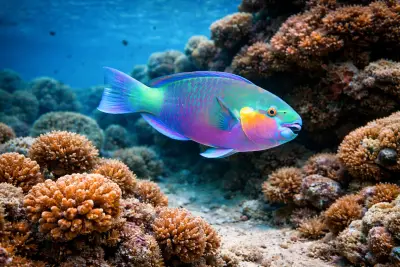
Parrotfish
Year-round · common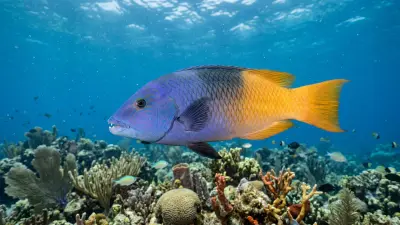
Wrasses
Year-round · common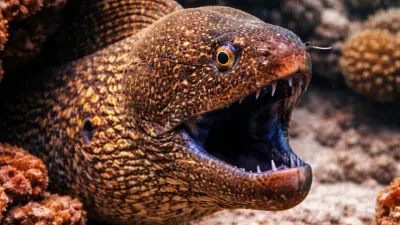
Moray Eel
Year-round · common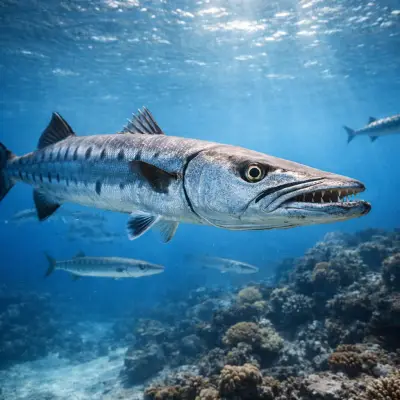
Barracuda
Year-round · occasional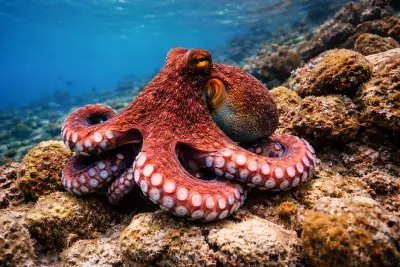
Octopus
Year-round · occasional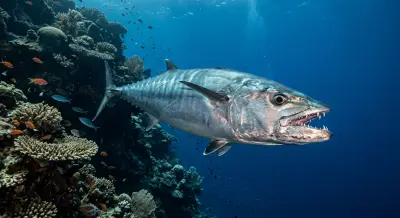
Tuna
Year-round · occasional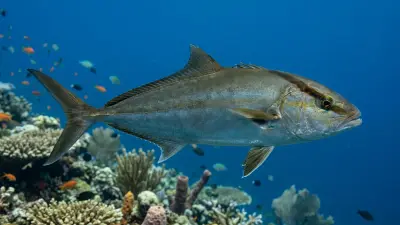
Jacks
Year-round · occasional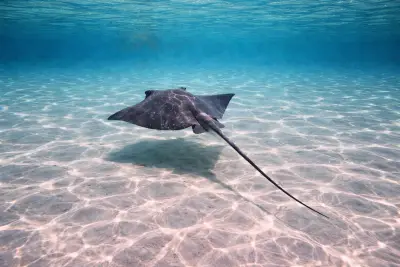
Stingray
Year-round · occasional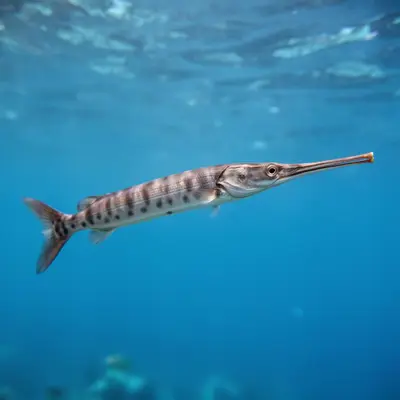
Trumpetfish
Year-round · occasional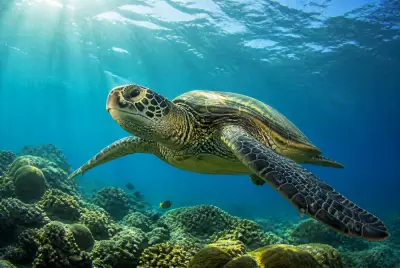
Turtle
Year-round · rare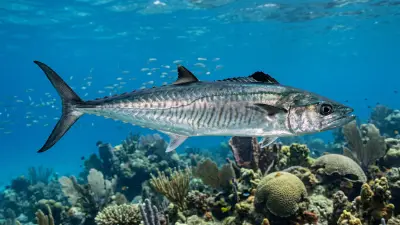
Mackerel
Year-round · commonDive profile & how the dive runs
Diving at Garajau Beach typically involves a shore entry from the beach, or a short boat ride of 8-10 minutes to the Cap Garajau area. The dive then proceeds as a drift dive, following the natural current along a volcanic reef slope. You will descend through diverse habitats, starting in shallower waters around 6 meters, then gradually progressing to an average depth of 20 meters, with maximum depths reaching 30 meters at the reef's edge. The route covers rocky walls, boulder fields, and sandy channels, allowing you to observe numerous fish schools and large dusky groupers. The dive concludes with a safety stop in shallower water before surfacing for a boat pickup.
Underwater photography
Garajau Beach is a paradise for underwater photography, particularly for wide-angle and portrait shots due to the abundant marine life and clear visibility. Giant dusky groupers are famously bold, often allowing for close-up portraits. A wide-angle lens is ideal for capturing the expansive volcanic landscapes and dense schools of fish, such as sea bream and barracuda. Even in the shallows, the rich biodiversity and volcanic rock formations offer excellent macro opportunities for smaller subjects like moray eels peeking from crevices. Given the moderate currents, maintaining good buoyancy is crucial for stable shots. Natural light is often sufficient for shallower areas thanks to the exceptional visibility, but strobes will enhance color and detail, especially when photographing deeper sections or shaded areas of the reef.
Combine with nearby dive sites
Getting there & logistics
To reach Garajau Beach, fly into Cristiano Ronaldo International Airport (FNC) in Funchal, Madeira. Funchal serves as the primary hub for diving operations, with dive shops offering quick access to Garajau and other sites. While Garajau is accessible as a shore dive, many operators also offer short boat trips (8-10 minutes) directly into the marine reserve. Liveaboards are not common for this specific site, as Madeira diving typically involves day trips from land-based accommodations. Trip lengths vary, but a 3-5 day dive package is common to explore Garajau and other nearby attractions like the Afonso Cerqueira wreck. There are no specific entry fees for the Garajau Nature Reserve for divers, but guided dives are required.
Safety & environment
For any dive emergency in Madeira, the nearest recompression chamber is located in Funchal. Divers should ensure they have comprehensive dive insurance that covers recompression treatment and emergency evacuation. While Garajau Beach is suitable for all levels, moderate currents can be present, and proper briefing on current direction and boat pickup procedures is essential, especially for drift dives. Hazards include boat traffic, particularly outside designated dive areas, and entanglement risks from abandoned fishing gear, though this is less common within the protected reserve. Always dive with a reputable local operator, adhere to dive plans, and maintain good buoyancy control to avoid damaging the delicate volcanic reef and its inhabitants.
Who it suits — and who it doesn't
Suited for
- Divers seeking abundant fish life
- Underwater photographers (wide-angle, portrait)
- All experience levels, from beginner to advanced
- Those interested in marine conservation
- Divers who enjoy drift dives
Less suited for
- Divers who dislike shore entries
- Those uncomfortable with moderate currents
- Divers solely seeking macro subjects (though some are present)
- Individuals looking for tropical coral reefs
- Divers with limited buoyancy control
FAQ
Garajau Beach FAQ
What kind of marine life can I expect to see at Garajau Beach?
Garajau Beach is renowned for its exceptional fish density, particularly large dusky groupers that are very accustomed to divers. You'll also encounter numerous schools of sea bream, parrotfish, wrasses, barracudas, and moray eels. Occasional sightings of octopus, tuna, jacks, and stingrays are also possible.
Is Garajau Beach suitable for beginner divers?
Yes, Garajau Beach is suitable for all levels of divers. While it offers sections down to 30 meters for more experienced divers, there are shallow, accessible areas ideal for beginners. The dive can be done as an easy one-way drift, making it manageable with proper guidance from a dive center.
What are the water conditions like at Garajau Beach?
The water in Garajau is notably clear, often providing visibility between 30 to 40 meters, especially during summer. Water temperatures range from 18-19°C in winter to 22-24°C in summer. Currents are generally moderate, making it a good site for drift diving, but always be aware of local conditions.
How do I get to Garajau Beach for diving?
Garajau Beach is located on Madeira's southern coast, near Funchal. You can access the dive site either by making a shore entry directly from the beach or by taking a short boat ride, typically 8-10 minutes, from local dive centers. Most dive operators in Funchal offer guided trips to the reserve.
Why is Garajau Beach considered so special for diving?
Garajau Beach is special because it's within one of Portugal's first marine protected areas, the Garajau Nature Reserve. This decades-long protection has resulted in an astonishing abundance and density of marine life, offering divers a rare glimpse into a thriving Atlantic reef ecosystem, particularly famous for its giant, friendly dusky groupers.
Why dive Garajau Beach from a liveaboard?
Garajau Beach is one of Portugal's signature dive sites. A liveaboard sleeps you on the water and puts you in the water for three to four guided dives per day, including dawn and night dives that day-boat operators rarely offer. You skip the daily commute back to port and reach quieter, less-crowded sites in the same region on a single trip.
Below are the liveaboards that include Garajau Beach on their Portugal itineraries.
Liveaboards diving Garajau Beach
These liveaboards may visit Garajau Beach on selected itineraries — the exact dive sites depend on departure, weather and conditions.
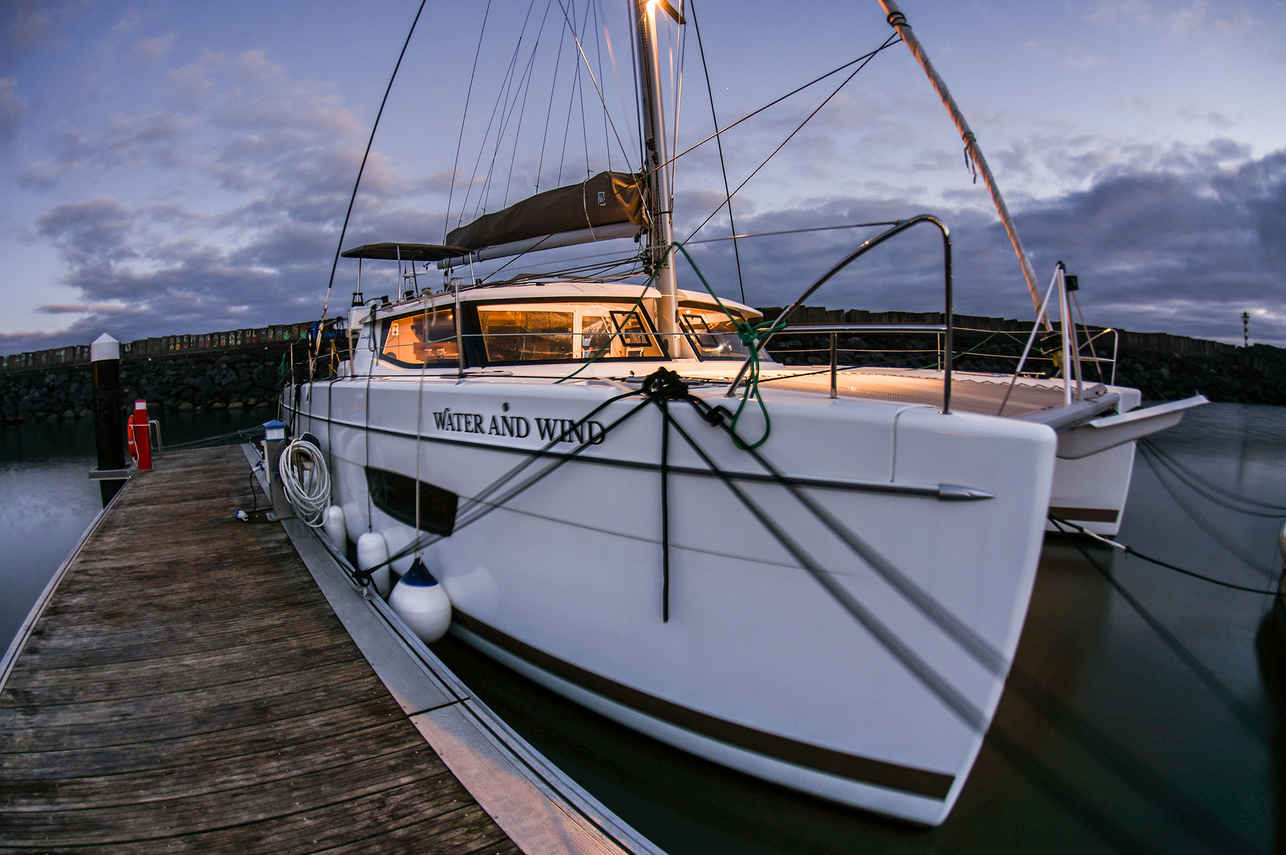
Water And Wind
Portugal
8 guests13.41 m
$434/day
Dive sites similar to Garajau Beach
Same character, same waters — six more sites divers love for the exact same reasons.Compare seasons, access and liveaboard routes — then pick the site that fits your trip best.
© Esri — Maxar, Earthstar, GIS
Pedra da Velha
Portugal
Pedra da Velha is an advanced boat-access rocky reef and pinnacle located off Peniche, within the protected Berlengas archipelago.
- Suitable for
- Advanced
- Current
- Moderate
- Access
- Dayboat
- Depth
- 10–20 m
- Theme
- Reef / Wall
© Esri — Maxar, Earthstar, GIS
Pedra da Nau
Portugal
Pedra da Nau is a notable dive site situated in a protected bay near Cascais, easily accessible with a short boat ride from shore or even by land.
- Suitable for
- Beginner
- Current
- Mild
- Access
- Liveaboard or dayboat
- Depth
- 4–18 m
- Theme
- Reef
Silveira is a welcoming beginner-friendly dive site located off Terceira Island in the Azores archipelago, Portugal.
- Suitable for
- Beginner
- Current
- Mild
- Access
- Dayboat
- Depth
- 2–15 m
- Theme
- Reef / Pinnacle
© Esri — Maxar, Earthstar, GIS
Cinco Ribeiras
Portugal
Cinco Ribeiras is situated on the western coast of Terceira Island in the Azores, named after a nearby village.
- Suitable for
- Beginner
- Current
- Mild
- Access
- Shore / dayboat
- Depth
- 5–16 m
- Theme
- Reef / Cavern
Baixa do Ambrósio is an advanced dive site situated in the open Atlantic, southeast of Santa Maria Island in the eastern Azores.
- Suitable for
- Advanced
- Current
- Strong
- Access
- Dayboat
- Depth
- 5–47 m
- Theme
- Reef / Drift