About South Pass - Fakarava
Fakarava's South Pass, known locally as Tumakohua Pass, is a renowned drift dive located in the Tuamotu archipelago of French Polynesia, a designated UNESCO biosphere reserve. This natural channel connects the inner lagoon to the open ocean, creating powerful currents that attract an extraordinary concentration of pelagic life. Divers frequently encounter a vast number of sharks, earning it the nickname "wall of sharks," without the need for artificial feeding or baiting, which is banned in French Polynesia. The pass features a "ski slope" of white sand that marks the beginning of the drift, leading to various observation points. The dive typically begins with a boat drop-off at the "ski slope," where divers drift with the incoming tide. The depth ranges from 22 to 24 meters, allowing for extended bottom times. Along the drift, divers can position themselves at observation points, often using a reef hook or finger placement on rocks to safely watch the marine spectacle. The topography includes extensive coral reefs and a long sandy slope. Fakarava is a peaceful "shark paradise," with an almost guaranteed chance of encountering the massive shark aggregations. Species commonly seen include grey reef sharks, blacktip sharks, lemon sharks, and silvertip sharks. Beyond sharks, divers can observe a variety of Pacific reef fish and, occasionally, larger pelagics like manta rays. The consistent water temperature, around 28°C, contributes to comfortable diving conditions year-round. Due to the strong currents, this site is generally dived as a drift, requiring good buoyancy control and an understanding of technical diving aspects, though it can be accessible to confident beginner divers with proper guidance. Dives are typically planned around incoming tides to optimize current flow and marine life encounters, often involving two morning dives before the tide changes.
Highlights
Wall of sharksTumakohua Pass drift diveGrey reef shark aggregations"Ski slope" sandy channelNo shark feeding or baiting
Season calendar
Best months to dive here
Jan
Feb
Mar
Apr
May
Jun
Jul
Aug
Sep
Oct
Nov
Dec
Excellent
Good
Dive site facts: South Pass - Fakarava
- Depth
- 20-24 m
- Typical dive
- 20-24 m, 60-65 min
- Current
- Strong, unpredictable, drift diving
- Visibility
- 30-50 m
- Water temperature
- 26-29°C
- Entry
- Tender / drift entry
- Level
- Open Water with current experience
- Dive type
- Drift, pelagic, shark encounters
- Night dive
- Possible, offered at sunset
- Region / port
- Tuamotu Islands, French Polynesia
- Coordinates
- -16.5, -145.4333
Conditions & Currents
The South Pass of Fakarava experiences strong, consistent currents that necessitate drift diving. Dives are typically scheduled to coincide with the incoming tide, which pushes divers into the lagoon. Divers are dropped by boat at the entrance to the pass and drift along at depths of 40 to 70 feet, often making use of a "ski slope" entry point. While the current within the cut is usually manageable for drift diving, it intensifies significantly in shallower areas towards the end of the drift, requiring divers to ascend before reaching these points to avoid being swept away. Good buoyancy control is essential, and divers often use reef hooks or careful hand placement on stable rock to maintain position at observation points. Visibility is generally excellent, often described as amazing. Due to the powerful currents and the need for precise timing with tides, it is highly recommended to dive with a local guide or dive shop.
Marine life & sighting chances

Grey Reef Shark
Year-round, peak June-July · common
Blacktip Reef Shark
Year-round · common
Lemon Shark
Year-round · occasional
Silvertip Shark
Year-round · occasional
Marbled Grouper
June-July (spawning) · common
Eagle Ray
Year-round · occasional
Napoleon Wrasse
Year-round · occasional
Green Sea Turtle
Year-round · occasional
Humpback Whale
August-October · rareDive profile & how the dive runs
Dives in the South Pass typically begin with a boat drop directly over the "ski slope" at the pass entrance, timing the entry with an incoming tide. Divers descend and drift along the sandy slope, often encountering resting white-tip sharks before reaching the main observation points. The dive progresses through various sections of the pass, where divers can position themselves to observe the "Wall of Sharks" and other pelagic species. Instructors brief divers on safe positions to anchor themselves with a single finger on stable rock, ensuring no damage to corals. The maximum depth usually ranges from 20 to 24 meters, allowing for ample bottom time. The drift continues until the current begins to subside, after which divers make their ascent and conduct their safety stop in calmer waters, often collected by the boat further inside the lagoon.
Underwater photography
Fakarava's South Pass, with its renowned "Wall of Sharks," offers exceptional wide-angle photography opportunities. A wide-angle lens is essential to capture the vast schools of grey reef sharks and the expansive coral formations. Natural light is abundant due to the excellent visibility, but strobes are recommended to bring out the vibrant colors of corals and marine life, especially in deeper sections or when shooting against the sun. Prioritize good buoyancy control to avoid disturbing the sandy bottom or fragile corals, particularly when observing sharks from a fixed position. Patience is key; wait for the sharks to approach naturally and avoid sudden movements. For macro enthusiasts, there are fewer dedicated subjects compared to the pelagic action, but opportunities for close-ups on reef fish or smaller invertebrates may arise in calmer sections or during safety stops.
Combine with nearby dive sites
- North Pass - Fakarava
Known for biodiversity and strong currents, often includes manta rays and whale sharks
- Tetamanu - Grouper Wall
A specific site within the South Pass renowned for the grouper spawning event
- Fakarava - Ohotu Reef
Offers sheltered, shallower dives ideal for beginners and photography
- Rangiroa - The Aquarium
A calmer, shallower site contrasting with Fakarava's strong currents
Getting there & logistics
Access to Fakarava typically begins with an international flight to Faa'a International Airport (PPT) in Papeete, Tahiti. From Papeete, travelers take a domestic connecting flight to Fakarava (FAV). The South Pass area, home to Tumakohua Pass, has limited accommodation, with Tetamanu Diving Village being a prominent option right next to the pass. Dive trips to Fakarava often last several days, allowing for multiple dives in both the South and North Passes, and can be combined with other Tuamotu atolls like Rangiroa or Tikehau via liveaboard or inter-island flights. Park fees may be included in dive packages, but it's advisable to confirm this with your dive operator.
Safety & environment
Diving in Fakarava's South Pass requires careful attention to safety protocols due to strong currents. All divers should be comfortable with drift diving techniques and possess good buoyancy control. Dive operators typically provide thorough briefings on current conditions, entry/exit procedures, and observation points. French Polynesia has a strict ban on shark feeding, promoting natural shark encounters. While specific recompression chamber locations are limited in the remote Tuamotus, Papeete, Tahiti, hosts the nearest significant medical facilities. Divers should ensure they have comprehensive dive insurance that covers emergency medical evacuation and treatment. Always dive with reputable local operators who are experienced with the specific conditions of the passes.
Who it suits — and who it doesn't
Suited for
- Experienced divers comfortable with strong currents
- Shark enthusiasts seeking large pelagic encounters
- Underwater photographers focusing on wide-angle shots
- Divers interested in marine biology and spawning events
- Those seeking a remote, natural dive experience
Less suited for
- New divers without current experience
- Divers uncomfortable with rapid drifts or negative entries
- Individuals prone to seasickness in choppy conditions
- Those looking exclusively for macro subjects
- Divers expecting calm, easy-going dives
FAQ
South Pass - Fakarava FAQ
What is the 'Wall of Sharks' at Fakarava's South Pass?
The 'Wall of Sharks' refers to the extraordinary concentration of grey reef sharks, sometimes numbering in the hundreds, that gather in Fakarava's Tumakohua Pass. This phenomenon is particularly pronounced during the annual marbled grouper spawning event from June to July, when the sharks are attracted by the abundance of prey.
Is Fakarava's South Pass suitable for beginner divers?
While the South Pass is known for strong currents, it can be accessible to beginner divers who are comfortable with gentle drift dives. Depths typically remain within 20-24 meters, and local guides ensure careful timing with the tides. It's crucial for beginners to have good buoyancy control and follow their instructor's guidance closely.
When is the best time to see the marbled grouper spawning?
The marbled grouper spawning event occurs annually from mid-June to early July, specifically around the full moon. During this period, tens of thousands of groupers congregate in the South Pass to spawn, attracting an even larger number of sharks and creating a spectacular natural event.
What kind of sharks can I expect to see in Fakarava South Pass?
The South Pass is famous for its large populations of grey reef sharks. You can also frequently encounter blacktip reef sharks, and occasionally see lemon sharks and silvertip sharks. During certain times, there's even a chance of spotting hammerhead and tiger sharks.
Can I snorkel in Fakarava's South Pass?
Yes, snorkeling is possible in Fakarava's South Pass, and it offers incredible marine life encounters, including blacktip sharks, eagle rays, and napoleon wrasse. Dive instructors can often drop snorkelers off at suitable points during scuba excursions. If you are comfortable freediving to 10-15 meters, you can even observe the grey sharks.
Are there night dives offered in Fakarava South Pass?
Yes, night dives or sunset dives are sometimes offered in the South Pass. These provide a unique opportunity to witness different marine behaviors, particularly among the shark populations, as they become more active hunters in the dimming light. It's an intense experience for those seeking a different perspective of the pass.
Why dive South Pass - Fakarava from a liveaboard?
South Pass - Fakarava is one of French Polynesia's signature dive sites. A liveaboard sleeps you on the water and puts you in the water for three to four guided dives per day, including dawn and night dives that day-boat operators rarely offer. You skip the daily commute back to port and reach quieter, less-crowded sites in the same region on a single trip.
Below are the liveaboards that include South Pass - Fakarava on their French Polynesia itineraries.
Liveaboards diving South Pass - Fakarava
These liveaboards may visit South Pass - Fakarava on selected itineraries — the exact dive sites depend on departure, weather and conditions.
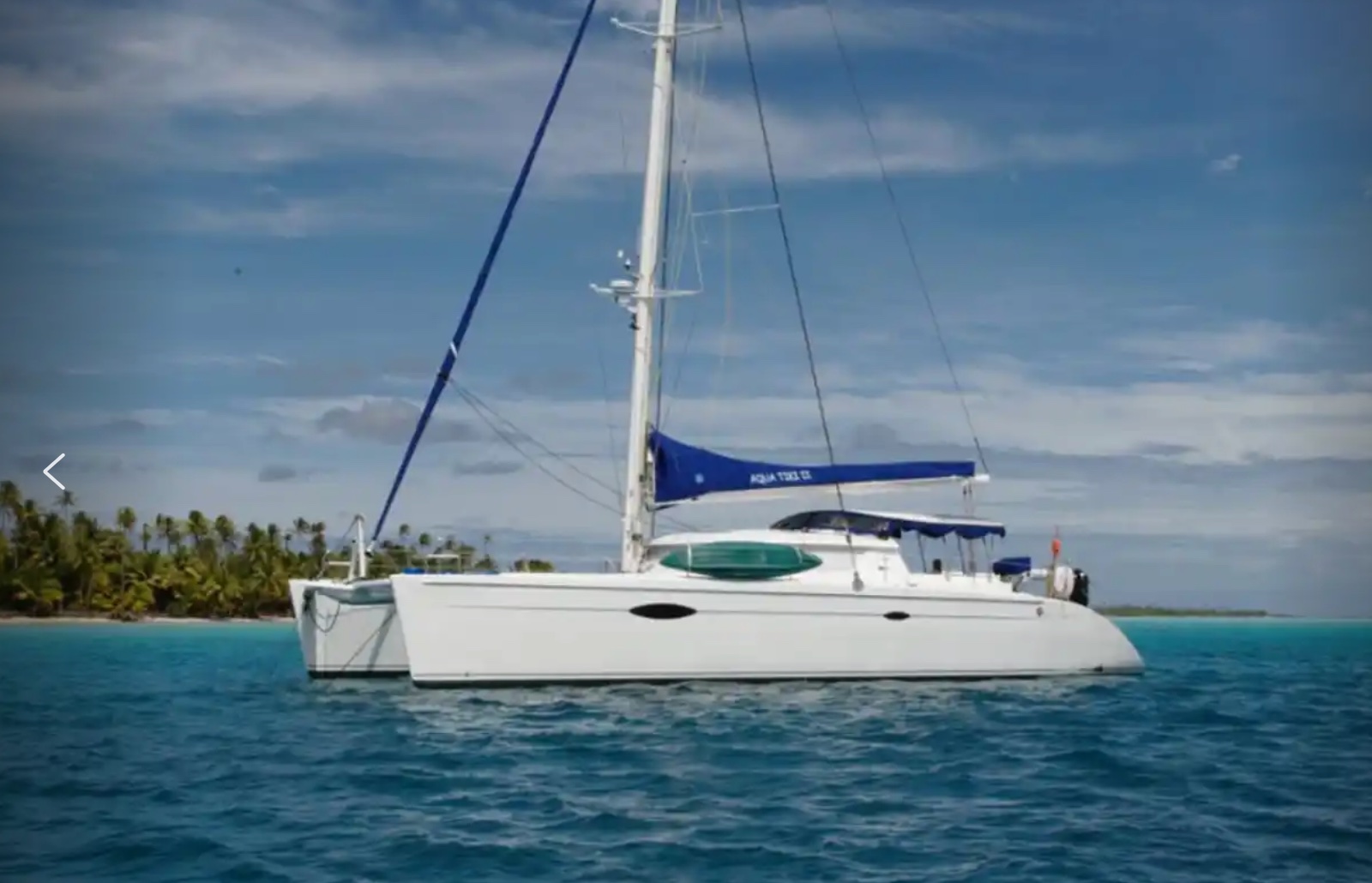
Aqua Tiki II
French Polynesia
8 guests
$575/day
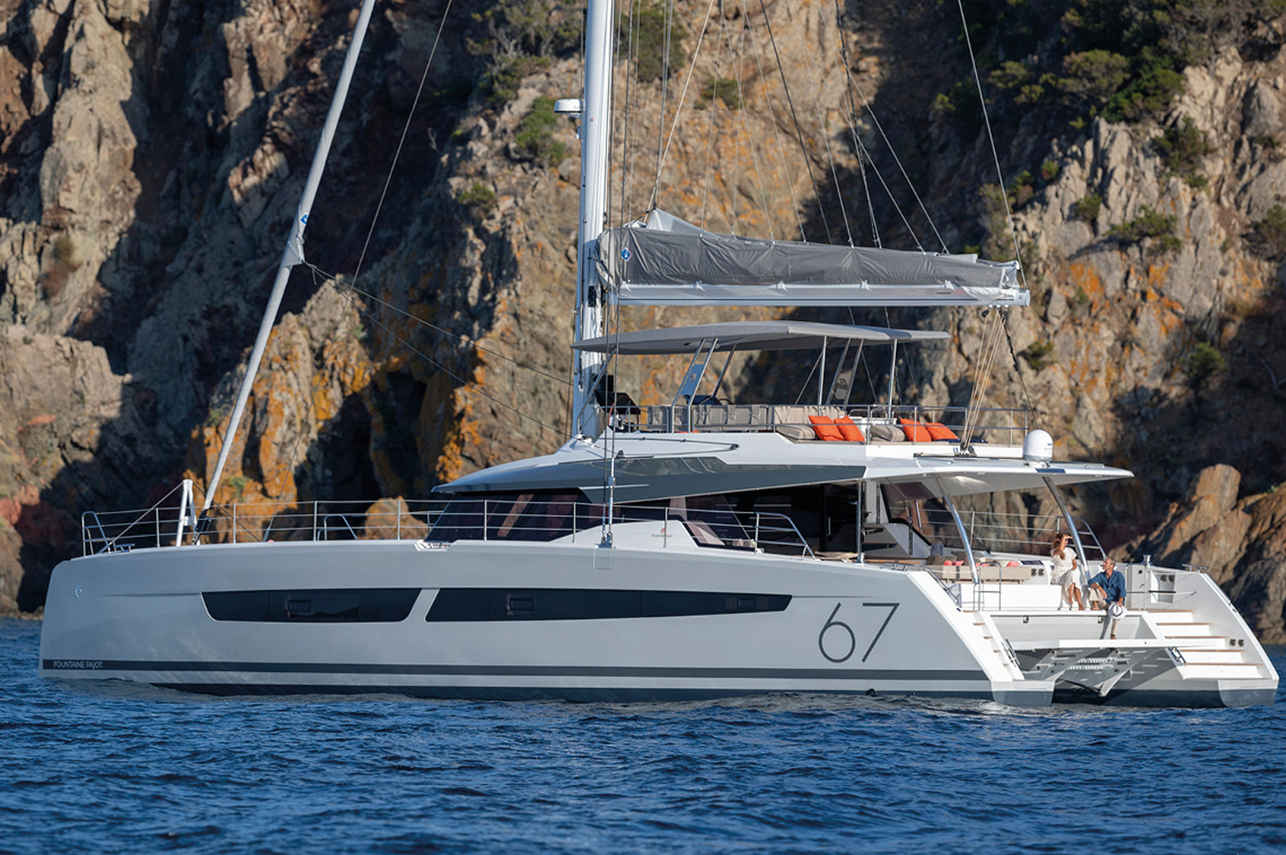
Aqua Tiki III
French Polynesia
10 guests20 m
$501/day
Dive sites similar to South Pass - Fakarava
Same character, same waters — six more sites divers love for the exact same reasons.Compare seasons, access and liveaboard routes — then pick the site that fits your trip best.
Ahe Atoll, a remote and authentic destination in French Polynesia, offers a dive experience deeply intertwined with its local pearl farming community.
- Suitable for
- Advanced
- Current
- Strong
- Access
- Liveaboard or dayboat
- Depth
- 5–22 m
- Theme
- Channel / Drift
© Esri — Maxar, Earthstar, GIS
Avatoru Pass
French Polynesia
Avatoru Pass is one of Rangiroa's prominent drift dive sites, renowned for its strong, predictable currents and abundant pelagic marine life.
- Suitable for
- Advanced
- Current
- Strong
- Access
- Liveaboard or dayboat
- Depth
- 8–30 m
- Theme
- Drift / Wall
© Esri — Maxar, Earthstar, GIS
Bora Bora - Anau
French Polynesia
Anau, nestled in Bora Bora's lagoon near Le Méridien, is celebrated as a prime manta ray cleaning station, often referred to as the Manta Ray Spot or Anau Manta Wall.
- Suitable for
- Intermediate
- Current
- Mild
- Access
- Liveaboard or dayboat
- Depth
- 6–20 m
- Theme
- Reef / Wall
© Esri — Maxar, Earthstar, GIS
Bora Bora - Tapu
French Polynesia
Tapu, located in Bora Bora, is a prominent dive site known for its thrilling shark encounters and diverse marine life.
- Suitable for
- Intermediate
- Current
- Mild
- Access
- Liveaboard or dayboat
- Depth
- 8–30 m
- Theme
- Drift / Reef
© Esri — Maxar, Earthstar, GIS
Bora Bora - Tupitipiti
French Polynesia
Tupitipiti Point is a renowned dive site located on the southeast outer reef of Bora Bora, celebrated for its unique underwater topography and rich marine biodiversity.
- Suitable for
- Advanced
- Current
- Strong
- Access
- Liveaboard or dayboat
- Depth
- 10–35 m
- Theme
- Cave & cavern / Wall