About Mount Eden
Mount Eden is a prominent dive site located in Mexico's Sea of Cortez, an area famously dubbed the "world's aquarium" by Jacques Cousteau. This region, encompassing Baja California Sur, is renowned for its exceptional marine biodiversity and distinct seasonal shifts in aquatic life. The site's topography contributes to its appeal, with conditions that range from clear, warm waters to cooler, nutrient-rich periods, influencing both visibility and the types of marine species encountered. Depths vary, catering to different diving levels as marine life can be found at multiple bands. The Sea of Cortez hosts a wide array of marine megafauna, including migrating whales in winter, large schools of mobula rays and whale sharks in warmer months, and active pelagic predators drawn by dense bait balls. Sea lions are also year-round residents, particularly active with their pups in late summer. This dynamic environment means the optimal time to visit depends heavily on the specific marine encounters a diver seeks. Diving here provides opportunities for encounters with both large pelagic species and vibrant reef life. Conditions can range from calm to those with significant currents, making it suitable for divers comfortable with varying underwater scenarios. Many itineraries combine Mount Eden with other regional highlights, often accessible via liveaboard during the peak diving season.
Highlights
Dynamic underwater landscapesSeasonal pelagic encountersWhale shark migrationsMobula ray gatheringsAbundant sea lionsDramatic visibility changes
Season calendar
Best months to dive here
Jan
Feb
Mar
Apr
May
Jun
Jul
Aug
Sep
Oct
Nov
Dec
Excellent
Good
Dive site facts: Mount Eden
- Current
- Varies seasonally, can be strong
- Visibility
- Varies seasonally, up to 25 meters
- Water temperature
- 18–30°C (64–86°F)
- Entry
- Liveaboard / dayboat
- Level
- Intermediate to Advanced, current experience helpful
- Dive type
- Wall, drift, big_animals, pelagic
- Region / port
- Sea of Cortez, Mexico
- Coordinates
- 25.8407, -111.274
Conditions & Currents
Currents in the Sea of Cortez are influenced by seasonal monsoons and can vary significantly, ranging from mild to strong depending on the site and time of year. Dive sites within this region, particularly those accessible by liveaboard, often experience dynamic conditions that can include pronounced current. Divers should be proficient in managing buoyancy and comfortable with drift diving techniques, as high-flow environments are common. These currents are often responsible for bringing nutrient-rich waters that attract the abundant pelagic life characteristic of the area. Visibility can also be affected by these currents and seasonal nutrient cycles, sometimes dipping during plankton blooms, but generally remaining good to excellent.
Marine life & sighting chances
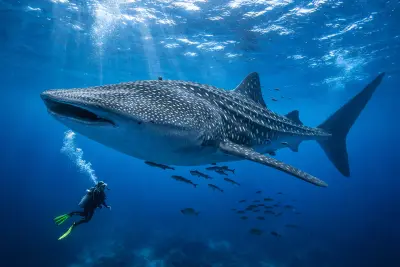
Whale shark
Summer, Fall, Winter, Spring · common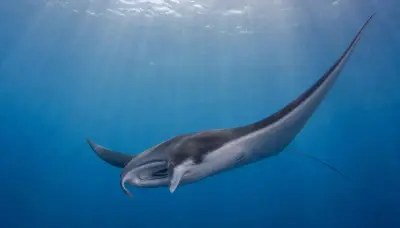
Mobula ray
Spring, Summer, Fall, Winter · common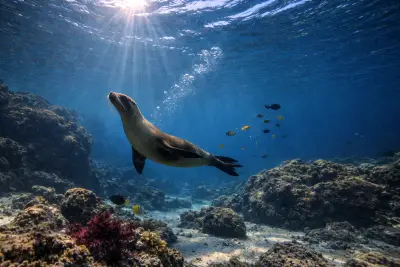
Sea lion
Year-round · common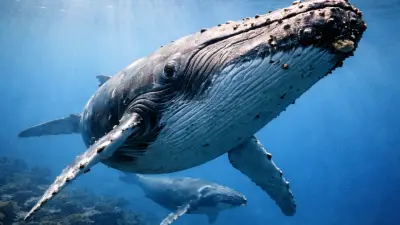
Humpback whale
Winter · occasional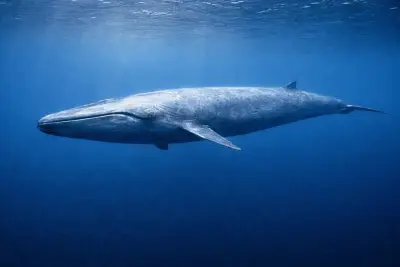
Grey whale
Winter · occasional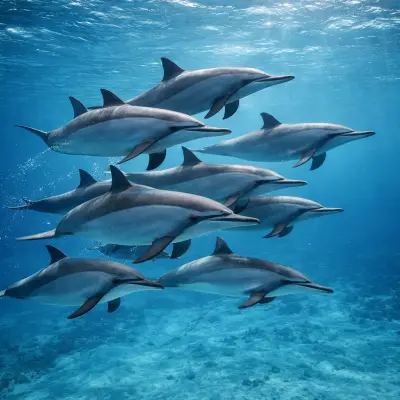
Dolphin
Winter, Fall · common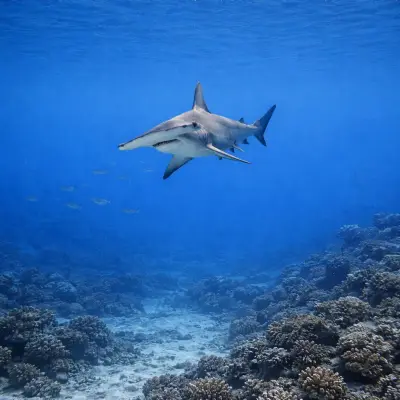
Hammerhead shark
Winter, Spring · occasional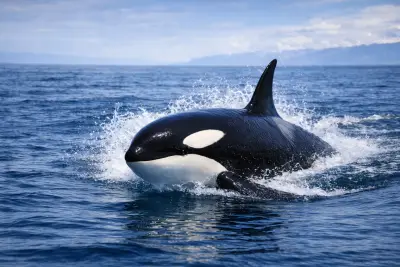
Orca
Summer · rare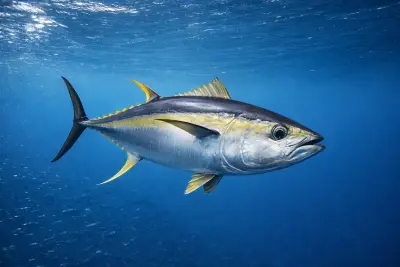
Yellowfin tuna
Spring · occasional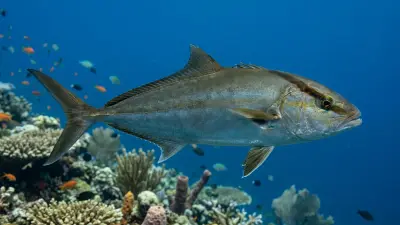
Jacks
Spring, Summer, Fall · common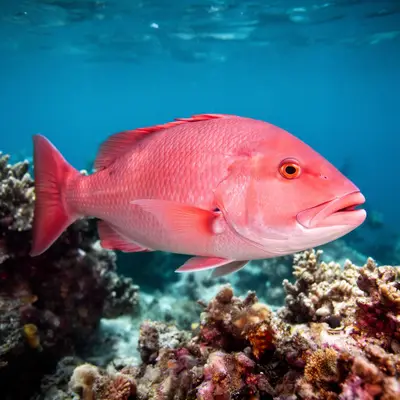
Snappers
Spring · commonDive profile & how the dive runs
Diving at Mount Eden typically involves conditions that can change throughout the year, from calm to strong currents. Divers usually enter the water from a liveaboard or dayboat, often employing drift diving techniques to cover ground and maximize encounters with pelagic species. The dive profile involves exploring dramatic underwater landscapes and walls, with depths varying depending on the specific features being explored and the pelagic life present. It's common to follow the natural contours of the site, allowing currents to assist movement. Turn points are dictated by air consumption and planned bottom time, often against the current if necessary to return to an amenable pick-up point. Safety stops are conducted in the blue, often while drifting, with surface support always monitoring diver location due to the potential for significant current.
Underwater photography
Mount Eden, with its abundant pelagic and large animal encounters, is an excellent site for wide-angle photography. A dome port with a wide-angle lens is recommended to capture schools of mobula rays, whale sharks, or the vastness of the underwater landscape. For macro opportunities, particularly during periods of excellent visibility, a dedicated macro lens can reveal the rich reef life. Consider natural light for large subjects when visibility is good, or use strobes to enhance color and detail on reef inhabitants and when shooting in lower light conditions. Be mindful of ethical distance with all marine life, especially larger animals, and maintain excellent buoyancy to avoid stirring up sediment in this dynamic environment.
Combine with nearby dive sites
- Atlantis
Atlantis Reef is a captivating dive site located off the coast of Isla Mujeres, Mexico, offering certified divers an exciting exploration…
- Bajo Sandia
Bajo Sandia is a notable dive site situated within the Loreto Bay National Park, a UNESCO World Heritage Site in the Sea of Cortez, off the…
- Isla Montserrat
Isla Montserrat is one of the five major islands within the Bahía de Loreto National Park, offering a diverse range of diving opportunities.
- La Poza
La Poza is a remarkable dive site located in Xcalak, a serene fishing village situated on Mexico's Caribbean coast, near the Belize border.
- El Morro
El Morro is acclaimed as one of the best diving locations in the Puerto Vallarta area, situated just beyond the sheltered waters of…
- Escalones
Escalones is a prominent dive site situated off the coast of Mahahual, Mexico, within the Costa Maya region.
Getting there & logistics
Access to dive sites in the Sea of Cortez, such as Mount Eden, is primarily via liveaboard or day boat, with La Paz being a common departure point. The closest international airport to La Paz is Manuel Márquez de León International Airport (LAP). Many divers also fly into Los Cabos International Airport (SJD) and transfer to La Paz. Liveaboard trips in the Sea of Cortez are often between 7 to 10 days, allowing for comprehensive exploration of various sites. Park fees may apply for diving within protected marine areas. Itineraries are typically designed to maximize encounters with seasonal marine life, moving between sites like Mount Eden and others known for whale sharks, mobula rays, or sea lion colonies, especially during the peak diving season from July to November.
Safety & environment
Diving in the Sea of Cortez, while rewarding, requires adherence to safety protocols due to varying conditions, including strong currents. Divers should carry appropriate safety equipment, such as an SMB and a whistle, and be proficient in their use. The nearest recompression chamber is located in La Paz. Evacuation from remote dive sites would typically be by boat to the nearest medical facility, requiring robust travel and dive insurance that covers emergency medical treatment and evacuation. Always dive within your training limits, pay close attention to dive briefings, and ensure your dive insurance is current and comprehensive. Respect marine life and maintain proper buoyancy to avoid contact with the environment.
Who it suits — and who it doesn't
Suited for
- Experienced divers seeking pelagic encounters
- Underwater photographers with wide-angle setups
- Divers comfortable with drift diving
- Liveaboard enthusiasts
- Those interested in seasonal marine migrations
Less suited for
- Newly certified divers
- Divers uncomfortable with strong currents
- Those prone to seasickness
- Divers seeking exclusively shallow, calm reef dives
- Individuals without comprehensive dive insurance
FAQ
Mount Eden FAQ
What kind of marine life can I expect to see at Mount Eden?
Mount Eden, like much of the Sea of Cortez, is known for its diverse pelagic life. You can anticipate encounters with large schools of fish, mobula rays, and sea lions. Depending on the season, migrating whale sharks, hammerhead sharks, and even various whale species like humpbacks or grey whales might be sighted.
When is the best time of year to dive Mount Eden for specific animal encounters?
The best time varies by what you wish to see. Whale sharks are common from summer through fall and winter, while mobula rays are abundant in spring and summer. Winter months are ideal for whale sightings at the surface, and sea lions are active year-round, with playful pups in late summer.
What are the water conditions like at Mount Eden?
Water conditions can change dramatically throughout the year. Temperatures range from 18–21°C in winter to 26–30°C in summer. Visibility is generally excellent, often exceeding 25 meters, but can fluctuate due to seasonal plankton blooms or strong currents. Currents can be mild to strong, making drift diving common.
Is Mount Eden suitable for beginner divers?
Mount Eden is generally recommended for intermediate to advanced divers due to potentially strong currents and deeper profiles common in the Sea of Cortez. Divers should be comfortable with drift diving and have good buoyancy control. Beginner divers might find certain conditions challenging.
How do I get to Mount Eden and other Sea of Cortez dive sites?
Most divers access Mount Eden and other remote Sea of Cortez sites via liveaboard boats departing from ports like La Paz. Day trips are also possible for closer sites. Flying into La Paz (LAP) or Los Cabos (SJD) international airports is the most common travel approach, followed by ground transfers to the departure port.
Why dive Mount Eden from a liveaboard?
Mount Eden is one of Mexico's signature dive sites. A liveaboard sleeps you on the water and puts you in the water for three to four guided dives per day, including dawn and night dives that day-boat operators rarely offer. You skip the daily commute back to port and reach quieter, less-crowded sites in the same region on a single trip.
Below are the liveaboards that include Mount Eden on their Mexico itineraries.
Liveaboards diving Mount Eden
These liveaboards may visit Mount Eden on selected itineraries — the exact dive sites depend on departure, weather and conditions.
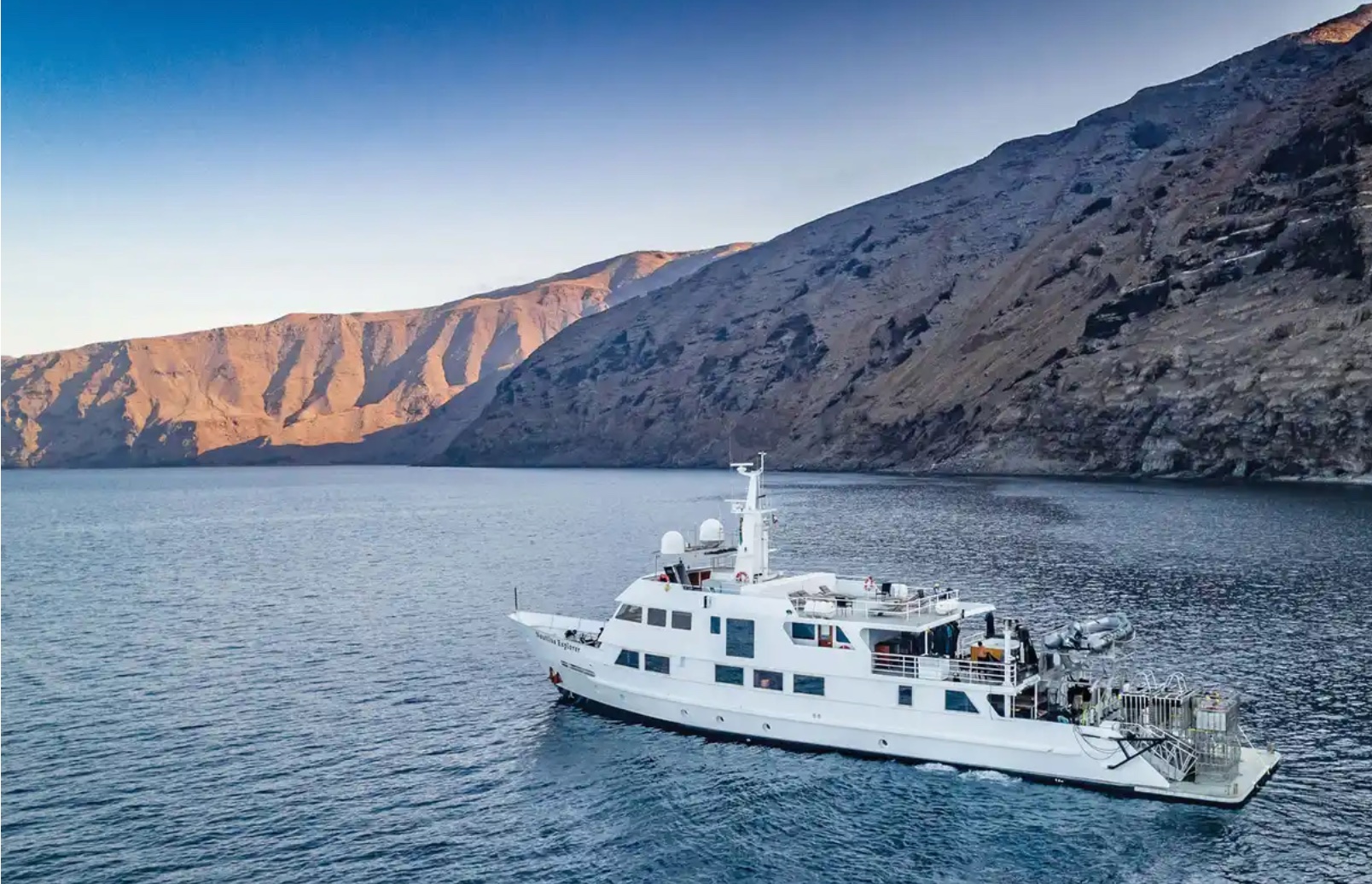
Nautilus Explorer
Mexico
25 guests44.8 m
$230/day
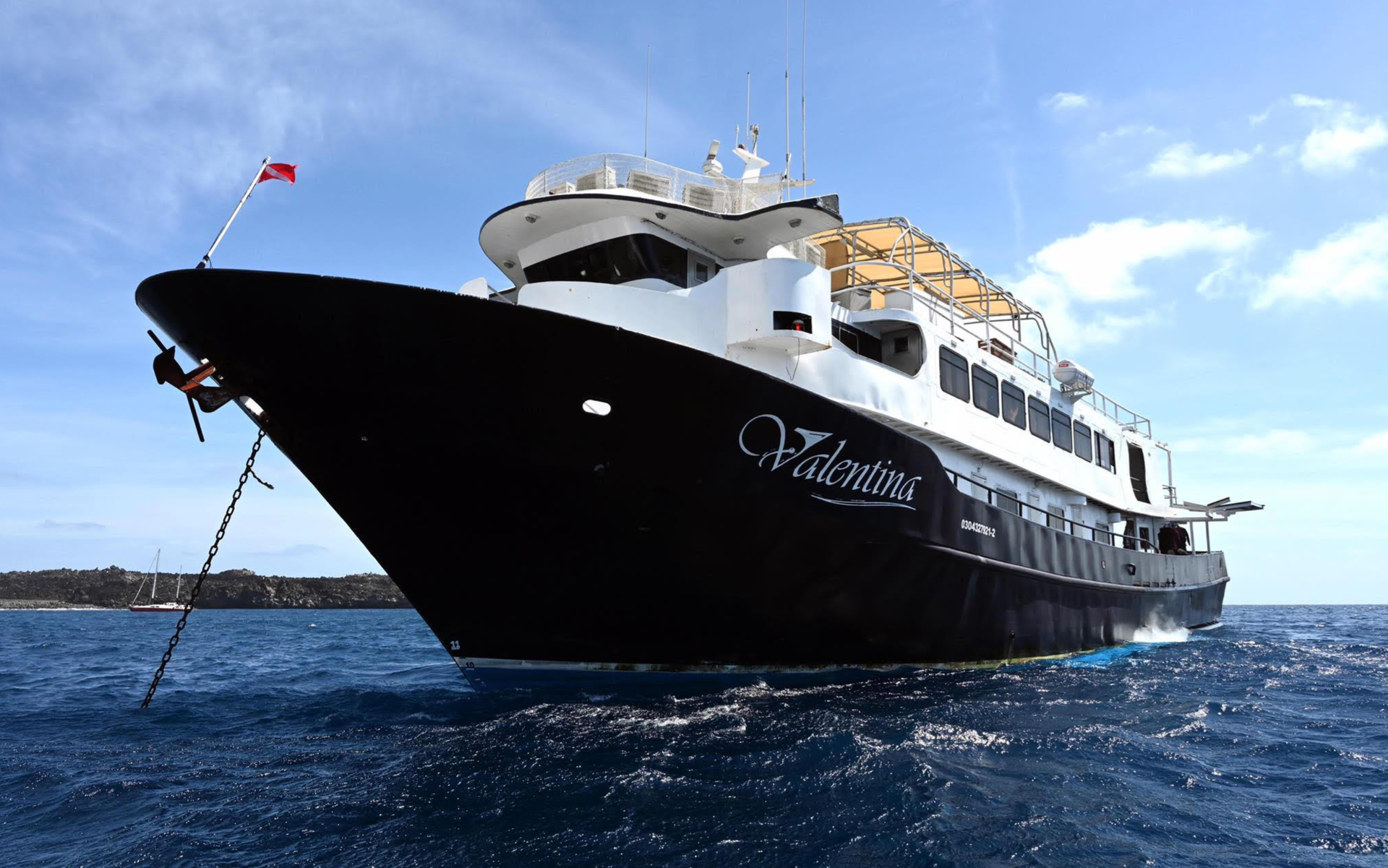
Valentina
Mexico
20 guests38.1 m
$430/day
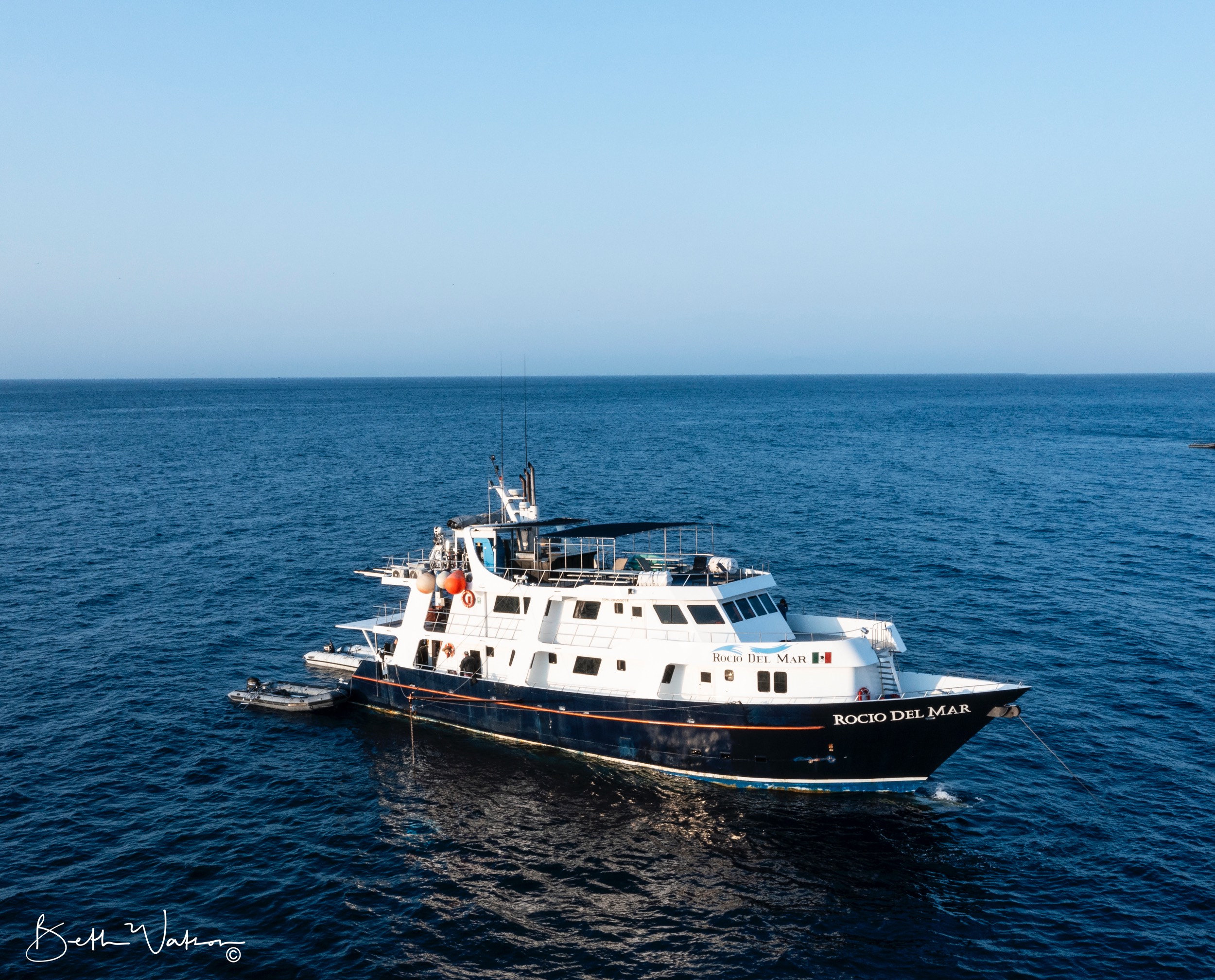
Rocio del Mar
Mexico
20 guests33.5 m
$392/day
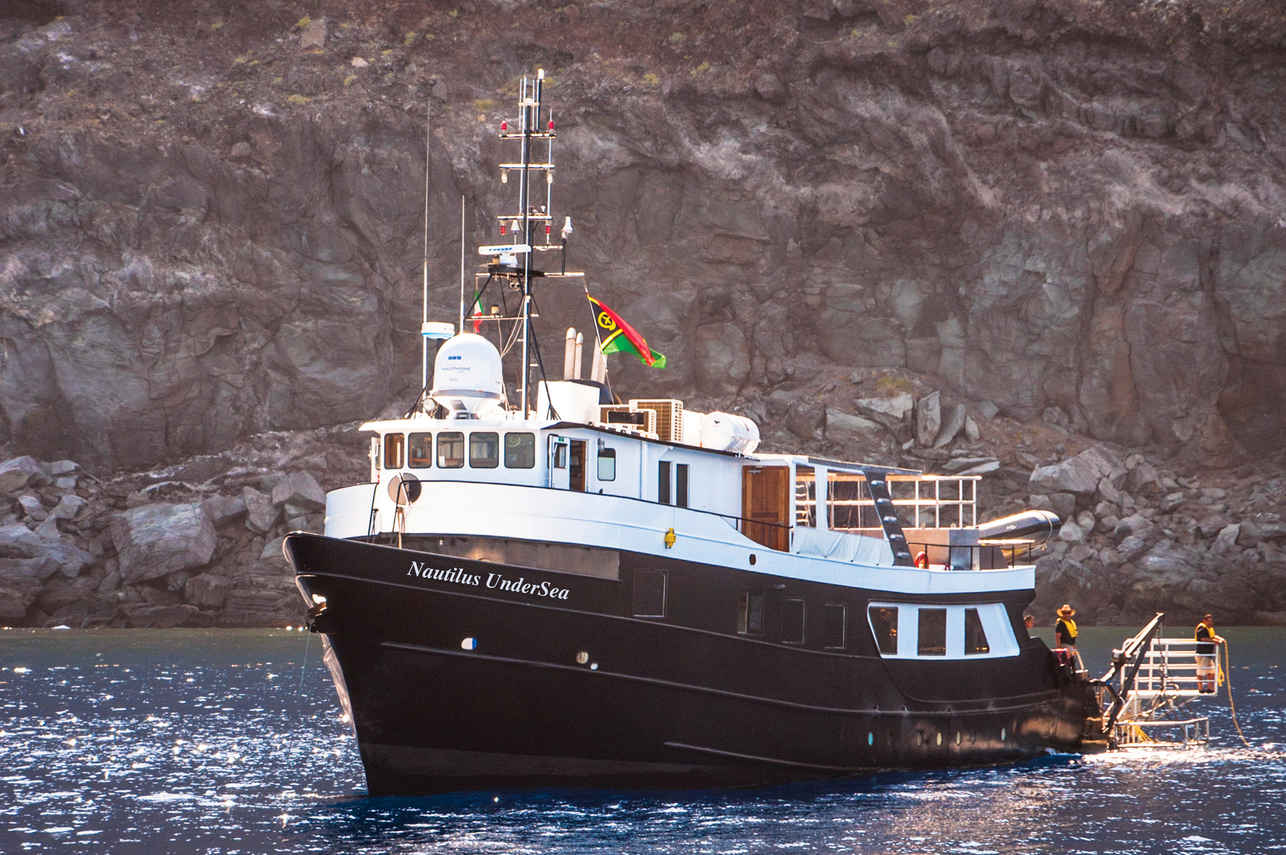
Nautilus Under Sea
Mexico
19 guests32 m
$261/day
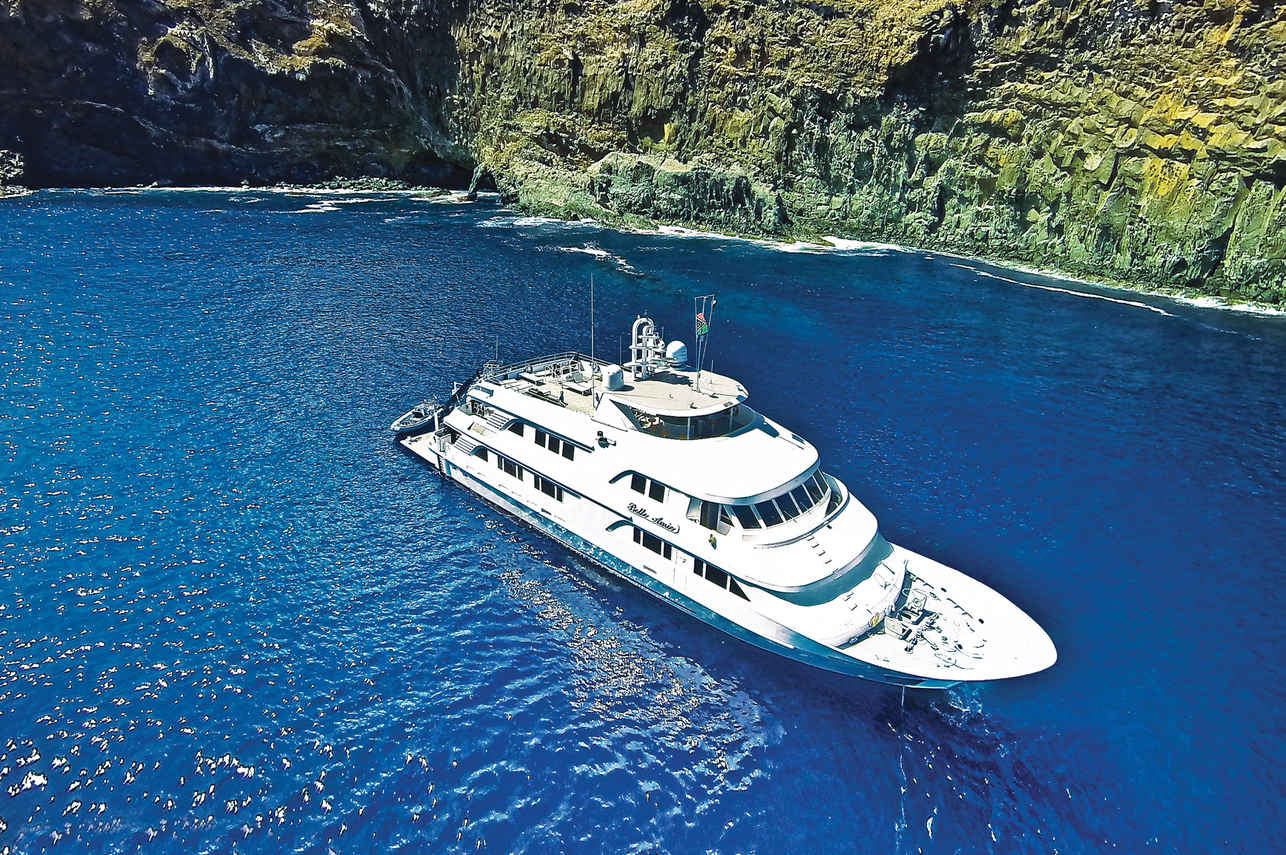
Nautilus Belle Amie
Mexico
32 guests44.8 m
$323/day
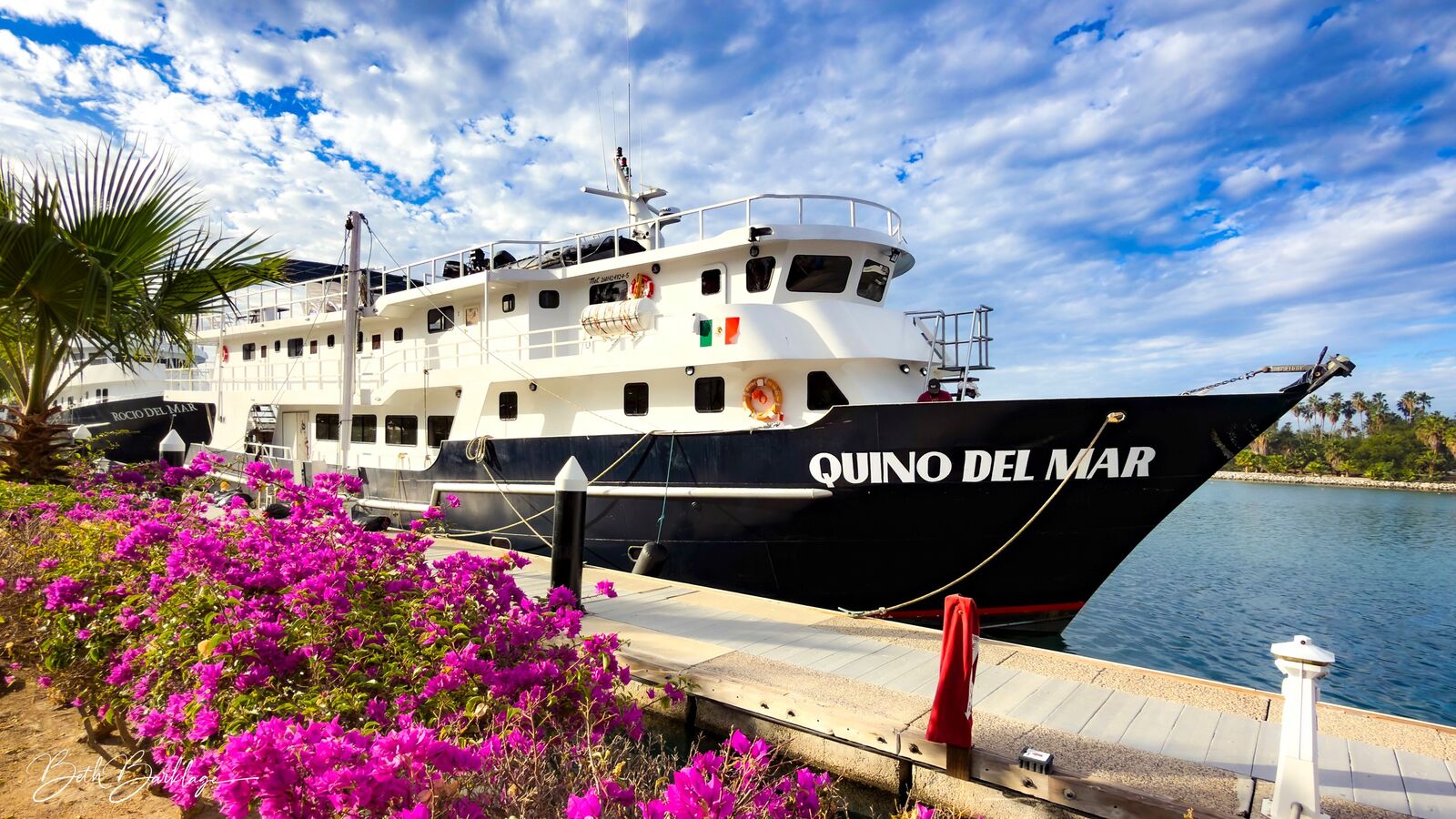
Quino del Mar
Mexico
20 guests36 m
$377/day
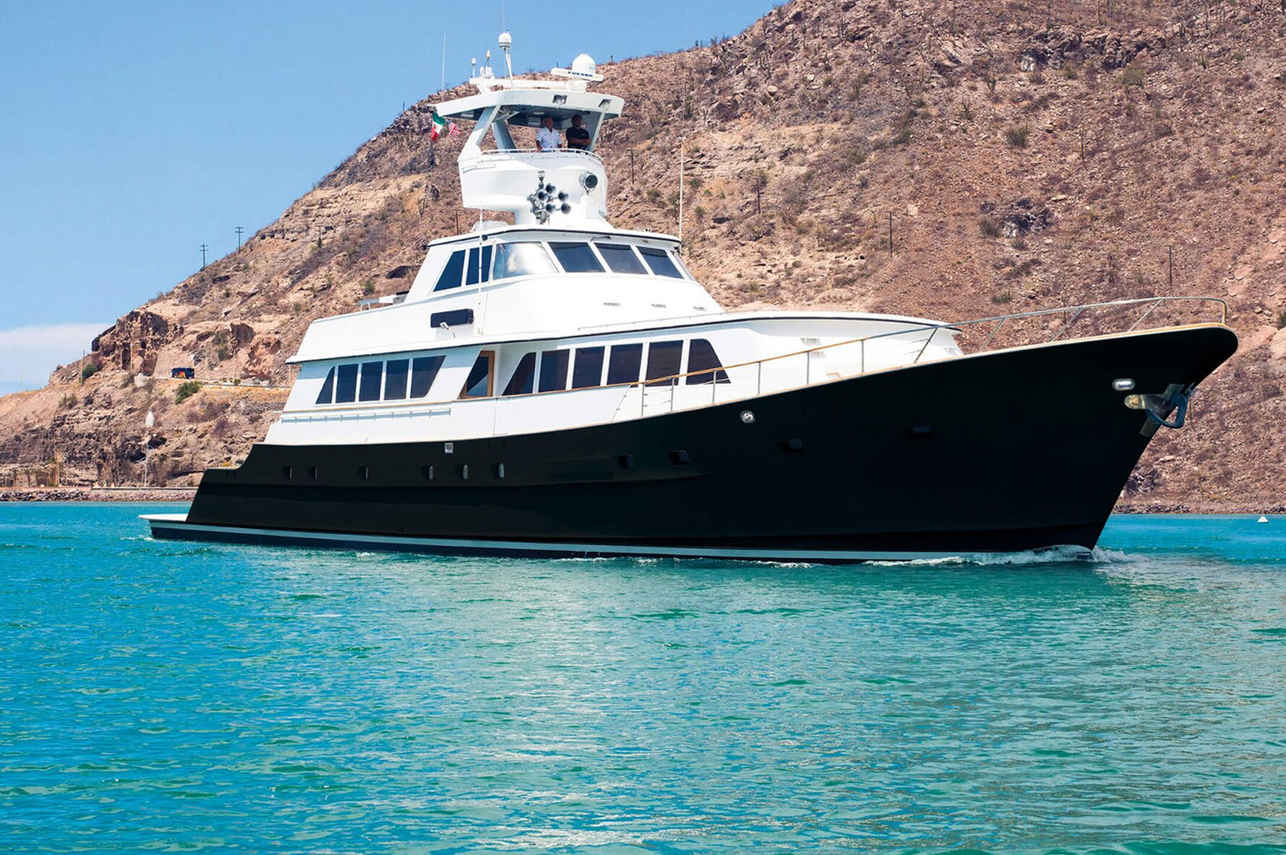
Nautilus Gallant Lady
Mexico
12 guests35.36 m
$332/day
Dive sites similar to Mount Eden
Same character, same waters — six more sites divers love for the exact same reasons.Compare seasons, access and liveaboard routes — then pick the site that fits your trip best.
© Esri — Maxar, Earthstar, GIS
El Bajo Seamount
Mexico
El Bajo Seamount, also known as Marisla Seamount, is a world-class advanced dive site located off La Paz in the Sea of Cortez.
- Suitable for
- Advanced
- Current
- Strong
- Access
- Liveaboard or dayboat
- Depth
- 18–40 m
- Theme
- Pinnacle / Seamount
© Esri — Maxar, Earthstar, GIS
Isla Ballena, or Whale Island, is a premier dive destination in the Sea of Cortez, off the coast of La Paz, Baja California Sur, Mexico.
- Suitable for
- Beginner
- Current
- Strong
- Access
- Liveaboard or dayboat
- Depth
- 5–18 m
- Theme
- Reef / Seamount
© Esri — Maxar, Earthstar, GIS
Roca Partida
Mexico
Roca Partida is arguably one of the most extraordinary dive sites globally, a remote volcanic rock in the Revillagigedo Archipelago, approximately 400 km off Mexico's Pacific coast.
- Suitable for
- Advanced
- Current
- Strong
- Access
- Liveaboard or dayboat
- Depth
- 10–40 m
- Theme
- Cave & cavern / Seamount
© Esri — Maxar, Earthstar, GIS
Gordo Banks
Mexico
Gordo Banks is a world-renowned deep dive site located approximately seven to ten miles offshore from San José del Cabo marina in Mexico.
- Suitable for
- Advanced
- Current
- Strong
- Access
- Liveaboard or dayboat
- Depth
- 31–40 m
- Theme
- Pinnacle / Seamount
© Esri — Maxar, Earthstar, GIS
Isla Isabel
Mexico
Isla Isabel, a jewel within Mexico's Revillagigedo Archipelago, is a prime destination for divers seeking encounters with large pelagic species.
- Suitable for
- Intermediate
- Current
- Moderate
- Access
- Liveaboard or dayboat
- Depth
- 8–30 m
- Theme
- Pinnacle / Seamount
© Esri — Maxar, Earthstar, GIS
Tak Be Luum
Mexico
Cenote Tak Be Luum, located in the Mexican state of Quintana Roo, is an exceptional cavern dive that forms part of the vast Sac Actun underwater cave system, one of the world's largest.
- Suitable for
- Advanced
- Current
- No current
- Access
- Shore / dayboat
- Depth
- 4–9 m
- Theme
- Reef