About Isla Ballena (Whale Island)
Isla Ballena, or Whale Island, is a premier dive destination in the Sea of Cortez, off the coast of La Paz, Baja California Sur, Mexico. This site is renowned for its exceptional opportunities to witness large marine mammals, particularly humpback whales. The region, often called “the world’s aquarium,” boasts a rich biodiversity, making every dive a unique experience. The underwater topography around Isla Ballena features a mix of rocky islets, seamounts, and diverse reef structures, creating varied habitats for marine life. Depths can range significantly, catering to different dive profiles, but the focus here is often on observing pelagic species in the blue water. Surface conditions are generally calm within La Paz Bay, though winter months can bring increased surface chop outside the bay due to winds. While humpback whales are a major draw from December to April, the area is also frequented by whale sharks, especially from September through November during plankton blooms. Other seasonal visitors include mobula rays, particularly from April to July, and playful sea lions year-round at nearby sites. The year-round presence of macro critters such as nudibranchs, lobsters, and a variety of reef fish further enriches the diving experience. Diving at Isla Ballena and the surrounding La Paz area is suitable for all levels, with many local shops offering guided trips. The warm waters and generally good visibility, even with seasonal plankton blooms, make for comfortable and exciting dives focused on observing the spectacular megafauna that migrates through these fertile waters.
Highlights
Humpback whale encountersWhale shark sightingsMobula ray gatheringsSea of Cortez biodiversityPelagic megafauna actionVibrant reef ecosystemsDramatic underwater landscapes
Season calendar
Best months to dive here
Jan
Feb
Mar
Apr
May
Jun
Jul
Aug
Sep
Oct
Nov
Dec
Excellent
Good
Dive site facts: Isla Ballena (Whale Island)
- Depth
- 5–30+ m
- Current
- Variable, can be strong
- Visibility
- 9–30 m
- Water temperature
- 19–30°C
- Entry
- Boat
- Level
- All levels, current experience helpful for pelagic dives
- Dive type
- Pelagic, macro, reef
- Region / port
- La Paz, Baja California Sur
- Coordinates
- 24.4846, -110.417
Conditions & Currents
Currents at Isla Ballena can vary, with some locations experiencing strong flow, particularly around seamounts and exposed points. Divers should be prepared for varying conditions, as currents can pick up or diminish depending on tides and seasonal weather. Entry and exit procedures are typically boat-based, and guides will assess conditions to ensure safe drifting or mooring. While visibility generally remains good, it can be reduced to 9-10 meters during plankton blooms from September to November, which, paradoxically, is also the best time for whale shark sightings. Surface chop is more common outside La Paz Bay during winter months, potentially affecting comfort on transfers. Divers should maintain good buoyancy control and be aware of their surroundings, especially when seeking pelagic encounters in open water.
Marine life & sighting chances
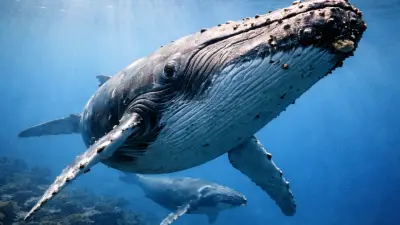
Humpback whale
December-April · common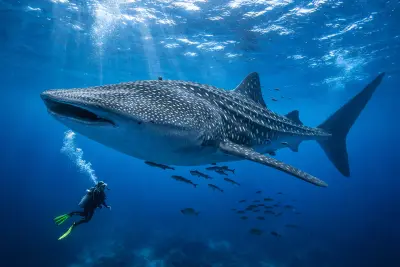
Whale shark
September-November, January-March · common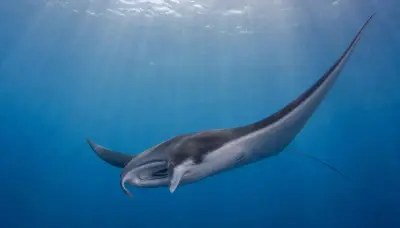
Mobula ray
April-July, December-March · common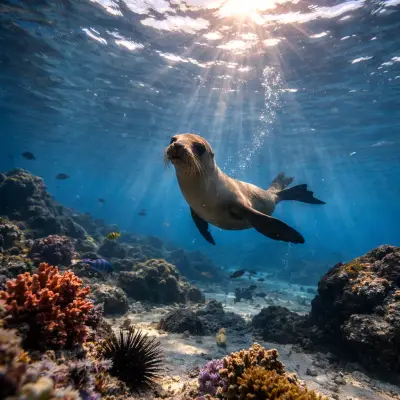
California sea lion
Year-round · common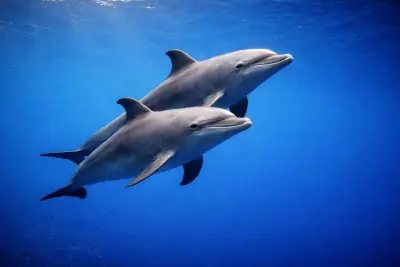
Bottlenose dolphin
Year-round · occasional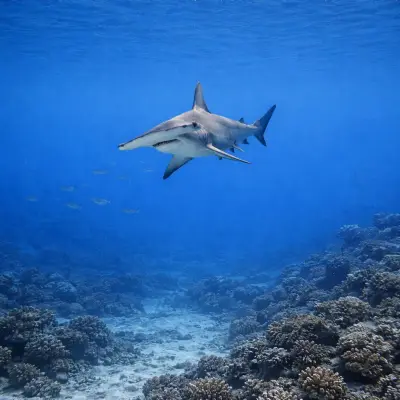
Hammerhead shark
Winter months · occasional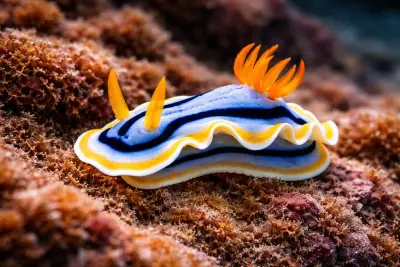
Nudibranch
Year-round · common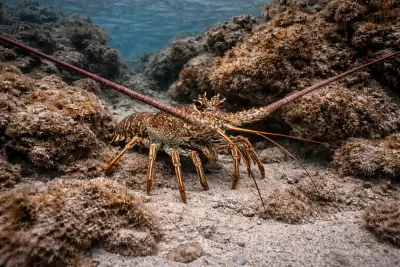
Lobster
Year-round · common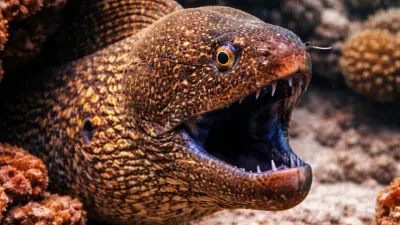
Eel
Year-round · common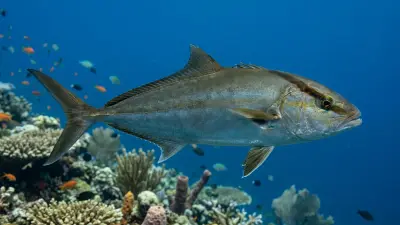
Jack
Year-round · common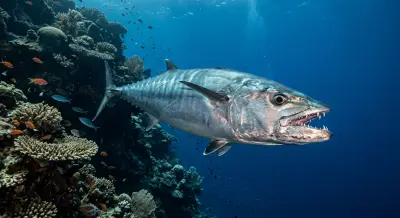
Tuna
Year-round · occasionalDive profile & how the dive runs
A typical dive at Isla Ballena begins with a boat entry, often drifting along the contours of the island or in the open water where pelagics are sighted. The route might follow a rocky reef slope, gradually descending to depths where larger marine life is more prevalent. Divers often explore the perimeter of the island, keeping an eye on the blue for passing whales or sharks. Depth progression is usually planned to maximize encounters with megafauna while managing no-decompression limits. The turn point is flexible, often dictated by marine life activity or air consumption. Safety stops are conducted in the shallower, protected areas of the reef or in the open water under the boat, maintaining a constant watch for any lingering pelagic visitors.
Underwater photography
Isla Ballena is a prime location for wide-angle photography, especially for capturing the majestic humpback whales, whale sharks, and schools of mobula rays. A fisheye or wide-angle lens is essential for documenting these large subjects, allowing you to get close while still fitting them into the frame. Due to potential lower visibility during plankton blooms, external strobes or video lights can help bring out color and detail, especially in deeper or overcast conditions. Buoyancy control is paramount to avoid disturbing marine life and to compose clear shots in potentially strong currents. When encountering whales or whale sharks, maintain a respectful distance as advised by your guide, focusing on natural behavior rather than forced interactions. Be prepared for quick adjustments, as pelagic encounters can be fleeting.
Combine with nearby dive sites
- Los Islotes
Famous for playful California sea lion colonies.
- El Bajo Seamount
Known for hammerhead shark sightings and other pelagic species.
- Salvatierra Wreck
An interesting wreck dive with diverse marine life.
- La Reina
A seamount attracting various pelagics.
- San Rafaelito
Small islet with sea lion pups and good reef life.
Getting there & logistics
Access to Isla Ballena typically involves flying into La Paz International Airport (LAP) in Baja California Sur. Most dive trips depart from La Paz, which offers a range of dive operators. Liveaboard trips in the Sea of Cortez often combine various sites, with itineraries lasting from a few days to a week or more. For day trips to Isla Ballena, you'll depart from La Paz. While specific park fees for Isla Ballena are generally integrated into tour costs, it's always advisable to confirm with your chosen operator. Trips often include transportation from local accommodations to the marina, boat travel, guided dives, and often lunch and refreshments. It's common for itineraries to combine diving with opportunities for snorkeling with whale sharks or sea lions, depending on the season.
Safety & environment
The nearest recompression chamber is located in La Paz, which is the primary departure point for diving at Isla Ballena. Given the potential for remote diving locations and pelagic encounters, comprehensive dive insurance covering emergency medical treatment and evacuation is highly recommended. Divers should always follow their guide's instructions, especially concerning interactions with large marine animals like whales and whale sharks, maintaining a respectful distance and avoiding sudden movements. Currents can be strong in some areas, so divers must be proficient in managing drift dives and maintaining good buoyancy. Always dive within your certified limits and communicate any concerns to your dive guide. Dehydration can be a factor due to the warm climate, so staying hydrated is crucial.
Who it suits — and who it doesn't
Suited for
- Experienced divers seeking pelagic encounters
- Wildlife photographers specializing in large marine life
- Divers interested in marine biology and migrations
- Divers comfortable with variable currents
- Liveaboard enthusiasts
Less suited for
- Beginner divers without current experience
- Divers uncomfortable with deep blue water
- Divers with limited buoyancy control
- Those prone to severe seasickness
- Divers primarily seeking vibrant coral reefs
FAQ
Isla Ballena (Whale Island) FAQ
What marine life can I expect to see at Isla Ballena?
Isla Ballena is famous for its large marine animals. You can expect to see humpback whales during their migratory season from December to April. Whale sharks are common from September to November, and mobula rays are frequently encountered from April to July. Playful sea lions are also a year-round attraction at nearby sites like Los Islotes.
When is the best time to visit Isla Ballena for whale encounters?
For humpback whales, the best time to visit is between December and April, when these magnificent creatures migrate through the Sea of Cortez. If your primary goal is to see whale sharks, plan your trip between September and November, as they gather in numbers during plankton blooms.
Are the currents strong at Isla Ballena?
Currents at Isla Ballena can be variable, ranging from mild to strong, especially around exposed seamounts and during tidal changes. Dive guides assess conditions on a daily basis. Divers should have good buoyancy control and be comfortable with drift diving techniques, particularly when pursuing pelagic encounters in open water.
What is the water temperature and visibility like?
Water temperatures range from a cooler 19-22°C in winter to a warm 27-30°C in summer. Visibility is generally good, often exceeding 20-30 meters. However, during the plankton blooms from September to November, while great for whale sharks, visibility can reduce to 9-10 meters, creating a unique, nutrient-rich environment.
What level of diving experience is required for Isla Ballena?
Isla Ballena offers dives suitable for various experience levels. While many sites are accessible to Open Water divers, experience with currents is beneficial for maximizing pelagic encounters. For certain deeper or more exposed areas, an Advanced Open Water certification might be recommended, especially on liveaboard itineraries.
Why dive Isla Ballena (Whale Island) from a liveaboard?
Isla Ballena (Whale Island) is one of Mexico's signature dive sites. A liveaboard sleeps you on the water and puts you in the water for three to four guided dives per day, including dawn and night dives that day-boat operators rarely offer. You skip the daily commute back to port and reach quieter, less-crowded sites in the same region on a single trip.
Below are the liveaboards that include Isla Ballena (Whale Island) on their Mexico itineraries.
Liveaboards diving Isla Ballena (Whale Island)
These liveaboards may visit Isla Ballena (Whale Island) on selected itineraries — the exact dive sites depend on departure, weather and conditions.
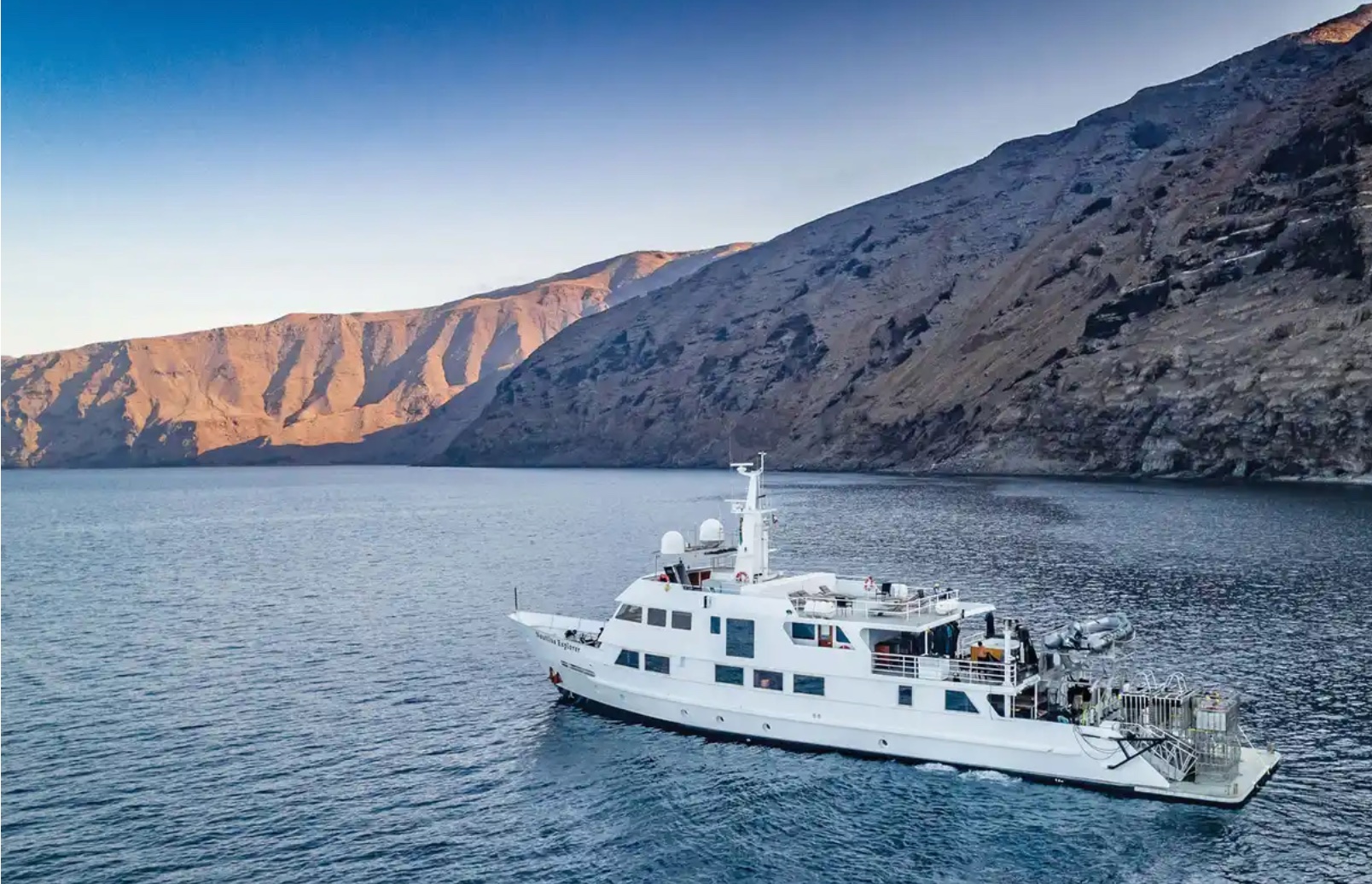
Nautilus Explorer
Mexico
25 guests44.8 m
$230/day
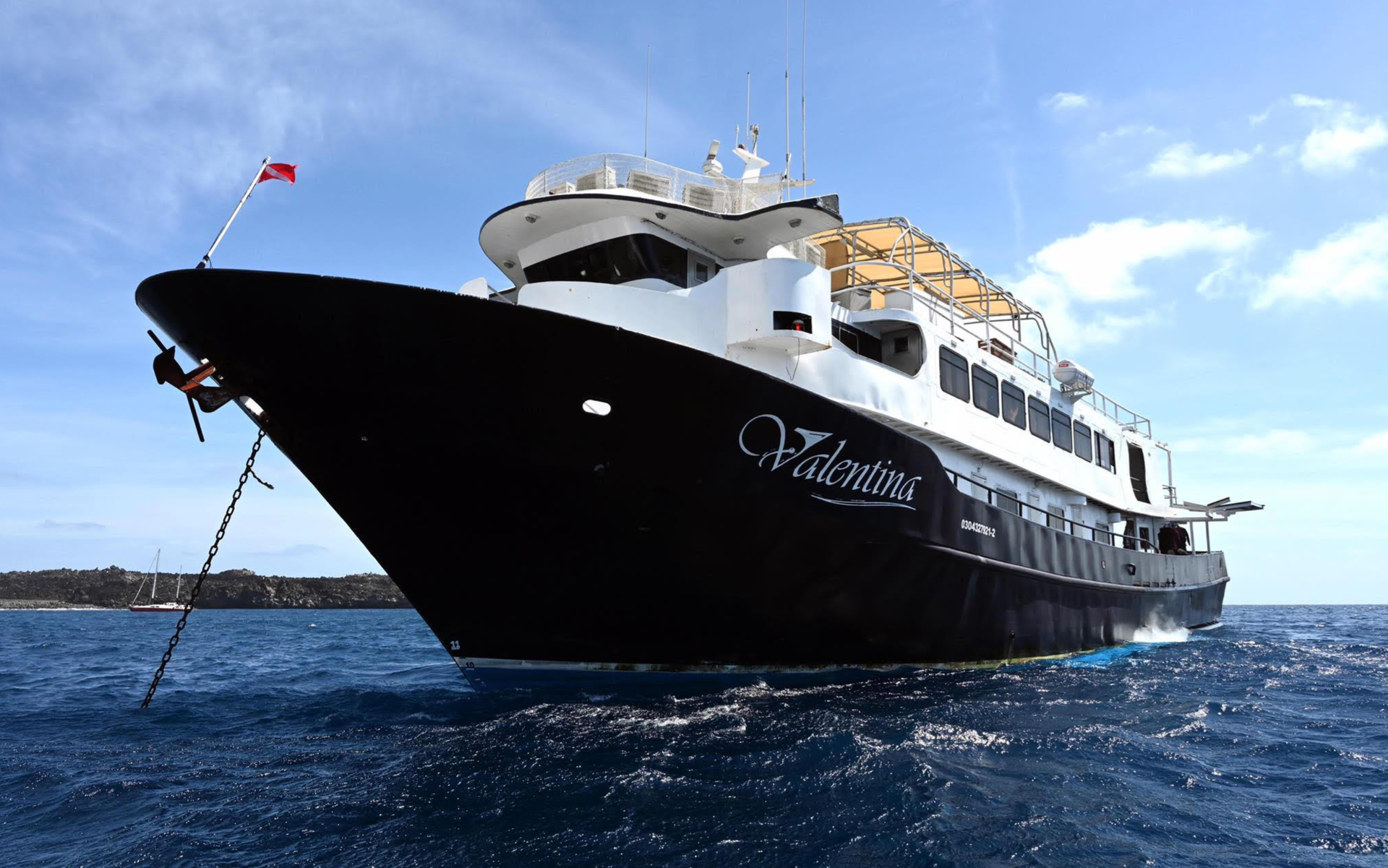
Valentina
Mexico
20 guests38.1 m
$430/day
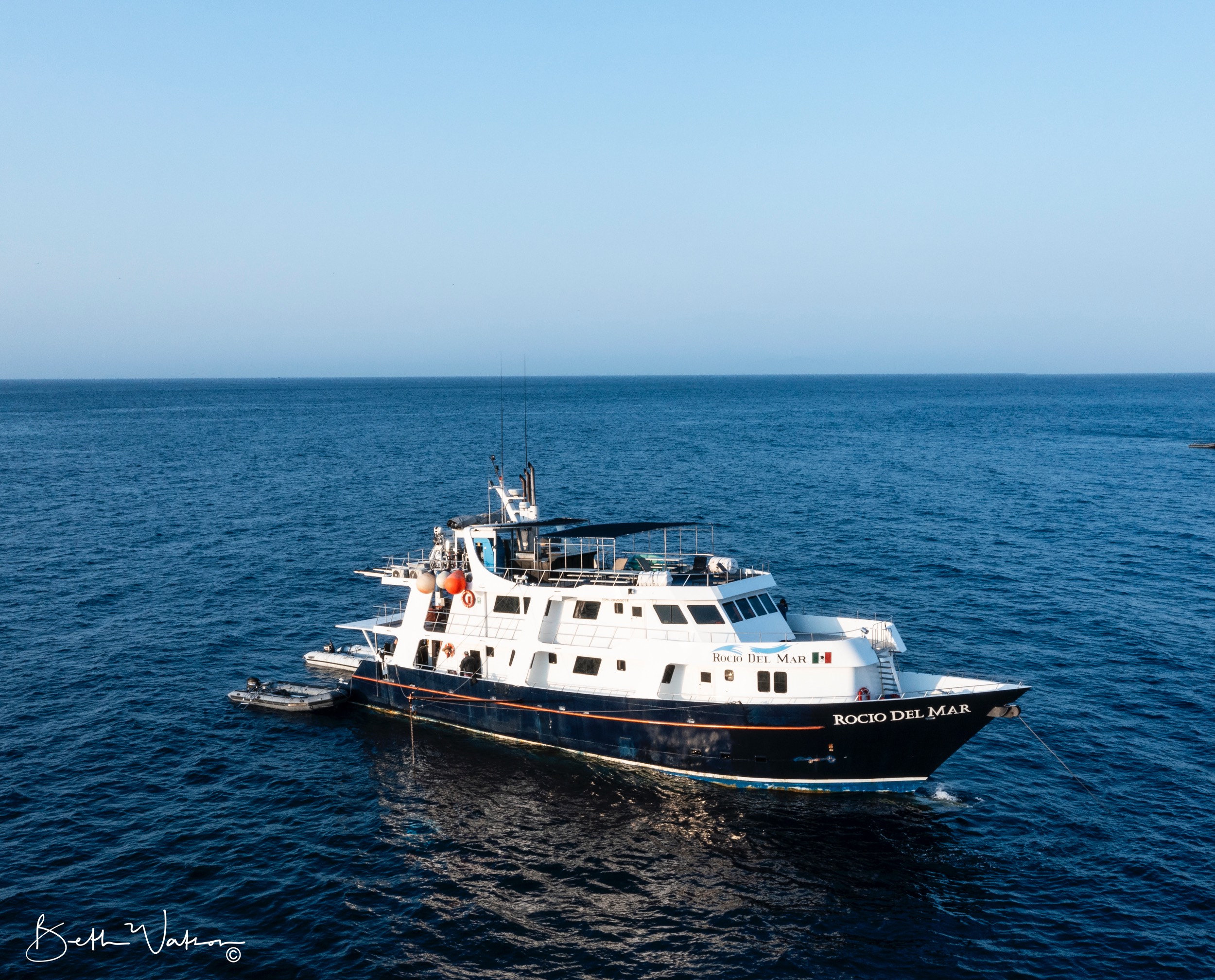
Rocio del Mar
Mexico
20 guests33.5 m
$392/day
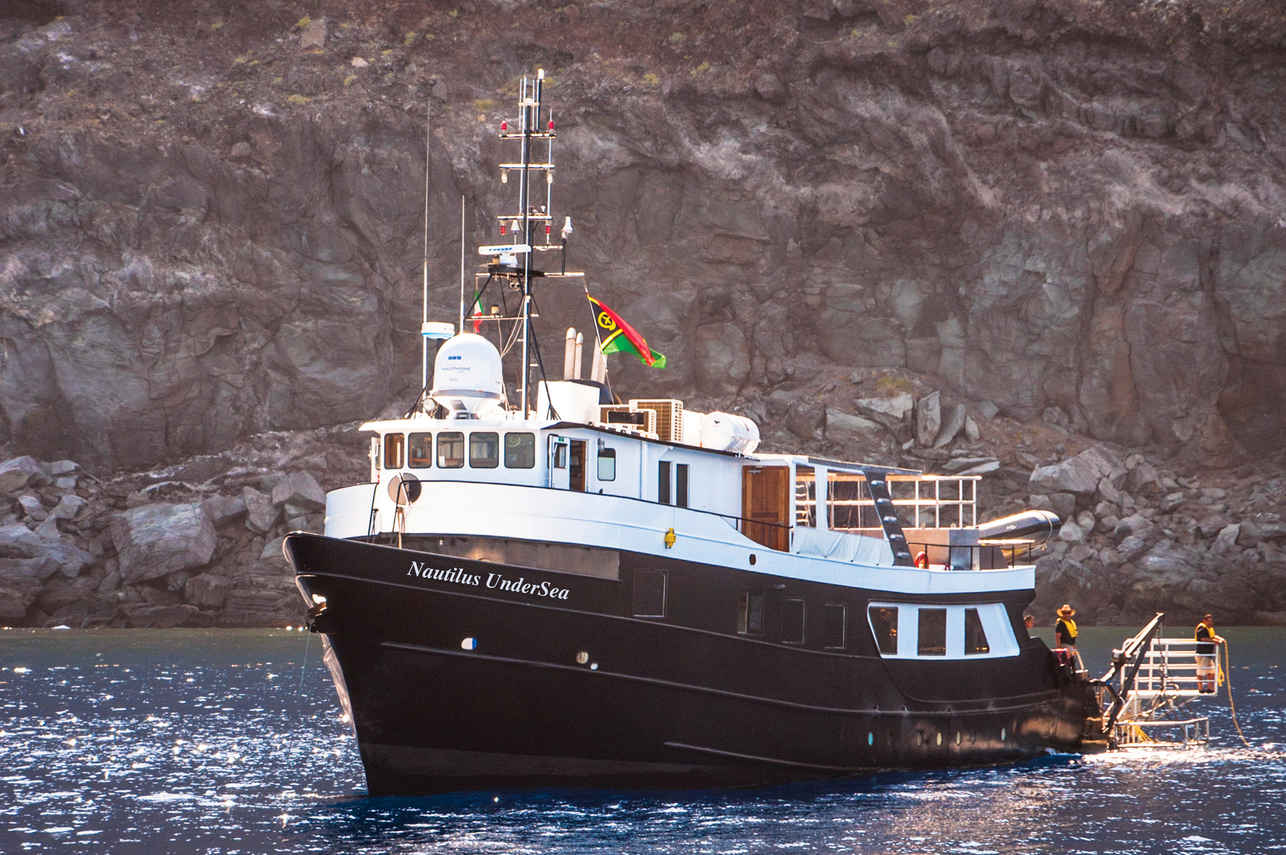
Nautilus Under Sea
Mexico
19 guests32 m
$261/day
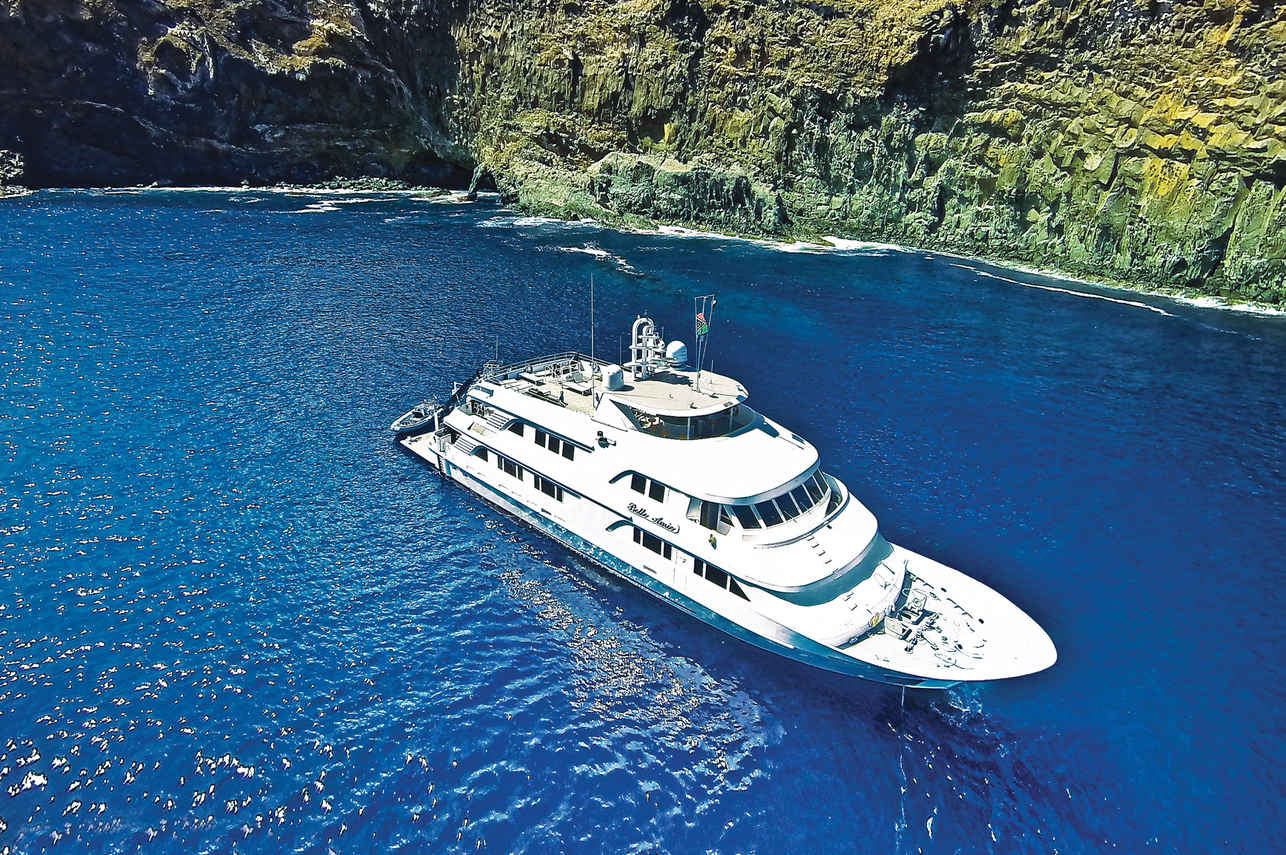
Nautilus Belle Amie
Mexico
32 guests44.8 m
$323/day
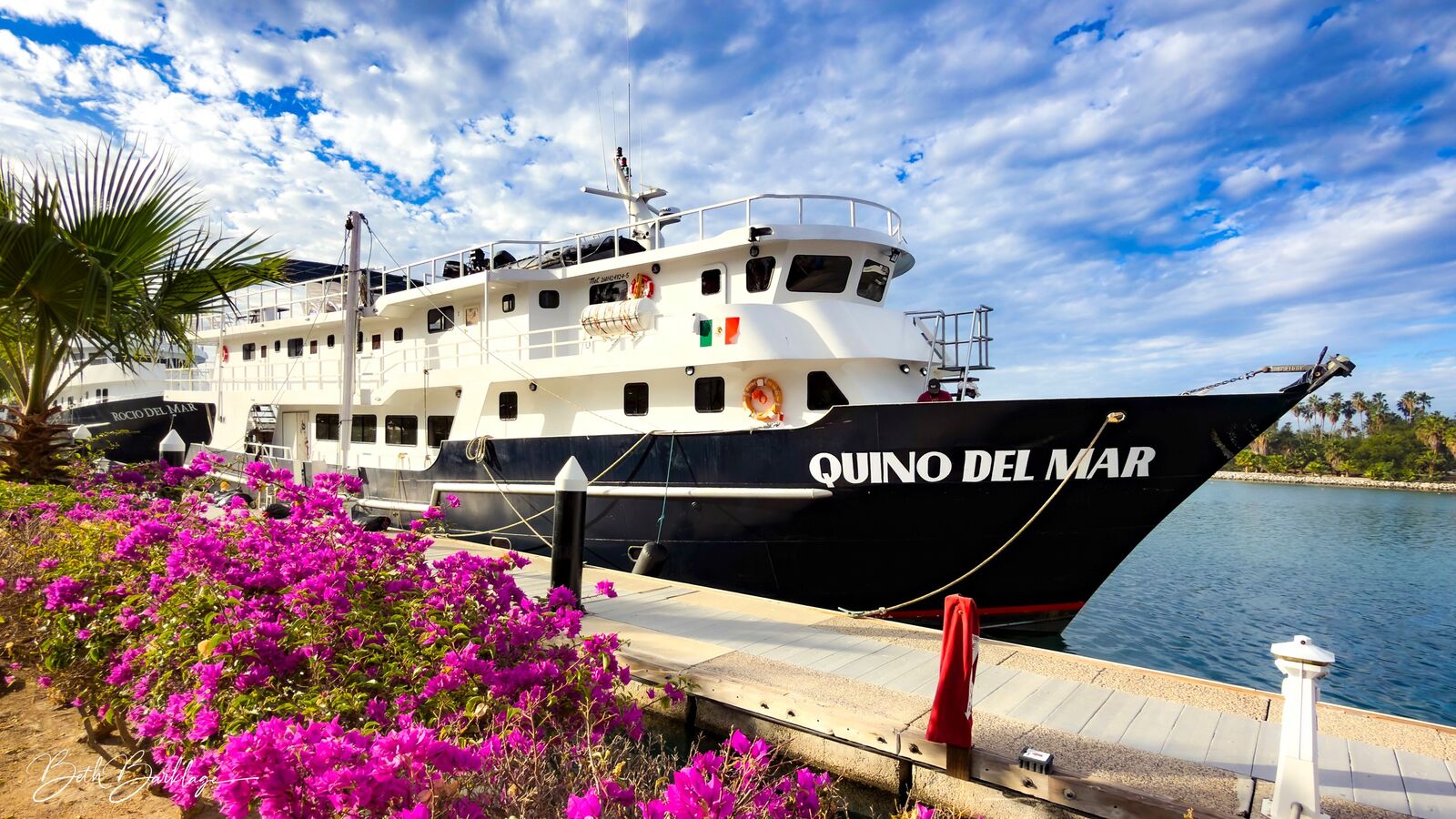
Quino del Mar
Mexico
20 guests36 m
$377/day
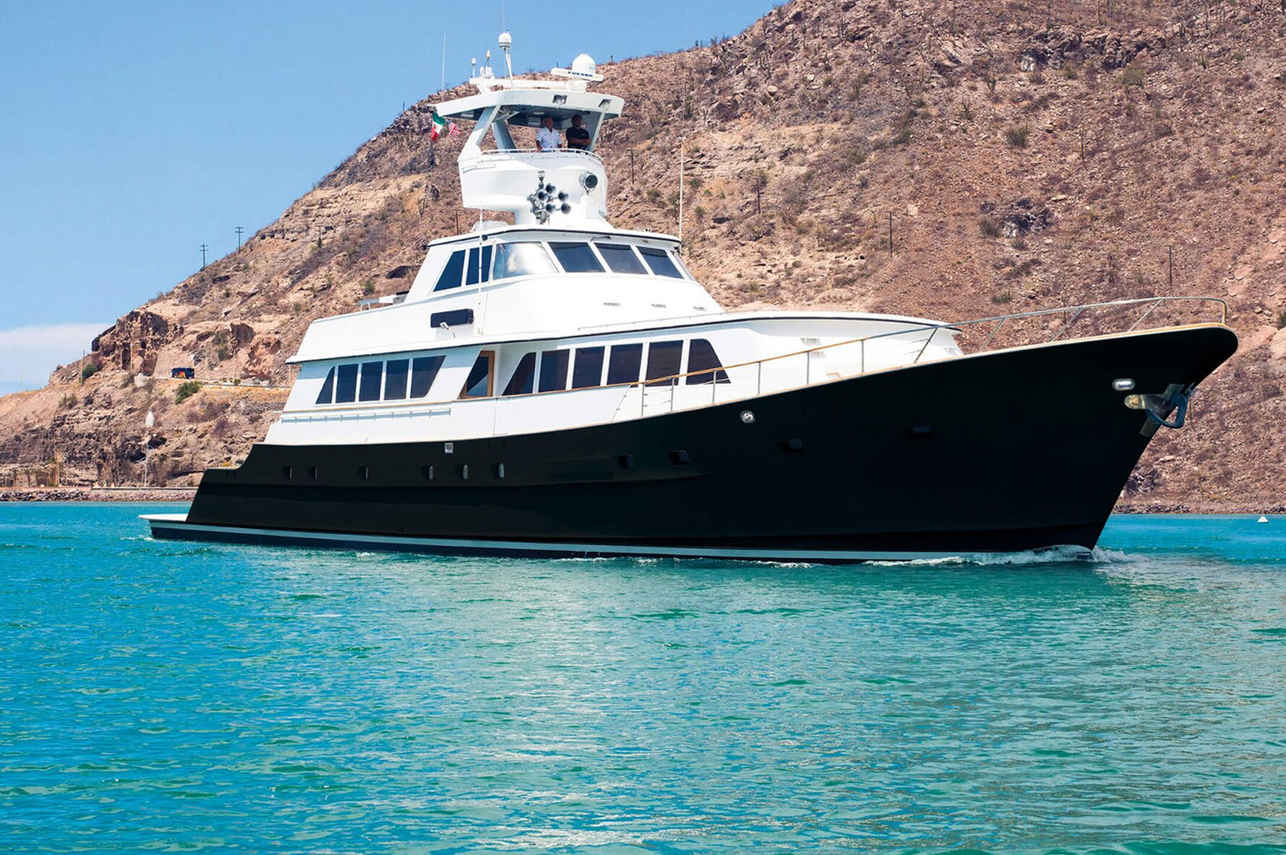
Nautilus Gallant Lady
Mexico
12 guests35.36 m
$332/day
Dive sites similar to Isla Ballena (Whale Island)
Same character, same waters — six more sites divers love for the exact same reasons.Compare seasons, access and liveaboard routes — then pick the site that fits your trip best.
© Esri — Maxar, Earthstar, GIS
Tak Be Luum
Mexico
Cenote Tak Be Luum, located in the Mexican state of Quintana Roo, is an exceptional cavern dive that forms part of the vast Sac Actun underwater cave system, one of the world's largest.
- Suitable for
- Advanced
- Current
- No current
- Access
- Shore / dayboat
- Depth
- 4–9 m
- Theme
- Reef
© Esri — Maxar, Earthstar, GIS
Neptune's Finger
Mexico
Neptune's Finger is a renowned dive site located in Cabo San Lucas, Mexico, at the southern tip of the Baja California Peninsula.
- Suitable for
- Beginner
- Current
- Mild
- Access
- Liveaboard or dayboat
- Depth
- 4–152 m
- Theme
- Reef
© Esri — Maxar, Earthstar, GIS
Majahuitas
Mexico
Majahuitas is a pristine and secluded cove located on the southern coast of Banderas Bay, near Puerto Vallarta, Mexico.
- Suitable for
- Beginner
- Current
- Mild
- Access
- Dayboat
- Depth
- 8–14 m
- Theme
- Reef
La Poza is a remarkable dive site located in Xcalak, a serene fishing village situated on Mexico's Caribbean coast, near the Belize border.
- Suitable for
- Advanced
- Current
- Mild
- Access
- Shore / dayboat
- Depth
- 20–25 m
- Theme
- Reef
© Esri — Maxar, Earthstar, GIS
Siete Bocas
Mexico
Cenote Siete Bocas, meaning "Seven Mouths," is a unique cavern dive site nestled along the Ruta de los Cenotes near Puerto Morelos in Mexico's Riviera Maya.
- Suitable for
- Intermediate
- Current
- No current
- Access
- Shore / dayboat
- Depth
- ≤ 30 m
- Theme
- Reef
© Esri — Maxar, Earthstar, GIS
Sleeping Shark Cave
Mexico
Sleeping Shark Cave is a legendary underwater site situated off the eastern coast of Isla Mujeres, Mexico.
- Suitable for
- Intermediate
- Current
- No current
- Access
- Liveaboard or dayboat
- Depth
- 16–20 m
- Theme
- Reef