About Marsa Barieka
Marsa Barieka is a vast, naturally protected bay located within Egypt's Ras Mohammed National Park, nestled where the Gulf of Suez and Gulf of Aqaba converge. This unique geographical position contributes to nutrient-rich waters and vibrant coral growth, making it a crucial marine habitat. The site is characterized by an expansive natural amphitheater, featuring sandy slopes, coral pinnacles, and reef walls. The underwater topography includes a beautiful fringing reef that gently slopes, along with scattered colorful coral heads throughout the area. A notable feature is a signature canyon that starts shallow at 6 meters and descends to about 30 meters, hosting abundant glassfish and other reef species. Overhangs and dark gullies further along the wall are adorned with red sea fans, gorgonians, and black coral. The bay's sheltered conditions and exceptional coral health attract a wide array of marine life. Divers can frequently spot moray eels, lionfish, and various reef fish amongst the corals. During warmer months, larger pelagic species like eagle rays and even whale sharks may cruise the outer edges, while winter months can bring groups of dolphins and stingrays. Marsa Barieka is accessible by boat and offers ideal diving conditions, particularly favored by new divers, photographers, and those seeking a relaxed yet vibrant dive. Its protection from winds ensures consistent diving opportunities even when other sites in Ras Mohammed are less favorable.
Highlights
Sheltered bay conditionsVibrant coral gardensSignature canyon explorationDiverse reef and pelagic lifeSea turtle nesting areaExcellent for macro photographyAbundant glassfish swarms
Season calendar
Best months to dive here
Jan
Feb
Mar
Apr
May
Jun
Jul
Aug
Sep
Oct
Nov
Dec
Good
Dive site facts: Marsa Barieka
- Depth
- 5–40+ m
- Current
- None to moderate
- Visibility
- 25–30 m
- Water temperature
- 24–29°C
- Entry
- Boat
- Level
- All levels, beginner-friendly
- Dive type
- Reef, coral garden, wall, canyon, macro
- Region / port
- Ras Mohammed National Park
- Coordinates
- 27.767654, 34.220881
Conditions & Currents
Marsa Barieka typically experiences limited to moderate currents, often with none, making it a calm and accessible dive site. Its status as a large protected bay within Ras Mohammed National Park means it remains sheltered from stronger currents and wind-driven surface conditions that might affect more exposed sites. While occasional strong currents are rare, divers should always be aware of local conditions. Entry is always by boat, usually from one of the several fixed mooring points along the shoreline. Visibility consistently ranges between 25 to 30 meters, and water temperatures are warm, averaging 24°C in winter and 29°C in summer, eliminating concerns about thermoclines. This forgiving environment allows for relaxed exploration, making it well-suited for less experienced divers or those focused on photography, without complex drift diving requirements.
Marine life & sighting chances

Clownfish
common
Lionfish
common
Butterfly Fish
common
Angelfish
common
Moray Eel
common
Parrotfish
common
Triggerfish
common
Pufferfish
common
Green Turtle
Jun, Aug, Oct · occasional
Eagle Ray
Jul, Aug · occasional
Barracuda
Oct, Nov · occasional
Octopus
May, Aug · occasional
Whale Shark
Summer · rare
Dolphin
Winter · rareDive profile & how the dive runs
Dives at Marsa Barieka typically begin from a moored boat within the protected bay. A popular route explores a distinct canyon located at the northern end of the bay. Divers start in a shallow sandy bowl, ideal for observing macro life. The entrance to the canyon is found at approximately 10 meters, often patrolled by lionfish and swarming with glassfish. The canyon itself descends in a series of staggered steps, reaching depths of 12, 18, and 25 meters, with the open blue providing a stunning backdrop. After exploring the canyon, divers keep the reef on their right shoulder, gradually ascending over a shallow sandy plateau dotted with coral pinnacles. The dive concludes with a safety stop near a vibrant red anemone, typically found between 6 to 7 meters, offering a scenic end to the dive.
Underwater photography
Marsa Barieka is an excellent location for underwater photography, particularly due to its clear visibility and sheltered conditions. For wide-angle shots, the extensive coral gardens, walls adorned with red sea fans and gorgonians, and the dramatic canyon entrance offer captivating subjects. A dome port and powerful strobes will help capture the vibrant colors of soft corals and the expansive reef. Macro photographers will find the shallow sandy plateaus and the canyon edges rich with subjects like nudibranchs, shrimp, pipefish, and seamoths; a macro lens will be essential here. When entering the glassfish-filled canyon, consider adjusting strobe power to avoid overexposing the reflective scales. Patience is key for capturing elusive creatures like crocodile fish or the camouflaged stonefish. Always maintain excellent buoyancy control to avoid disturbing the delicate coral formations and sandy bottom, ensuring pristine conditions for your shots and the marine environment.
Combine with nearby dive sites
- Ras Za'tar
Located at the southern entrance of Marsa Bareika bay, featuring vertical walls and chimneys.
- Eel Garden
Another site within Ras Mohammed National Park, offering unique topography.
- Shark Observatory
Features dramatic cliffs and strong currents that attract large pelagics.
- Anemone City
Known for its vibrant anemone coverage and suitable as a drop-in location.
- Shark & Yolanda Reef
A world-famous site combining coral walls, drift diving, and wreck remnants.
Getting there & logistics
Access to Marsa Barieka is typically via daily boat trips departing from Sharm El Sheikh, a major hub for Red Sea diving. The nearest international airport is Sharm El Sheikh International Airport (SSH). Divers usually book packages through local dive centers, which include boat transfers to Ras Mohammed National Park. As Marsa Barieka is within a national park, park fees apply, often included in the dive trip cost. The site is a popular inclusion in single-day itineraries focused on Ras Mohammed, often combined with other park sites like Ras Za'tar or Shark & Yolanda Reefs, offering a mix of sheltered and more exposed diving experiences.
Safety & environment
For diving at Marsa Barieka, it's crucial to be aware of the nearest recompression chamber in Sharm El Sheikh, which serves the region. While Marsa Barieka generally offers calm conditions, divers should always carry appropriate dive insurance that covers emergency evacuation and hyperbaric treatment. Site-specific hazards are minimal due to its sheltered nature and typically mild currents, but divers should still adhere to standard safe diving practices. Pay attention to your dive guide's briefing, maintain conservative dive profiles, and monitor your air consumption, especially within the canyon area. As with any dive site, avoiding contact with marine life and respecting the protected national park environment are paramount for safety and conservation.
Who it suits — and who it doesn't
Suited for
- Beginner divers seeking calm conditions
- Underwater photographers (macro and wide-angle)
- Divers interested in coral gardens and reef life
- Divers looking for sheltered diving in rough weather
- Those new to Red Sea diving or refreshers
Less suited for
- Divers exclusively seeking strong drift dives
- Technical divers needing extreme depths for deco dives
- Those uninterested in reef or macro photography
- Divers who prefer solely pelagic action over reef exploration
FAQ
Marsa Barieka FAQ
What makes Marsa Barieka suitable for beginners?
Marsa Barieka is highly recommended for beginner divers due to its large, protected bay, which ensures calm conditions and minimal to no currents. The fringing reef gently slopes, providing an easy and safe environment to practice skills and enjoy the vibrant marine life without challenging elements. Its sheltered location makes it accessible even when other sites might be too rough.
Can I see large marine animals at Marsa Barieka?
While Marsa Barieka is renowned for its diverse reef life and coral gardens, it also offers opportunities to spot larger marine animals. During the warmer summer months (June to September), there's an increased potential to encounter eagle rays, trevallies, and even whale sharks cruising the outer edges of the bay. In winter, groups of dolphins and stingrays may also be seen.
What is the visibility typically like at Marsa Barieka?
Marsa Barieka boasts excellent visibility, consistently ranging between 25 to 30 meters. This clear water allows divers to fully appreciate the extensive coral formations, detailed macro life, and the expansive underwater landscape. The calm conditions within the bay contribute to maintaining this high visibility, making it a great site for both viewing and photography.
Is Marsa Barieka good for underwater photography?
Absolutely. Marsa Barieka is considered an excellent spot for underwater photography, appealing to both macro and wide-angle enthusiasts. The shallow sandy plateaus are teeming with macro subjects like nudibranchs and pipefish, while the vibrant coral gardens, walls, and the unique canyon offer stunning wide-angle opportunities. The clear water and calm conditions greatly facilitate capturing high-quality images.
How is Marsa Barieka typically accessed?
Marsa Barieka is exclusively accessed by boat, typically as part of daily dive trips departing from Sharm El Sheikh. Dive operators utilize several fixed mooring points located along the bay's shoreline. These boat dives offer convenient entry and exit points, allowing divers to explore the site's various features, including the famous canyon and coral gardens.
What specific features can I explore underwater?
Underwater, Marsa Barieka offers a diverse topography to explore. Key features include a signature canyon starting at 6 meters and descending to about 30 meters, often filled with glassfish. There are also expansive fringing reefs, colorful coral heads scattered across sandy slopes, and walls adorned with red sea fans, gorgonians, and black coral. Overhangs and dark gullies add to the exploration.
Why dive Marsa Barieka from a liveaboard?
Marsa Barieka is one of Egypt's signature dive sites. A liveaboard sleeps you on the water and puts you in the water for three to four guided dives per day, including dawn and night dives that day-boat operators rarely offer. You skip the daily commute back to port and reach quieter, less-crowded sites in the same region on a single trip.
Below are the liveaboards that include Marsa Barieka on their Egypt itineraries.
Liveaboards diving Marsa Barieka
These liveaboards may visit Marsa Barieka on selected itineraries — the exact dive sites depend on departure, weather and conditions.
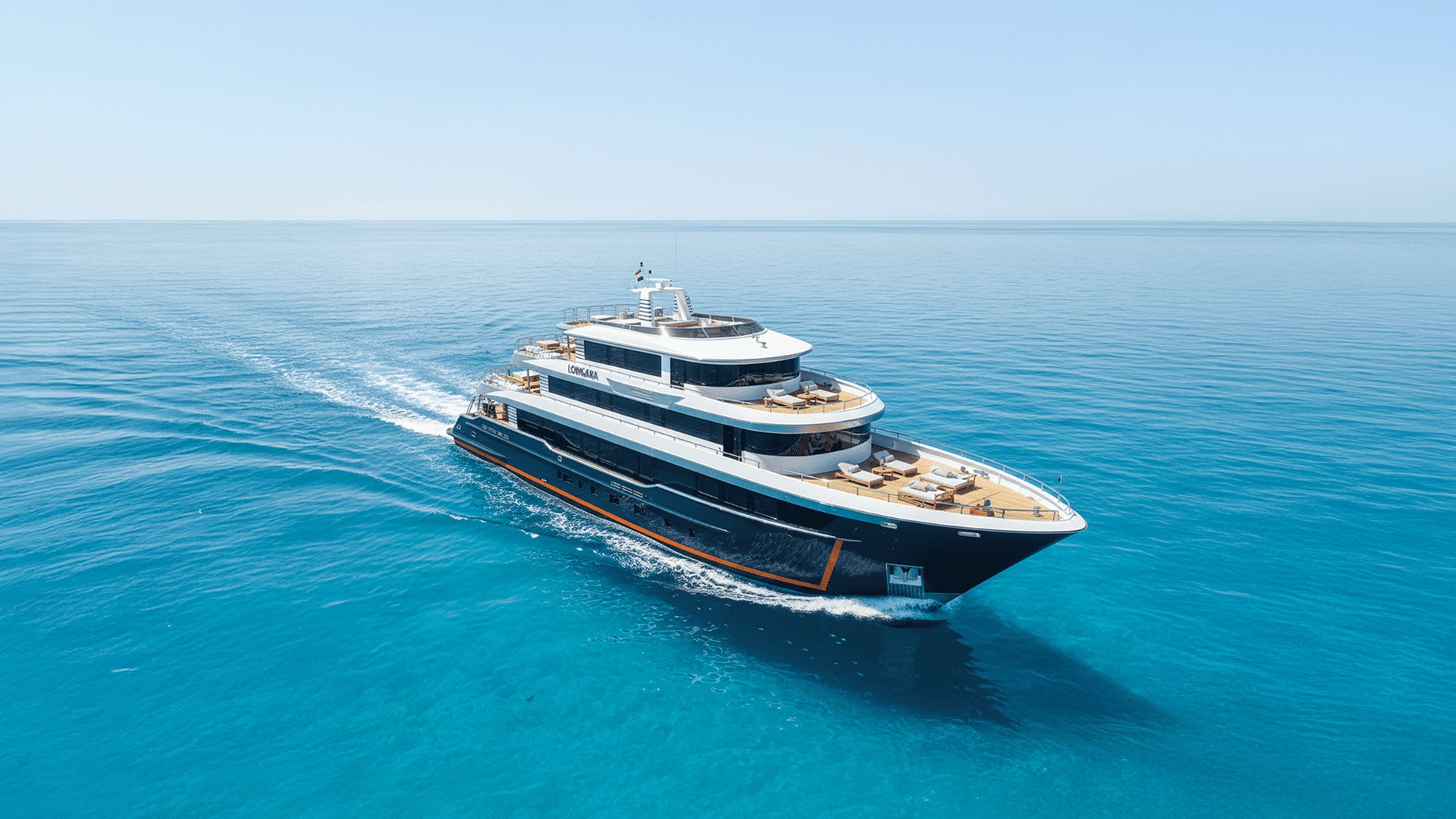
DUNE Longara
Egypt
30 guests
$150/day
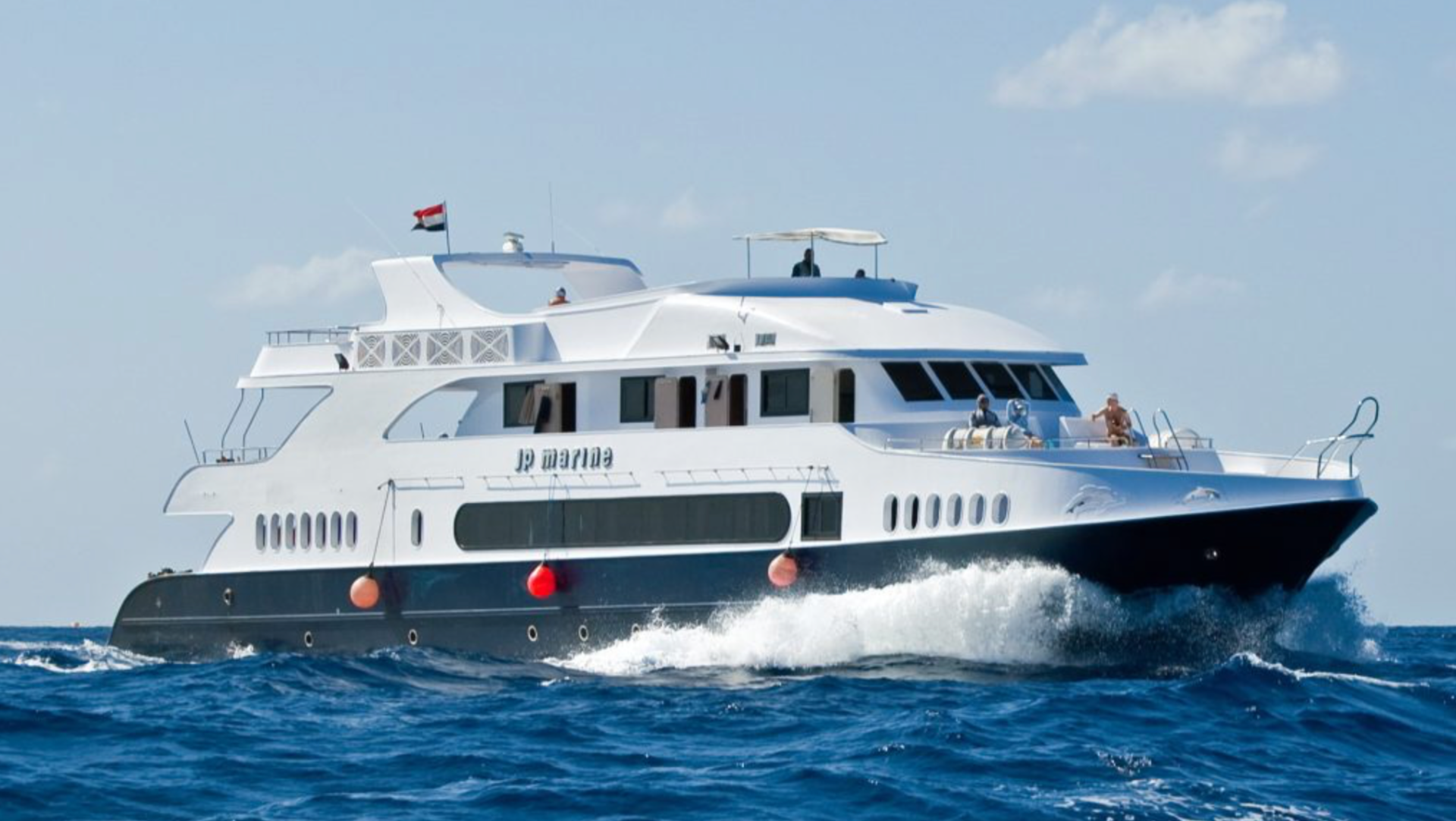
JP Marine
Egypt
28 guests
$109/day
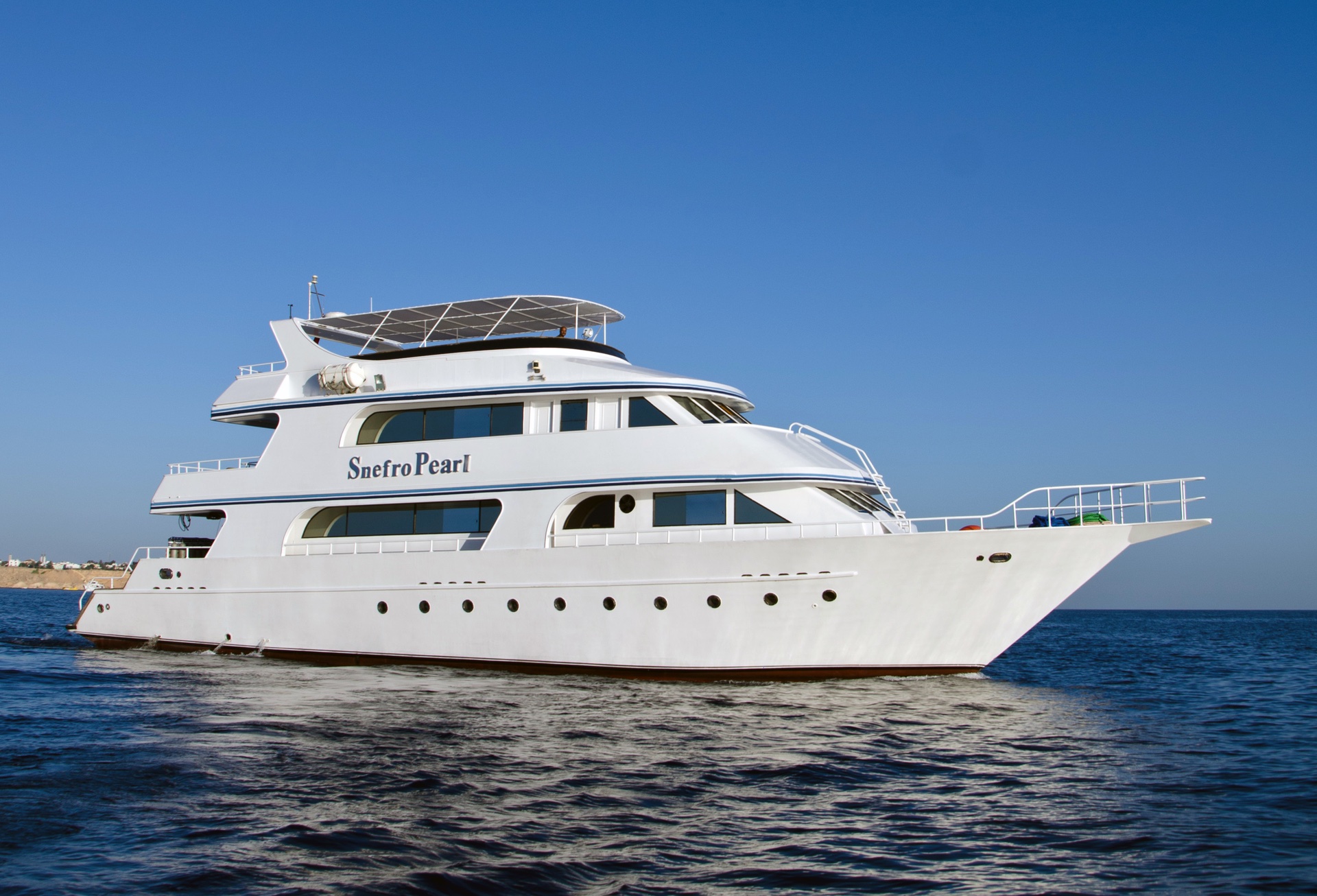
Snefro Pearl
Egypt
12 guests
$150/day
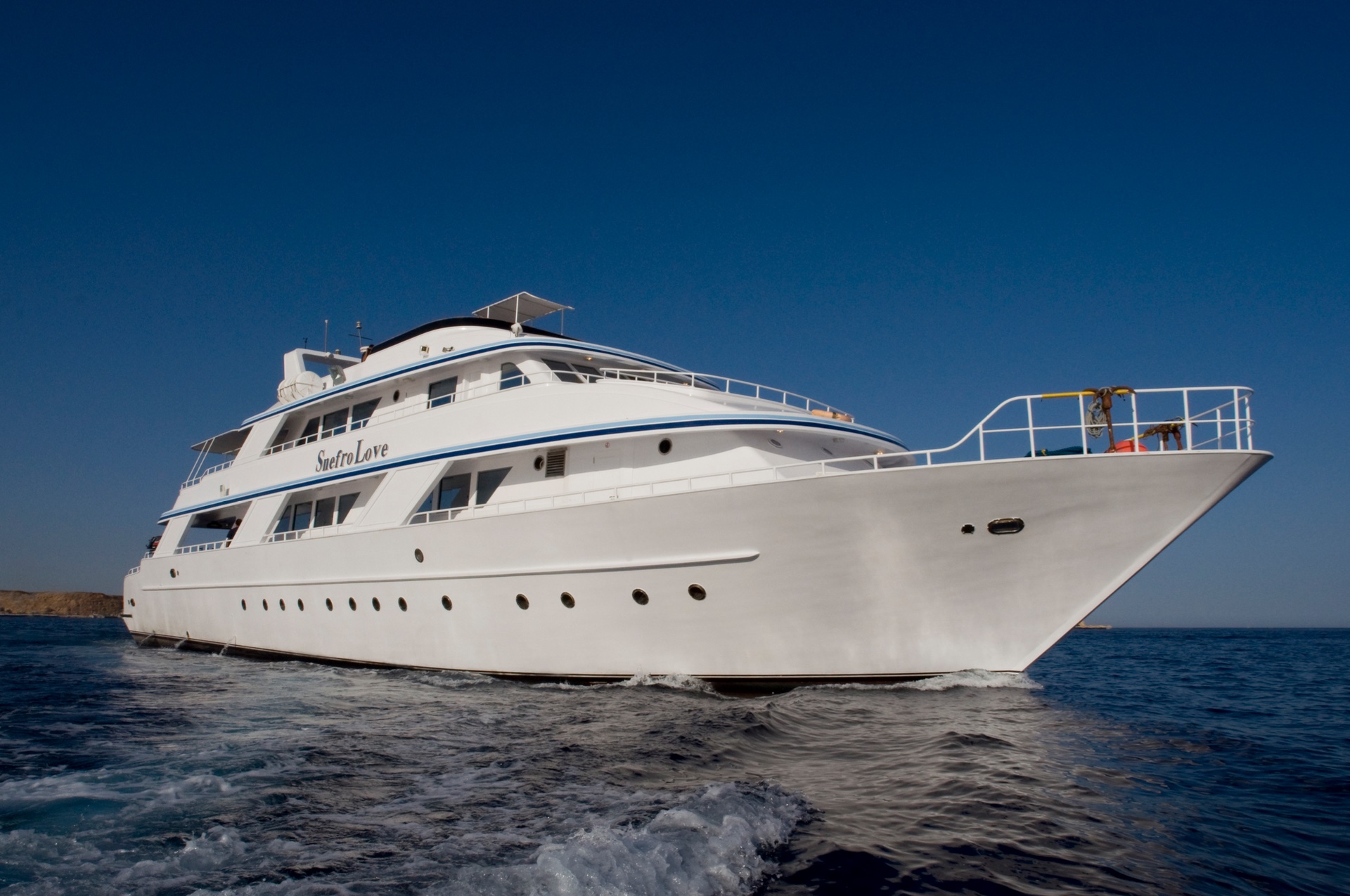
Snefro Love
Egypt
20 guests
$154/day
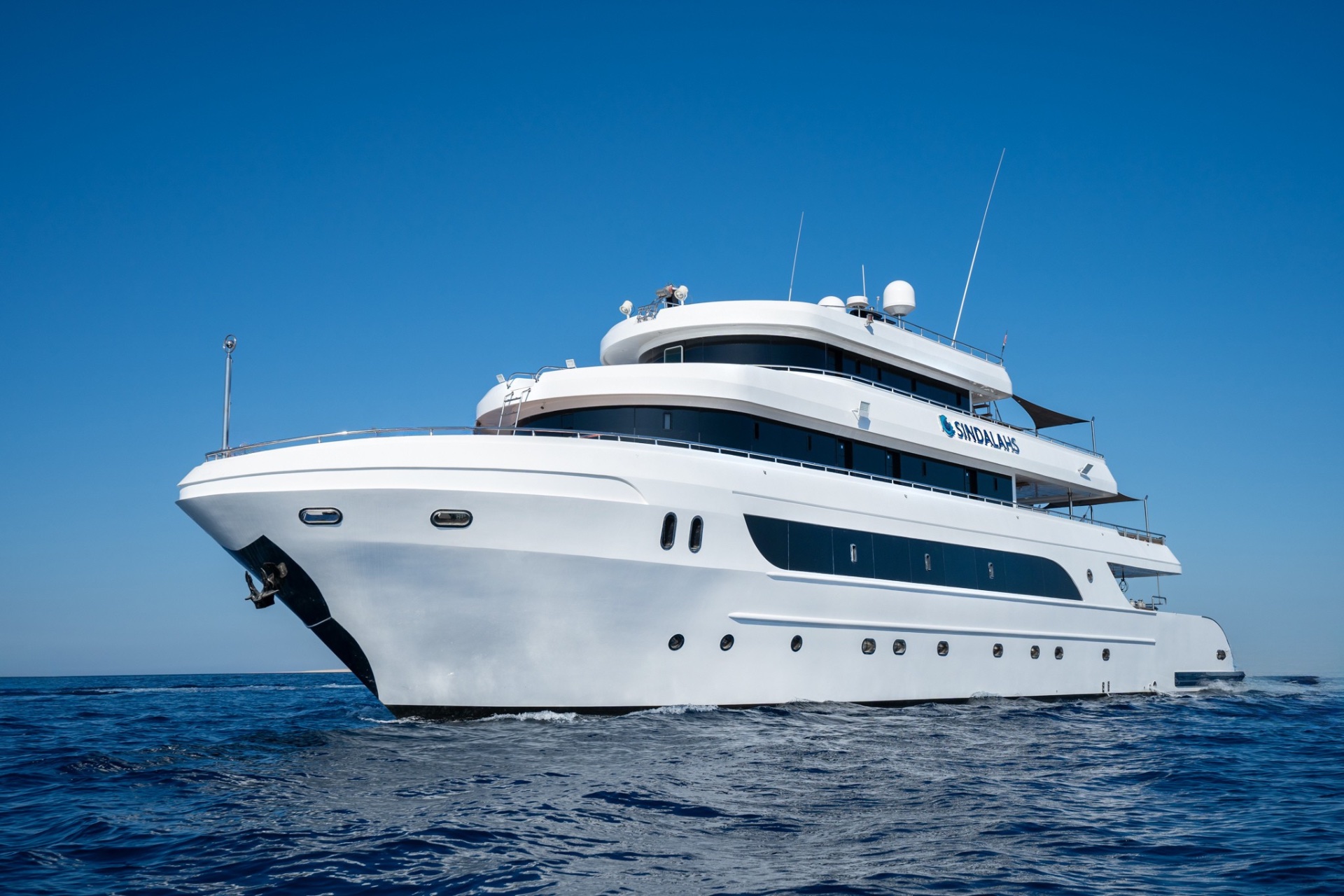
Sindalahs
Egypt
26 guests38 m
$155/day
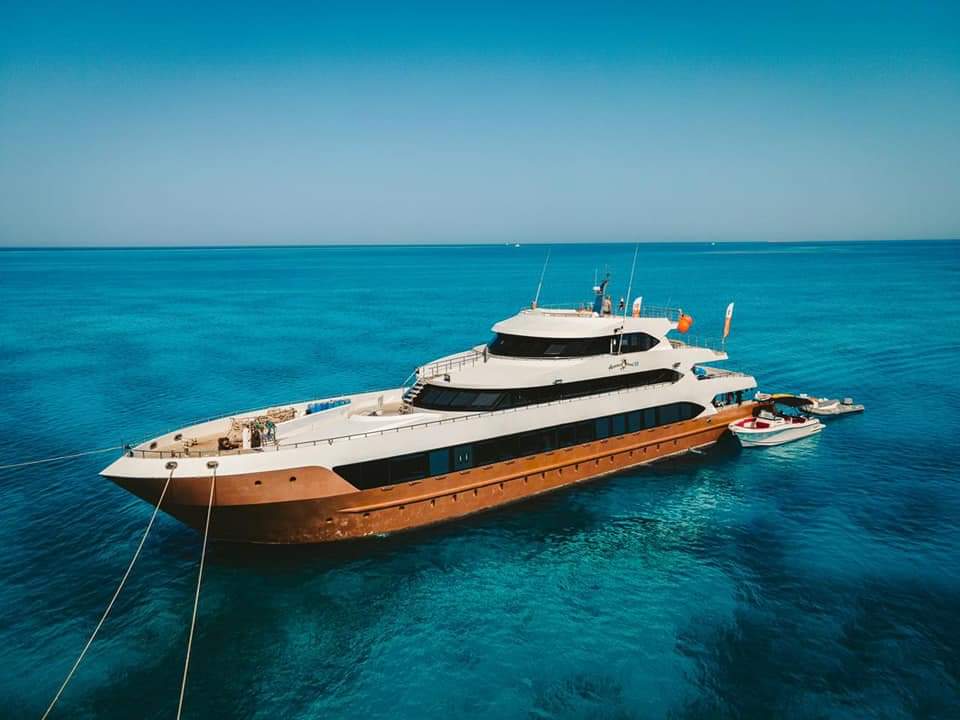
Hammerhead II
Egypt
20 guests
$172/day
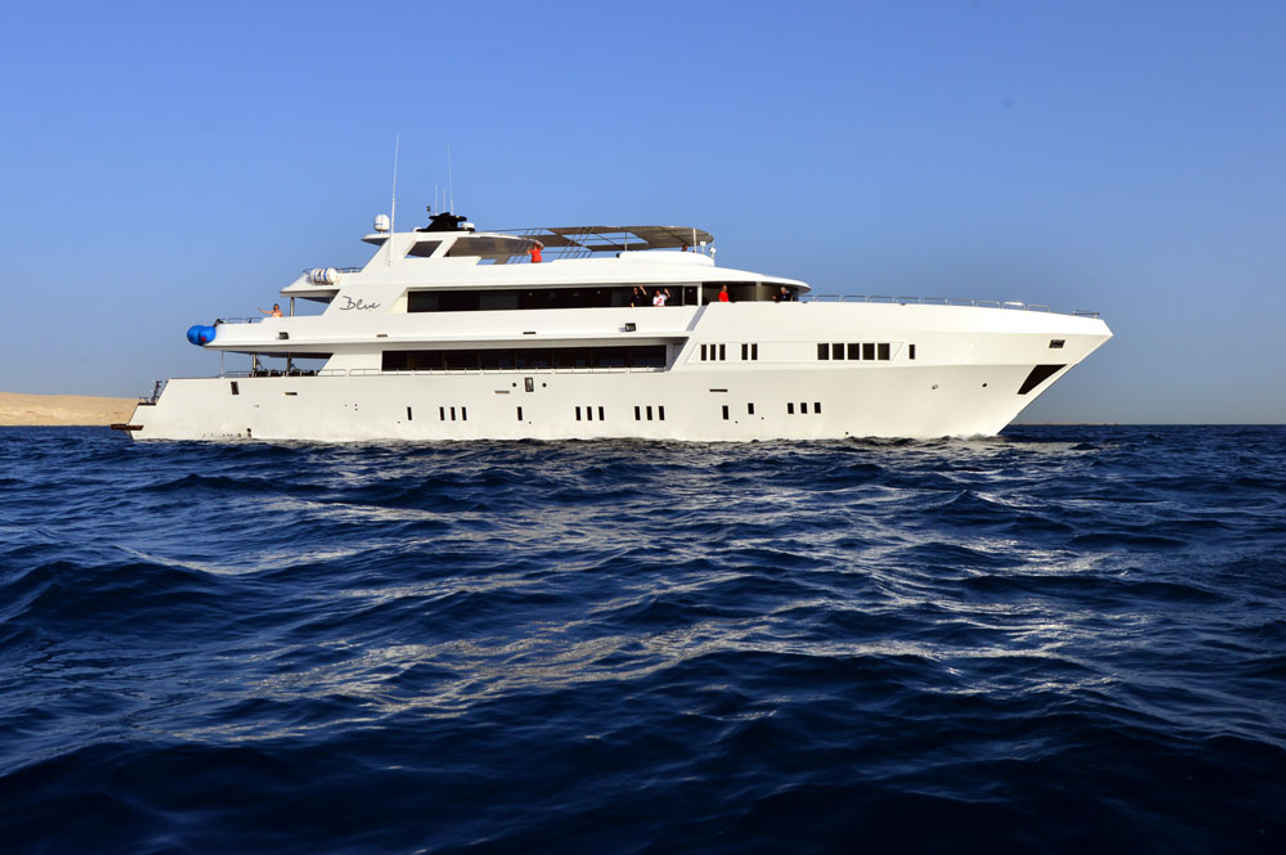
Blue Liveaboard
Egypt
24 guests43 m
$172/day
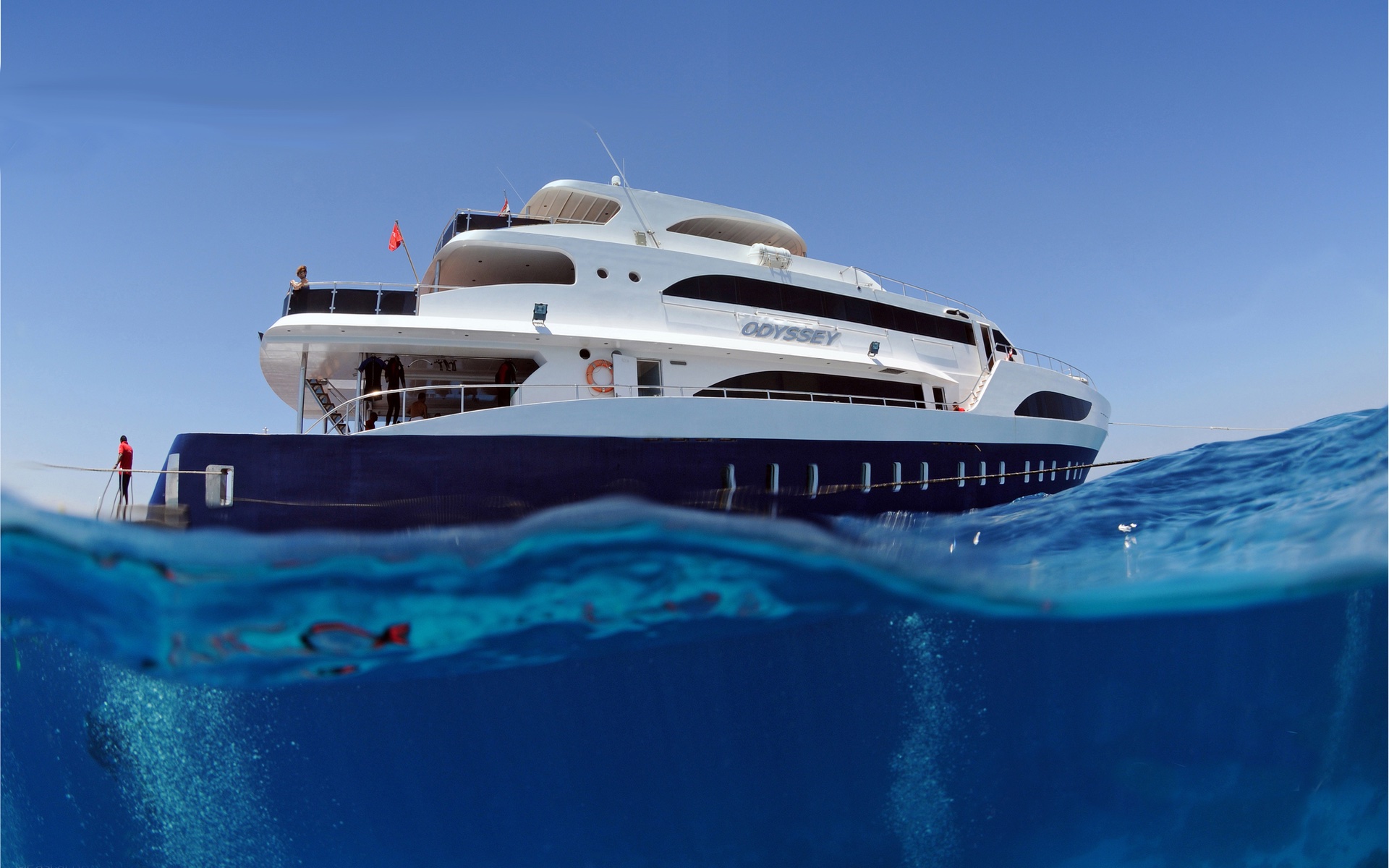
Odyssey
Egypt
26 guests40 m
$185/day
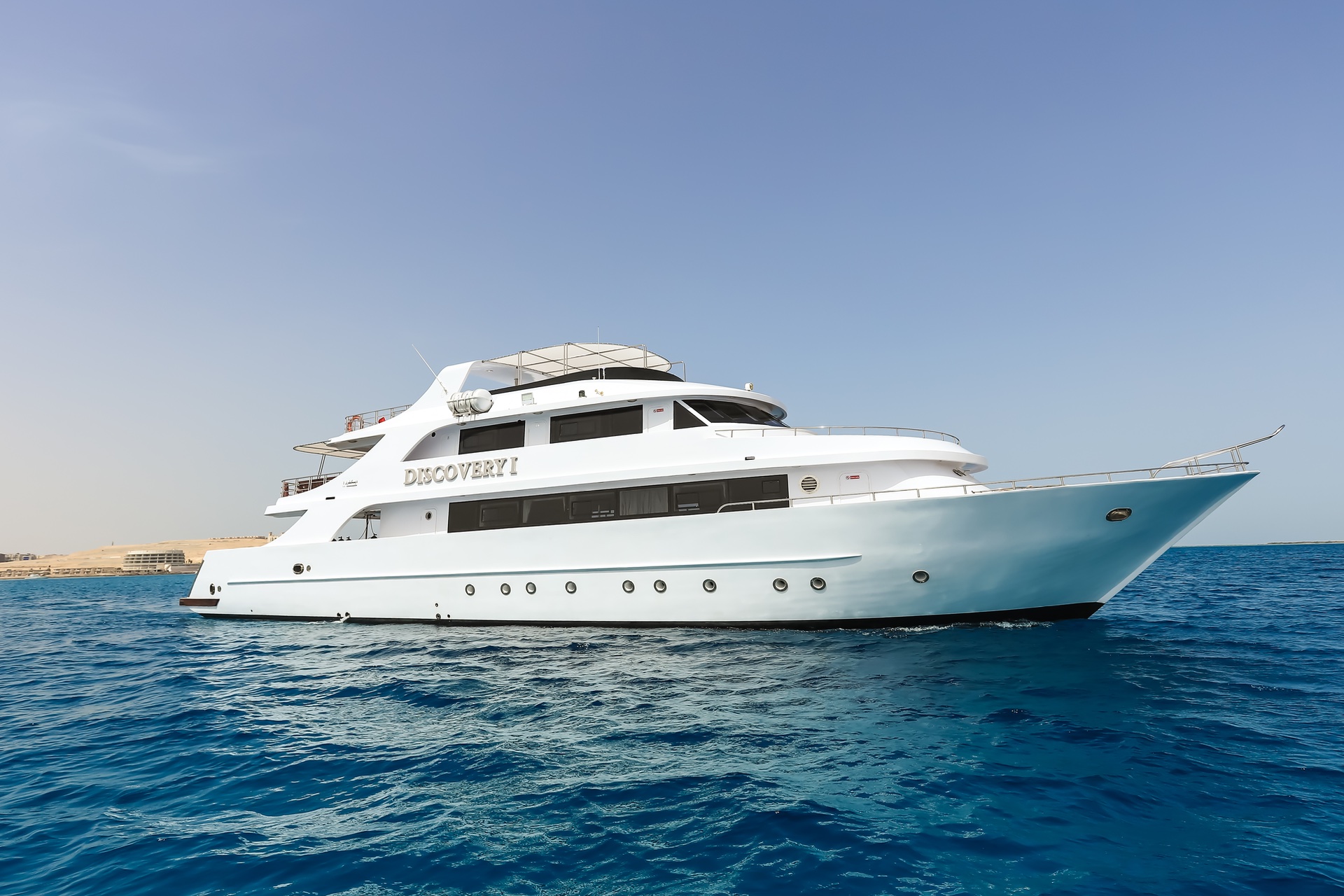
Discovery I
Egypt
20 guests
$97/day
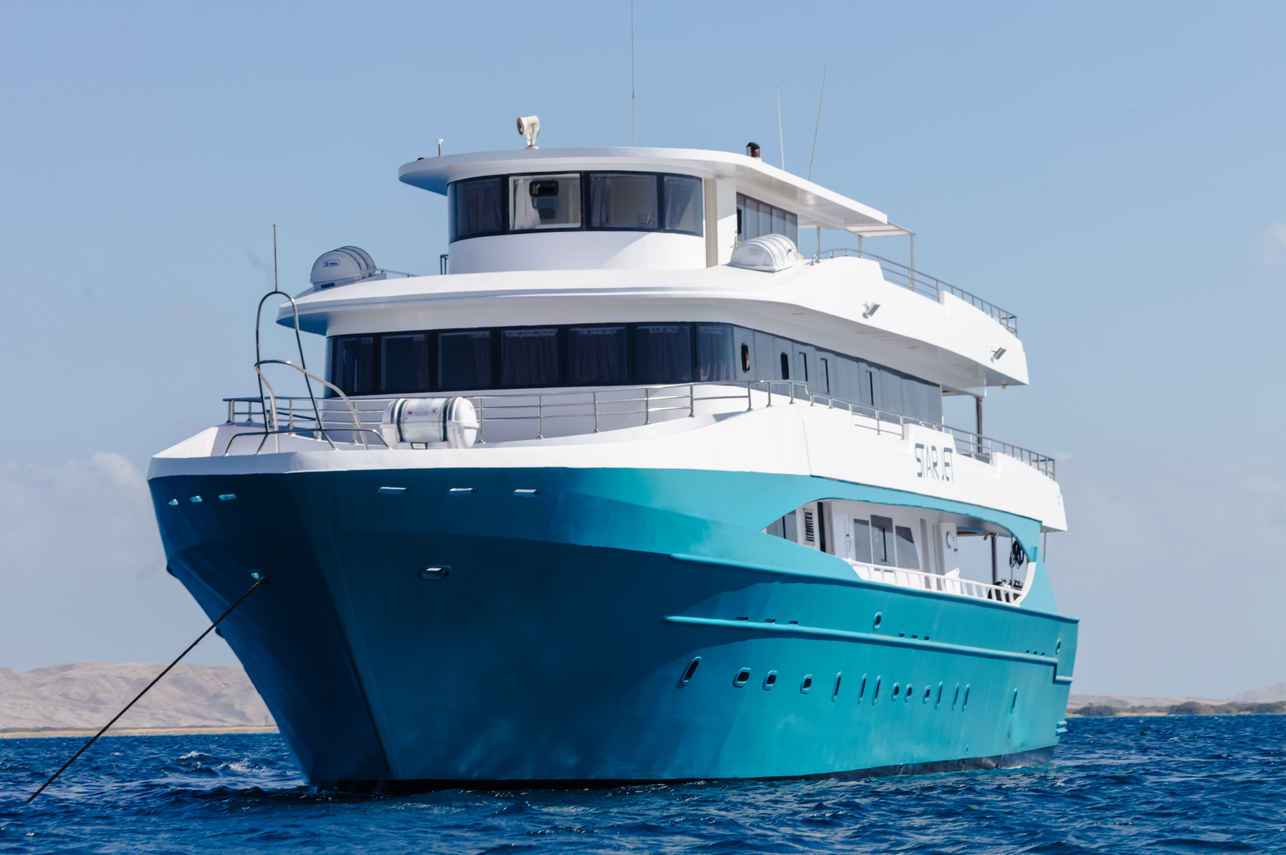
Star Jet
Egypt
28 guests35 m
$145/day
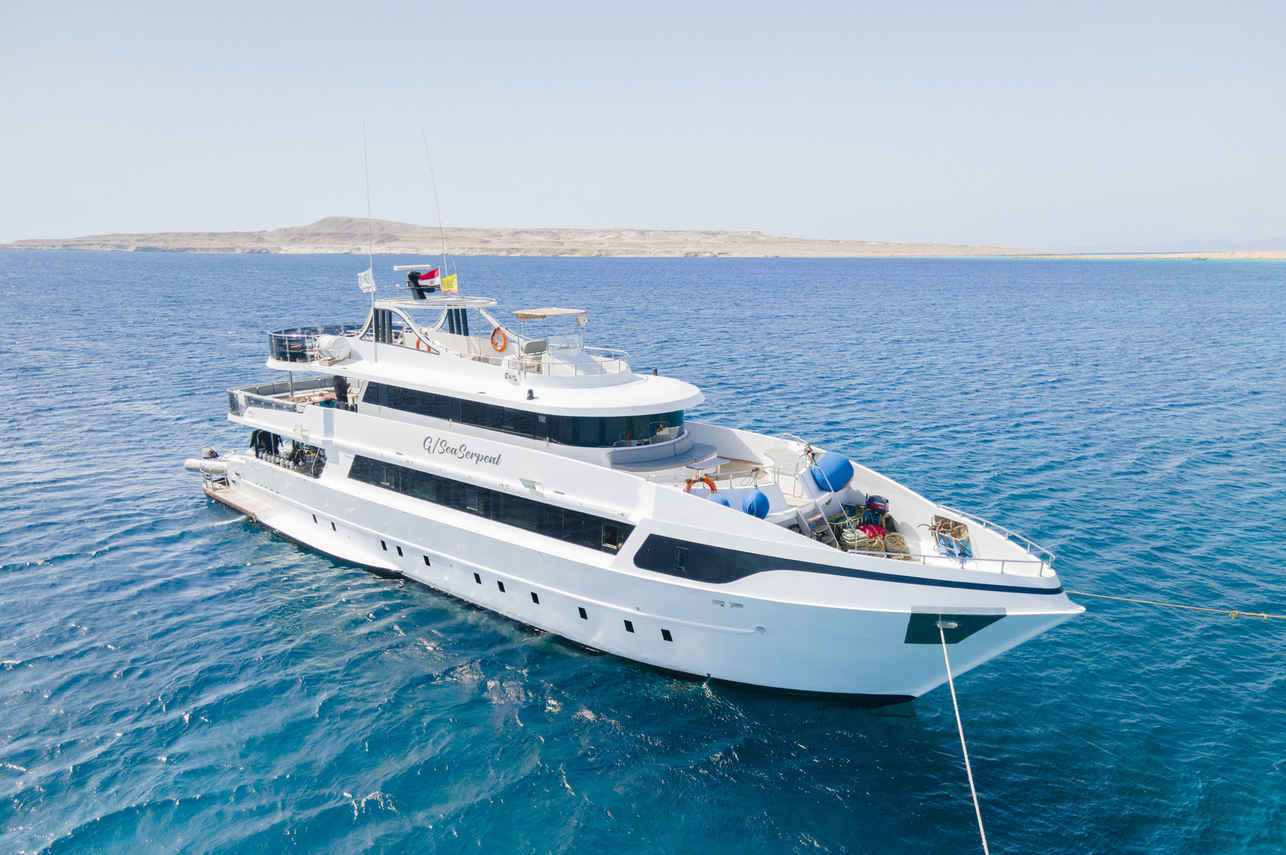
SS Serena Dreams
Egypt
18 guests33 m
$159/day
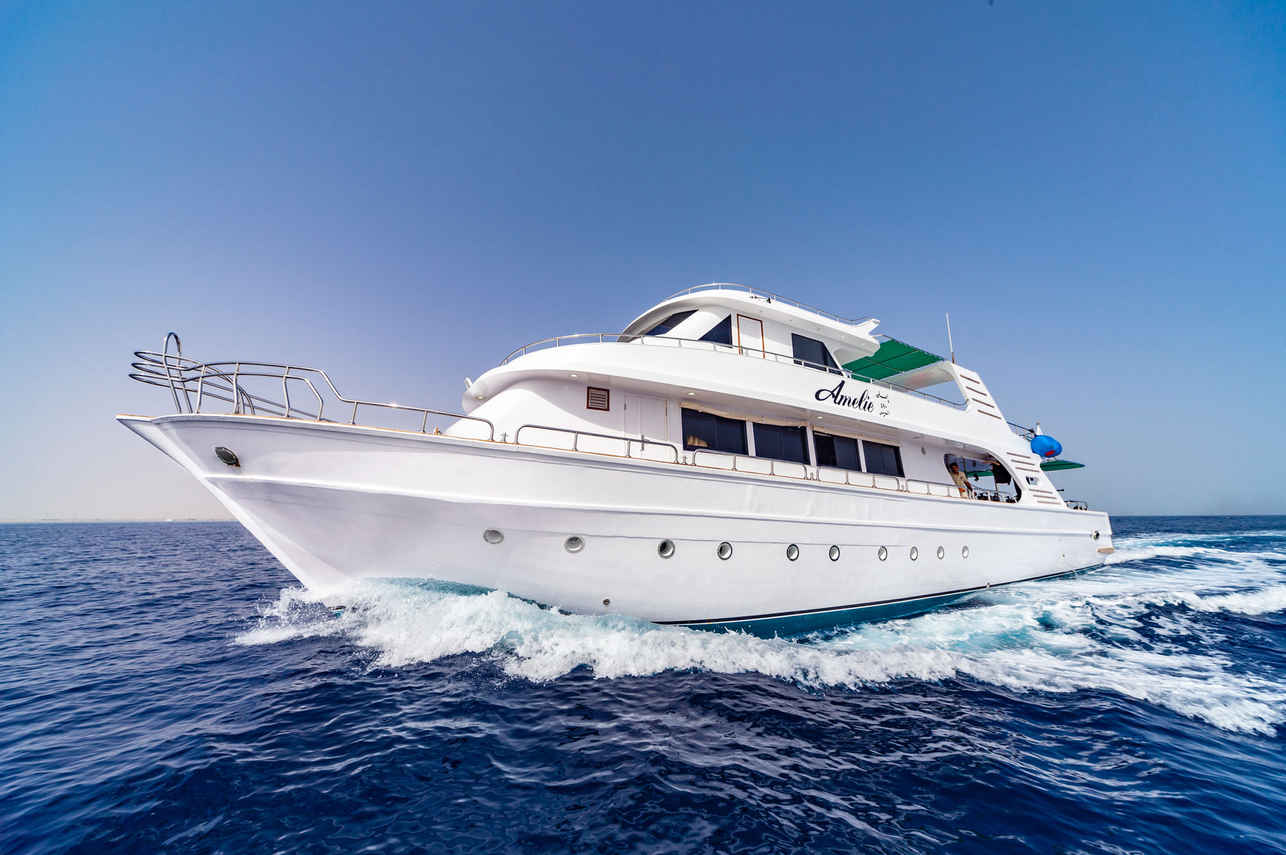
Amelie
Egypt
12 guests23 m
$115/day
Dive sites similar to Marsa Barieka
Same character, same waters — six more sites divers love for the exact same reasons.Compare seasons, access and liveaboard routes — then pick the site that fits your trip best.
© Esri — Maxar, Earthstar, GIS
Carless Reef
Egypt
Carless Reef is a renowned advanced dive site near Hurghada, notable for its two prominent coral pinnacles that rise from a sandy bottom at 30 meters.
- Suitable for
- Advanced
- Current
- Strong
- Access
- Dayboat
- Depth
- 15–40 m
- Theme
- Reef / Drift
© Esri — Maxar, Earthstar, GIS
Gordon Reef
Egypt
Gordon Reef is the southernmost of the four prominent coral formations situated in the narrow Straits of Tiran, which separate the Gulf of Aqaba from the main Red Sea.
- Suitable for
- Intermediate
- Current
- Moderate
- Access
- Liveaboard only
- Depth
- 2–300 m
- Theme
- Reef
© Esri — Maxar, Earthstar, GIS
Far Garden
Egypt
Far Garden is a prominent dive site located in Sharm El Sheikh, serving as the northern headland of the adjacent Middle Garden site.
- Suitable for
- Beginner
- Current
- Moderate
- Access
- Shore / dayboat
- Depth
- 1–45 m
- Theme
- Reef / Drift
© Esri — Maxar, Earthstar, GIS
Tobia Arbaa
Egypt
Tobia Arbaa, also widely recognized as the "Seven Pillars," is a highly regarded dive site situated in Egypt, easily accessible via a short speedboat ride from Safaga or Soma Bay.
- Suitable for
- Beginner
- Current
- Mild
- Access
- Liveaboard or dayboat
- Depth
- 10–16 m
- Theme
- Reef
© Esri — Maxar, Earthstar, GIS
Alexandria
Egypt
Alexandria offers a truly unique diving experience in Egypt, differing significantly from the vibrant coral reefs of the Red Sea.
- Suitable for
- Beginner
- Current
- Moderate
- Access
- Liveaboard or dayboat
- Depth
- 5–8 m
- Theme
- Reef
© Esri — Maxar, Earthstar, GIS
El Fanadir North
Egypt
El Fanadir North is a prominent reef system in the Red Sea, situated roughly 4 kilometers offshore from Hurghada.
- Suitable for
- Advanced
- Current
- Moderate
- Access
- Liveaboard or dayboat
- Depth
- 12–70 m
- Theme
- Drift / Reef