About Makemo - Arikitamiro Pass
Makemo's Arikitamiro Pass, situated in the remote Tuamotu Archipelago, stands out as one of French Polynesia's most pristine dive destinations. This untouched channel attracts an abundance of large pelagic species, including dense populations of grey reef sharks and silvertip sharks, due to its vigorous currents. The vibrant coral gardens lining the pass walls remain in an exceptional state, showcasing the atoll's unspoiled underwater ecosystem. Diving here means experiencing the raw power of nature where strong currents dictate the dive profile, making it a dynamic environment for advanced divers. These currents act as a magnet for a diverse array of predatory fish, drawing them into the pass in significant numbers. The clear waters and thriving marine life offer a glimpse into an underwater world largely undisturbed by human activity. While the main draw is the high-energy pass diving, the surrounding areas might also reveal calmer spots within the lagoon, offering contrasting experiences. However, the primary focus of Arikitamiro remains its thrilling drift dives through the pass. It’s a destination for those seeking profound encounters with large marine animals within a healthy and robust reef environment. Liveaboards are the ideal way to explore Makemo, providing access to this isolated atoll and allowing for multiple daily dives, including dawn and night dives. This offers divers extended opportunities to witness the pass's dramatic marine spectacles, far from the crowds of more frequented sites, truly embodying frontier diving.
Highlights
Untouched coral formationsDense grey reef shark populationsLarge pelagic fish encountersDynamic pass divingRemote Tuamotu AtollExceptional water clarityThriving shark activity
Season calendar
Best months to dive here
Jan
Feb
Mar
Apr
May
Jun
Jul
Aug
Sep
Oct
Nov
Dec
Good
Dive site facts: Makemo - Arikitamiro Pass
- Depth
- 5–30 m
- Typical dive
- 12–25 m, 50–60 min
- Current
- Strong
- Visibility
- 30–50 m
- Water temperature
- 27–30°C
- Entry
- Liveaboard / negative entry
- Level
- Advanced, current experience essential
- Dive type
- Drift dive, pelagic encounters
- Night dive
- Possible via liveaboard
- Region / port
- Tuamotu Archipelago, French Polynesia
- Coordinates
- -16.5833, -143.6667
Conditions & Currents
Arikitamiro Pass is renowned for its strong, swift currents, which are a defining characteristic of this dive site. These powerful currents are responsible for attracting the impressive congregations of pelagic fish and sharks seen here, creating a high-energy drift diving experience. Divers must possess solid experience with current diving and excellent buoyancy control to safely navigate the pass. Entry is typically a negative entry to quickly descend and get below the strongest surface currents, often followed by a drift through the channel. Divers should expect to move rapidly, making observations of marine life a dynamic experience. The current's strength can vary with tidal phases, so precise dive planning aligned with the tides is crucial for maximizing encounters and ensuring safety. Visibility generally remains excellent, even with strong currents, offering clear views of the v
Marine life & sighting chances

Grey reef shark
Year-round · common
Silvertip shark
Year-round · common
Large pelagic fish
Year-round · common
Barracuda
Year-round · occasional
Jackfish
Year-round · occasional
Tuna
Year-round · occasional
Eagle ray
occasional
Giant trevally
occasional
Napoleon wrasse
occasional
Snapper schools
occasionalDive profile & how the dive runs
Diving Makemo - Arikitamiro Pass typically begins with a negative entry from a liveaboard or zodiac directly into the channel, aiming to quickly descend beneath the strongest surface currents. Divers then drift with the incoming or outgoing tide through the pass, which is characterized by sloping reef walls adorned with pristine coral. The route generally follows the main current flow, allowing divers to observe the rich marine life that congregates in the channel, including numerous sharks and large pelagics. Depths during the drift usually range between 15 to 25 meters, where the most active marine encounters occur. The dive culminates as the current dissipates upon exiting the pass, leading to a more sheltered area where a safety stop can be performed comfortably, often along a reef edge or in a calmer lagoon section, before surfacing for pickup by the boat.
Underwater photography
Capturing the dynamic environment of Makemo - Arikitamiro Pass requires robust photographic equipment suited for strong currents and large pelagic subjects. A wide-angle lens is essential for documenting the vast schools of sharks, rays, and other pelagic species, as well as the expansive reef formations. Given the often swift drift, divers should be proficient in controlling their buoyancy and maneuvering their camera rig to secure stable shots. Strobes are highly recommended to bring out the true colors of the corals and marine life, especially when shooting into the blue or at deeper sections of the pass. Focus on pre-setting camera settings for fast-moving subjects and be prepared for quick adjustments. Patience and awareness of your surroundings are key to both safety and successful photography in this high-energy site.
Combine with nearby dive sites
- North Pass - Fakarava
Renowned for its 'Wall of Sharks' and strong drift dives.
- South Pass - Fakarava
Famous for its grey reef shark spawning aggregations.
- Tiputa Pass
Offers exhilarating drift dives with dolphins and various shark species.
- Avatoru Pass
Known for diverse marine life in strong currents.
- Tetamanu - Grouper Wall
A site within Fakarava known for grouper sightings.
Getting there & logistics
Access to Makemo - Arikitamiro Pass is primarily via liveaboard vessels departing from major hubs in French Polynesia, such as Tahiti (Faa'a International Airport, PPT). Divers typically fly into Papeete, then transfer to their liveaboard. Trips to this remote atoll are usually part of longer itineraries, ranging from 7 to 14 days, that explore multiple atolls within the Tuamotu Archipelago, often including Fakarava and Rangiroa. Given Makemo's secluded nature, daily boat trips are not an option, making liveaboards the only practical way to experience this site. There are no specific park fees mentioned for diving Arikitamiro Pass, but liveaboard costs cover all diving permits and services. It is essential to confirm the liveaboard's itinerary to ensure Makemo - Arikitamiro Pass is included.
Safety & environment
Diving Makemo - Arikitamiro Pass demands a high level of diver proficiency due to its strong currents and remote location. All divers must have comprehensive dive insurance that includes coverage for emergency evacuation and recompression chamber treatment. The nearest recompression chamber is located in Tahiti, meaning evacuation from Makemo can be lengthy and complex. Divers should be well-versed in drift diving techniques, proficient in buoyancy control, and comfortable in exposed, high-current environments. Always dive with a qualified guide and adhere strictly to the dive plan, including designated entry and exit points. A no-touch policy towards marine life and corals is enforced to preserve the pristine ecosystem. Ensure all gear is in excellent condition, and carry essential safety equipment like a dive computer, surface marker buoy (SMB), and whistle.
Who it suits — and who it doesn't
Suited for
- Advanced divers experienced in strong currents
- Divers seeking large pelagic encounters
- Underwater photographers with wide-angle setups
- Adventure seekers exploring remote atolls
- Liveaboard enthusiasts
Less suited for
- Beginner divers or those new to current diving
- Divers uncomfortable with deep or exposed environments
- Divers prone to seasickness on longer boat journeys
- Divers seeking solely calm, shallow reef dives
- Divers with limited buoyancy control
FAQ
Makemo - Arikitamiro Pass FAQ
What kind of marine life can I expect to see at Makemo - Arikitamiro Pass?
Makemo - Arikitamiro Pass is celebrated for its abundant pelagic life, particularly large schools of grey reef sharks and silvertip sharks. You can also expect to encounter various other large predatory fish such as barracudas, jackfish, and tuna. Occasionally, eagle rays and giant trevallies make appearances, making every dive a potential spectacle of marine action.
What is the typical dive depth and current strength?
Typical dive depths in Arikitamiro Pass range from 5 to 30 meters, with most of the action occurring between 12 to 25 meters. The pass is known for its strong currents, which are a key factor in attracting the rich marine life. Divers should be advanced and comfortable with drift diving techniques and powerful water movement.
Is Makemo - Arikitamiro Pass suitable for beginner divers?
No, Makemo - Arikitamiro Pass is not recommended for beginner divers. The strong currents and the exposed nature of the pass require advanced diving skills, including excellent buoyancy control and experience with drift diving. It is best suited for experienced divers seeking thrilling encounters with large pelagic species in a dynamic environment.
How do I get to Makemo - Arikitamiro Pass?
Accessing Makemo - Arikitamiro Pass is primarily done via liveaboard safaris. These trips typically depart from Tahiti, requiring international flights to Faa'a International Airport (PPT). Liveaboards provide the accommodation and transportation needed to reach this remote atoll and explore its unique dive sites as part of a multi-day itinerary.
What are the water temperatures and visibility like?
The water temperatures at Makemo - Arikitamiro Pass are consistently warm, generally ranging between 27°C and 30°C throughout the year. Visibility is typically excellent, often exceeding 30 meters and sometimes reaching up to 50 meters, offering clear views of the vibrant coral reefs and abundant marine life.
Are night dives permitted at Makemo - Arikitamiro Pass?
Night dives at Makemo - Arikitamiro Pass are possible and often offered as part of liveaboard itineraries. These dives provide a different perspective of the pass, revealing nocturnal marine creatures and different behaviors of the resident sharks and fish. Participation depends on the liveaboard schedule and diver experience.
Why dive Makemo - Arikitamiro Pass from a liveaboard?
Makemo - Arikitamiro Pass is one of French Polynesia's signature dive sites. A liveaboard sleeps you on the water and puts you in the water for three to four guided dives per day, including dawn and night dives that day-boat operators rarely offer. You skip the daily commute back to port and reach quieter, less-crowded sites in the same region on a single trip.
Below are the liveaboards that include Makemo - Arikitamiro Pass on their French Polynesia itineraries.
Liveaboards diving Makemo - Arikitamiro Pass
These liveaboards may visit Makemo - Arikitamiro Pass on selected itineraries — the exact dive sites depend on departure, weather and conditions.
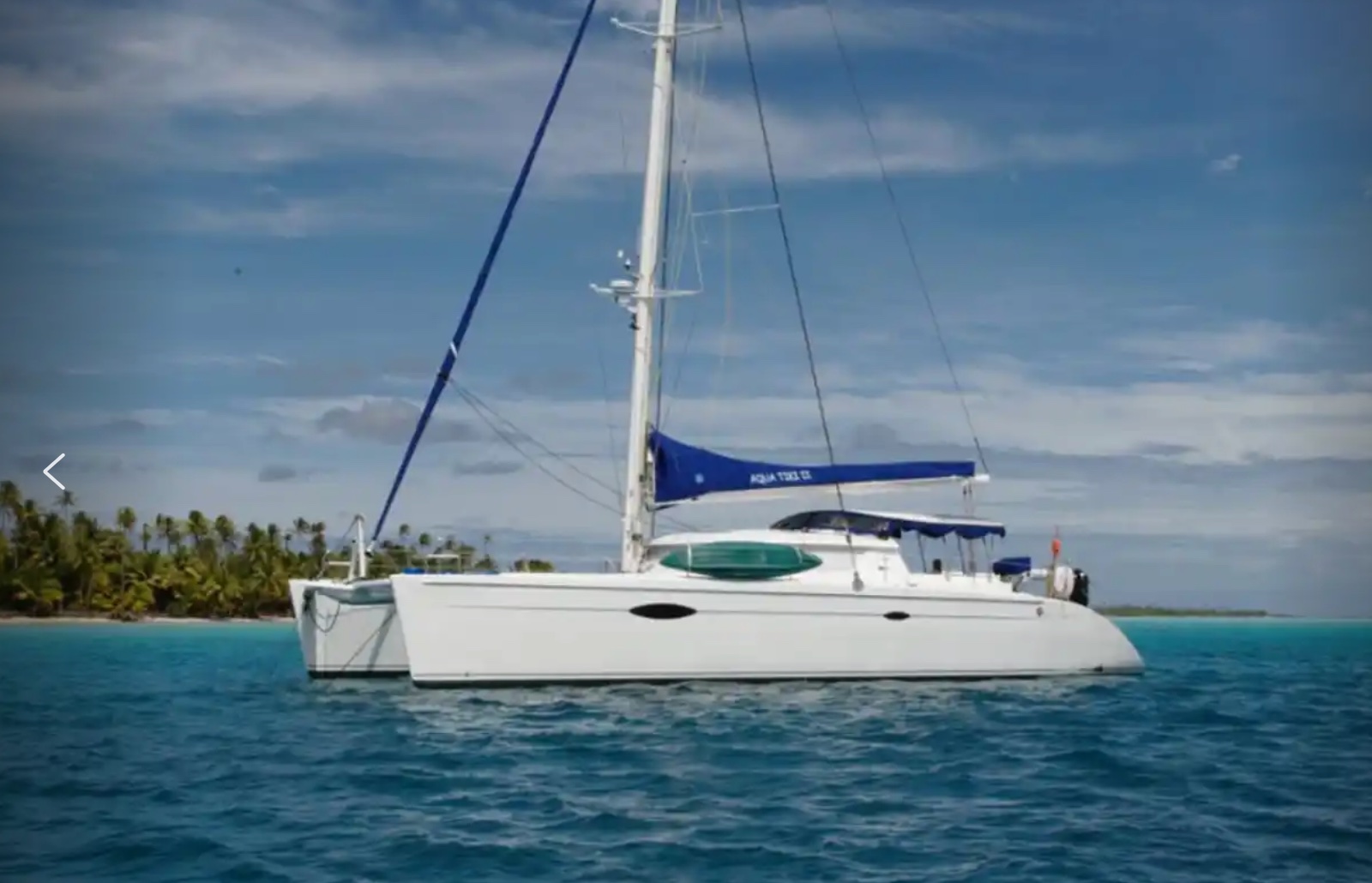
Aqua Tiki II
French Polynesia
8 guests
$578/day
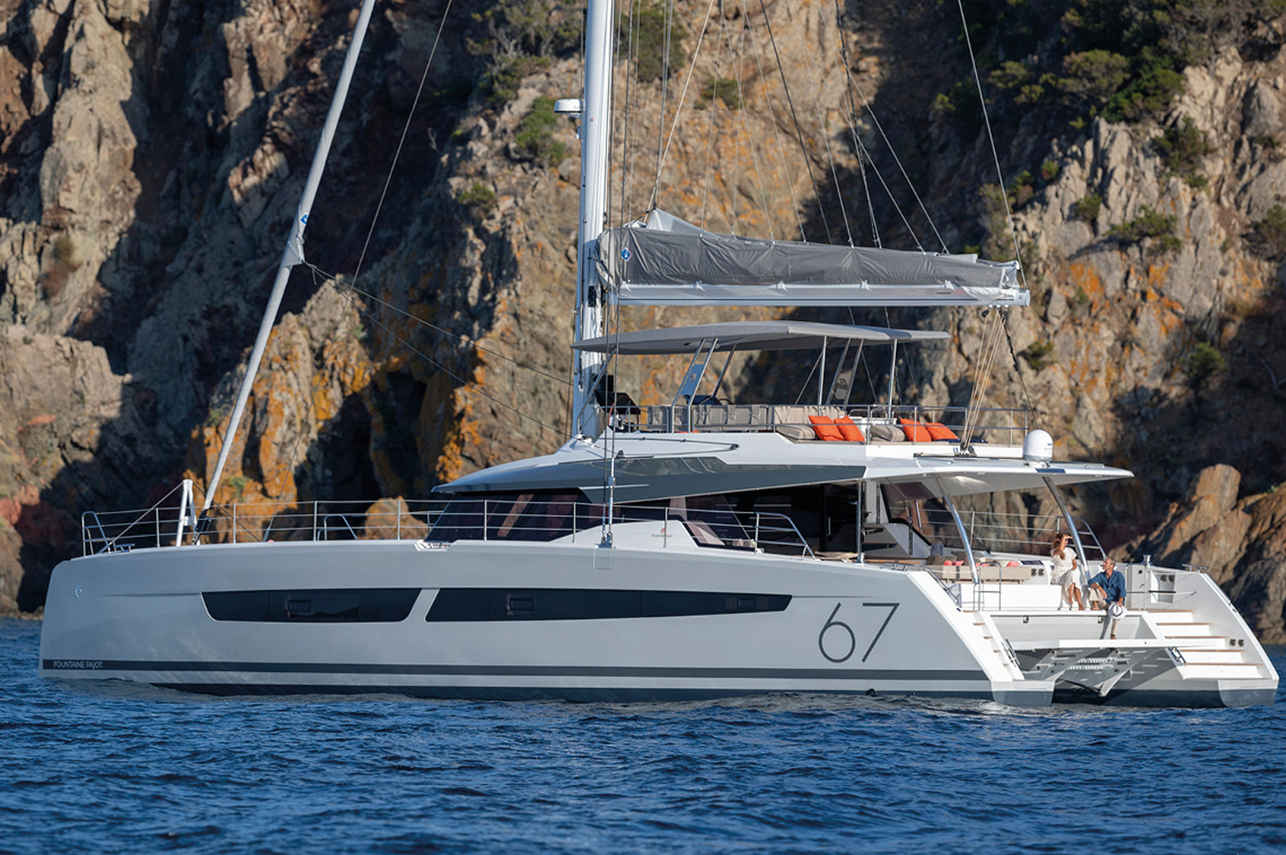
Aqua Tiki III
French Polynesia
10 guests20 m
$504/day
Dive sites similar to Makemo - Arikitamiro Pass
Same character, same waters — six more sites divers love for the exact same reasons.Compare seasons, access and liveaboard routes — then pick the site that fits your trip best.
Ahe Atoll, a remote and authentic destination in French Polynesia, offers a dive experience deeply intertwined with its local pearl farming community.
- Suitable for
- Advanced
- Current
- Strong
- Access
- Liveaboard or dayboat
- Depth
- 5–22 m
- Theme
- Channel / Drift
© Esri — Maxar, Earthstar, GIS
Avatoru Pass
French Polynesia
Avatoru Pass is one of Rangiroa's prominent drift dive sites, renowned for its strong, predictable currents and abundant pelagic marine life.
- Suitable for
- Advanced
- Current
- Strong
- Access
- Liveaboard or dayboat
- Depth
- 8–30 m
- Theme
- Drift / Wall
© Esri — Maxar, Earthstar, GIS
Bora Bora - Anau
French Polynesia
Anau, nestled in Bora Bora's lagoon near Le Méridien, is celebrated as a prime manta ray cleaning station, often referred to as the Manta Ray Spot or Anau Manta Wall.
- Suitable for
- Intermediate
- Current
- Mild
- Access
- Liveaboard or dayboat
- Depth
- 6–20 m
- Theme
- Reef / Wall
© Esri — Maxar, Earthstar, GIS
Bora Bora - Tapu
French Polynesia
Tapu, located in Bora Bora, is a prominent dive site known for its thrilling shark encounters and diverse marine life.
- Suitable for
- Intermediate
- Current
- Mild
- Access
- Liveaboard or dayboat
- Depth
- 8–30 m
- Theme
- Drift / Reef
© Esri — Maxar, Earthstar, GIS
Bora Bora - Tupitipiti
French Polynesia
Tupitipiti Point is a renowned dive site located on the southeast outer reef of Bora Bora, celebrated for its unique underwater topography and rich marine biodiversity.
- Suitable for
- Advanced
- Current
- Strong
- Access
- Liveaboard or dayboat
- Depth
- 10–35 m
- Theme
- Cave & cavern / Wall